
The centre's interpreters
Medical interpreting is a profession of its own: it takes more than knowing the language — you have to understand what the doctor is actually saying. The centre has interpreters for both Russian-speaking and English-speaking families; here are their education and experience.
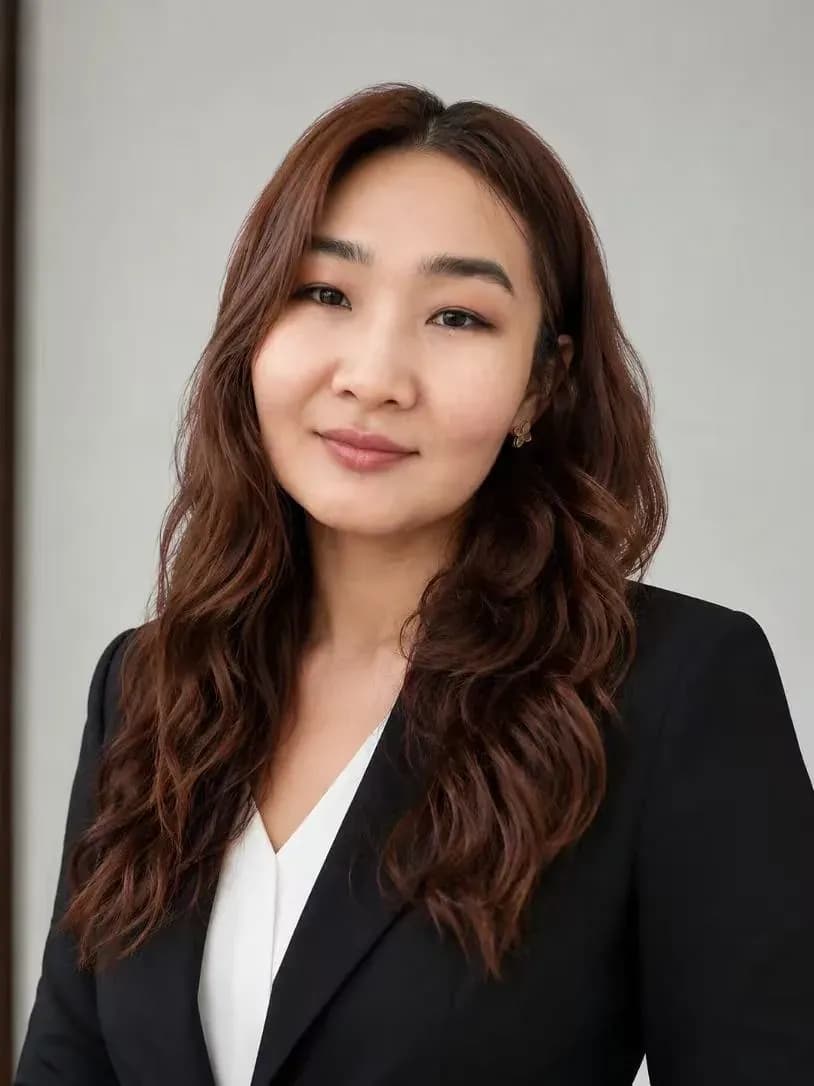
Musaeva Gaukhar
Russian, Kyrgyz and Chinese interpreter
Russian ↔ Chinese
Kyrgyz ↔ Chinese
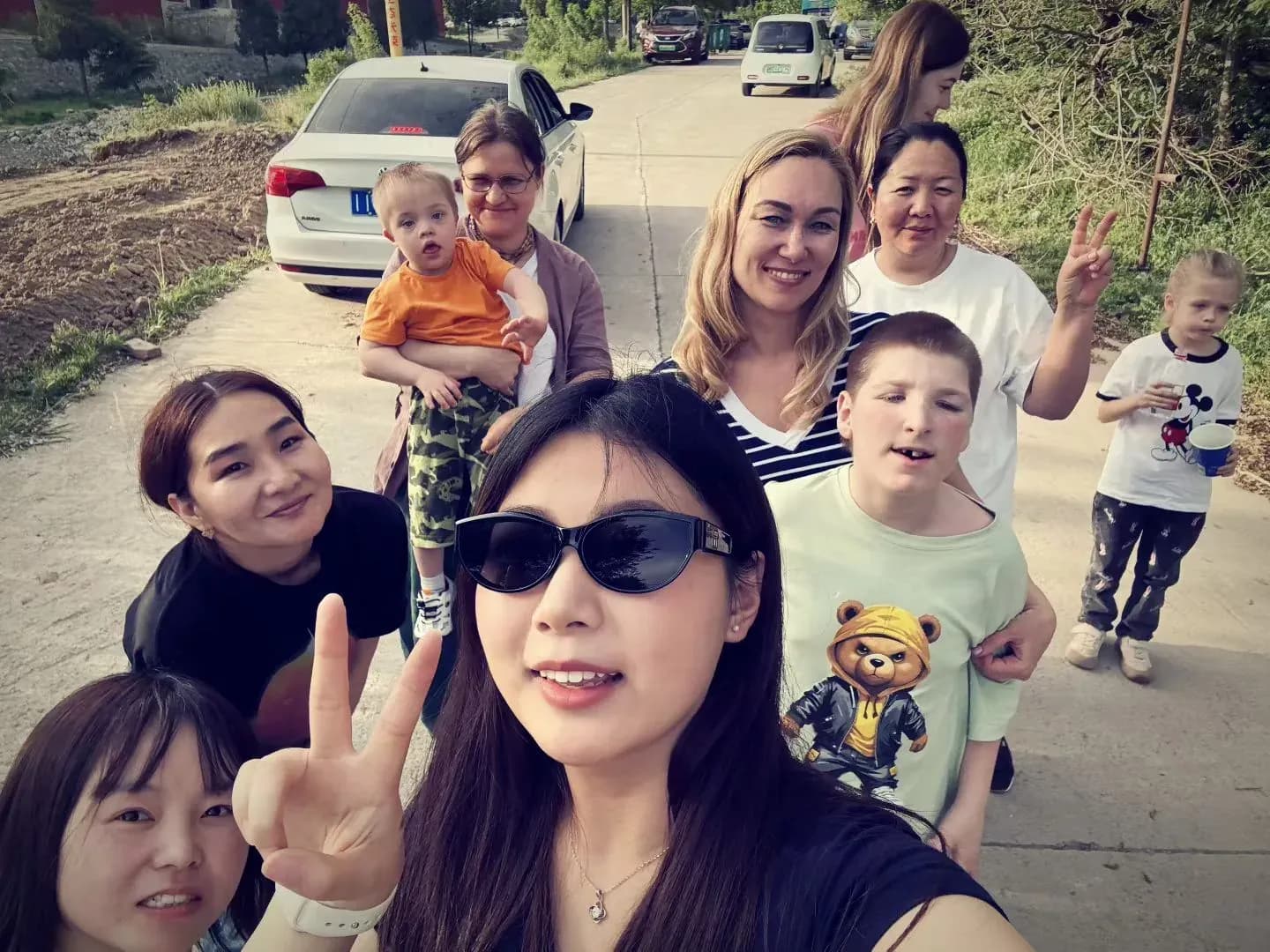
Trained as a linguist in Chinese studies and then completed a master's degree in teaching Chinese to foreigners. She accompanies Russian-speaking families: Kyrgyz is her native language and she is fluent in both Russian and Chinese, so nothing is lost between the parent and the doctor.
Education
- Bachelor's degree, linguist in Chinese (2009–2014)
- Master's degree, landscape design (2019–2022)
- Master's degree, teaching Chinese to foreigners (2022–2024)
Languages
- Chinese — fluent
- Russian — fluent
- Kyrgyz — native
Skills and working style
- A serious and responsible attitude to work tasks
- Teamwork and the ability to coordinate communication between the parties
- Quick adaptation to a new environment
- Confident use of office software — Word, Excel, PowerPoint
- Continuous professional development
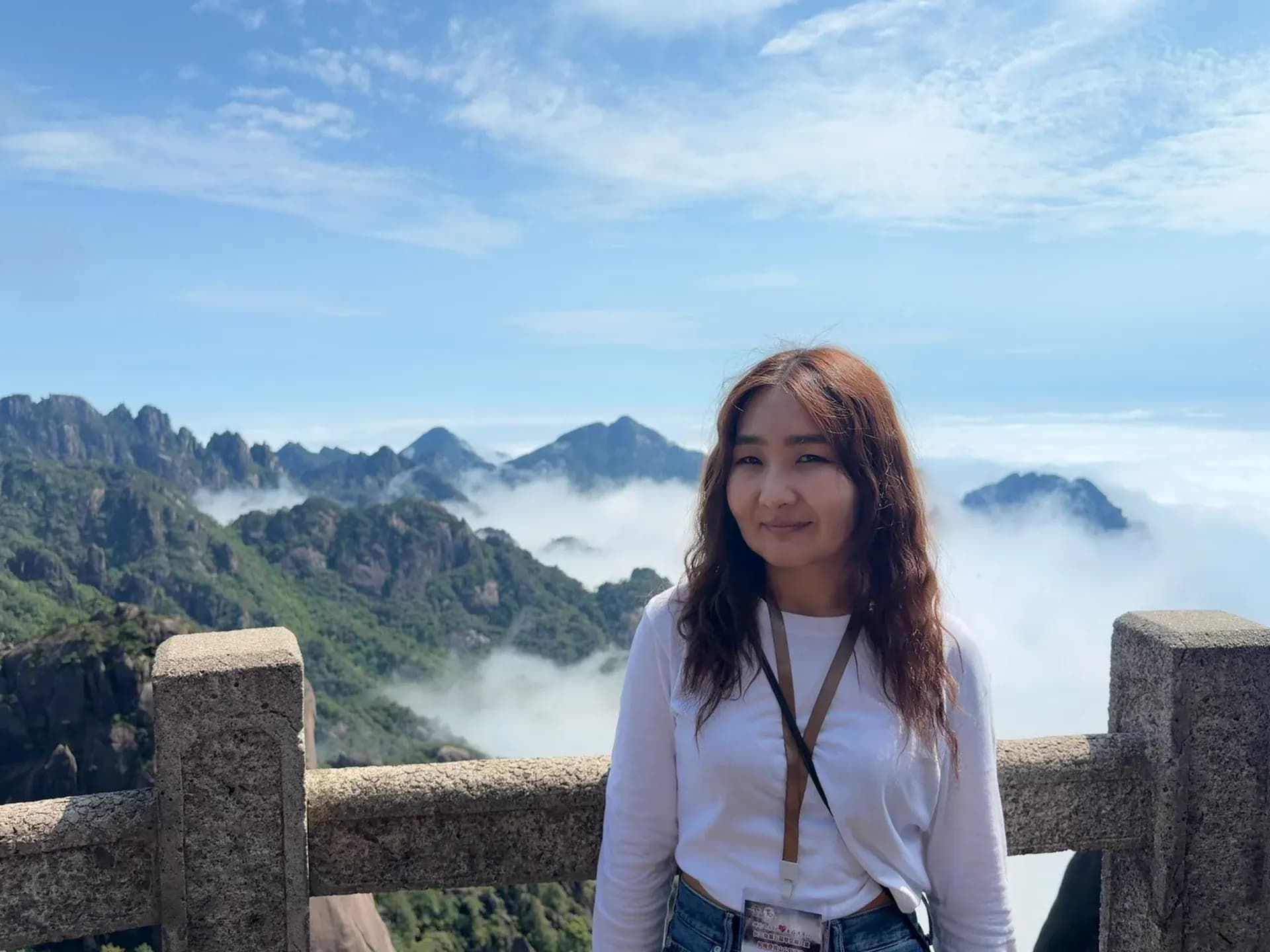
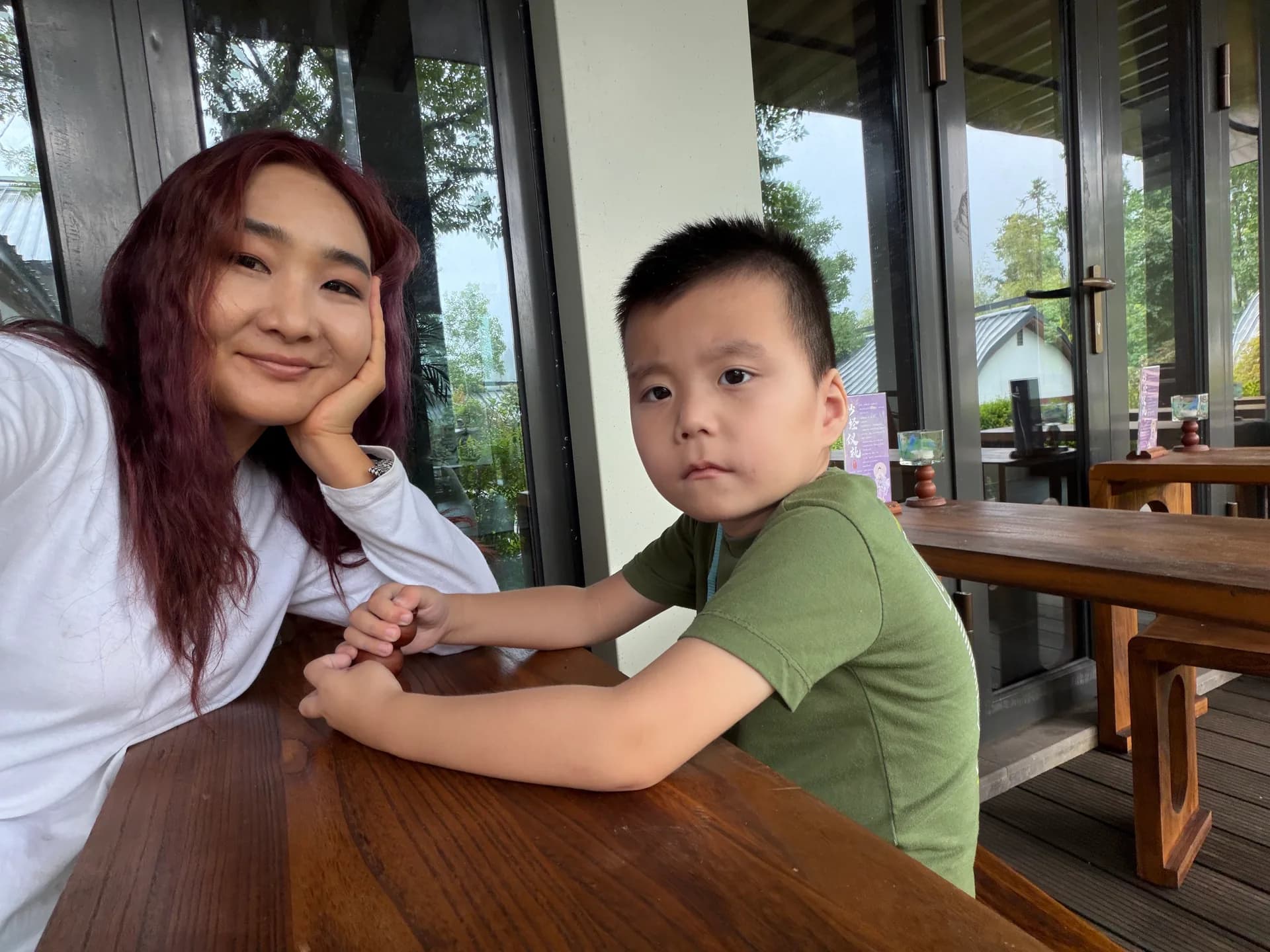
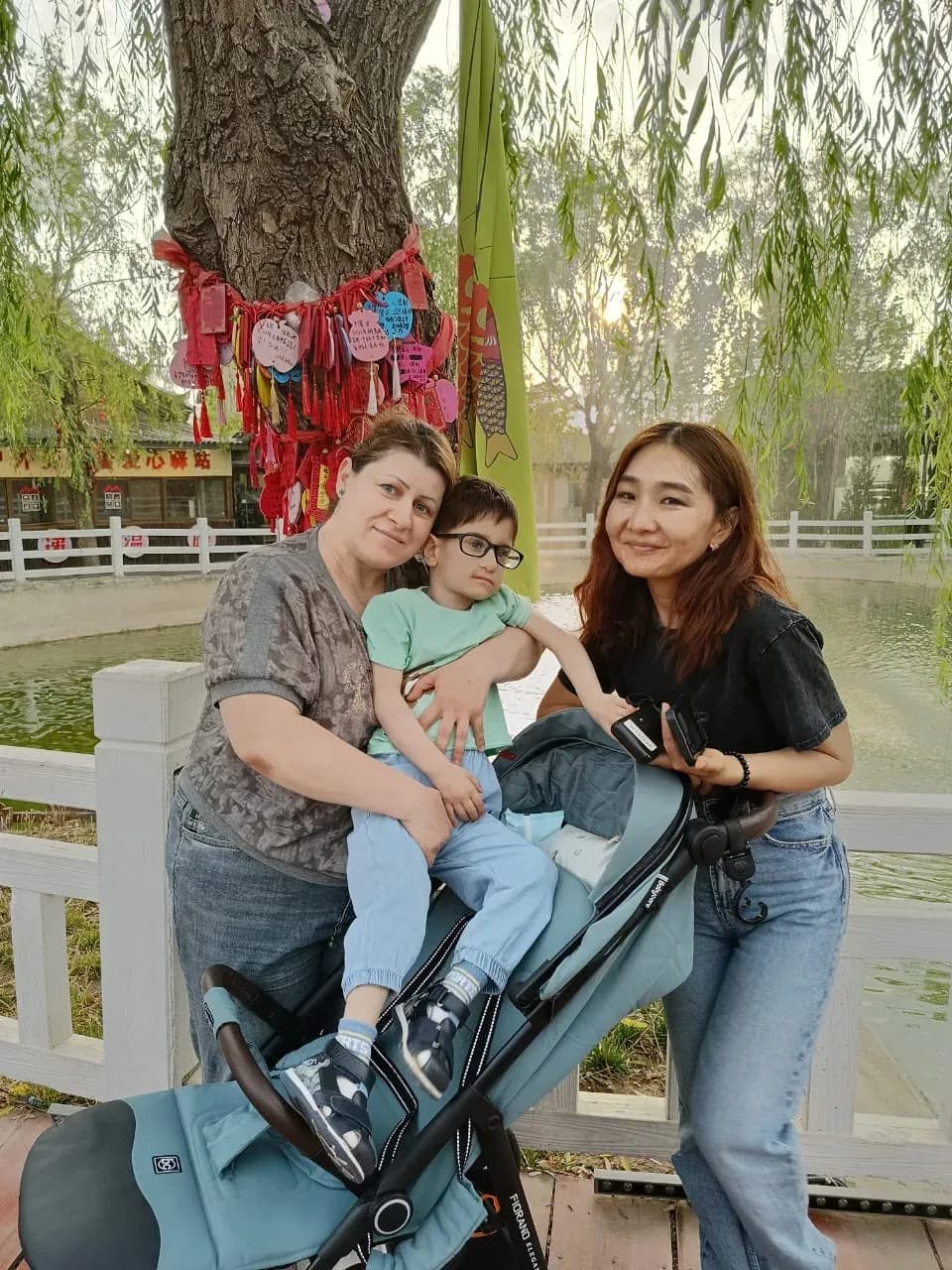
Photographs

Zhou Liuxi 周柳希
English–Chinese interpreter
English ↔ Chinese
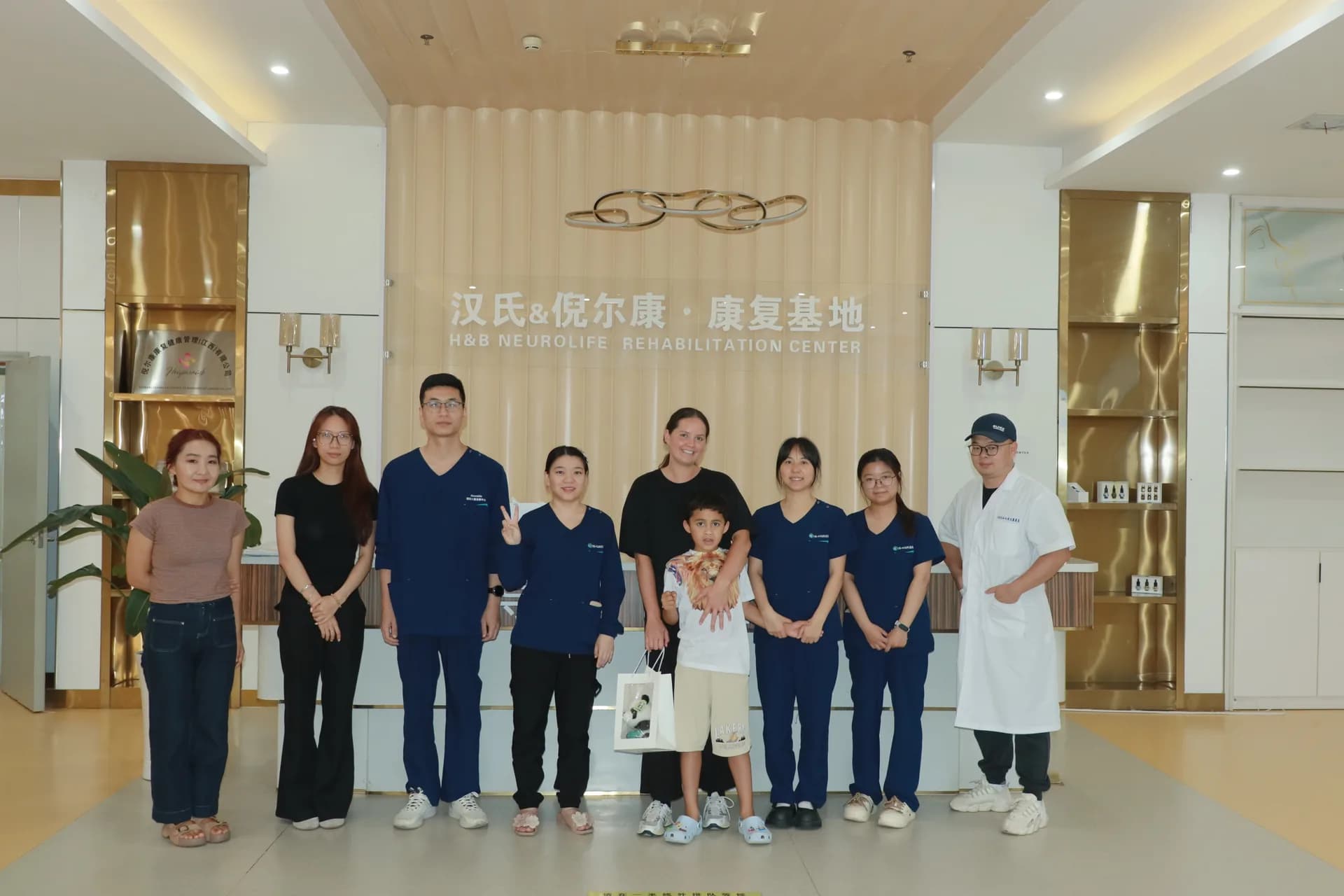
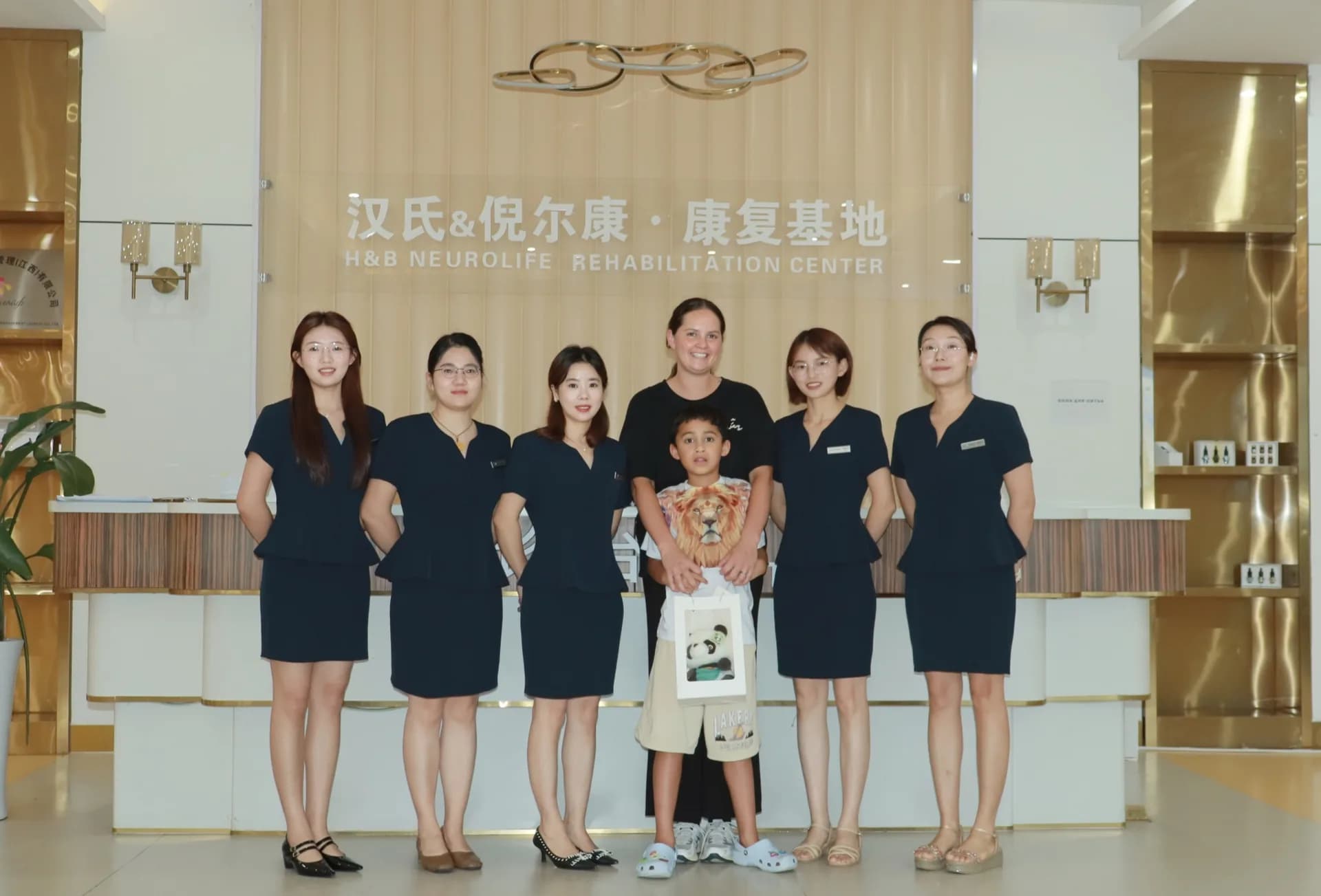
She works with English-speaking families: her language pair is English and Chinese. She graduated from Universiti Sains Malaysia with a Bachelor of Management with Honours, taught in English; her major was International Business, with Southeast Asian studies as a minor.
Education
- Universiti Sains Malaysia, Bachelor of Management with Honours (March 2022 – October 2025)
- Major in International Business, minor in Southeast Asian studies
- Core courses: international marketing strategies, global supply chain management, macro- and microeconomics, business statistics, financial management
Languages
- English and Chinese
- Her studies at Universiti Sains Malaysia were conducted in English
Projects and training
- FinTech shared learning programme (October 2024 – January 2025): a ten-week digital skills programme covering Excel VBA and RPA for data automation; the certificate of completion is signed by Jabil's Vice President of Global Business Services and the Dean of the USM School of Management
- Free Tuition Project for Underprivileged Children, Penang, Malaysia (March – July 2023)
- The 2nd International Youth Conference (December 2022): the “Stop Youth Domestic Violence” project — the research part and the presentation, Best Poster Award
- Penang Digital Talent Programme, run by PYDC (April 2022): an intensive course in web development, UI design techniques and building web modules independently
Work experience
- Client services specialist, Jiangxi Xinbang Industrial Group Co., Ltd., the Xinbangfu project (June 2025 – March 2026): receiving VIP clients, supporting negotiations and meetings, administrative assistance, business hospitality etiquette
Photographs
The cost of the interpreter's services
Organisational expenses: interpreter, transfer, medical support
The centre's regulations, in force since 1 May 2025.
- 1st month
- 2000 ¥
- 2nd month
- 1000 ¥
- 3rd and each following month
- 500 ¥
How organisational service fees are charged
How it works
Say you start rehabilitation on 10 January: 2,000 ¥ covers the period up to 9 February, 1,000 ¥ up to 9 March, 500 ¥ up to 9 April, and 500 ¥ for every month after that.
Partial month
If you attend rehabilitation for 7 days (inclusive) or fewer within a month, that month is not charged. From 8 days onwards the full month is payable.
Repeat visit: break of under 30 days
The payment schedule stays as if there had been no break: when you come back, you continue from the month you stopped at.
Repeat visit: break of 31–60 days
If you have completed all 3 months of rehabilitation and then take a break of 31 to 60 days, your first month back costs 1,500 ¥ instead of 2,000 ¥ (a 500 ¥ discount).
Repeat visit: break of 61 days or more
Payment starts again under the standard schedule: 2,000 ¥ for the first month, 1,000 ¥ for the second and so on.
Organisational fee if the course at the centre is very short
- Up to 5 days inclusive from check-in
- 500 ¥
- Up to 10 days inclusive
- 1,000 ¥
- 11 days or more
- 2,000 ¥, as for the first month
Additional support outside the centre
At the family's request.
- Routine examinations within the city (EEG, MRI and similar)
- 50 ¥ per hour; beyond 8 hours — 400 ¥ for a full day
- A trip to another city
- By agreement
- Written translation of medical documents
- Usually 100 ¥ per page, a long or complex text — up to 300 ¥ per page; turnaround — 7 working days; urgent translation +20% (2 working days)
- The interpreter's transport, meals and accommodation on trips
- At the client's expense
At no extra charge
- Accompanying examinations prescribed by the centre
- Help with booking appointments
- Ordering a taxi
- Interpreting over the phone
What it looks like in practice
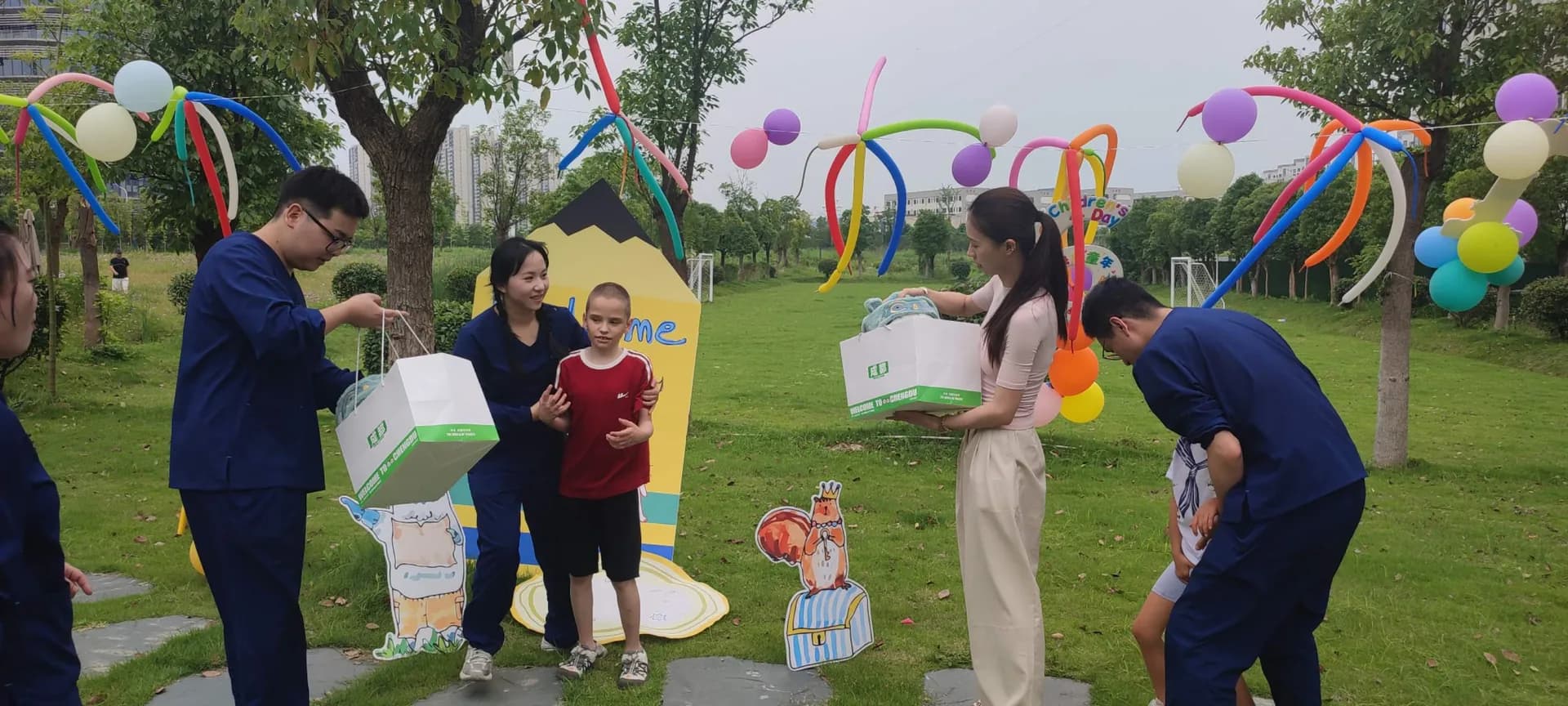
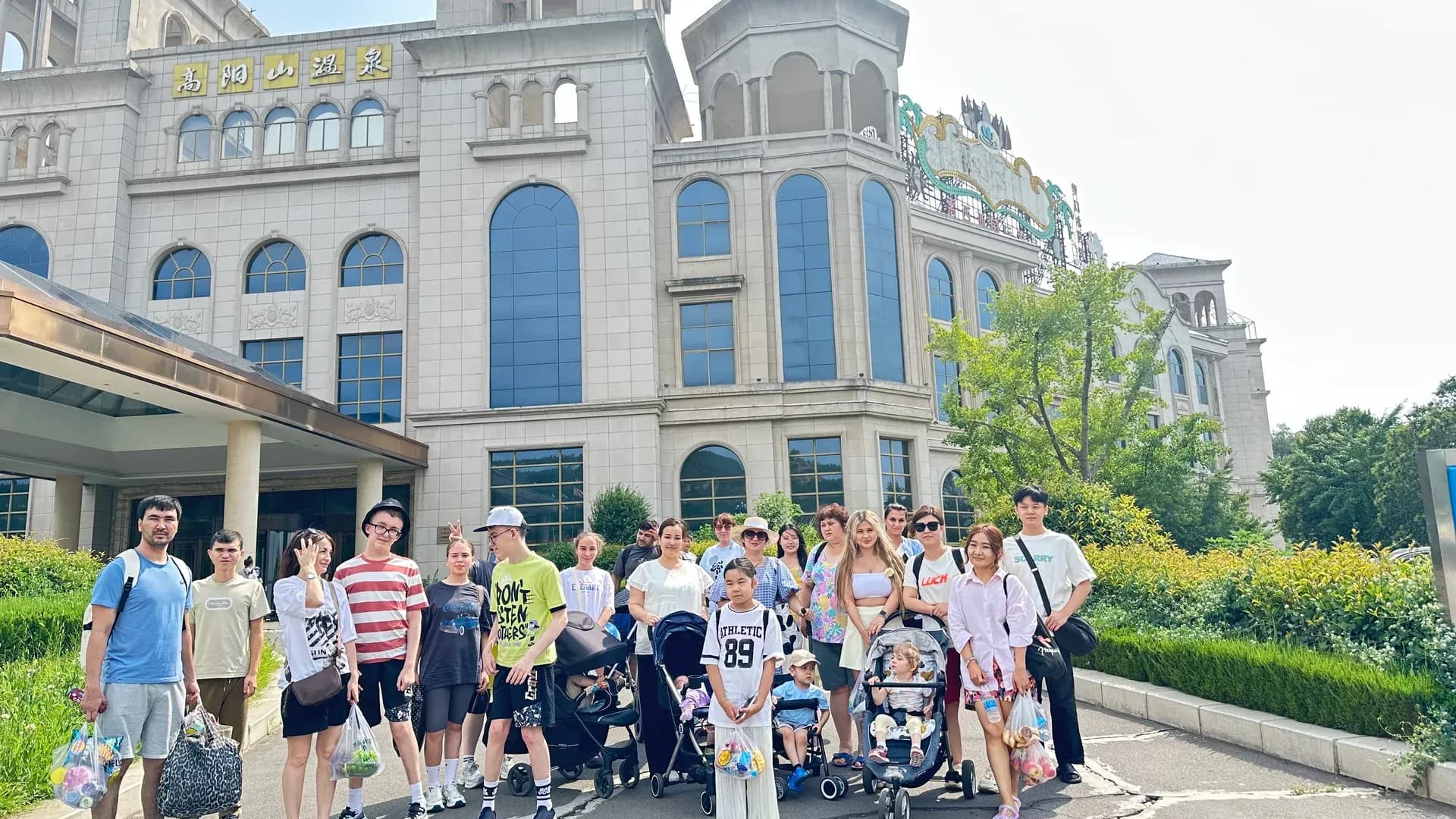
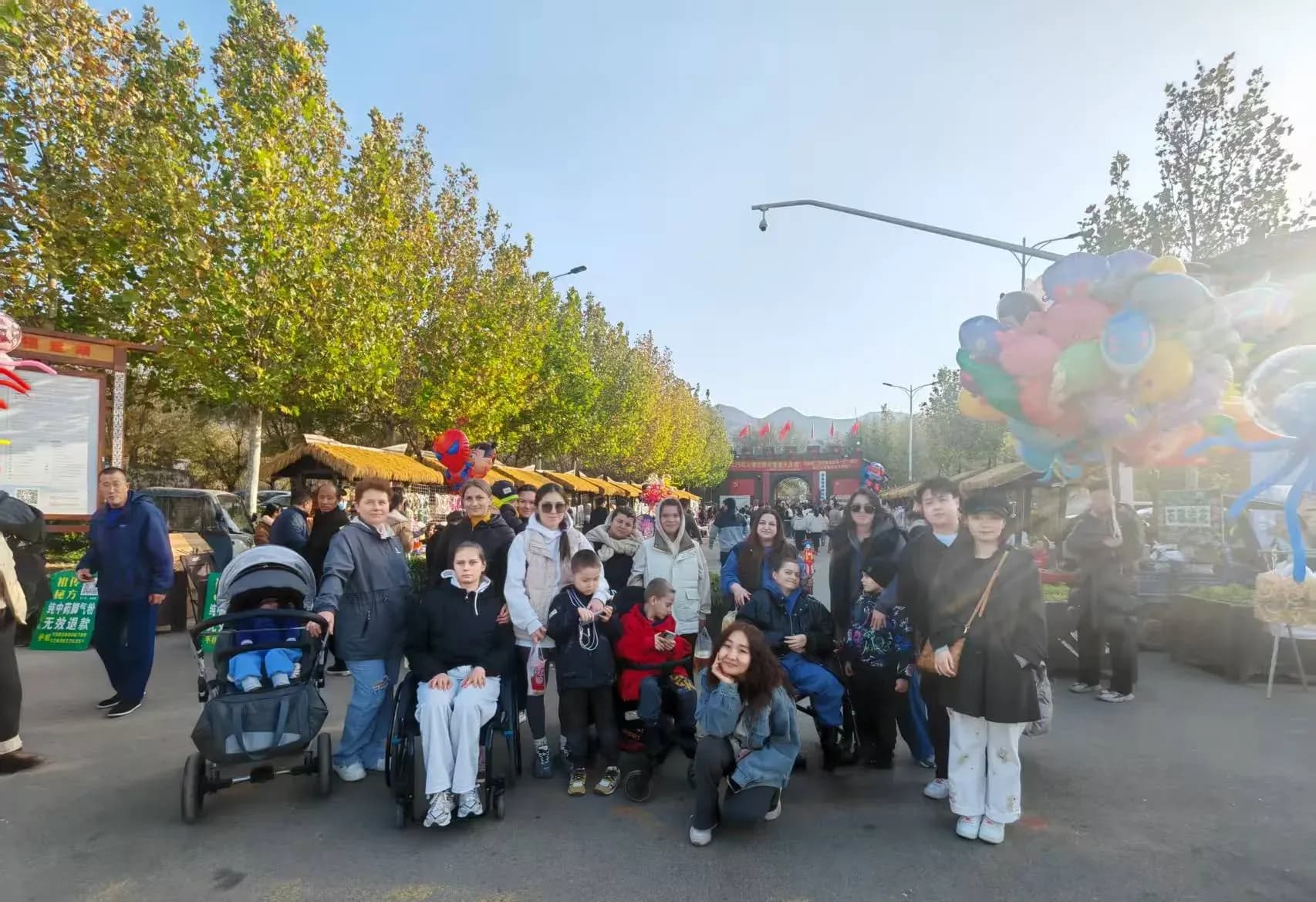
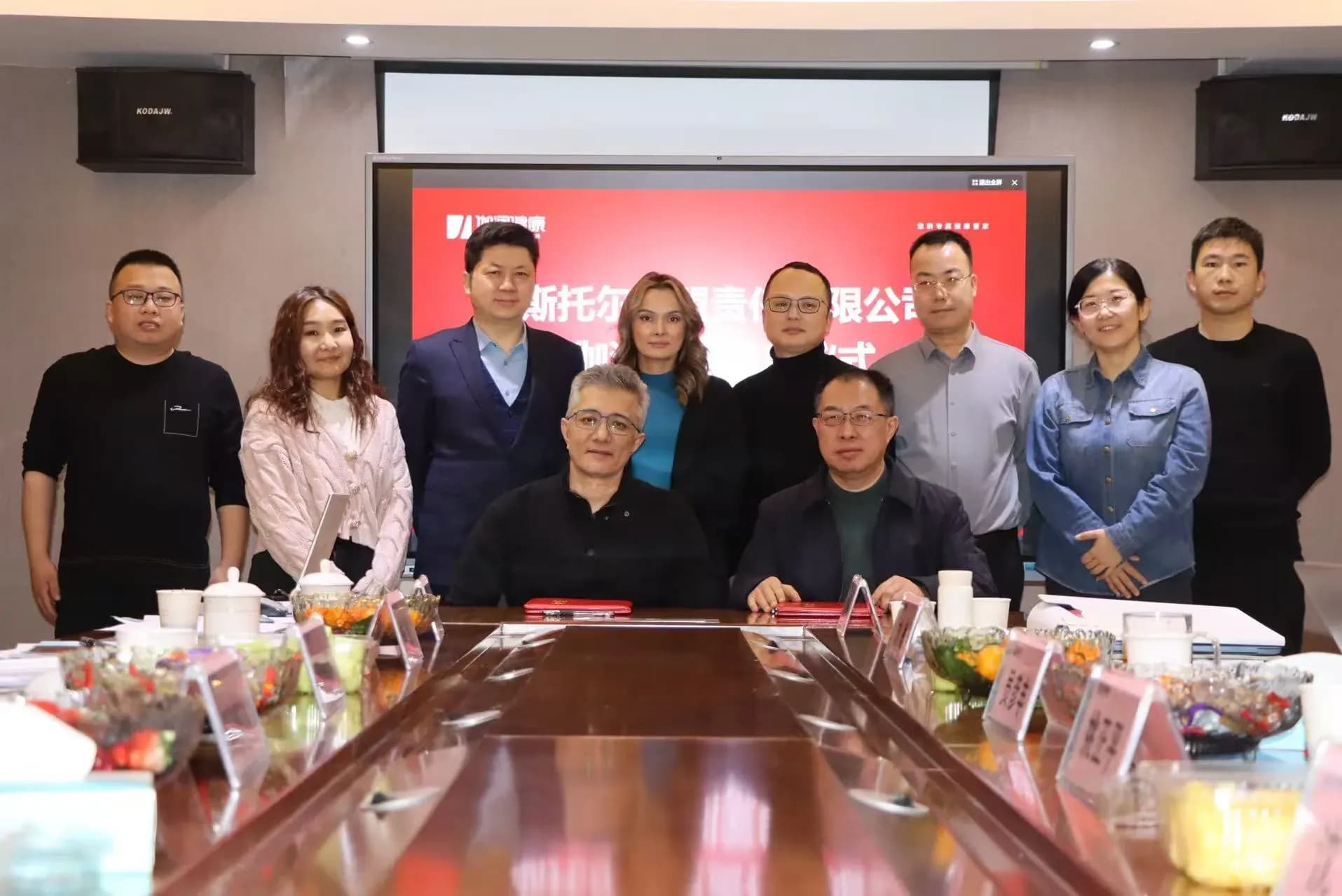
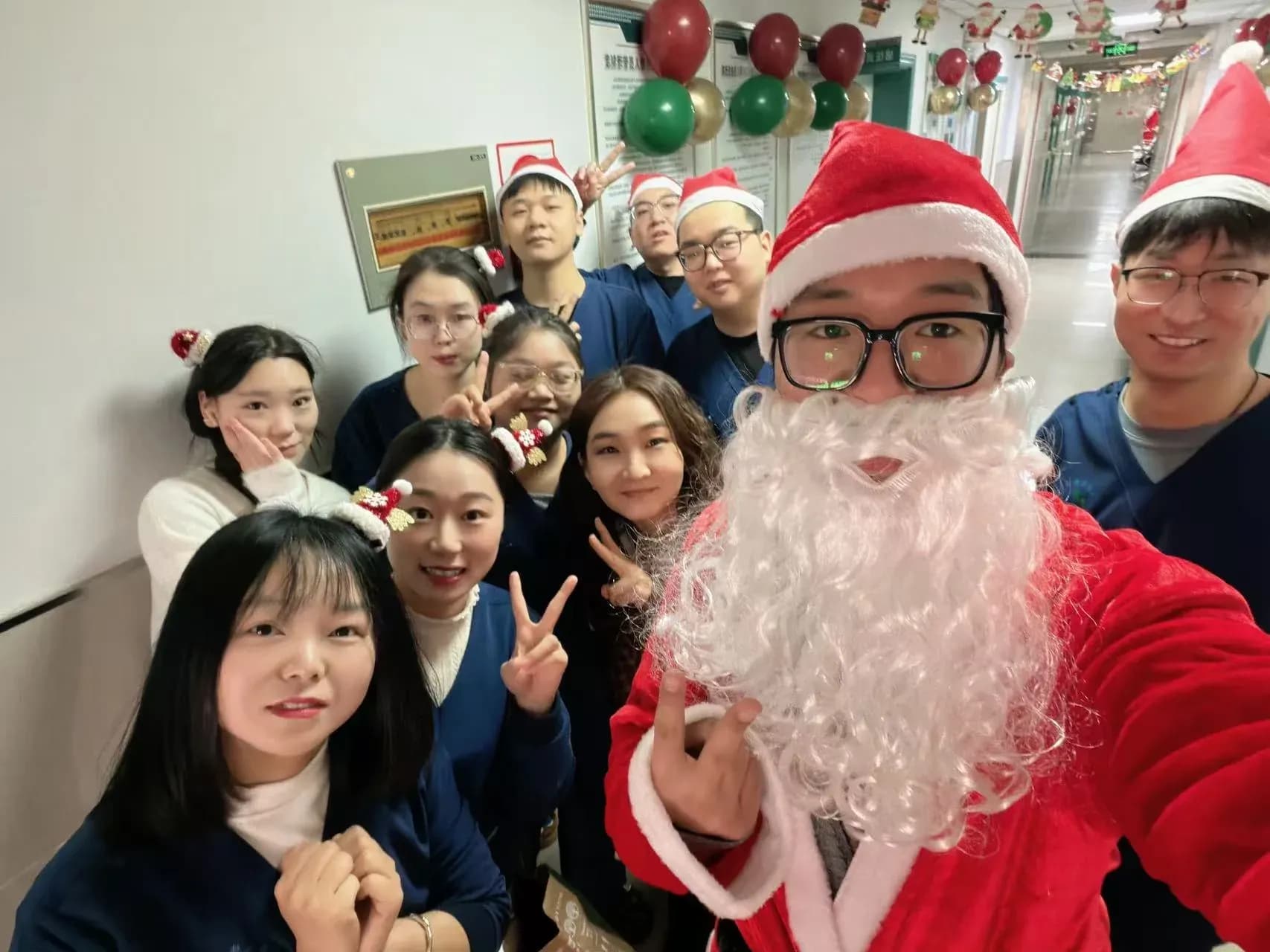
Frames from accompanying families: doctor's consultations, hotel check-in, the railway station, sessions at a wellness centre, excursions, a resort, a fair, business meetings and celebrations.
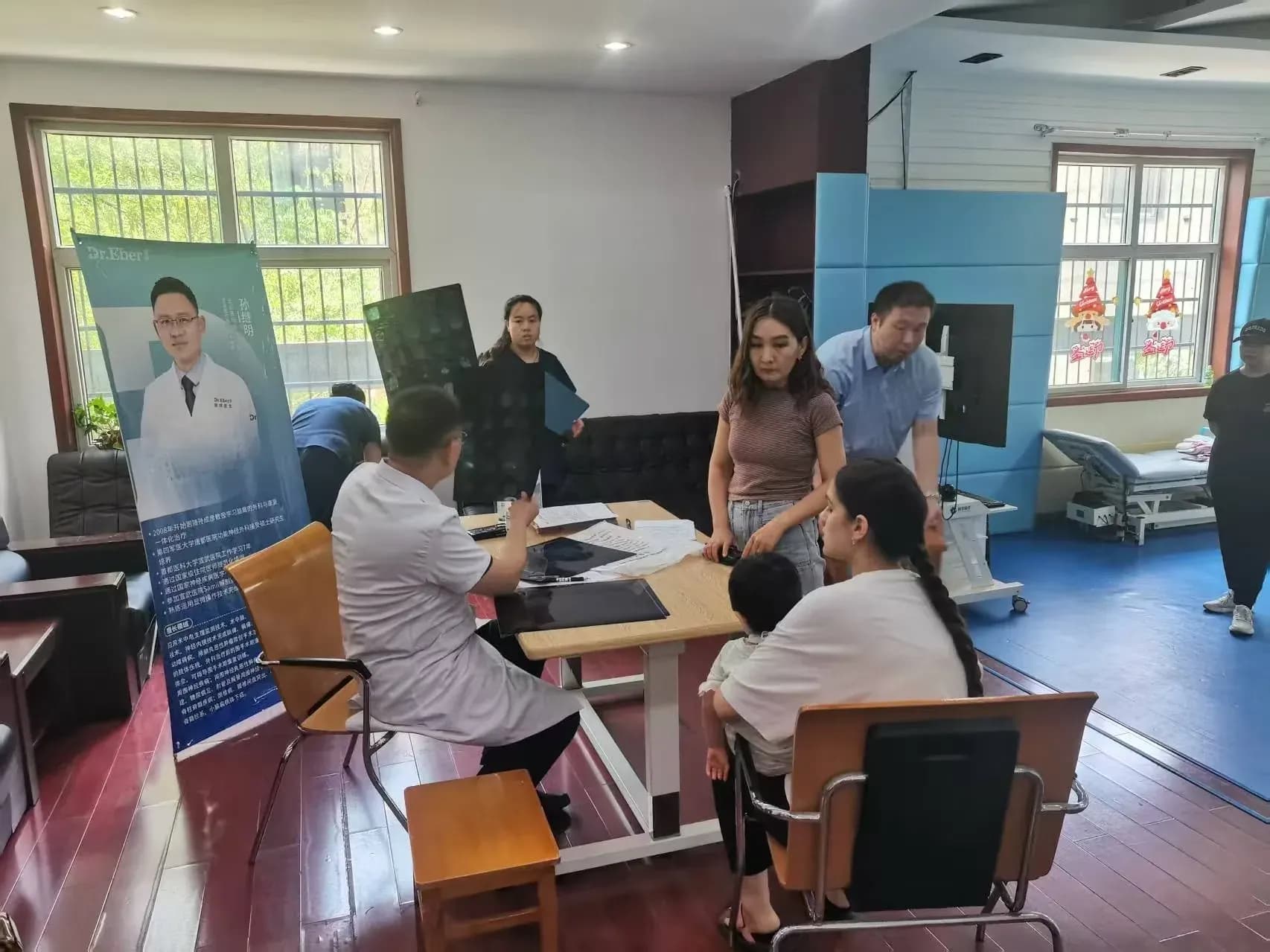
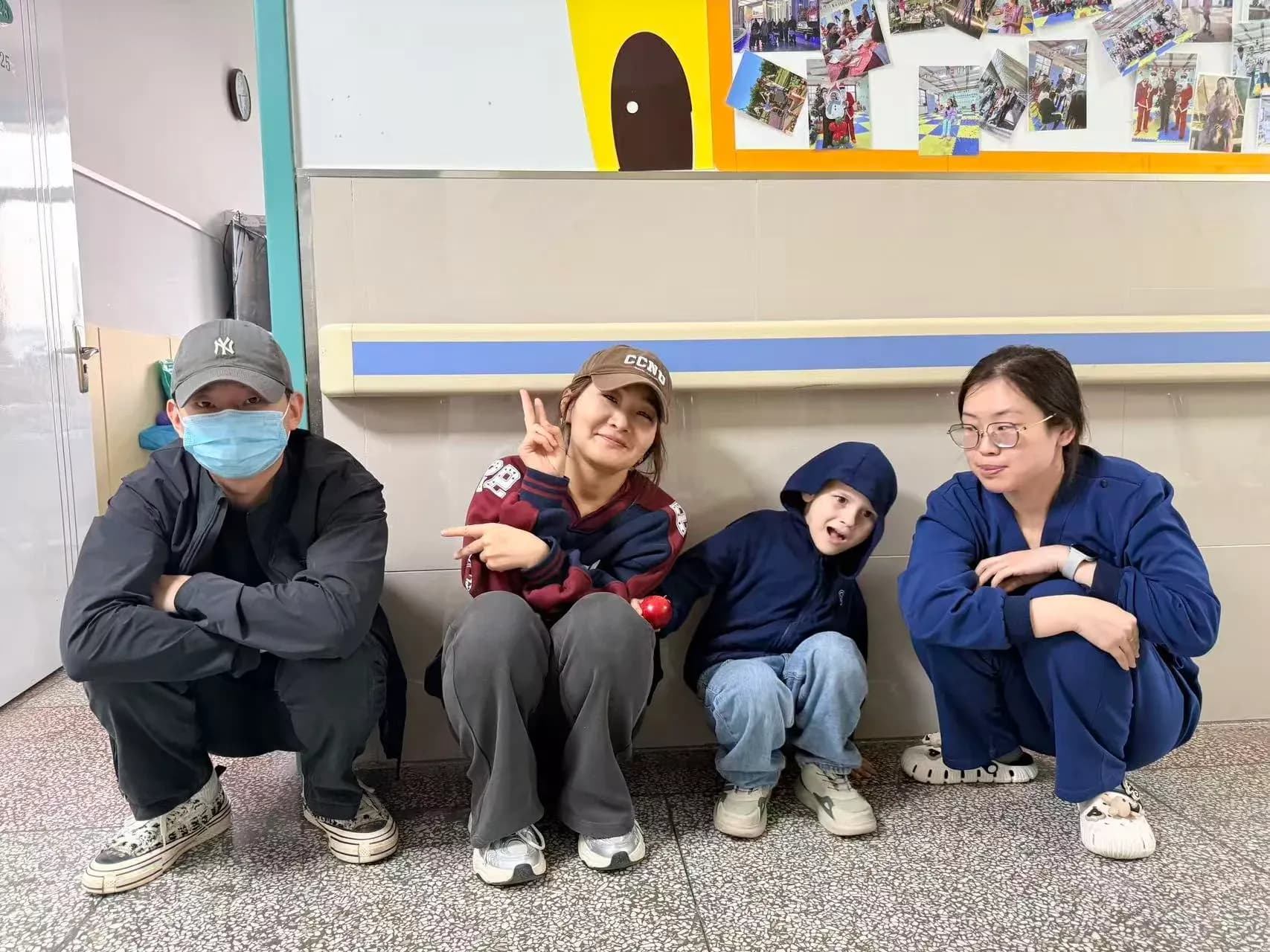
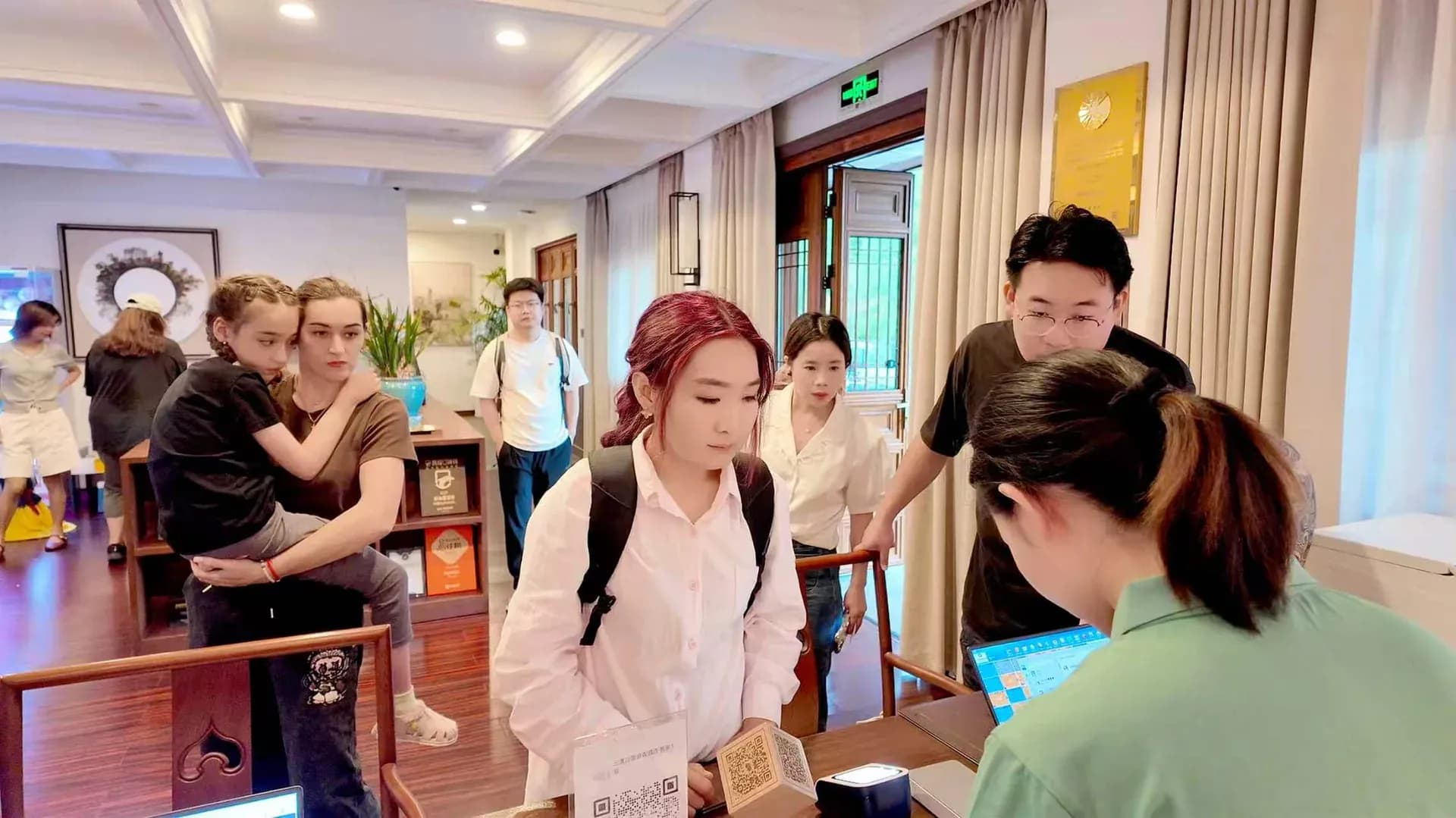
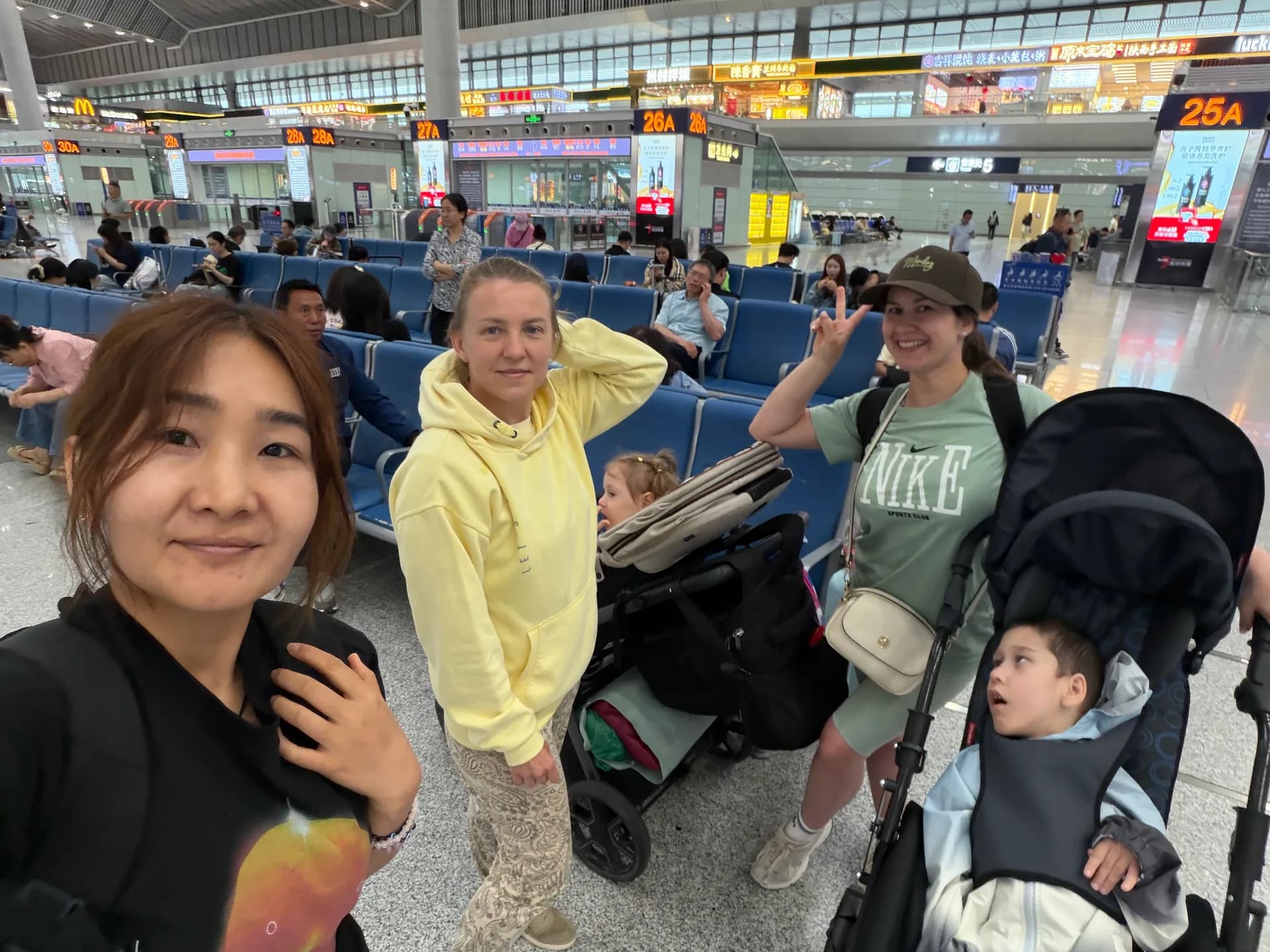
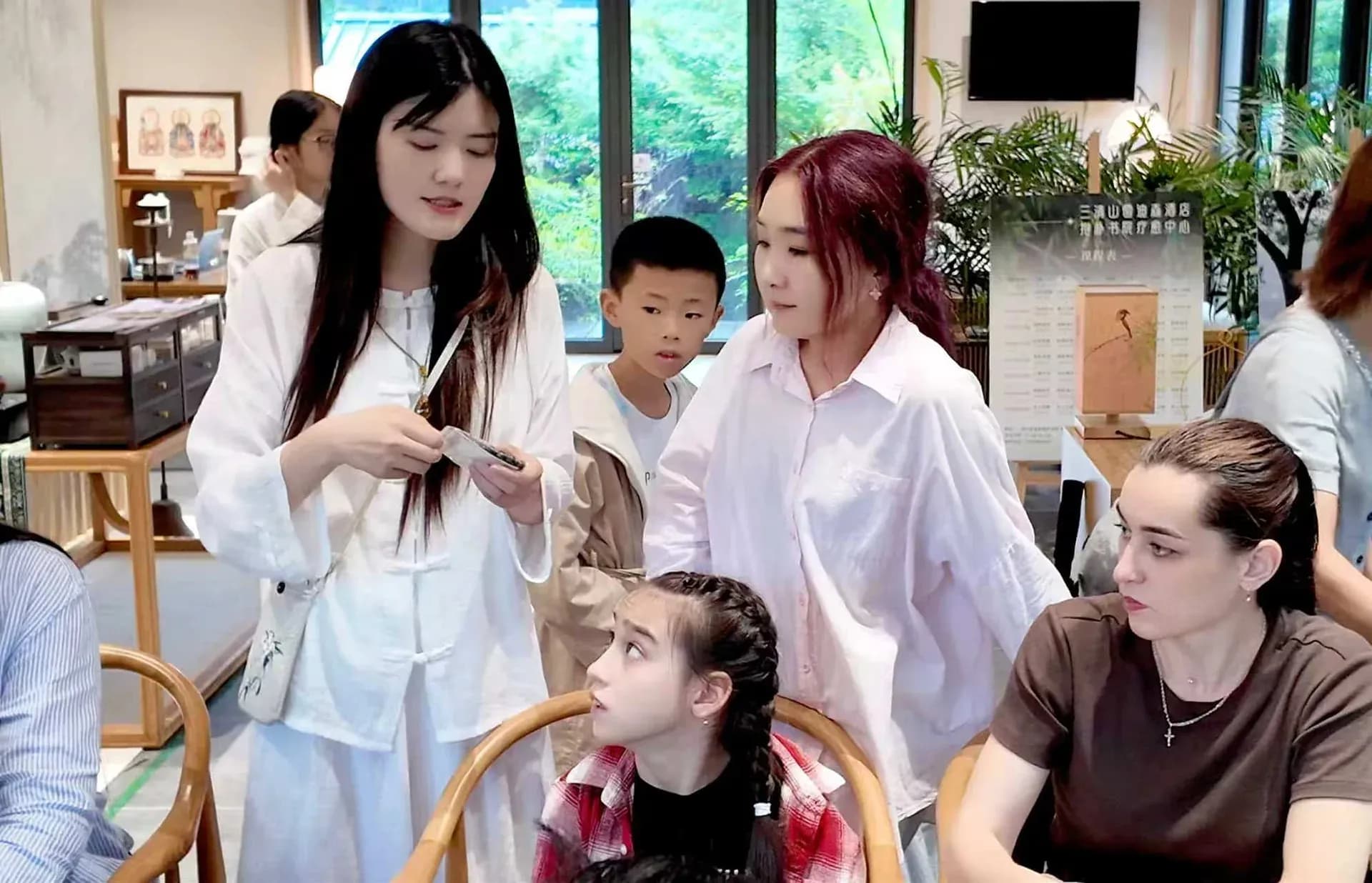
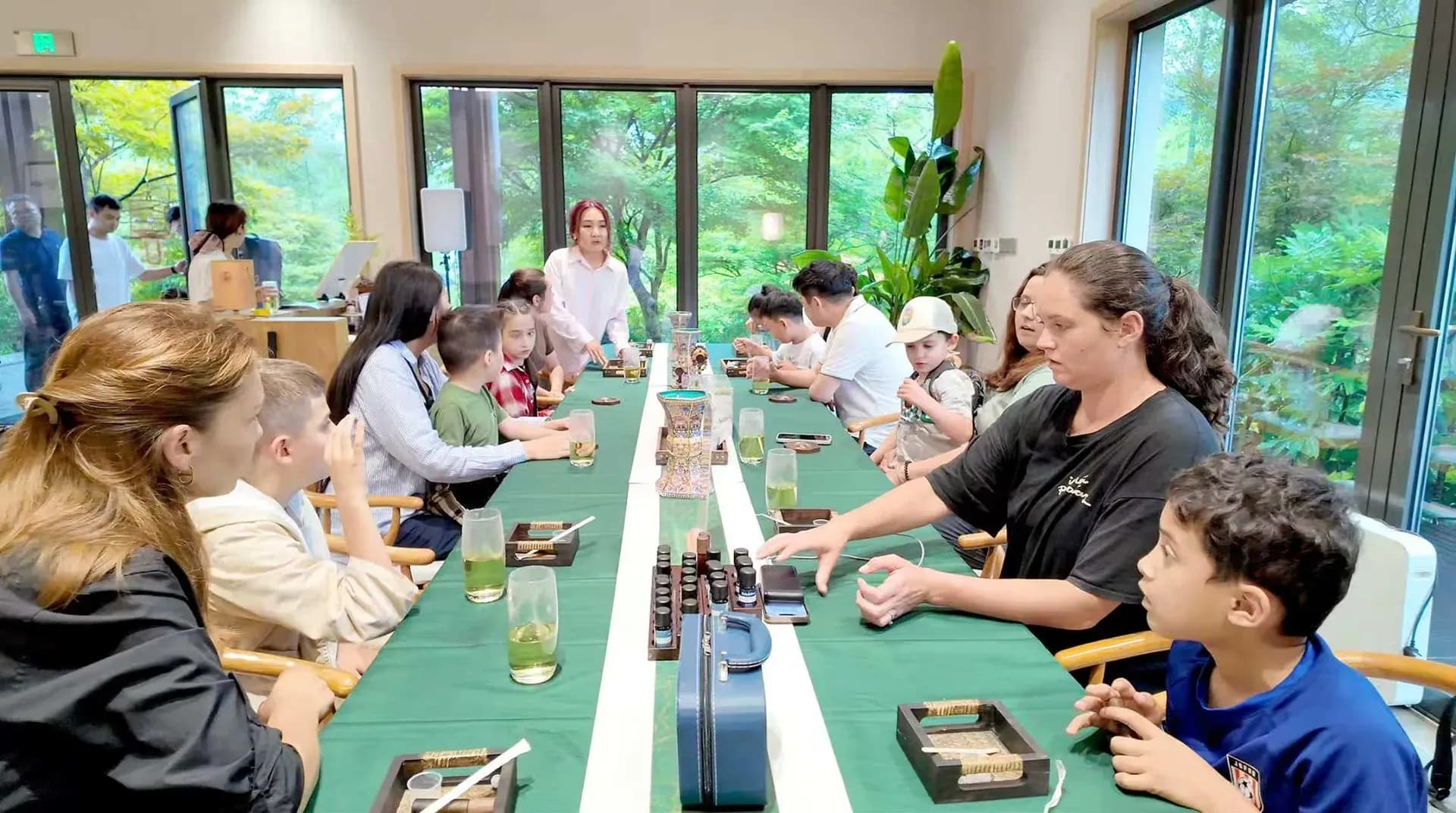
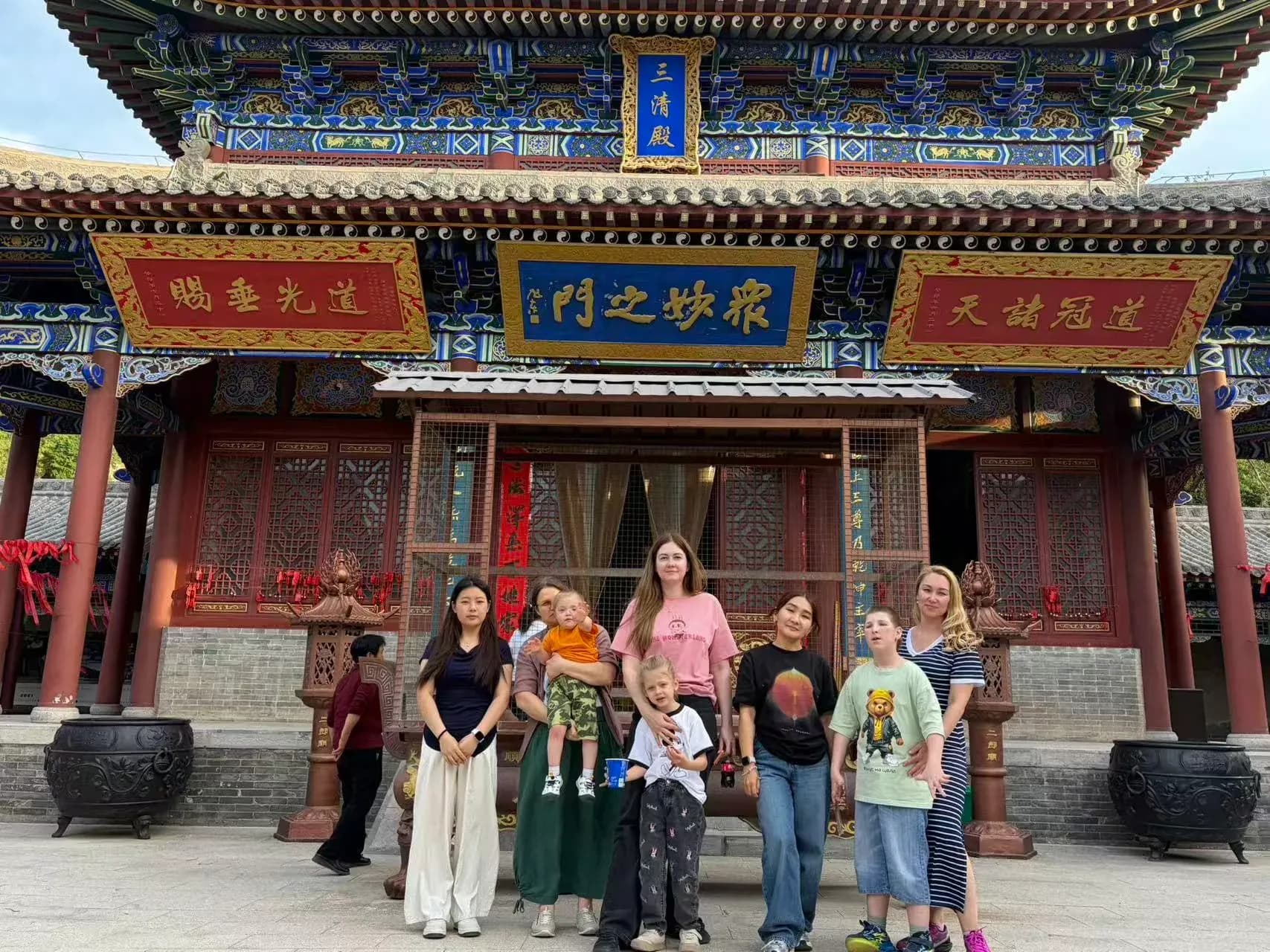
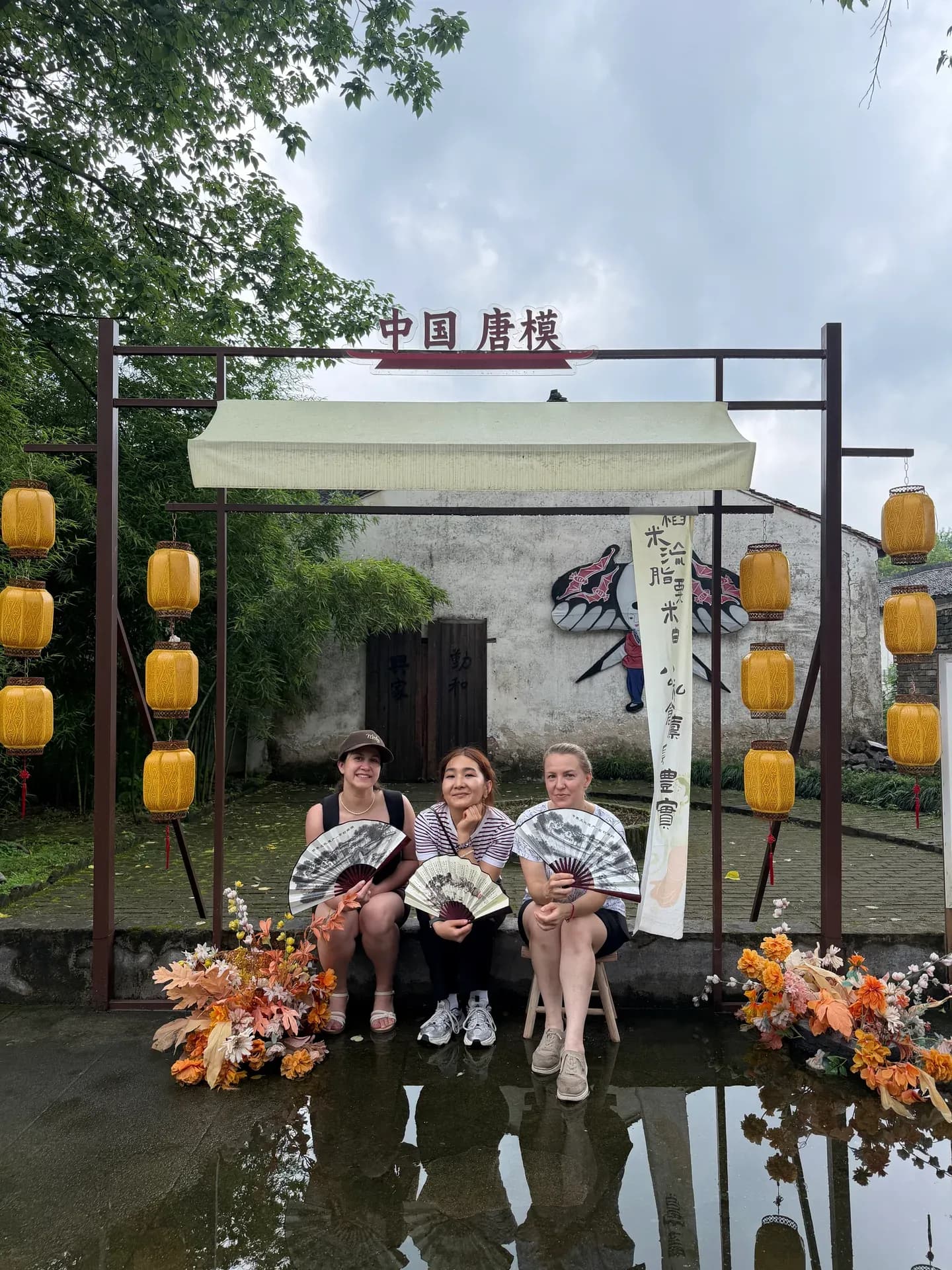
You can reach the interpreters directly using the contacts on their cards, or through the centre's coordinator — they are available on WhatsApp, Telegram and WeChat from the moment your dates are agreed.