Treatment Methods and Services
Over 30 methods of comprehensive rehabilitation: biomedicine, physical therapy, TCM and developmental courses. All methods are selected individually based on the diagnosis, age and characteristics of the child.
Services and Programs
Comprehensive help for children with ASD, developmental delays and cerebral palsy — and treatment areas for all ages: biomedicine, physical therapy, Traditional Chinese Medicine, developmental diagnostics and the proprietary GROW program.
Biomedicine
The biomedical core is what sets Hanshi NeuroLife apart from ordinary rehabilitation centers. We address the root cause: restoring the function of the central nervous system and the balance of the gut microbiota, building the bodily foundation for brain development and effective rehabilitation.
- Active stem cell therapy — anti-inflammatory effect, restoration of neural connections, improved cerebral blood flow and neuron oxygenation
- Gut microbiota regulation — personalized probiotics and nutritional support, balancing the gut–brain axis, correcting GI disorders
- Neuroregulation — regulation of neurotransmitters and CNS metabolism, "jump-starting" speech and cognitive functions
- Medication support — only as prescribed by a doctor, to manage behavior, sleep and emotions. Medication does not cure autism; it has a supportive, symptomatic effect
For adult patients and advanced specialization — the specialized clinics of the Han's United network:
Instrumental physiotherapy
Instrumental methods complement biomedicine and rehabilitation: they are safe, non-invasive and well tolerated by children.
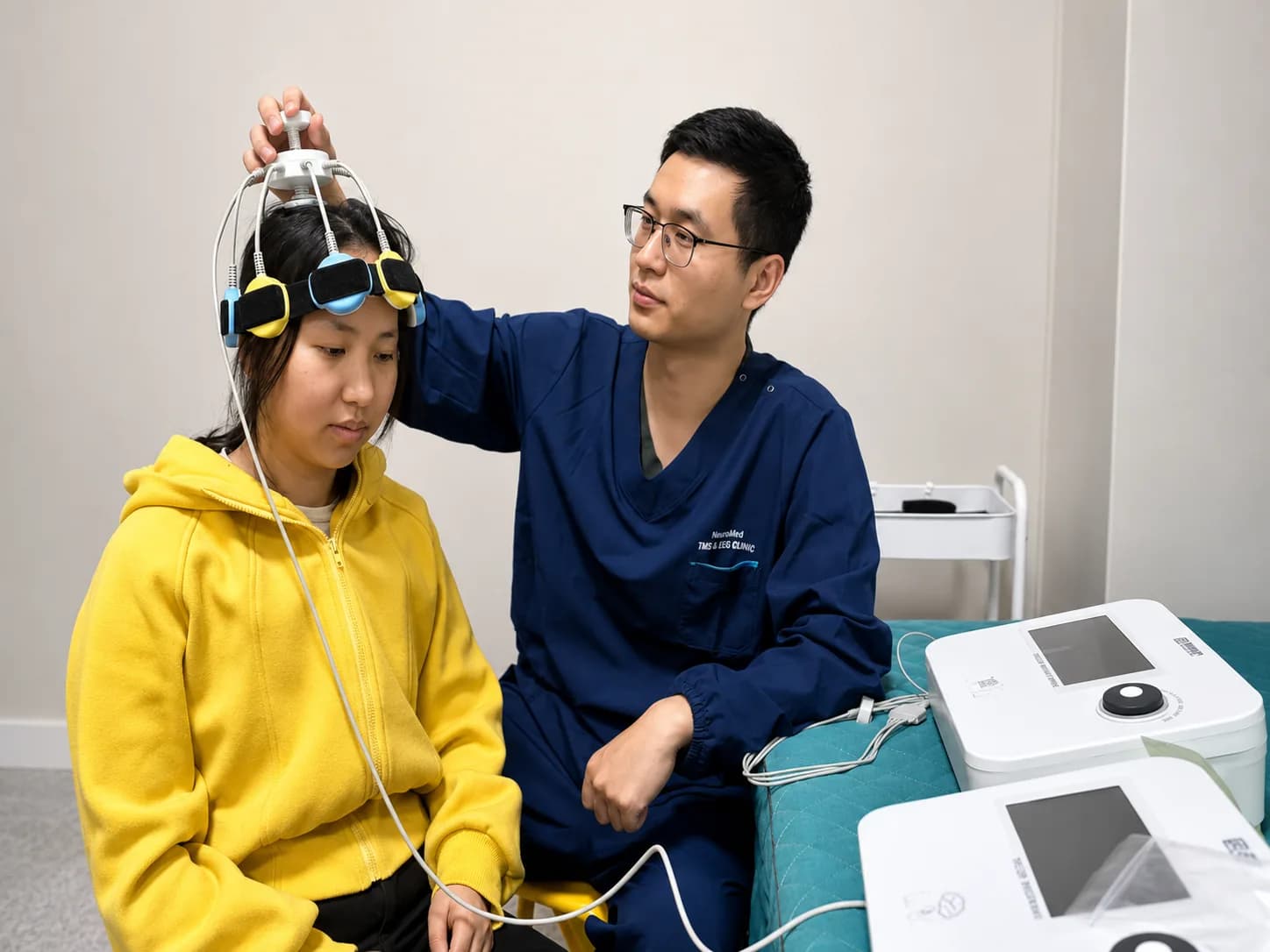
- Transcranial magnetic stimulation (TMS) — regulates cortical excitability, improves speech, attention and cognition
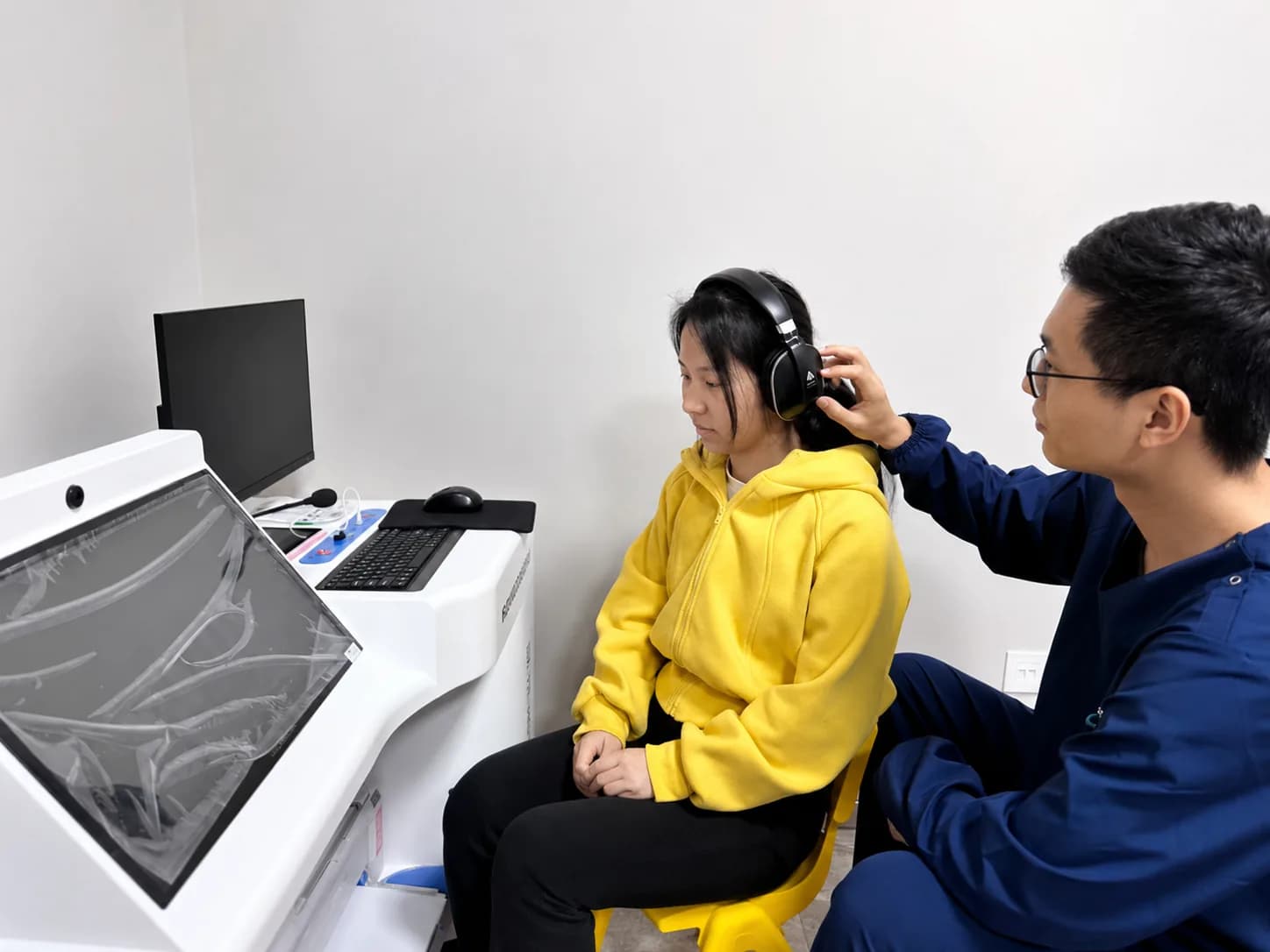
- Auditory integration (Tomatis / AIT) — corrects sound processing, reduces auditory hypersensitivity, helps with speech delay
- Neuromuscular electrical stimulation — strengthens muscles, regulates tone, accelerates motor development
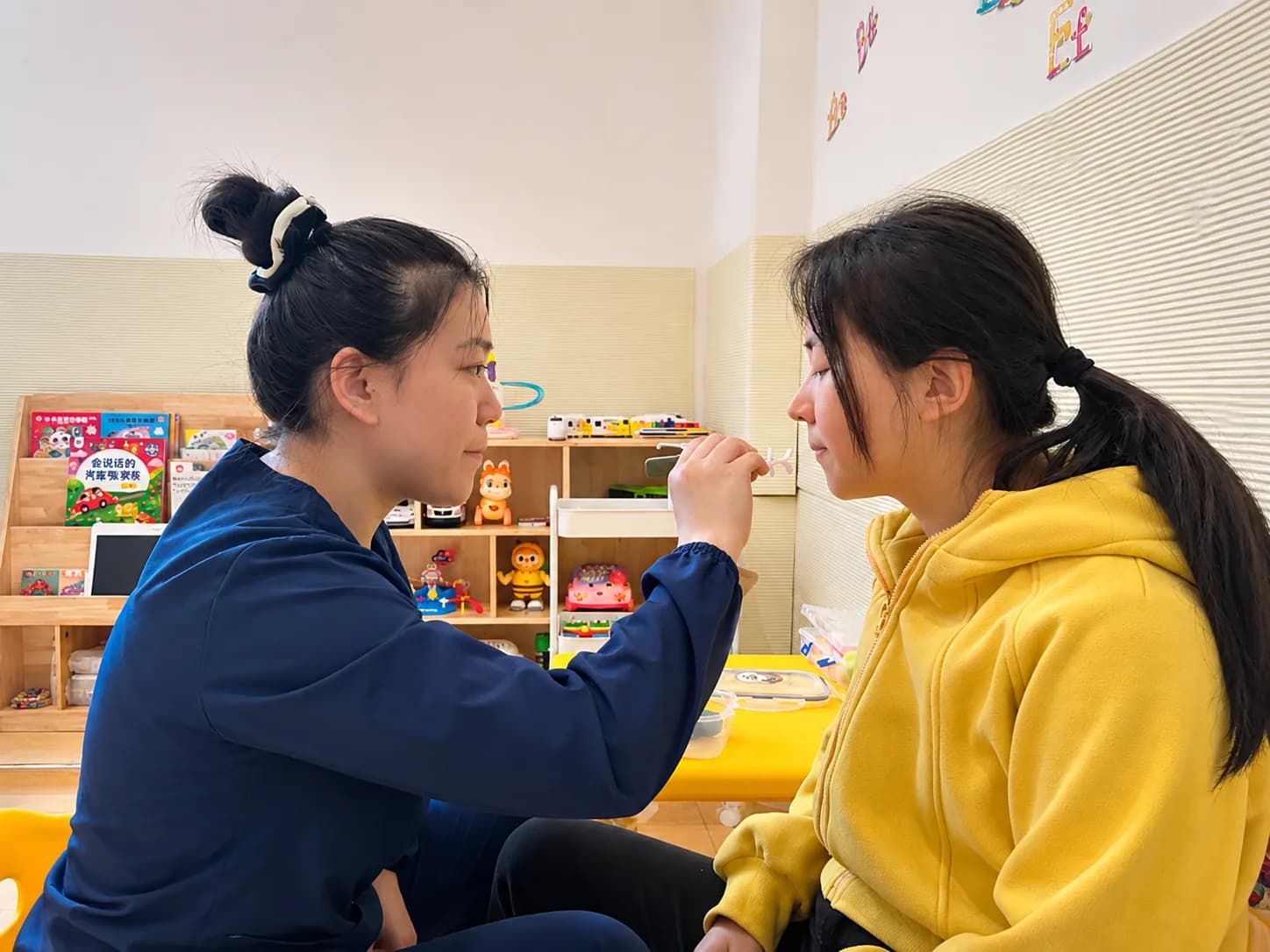
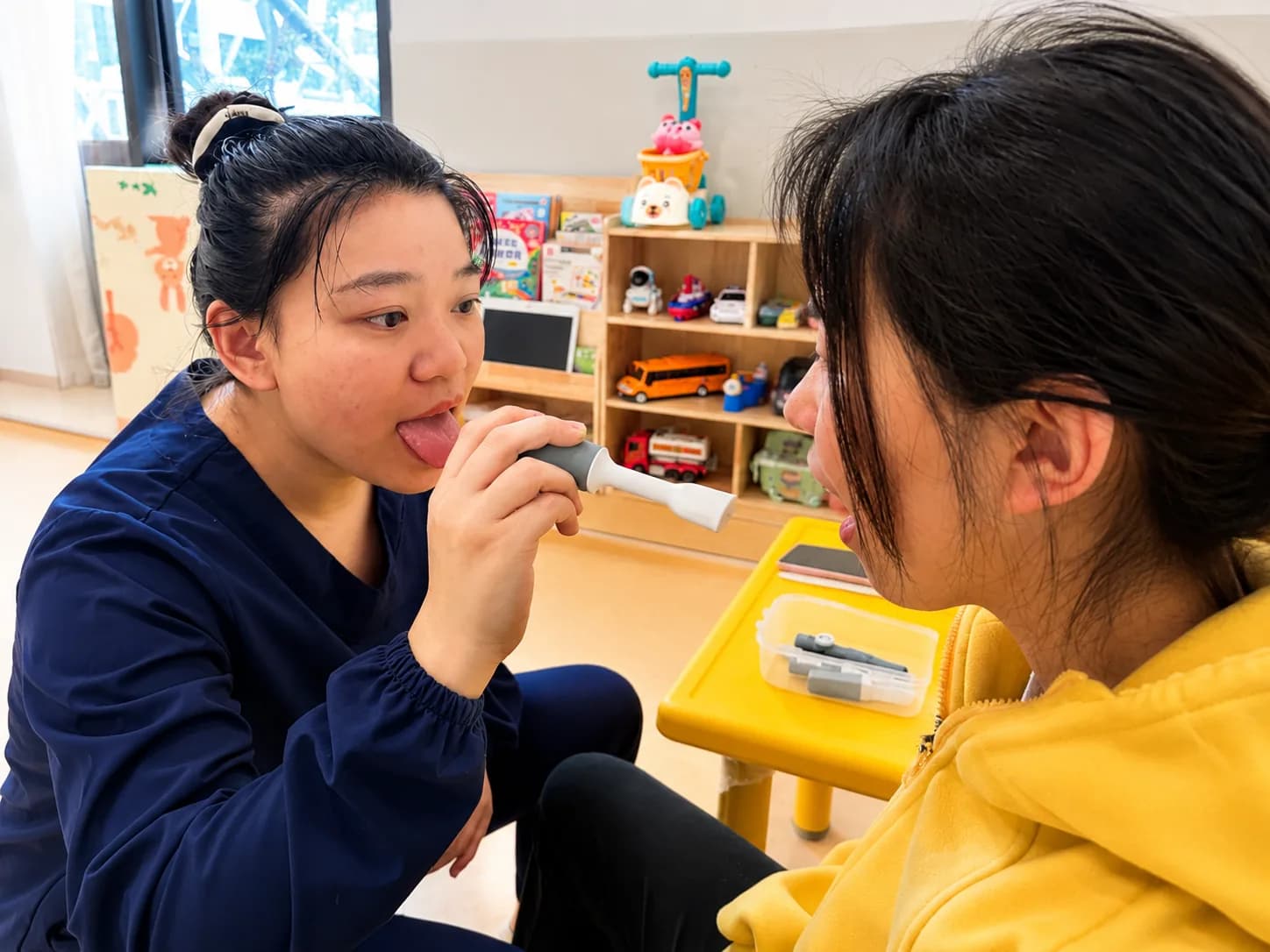
- Swallowing correction device — trains the mouth and throat muscles, reduces drooling and feeding difficulties
Traditional Chinese Medicine
Traditional Chinese Medicine is used from an early age as a gentle, natural complement to rehabilitation — following the "one child — one protocol" principle.
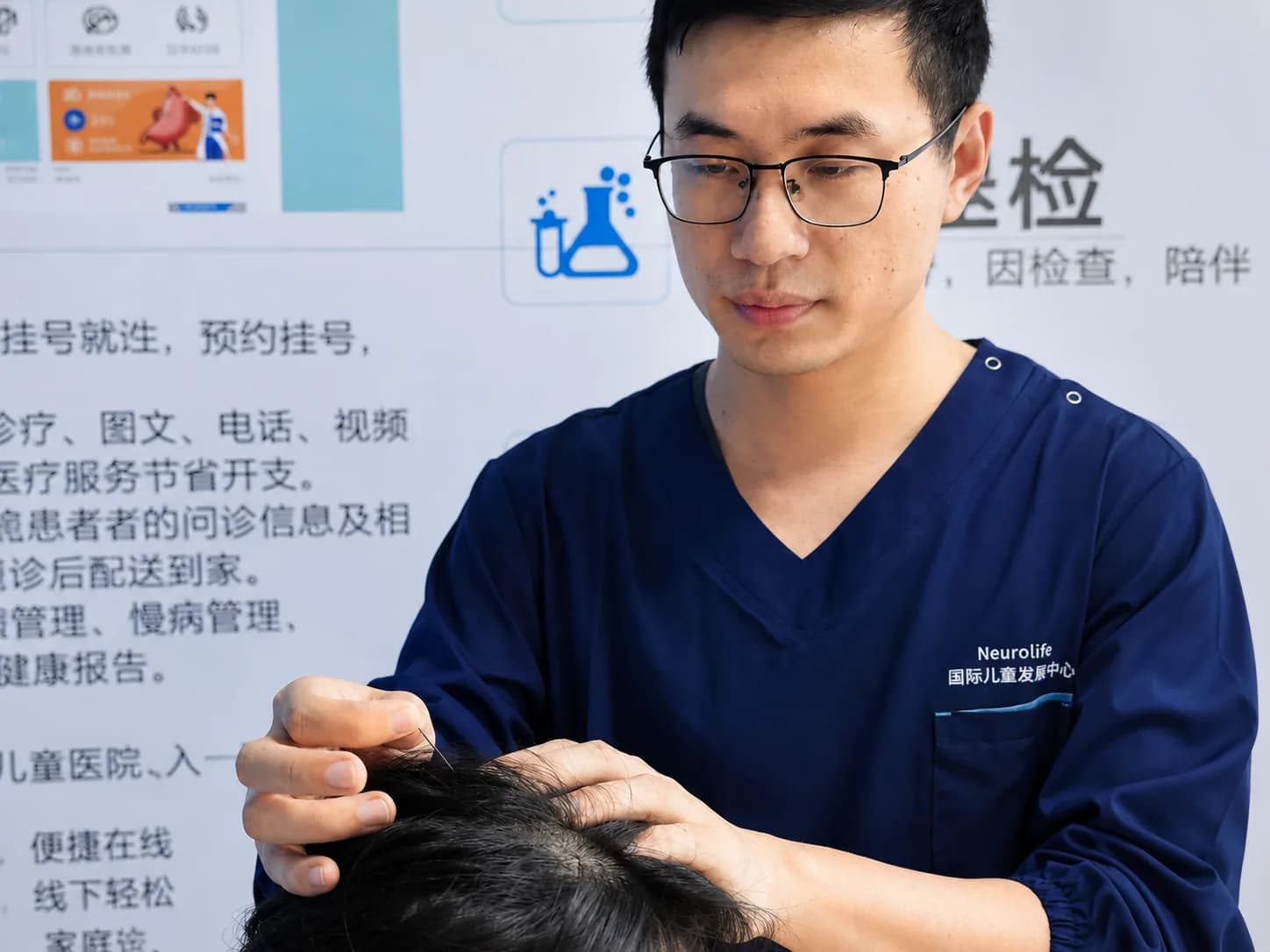
- Pediatric acupuncture — ultra-fine needles, "awakens the brain", supports the development of nervous, motor and speech functions
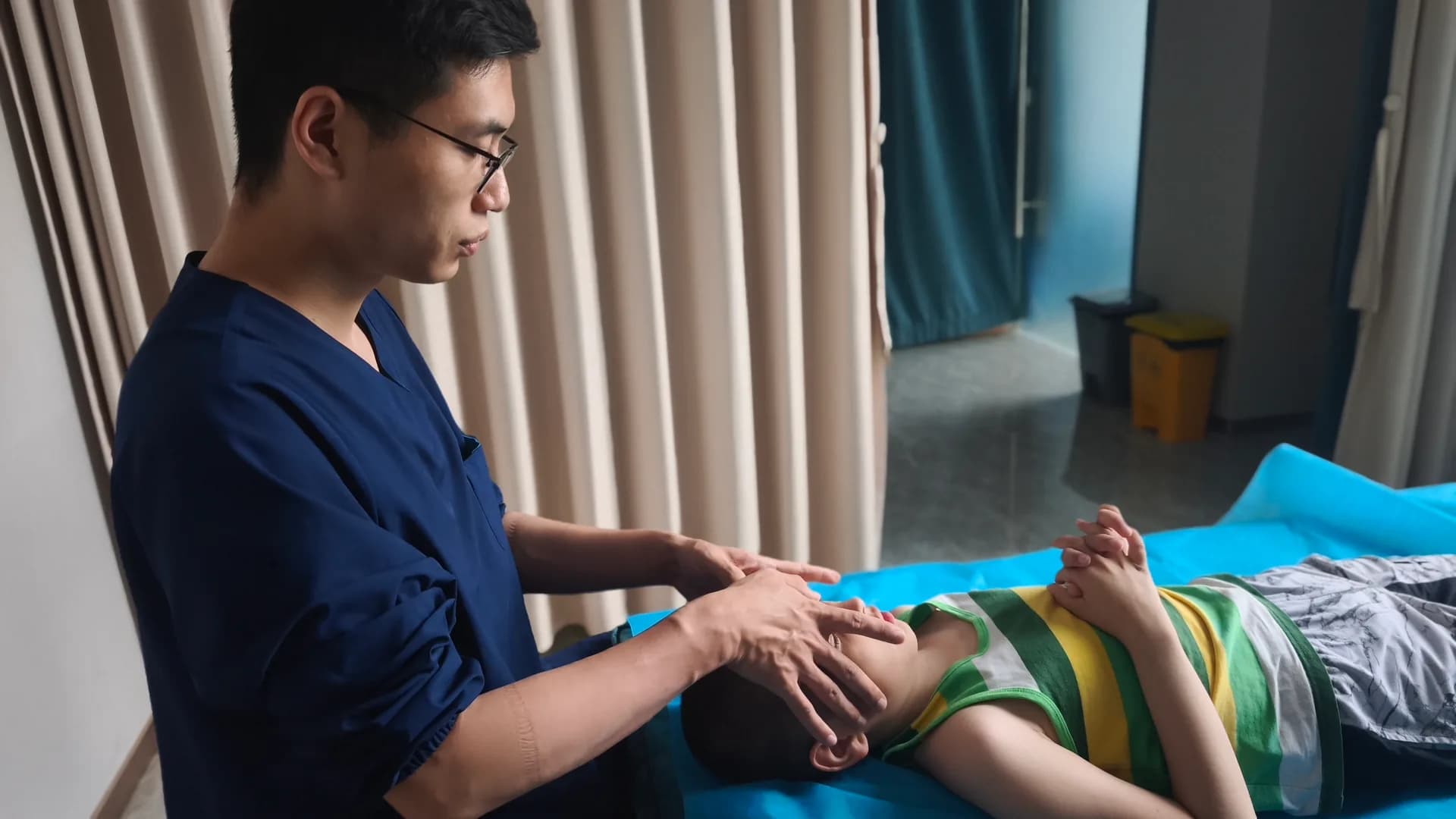
- Pediatric tuina massage — manual techniques that strengthen the body and improve sleep, appetite and muscle tone
- Herbal medicine — Chinese medicinal herbs as part of TCM support
- Moxibustion — warming stimulation of active points
Rehabilitation courses
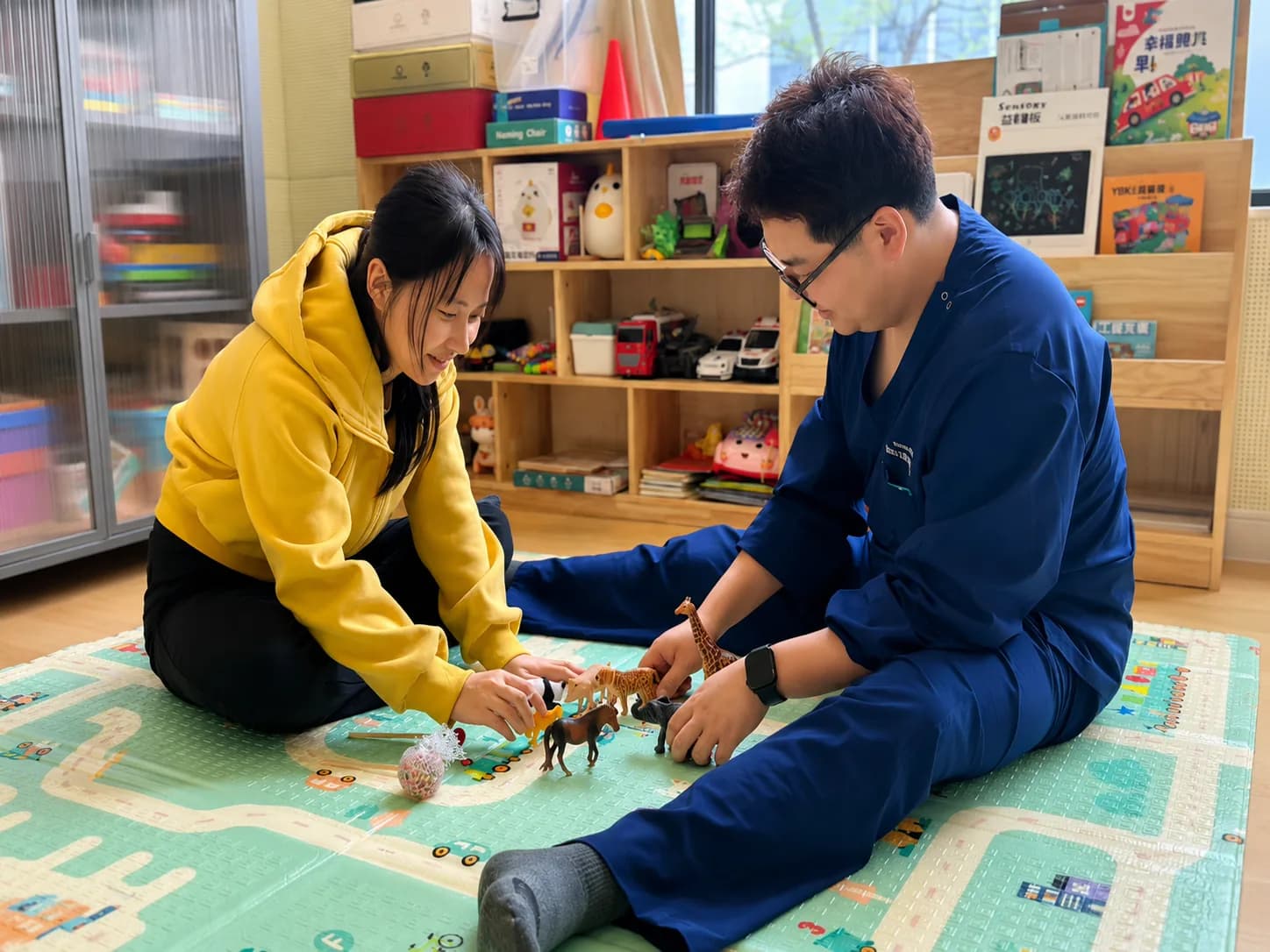
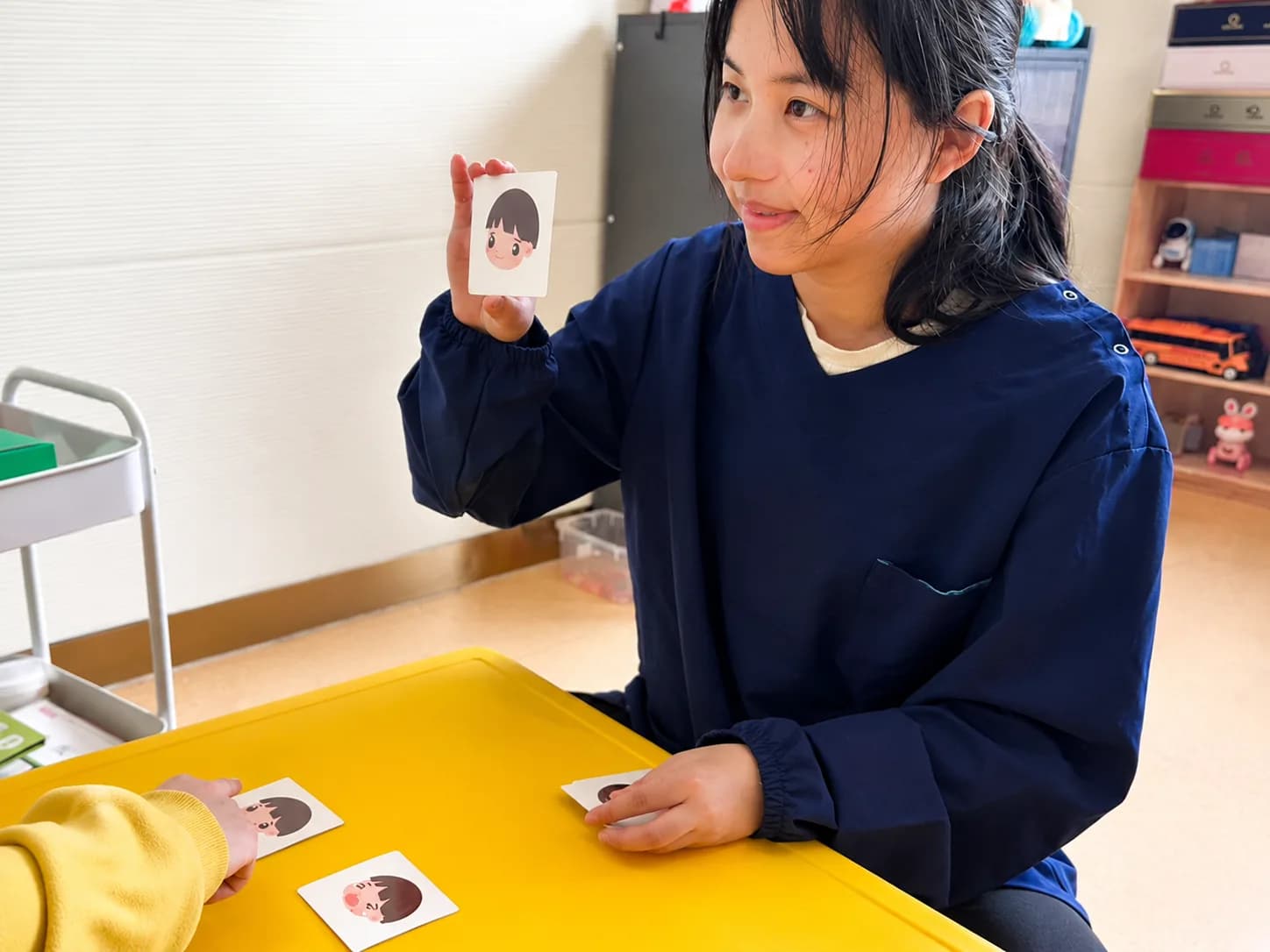
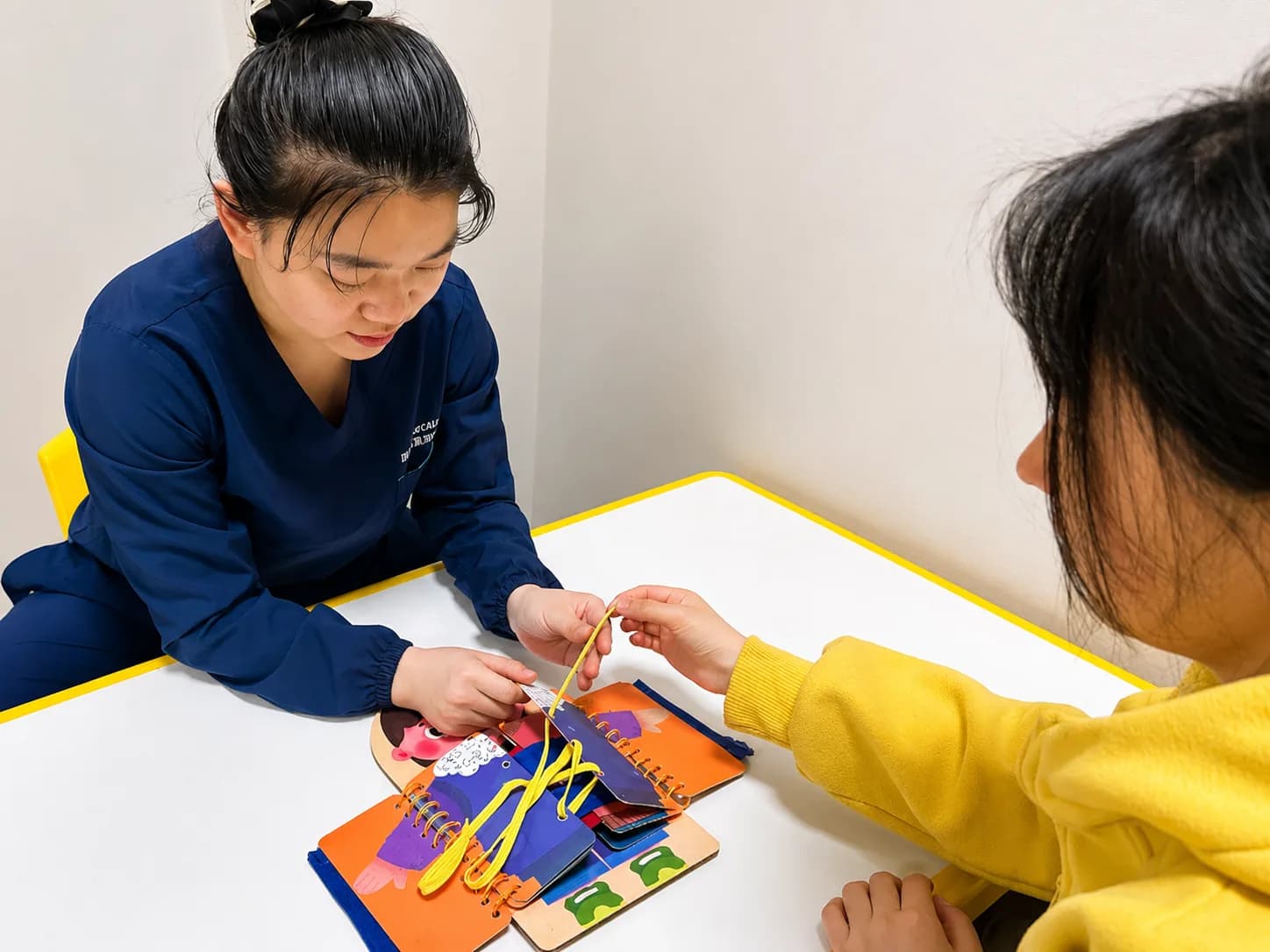
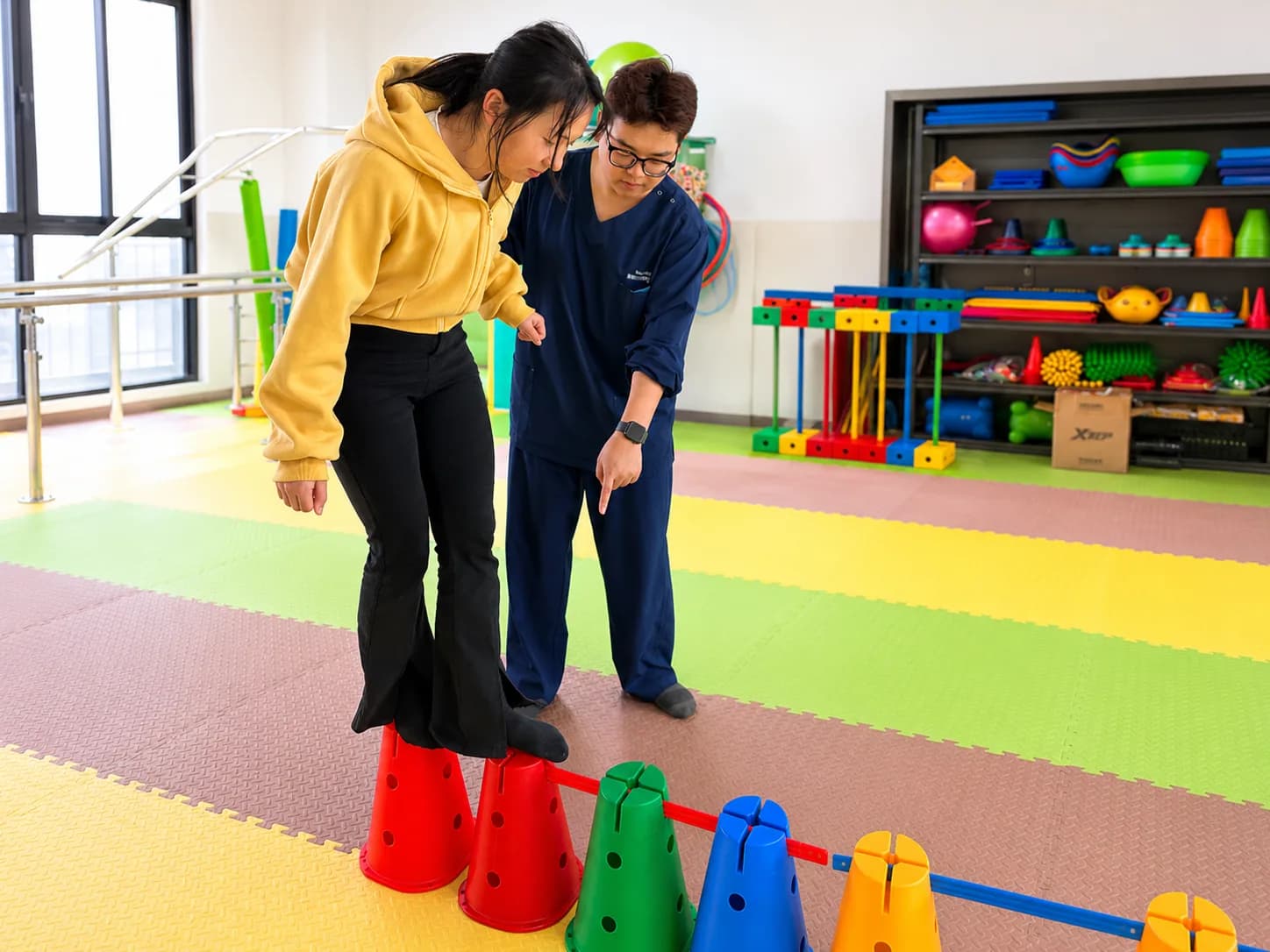
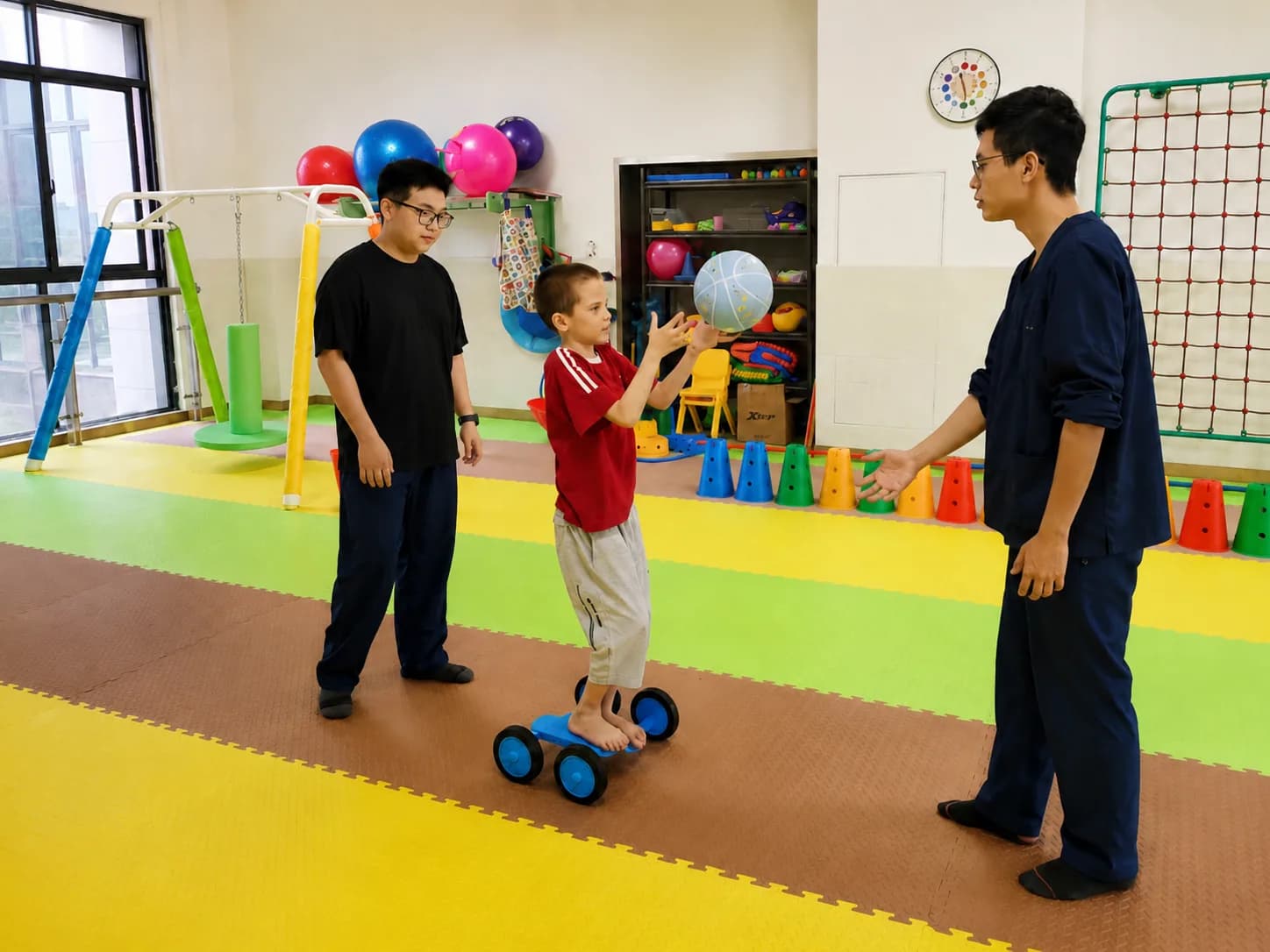
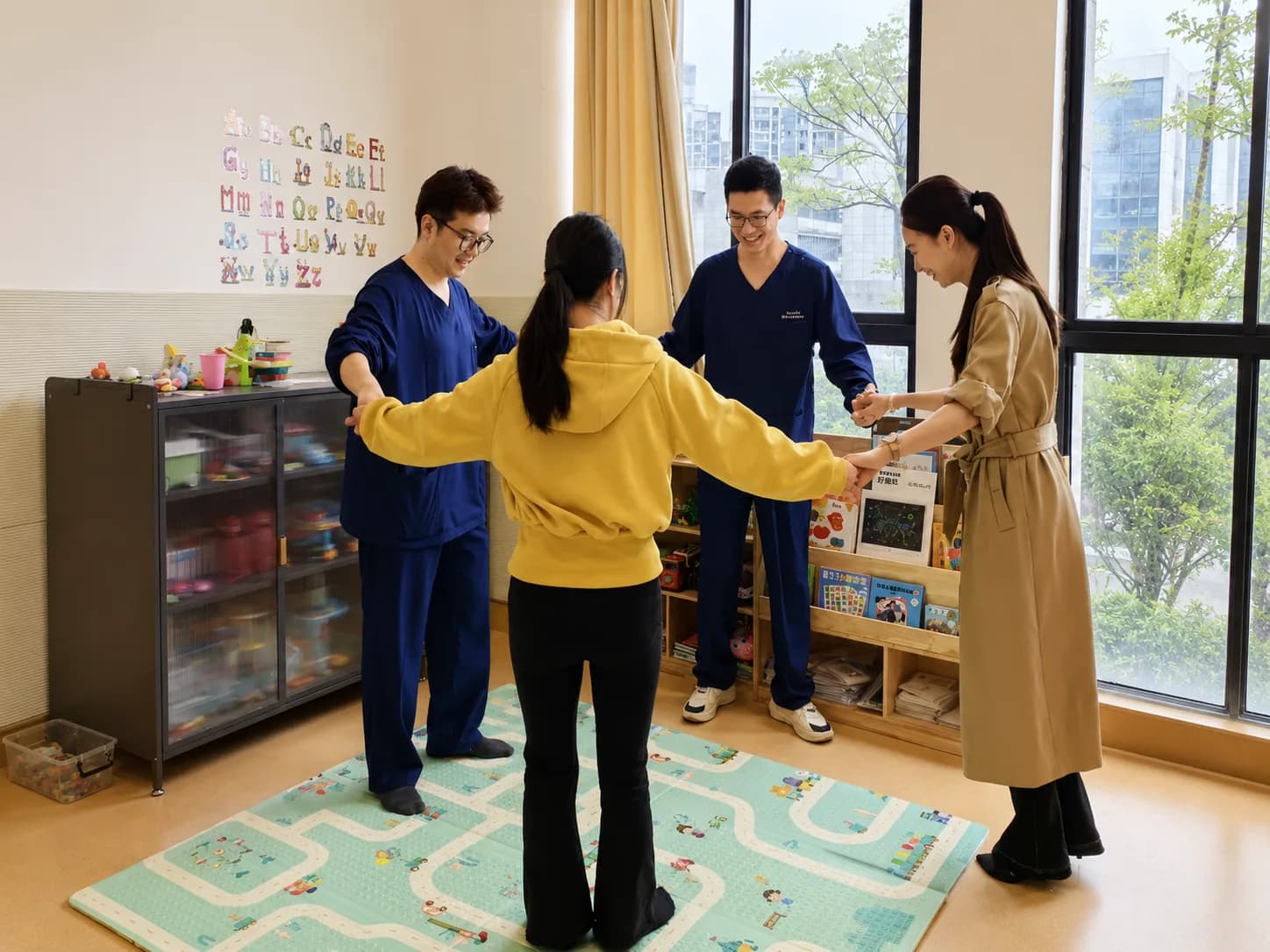
Over 20 developmental courses — from behavioral therapy to speech, sensory integration and social skills. The program is tailored individually to the child's diagnosis and developmental stage.
- Behavior and learning: ABA, TEACCH, PCI
- Socialization and emotions: Floortime, Super Skills, Theory of Mind
- Speech and oral-motor skills, cognitive development, PECS
- Sensory integration, occupational therapy, physical therapy
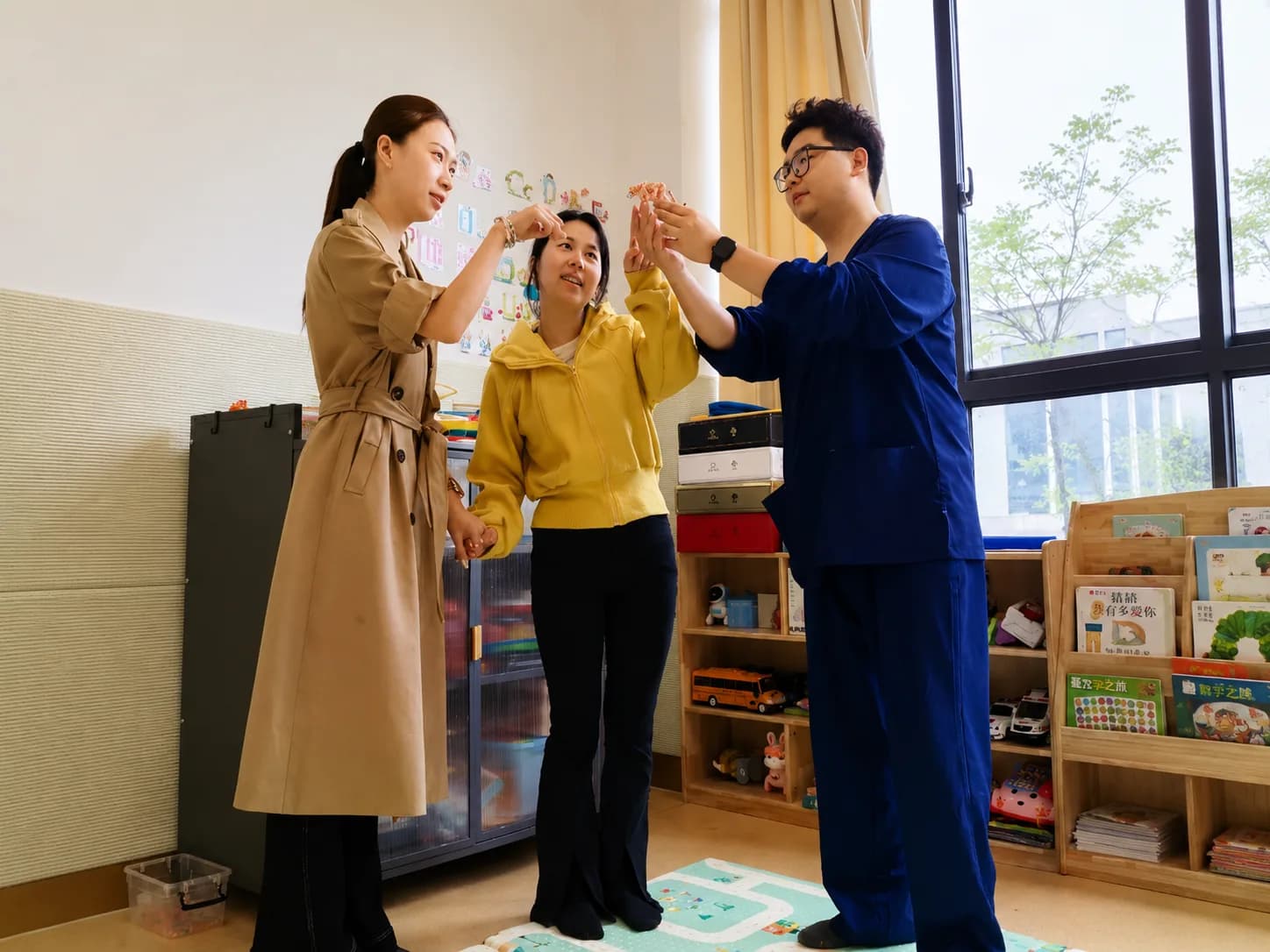
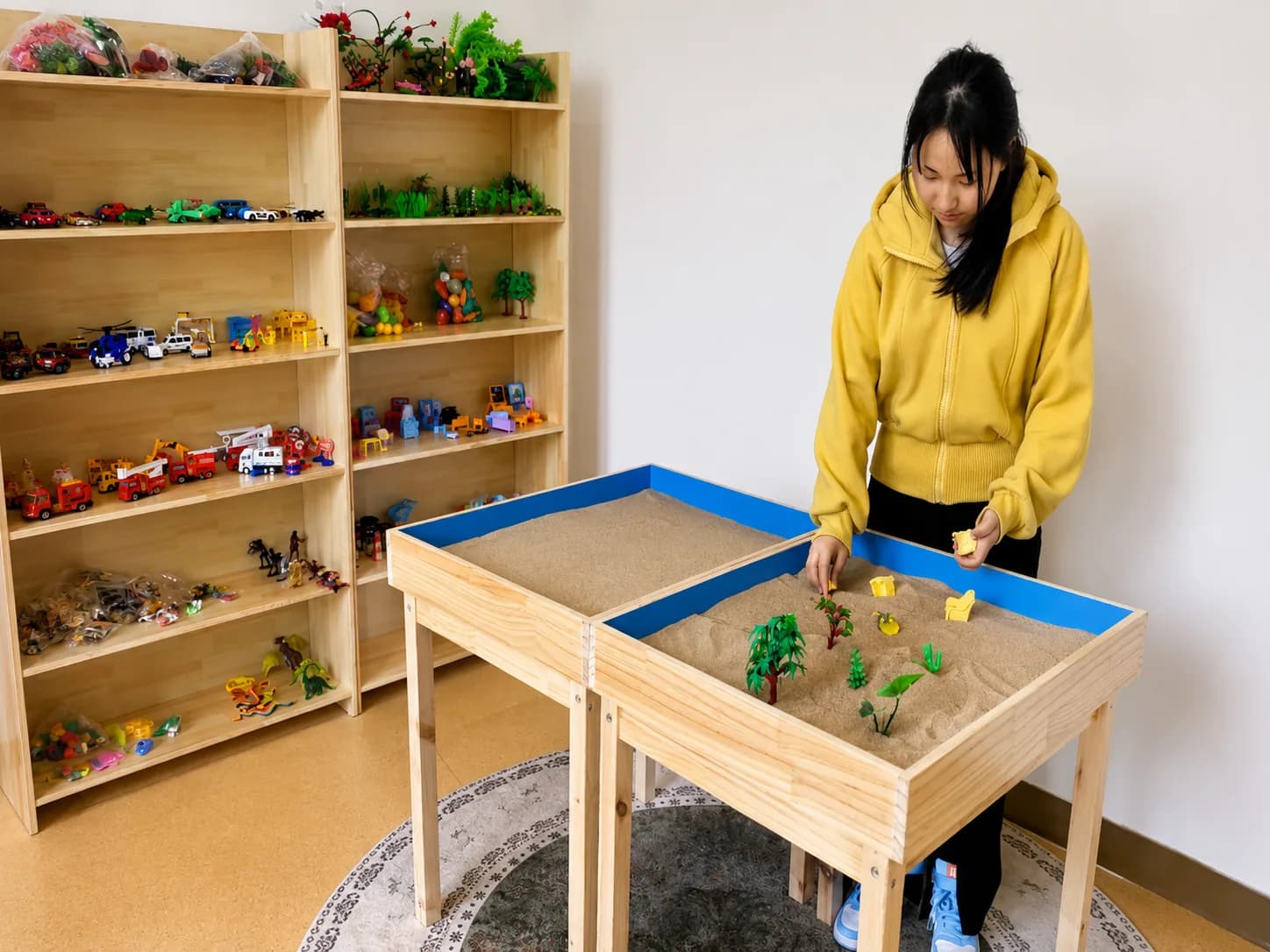
- Orff music, sandplay therapy, developmental games
Assessment and diagnostics
Before and during treatment we use international developmental assessment tools — they form the basis of the individual plan and let us track progress.
- PEP — Psychoeducational Profile
- S-S method — speech development assessment
- Gesell scale — early childhood development
- GMFM — gross motor function measure for cerebral palsy
- ABC — Autism Behavior Checklist
- Shuangxi scale
GROW Program
GROW is a proprietary four-stage developmental system. We group children by developmental level rather than age, and at each stage we do what suits the child right now.
Guide Base
Parent and child work together: attention, imitation, understanding, sense of rules. Parents are taught the methods.
Rise Up
Independent group sessions: transition from dependence to autonomy, adapting to the rhythm of kindergarten.
Open Social
Core — the Super Skills course: turn-taking, cooperation, sharing, understanding emotions. We address the key challenge of ASD — socialization.
Way to School
Simulating a school classroom: desks, board, frontal teaching. Attention, completing tasks, adapting to lessons.
Book a free consultation
Leave a short request — a coordinator will contact you within 5 minutes, answer your questions and suggest the first steps.