Speech-Language Therapy
A central focus area in autism rehabilitation: building the chain 'comprehension → expression → application' via a tiered model — from the zero level to dialogue.
How the procedure works
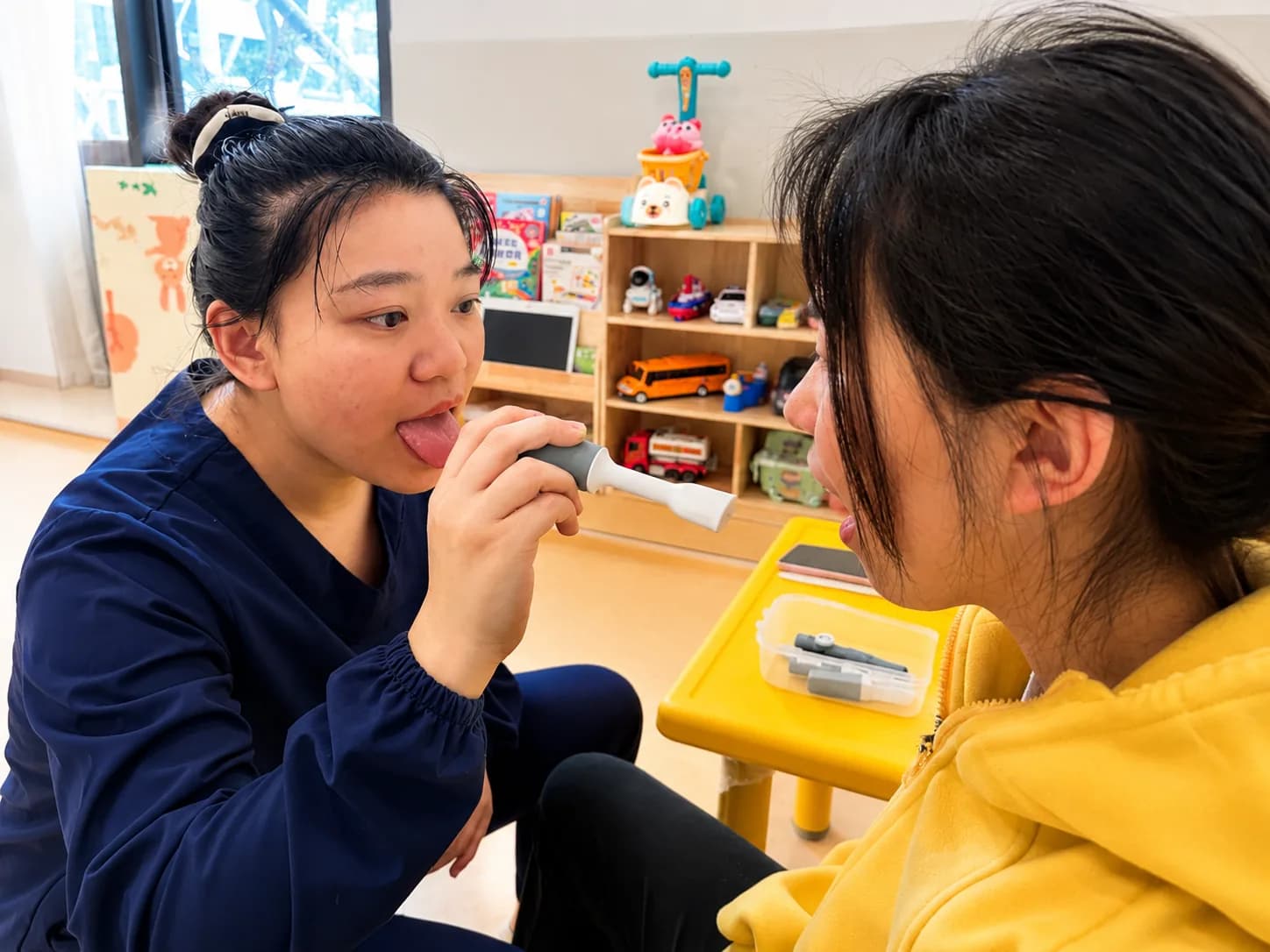
Speech-language therapy is a central focus area in the rehabilitation of autism and other speech-language impairments at the Hanshi NeuroLife International Rehabilitation Center in Shangrao. The course builds the chain "comprehension → expression → application" following a scientific multi-tier approach. At the basic level — for non-verbal children and those with minimal speech — work focuses on comprehension of simple instructions, motivation to communicate, expressing needs through gestures, sounds, and pictures (with the PECS system integrated), and the first imitations and naming. At the intermediate level — assembling words into sentences, basic grammar, correction of inversions and limited vocabulary. At the advanced level — dialogue, narrative, and social speech.
The core principle is "comprehension before expression". Without stable comprehension of language and context, expressive speech cannot be built, so the work always proceeds from the foundation. Oral-motor therapy runs in parallel with speech therapy — it forms the physiological foundation of articulation. When indicated, TMS, AIT/Tomatis (for children with auditory-processing features), and TCM methods are connected. An important principle is "motivation first": the child learns to 'want to speak' through engaging play scenarios and the functional use of language.
Advantages of the method as delivered at the centre: tiered model — no speech / echolalia / short phrases / dialogue; play-based accompaniment — toys and books; functional priority — 'request, demand, greeting'; multimodality — integration with PECS for non-verbal children; combination of individual and group formats; progress is recorded in data.
What matters for the parent
Speech therapy is not 'sound articulation training' (that is part of oral-motor therapy and the work in dysarthria). It is work with the entire system of communication: comprehension, motivation, functional expression, and dialogue. The family and the centre are a single whole: specialists teach parents techniques for support in daily-living situations. This significantly improves the outcome of the programme.
Professional speech assessment (S-S Method, PEP)
Specialists assess the level of receptive and expressive language, oral-motor function, and motivation to communicate; the S-S Method (Sign-Significate evaluation) and PEP scales are used; the programme level is determined (basic, intermediate, advanced).
Selection of an individualized programme via the tiered model
The programme is matched to the starting level: basic (no speech / minimal speech, PECS integration), intermediate (short phrases, grammar), advanced (dialogue, narrative, social speech).
Regular sessions in a play-based scenario format
Sessions using toys, books, and real-life scenarios. The principles — 'comprehension before expression', functional priority ('request, demand, greeting'), motivation first.
Integration with oral-motor therapy and other methods
Oral-motor therapy runs in parallel with speech therapy (the physiological foundation of articulation). When indicated — TMS (Transcranial Magnetic Stimulation), AIT/Tomatis (Auditory Integration Training), TCM methods, PECS for non-verbal children.
Parent coaching and progress reassessment
Specialists teach parents techniques for support in daily-living situations; regular reassessment with the S-S Method and recorded data; plan adjustment and transition to the next level.
Explore the Room in 360°
Click and drag to look around the room
Indications and contraindications
Indications
Contraindications
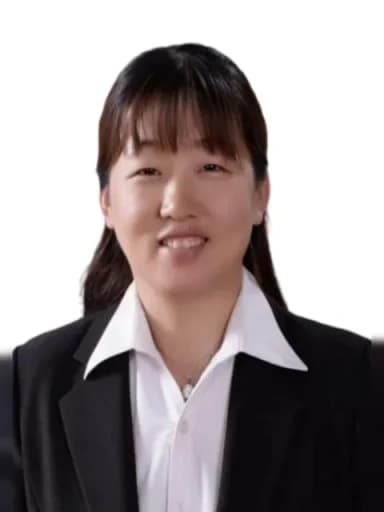
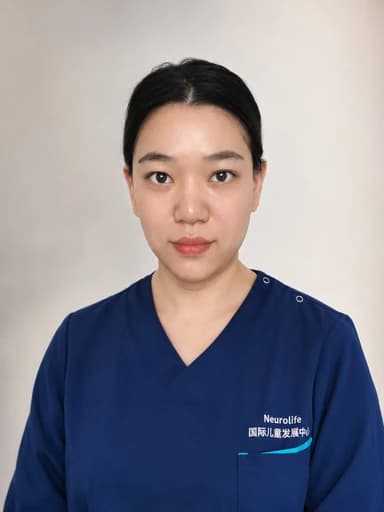
Who performs the procedure



What diagnoses it helps with Speech-Language Therapy
Book a free consultation
Leave a short request — a coordinator will contact you within 5 minutes, answer your questions and suggest the first steps.