
Non-verbal / minimally verbal
Also known as: Non-verbal child, Absence of speech, Lack of active speech
Program for children with absent or minimal speech at Hanshi NeuroLife (Shangrao). Foundational level of speech communication combined with the PECS system, oral-motor therapy, and device-supported methods.
What is Non-verbal / minimally verbal?
Absence of speech or minimal speech is a state in which a child does not speak at all or uses an extremely limited set of words and does not use speech functionally for communication. Causes vary: ASD (the core communicative deficit), speech delay, weak oral-motor base, auditory processing impairments, encephalopathy sequelae, and forms of cerebral palsy with a pronounced oral-motor component. Absence of speech often co-occurs with weak comprehension of speech and instructions.
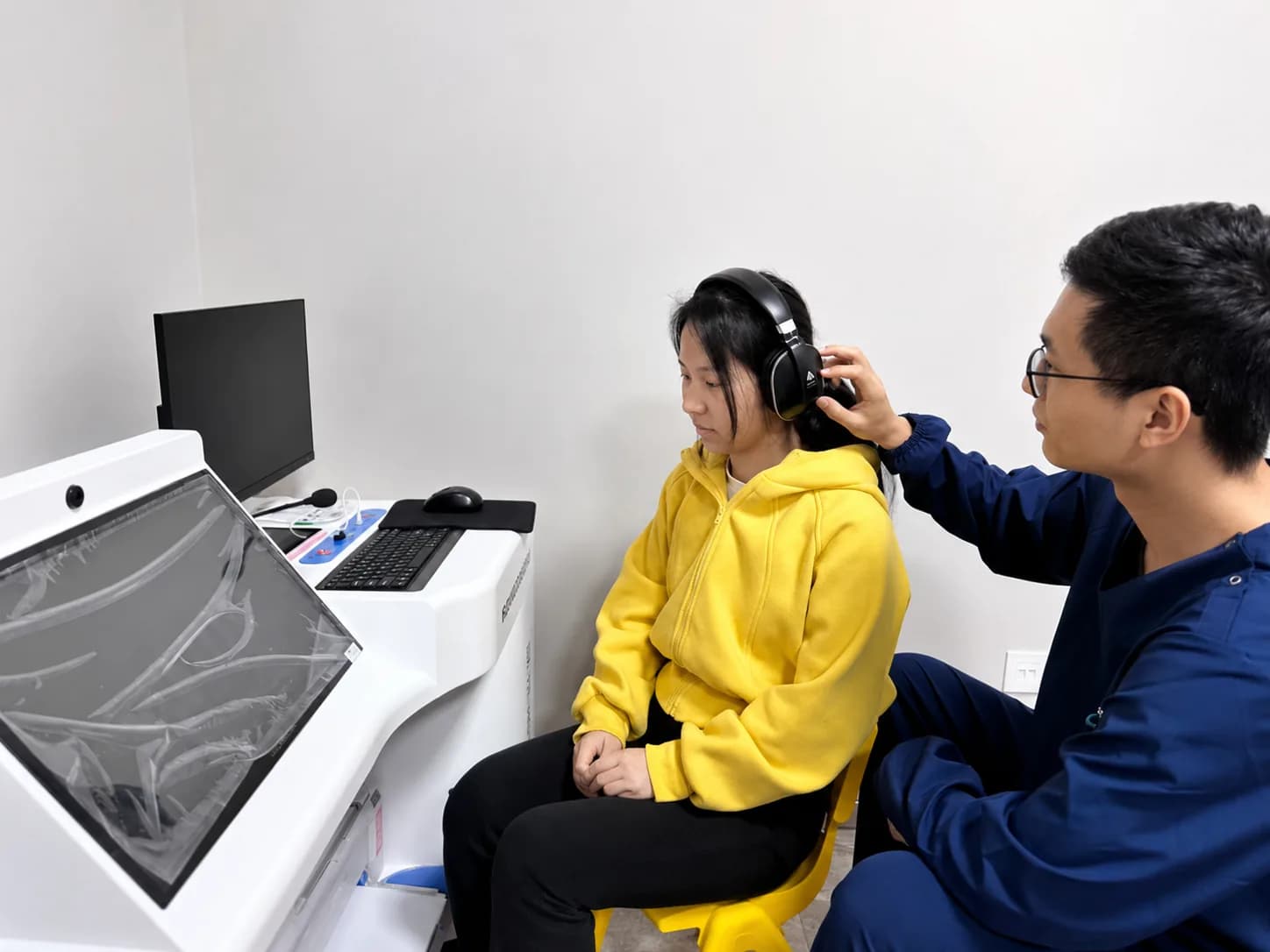
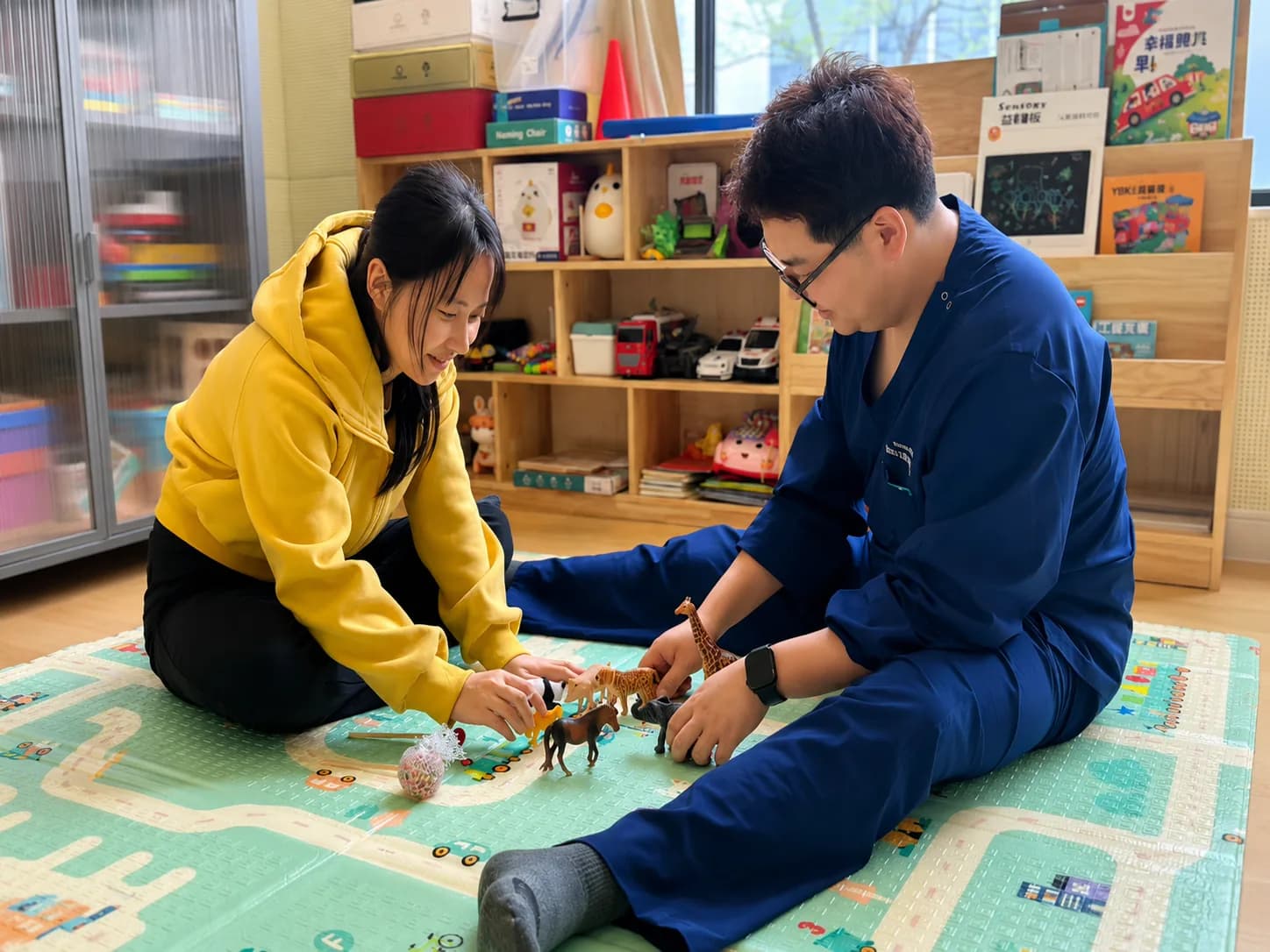
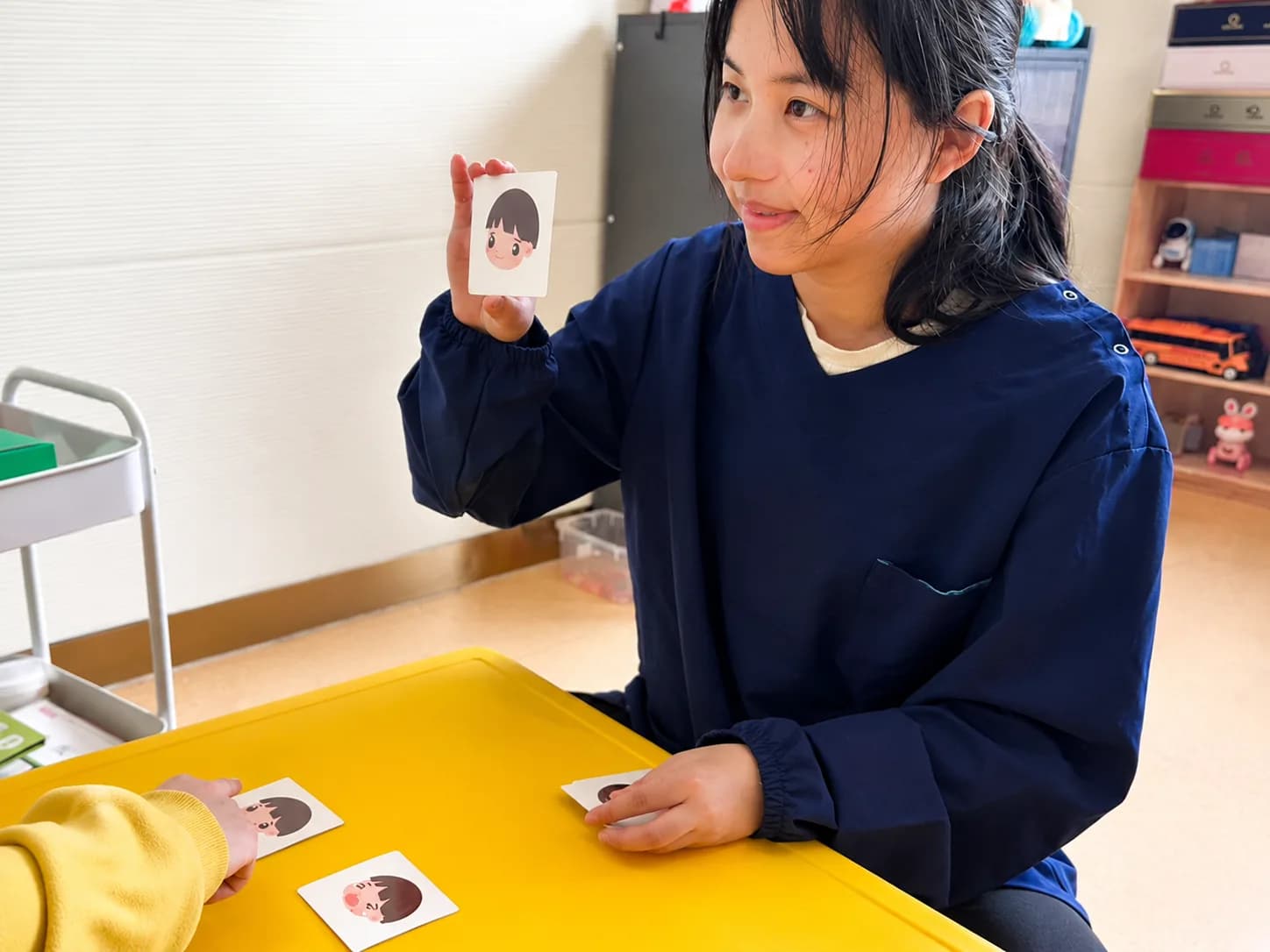
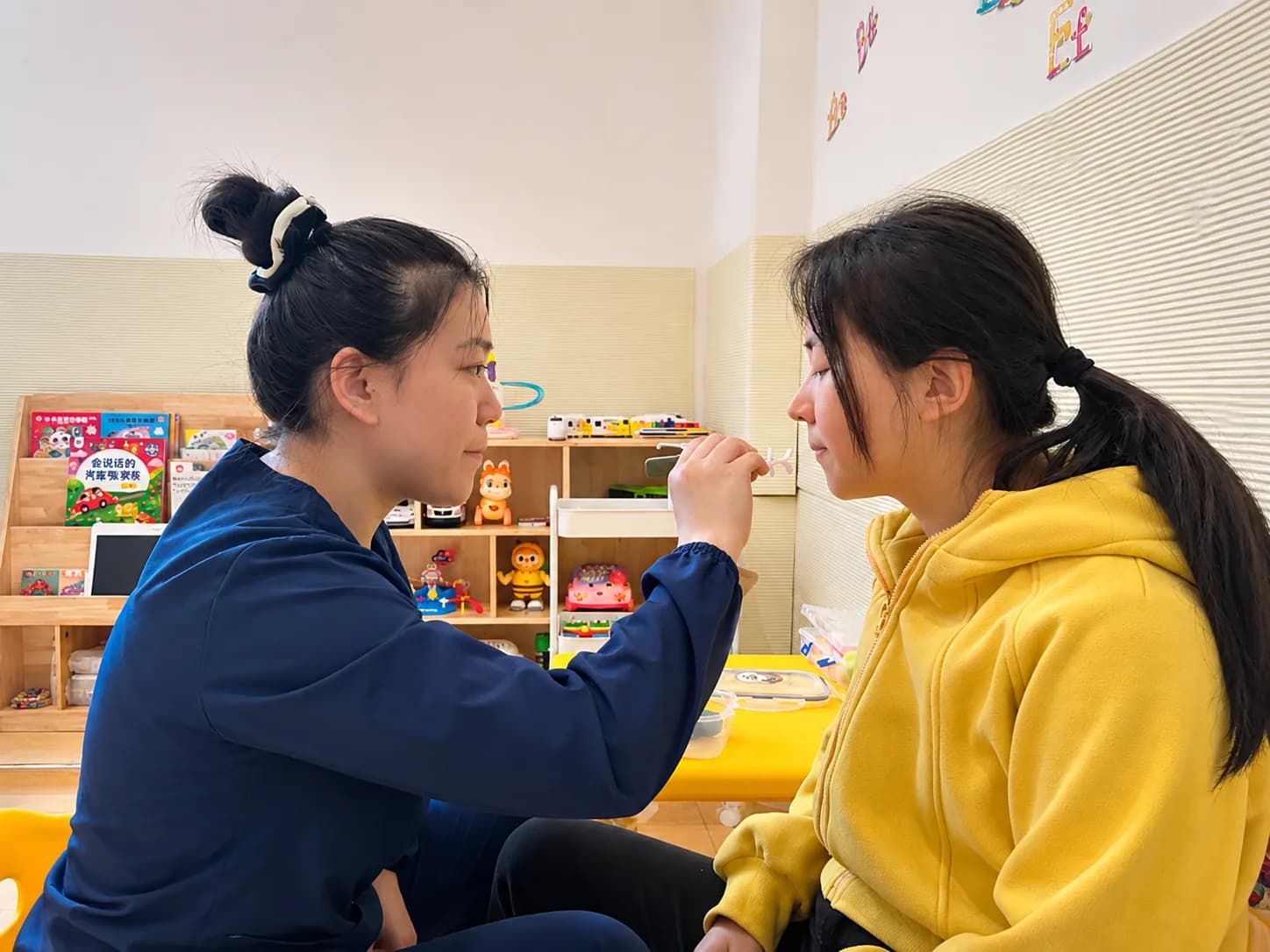
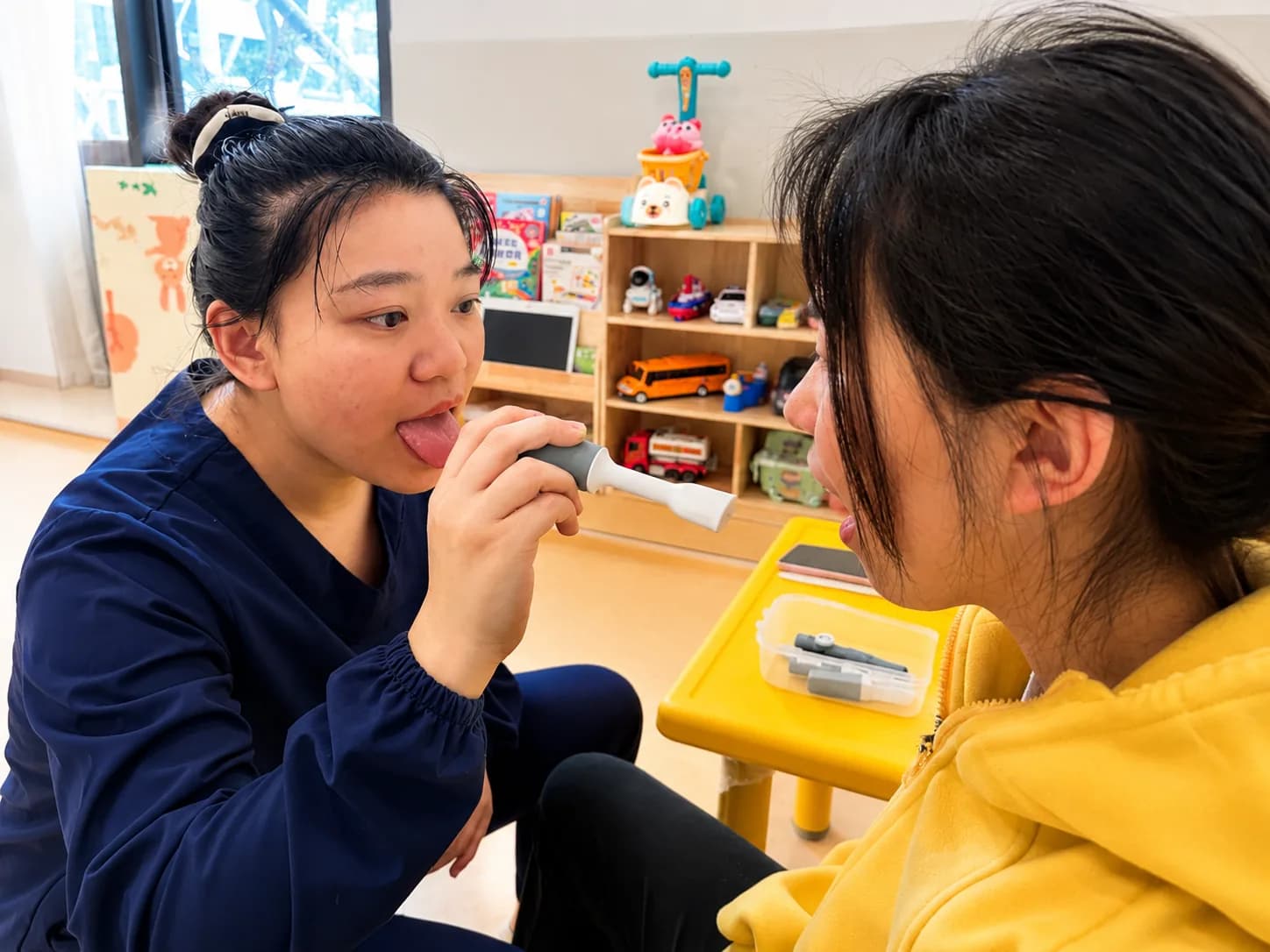
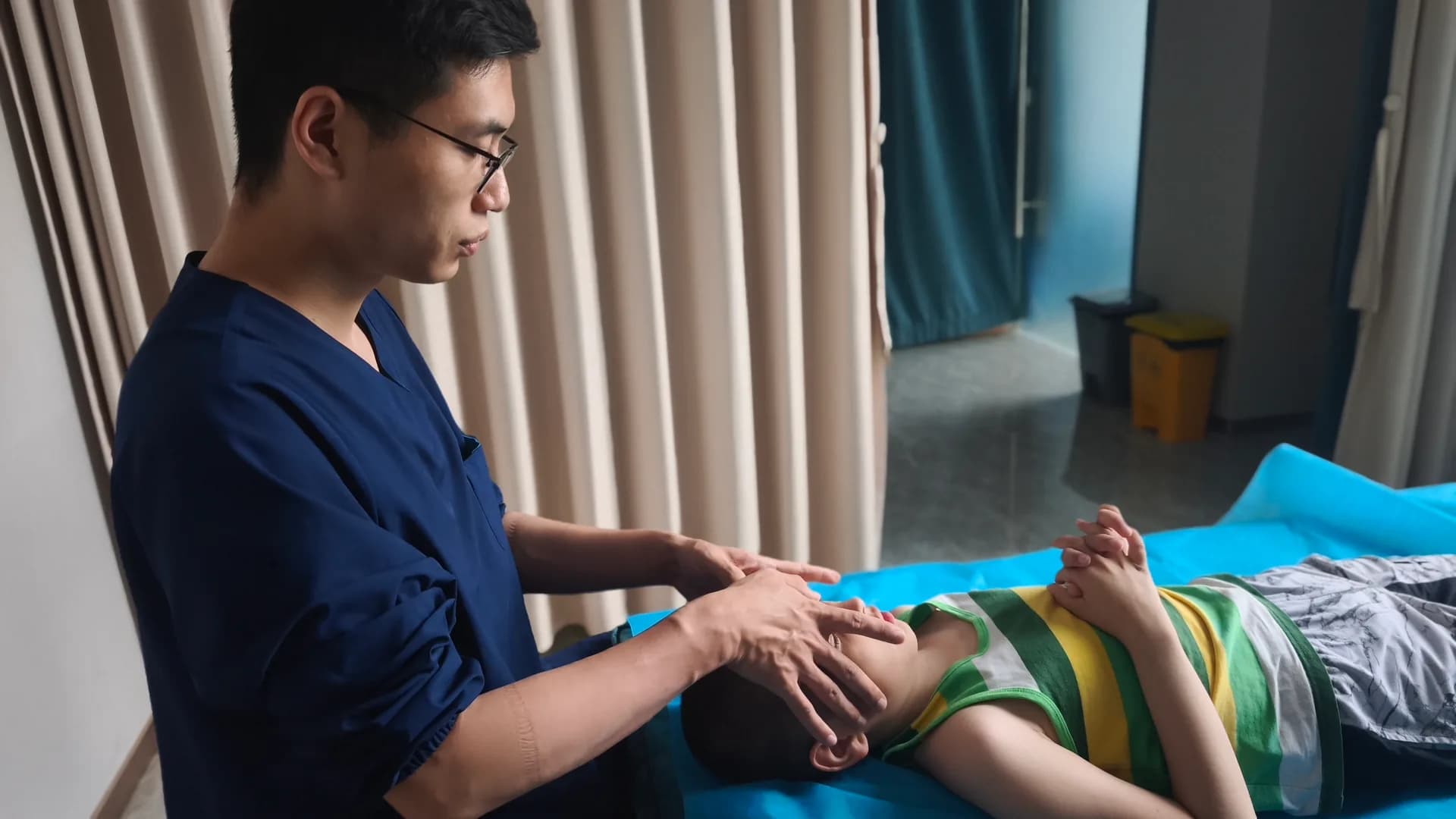
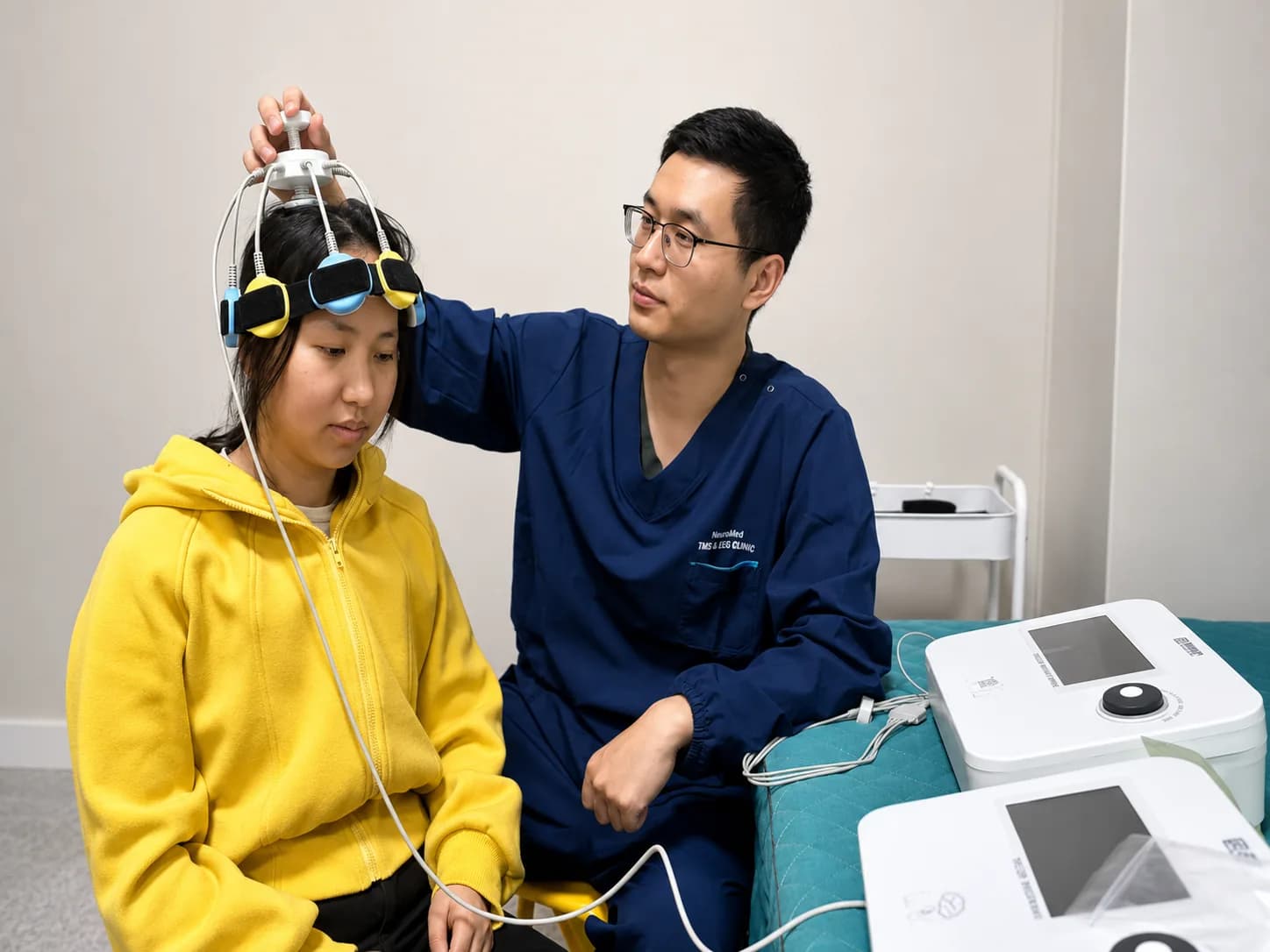
At Hanshi NeuroLife International Rehabilitation Center (Shangrao), the speech program for non-verbal children is built from the foundational level. The first goals are to form motivation for communication, develop comprehension of simple instructions, and teach the child to express needs through gestures, sounds, and pictures. For functional communication we use the international PECS system (Picture Exchange Communication System) — exchange of cards, gradually transitioning to speech as it emerges. In parallel, oral-motor therapy builds the physiological base for articulation. When indicated, we add TMS (improving the cortical language areas), Tomatis auditory integration (for children with auditory processing features), ABA (systematic formation of communicative skills), and pediatric acupuncture and Tui Na massage.
What parents should know
Prognosis is individual and depends on the cause of absent speech. With early systemic work, some children reach functional speech and dialogue; others master alternative communication systems and substantially improve comprehension. Program goals are defined after assessment and are realistic for the specific child. Home rehabilitation — at least 1 hour per day — is a mandatory part of the course.
Causes
Silence may stem from sensorimotor alalia, the effects of hypoxia or birth trauma, hearing impairment, or autism spectrum disorders. Often several factors combine.
Symptoms
The child does not speak or speaks very little for their age, does not build phrases or repeat words. Communicates with gestures and screaming, may not understand addressed speech.
Assessment
Hearing assessment (audiometry), consultations with a neurologist, speech therapist and psychologist, plus EEG and MRI if needed. It is vital to distinguish alalia from hearing loss, autism and developmental delay.
Prognosis and treatment approach
The earlier work begins, the higher the chance of launching speech. With systematic rehabilitation most children start producing words and phrases. The outlook depends on the cause and age.
How we treat Non-verbal / minimally verbal
Diagnostics
Comprehensive examination and patient assessment by an international team of specialists
Treatment plan
Development of an individual rehabilitation program considering diagnosis specifics
Therapy
Intensive course of procedures: physical therapy, massage, physiotherapy, acupuncture and other methods
Results
Progress evaluation, home recommendations and maintenance therapy plan
Treatment procedures: Non-verbal / minimally verbal

Doctors treating this condition













Frequently asked questions: Non-verbal / minimally verbal
Book a free consultation
Leave a short request — a coordinator will contact you within 5 minutes, answer your questions and suggest the first steps.