
Pediatric Acupuncture
Specialized external TCM method for children: ultra-fine needles, individualized point selection, safe and minimally painful.
How the procedure works
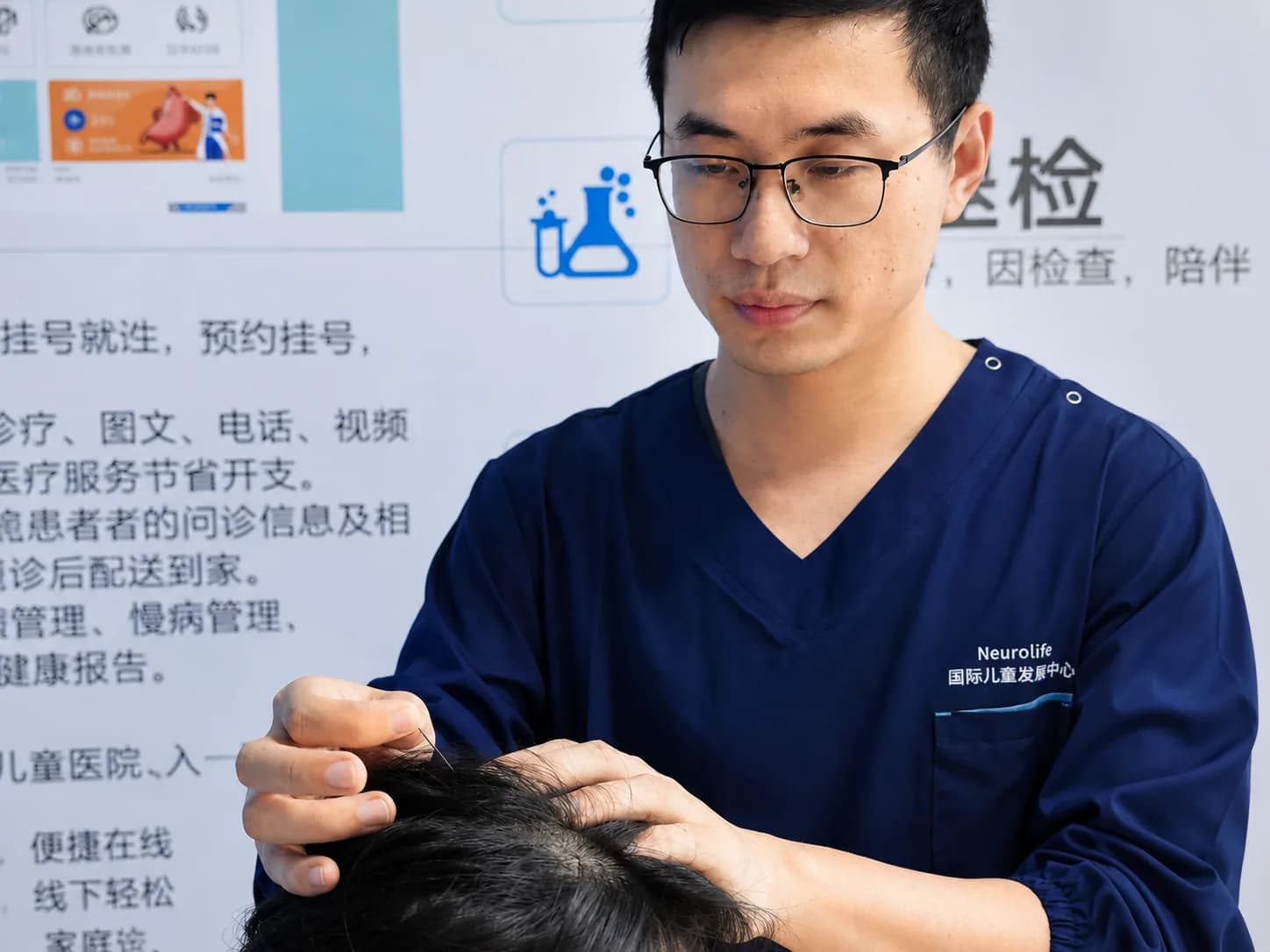
Pediatric acupuncture is a specialized external TCM method based on meridian theory and adapted to the physiological and pathological features of children. Unlike adult acupuncture, pediatric practice uses specialized ultra-fine pediatric needles — thinner, with quick insertion and mild pain sensation. Stimulation of acupuncture points restores channel flow, harmonizes qi and blood, regulates organ function, and "awakens the brain and opens consciousness." This supports the development and recovery of nervous, motor, speech, and cognitive function.
At the Hanshi NeuroLife International Rehabilitation Center (Shangrao), pediatric acupuncture is one of the key lines of the TCM block. It is used across a broad range of indications: nerve injuries (facial nerve palsy, brachial plexus injury, peripheral neuropathies — where acupuncture is especially effective); cerebral palsy and motor delay; speech delay, aphasia, dysarthria, dysphagia; ASD, intellectual disability, attention disorders; tics, sleep disorders, emotional instability; enuresis, digestive disorders, frequent colds; early intervention for infants in high-risk groups and rehabilitation after encephalopathies. The guiding principle is "one person, one prescription" — individualized point selection by pattern differentiation, based on the constitution and state of the specific child.
Strengths of the method at the center: pediatric technique — finer needles, quick insertion, mild pain sensation; an individualized prescription for each child; environmentally clean and safe — without medication side effects; treating "root and manifestation" — restoring function while strengthening the body; combining Western and Chinese medicine — amplified effect when combined with training; priority on early intervention.
What matters for parents
The principle of early intervention in neurology is especially important: the younger the child, the better the recovery of neurological function. Acupuncture is an environmentally clean, safe, minimally painful method — purely physiotherapeutic, without medication side effects. In the center's program it works as part of a comprehensive approach — combined with Tui Na massage, neuromuscular electrical stimulation, rehabilitation courses, and biomedicine when indicated.
Initial consultation and TCM pattern differentiation
The TCM physician evaluates the child's constitution and conducts pattern differentiation according to the principles of traditional Chinese medicine (tongue, pulse, examination), collects the history, and identifies priority goals.
Individualized point prescription (\"one person, one prescription\")
An individualized acupuncture point prescription is built for the specific child — taking into account constitution, clinical picture, and current state. This is not a "standard set" but a tailored protocol.
Sessions with ultra-fine pediatric needles
Specialized ultra-fine pediatric needles are used — thinner than adult needles; insertion is quick and pain sensation is mild. Children usually tolerate the procedure calmly. The child's state is monitored throughout the session.
Progress monitoring and protocol adjustment
Regular evaluation of the body's response, adjustment of points and intensity; integration with other methods of the center — Tui Na, NMES, rehabilitation courses, and biomedicine when indicated.
Course completion and plan for further work
At the end of the course — evaluation of results, recommendations for a break and repeat course if needed. Integration plan within the overall GROW program.
Explore the Room in 360°
Click and drag to look around the room
Indications and contraindications
Indications
Contraindications
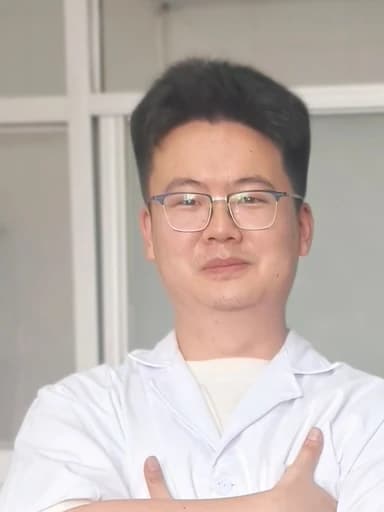
Who performs the procedure


What diagnoses it helps with Pediatric Acupuncture
Book a free consultation
Leave a short request — a coordinator will contact you within 5 minutes, answer your questions and suggest the first steps.