
Aggression, impulsivity, and behavioral disturbances
Also known as: Behavioral disturbances, Aggression toward others, Impulsivity, Pica (eating inedible objects), Elopement from home and kindergarten
Program for the correction of aggression, impulsivity, and challenging behaviors (pica, elopement) in children aged 1–14 years at the Hanshi NeuroLife center (Shangrao). Comprehensive work with both behavior and underlying causes.
What is Aggression, impulsivity, and behavioral disturbances?
Aggression, impulsivity, and behavioral disturbances is a group of behavioral manifestations that share a common mechanism: each serves a particular function for the child that cannot otherwise be expressed or satisfied in an adaptive way. It includes aggression toward others (hitting, biting, pushing), impulsivity (hasty actions without thought), pica (eating inedible items — chalk, paper, plastic, soil), and elopement (leaving home, kindergarten, or school without awareness of danger). Such manifestations are most often seen in ASD, ADHD, intellectual disability, and severe forms of sensory dysregulation. Identifying the cause — and the function of each manifestation — is an essential part of the work.
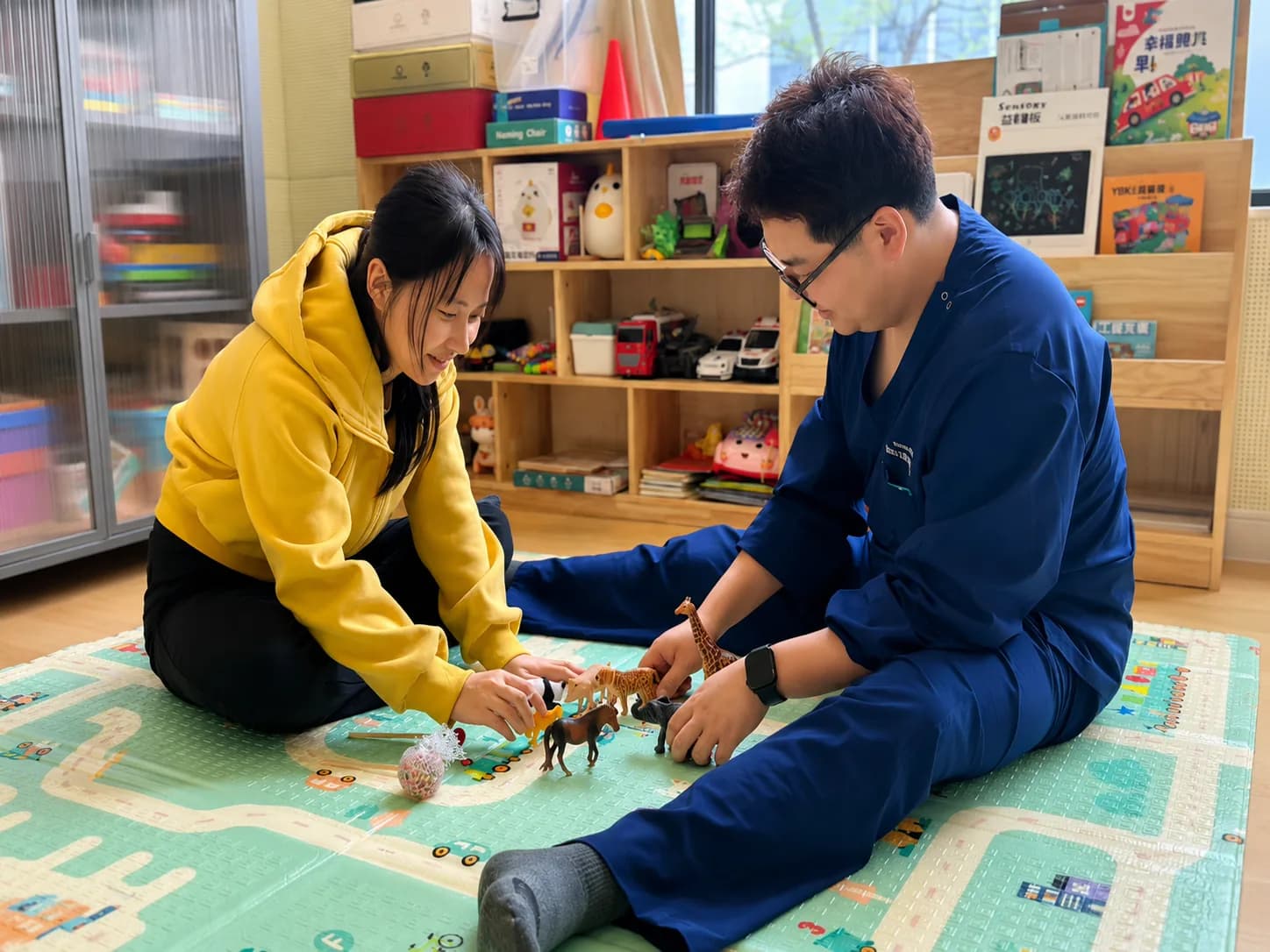
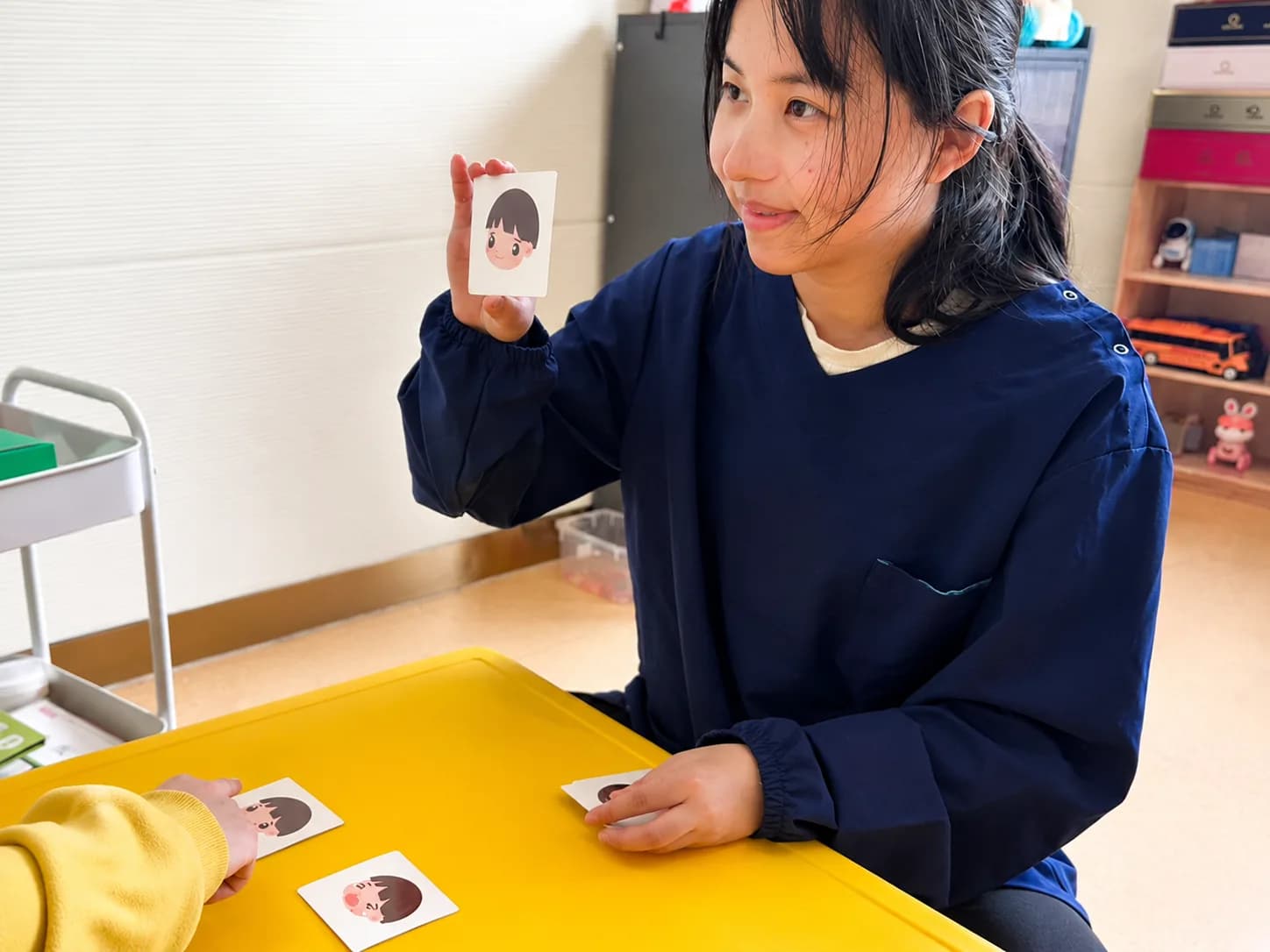
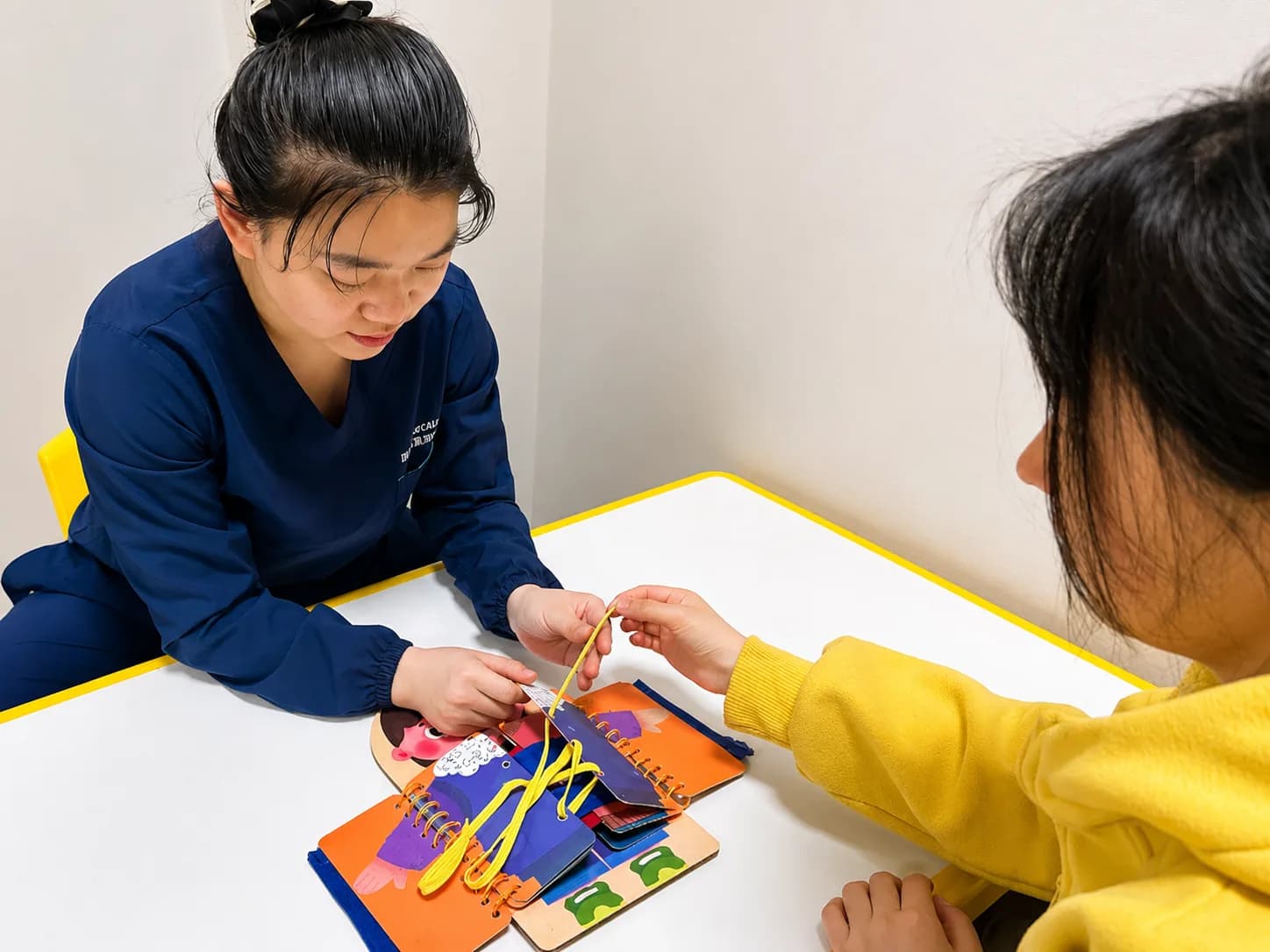
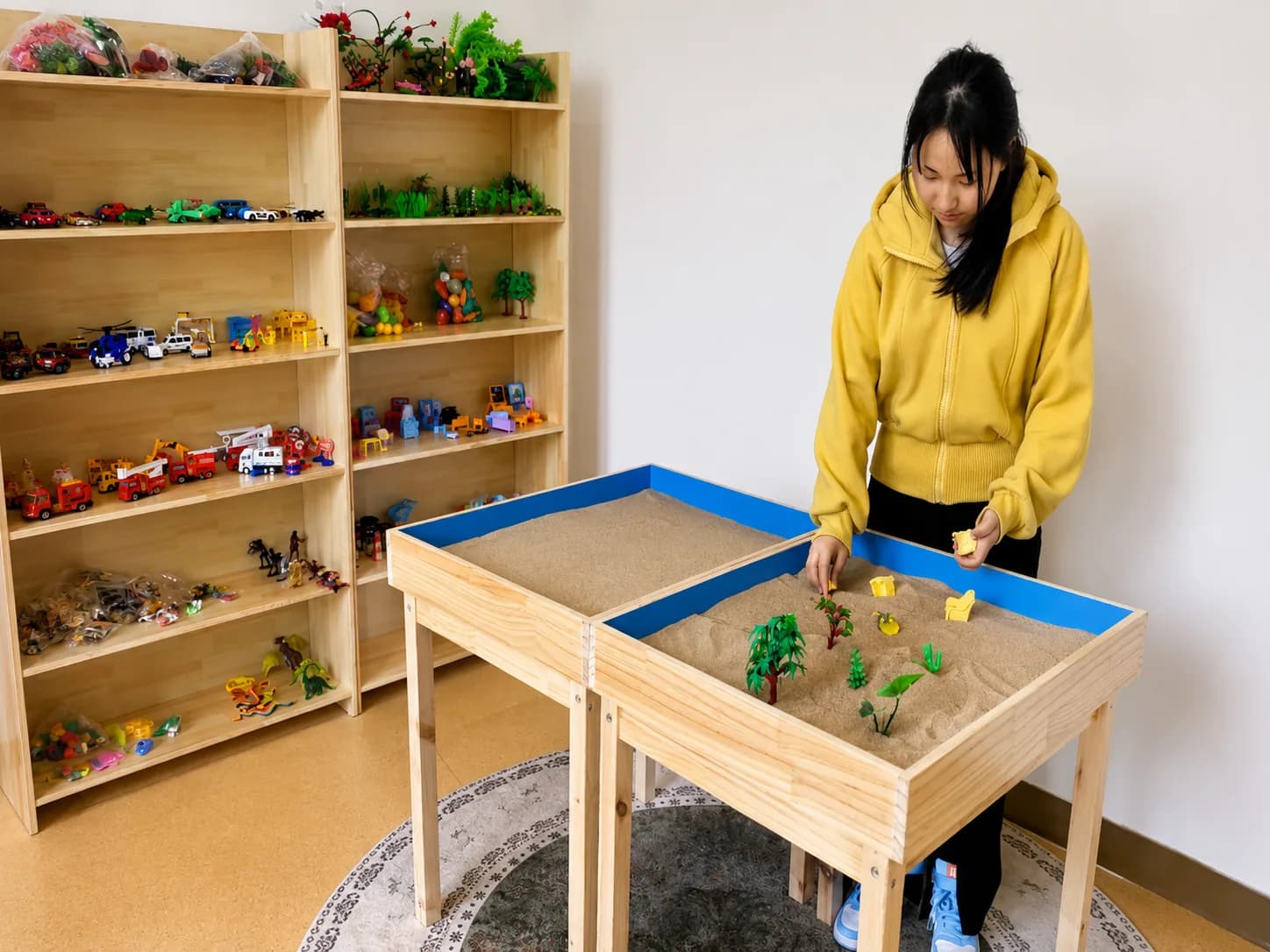
At the Hanshi NeuroLife International Rehabilitation Center (Shangrao), the program for behavioral disturbances is built holistically. ABA systematically shapes alternative adaptive behavior through positive reinforcement and data tracking over time. TEACCH creates a structured, predictable environment — reducing the number of behavioral triggers. Sensory integration addresses sensory overload, which often underlies aggression and impulsivity. Sandplay therapy and DIR/Floortime open nonverbal and play-based channels for regulation. From TCM — pediatric acupuncture and Tui Na massage for harmonization and regulation. For pica, nutritional status is also assessed, and micronutrient deficits (often iron and zinc) are corrected when present. For comorbid GI issues and microbiota dysbiosis, the biomedical track is engaged — this often significantly changes emotional and behavioral baselines via the gut-brain axis. In severe cases, medication support may be considered — strictly per the physician's decision.
What parents should know
In cases of severe aggression posing danger to others, medical stabilization is required first — this is listed among the center's contraindications. Elopement is a separate safety concern: the program combines behavioral work with mandatory family training on safety rules at home and in public places. Regular reassessment shows progress and allows the program to be adjusted.
Causes
Most often seen in ASD, ADHD, intellectual disability, and sensory dysregulation. Causes include inability to express a need, sensory overload, and sensory-seeking. Identifying the cause is essential.
Symptoms
Aggression toward others (hitting, biting), impulsivity, pica (eating inedible items), and elopement without awareness of danger. Often co-occurs with stereotypies and self-injury.
Diagnostics
Comprehensive assessment: scales (PEP, ABC, Shuangxi), sensory integration, emotional state. For pica — screening for micronutrient deficiency. The key task is to identify the behavior's function.
Prognosis and treatment approach
Systematic work reduces the frequency and intensity of unwanted behavior. It combines ABA, TEACCH, sensory integration, and — when indicated — medication. For pica, nutritional correction is added.
How we treat Aggression, impulsivity, and behavioral disturbances
Diagnostics
Comprehensive examination and patient assessment by an international team of specialists
Treatment plan
Development of an individual rehabilitation program considering diagnosis specifics
Therapy
Intensive course of procedures: physical therapy, massage, physiotherapy, acupuncture and other methods
Results
Progress evaluation, home recommendations and maintenance therapy plan
Treatment procedures: Aggression, impulsivity, and behavioral disturbances

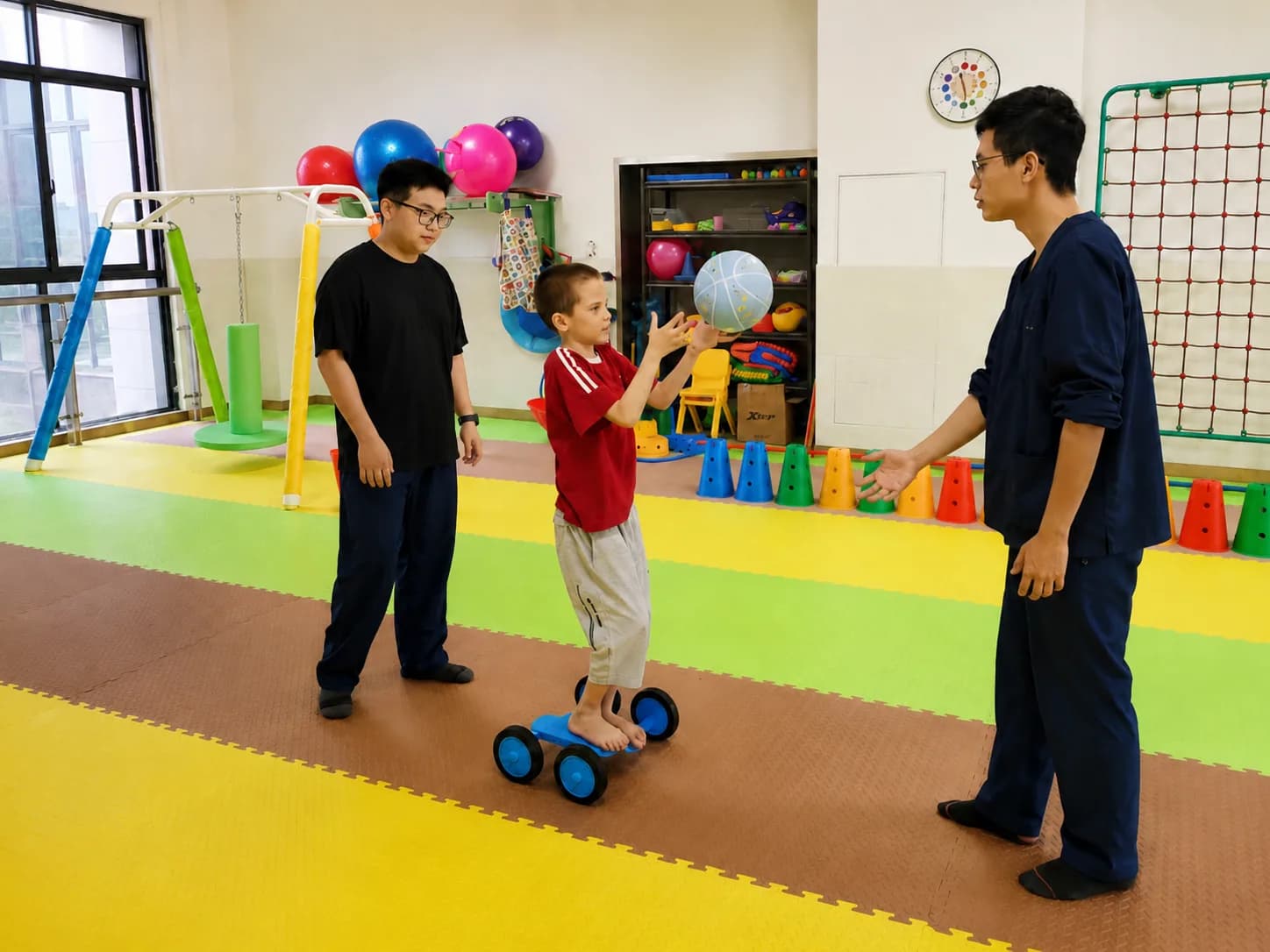
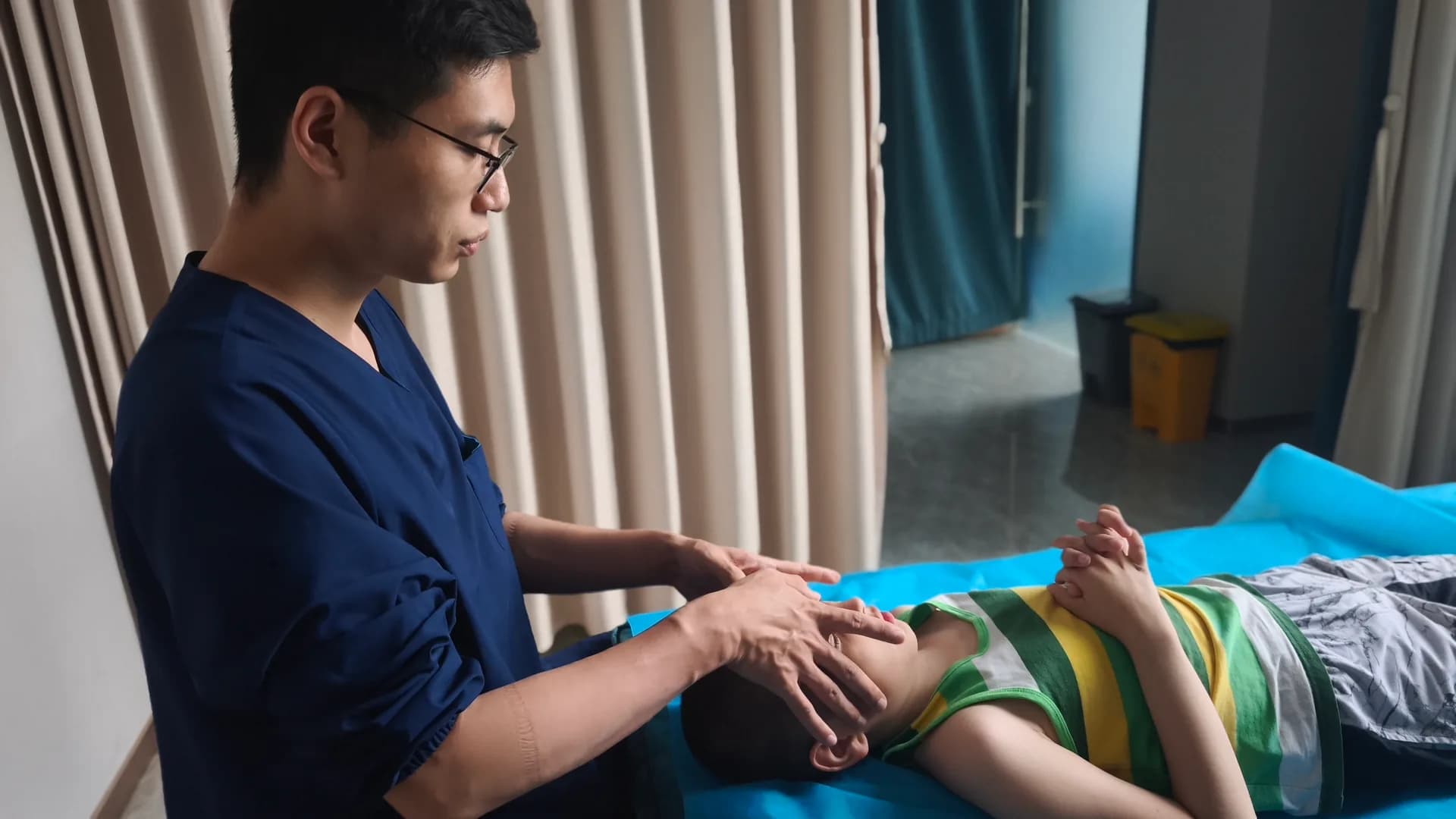
Doctors treating this condition


















Frequently asked questions: Aggression, impulsivity, and behavioral disturbances
Book a free consultation
Leave a short request — a coordinator will contact you within 5 minutes, answer your questions and suggest the first steps.