
Auditory hypersensitivity
Also known as: Hyperacusis, Auditory hyperreactivity, Poor auditory filtering
Program for auditory hypersensitivity in children aged 1–14 years at the Hanshi NeuroLife center (Shangrao). Core method — AIT/Tomatis auditory integration; combined with sensory integration, Orff music therapy, and TCM.
What is Auditory hypersensitivity?
Auditory hypersensitivity is a state in which the child reacts painfully to sounds: strong reactions to loud sounds (crying, fear, covering ears with hands), avoidance of noisy places, fear of household appliances (vacuum, hair dryer), increased irritability in noisy environments. In some children it is combined with poor auditory filtering — an inability to "tune out" background sounds, which interferes with speech perception. It is most often seen in ASD (a typical manifestation of sensory dysregulation), in sensory integration disorders, and in anxiety states. In some children, auditory hypersensitivity sustains overall emotional instability and anxiety.
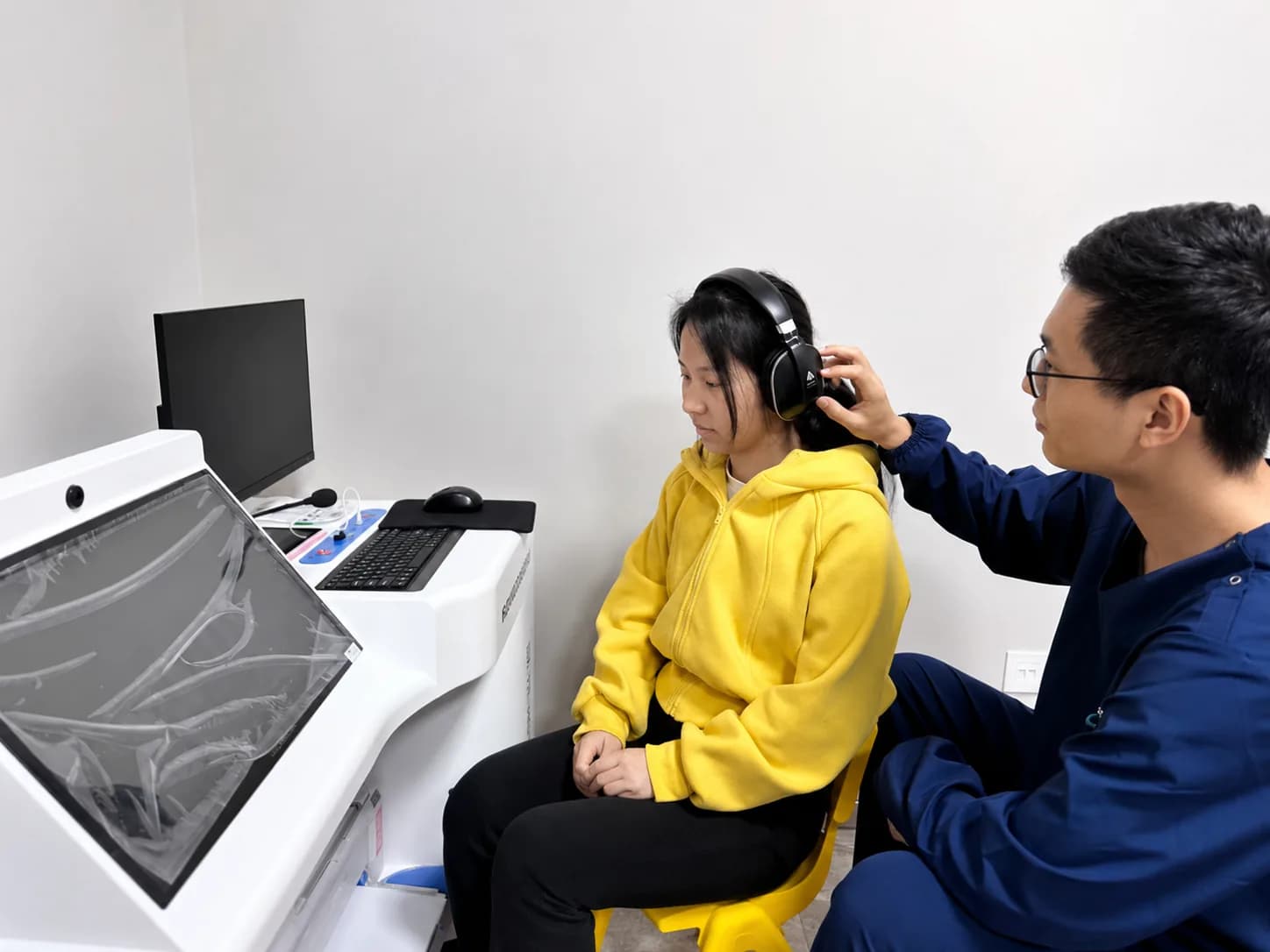
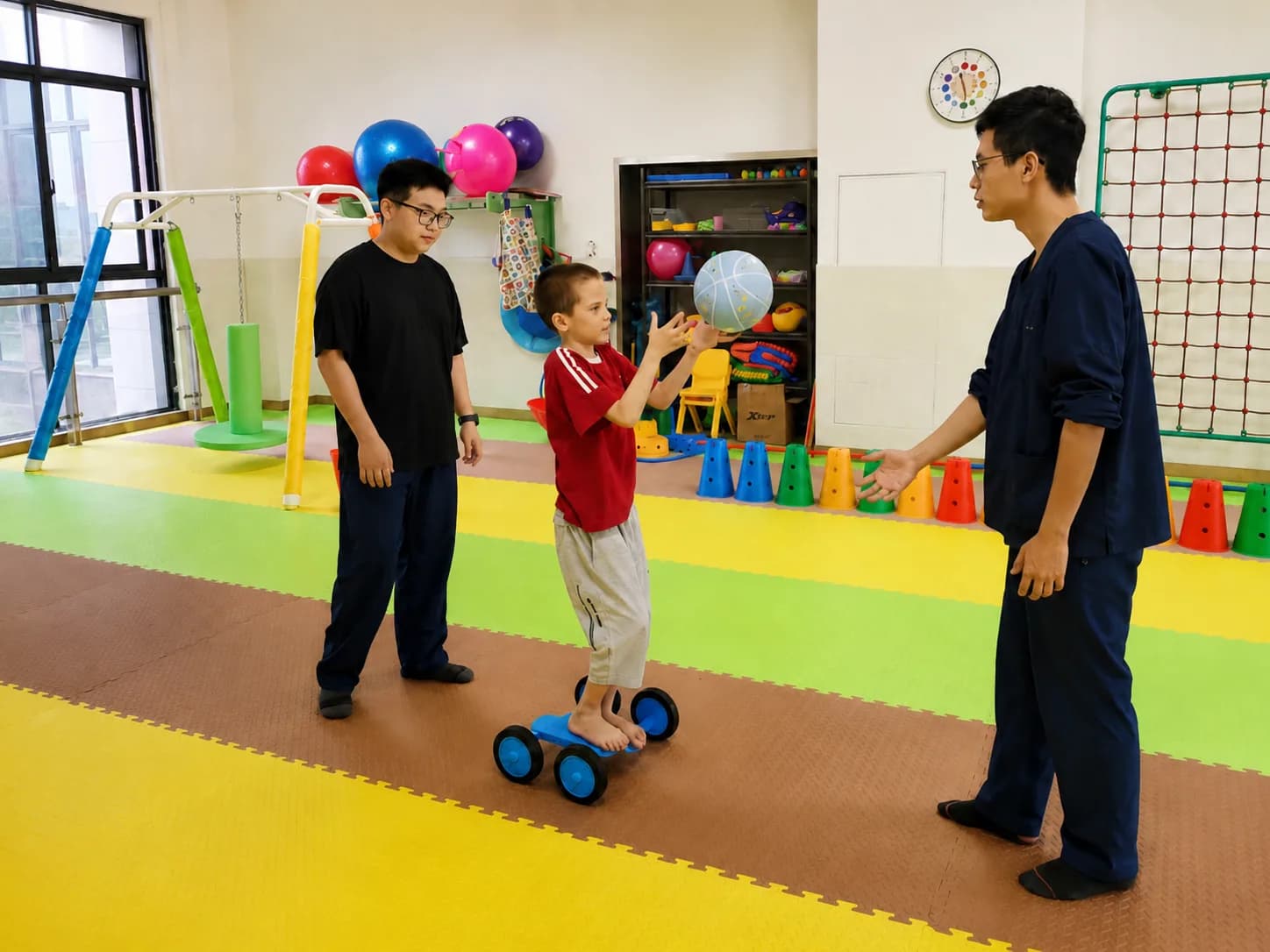
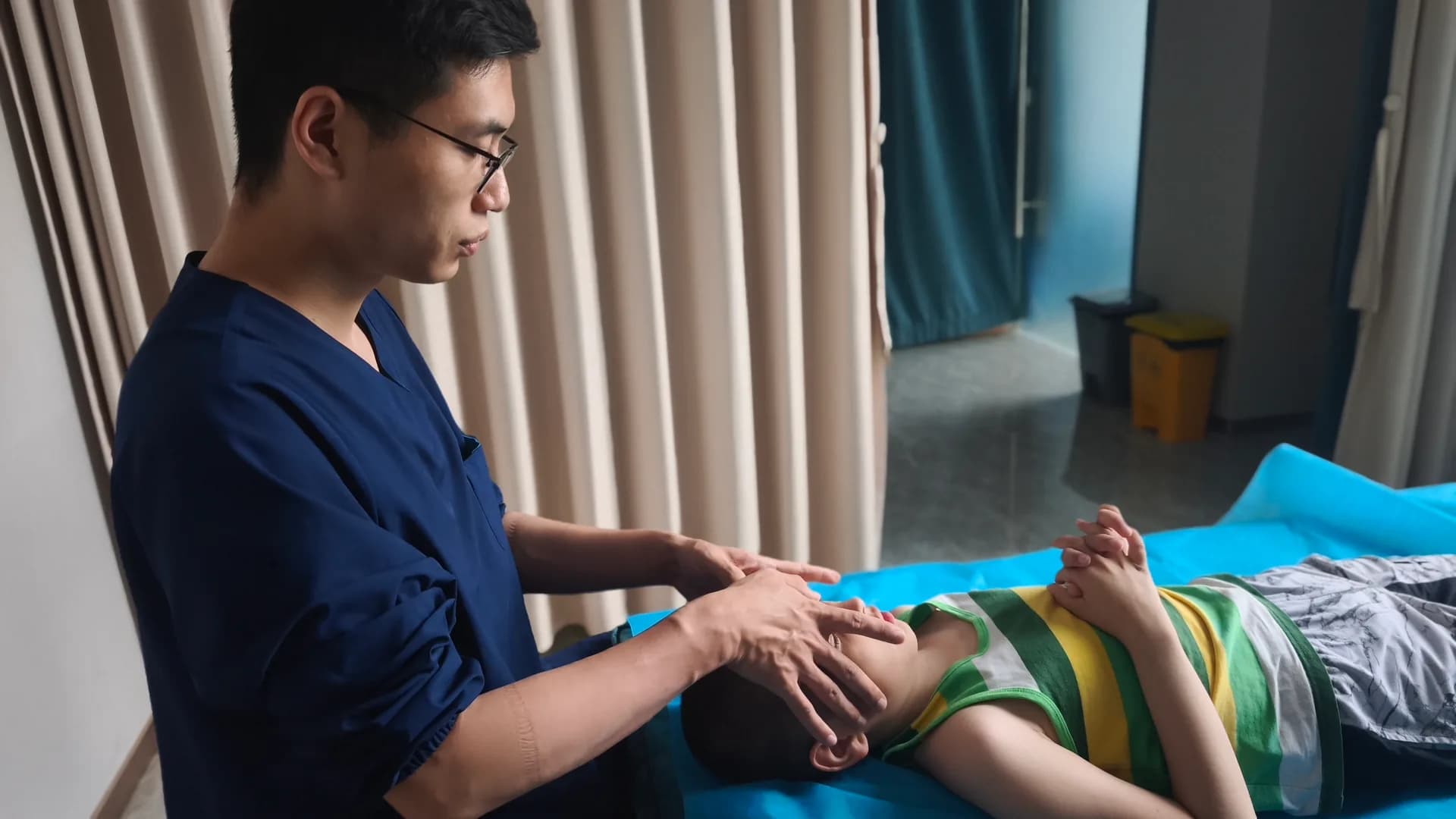
At the Hanshi NeuroLife International Rehabilitation Center (Shangrao), the core method for auditory hypersensitivity is Auditory Integration (Tomatis/AIT). Digital correction and filtering of the audio signal regulates the auditory system: excessive reaction to sounds, irritability, and ear-covering decrease; attentiveness and emotional stability improve; auditory attention and speech comprehension strengthen. The format is passive — quiet listening — and children typically accept these sessions easily. In parallel, sensory integration (general sensory foundation), Orff music therapy (a gentle rhythmic environment — gradually expanding auditory tolerance in a safe form), and sandplay therapy for comorbid anxiety are used. Pediatric acupuncture and Tui Na massage complement the program.
What parents should know
Auditory hypersensitivity rarely exists "on its own" — it is often linked to general sensory dysregulation and emotional instability. Working with the auditory domain therefore usually brings improvements in emotions, speech perception, and overall well-being. A Tomatis course typically shows noticeable changes within the first weeks. At home, it is important to create a safe acoustic environment — without sharp, loud stimuli; specialists provide concrete recommendations.
Causes
Most often a manifestation of sensory dysregulation in ASD, sensory integration disorders, and anxiety states. Often combined with poor auditory filtering of background sounds.
Symptoms
Strong reaction to loud sounds (covering ears, crying, fear), avoidance of noisy places, poor speech perception in noise. Often irritability and anxiety.
Diagnostics
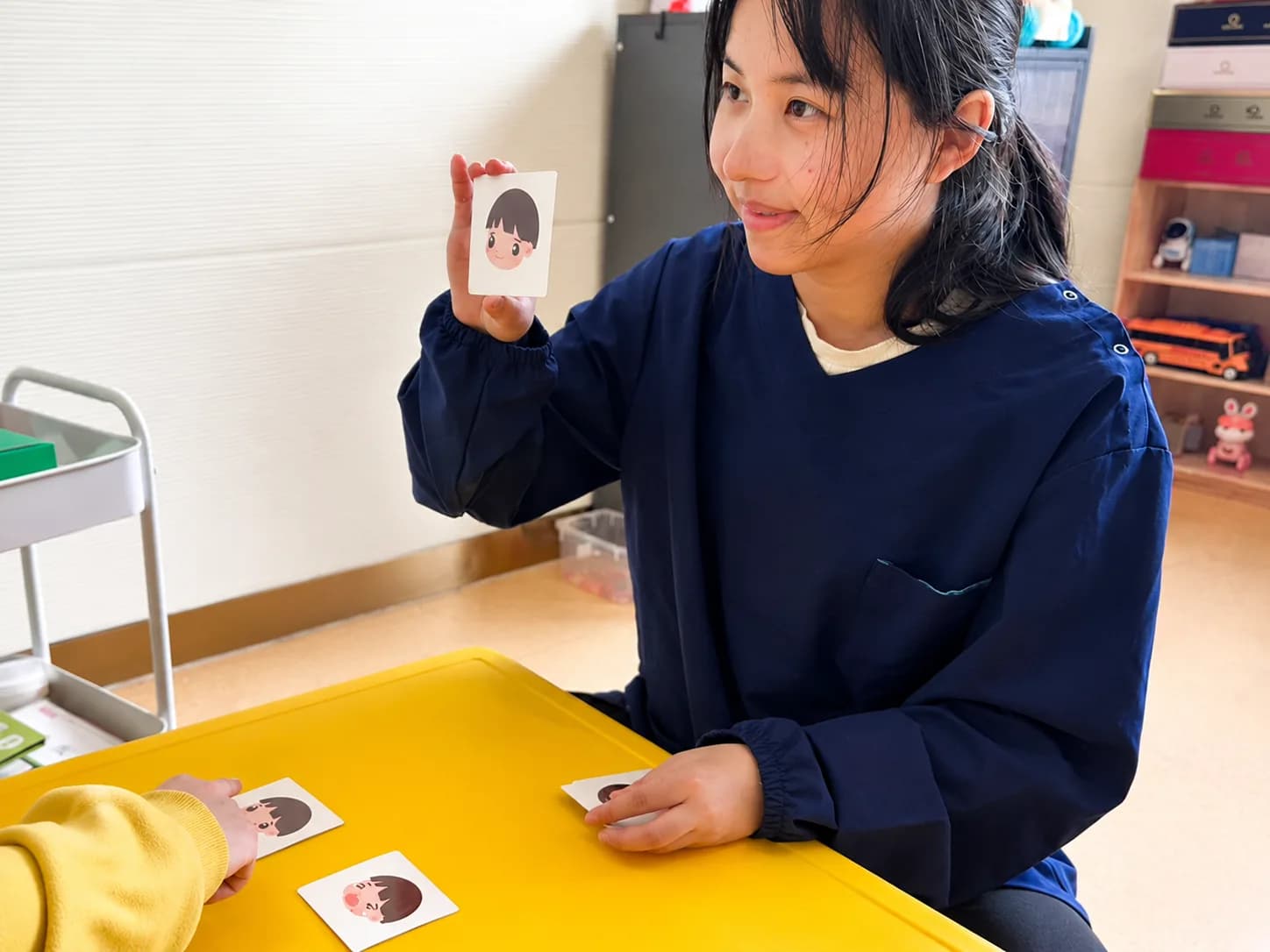
A professional sensory integration assessment focused on hearing; when comorbid with ASD — ABC and Shuangxi scales. Audiometry may be recommended to rule out primary hearing pathology.
Prognosis and treatment approach
Responds well to treatment. The core method is Auditory Integration (Tomatis, AIT): filtering the audio signal regulates the auditory system and reduces hypersensitivity. Supported by sensory integration, Orff music, and TCM.
How we treat Auditory hypersensitivity
Diagnostics
Comprehensive examination and patient assessment by an international team of specialists
Treatment plan
Development of an individual rehabilitation program considering diagnosis specifics
Therapy
Intensive course of procedures: physical therapy, massage, physiotherapy, acupuncture and other methods
Results
Progress evaluation, home recommendations and maintenance therapy plan
Treatment procedures: Auditory hypersensitivity


Doctors treating this condition










Frequently asked questions: Auditory hypersensitivity
Book a free consultation
Leave a short request — a coordinator will contact you within 5 minutes, answer your questions and suggest the first steps.