H&B Neurolife
Treatment in Shangrao

Aphasia

CodeAphasiaICD-10R47.0

Also known as: Pediatric aphasia, Loss of speech, Speech impairment after brain injury

Pediatric aphasia program at H&B Neurolife (Shangrao) for children aged 1-14. Recovery of speech functions through speech therapy, TMS, neuroregulation, and TCM methods.

1–3 months
course
Fill out the form
About the condition

What is Aphasia?

Aphasia in children is the loss of previously acquired speech or impaired comprehension due to damage to the brain's language areas. Unlike speech delay, in aphasia the child once had speech — which is now partially or completely lost. The most common causes are severe neuroinfections, post-infectious and metabolic encephalopathies, severe neonatal sequelae, and — less frequently — traumatic brain injury. The clinical picture depends on lesion location: comprehension (sensory form), articulation (motor form), or both may be affected.

At H&B Neurolife International Rehabilitation Center (Shangrao), the pediatric aphasia program combines all of the center's core directions. Speech therapy follows a tiered model — from understanding basic instructions to functional communication and dialogue. Oral-motor therapy restores the physiological base of articulation. TMS modulates neuronal excitability in the cortical language areas. The biomedical core — neuroregulation, and active stem cell therapy when indicated — addresses the physiological base of brain recovery. Pediatric acupuncture and Tui Na massage complement the program.

What parents should know

Prognosis is individual and depends on the cause, lesion location, and the child's age. Pediatric nervous tissue is highly plastic — so early systemic intervention is critical. After the initial assessment, specialists build a detailed plan with staged goals; regular reassessment tracks progress and allows the program to be adjusted.

Causes

Occurs when the brain's speech centers are damaged. In children the main causes are perinatal CNS damage, injuries, neuroinfections, tumors, and the aftermath of stroke.

Symptoms

Depend on the form: trouble understanding speech, finding words, confusing sounds and syllables, agrammatic phrases. Reading and writing often suffer.

Assessment

Assessment by a neurologist and aphasia speech therapist plus neuropsychological testing. To find the cause — brain MRI and EEG.

Prognosis and treatment approach

With early correction the prognosis is favorable: a child's brain has high neuroplasticity. The result depends on the extent of the damage.

Our approach

How we treat Aphasia

01

Diagnostics

Comprehensive examination and patient assessment by an international team of specialists

02

Treatment plan

Development of an individual rehabilitation program considering diagnosis specifics

03

Therapy

Intensive course of procedures: physical therapy, massage, physiotherapy, acupuncture and other methods

04

Results

Progress evaluation, home recommendations and maintenance therapy plan

Treatment methods

Treatment procedures: Aphasia

Au

Autism Behavior Checklist (ABC)

International screening scale assessing the severity of ASD features across multiple domains — the foundation for a targeted program and progress tracking.

30–60 minutes
single session
Learn more
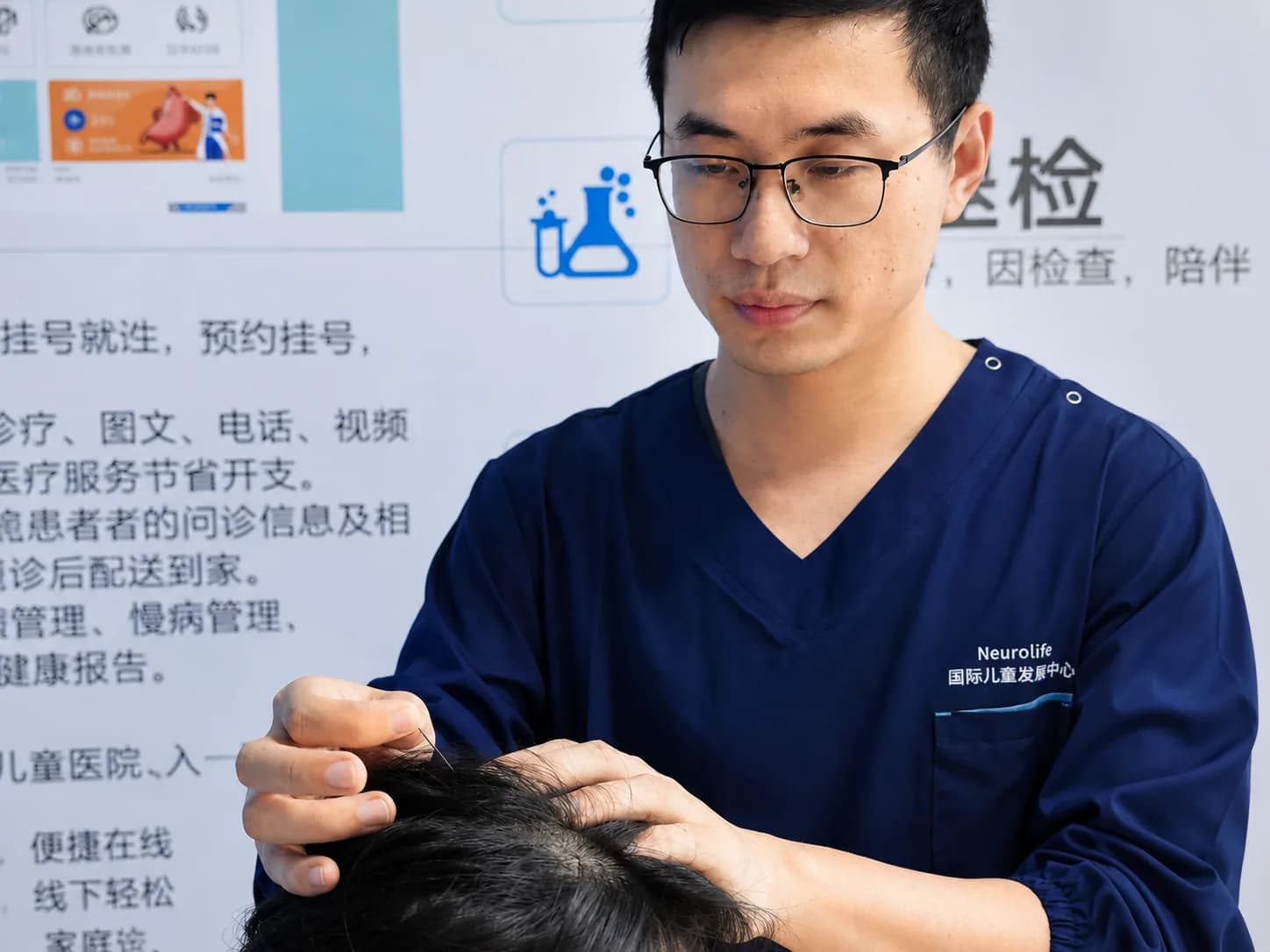
An H&B Neurolife practitioner performs scalp acupuncture using a TCM technique

Pediatric Acupuncture

Specialized external TCM method for children: ultra-fine needles, individualized point selection, safe and minimally painful.

20–30 minutes
1–3 courses
Learn more
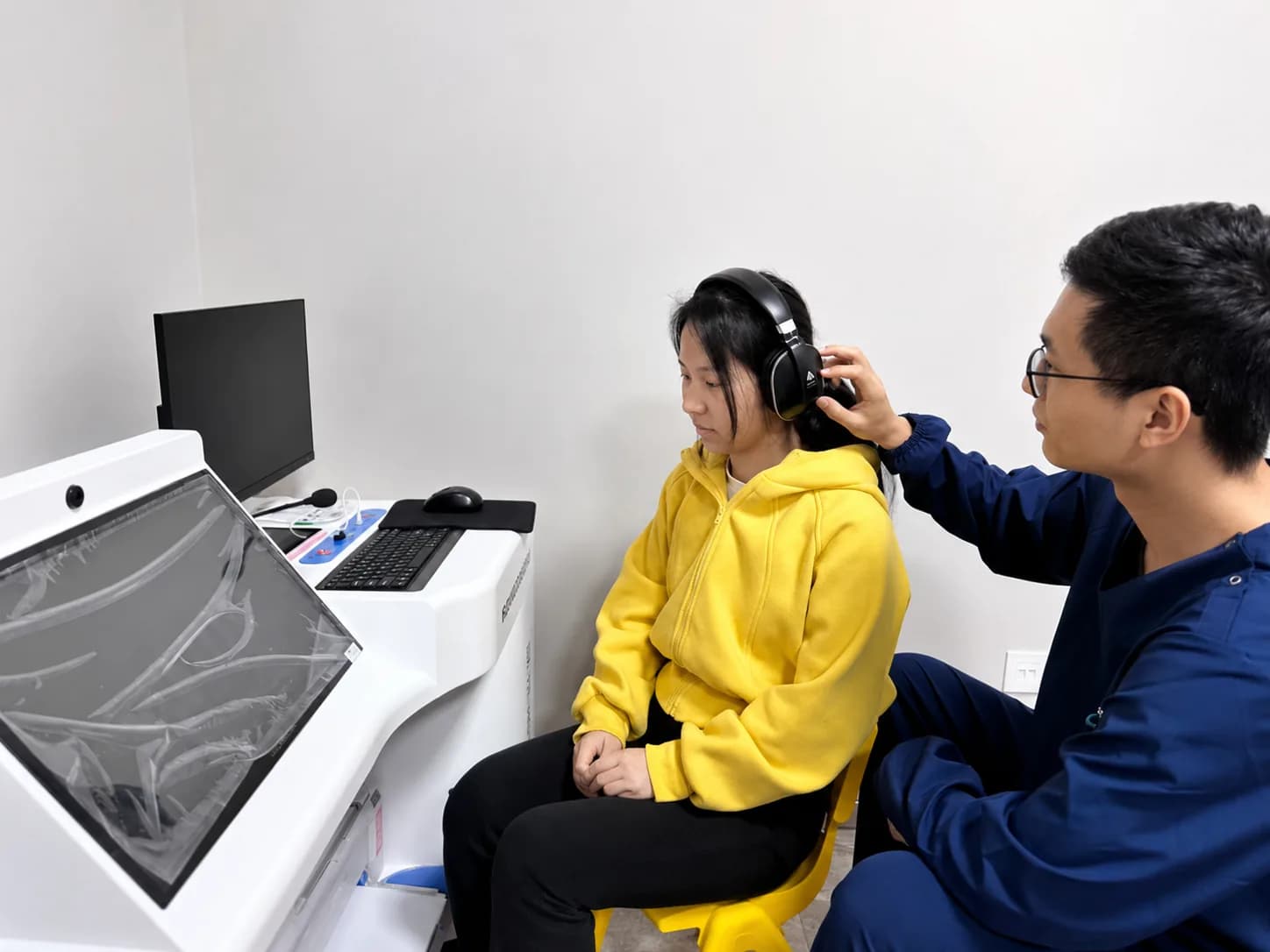
A child in headphones undergoes an auditory integration session (Tomatis / AIT) supervised by a specialist

Auditory Integration (Tomatis / AIT)

Digital audio-signal filtering to regulate the auditory system — passive, painless therapy for children with ASD, speech delay, and auditory hypersensitivity.

30 minutes
10–20 sessions
Learn more
Co

Cognitive training (认知理解)

A foundational course for the cognitive base: attention, observation, comprehension, logic, and core concepts — the bedrock for speech, socialization, and learning.

30–45 minutes
1–3 months
Learn more
Ge

Gesell Developmental Scale

Classic multidimensional assessment of early child development: motor function, adaptive skills, language, and personal-social domain.

30–60 minutes
single session
Learn more
GM

GMFM — Gross Motor Function Measure

International gold standard for quantitative assessment of gross motor function in CP: progress is visible in scores.

30–60 minutes
single session
Learn more
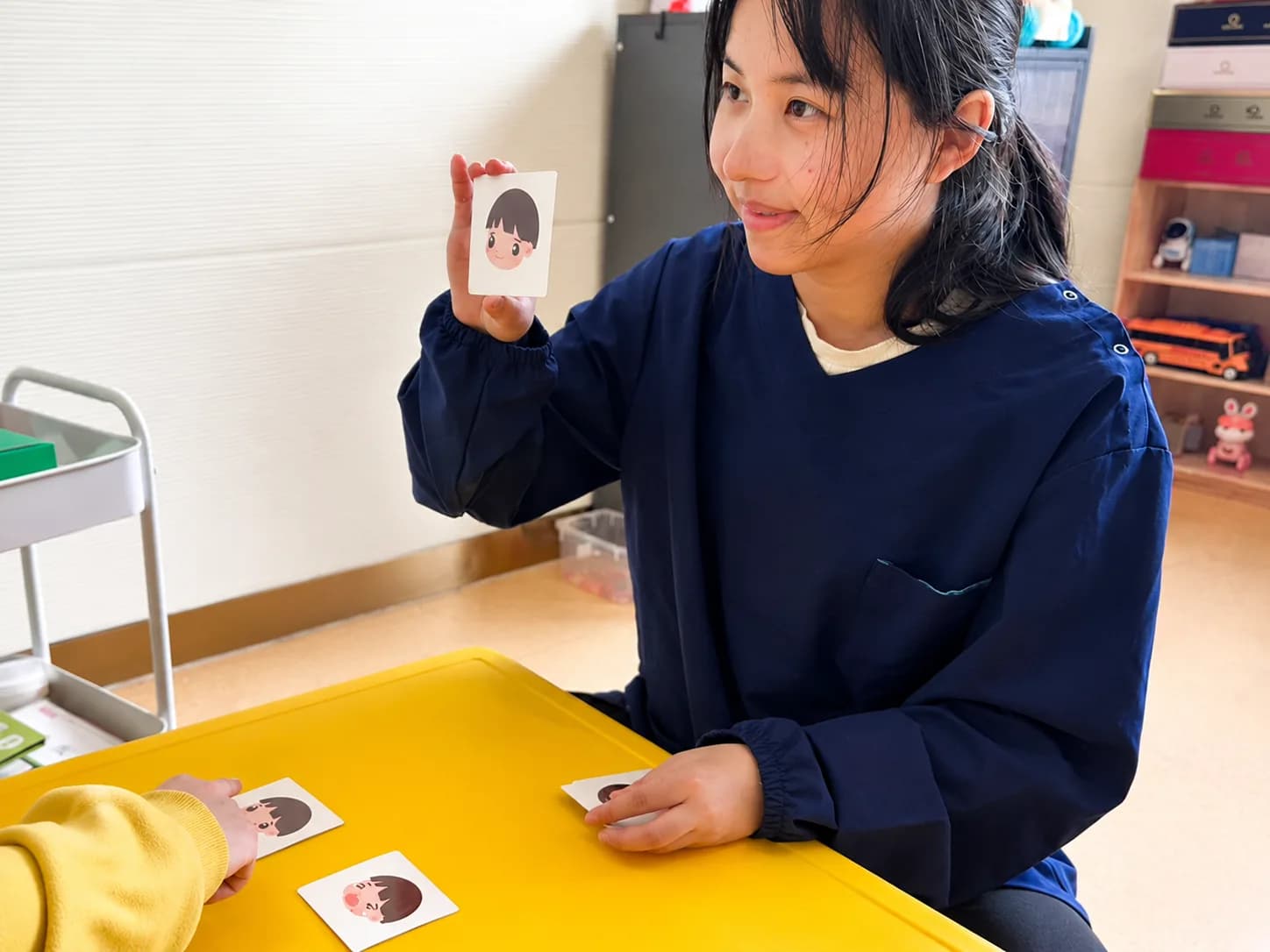
An H&B Neurolife specialist shows a flashcard to a child during a one-on-one session

Individual 1:1 sessions (个别化训练)

Foundational format for targeted work — 'one child, one program': an individually tailored integration of ABA, sensory integration, speech, and social work.

30–45 minutes
1–3 months
Learn more
Ne

Neuromuscular Electrical Stimulation

Low-frequency impulses to activate nerves and muscles: muscle strength gains, tone regulation, and faster progression through motor milestones.

15–30 minutes
10–20 sessions
Learn more
Bi

Biological Therapy and Neuroregulation

Biomedical work on the physiological foundation of brain development: neurotransmitters, cerebral circulation, neuronal metabolism, and cognitive and social motivation.

15–60 minutes
1–3 courses
Learn more
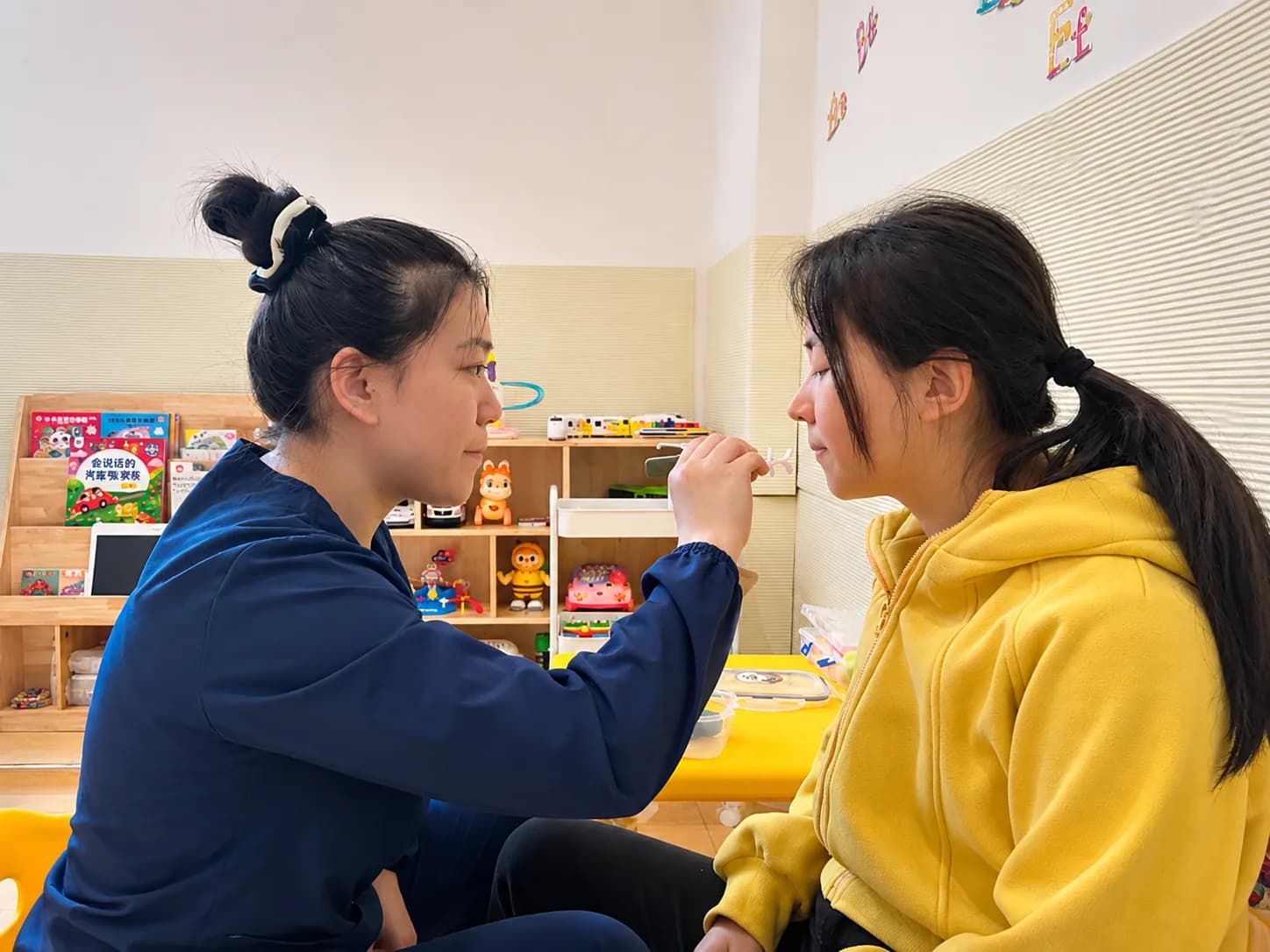
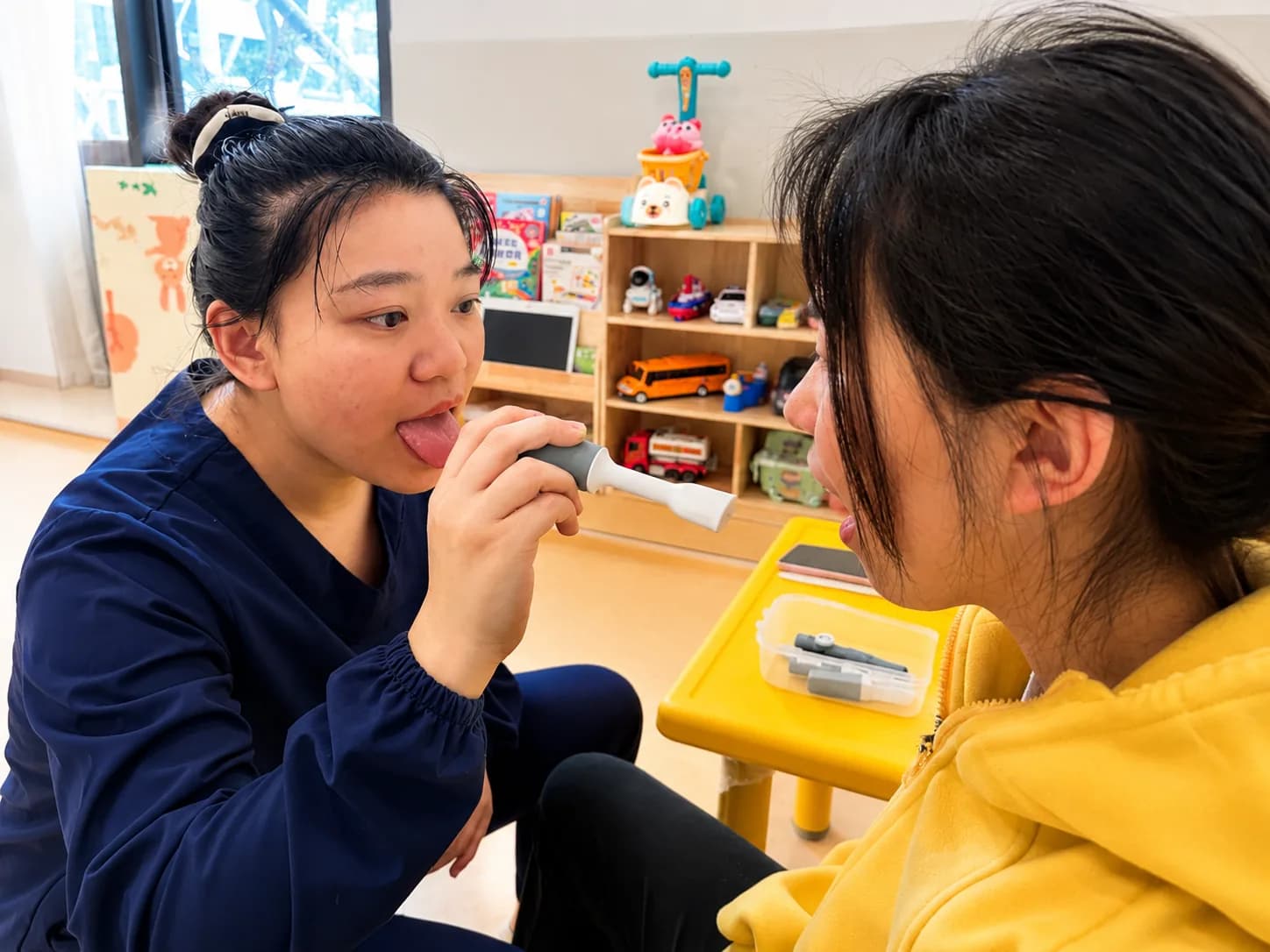
An H&B Neurolife specialist does oral-motor training with a child using an oral-motor tool

Oral-motor therapy (口肌训练)

Foundational speech-rehabilitation course: professional manual techniques and play tools to activate oral perception and build the strength of the oral muscles.

30–45 minutes
1–3 months
Learn more
S-

S-S Method for Language Assessment

A specialized instrument for assessing language development — determining the sign-significate relation level for targeted speech program selection.

30–60 minutes
single session
Learn more
An H&B Neurolife speech therapist works on articulation with a child during a speech session

Speech-Language Therapy

A central focus area in autism rehabilitation: building the chain 'comprehension → expression → application' via a tiered model — from the zero level to dialogue.

30–45 minutes
1–3 months
Learn more
Ac

Active Stem Cell Therapy

Part of the proprietary biomedical core: administration of active stem cells for neural network restoration, anti-inflammatory effect, and neuroregeneration.

1–2 days
several months
Learn more
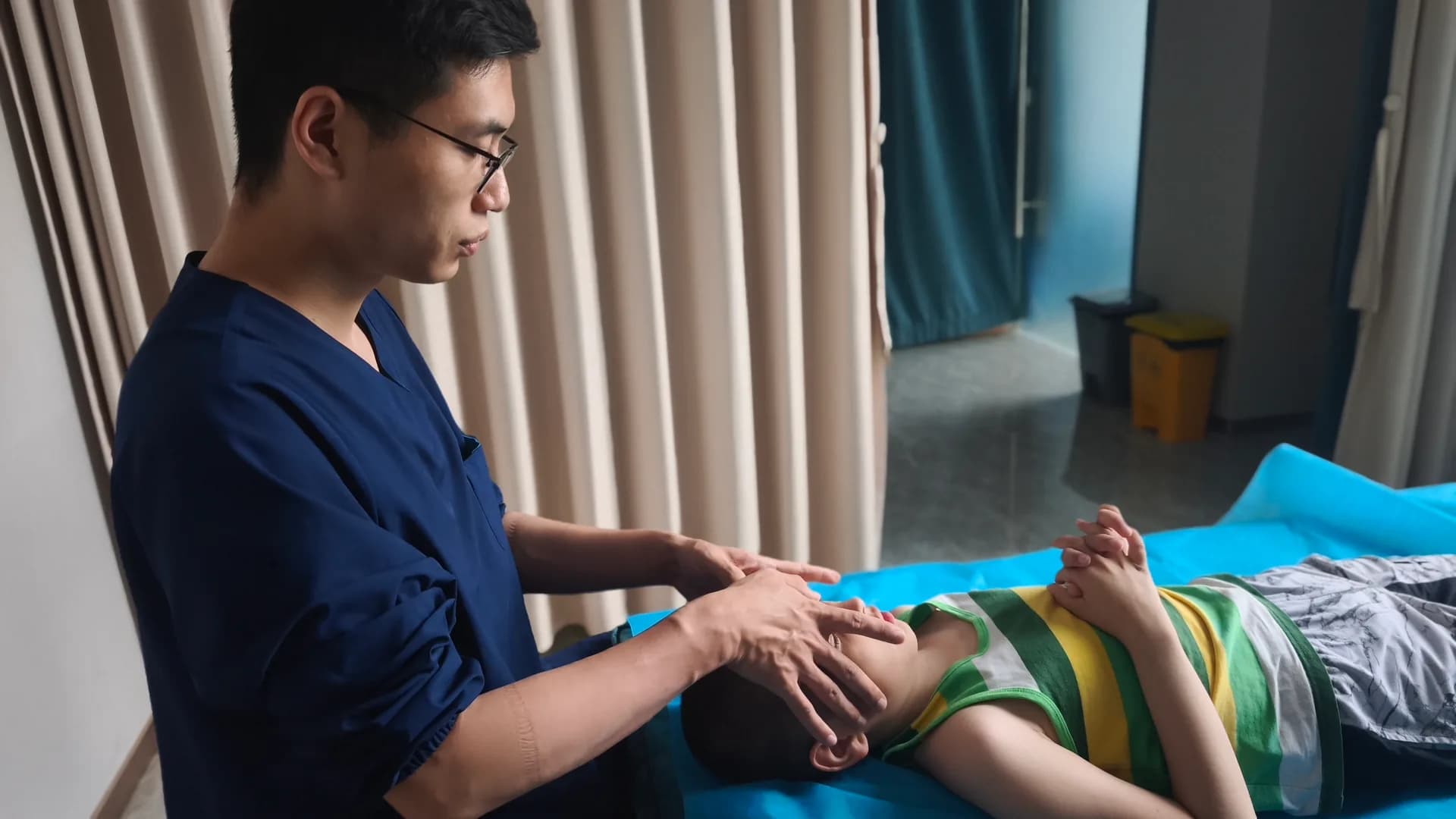
An H&B Neurolife practitioner gives a child a pediatric Tui Na massage

Pediatric Tui Na Massage (推拿)

Purely manual, non-pharmacological TCM method: professional techniques on specific body points to restore channel flow and harmonize qi and blood.

30–40 minutes
1–3 courses
Learn more
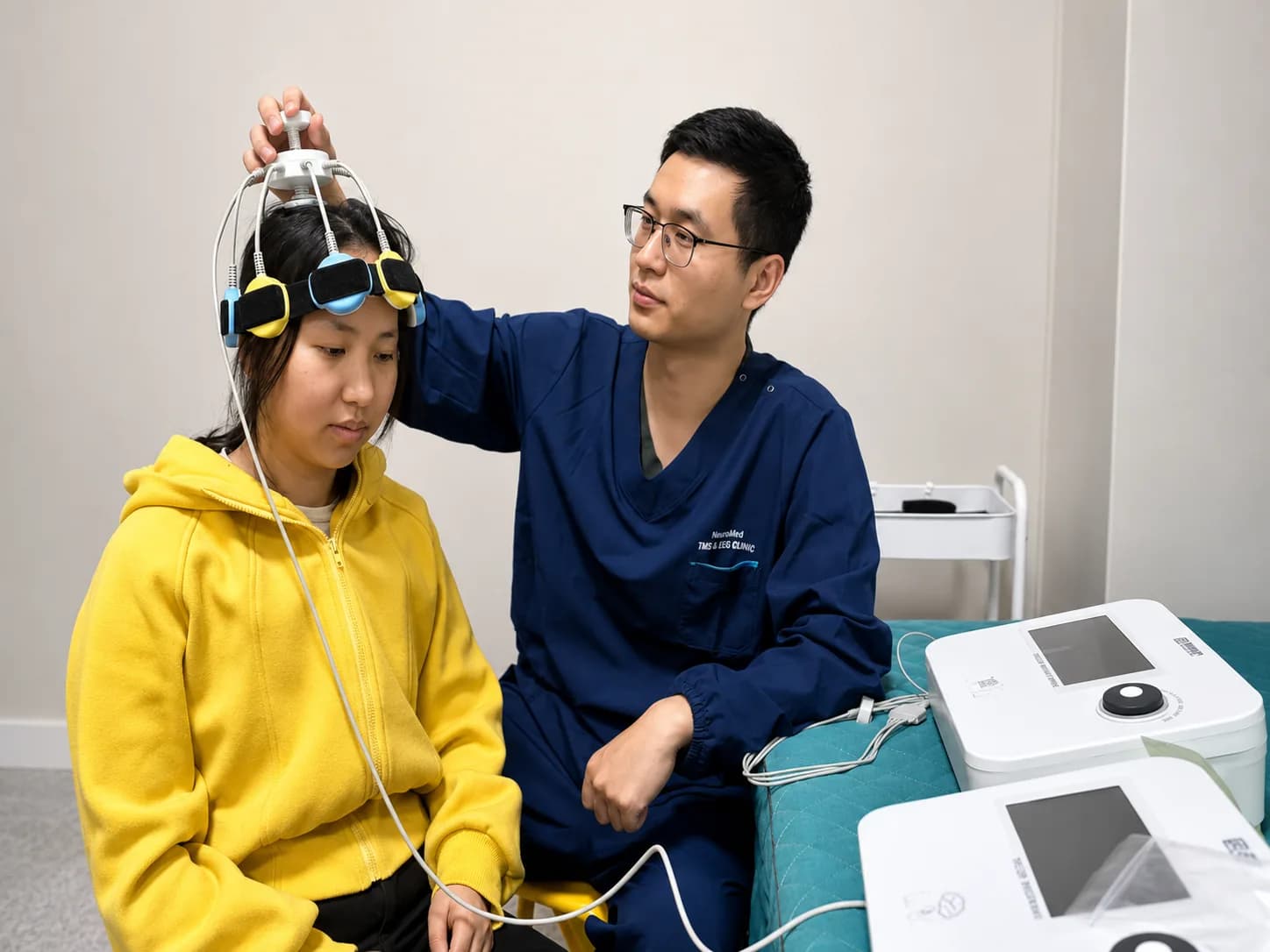
An H&B Neurolife specialist runs a transcranial magnetic stimulation (TMS) session with the coil placed on a child's head

Transcranial Magnetic Stimulation (TMS)

Non-invasive, painless modulation of cortical neuronal excitability — improvements in speech, cognition, attention, and emotional regulation in children.

20–30 minutes
1–3 courses
Learn more
FAQ

Frequently asked questions: Aphasia

Book a free consultation

Leave a short request — a coordinator will contact you within 24 hours, answer your questions and suggest the first steps.

Leave a request

We use cookies and analytics to improve the website experience. Privacy Policy