Oral-motor therapy (口肌训练)
Foundational speech-rehabilitation course: professional manual techniques and play tools to activate oral perception and build the strength of the oral muscles.
How the procedure works
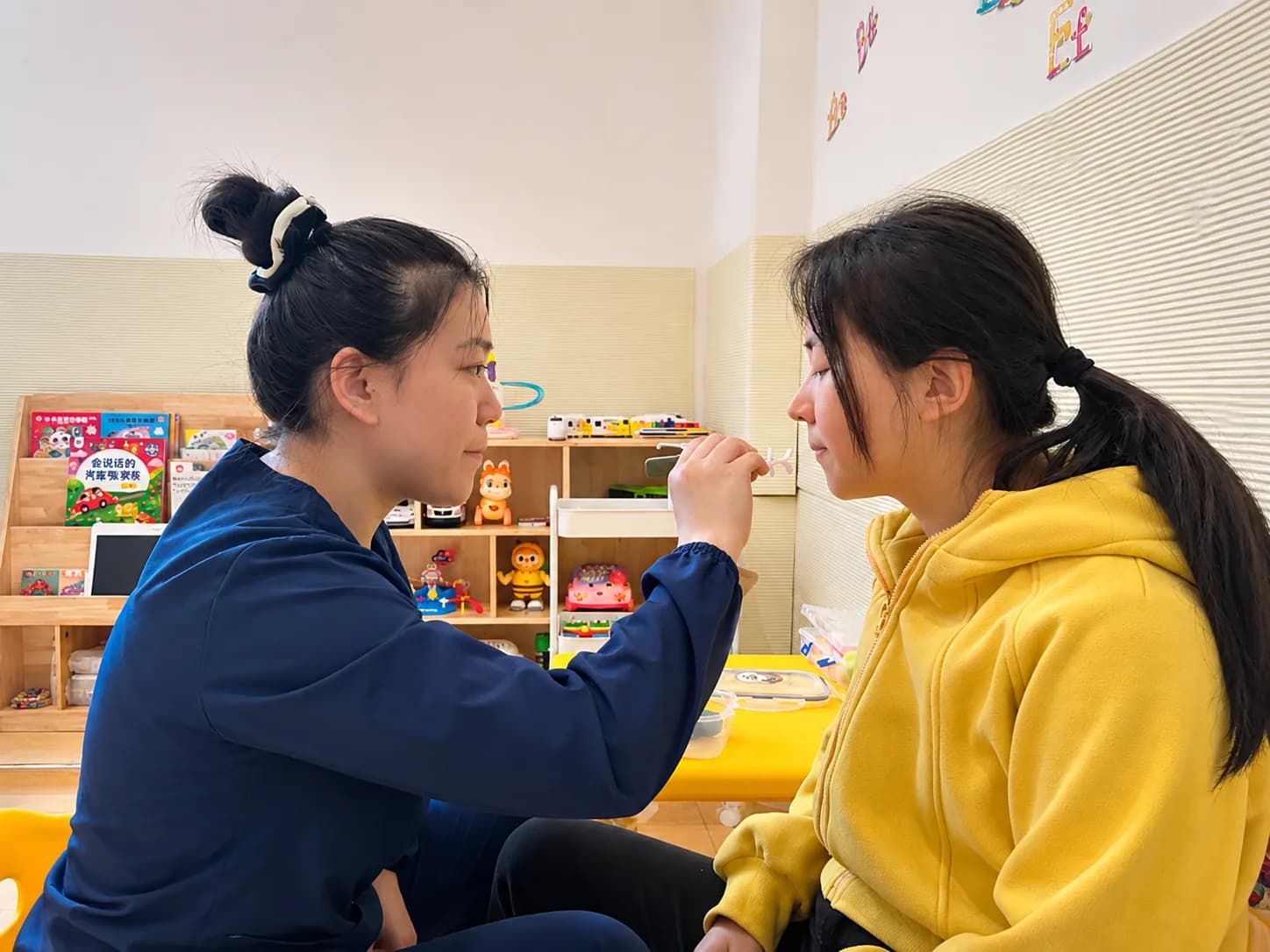
Oral-motor therapy (口肌训练) is a foundational speech-rehabilitation course for ASD and other speech disorders. It addresses common difficulties: weak oral muscles, poor coordination, and sensitivity anomalies. Through professional manual techniques and play tools (puppets, whistles, oral-motor sticks), oral perception is activated, muscle strength builds up, and coordination improves. The goal is to form the physiological foundation for clear articulation, fluent speech, and normal swallowing and feeding: 'can speak, knows how to speak, speaks clearly'.
At Hanshi NeuroLife International Rehabilitation Center (Shangrao), oral-motor therapy is part of the comprehensive speech program — running in parallel with speech therapy and, when indicated, with the swallowing stimulation device, auditory integration, and TMS. It is used across a wide range of oral-motor and speech difficulties: absence or delay of speech, unclear articulation, dysarthria, dysphagia, drooling, weak chewing, and oral hypersensitivity. In oral hypersensitivity the program is delivered gently — on the principle 'perception first, then gradual desensitization', without forced expansion of tolerance.
Strengths of the method as delivered at the center: professional assessment before sessions; staged training; play tools — puppets, whistles, oral-motor sticks; individual one-on-one delivery; close pairing with articulation training; suitable for all ages.
What matters most for parents
The child performs part of the exercises at home daily with the parent — this is critical for progress. The center's specialists teach the specific techniques: facial gymnastics, work with whistles, safe chewing practice. The principle 'can speak, knows how, speaks clearly' means that without work on the physiological foundation, higher speech levels cannot be built.
Professional assessment of oral-motor function
Specialists evaluate strength and coordination of the oral muscles (lips, tongue, lower jaw, soft palate), oral sensitivity, articulation, chewing, and swallowing; they also take a history of feeding, drooling, and tolerance of facial touch.
Designing the individualized program
The program follows the principle 'can speak, knows how, speaks clearly': first the foundation (strength, sensitivity), then articulation, then fluency. With oral hypersensitivity — a gentle pace, no forced desensitization.
Regular sessions with manual techniques and tools
Professional manual techniques + play tools — puppets, whistles, oral-motor sticks. Each tool works on a specific muscle group. One-on-one individual format.
Coaching parents in home exercises
Parents perform part of the exercises at home daily (facial gymnastics, work with whistles, gentle massage techniques). Specialists teach the specific techniques — this is critical for progress.
Re-assessment of progress and integration with the speech program
Regular re-assessment against achieved goals; integration with speech therapy and, when indicated, with the swallowing stimulation device, auditory integration, and TMS.
Explore the Room in 360°
Click and drag to look around the room
Indications and contraindications
Indications
Contraindications
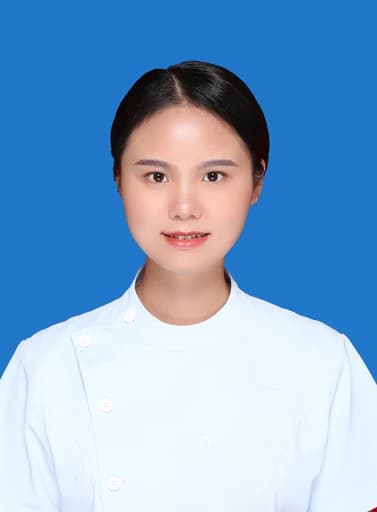
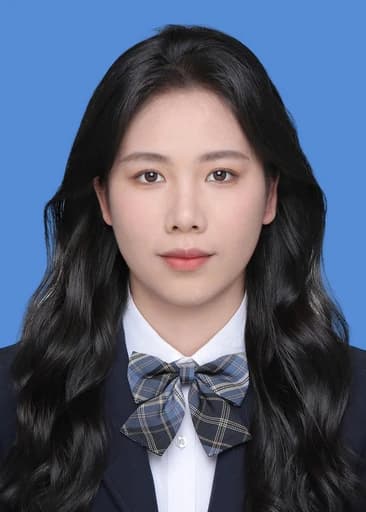
Who performs the procedure

What diagnoses it helps with Oral-motor therapy (口肌训练)
Book a free consultation
Leave a short request — a coordinator will contact you within 5 minutes, answer your questions and suggest the first steps.