
Drooling
Also known as: Hypersalivation, Saliva leakage, Sialorrhea
Pediatric drooling program at Hanshi NeuroLife (Shangrao) for children aged 1-14. Work on the mouth and swallowing muscles: specialized device, oral-motor therapy, neuromuscular electrical stimulation, and TCM methods.
What is Drooling?
Drooling in children is the constant or episodic leakage of saliva from the mouth, particularly during concentration, speech, or physical activity. In most cases, drooling is linked not to excessive saliva production but to weak control of the mouth muscles and swallowing impairments. Typical causes: cerebral palsy, encephalopathy sequelae, weak oral-motor base, abnormal tone of the mouth and pharyngeal muscles, oral hypersensitivity. In children with ASD, drooling occurs against the background of sensory disintegration and oral-motor features.
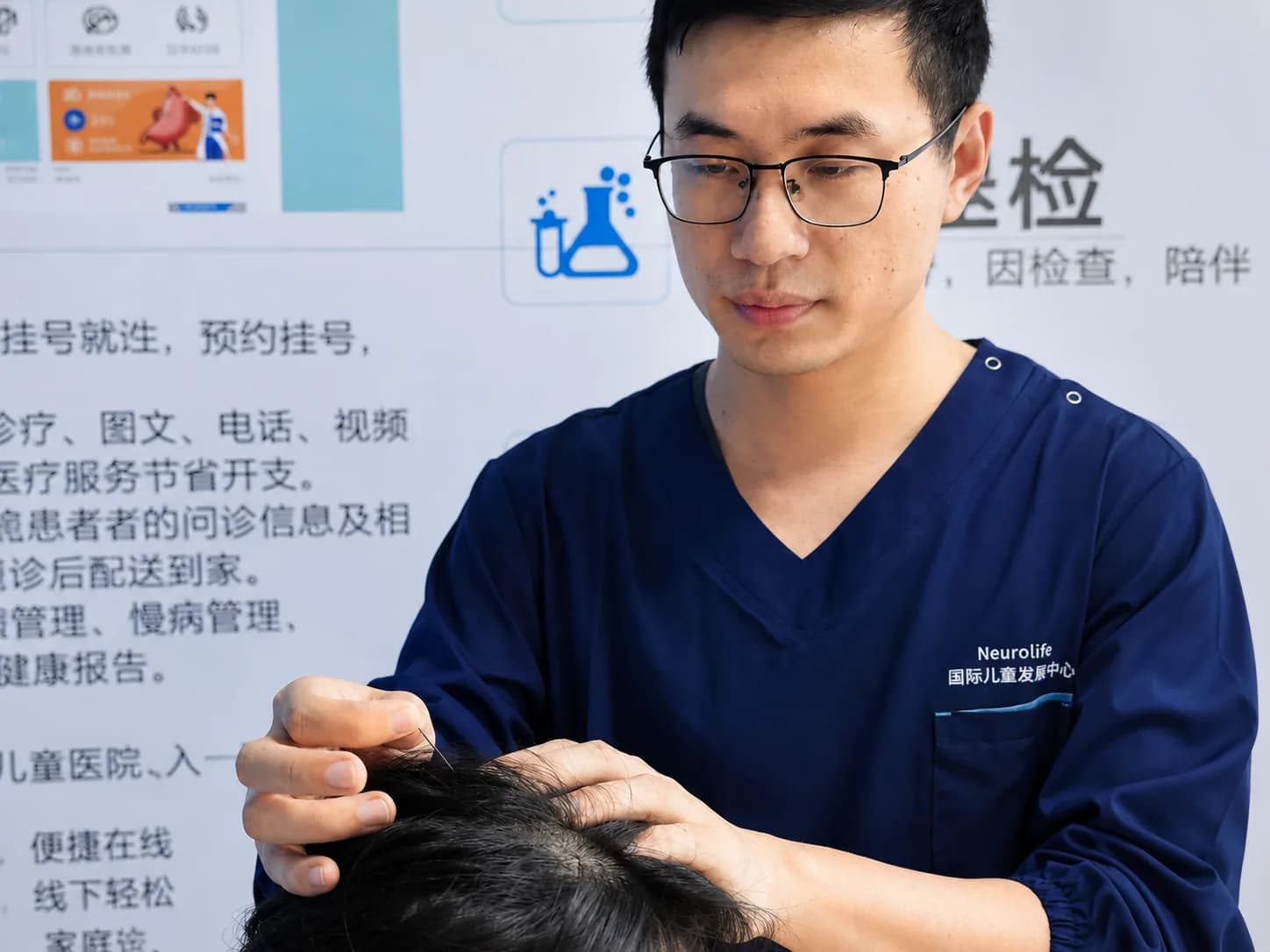
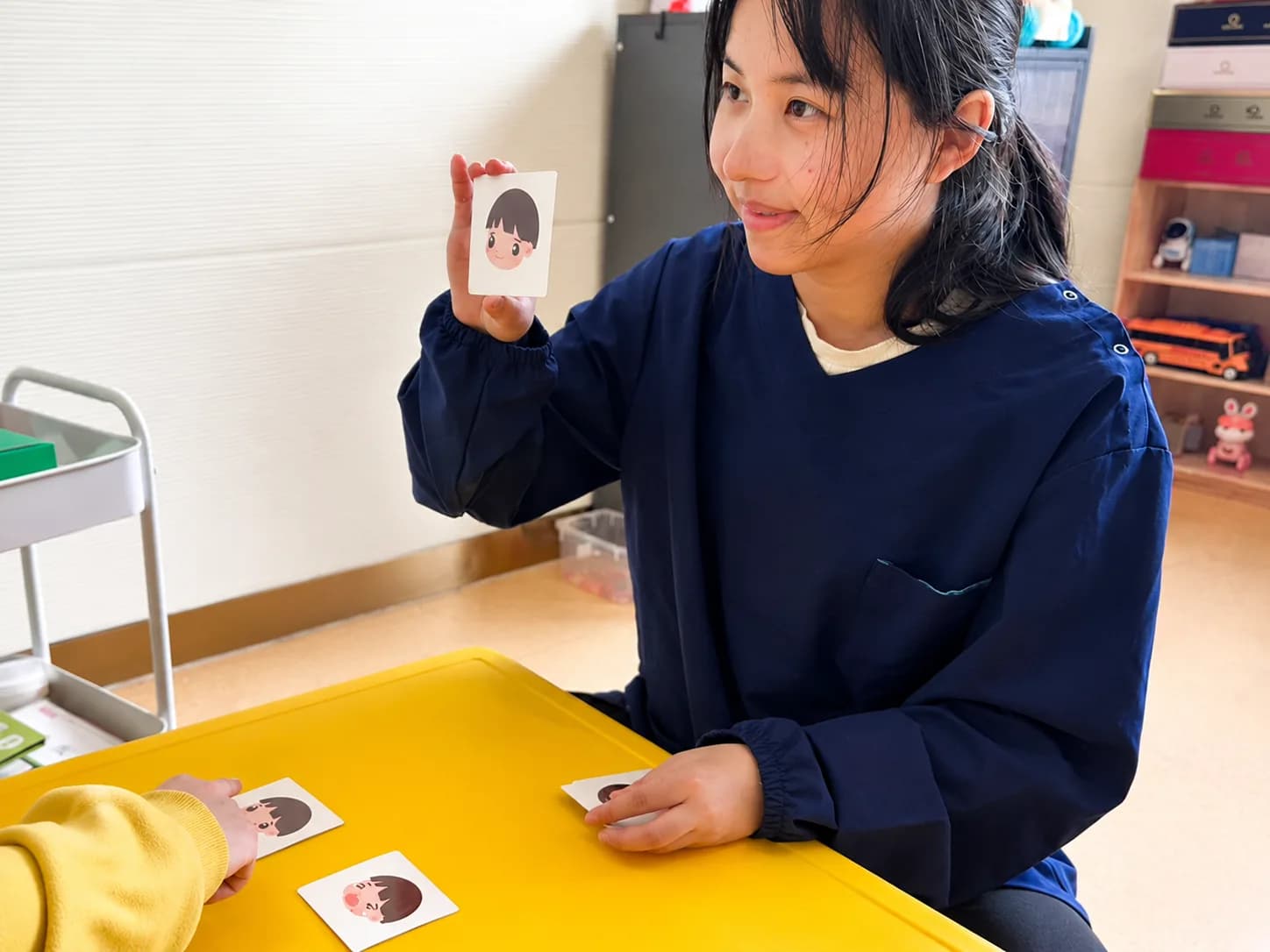
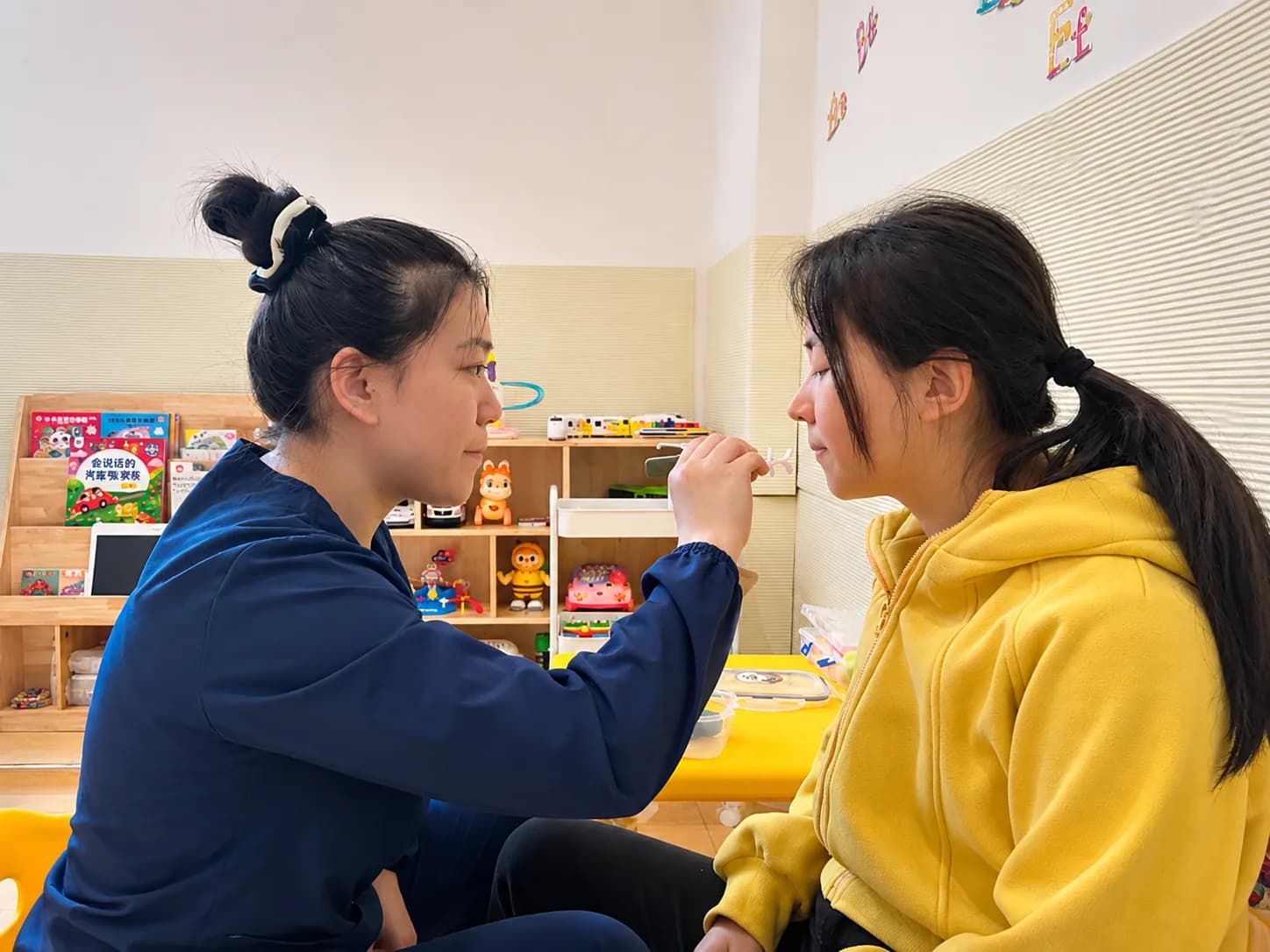
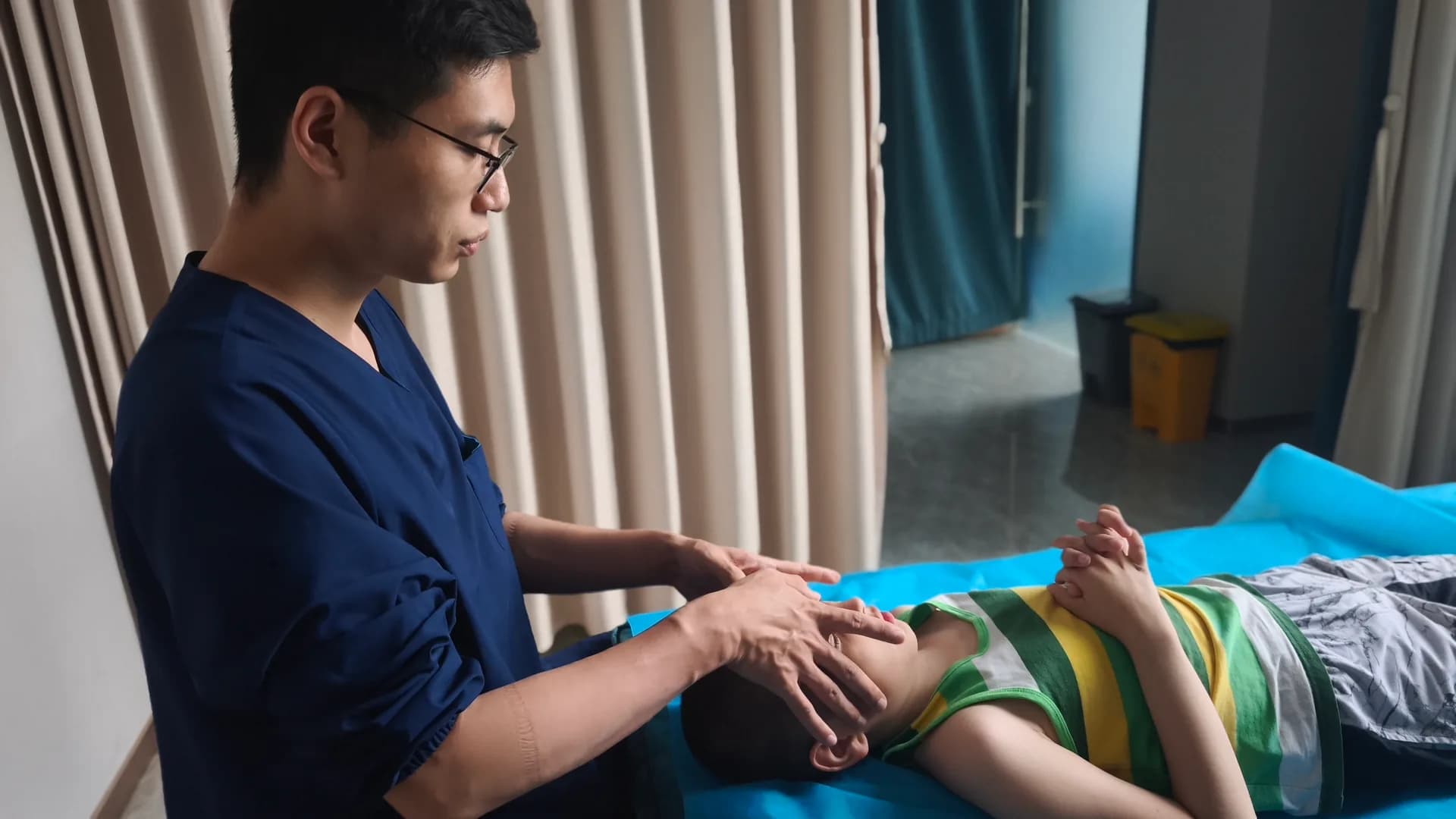
At Hanshi NeuroLife International Rehabilitation Center (Shangrao), the drooling program works not on the salivary glands but on training the mouth muscles and swallowing reflex. The core direction is a specialized swallowing stimulation device (low-frequency electrical stimulation with biofeedback trains coordination of the swallowing muscles and strengthens the muscles of the mouth and pharynx). In parallel — oral-motor therapy (professional manual techniques and play tools), neuromuscular electrical stimulation of the mouth muscles, and pediatric acupuncture and Tui Na massage for tone regulation.
What parents should know
Drooling is not a "weak will" or a "bad habit" — it is a functional problem that requires systemic work with the oral-motor base. At the initial assessment, it is important to tell specialists about comorbid conditions (cerebral palsy, encephalopathy sequelae, dysphagia) — this helps tailor the program precisely. Some exercises are performed at home daily with a parent.
Causes
The cause is not excess saliva but impaired control of it: weak mouth and tongue muscles, swallowing difficulties, and reduced oral sensitivity. It most often occurs with cerebral palsy.
Symptoms
Constant saliva escaping from the mouth, wet clothing, and skin irritation around the mouth. In severe cases — choking on saliva and aspiration risk.
Assessment
Assessment of drooling severity using scales, examination of oral-motor function (tone, swallowing, lip closure), and a neurologist's consultation; a swallowing evaluation if needed.
Prognosis and treatment approach
With systematic oral-motor therapy, many children achieve a significant reduction in drooling. Even partial improvement noticeably increases the child's comfort.
How we treat Drooling
Diagnostics
Comprehensive examination and patient assessment by an international team of specialists
Treatment plan
Development of an individual rehabilitation program considering diagnosis specifics
Therapy
Intensive course of procedures: physical therapy, massage, physiotherapy, acupuncture and other methods
Results
Progress evaluation, home recommendations and maintenance therapy plan
Treatment procedures: Drooling
Doctors treating this condition













Frequently asked questions: Drooling
Book a free consultation
Leave a short request — a coordinator will contact you within 5 minutes, answer your questions and suggest the first steps.