
Dysphagia (swallowing impairments)
Also known as: Swallowing disorder, Deglutition disorder, Choking on food
Pediatric dysphagia program at Hanshi NeuroLife (Shangrao) for children aged 1-14. Core instrumental method — specialized swallowing stimulation device; combined with oral-motor therapy and TCM methods.
What is Dysphagia (swallowing impairments)?
Dysphagia (swallowing impairments) is a group of conditions affecting the safety and efficiency of the swallowing act: choking during eating and drinking, slowed bolus transit, food falling out of the mouth, prolonged chewing, refusal of foods of a certain consistency, coughing and choking during swallowing. In children, dysphagia is most often linked to CNS damage — cerebral palsy, encephalopathy sequelae, post-neuroinfection sequelae — as well as a weak oral-motor base and oral hypersensitivity. Dysphagia is a serious condition: beyond feeding difficulties, there is a risk of aspiration (food entering the airways) and growth impairments.
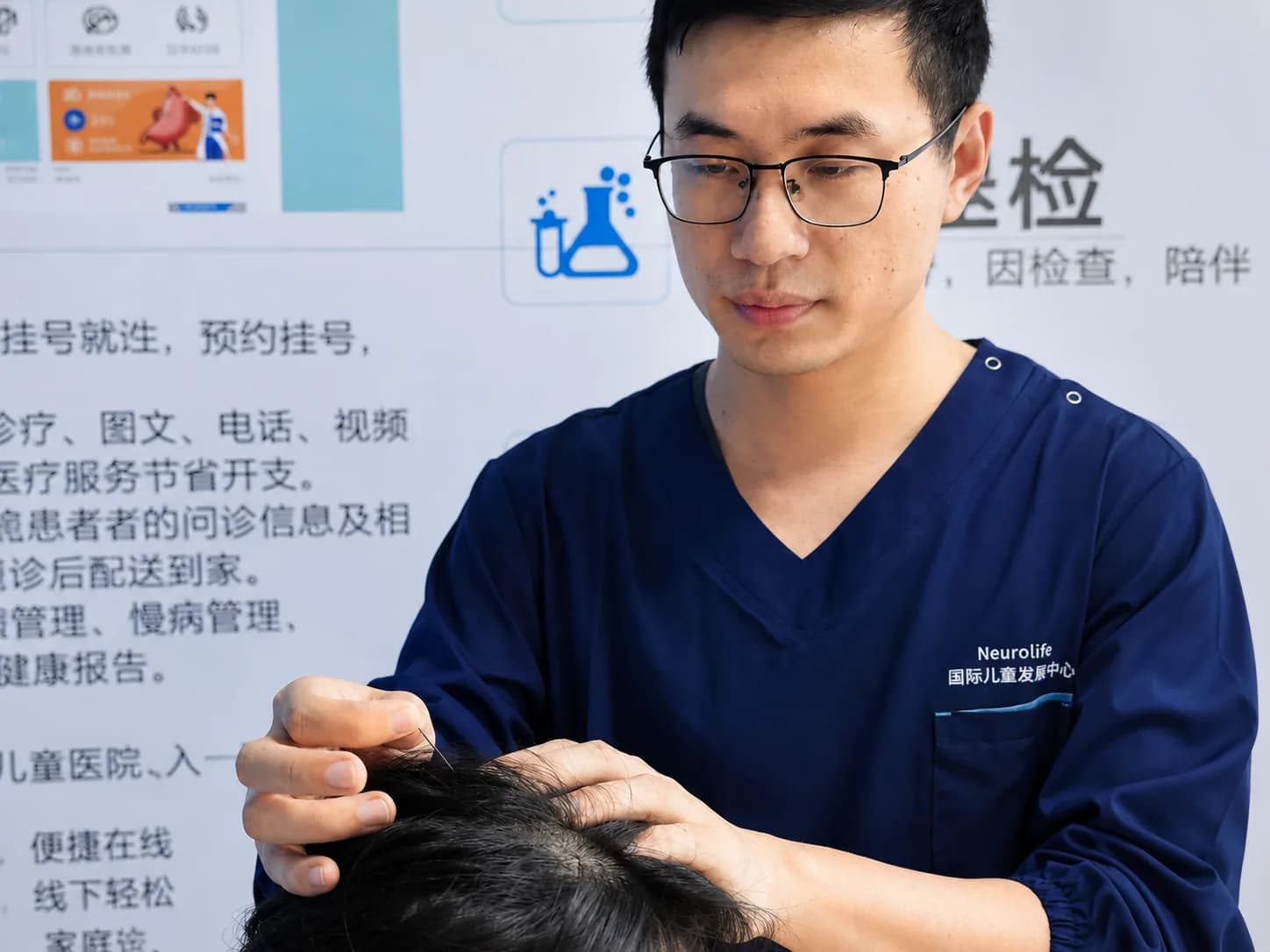
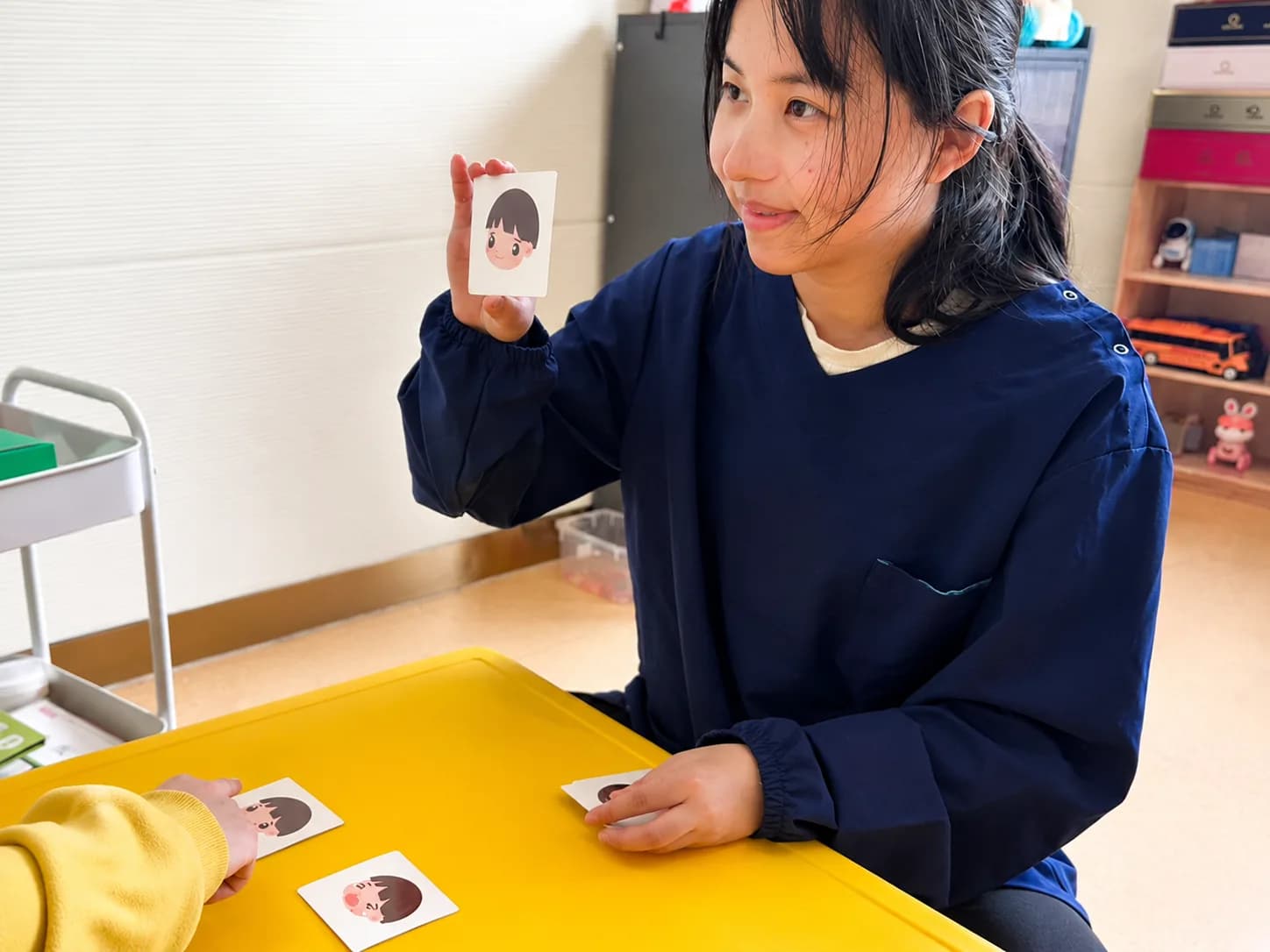
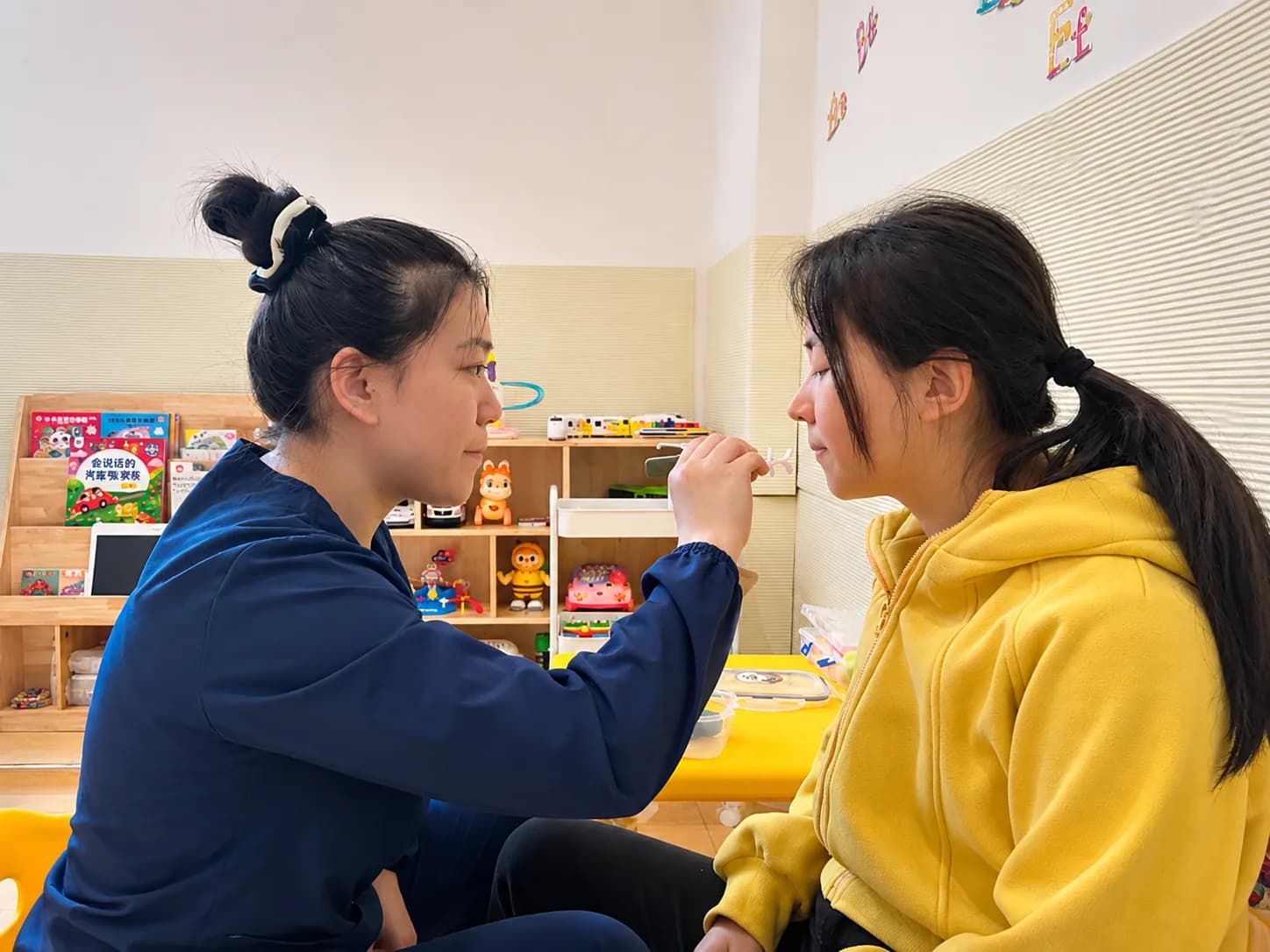
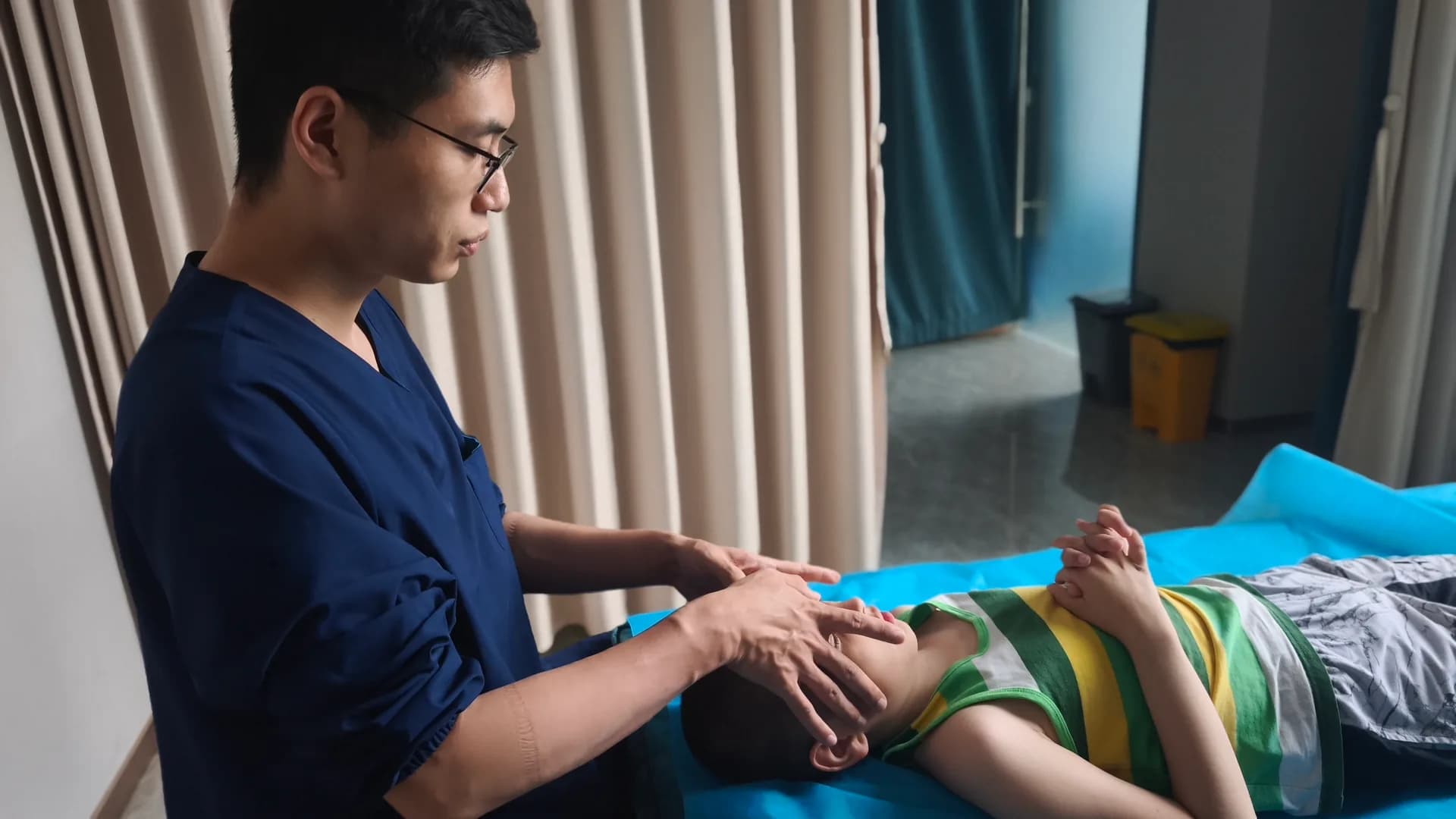
At Hanshi NeuroLife International Rehabilitation Center (Shangrao), the core instrumental method for dysphagia is a specialized swallowing stimulation device. Low-frequency electrical stimulation and biofeedback train the coordination of the swallowing muscles, strengthen the muscles of the mouth and pharynx, and improve the swallowing reflex. The method is highly targeted, gentle, and safe. In parallel — oral-motor therapy (professional manual techniques, play tools), neuromuscular electrical stimulation of the mouth muscles, and pediatric acupuncture and Tui Na massage.
What parents should know
At the initial assessment, it is important to share with specialists all feeding details — what consistencies the child tolerates, whether coughing or choking occurs, whether there are recurrent respiratory infections. This allows the program to be tailored precisely and risks to be minimized. When needed, the program is coordinated with an ENT specialist and other relevant physicians.
Causes
Most often linked to CNS damage — cerebral palsy, encephalopathy and neuroinfection sequelae. Also a weak oral-motor base and oral hypersensitivity.
Symptoms
Choking while eating and drinking, prolonged chewing, coughing and choking on swallowing, recurrent respiratory infections. Drooling and dysarthria often co-occur.
Assessment
Specialized assessment of swallowing function and oral-motor base (tone, coordination); with comorbid cerebral palsy — the GMFM. ENT examination when indicated.
Prognosis and treatment approach
With systemic work, most children improve the safety and efficiency of swallowing. The core method is a swallowing stimulation device, supported by oral-motor therapy and TCM.
How we treat Dysphagia (swallowing impairments)
Diagnostics
Comprehensive examination and patient assessment by an international team of specialists
Treatment plan
Development of an individual rehabilitation program considering diagnosis specifics
Therapy
Intensive course of procedures: physical therapy, massage, physiotherapy, acupuncture and other methods
Results
Progress evaluation, home recommendations and maintenance therapy plan
Treatment procedures: Dysphagia (swallowing impairments)
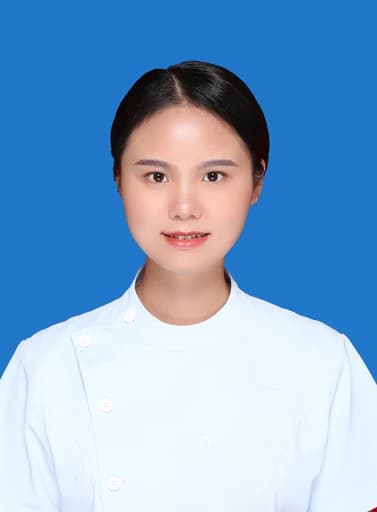
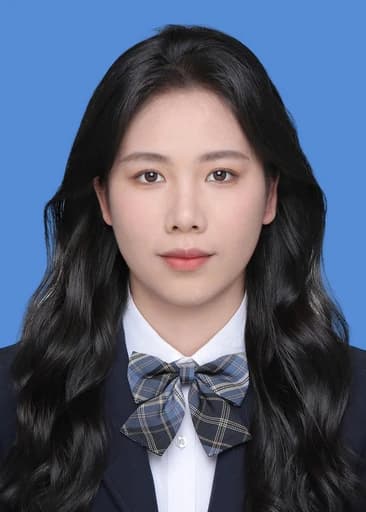
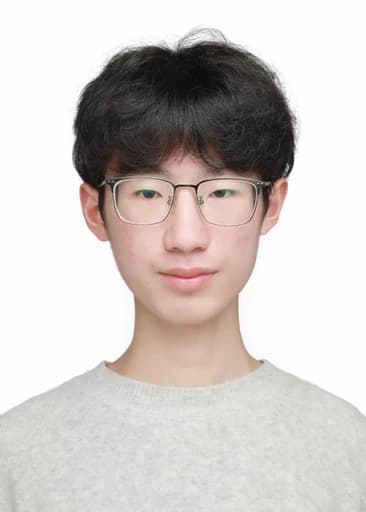
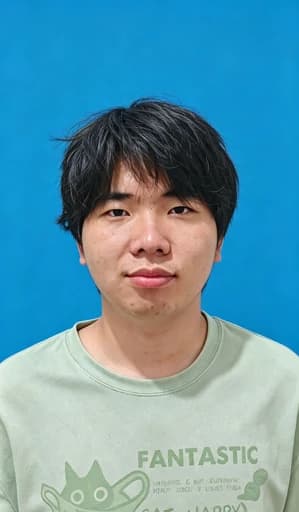
Doctors treating this condition





Frequently asked questions: Dysphagia (swallowing impairments)
Book a free consultation
Leave a short request — a coordinator will contact you within 5 minutes, answer your questions and suggest the first steps.