
Intellectual Disability
Also known as: Mental retardation (legacy), Reduced intellectual functioning, Intellectual developmental disorder
Intellectual disability program for children aged 1–14 years at Hanshi NeuroLife (Shangrao). The goal is maximum independence and adaptation: cognitive training, ABA, TEACCH, self-care skills, TCM, and biomedical support.
What is Intellectual Disability?
Intellectual disability is a persistent reduction of intellectual functions, manifesting as difficulties with learning, comprehension, social adaptation, and independence in daily life. Severity ranges from mild to severe; children with severe forms have pronounced difficulties with basic communication and self-care. According to epidemiological data, about 70% of children with ASD have intellectual functioning below normal — so intellectual disability frequently occurs comorbidly with autism spectrum disorder. Distribution in the ASD population: 70% below norm, 20% within norm, 10% above norm.
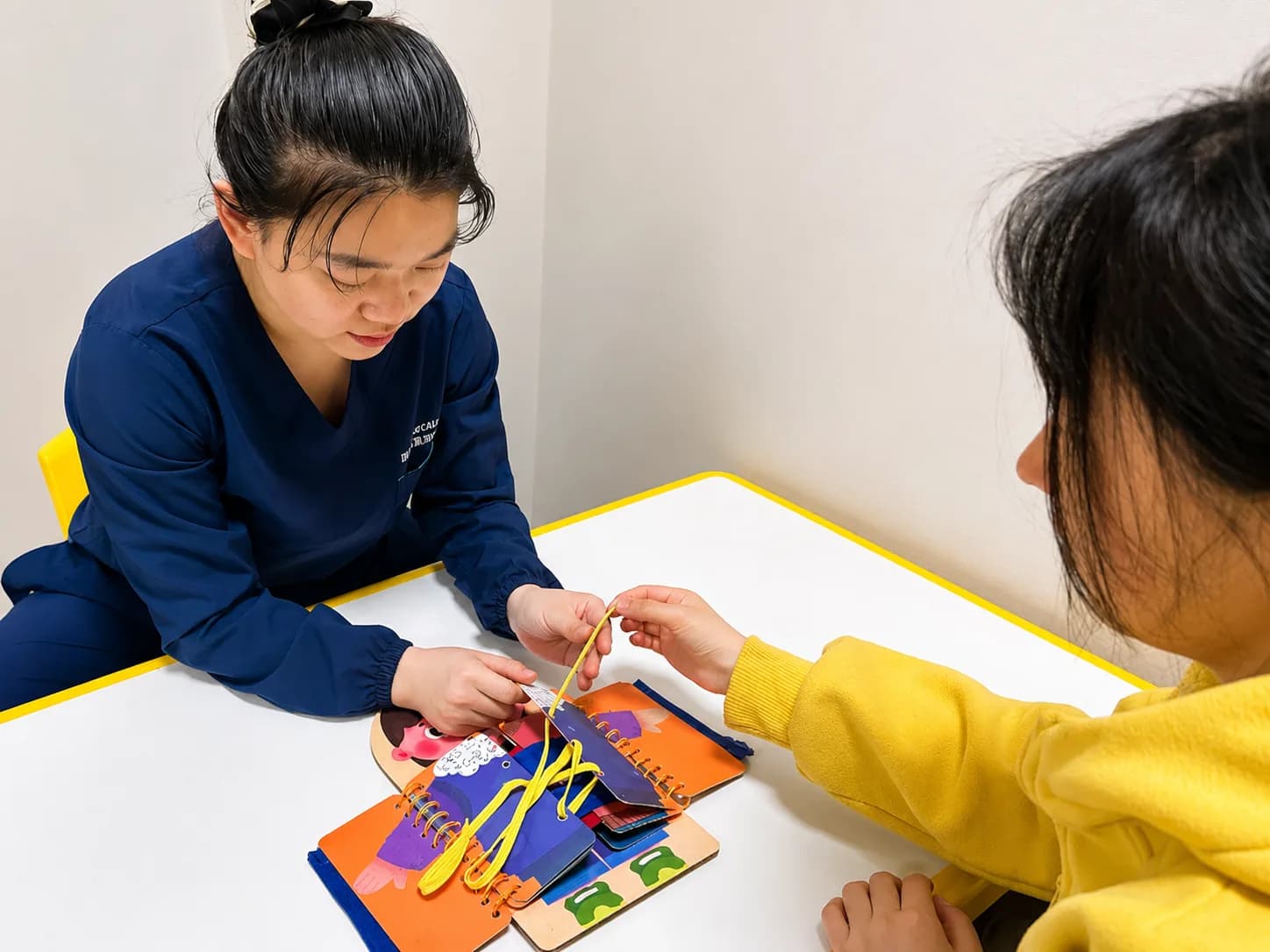
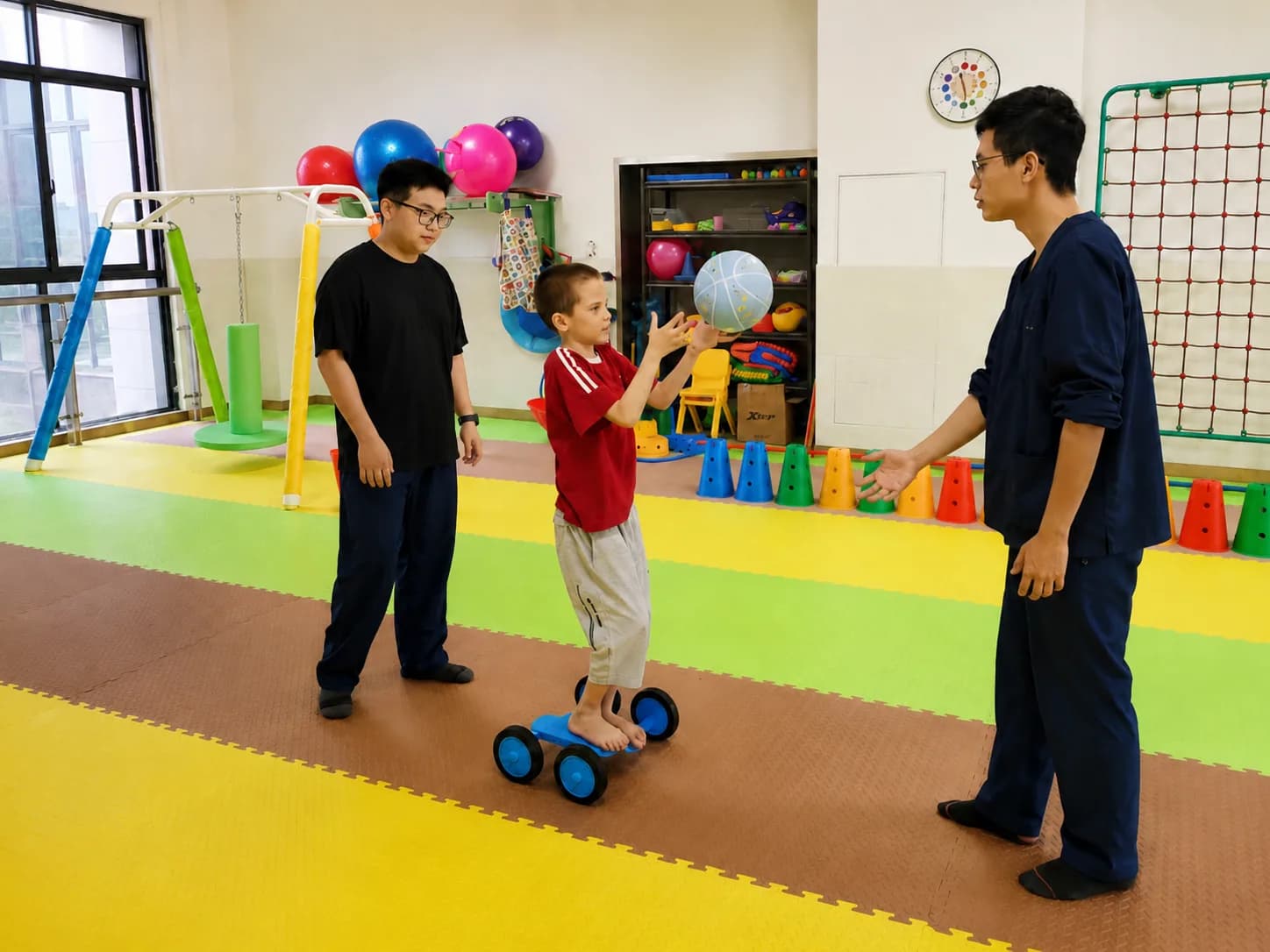
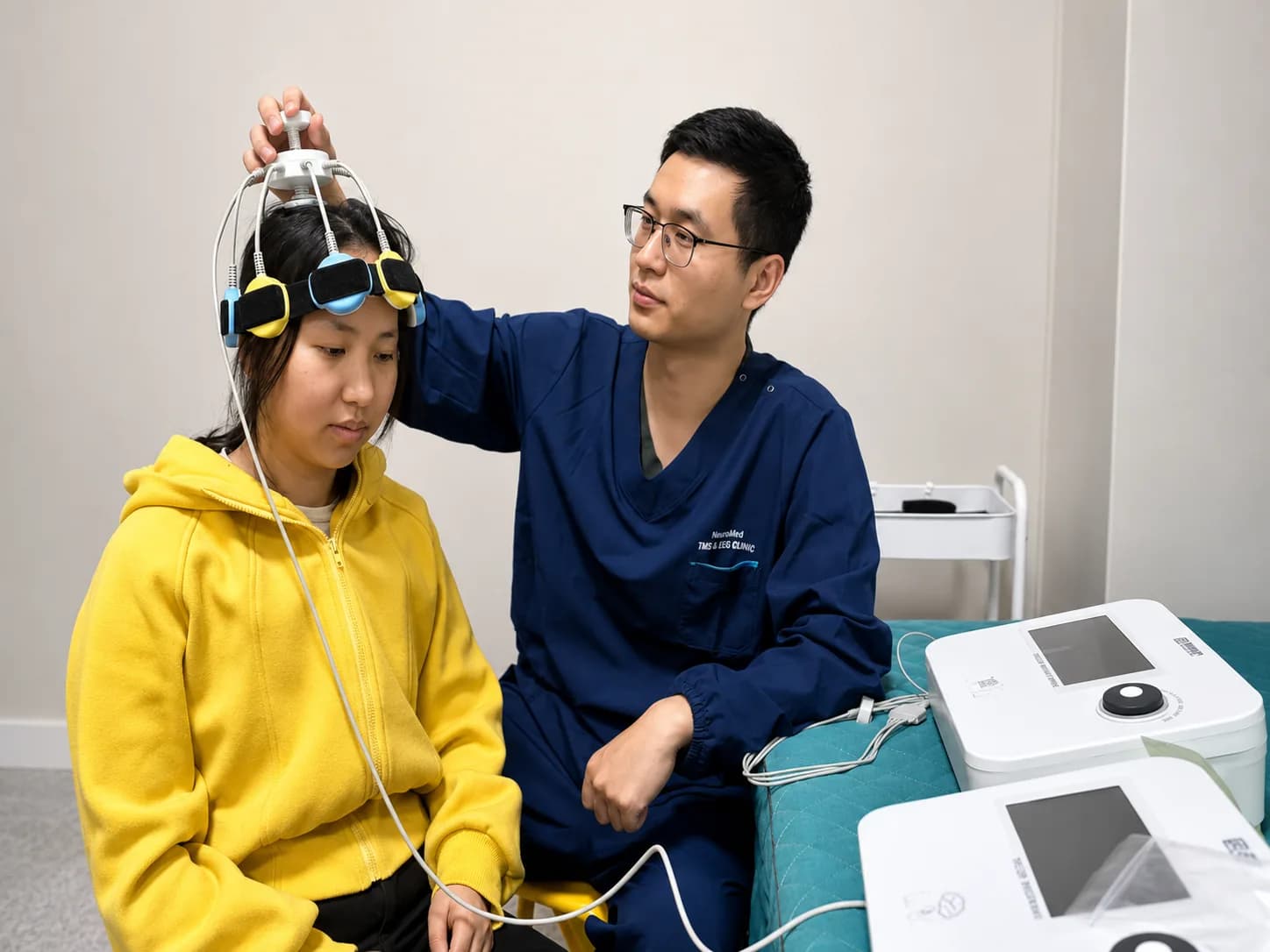
At Hanshi NeuroLife International Rehabilitation Center (Shangrao), the intellectual disability program focuses on maximum independence and adaptation: daily living skills, basic communication, social rules, pre-school and school preparation. Stage assignment within the GROW program is based on actual level of psychological development rather than chronological age. The core of work: cognitive training; ABA; TEACCH (structured environment reduces anxiety and supports learning); sensory integration as a sensory foundation; self-care skills training; oral-motor and speech therapy. Where indicated, TMS, TCM methods, and physician-prescribed medication support are added.
What Parents Should Know
Realistic program goals are defined after the initial assessment and regularly reassessed. Home rehabilitation (at least 1 hour per day) is a required part of the course. Specialists train parents in specific exercises and techniques so that work at the center and at home pulls in the same direction — independence and quality of life for the child.
Causes
The most common causes are genetic disorders (Down syndrome, fragile X), brain damage during pregnancy or birth, infections, prematurity, and hypoxia. Sometimes the cause cannot be determined.
Symptoms
Delays in speech and thinking, trouble with learning and memory, reduced self-care, and problems with social adaptation. Severity ranges from mild to profound.
Assessment
Intelligence assessment (IQ testing), adaptive-behavior analysis, genetic and neurological exams, plus consultations with a psychologist and special educator.
Prognosis and Treatment Approach
With early intervention, children master self-care, communication, and learning, gaining independence in daily life. Regular sessions and family support are key.
How we treat Intellectual Disability
Diagnostics
Comprehensive examination and patient assessment by an international team of specialists
Treatment plan
Development of an individual rehabilitation program considering diagnosis specifics
Therapy
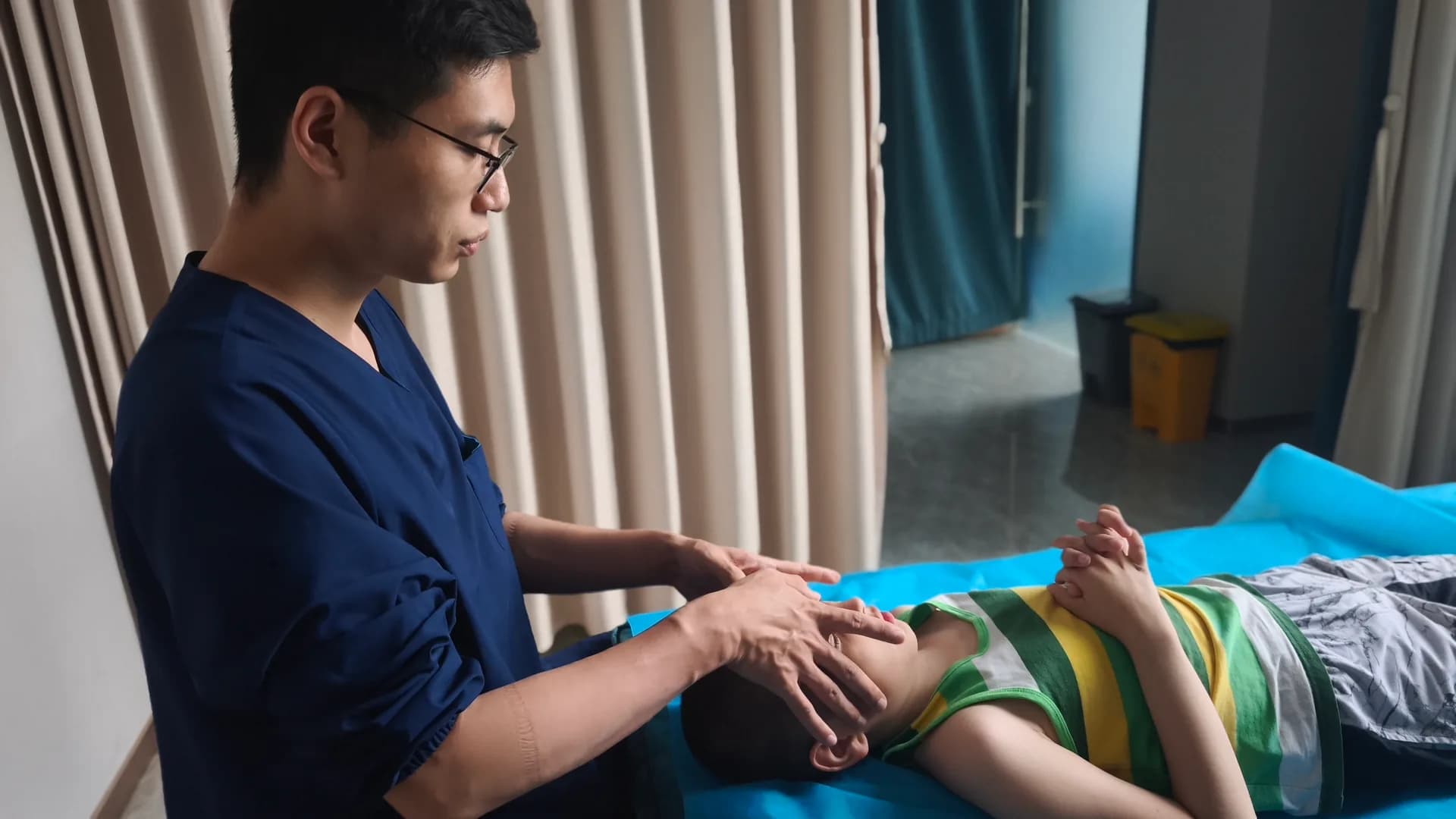
Intensive course of procedures: physical therapy, massage, physiotherapy, acupuncture and other methods
Results
Progress evaluation, home recommendations and maintenance therapy plan
Treatment procedures: Intellectual Disability




Doctors treating this condition



















Frequently asked questions: Intellectual Disability
Book a free consultation
Leave a short request — a coordinator will contact you within 5 minutes, answer your questions and suggest the first steps.