Dysarthria
Also known as: Unclear articulation, Slurred sounds, Motor side of speech
Pediatric dysarthria program at Hanshi NeuroLife (Shangrao) for children aged 1-14. Core direction — oral-motor therapy; combined with speech therapy, neuromuscular electrical stimulation, and TCM methods.
What is Dysarthria?
Dysarthria is a set of articulation and motor speech difficulties in which comprehension is not affected, but the process of "producing" speech is impaired: unclear, slurred sounds, slowed or accelerated speech, voice features, sometimes drooling during speech. The most common cause is abnormal tone and coordination of the articulatory muscles against the background of CNS damage — cerebral palsy, encephalopathy sequelae, post-neuroinfection sequelae. The clinical picture depends on the type: spastic, hypotonic, dyskinetic, or ataxic dysarthria. Unlike speech delay, in dysarthria the child has desire and understanding — but the physiological base for clear speech is impaired.
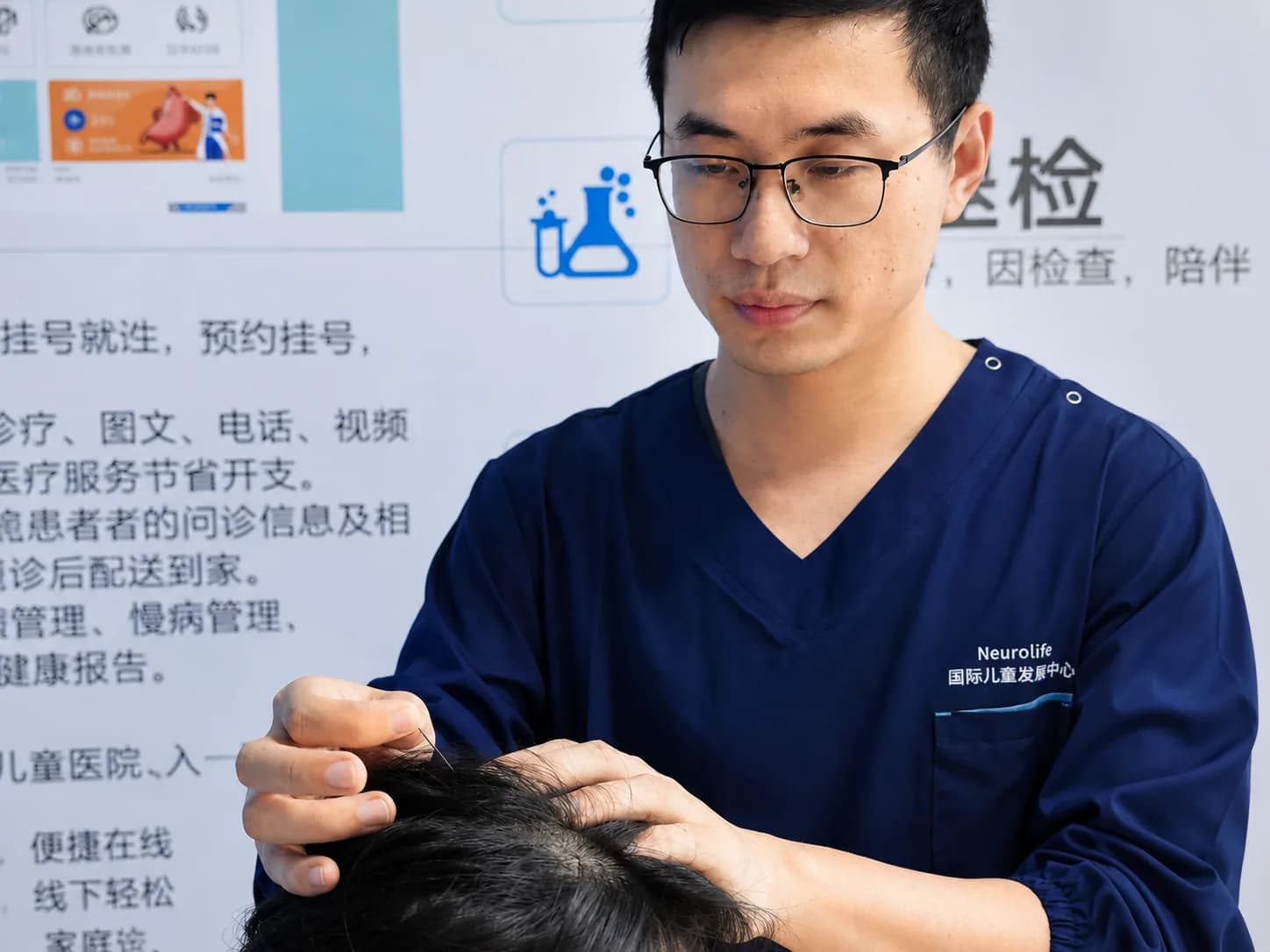
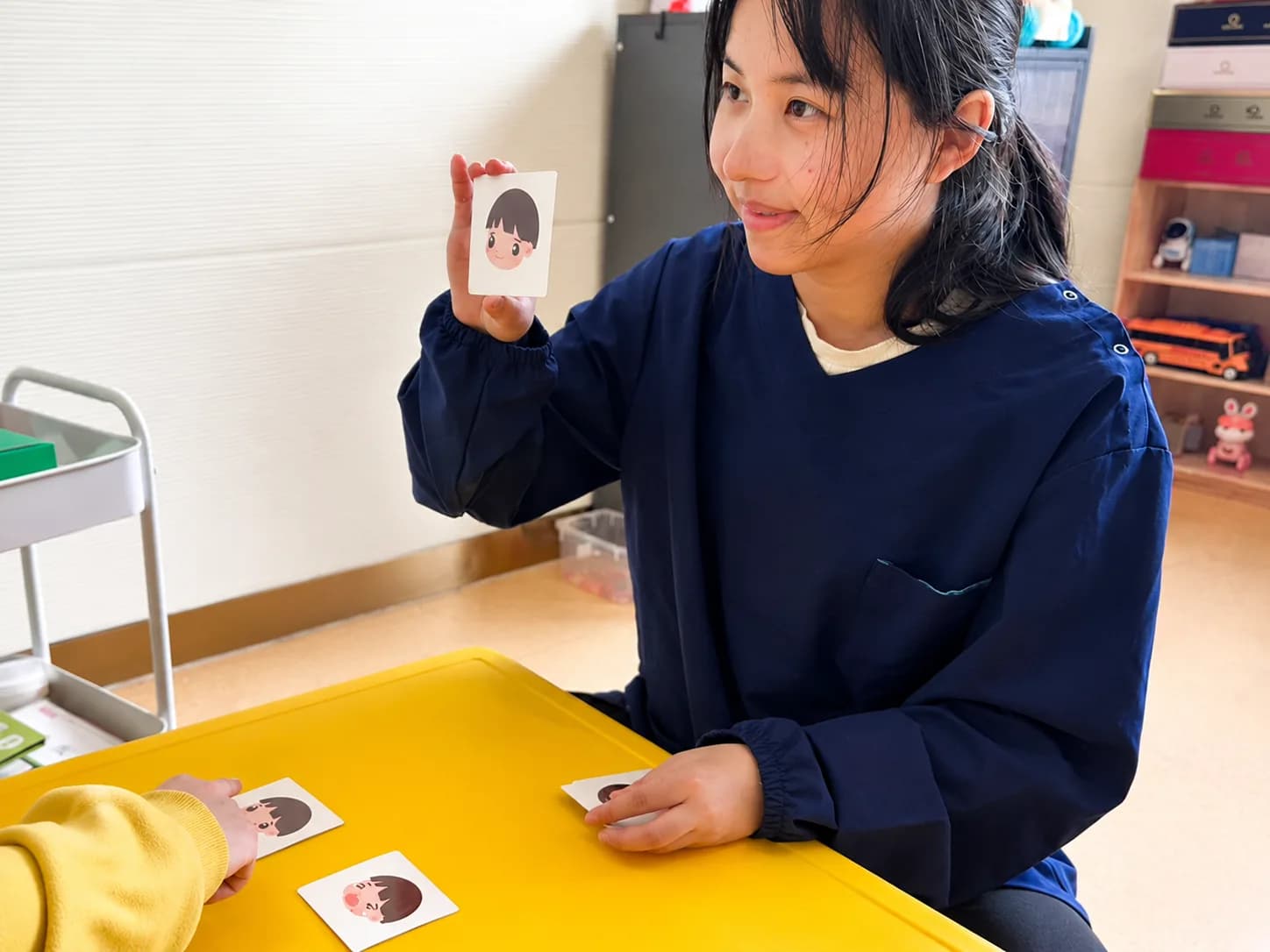
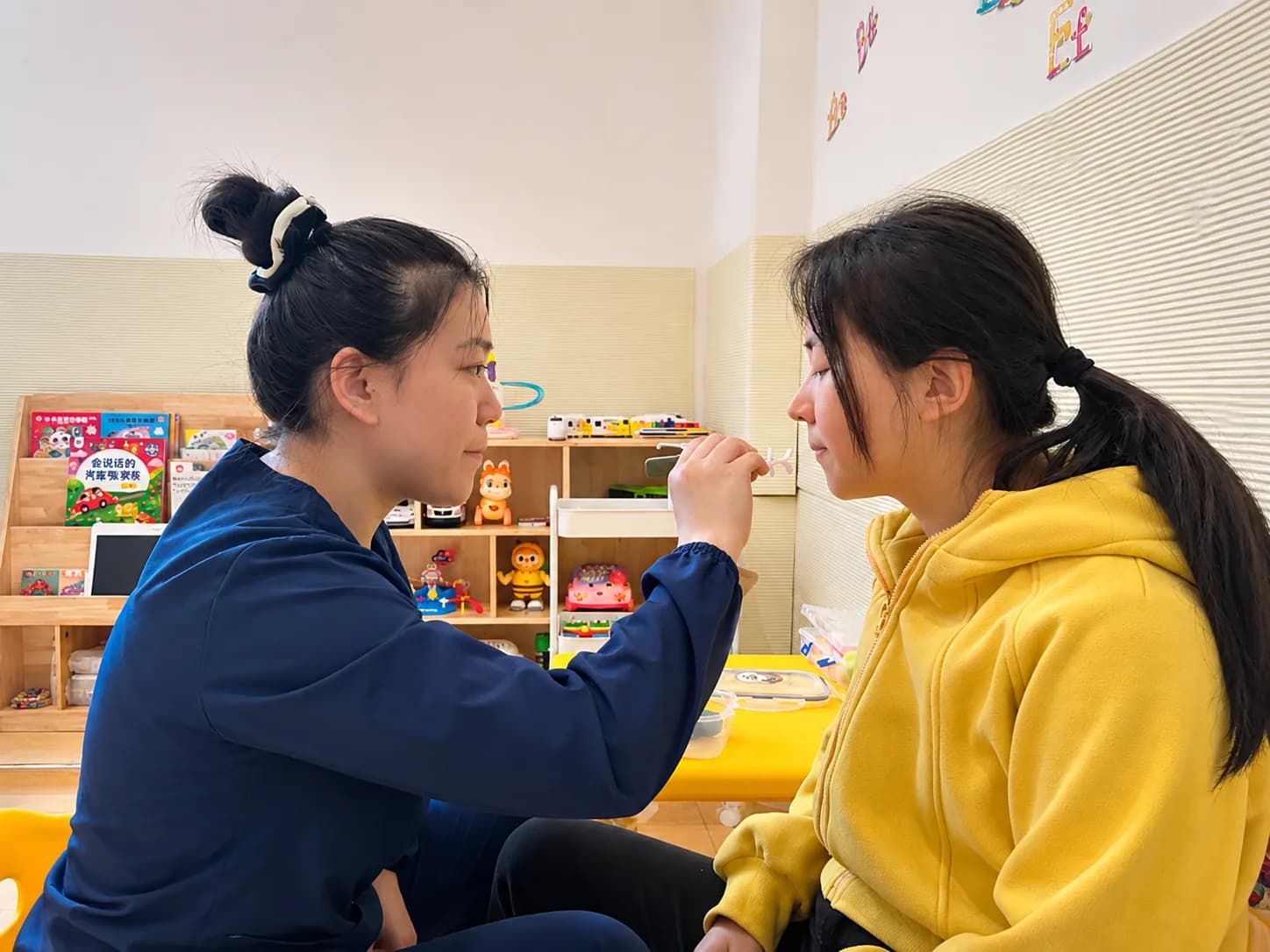
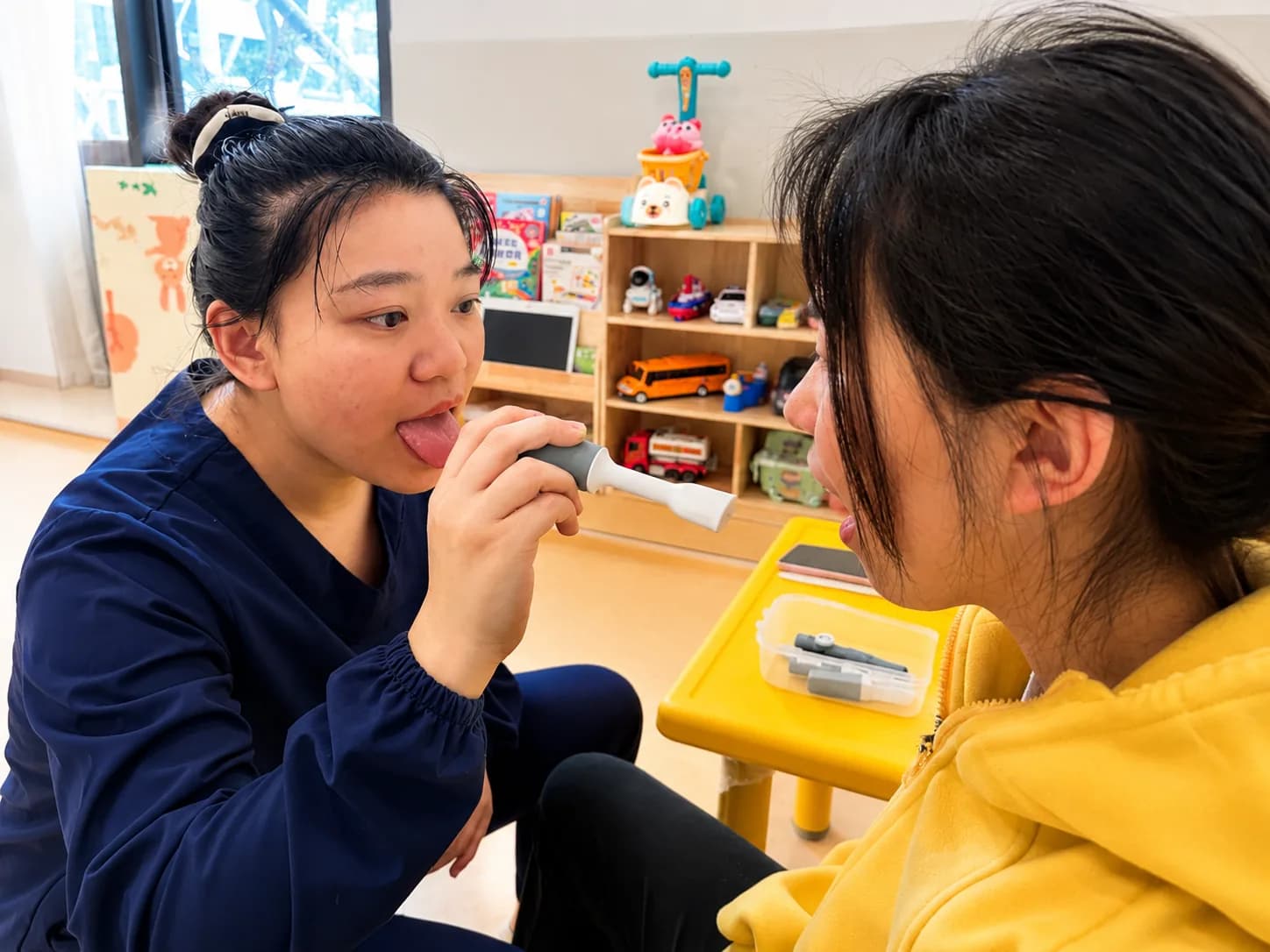
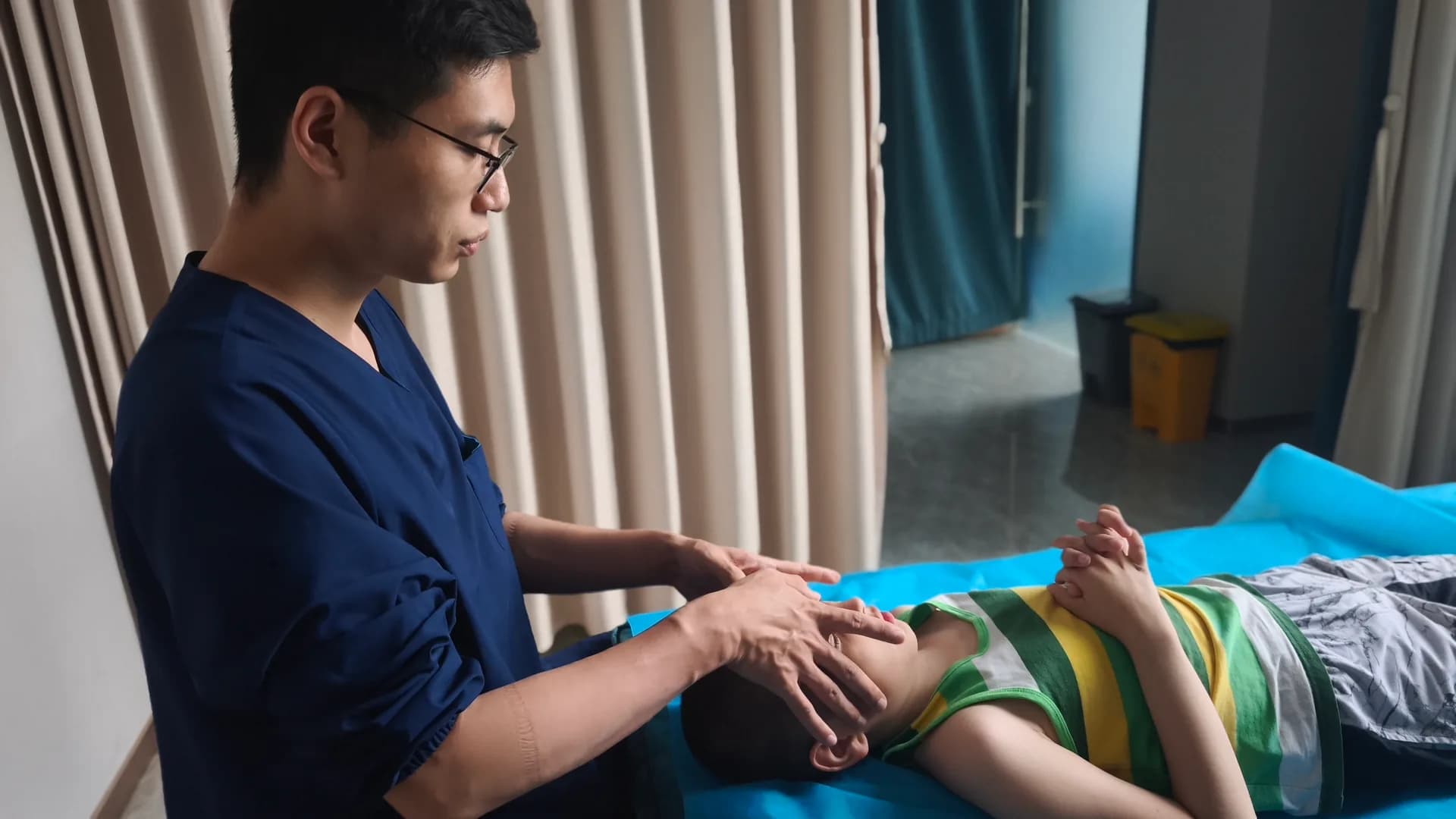
At Hanshi NeuroLife International Rehabilitation Center (Shangrao), the core direction for dysarthria is oral-motor therapy. The principle — "can speak, knows how to speak, speaks clearly": first we build the physiological base (strength and coordination of the lips, tongue, lower jaw, soft palate), then clear articulation, then fluent speech. We use professional manual techniques and play tools: puppets, whistles, oral-motor sticks. In parallel, speech therapy works, neuromuscular electrical stimulation activates the mouth muscles and regulates tone, and with dysphagia the swallowing stimulation device is added. Pediatric acupuncture and Tui Na massage complement the program.
What parents should know
Some exercises (whistles, facial gymnastics, gentle massage techniques) are performed daily by parents with the child at home — this is critical for progress. Center specialists teach the specific techniques and show how to perform them. Regular reassessment tracks progress and allows the program to be adjusted.
Causes
Most often abnormal tone and coordination of the articulatory muscles from CNS damage (cerebral palsy, encephalopathy or neuroinfection sequelae). May be spastic, hypotonic, dyskinetic or ataxic.
Symptoms
Unclear, slurred articulation, slowed or accelerated speech, voice disturbances and drooling during speech. Comprehension is usually preserved.
Assessment
S-S Method, assessment of the oral-motor base (tone and coordination of lips, tongue, jaw, palate) and articulation by sound pairs; with cerebral palsy, the GMFM scale.
Prognosis and treatment approach
With systemic work most children achieve substantial gains in speech clarity. The core is oral-motor therapy plus speech therapy, neuromuscular electrical stimulation and TCM methods.
How we treat Dysarthria
Diagnostics
Comprehensive examination and patient assessment by an international team of specialists
Treatment plan
Development of an individual rehabilitation program considering diagnosis specifics
Therapy
Intensive course of procedures: physical therapy, massage, physiotherapy, acupuncture and other methods
Results
Progress evaluation, home recommendations and maintenance therapy plan
Treatment procedures: Dysarthria
Doctors treating this condition




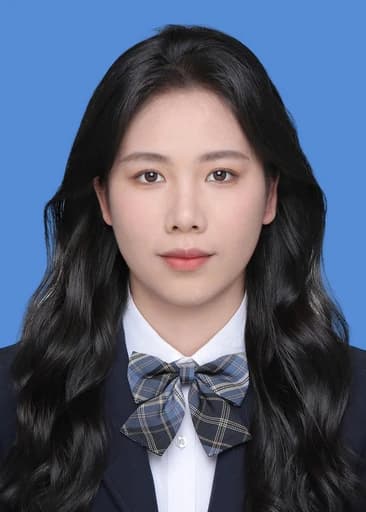
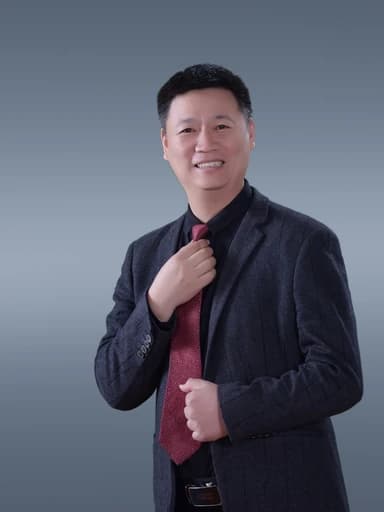
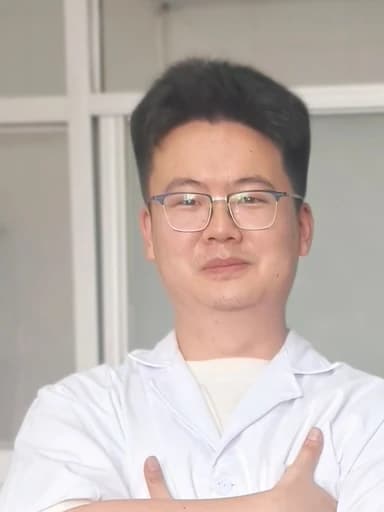
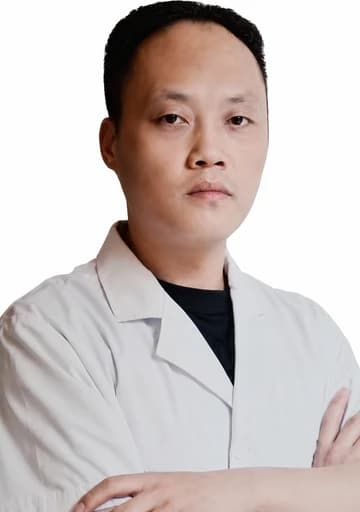

Frequently asked questions: Dysarthria
Book a free consultation
Leave a short request — a coordinator will contact you within 5 minutes, answer your questions and suggest the first steps.