
Weak chewing and sucking difficulties
Also known as: Chewing difficulty, Weak sucking, Feeding difficulties
Program for weak chewing and sucking difficulties in children aged 1-14 at Hanshi NeuroLife (Shangrao). Targeted work on the oral-motor base: oral-motor therapy, swallowing stimulation device, neuromuscular electrical stimulation (NMES), and TCM.
What is Weak chewing and sucking difficulties?
Weak chewing and sucking difficulties are a group of conditions affecting the physiological base of food intake. In older children — prolonged chewing, inefficient food breakdown, refusal of solid foods in favor of purées and liquids; in infants — weak or interrupted sucking, rapid fatigue during feeding, poor weight gain. Causes most often relate to weakness and poor coordination of the mouth muscles against the background of cerebral palsy, encephalopathy sequelae, isolated oral-motor base impairments, and oral hypersensitivity. Weak chewing often co-occurs with drooling, dysphagia, and unclear articulation — these conditions all "grow" from the same oral-motor base.
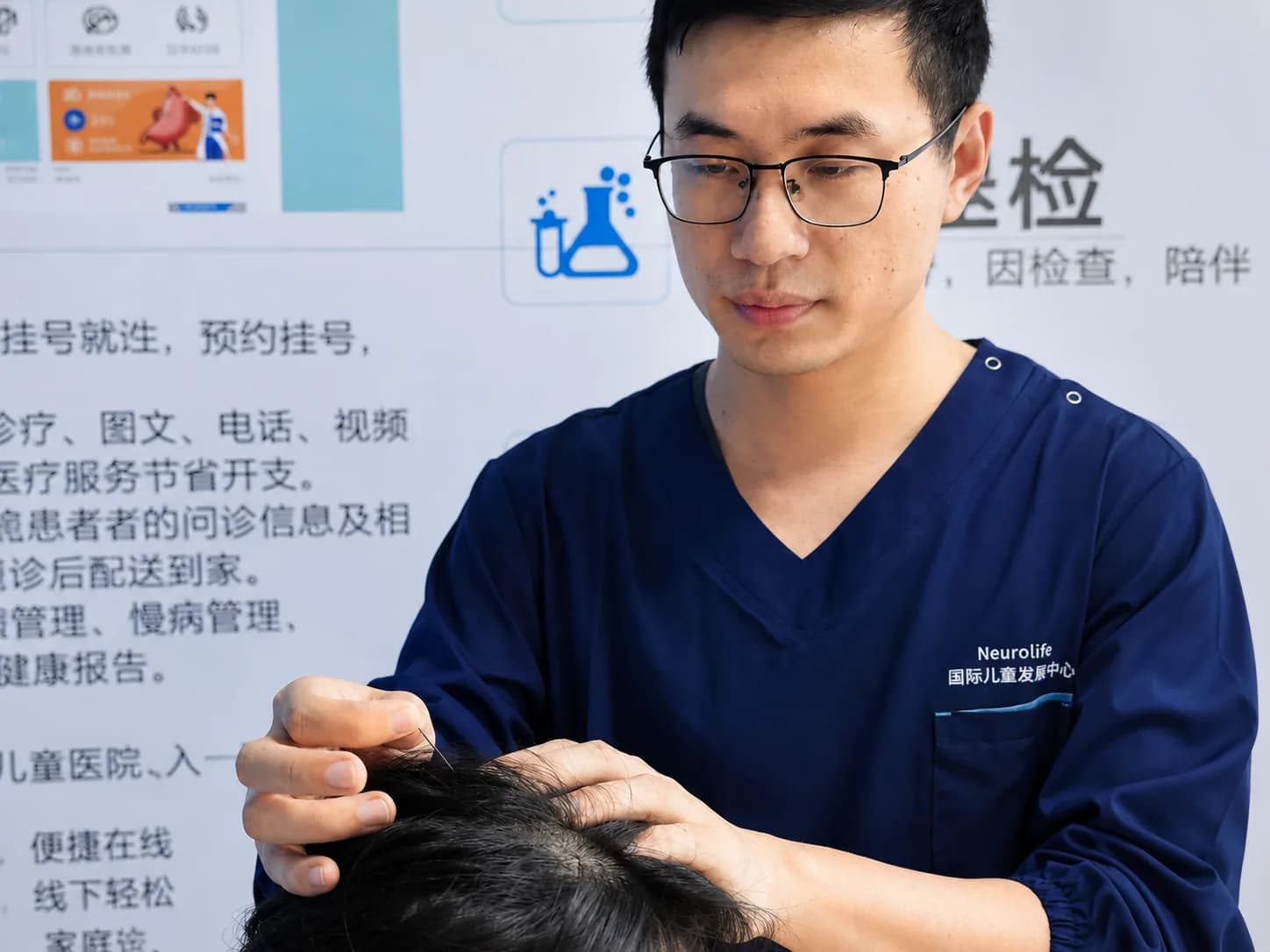
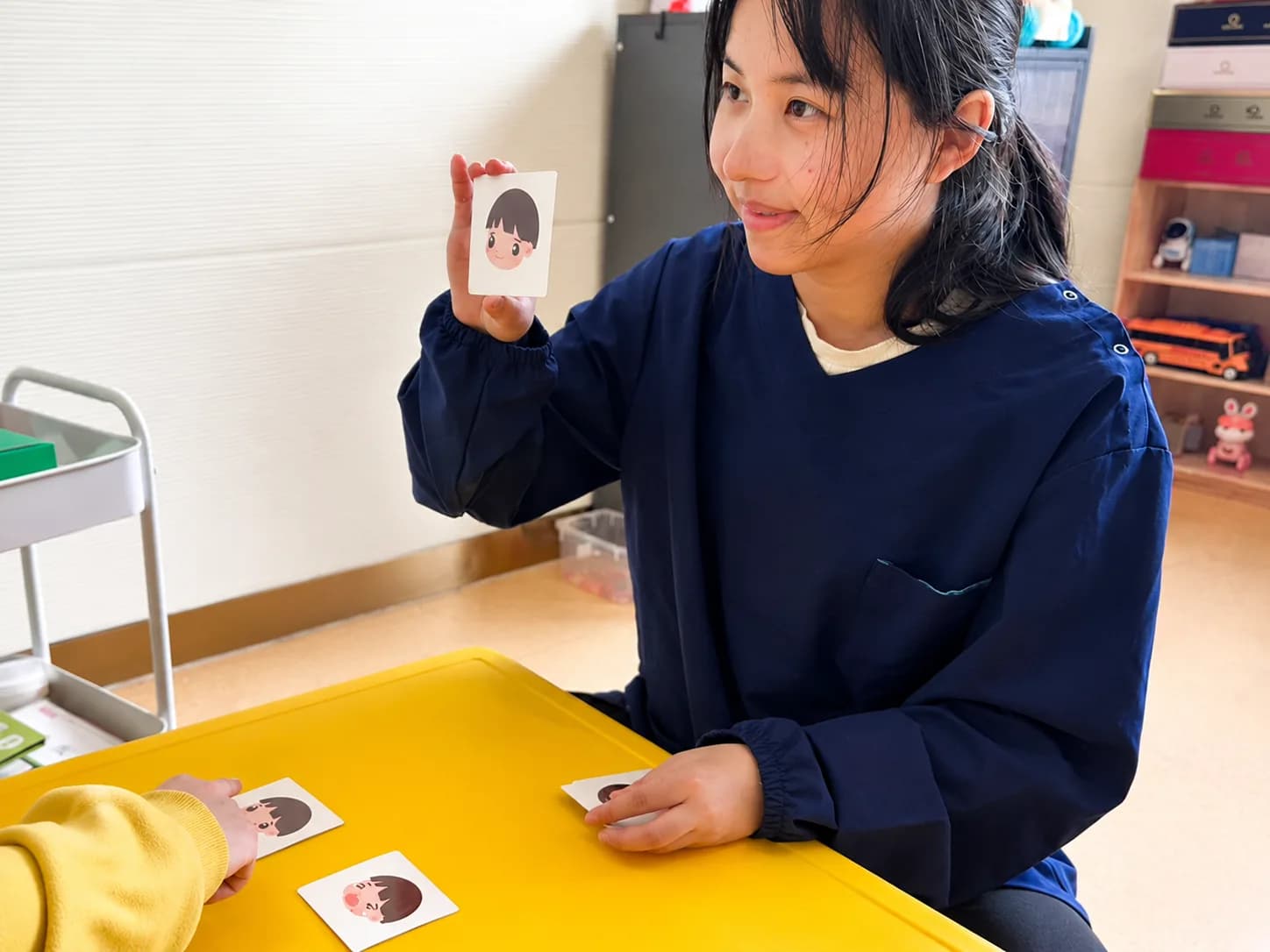
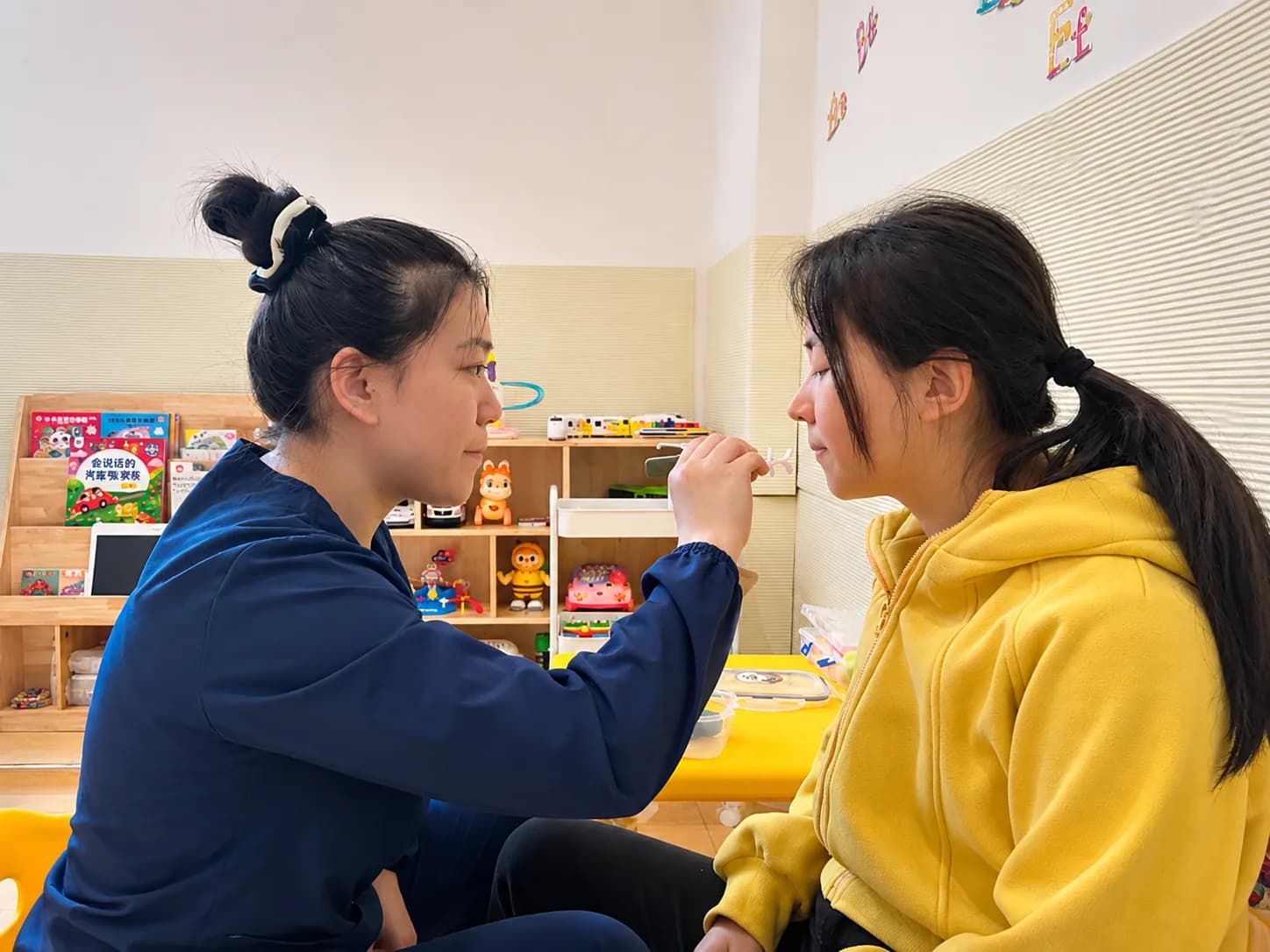
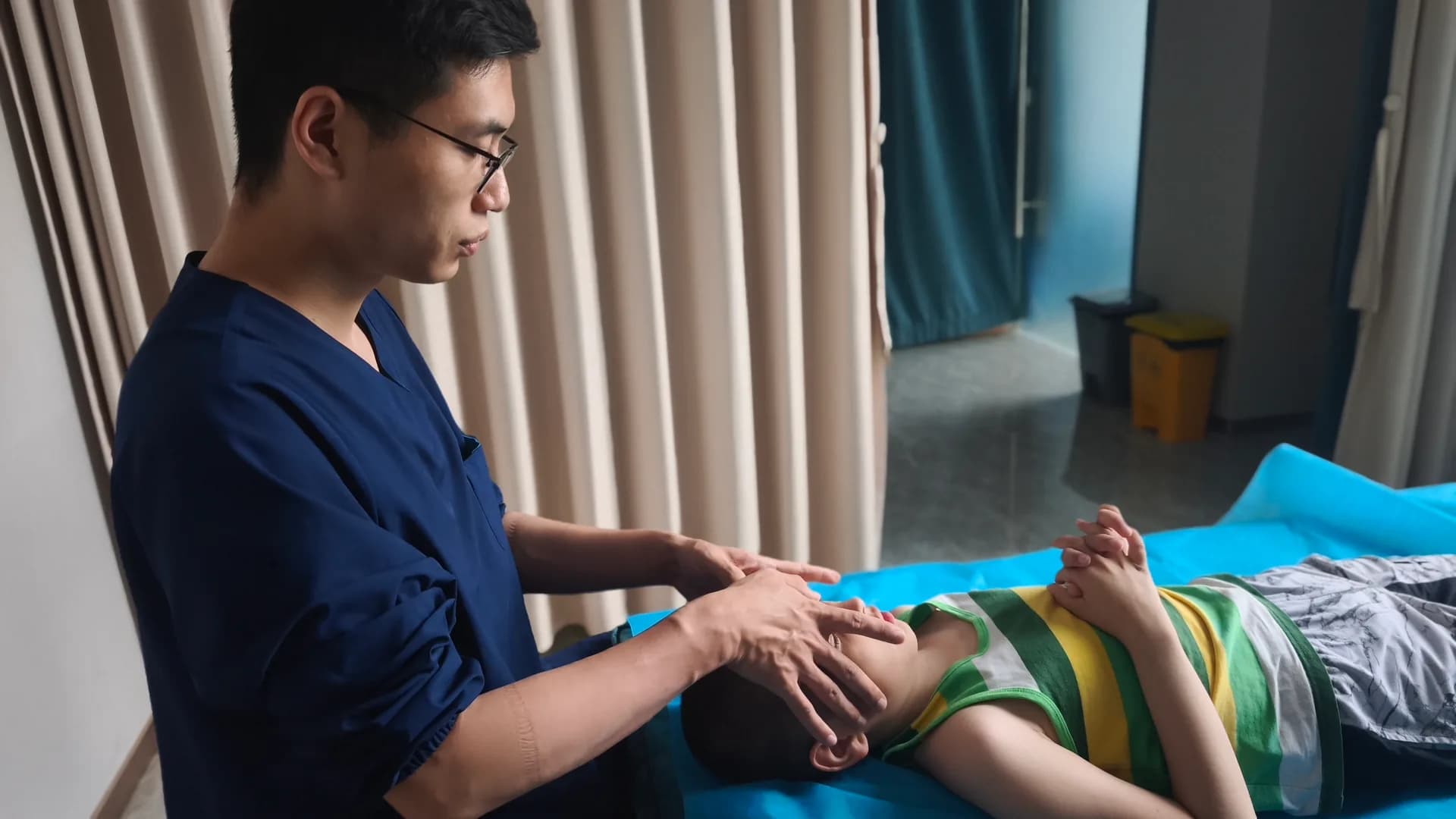
At Hanshi NeuroLife International Rehabilitation Center (Shangrao), the core direction is oral-motor therapy. Professional manual techniques and play tools (puppets, whistles, oral-motor sticks) activate oral perception and build the strength and coordination of the chewing muscles. The swallowing stimulation device (low-frequency electrical stimulation with biofeedback) strengthens the muscles of the mouth and pharynx. Neuromuscular electrical stimulation of the chewing muscles, together with pediatric Tui Na massage and acupuncture, support the program. With oral hypersensitivity, sensory integration is added.
What parents should know
Some exercises must be performed at home daily with a parent — this is critical for progress. Center specialists teach the specific techniques: facial gymnastics, working with whistles, safe chewing practice. With pronounced feeding difficulties, the program is coordinated with the child's diet and nutrition.
Causes
Most often linked to CNS damage in cerebral palsy, when coordination of the tongue, cheek and jaw muscles is impaired. Other causes include weak chewing muscles or delayed oral praxis.
Symptoms
The child holds food in the mouth, chokes on solid pieces and prefers pureed food. Drooling and slow weight gain are common.
Assessment
A speech therapist and neurologist assess the chewing muscles, tongue movement and swallowing safety. If needed, a video fluoroscopic swallow study and gastroenterologist consult are ordered.
Prognosis and treatment approach
With timely orofacial therapy, most children chew more effectively and expand their diet. The prognosis depends on the severity of the neurological disorder.
How we treat Weak chewing and sucking difficulties
Diagnostics
Comprehensive examination and patient assessment by an international team of specialists
Treatment plan
Development of an individual rehabilitation program considering diagnosis specifics
Therapy
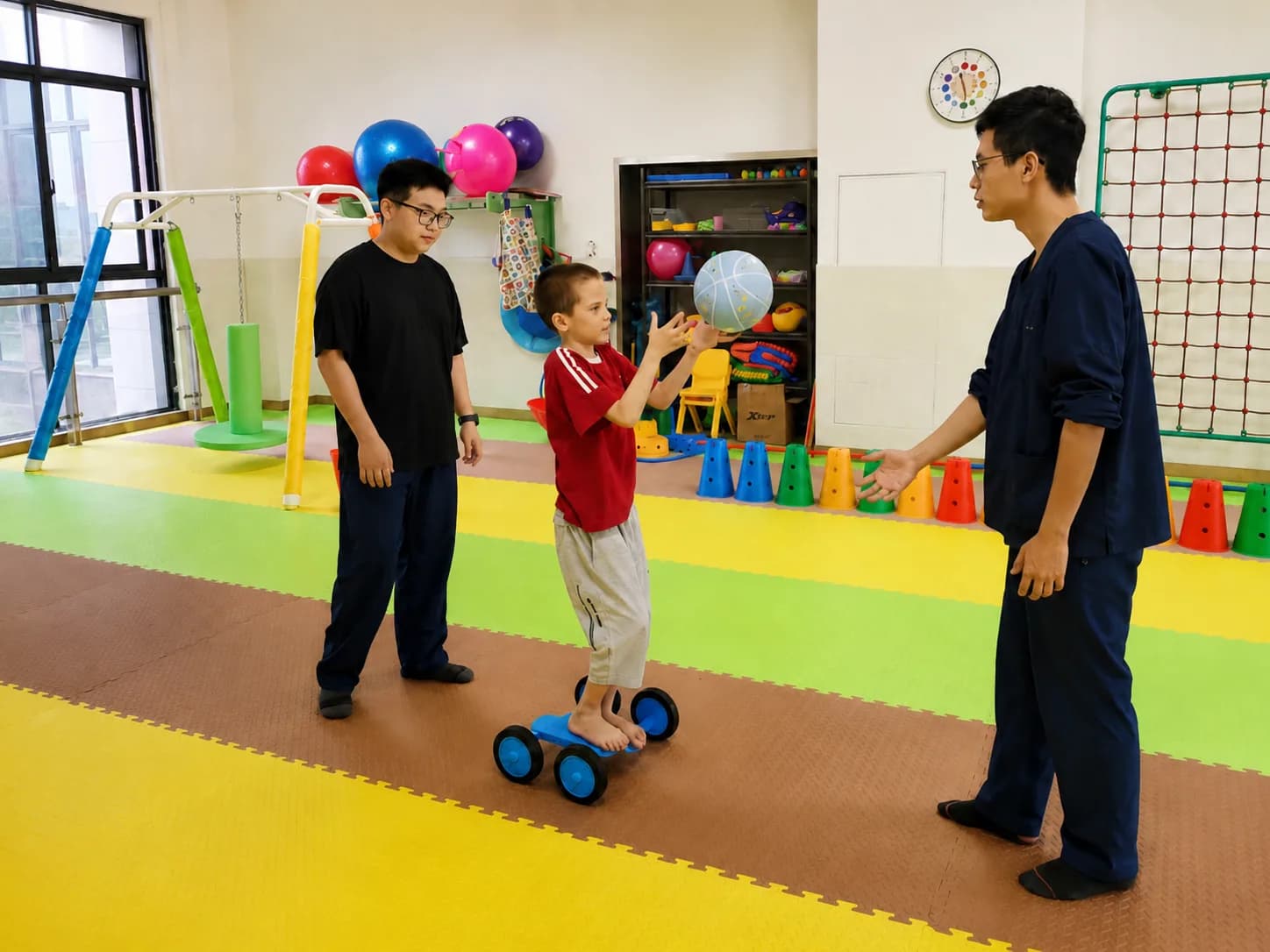
Intensive course of procedures: physical therapy, massage, physiotherapy, acupuncture and other methods
Results
Progress evaluation, home recommendations and maintenance therapy plan
Treatment procedures: Weak chewing and sucking difficulties
Doctors treating this condition

















Frequently asked questions: Weak chewing and sucking difficulties
Book a free consultation
Leave a short request — a coordinator will contact you within 5 minutes, answer your questions and suggest the first steps.