
Attention deficit and restlessness
Also known as: Weak attention, Restlessness, Reduced concentration
Program for attention deficit and restlessness for children aged 1–14 years at the Hanshi NeuroLife center (Shangrao). Core work: TMS, ABA, TEACCH, sensory integration, and cognitive training in combination.
What is Attention deficit and restlessness?
Attention deficit and restlessness is a reduced ability of a child to sustain attention and regulate activity. Unlike ADHD, in isolated attention deficit hyperactivity is mild or absent: the child does not "run around" but quickly "switches off" from a task, shifts to external stimuli, fails to follow instructions to the end, and does not complete tasks. Such a deficit may be isolated or appear as part of ADHD, ASD, sensory dysregulation, post-encephalopathic states, or general developmental delay.
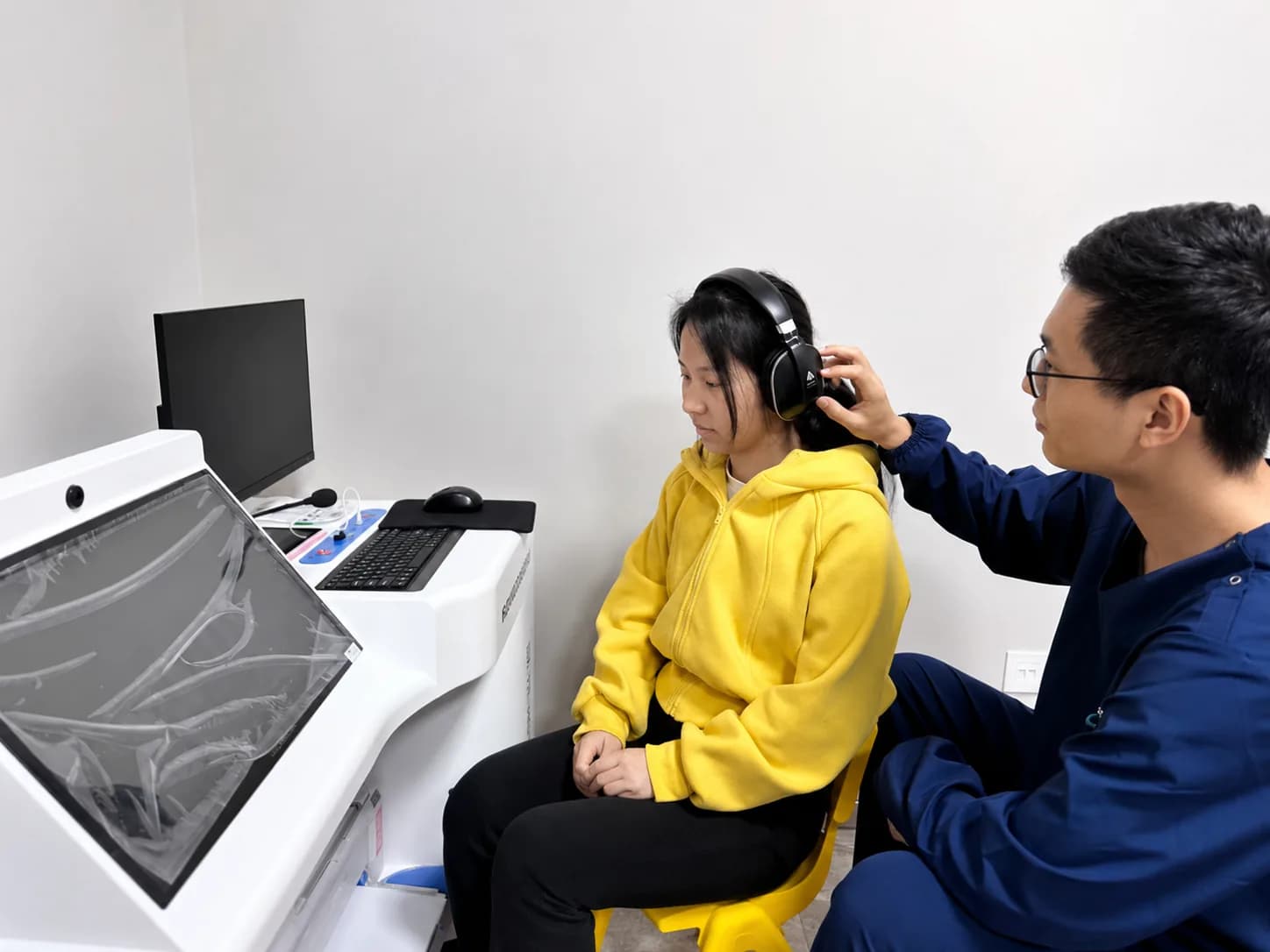
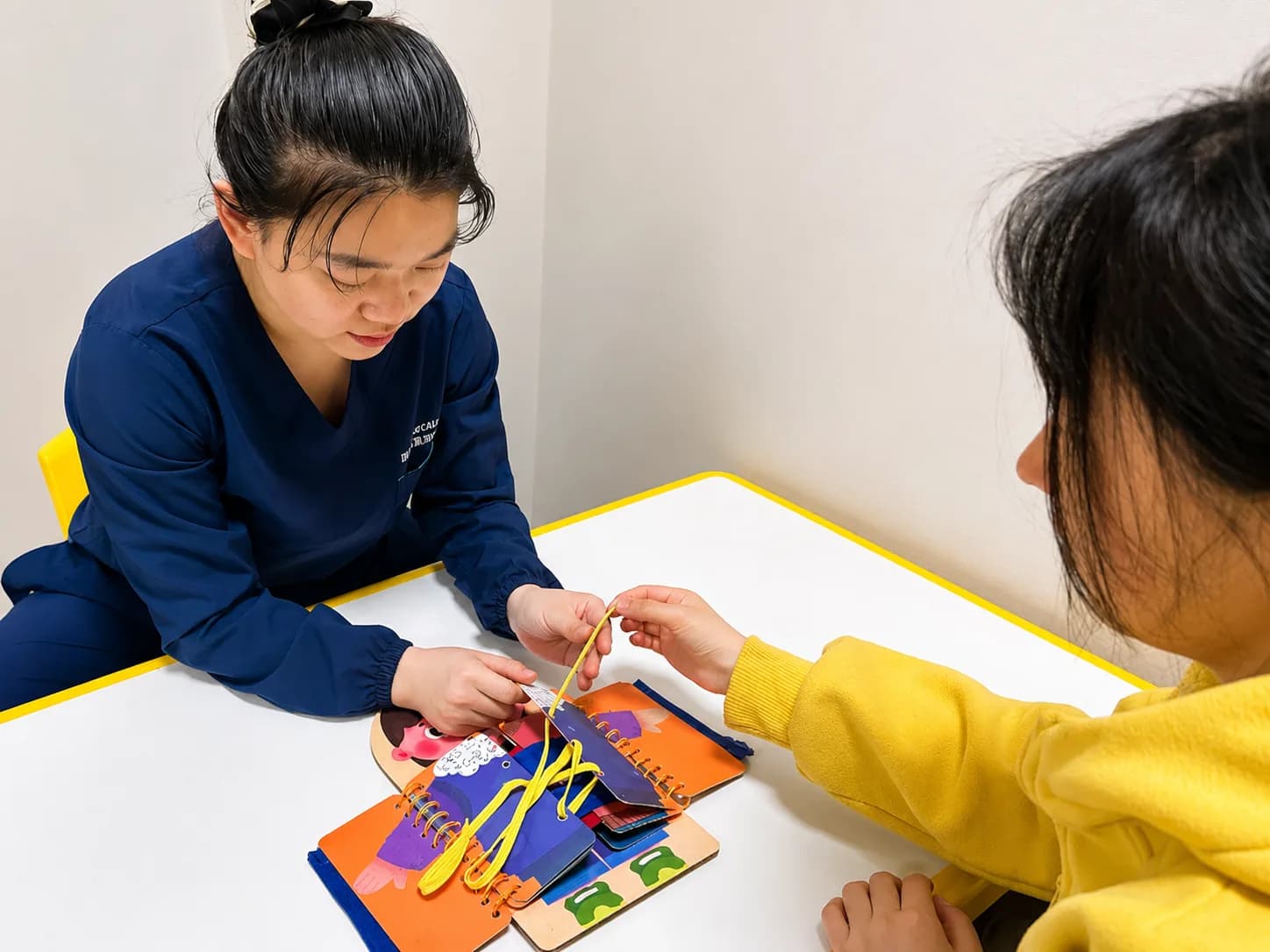
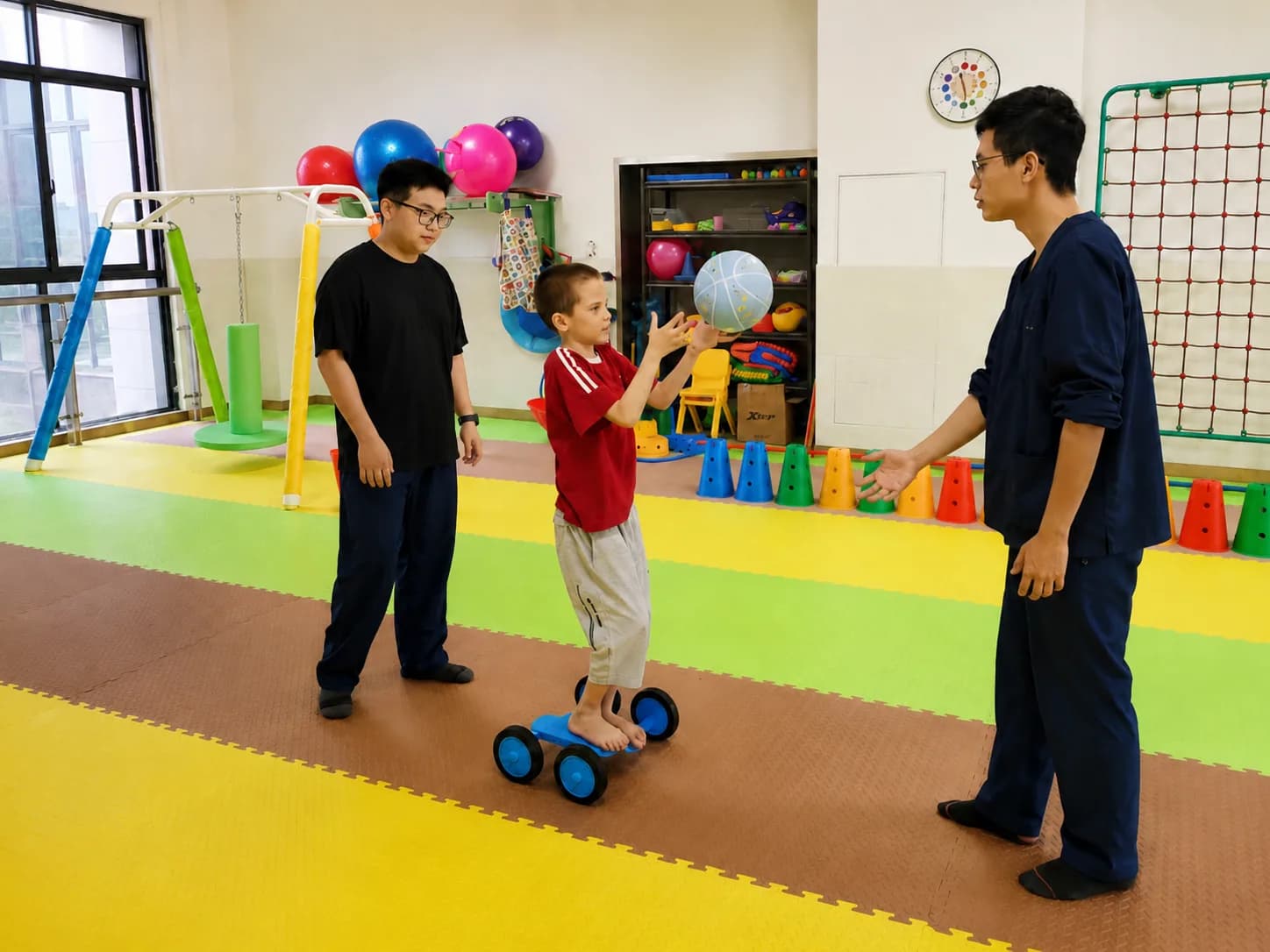
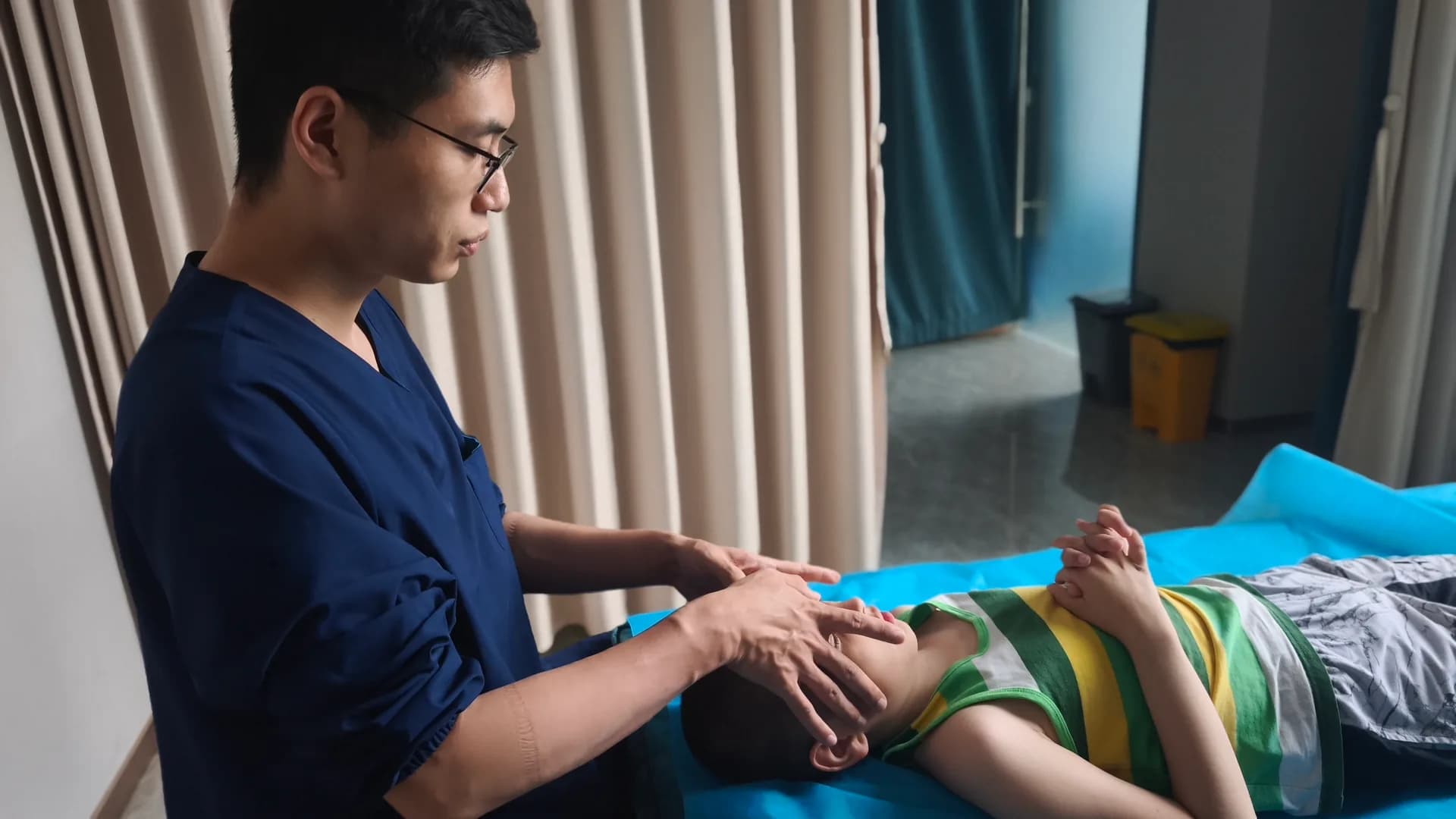
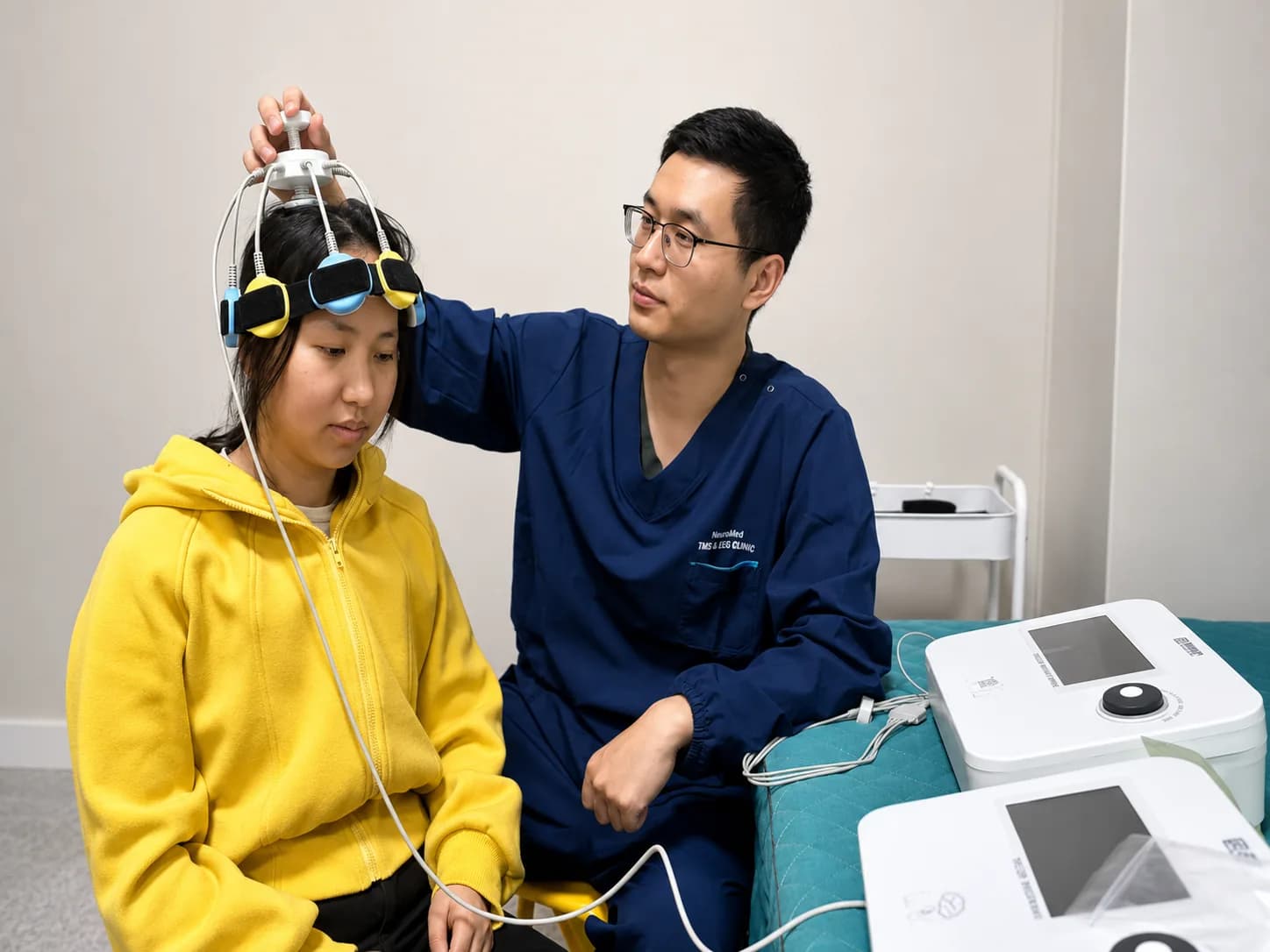
At the Hanshi NeuroLife International Rehabilitation Center (Shangrao), the program for attention deficit combines several directions. TMS (Transcranial Magnetic Stimulation) regulates the excitability of cortical neurons and improves attention, concentration, and cognitive function — the method is non-invasive, painless, and radiation-free. ABA structures the shaping of concentration skills with positive reinforcement and data-driven progress tracking. TEACCH creates a predictable, visually structured environment in which it is easier for the child to sustain focus and anxiety is reduced. Sensory integration addresses the sensory foundation for sustained attention. Cognitive training in a graded story-based format trains observation, concentration, and instruction comprehension.
What parents should know
Attention is a function that responds well to systematic work, especially when the same routine is supported at home. Specialists teach parents techniques for structuring the environment and supporting concentration in everyday situations. In severe cases affecting learning, a physician may consider medication support — strictly by indication and with regular reassessment.
Causes
Most often linked to ADHD, ASD, sensory dysregulation, post-encephalopathic states, or developmental delay. Often paired with weak emotional regulation.
Symptoms
Short attention span, distractibility, and difficulty following instructions (especially multi-step). Unlike ADHD, hyperactivity is mild or absent.
Diagnostics
Developmental scales are used (PEP, Gesell; ABC and Shuangxi if ASD is present) to assess sustained attention, instruction-following, and stimulus responses.
Prognosis and treatment approach
Systematic work boosts attention stability. The program combines TMS, ABA, TEACCH, sensory integration, and cognitive training.
How we treat Attention deficit and restlessness
Diagnostics
Comprehensive examination and patient assessment by an international team of specialists
Treatment plan
Development of an individual rehabilitation program considering diagnosis specifics
Therapy
Intensive course of procedures: physical therapy, massage, physiotherapy, acupuncture and other methods
Results
Progress evaluation, home recommendations and maintenance therapy plan
Treatment procedures: Attention deficit and restlessness


Doctors treating this condition


















Frequently asked questions: Attention deficit and restlessness
Book a free consultation
Leave a short request — a coordinator will contact you within 5 minutes, answer your questions and suggest the first steps.