
Brachial plexus injury
Also known as: Erb's palsy, Klumpke's palsy, Obstetric brachial plexus palsy, Traumatic plexopathy
A rehabilitation program for brachial plexus injury in children aged 1-14 at Hanshi NeuroLife (Shangrao). Targeted recovery of arm function through neuromuscular electrical stimulation, acupuncture, occupational therapy, and PT.
What is Brachial plexus injury?
Brachial plexus injury is damage to the nerves that supply the upper limb. In children, it most often occurs as a birth trauma (stretching or compression of the plexus during difficult delivery with shoulder dystocia). Less commonly - post-traumatic injuries later in childhood. Clinically, Erb's palsy (upper type) - the arm "hangs" along the body, rotated inward, with the shoulder adducted - and Klumpke's palsy (lower type) - weakness and atrophy of hand muscles - are distinguished. Severity ranges from mild plexopathy with rapid recovery to severe forms with prolonged recovery and persistent functional limitations.
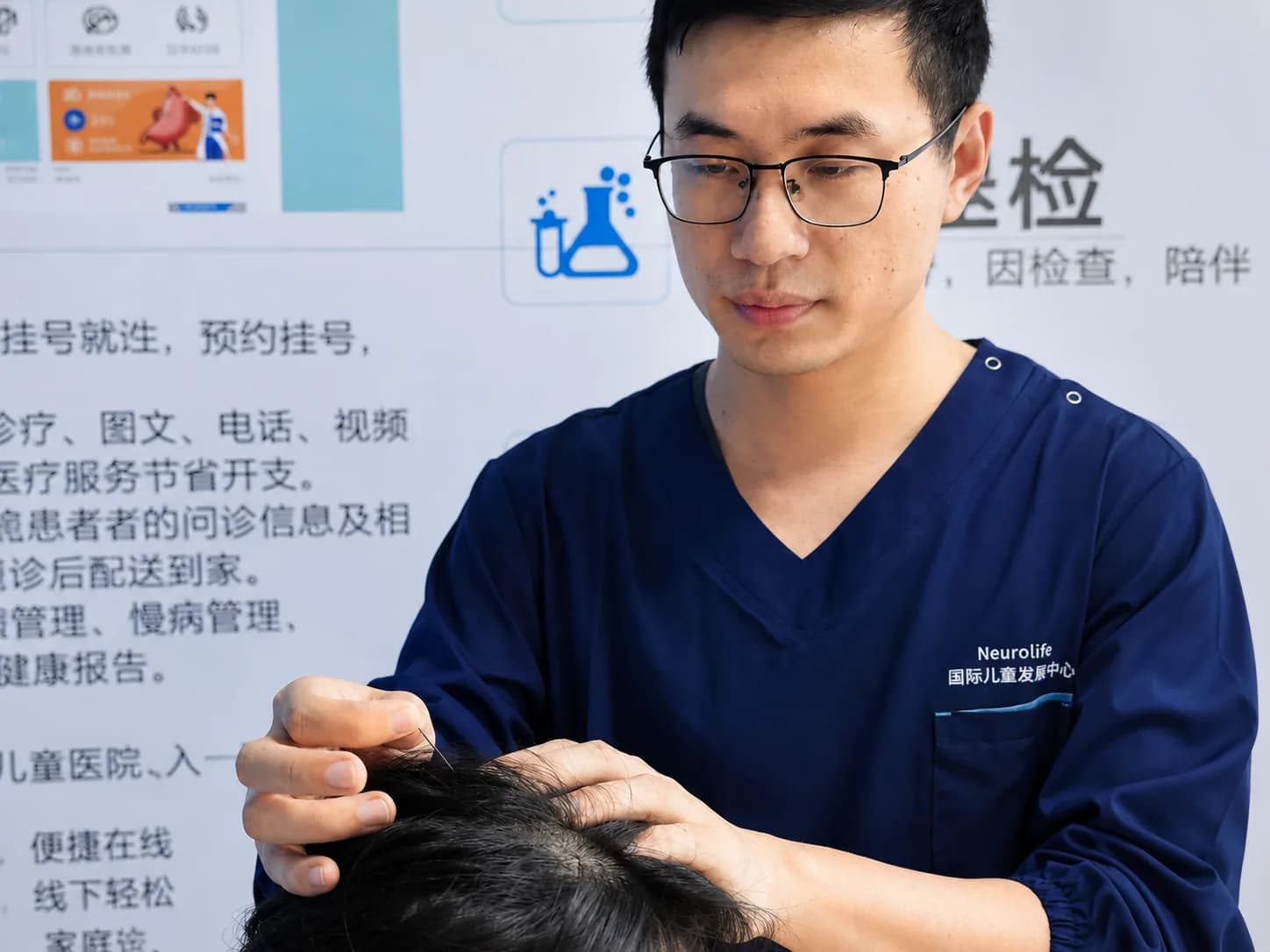
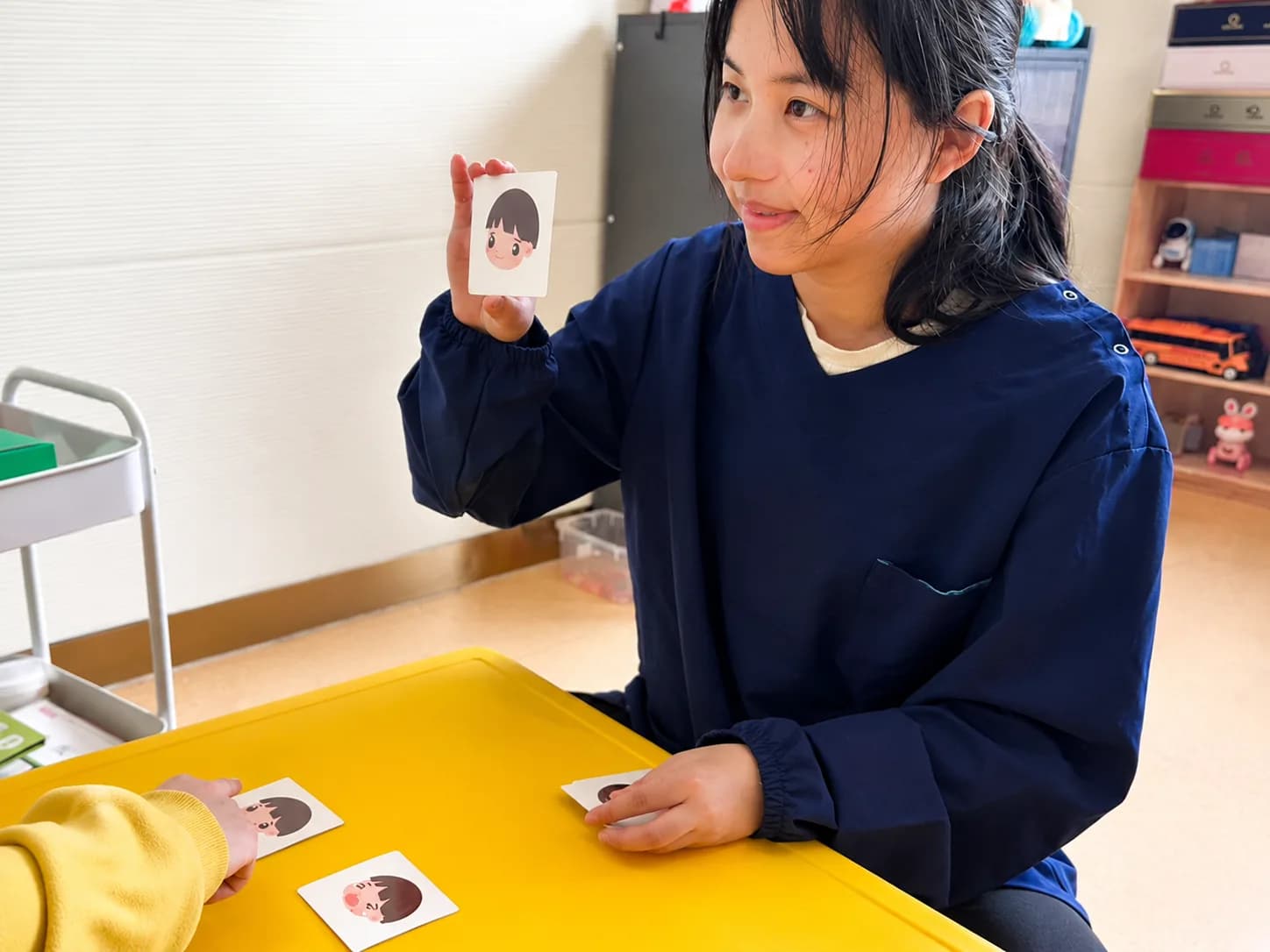
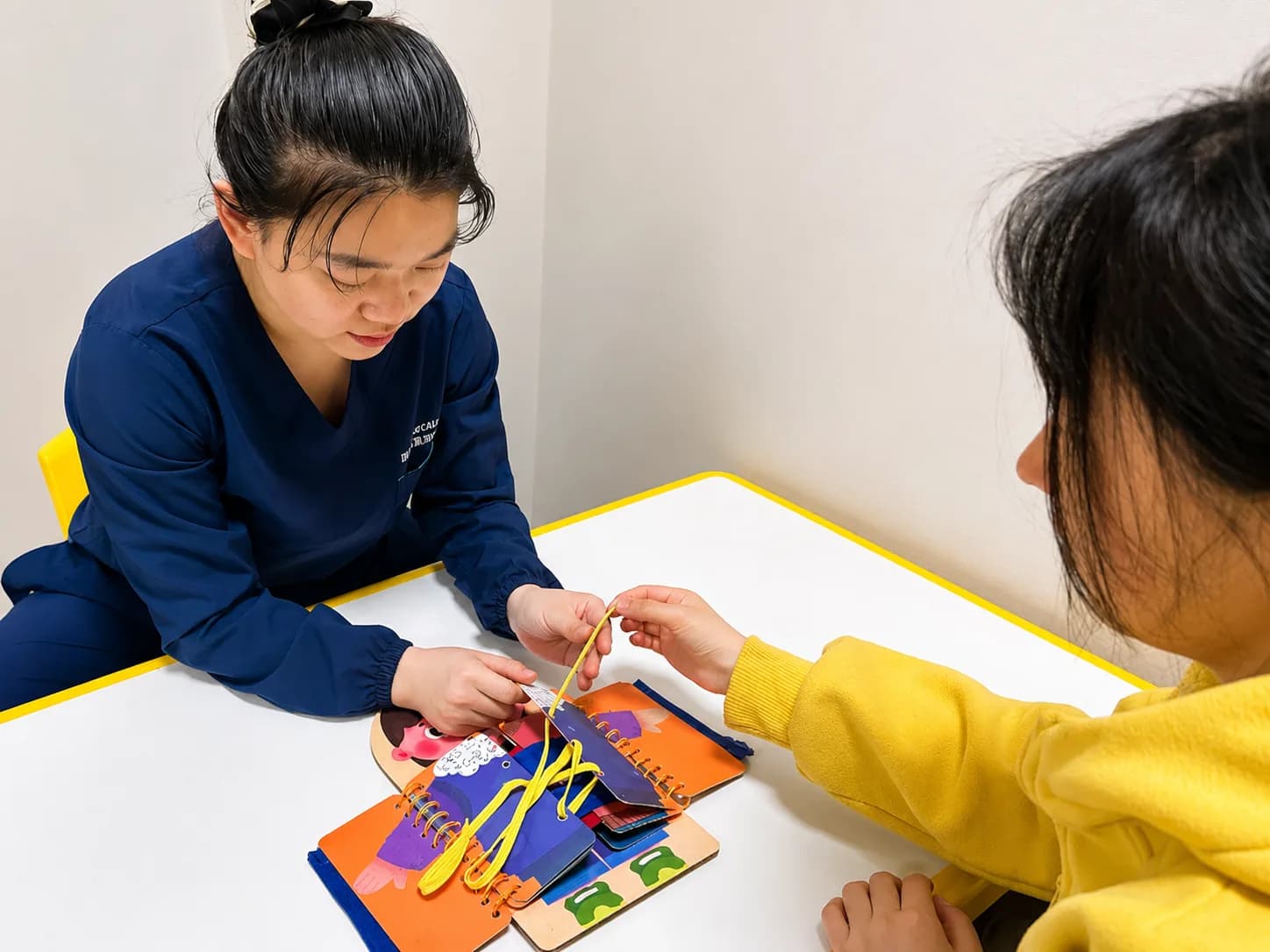
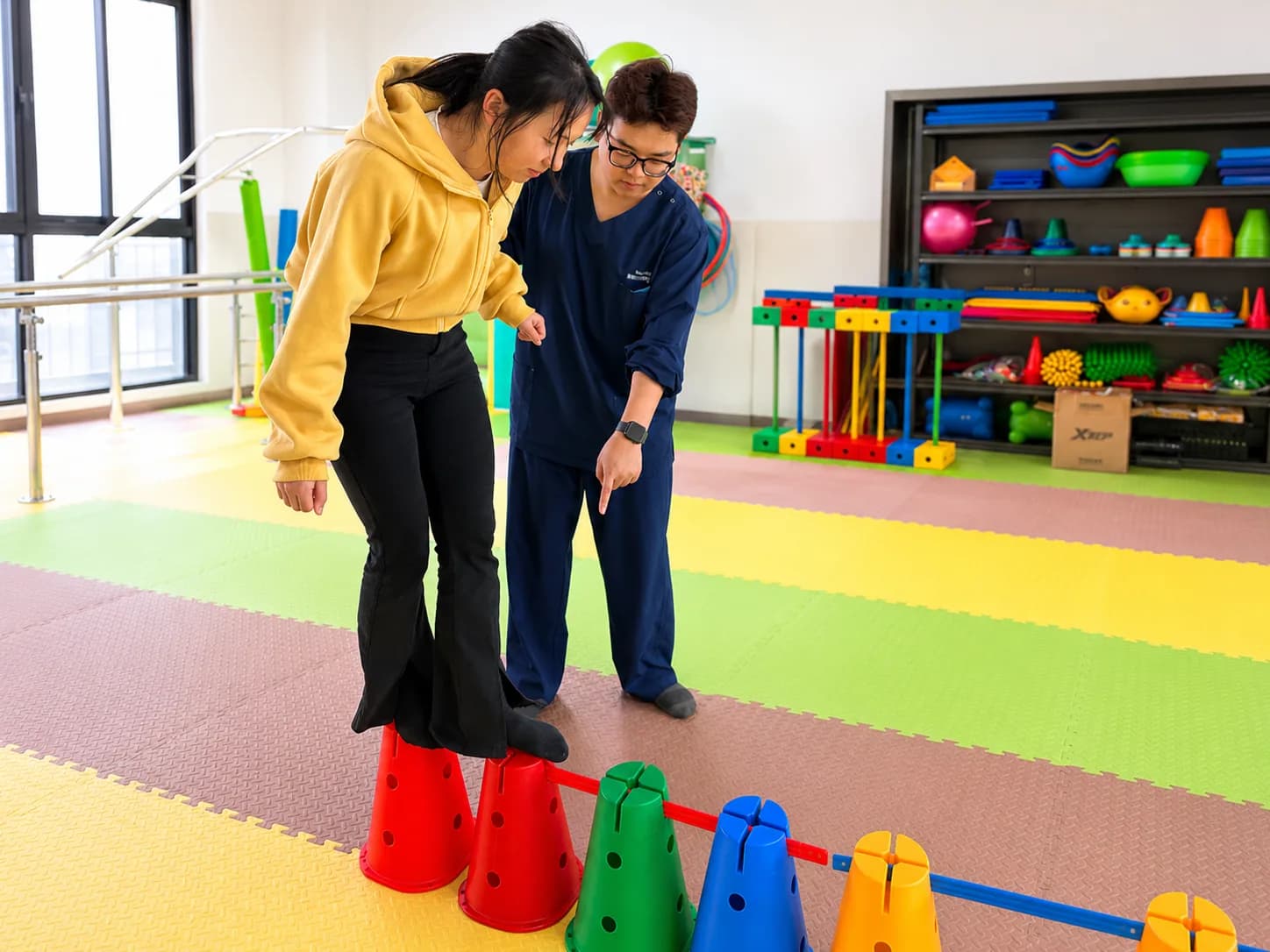
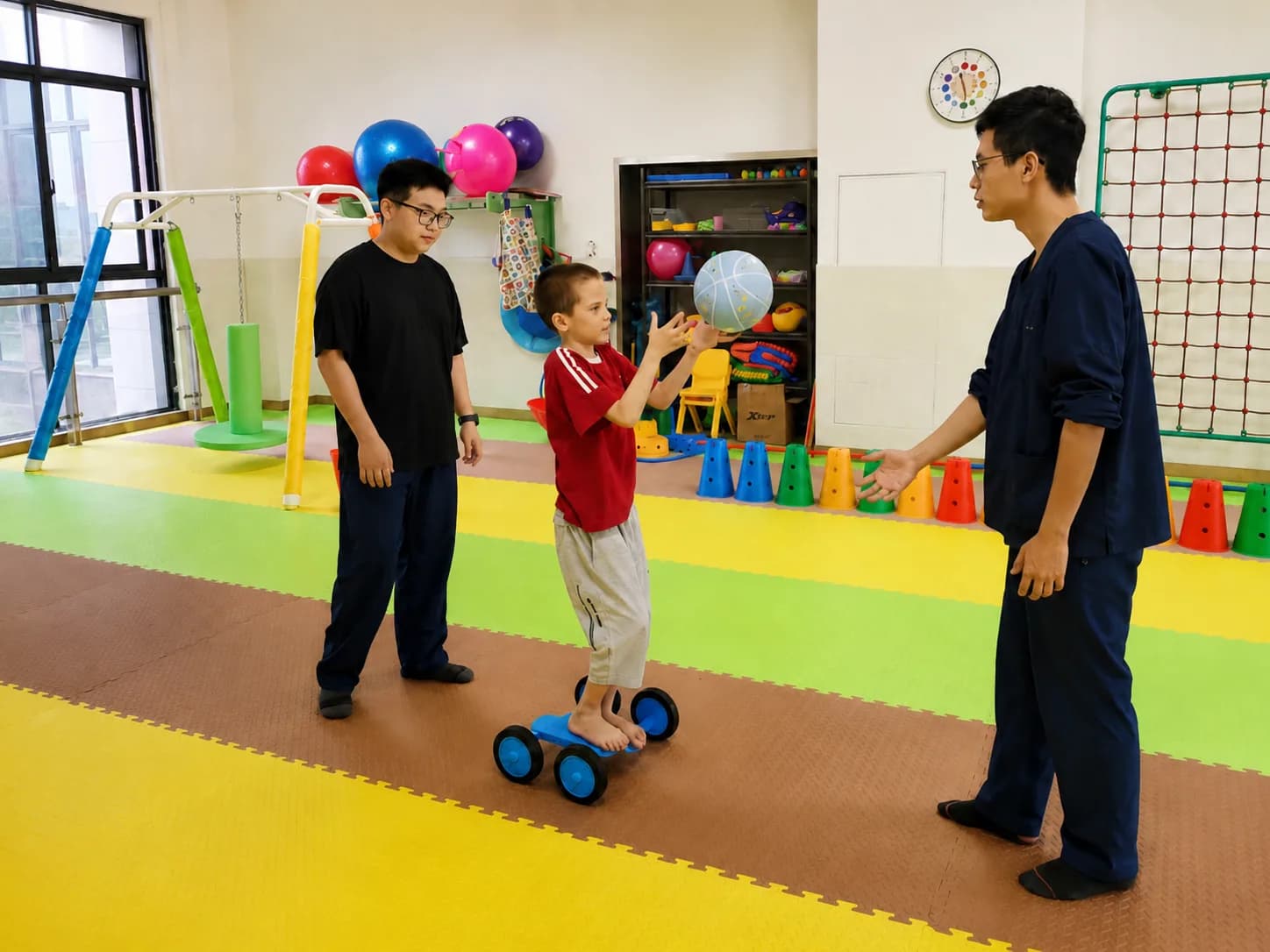
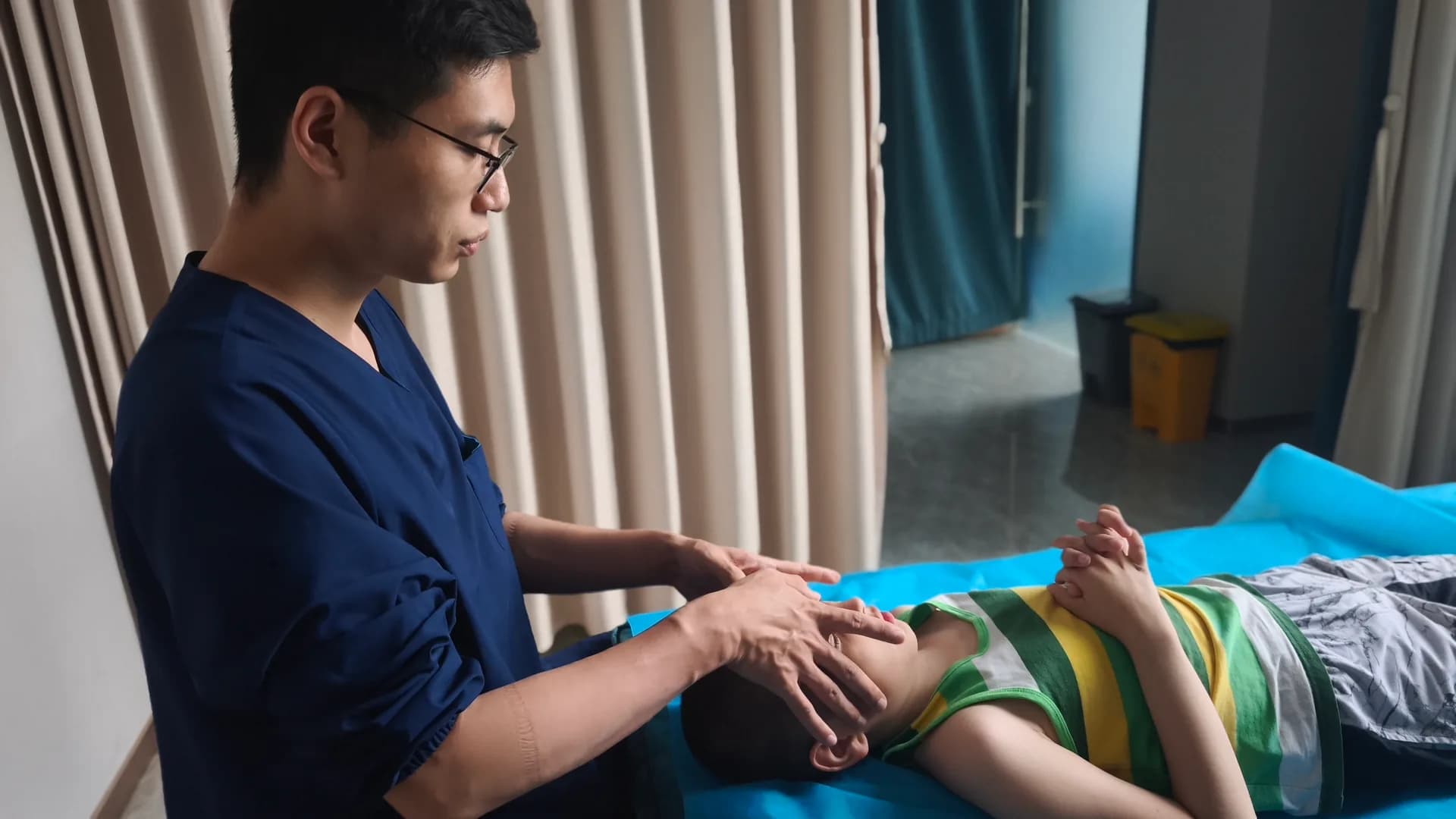
At Hanshi NeuroLife International Rehabilitation Center (Shangrao), the program for brachial plexus injury combines instrumental, training, and TCM methods. Neuromuscular electrical stimulation - low-frequency impulses activate the affected nerves and muscles, build strength, and regulate tone. Pediatric acupuncture - brachial plexus injury is one of the key indications at the center; special ultra-thin pediatric needles are used, with individual point selection by the principle of "one person - one prescription." Occupational therapy works on functional restoration of the arm - fine motor skills, hand-eye coordination, and using the hand for daily tasks. PT addresses gross motor skills and asymmetry. Pediatric Tui Na massage complements the program. When indicated, neuroregulation and Chinese herbal medicine are added.
What parents should know
The principle of early intervention in neurology is especially important: the younger the child, the better the recovery of nerve function. For newborns and infants, adapted methods are used. Parents are taught techniques for daily home practice - Tui Na massage, gentle mobilization exercises, and forming proper posture. Regular reassessment shows progress in strength and range of motion and allows the program to be adjusted.
Causes
In children it most often results from a difficult delivery — obstructed shoulders, a large baby or breech presentation. The C5–T1 nerve roots are damaged.
Symptoms
The main sign is weakness or immobility of the arm: it hangs down, bends poorly at the elbow and grips weakly. Sensation may drop and muscle atrophy can develop.
Diagnostics
A paediatric neurologist diagnoses it from examination and reflexes. ENMG, nerve ultrasound and, if needed, MRI clarify the severity.
Prognosis and treatment approach
Mild injuries often recover within the first months; severe ones need long-term rehabilitation. The earlier it begins, the better the result.
How we treat Brachial plexus injury
Diagnostics
Comprehensive examination and patient assessment by an international team of specialists
Treatment plan
Development of an individual rehabilitation program considering diagnosis specifics
Therapy
Intensive course of procedures: physical therapy, massage, physiotherapy, acupuncture and other methods
Results
Progress evaluation, home recommendations and maintenance therapy plan
Treatment procedures: Brachial plexus injury
Doctors treating this condition






Frequently asked questions: Brachial plexus injury
Book a free consultation
Leave a short request — a coordinator will contact you within 5 minutes, answer your questions and suggest the first steps.