
Hyperactivity (ADHD)
Also known as: ADHD, Attention Deficit Hyperactivity Disorder, Hyperkinetic syndrome
Program for Attention Deficit Hyperactivity Disorder (ADHD) for children aged 1–14 years at the Hanshi NeuroLife center (Shangrao). Comprehensive work: TMS, ABA, TEACCH, sensory integration, medication support when indicated, TCM.
What is Hyperactivity (ADHD)?
Attention Deficit Hyperactivity Disorder (ADHD) is a neurodevelopmental disorder with three core components: attention deficit (distractibility, inability to follow instructions to the end, losing belongings, unfinished tasks), hyperactivity (constant motor activity, restlessness, fidgeting), and impulsivity (hasty actions without thought, inability to wait, interrupting others). The clinical picture varies by predominant component. ADHD significantly affects learning, social adaptation, and often a child's self-esteem. It commonly co-occurs in children with ASD.
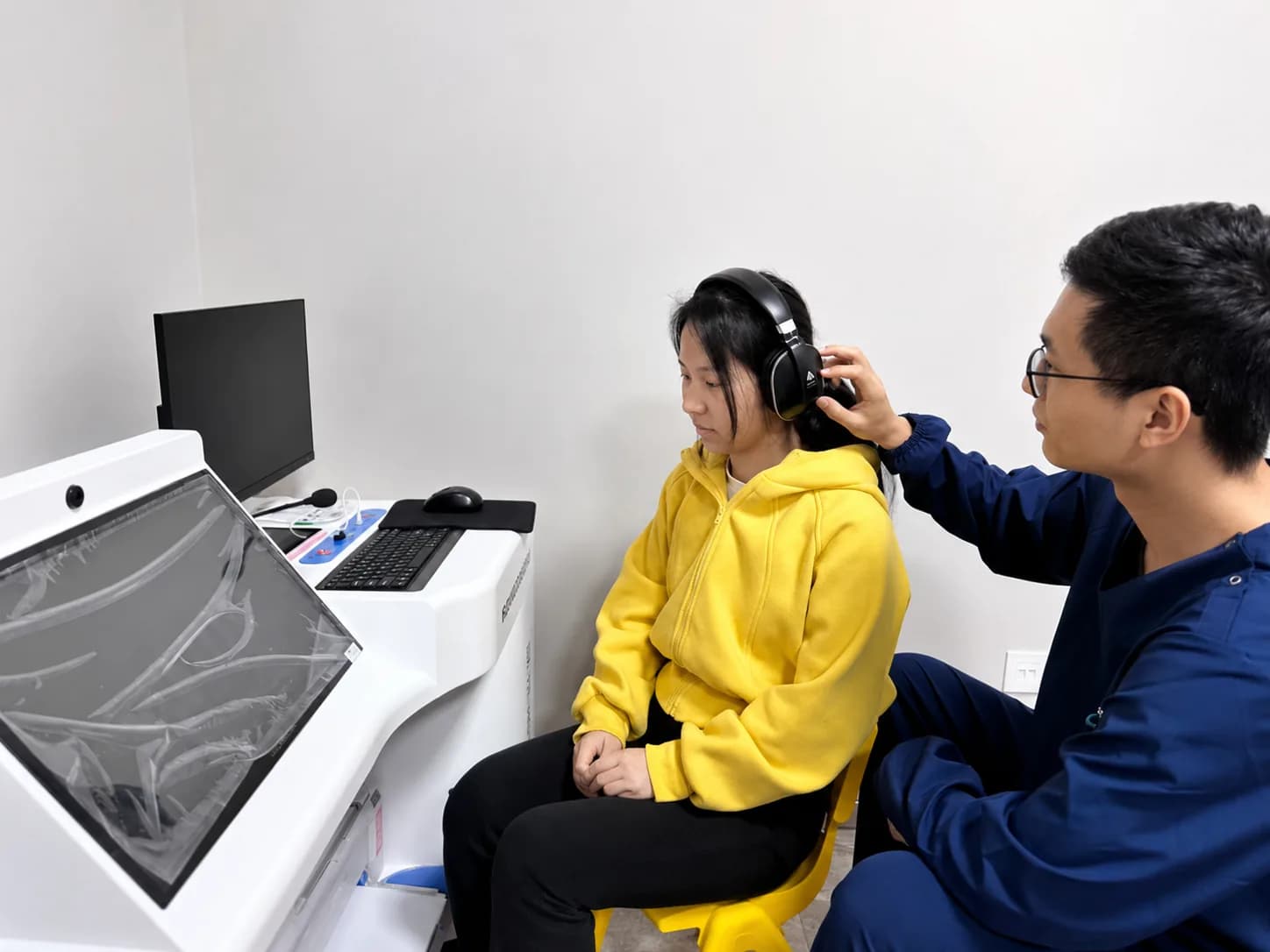
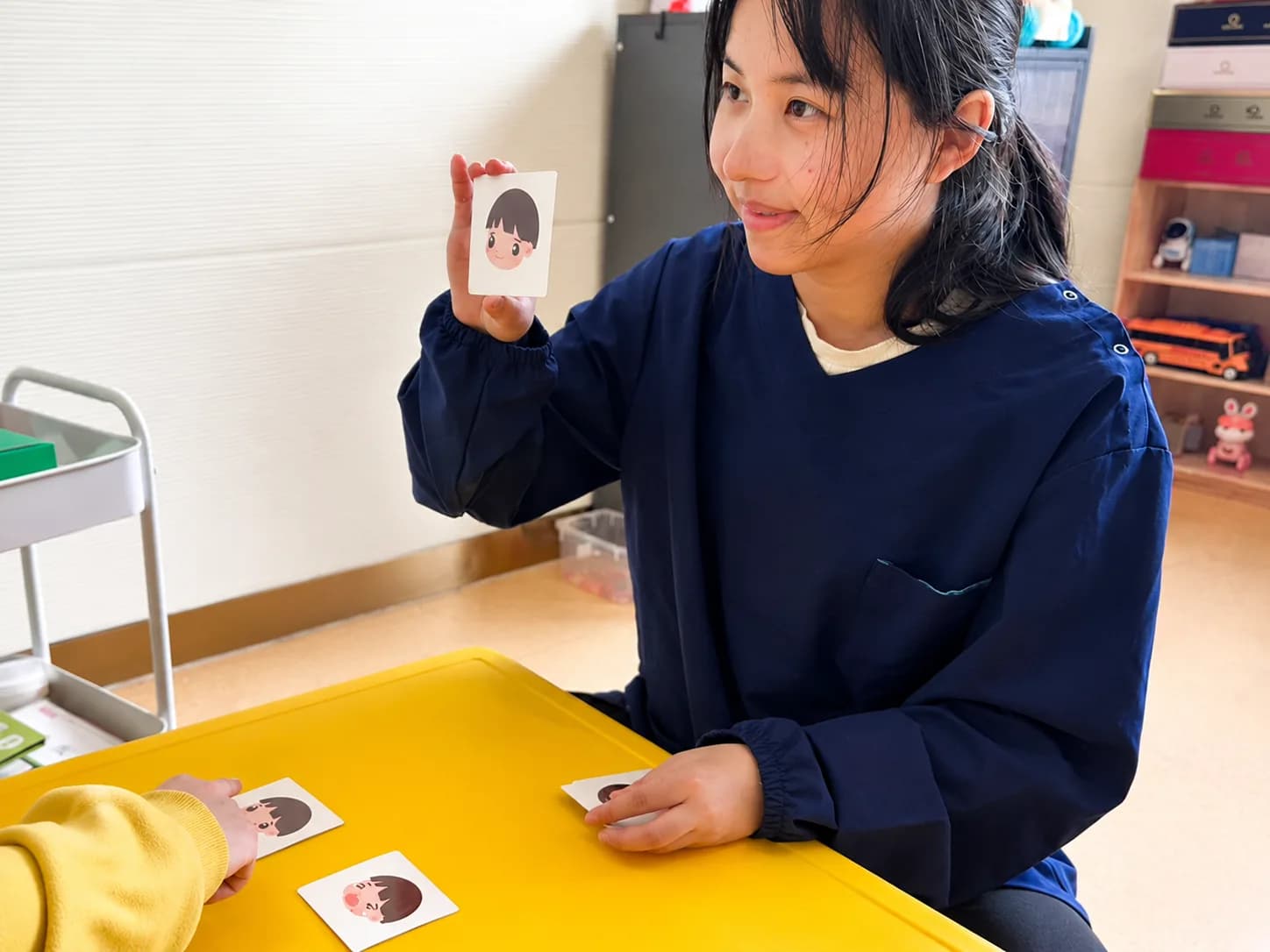
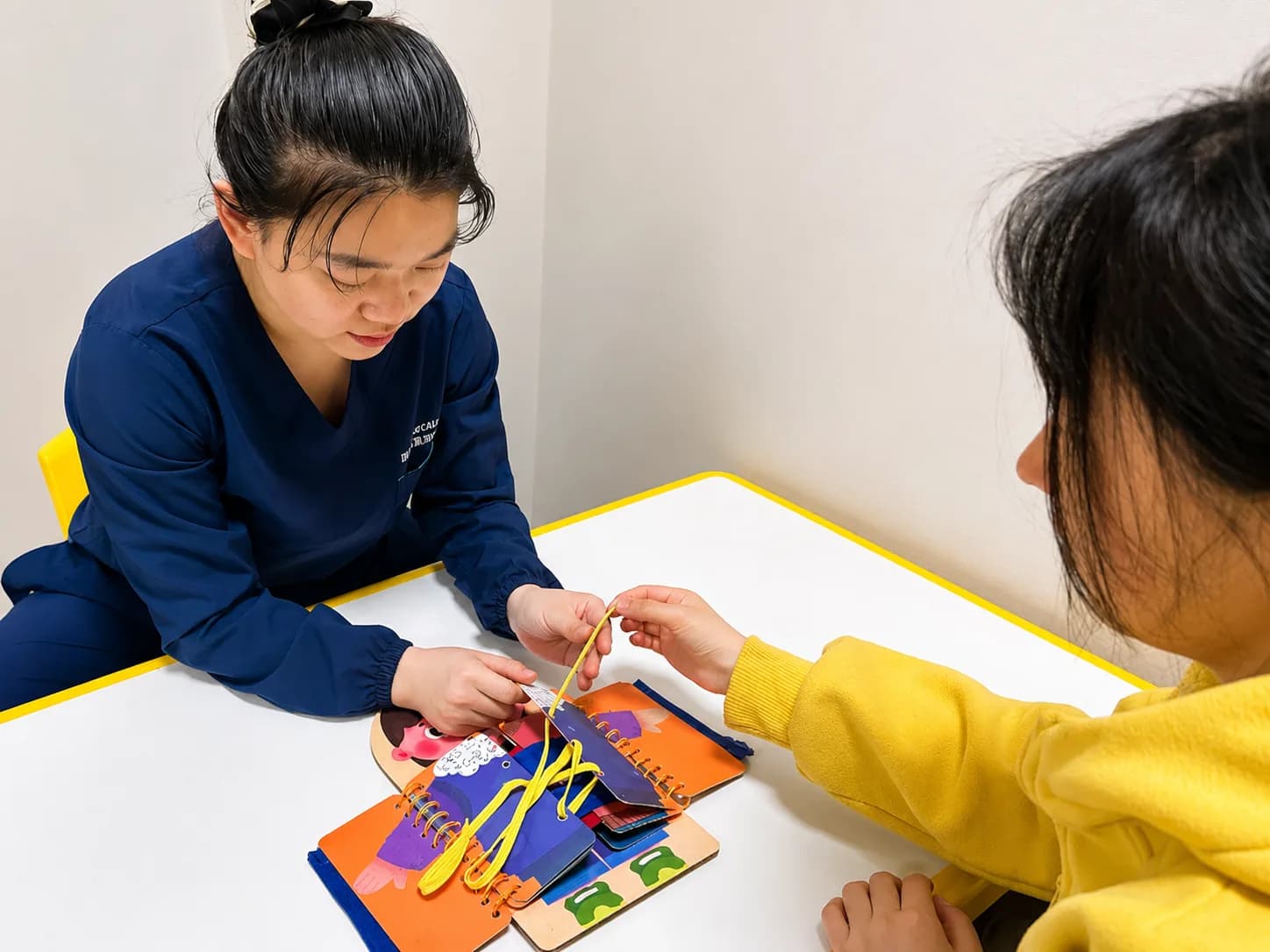
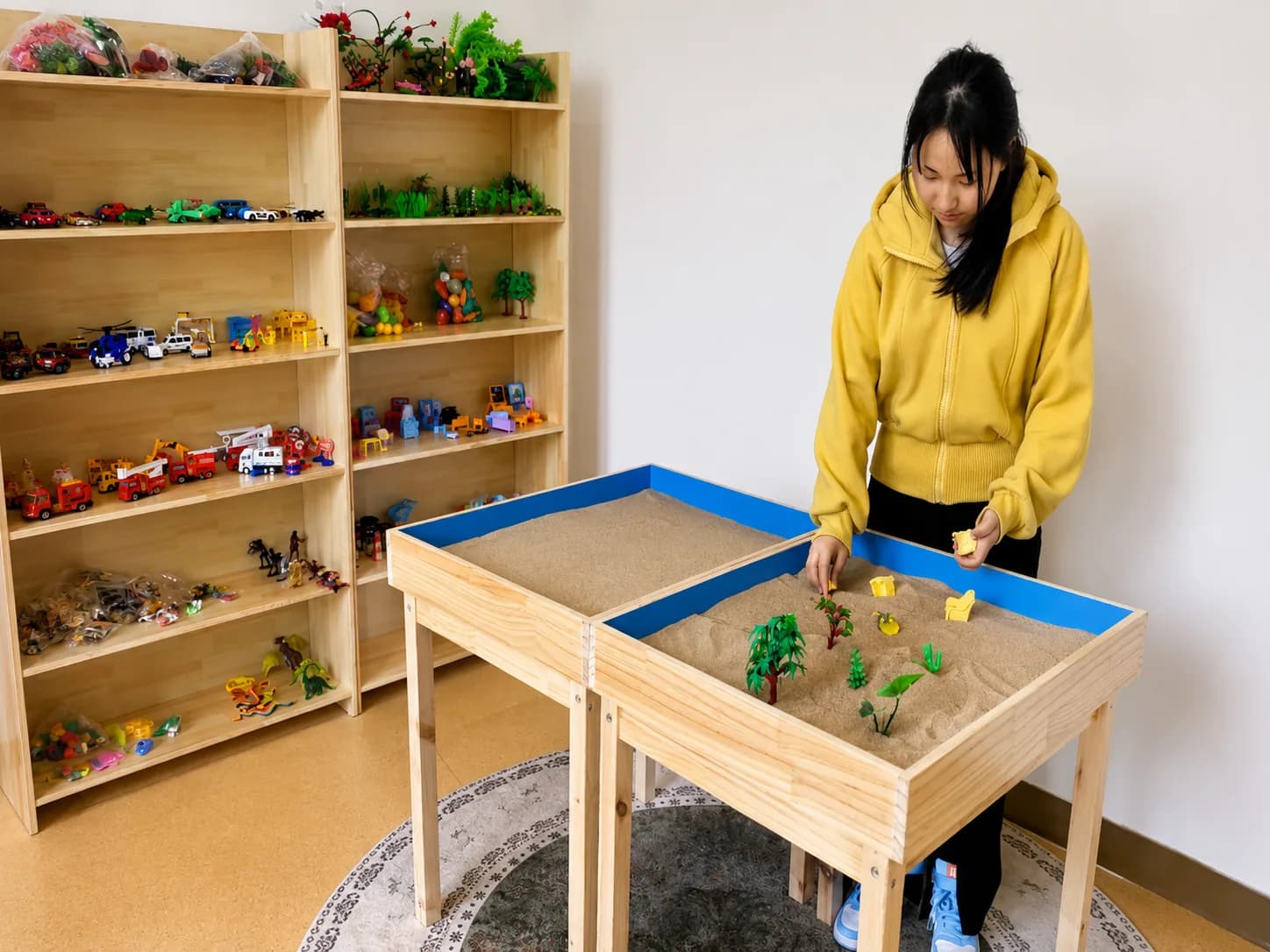
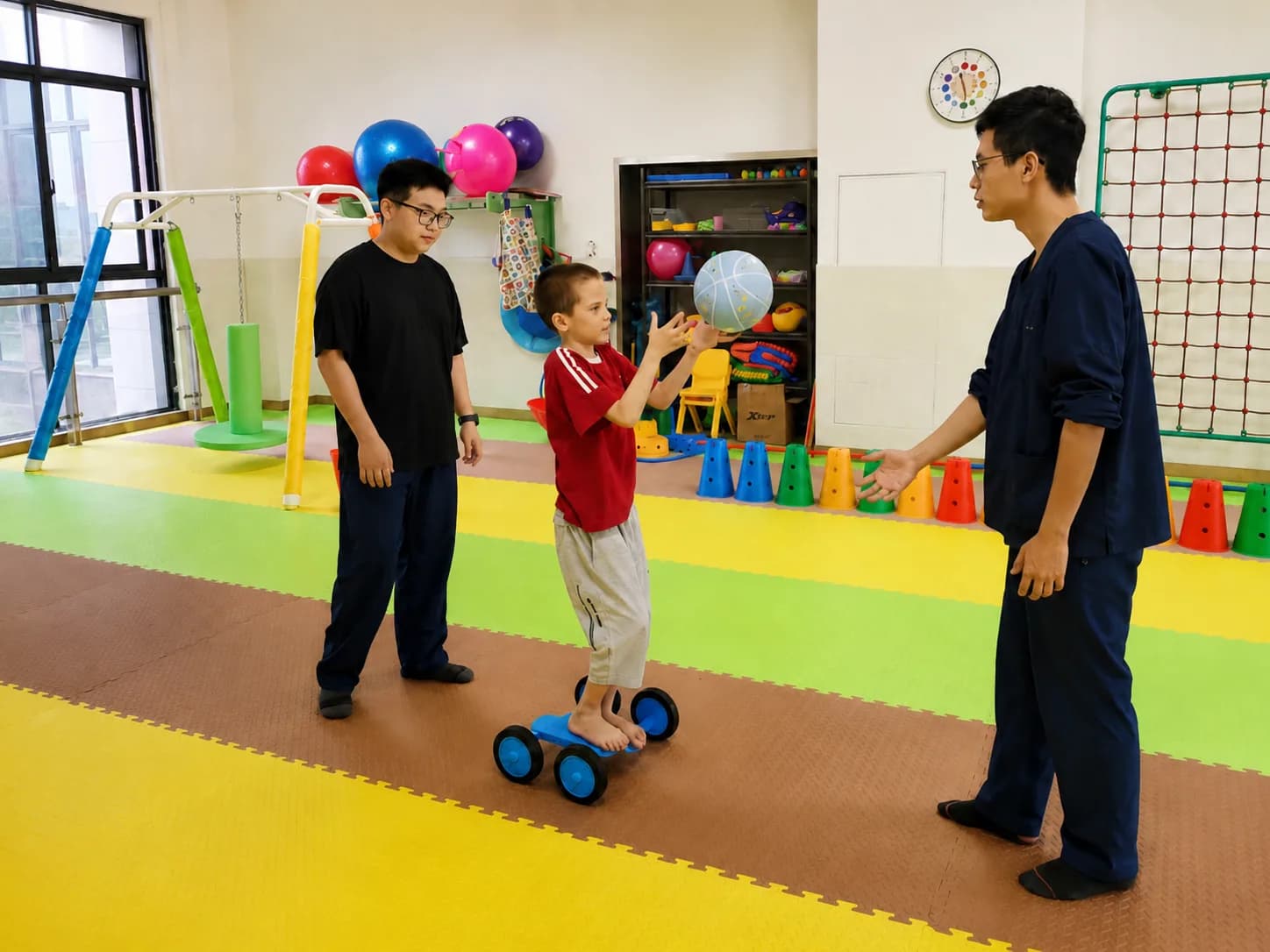
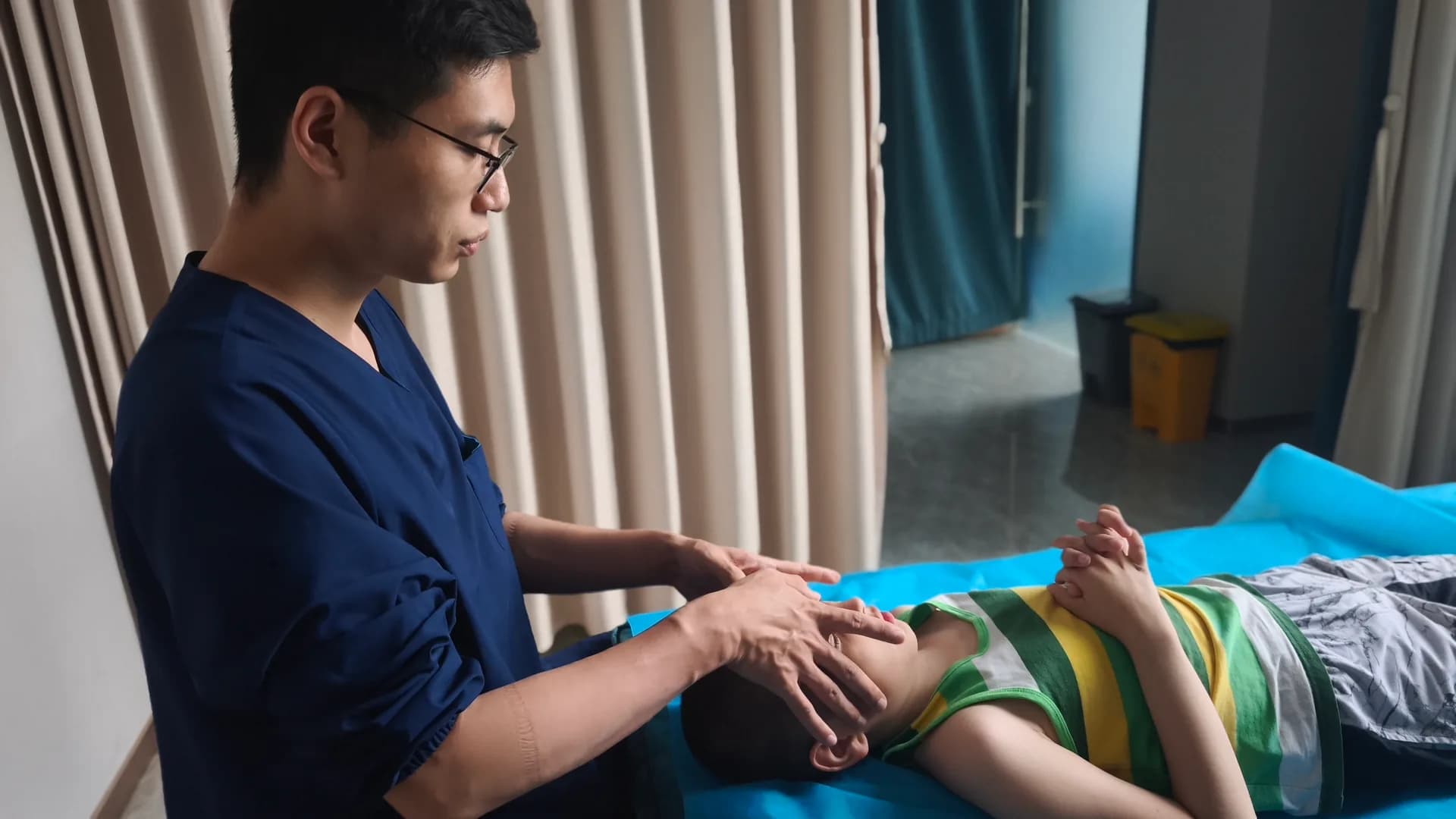
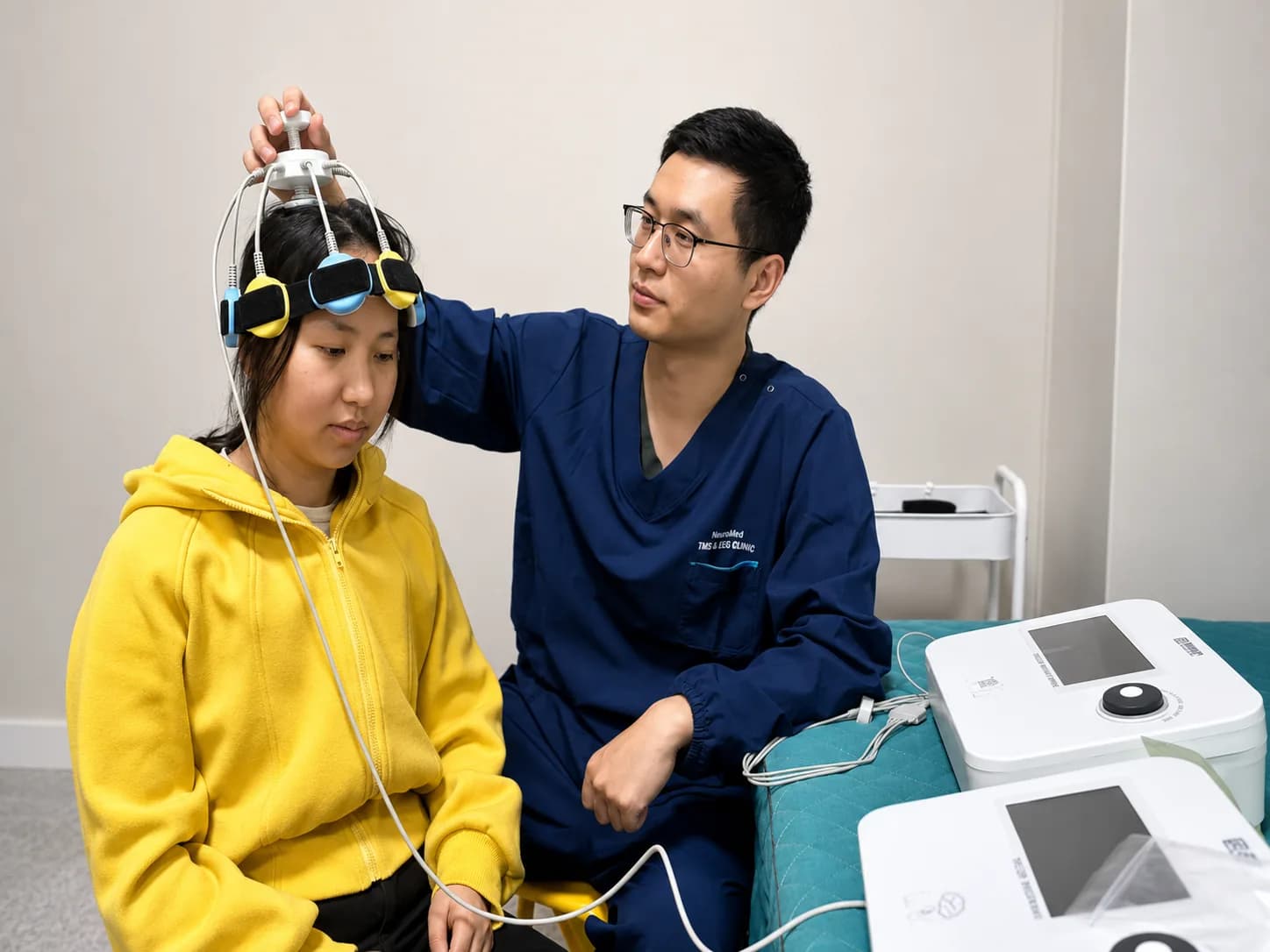
At the Hanshi NeuroLife International Rehabilitation Center (Shangrao), the ADHD program combines all of the center's key directions. TMS regulates the excitability of cortical neurons, which improves attention and concentration and reduces impulsivity. ABA structures skill-building and reduces problem behavior through positive reinforcement and data-driven progress tracking. TEACCH creates a predictable, visually structured environment — critical for children with ADHD, who struggle with chaotic surroundings. Sensory integration addresses the sensory foundation for activity regulation. Pediatric acupuncture and Tui Na massage complement the program by harmonizing Qi and regulating sleep and emotions. In severe cases that significantly affect learning, medication support may be considered — strictly per the physician's decision, with regular reassessment.
What parents should know
ADHD is not "bad upbringing" or "personality." It has a biological basis and requires systematic work — at the center and at home. Specialists teach parents how to structure the environment and support attention and activity regulation in everyday situations. Regular reassessment shows progress on each component and allows the program to be adjusted.
Causes
ADHD is a neurodevelopmental disorder with a biological basis: genetic predisposition and perinatal CNS injury. It commonly co-occurs in children with ASD.
Symptoms
Three core components: attention deficit (distractibility, losing things), hyperactivity (restlessness) and impulsivity (hasty actions, interrupting). The picture varies.
Diagnostics
Professional developmental and behavioral scales are used. We assess the severity of each component and its impact on learning and social adaptation.
Prognosis and treatment approach
Systematic work substantially improves learning, behavior and adaptation. The program combines TMS, ABA, TEACCH and sensory integration; in severe cases, medication per the physician's decision.
How we treat Hyperactivity (ADHD)
Diagnostics
Comprehensive examination and patient assessment by an international team of specialists
Treatment plan
Development of an individual rehabilitation program considering diagnosis specifics
Therapy
Intensive course of procedures: physical therapy, massage, physiotherapy, acupuncture and other methods
Results
Progress evaluation, home recommendations and maintenance therapy plan
Treatment procedures: Hyperactivity (ADHD)

Doctors treating this condition

















Frequently asked questions: Hyperactivity (ADHD)
Book a free consultation
Leave a short request — a coordinator will contact you within 5 minutes, answer your questions and suggest the first steps.