
Anxiety and Fear of Novelty
Also known as: Anxiety disorder, Fear of novelty, Social anxiety in children, Shyness
Program for childhood anxiety, fear of novelty, and pronounced shyness in children aged 1–14 years at the Hanshi NeuroLife center (Shangrao). A safe environment, gradual adaptation, and psychological support.
What is Anxiety and Fear of Novelty?
Anxiety and fear of novelty is a group of emotional presentations in which the child reacts painfully to change, unfamiliar surroundings, and new people. In some children, this manifests as pronounced shyness and social withdrawal; in others, as intense emotional reactions to any change in routine. Anxiety often has somatic manifestations: difficulty falling asleep, night waking, appetite disturbances, sometimes enuresis. Heightened anxiety is most often seen in ASD (fear of novelty as part of stereotyped and rigid behavior), in sensory integration disorder (sensory overload feels like a threat), in post-encephalopathy states, and in isolated anxiety presentations.
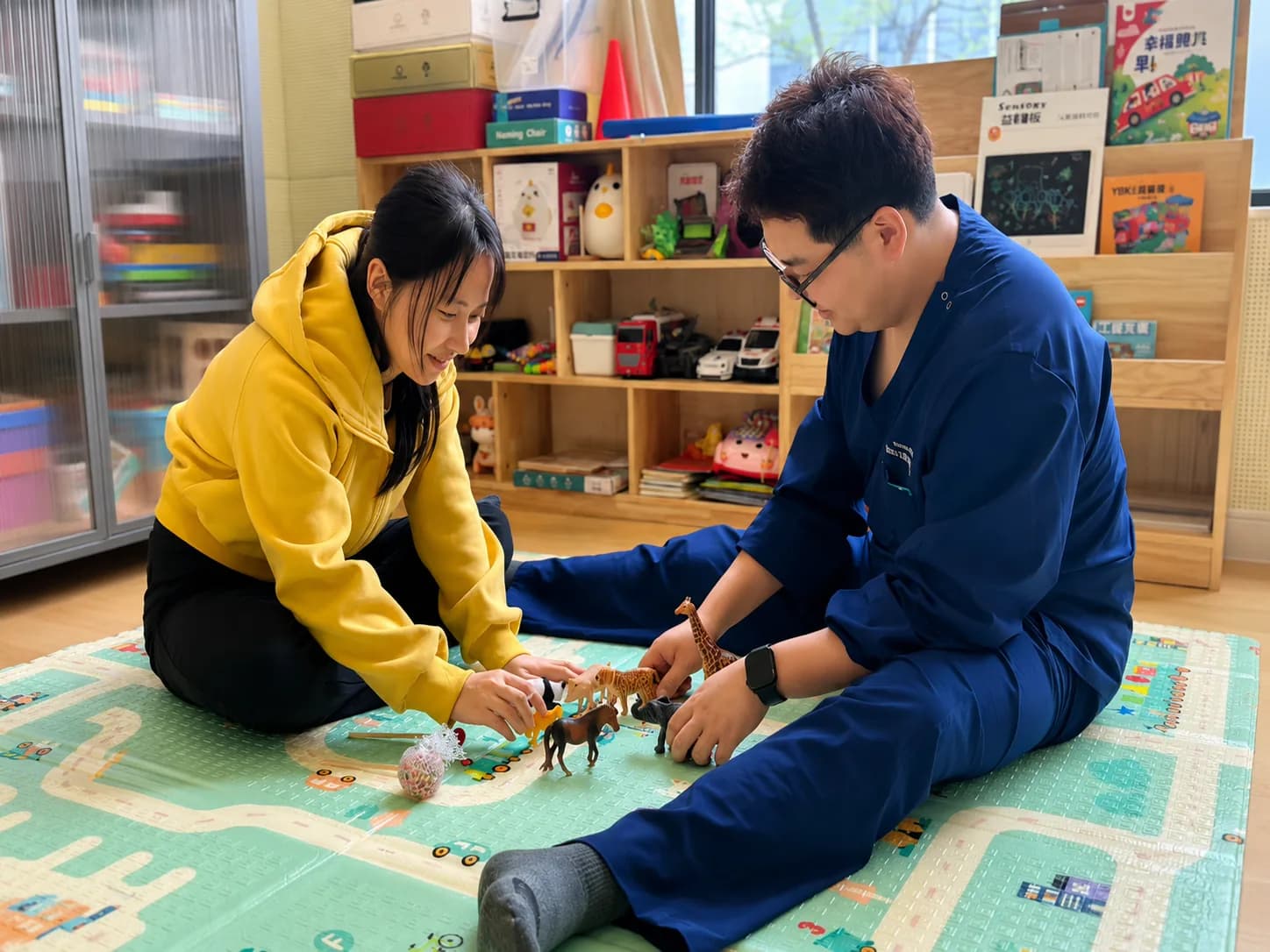
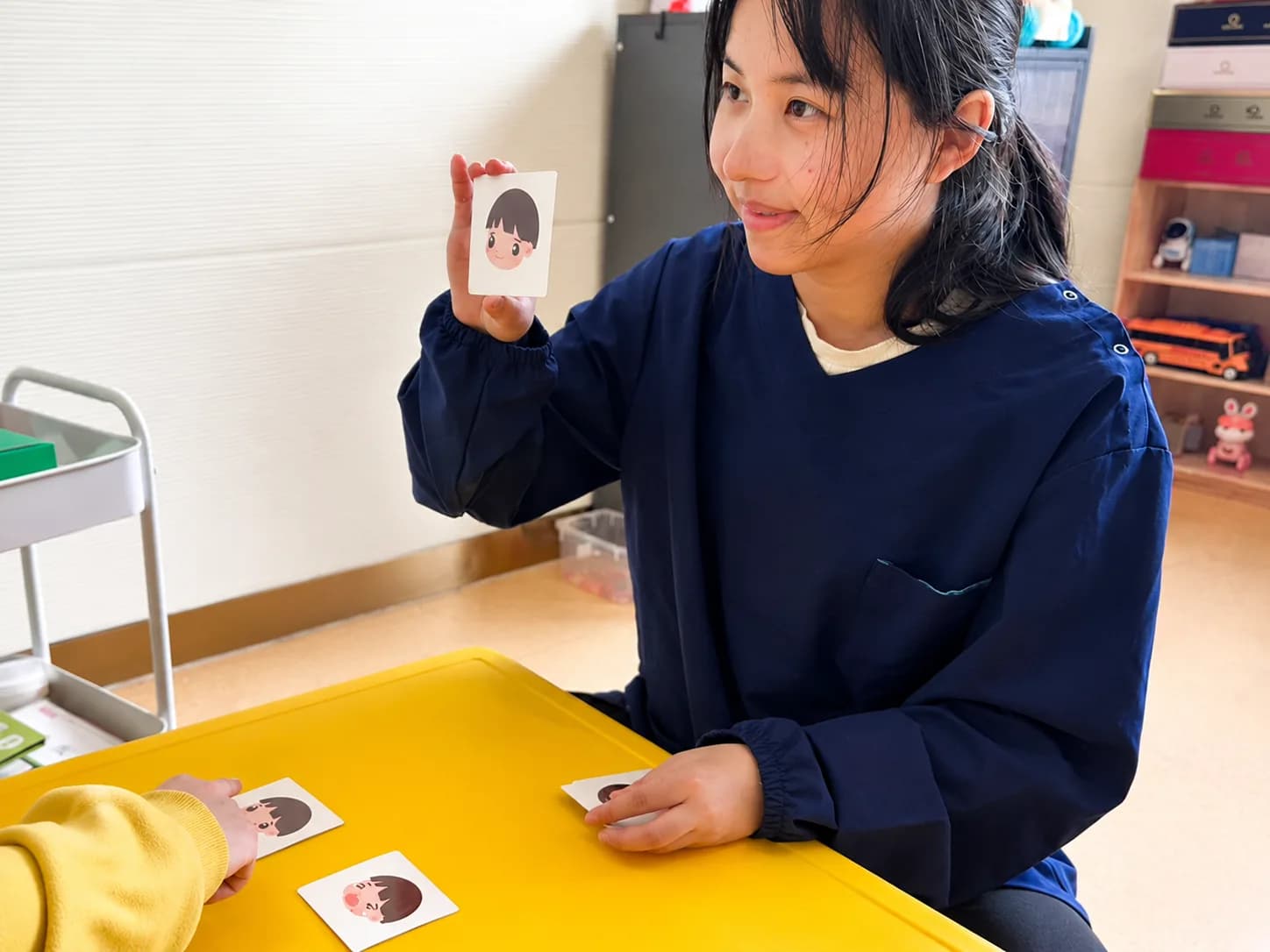
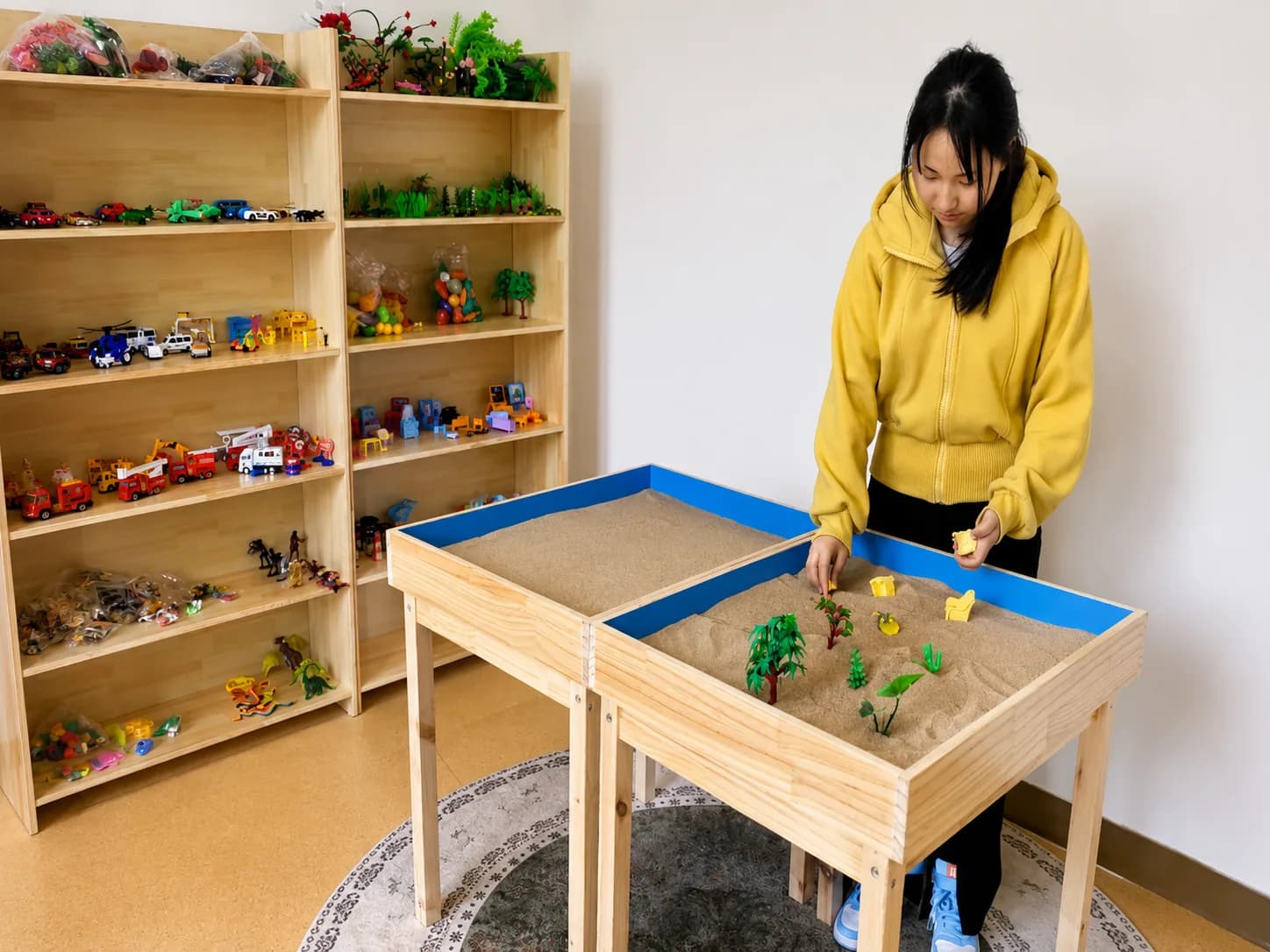
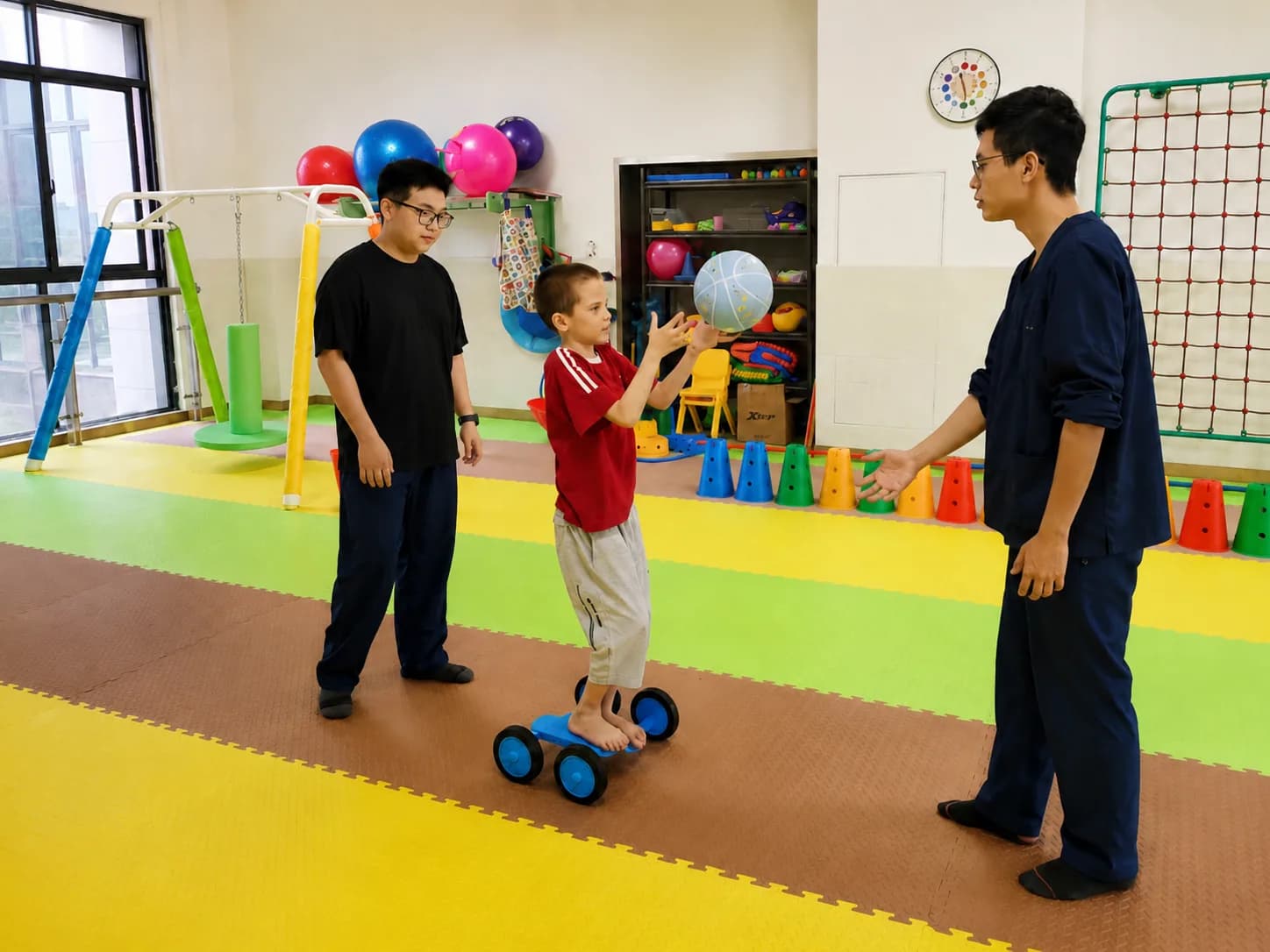
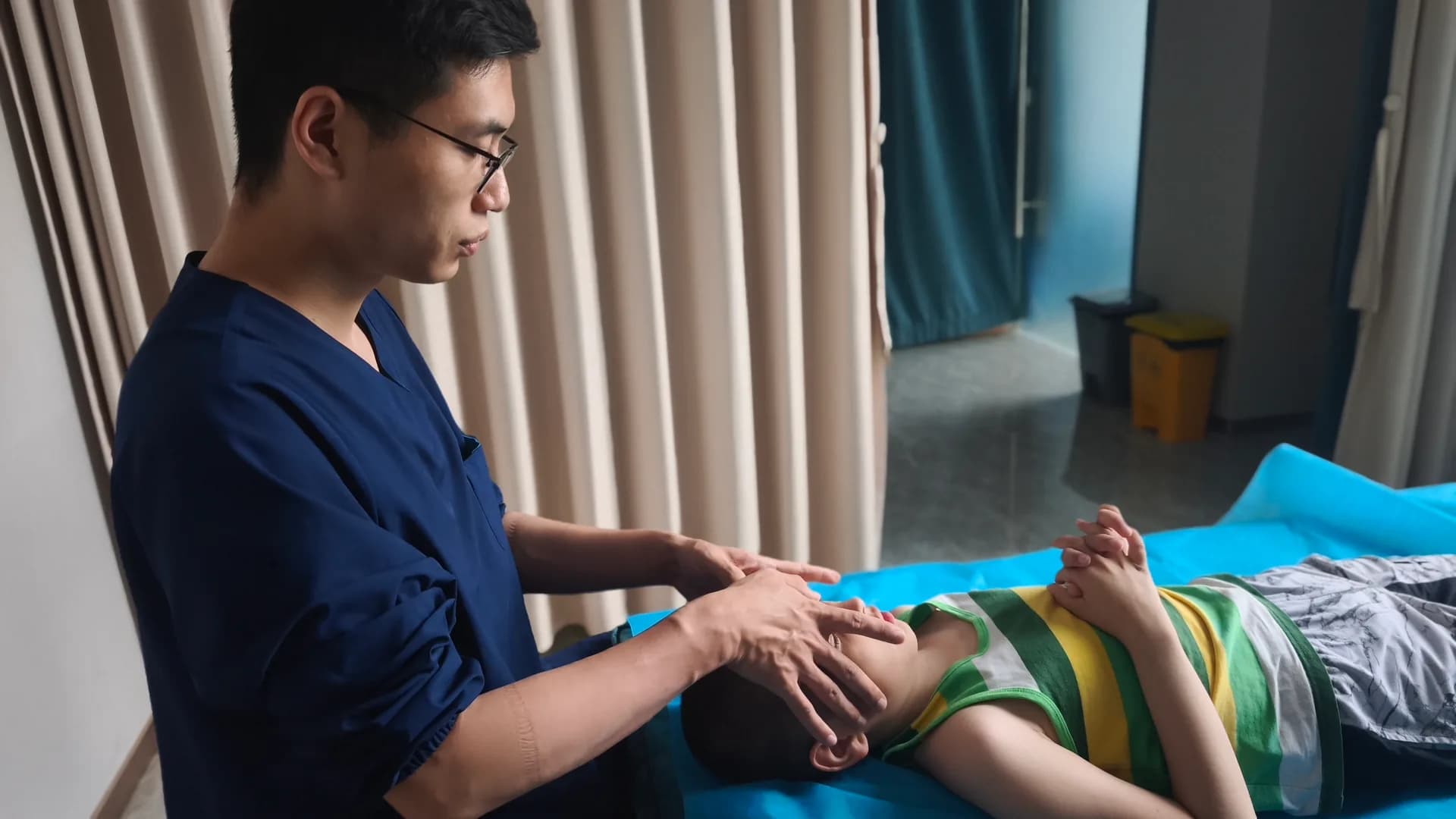
At Hanshi NeuroLife International Rehabilitation Center (Shangrao), the program for anxiety combines methods that build a safe, predictable space for the child and emotional regulation skills. TEACCH creates a predictable, visually structured environment with clear algorithms — for an anxious child, this means fewer "surprises" and less anxiety. Sandplay therapy offers a non-verbal, safe channel for expressing inner states — symbolic work with sand and figures relieves emotional tension and activates self-healing resources. Floortime relies on emotional connection and trust — the foundation for gradual entry into new situations. Orff music therapy creates a stress-free environment and multisensory stimulation. Sensory integration addresses sensory overload as one of the sources of anxiety. Pediatric acupuncture and Tui Na massage complement the program. In severe presentations, medication support is considered by physician's decision.
What matters for parents
An anxious child enters new situations gradually — the program respects the child's pace and does not force adaptation. Specialists train parents in techniques for supporting emotional regulation and structuring the environment in everyday situations. Regular reassessment shows expansion of the "comfort zone" and allows the program to be adjusted.
Causes
Childhood anxiety is most often seen in ASD (fear of novelty), sensory integration disorder (overload feels like a threat) and after encephalopathy; attachment and emotional regulation also play a role.
Symptoms
Fear of new settings, activities and strangers, social withdrawal and shyness, intense reactions to change; often trouble falling asleep, appetite disturbances, sometimes enuresis.
Diagnostics
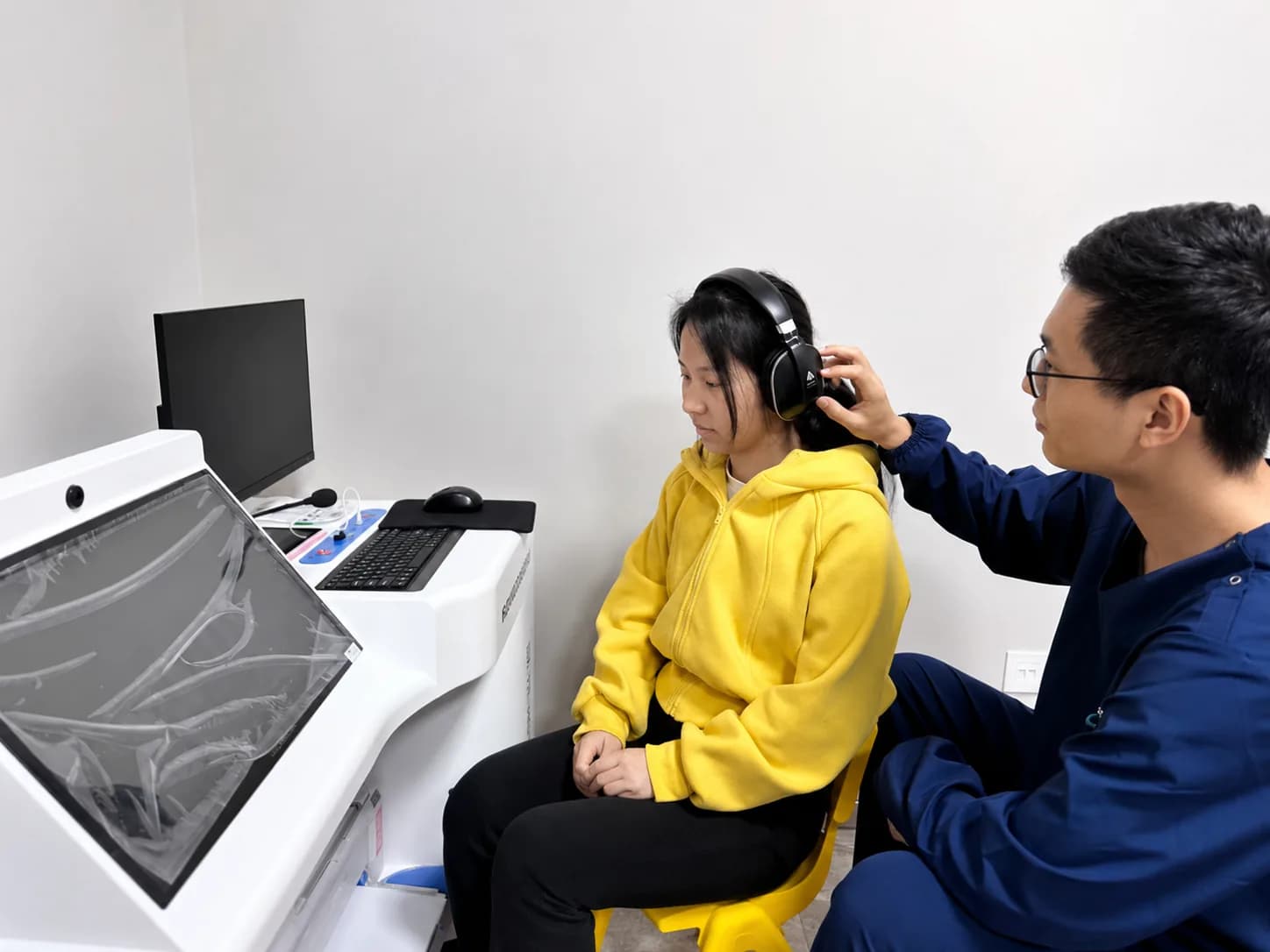
We use professional scales (PEP; in ASD — ABC and Shuangxi), sensory integration and emotional assessment. The key is whether anxiety stems from sensory overload, communication, or emotional regulation.
Prognosis and treatment approach
Systematic work substantially reduces anxiety and expands the child's comfort zone. The program combines TEACCH, sandplay, Floortime, Orff music and TCM; in severe cases — medication support.
How we treat Anxiety and Fear of Novelty
Diagnostics
Comprehensive examination and patient assessment by an international team of specialists
Treatment plan
Development of an individual rehabilitation program considering diagnosis specifics
Therapy
Intensive course of procedures: physical therapy, massage, physiotherapy, acupuncture and other methods
Results
Progress evaluation, home recommendations and maintenance therapy plan
Treatment procedures: Anxiety and Fear of Novelty

Doctors treating this condition















Frequently asked questions: Anxiety and Fear of Novelty
Book a free consultation
Leave a short request — a coordinator will contact you within 5 minutes, answer your questions and suggest the first steps.