
Lack of Joint Attention
Also known as: Joint attention deficit, No "shared attention", Absence of shared focus
Program for children aged 1–14 years with lack of joint attention at the Hanshi NeuroLife center (Shangrao). Play-based work: Floortime, PCI, developmental games, ABA, Orff music therapy.
What is Lack of Joint Attention?
Joint attention is the child's ability to focus, together with an adult (or another child), on the same object or event. It sounds simple, but it is the foundational building block of social communication, without which the development of speech, understanding, empathy, and social skills is impaired. When joint attention is absent, the child does not follow with their gaze where the adult points, does not show "look!" (no pointing gesture), does not draw the adult's attention to what interests them, and does not share an emotional reaction. Absence of joint attention is a typical early sign of ASD: at 18 months, the absence of pointing is a reason to urgently consult a specialist.
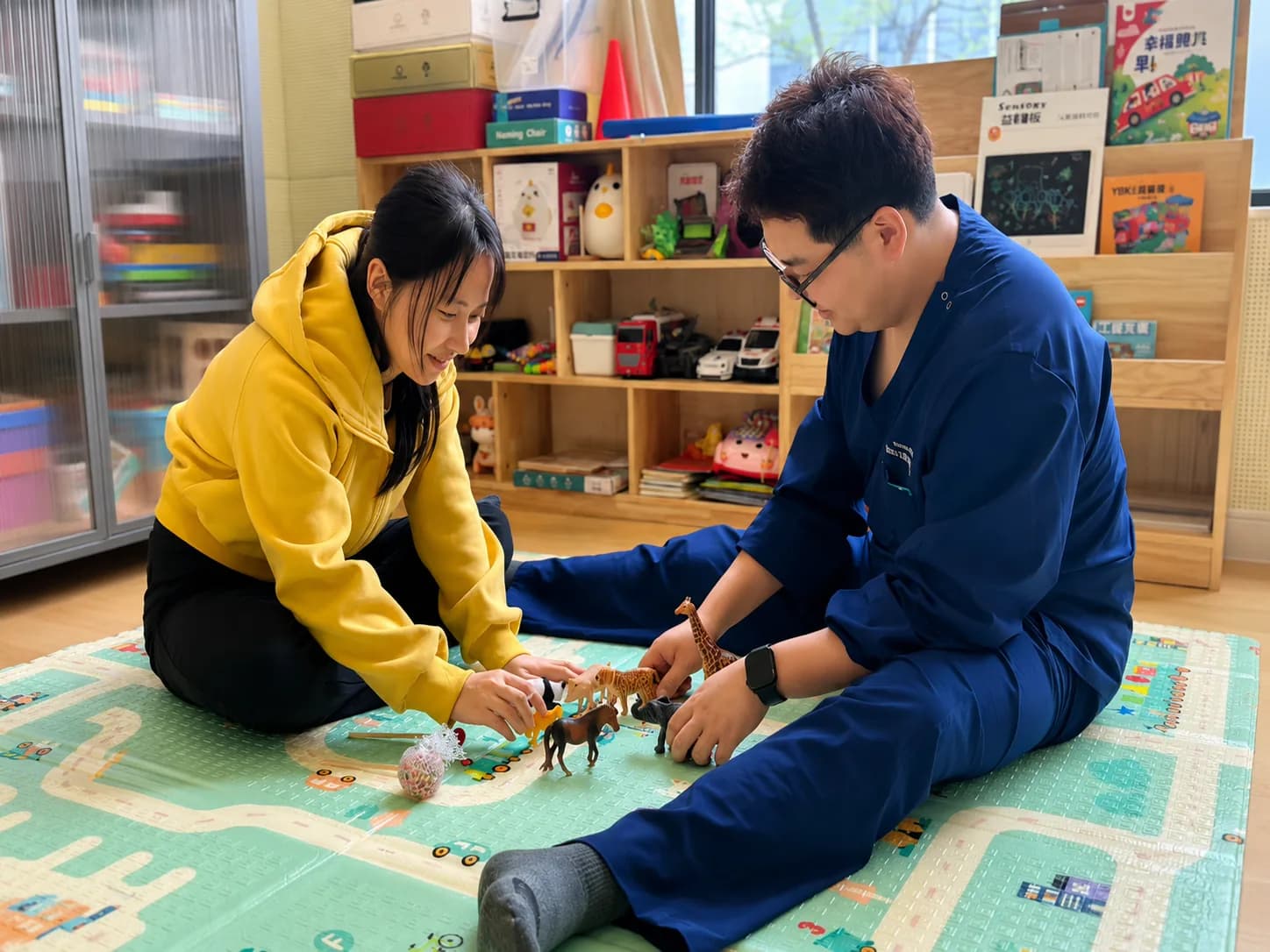
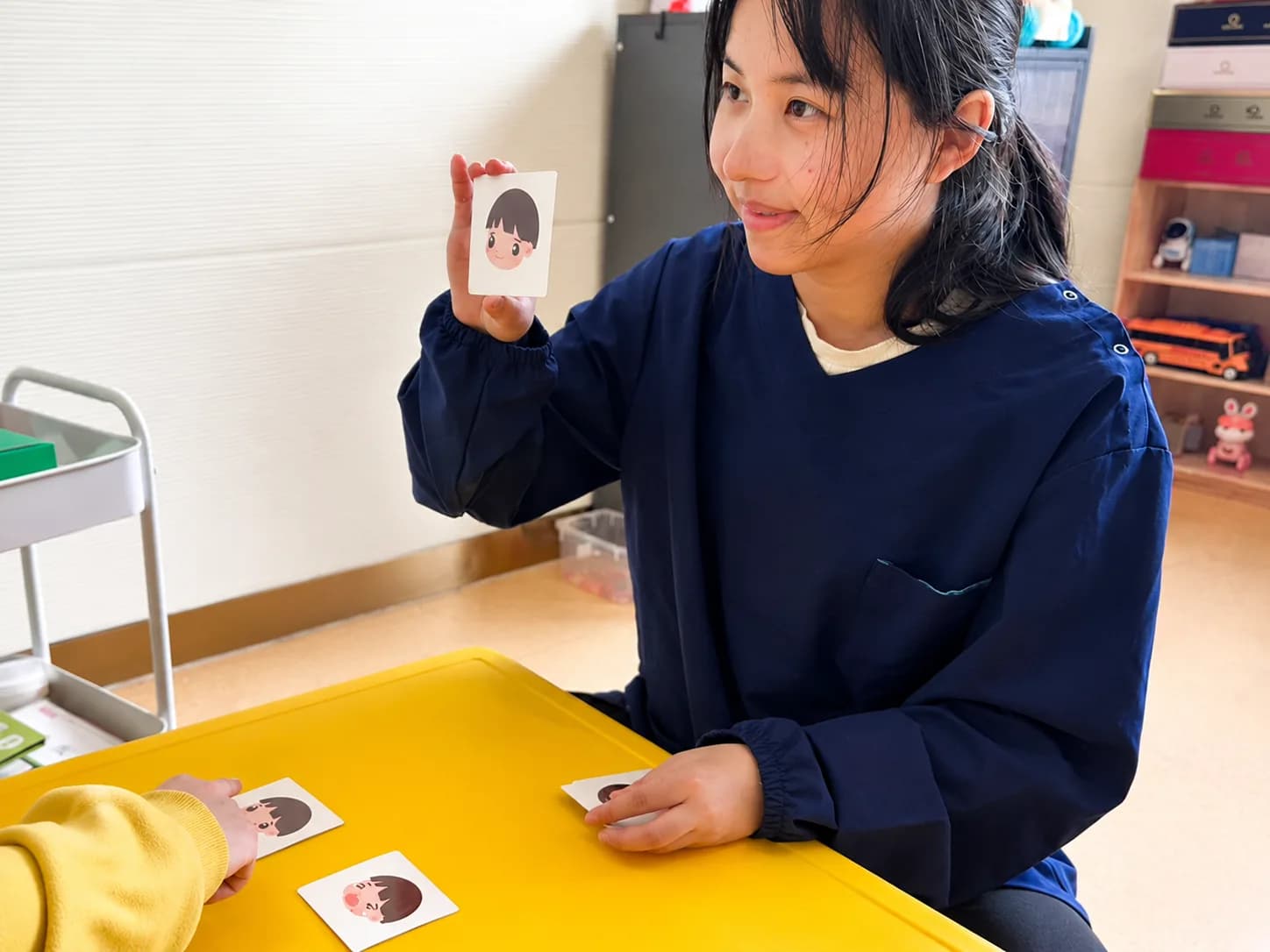
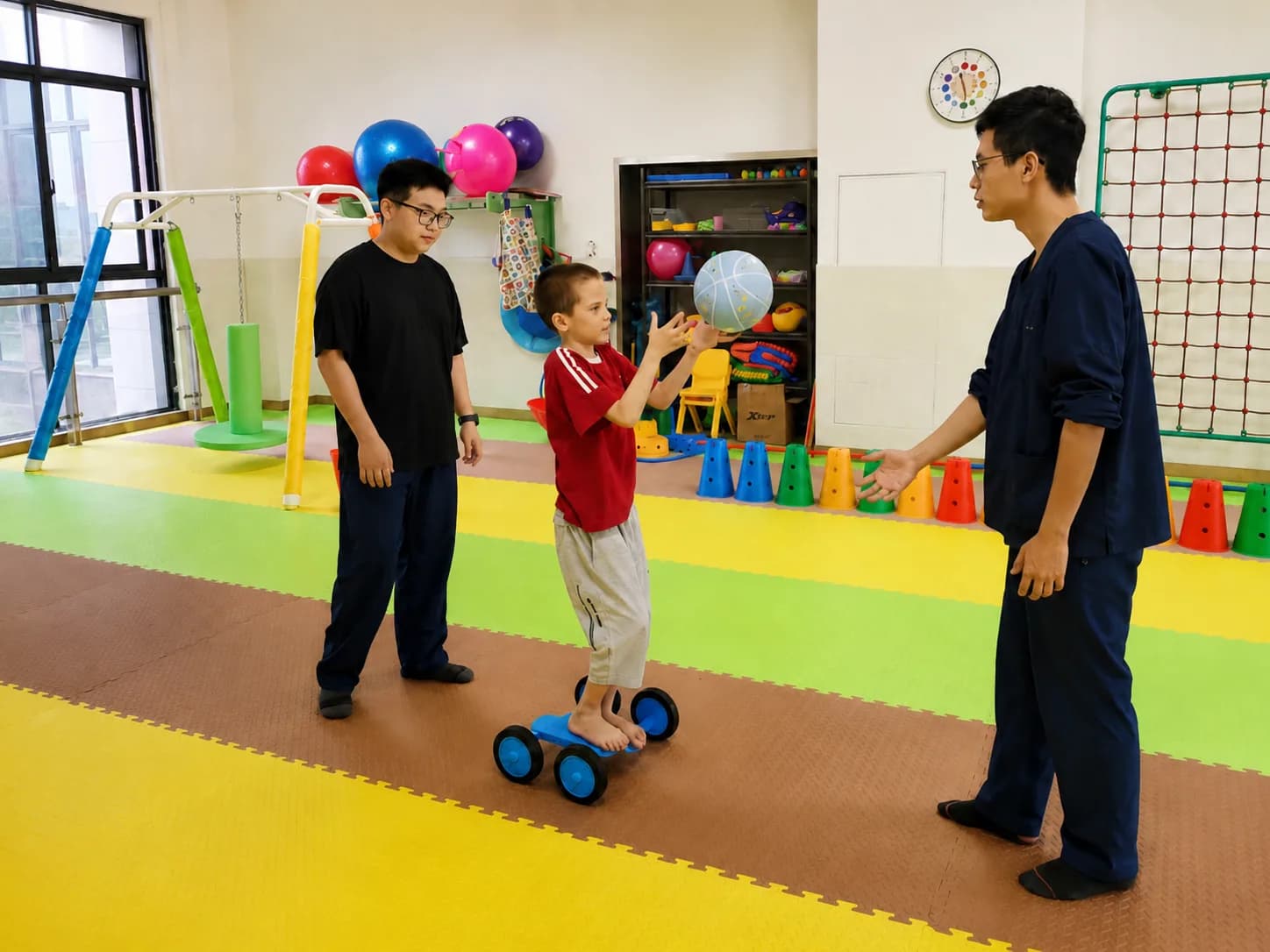
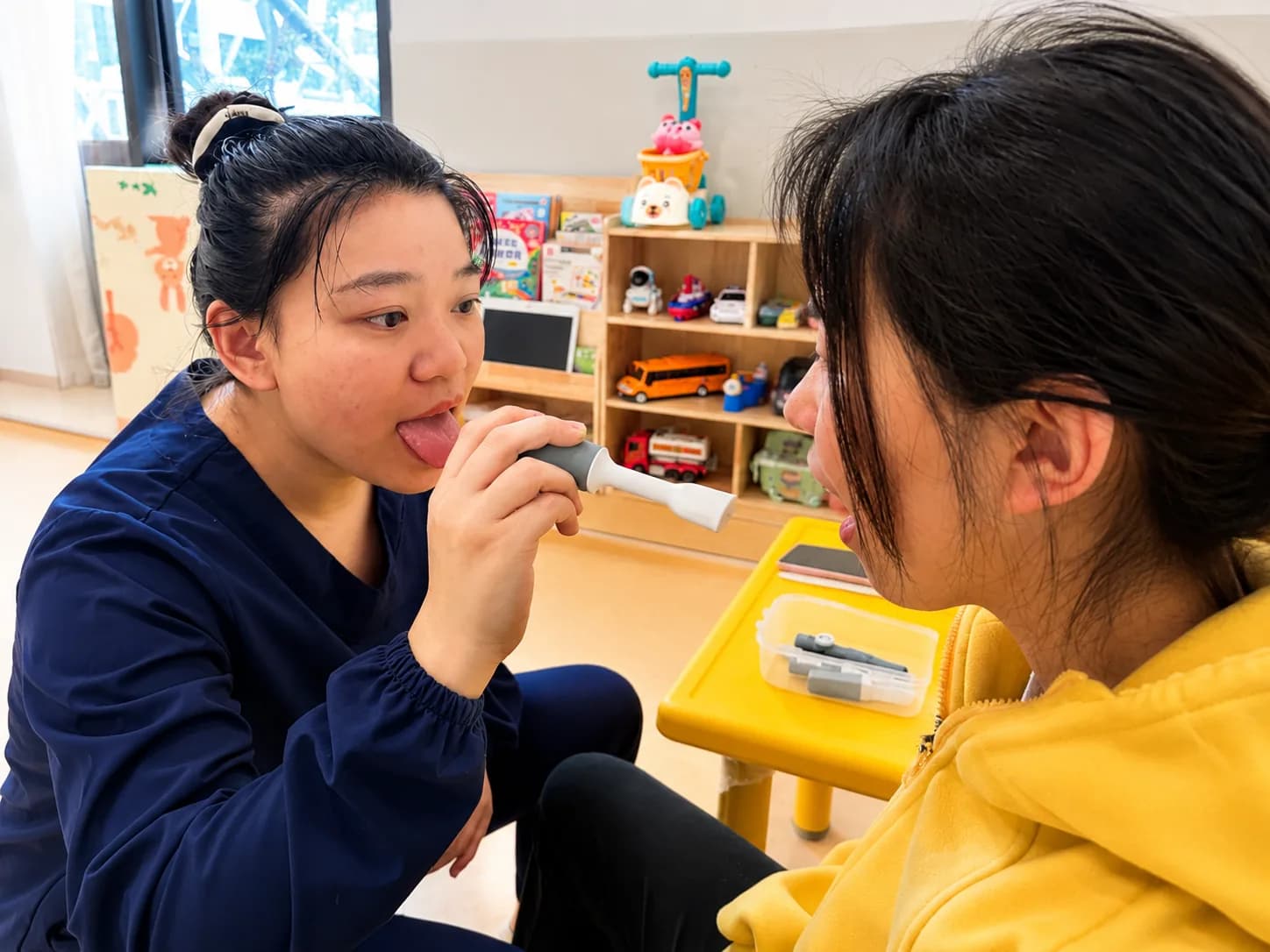
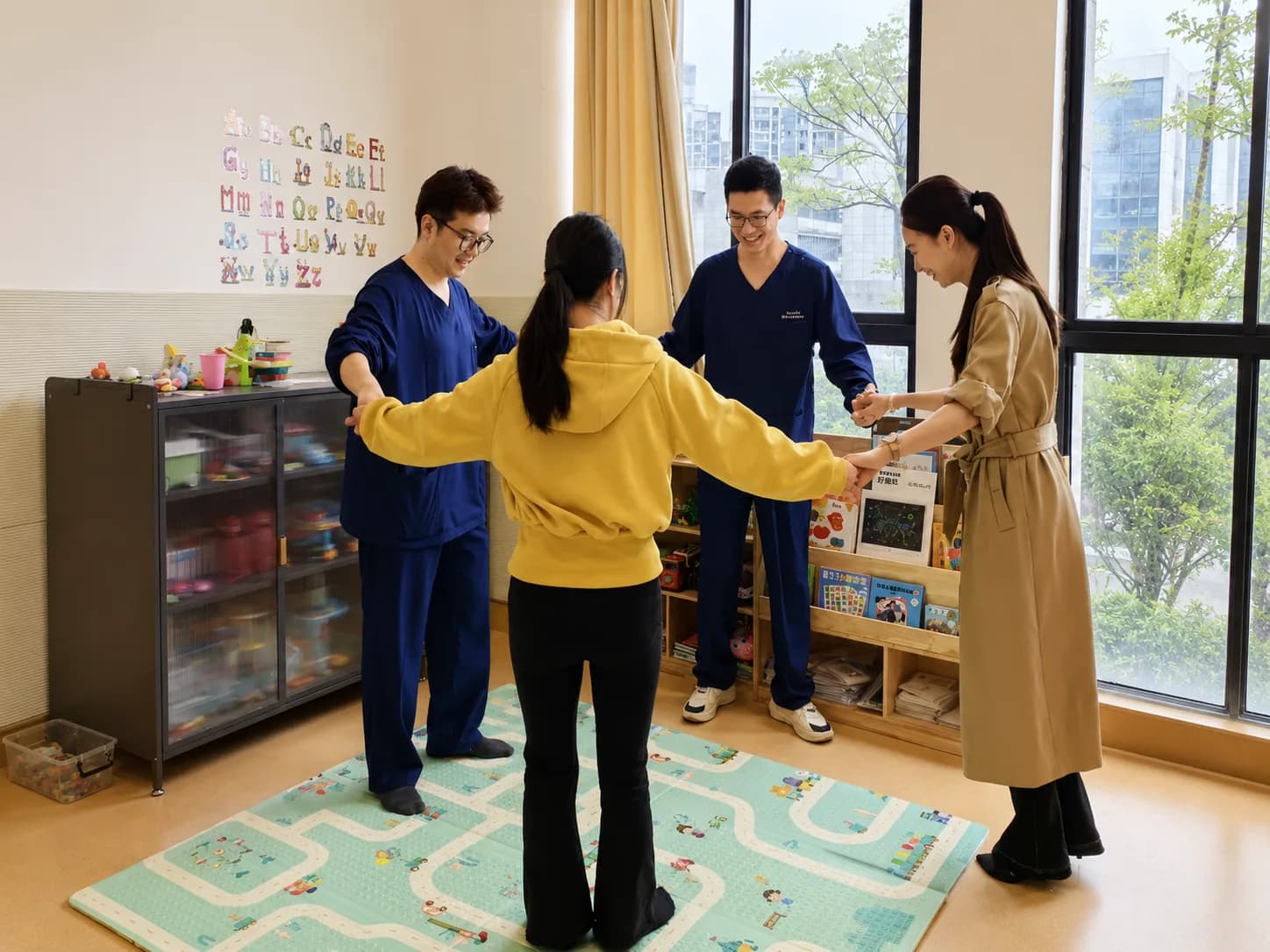
At Hanshi NeuroLife International Rehabilitation Center (Shangrao), the joint-attention program is built in a play-based, natural format. The core method is Floortime: "follow the child's play" — the adult joins the child's interest, and through this shared play, shared attention gradually emerges. PCI provides play situations in real everyday scenarios. ABA systematically reinforces the skill through positive reinforcement and tracks progress. Developmental games offer multisensory narrative activities that motivate joint engagement. Orff music therapy, through rhythm and joint music-making, creates a natural situation of shared attention. When indicated — TCM methods and biomedical support are added.
What matters for parents
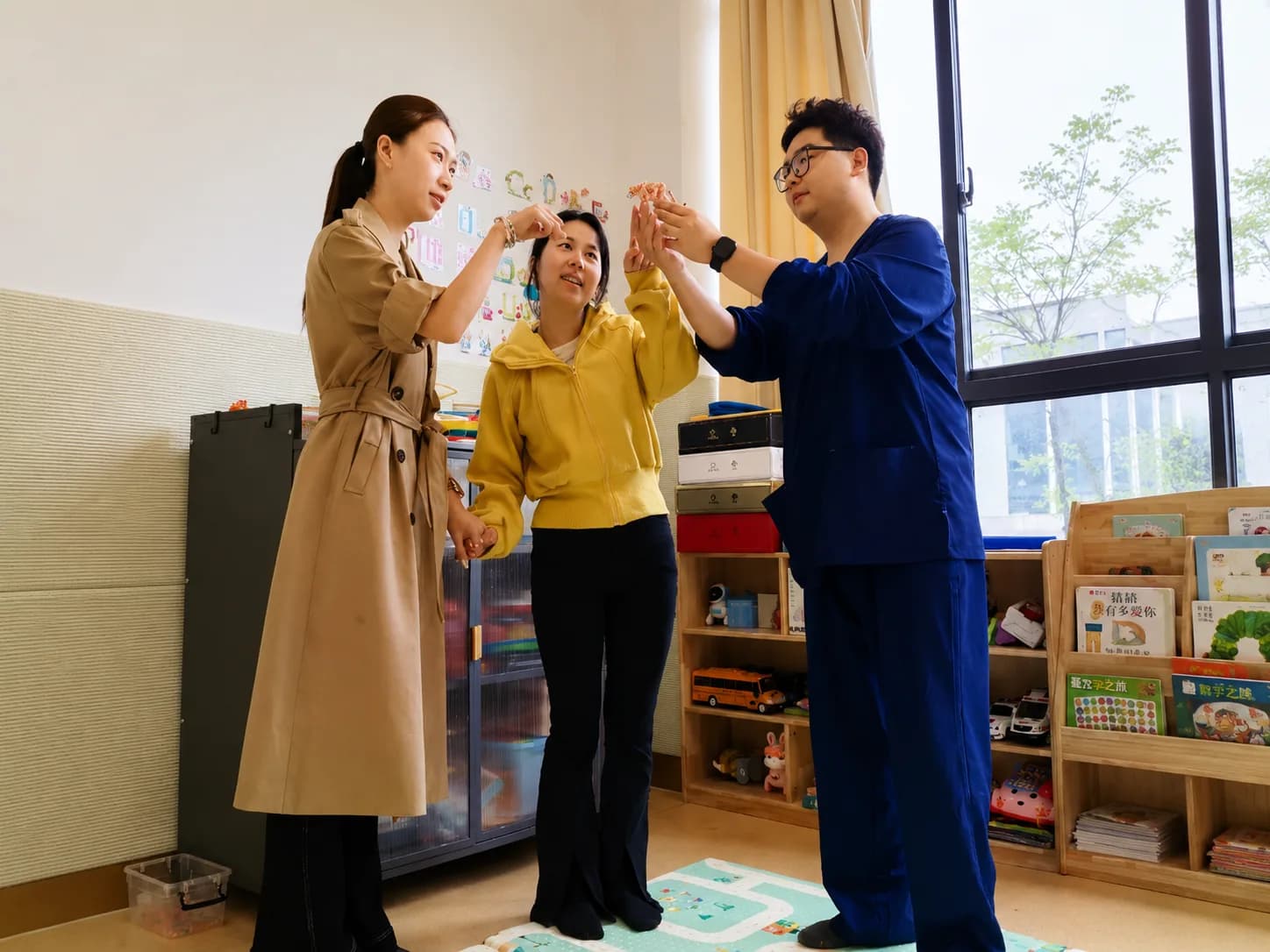
Joint attention is foundational: speech, empathy, and social skills grow from it. Work on it brings improvements not only in the skill itself but across the whole spectrum of communication. Family follow-through is essential: specialists train parents in techniques for supporting joint attention in everyday situations — how to join the child's interest, how to use pointing gestures, how to structure shared play.
Causes
Joint attention is the child's ability to focus together with an adult on the same object — a foundational block of social communication. Its absence is a typical early sign of ASD and significant developmental delay.
Symptoms
The child does not follow the adult's pointing, does not point ('look!'), and does not share what interests them. No pointing gesture at 18 months is a reason to see a specialist.
Diagnostics
We use professional scales (PEP, ABC, Shuangxi, Gesell) and social-communication assessment: response to pointing, the child's own pointing, and the capacity to share attention.
Prognosis and treatment approach
Joint attention responds well to play-based work: Floortime, PCI, ABA, developmental games. It becomes the foundation for speech and social skills.
How we treat Lack of Joint Attention
Diagnostics
Comprehensive examination and patient assessment by an international team of specialists
Treatment plan
Development of an individual rehabilitation program considering diagnosis specifics
Therapy
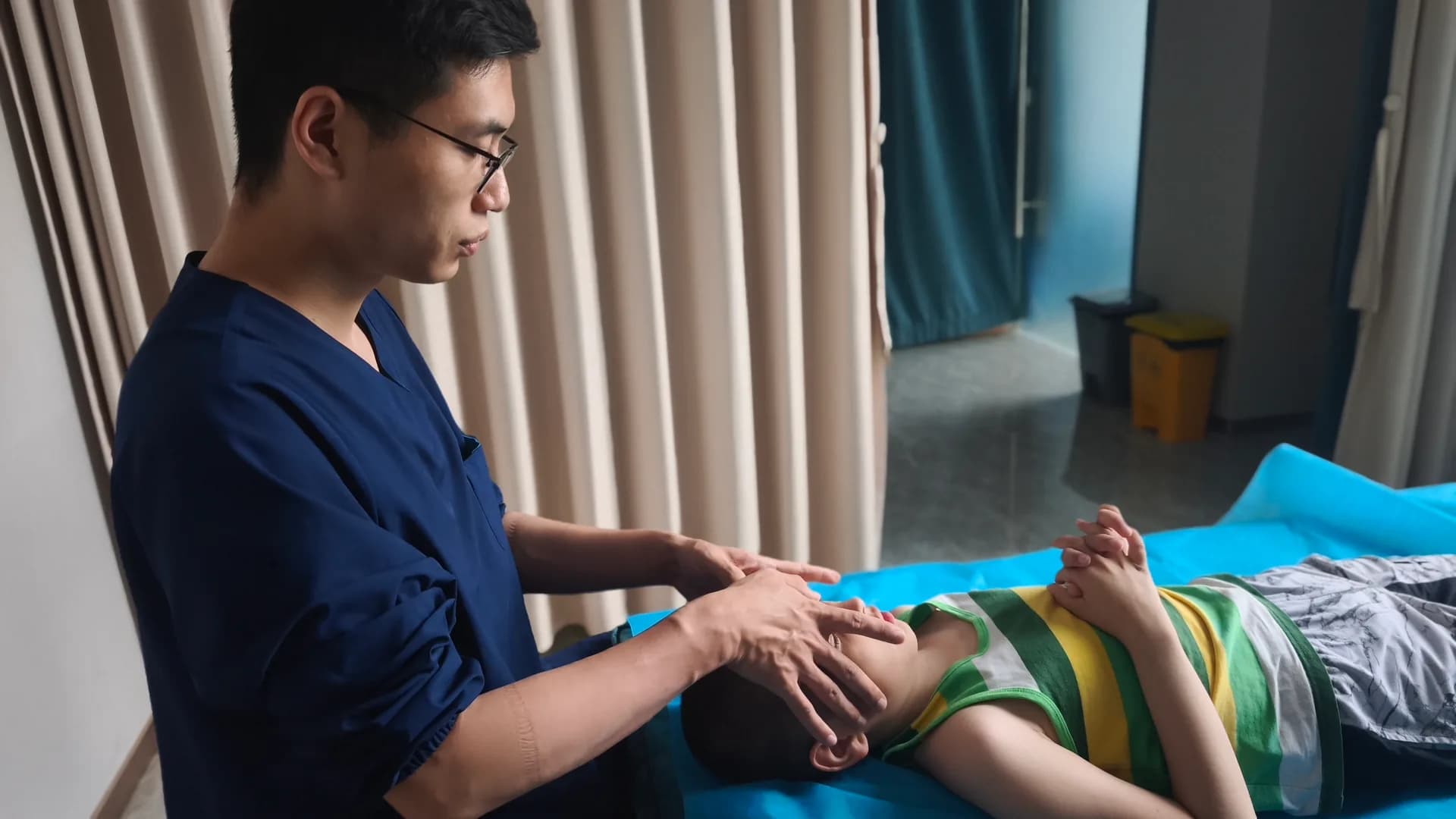
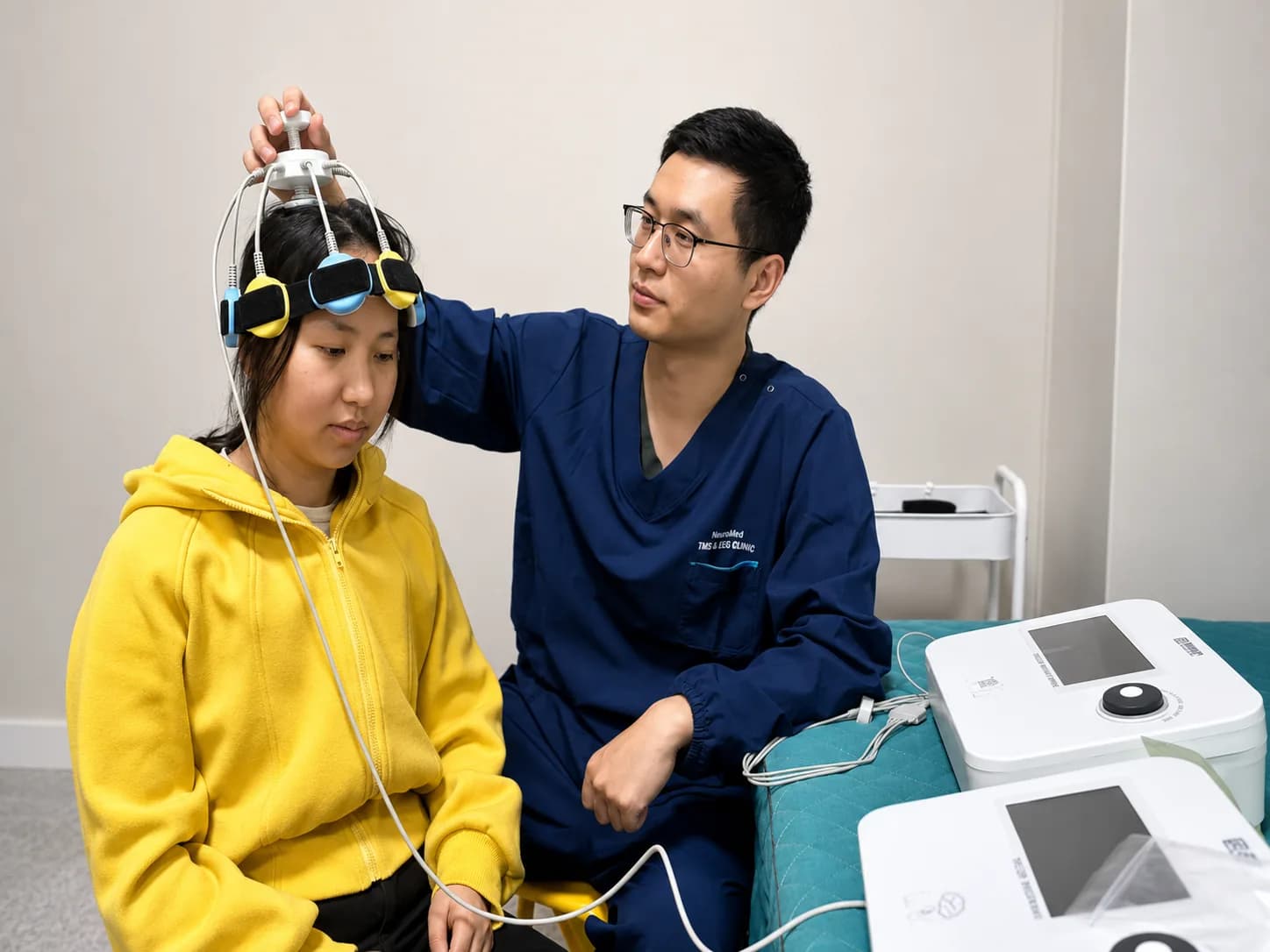
Intensive course of procedures: physical therapy, massage, physiotherapy, acupuncture and other methods
Results
Progress evaluation, home recommendations and maintenance therapy plan
Treatment procedures: Lack of Joint Attention

Doctors treating this condition















Frequently asked questions: Lack of Joint Attention
Book a free consultation
Leave a short request — a coordinator will contact you within 5 minutes, answer your questions and suggest the first steps.