H&B Neurolife
Treatment in Shangrao

Echolalia

CodeEcholalia

Also known as: Echoed speech, Echolalic speech, Repetition of heard content

Pediatric echolalia program at H&B Neurolife (Shangrao) for children aged 1-14. Transition from echoed speech to functional communication through speech therapy, ABA, auditory integration, and play-based methods (PCI, Floortime).

1–3 months
course
Fill out the form
About the condition

What is Echolalia?

Echolalia is echoed speech: the child repeats heard words, phrases, or whole lines from cartoons and adult speech, but without communicative intent. Echolalia can be immediate (right after hearing) or delayed (hours and days later). It is often accompanied by pronoun confusion and inversions. Echolalia is most characteristic of children with ASD — it is a typical manifestation of the communicative deficit, an attempt to acquire speech through imitation without transition to functional use.

At H&B Neurolife International Rehabilitation Center (Shangrao), the echolalia program does not "prohibit" it — on the contrary, it uses echolalia as a bridge to functional speech. The task is to gradually build out the functional component: linking heard constructions to real situations and communicative goals. Speech therapy works with functional constructions ("I want...", "give me...", "help me..."). ABA systematically teaches dialogue skills and tracks progress in data. Tomatis auditory integration modulates the auditory system in children with processing features. PCI and Floortime create play-based motivation for communication — the child "wants to talk with a person", not to repeat what was heard. Theory of Mind at advanced stages teaches the child to read the interlocutor's intentions.

What parents should know

Echolalia is a stage in acquiring speech, and working with it requires patience. Regular reassessment with the S-S Method and other scales shows the ratio of echolalia to functional speech over time. Home rehabilitation (at least 1 hour per day) is a mandatory part of the course; parents are taught how to support functional speech in everyday situations.

Causes

Echolalia is most often a manifestation of ASD, and less commonly occurs with speech delay. In essence it is an attempt to acquire speech through imitation, without transition to functional use.

Symptoms

The child repeats words and phrases from cartoons and adult speech without communicative intent. It can be immediate or delayed, often with pronoun confusion.

Assessment

We use the S-S Method, and with ASD the ABC, Shuangxi and Gesell scales. We assess the ratio of echolalia to functional speech, comprehension and motivation for dialogue.

Prognosis and treatment approach

With systemic work most children transition from echolalia to functional speech. The program combines speech therapy, ABA, Tomatis auditory integration and play-based methods (PCI, Floortime).

Our approach

How we treat Echolalia

01

Diagnostics

Comprehensive examination and patient assessment by an international team of specialists

02

Treatment plan

Development of an individual rehabilitation program considering diagnosis specifics

03

Therapy

Intensive course of procedures: physical therapy, massage, physiotherapy, acupuncture and other methods

04

Results

Progress evaluation, home recommendations and maintenance therapy plan

Treatment methods

Treatment procedures: Echolalia

AB

ABA — Applied Behavior Analysis

Behavioral therapy built on positive reinforcement: individualized programs, small-step learning, data-tracked progress, and active family involvement.

30–45 minutes
1–3 months
Learn more
Au

Autism Behavior Checklist (ABC)

International screening scale assessing the severity of ASD features across multiple domains — the foundation for a targeted program and progress tracking.

30–60 minutes
single session
Learn more
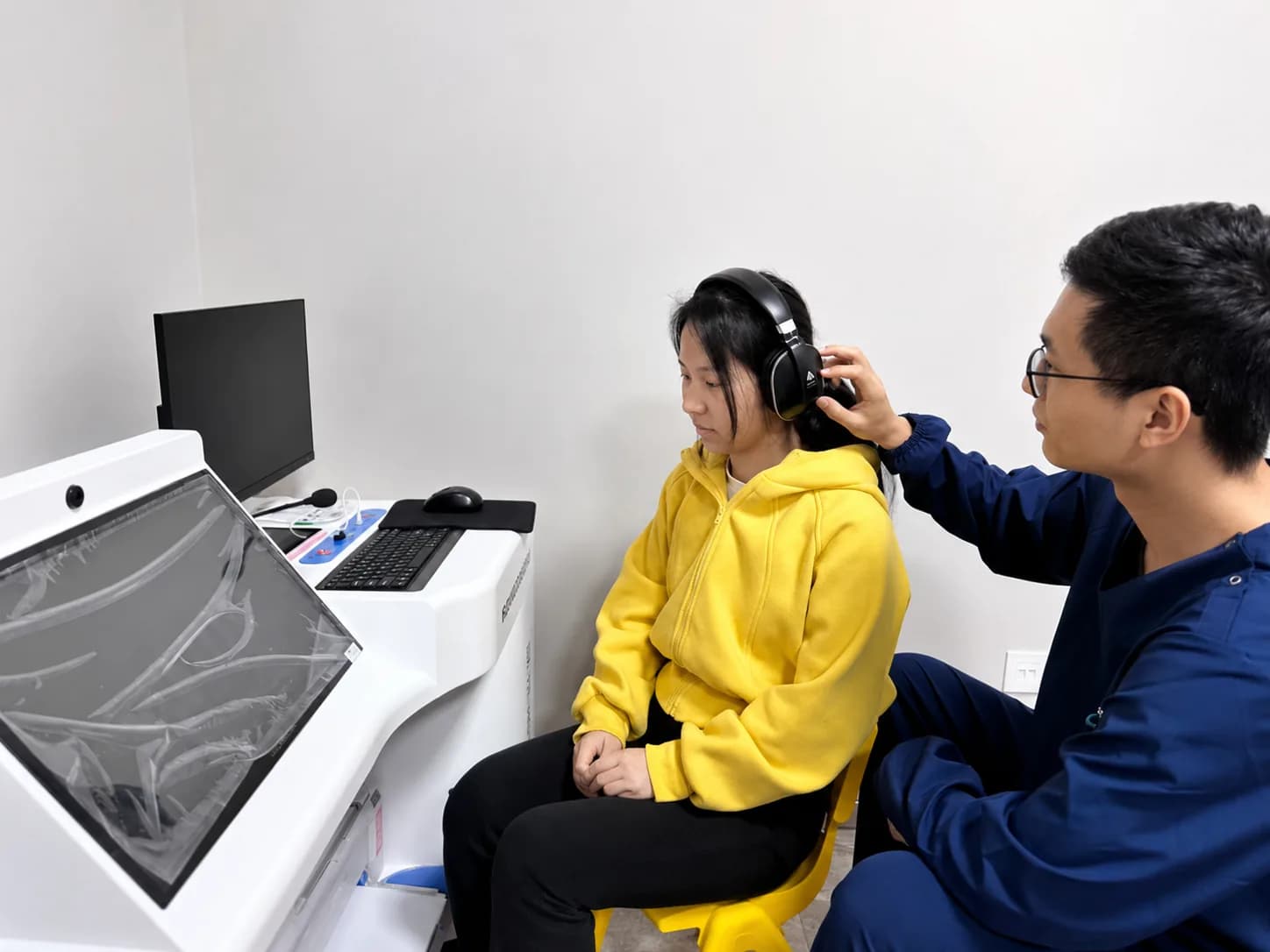
A child in headphones undergoes an auditory integration session (Tomatis / AIT) supervised by a specialist

Auditory Integration (Tomatis / AIT)

Digital audio-signal filtering to regulate the auditory system — passive, painless therapy for children with ASD, speech delay, and auditory hypersensitivity.

30 minutes
10–20 sessions
Learn more
Co

Cognitive training (认知理解)

A foundational course for the cognitive base: attention, observation, comprehension, logic, and core concepts — the bedrock for speech, socialization, and learning.

30–45 minutes
1–3 months
Learn more
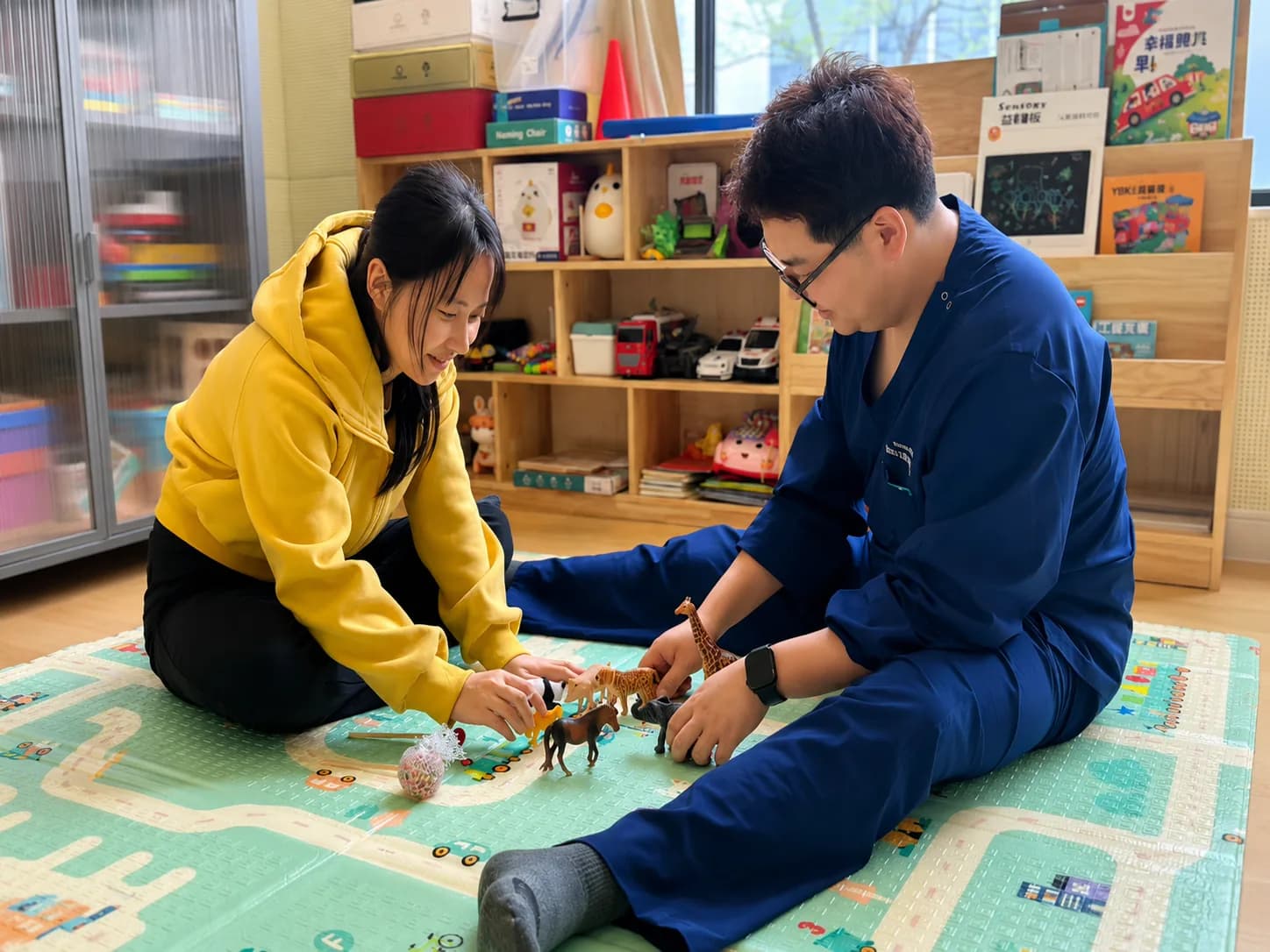
An H&B Neurolife specialist plays with a child using figurines on a floor mat during a DIR/Floortime session

DIR/Floortime

DIR/Floortime: child at the center, interest as the compass, emotional connection as the foundation. One-on-one format in a safe and joyful environment.

30–45 minutes
1–3 months
Learn more
Ge

Gesell Developmental Scale

Classic multidimensional assessment of early child development: motor function, adaptive skills, language, and personal-social domain.

30–60 minutes
single session
Learn more
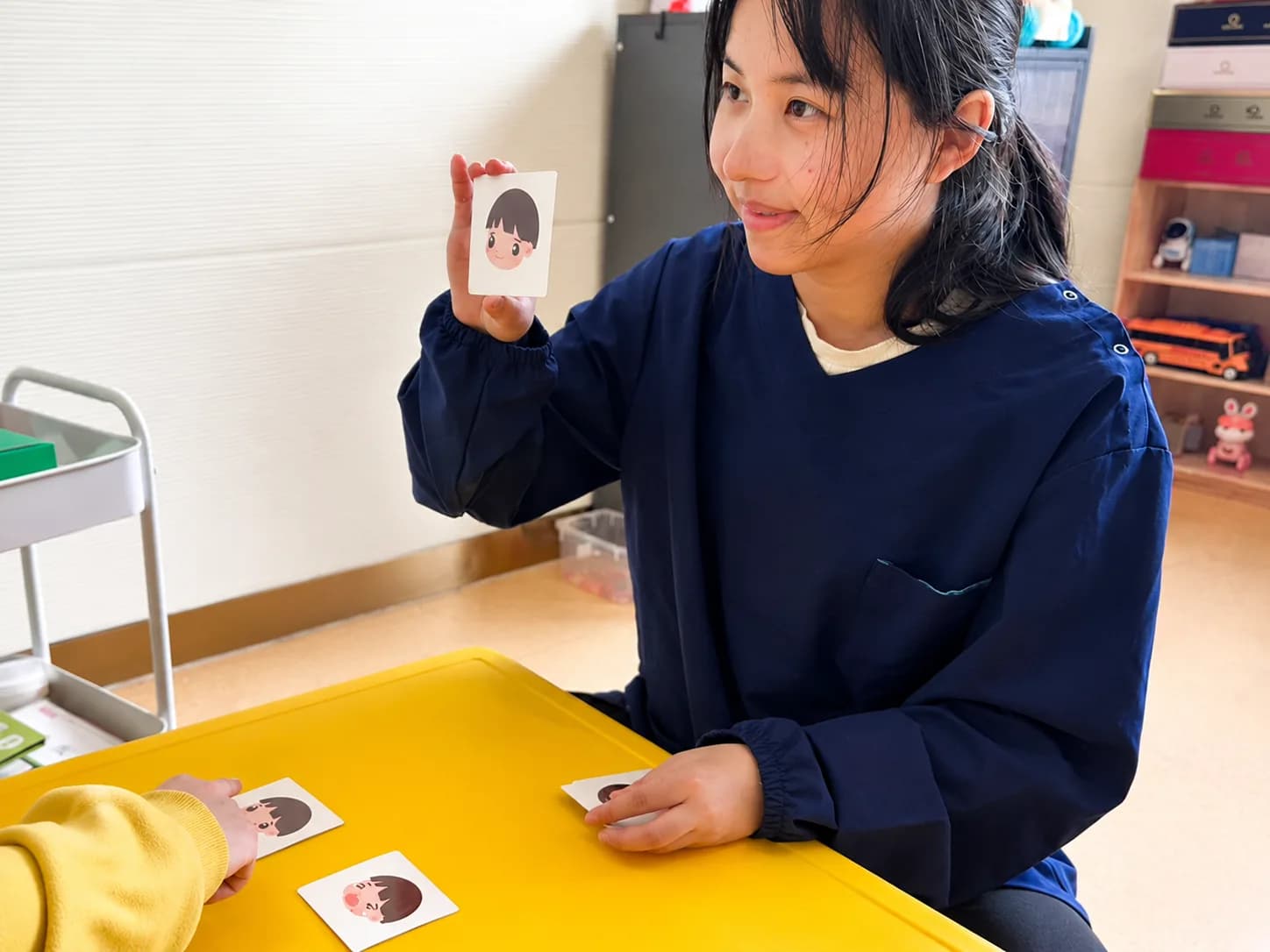
An H&B Neurolife specialist shows a flashcard to a child during a one-on-one session

Individual 1:1 sessions (个别化训练)

Foundational format for targeted work — 'one child, one program': an individually tailored integration of ABA, sensory integration, speech, and social work.

30–45 minutes
1–3 months
Learn more
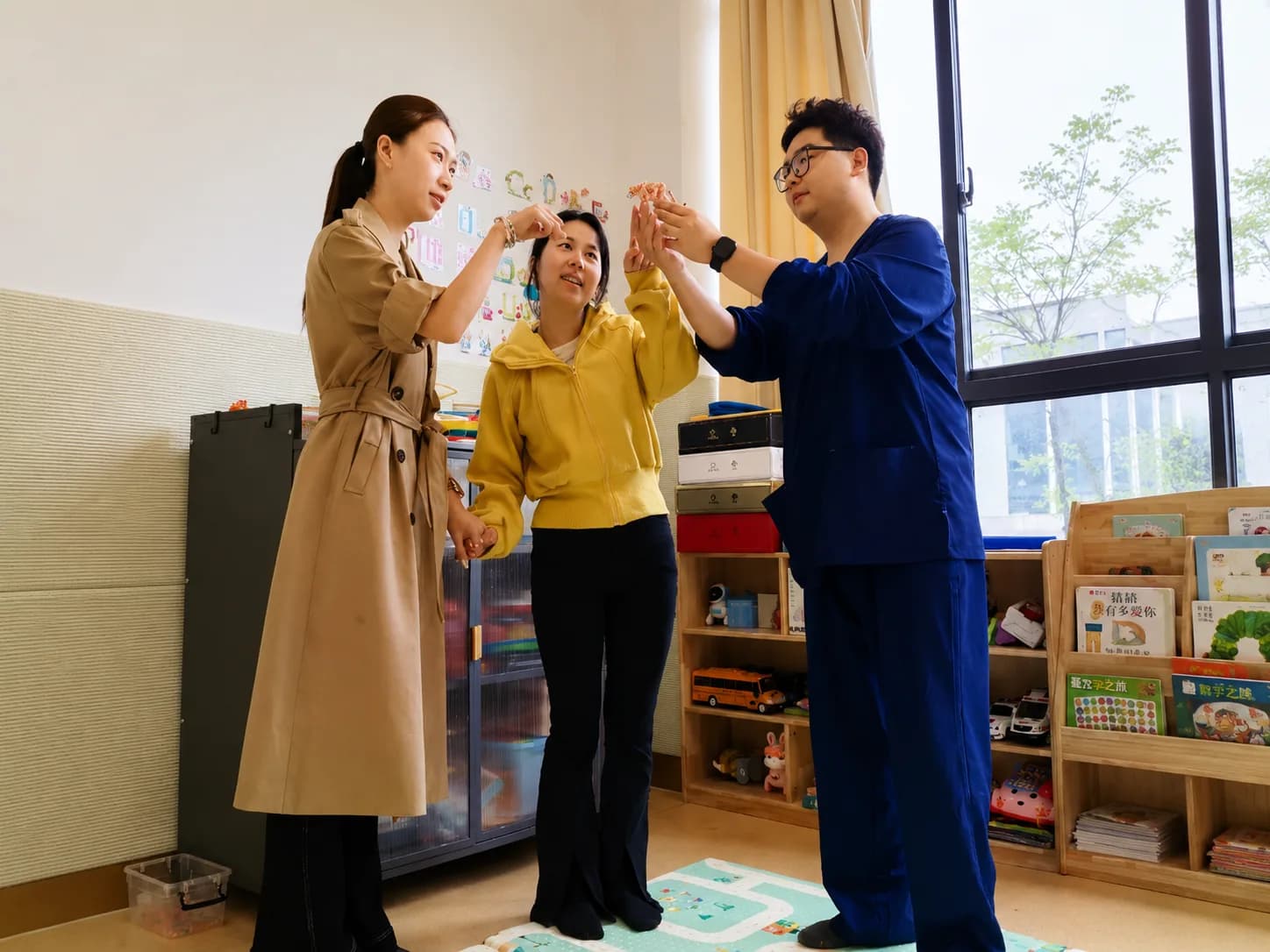
H&B Neurolife specialists engage a child in shared play during a PCI social-interaction session

PCI — Play & Culture Intervention

Play & Culture Intervention for ASD: social motivation and interaction skills through everyday situational interactive play on the 'from life to life' principle.

30–45 minutes
1–3 months
Learn more
S-

S-S Method for Language Assessment

A specialized instrument for assessing language development — determining the sign-significate relation level for targeted speech program selection.

30–60 minutes
single session
Learn more
Sh

Shuangxi Scale (双溪)

Two-channel scale assessing development in children with ASD — profile detailing alongside international instruments.

30–60 minutes
single session
Learn more
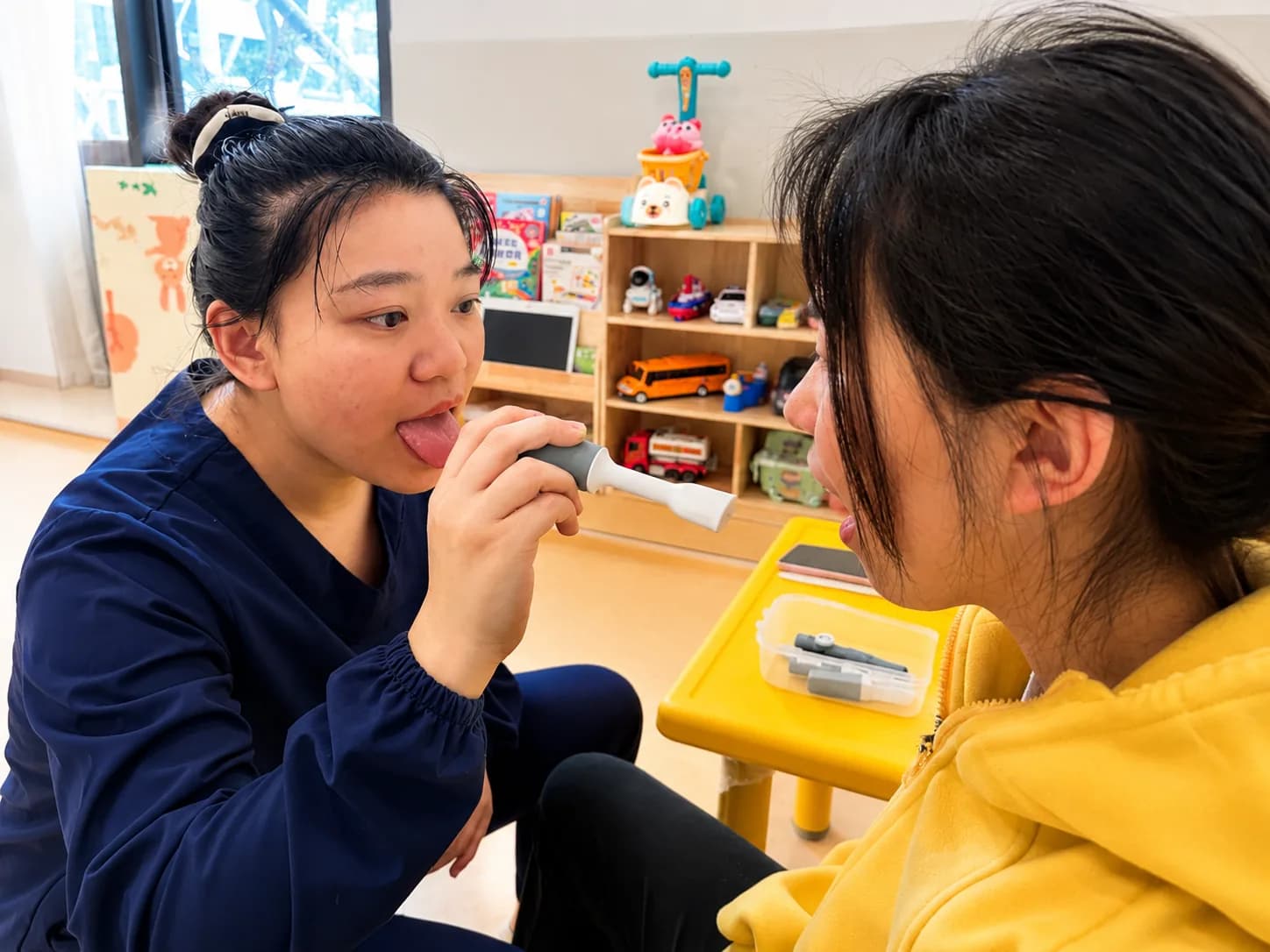
An H&B Neurolife speech therapist works on articulation with a child during a speech session

Speech-Language Therapy

A central focus area in autism rehabilitation: building the chain 'comprehension → expression → application' via a tiered model — from the zero level to dialogue.

30–45 minutes
1–3 months
Learn more
Th

Theory of Mind (ToM) — "Mind Reading" (心智解读)

An advanced socialisation course for autism: the ability to understand others, read emotions, infer intentions, and take another person's perspective.

30–45 minutes
1–3 months
Learn more
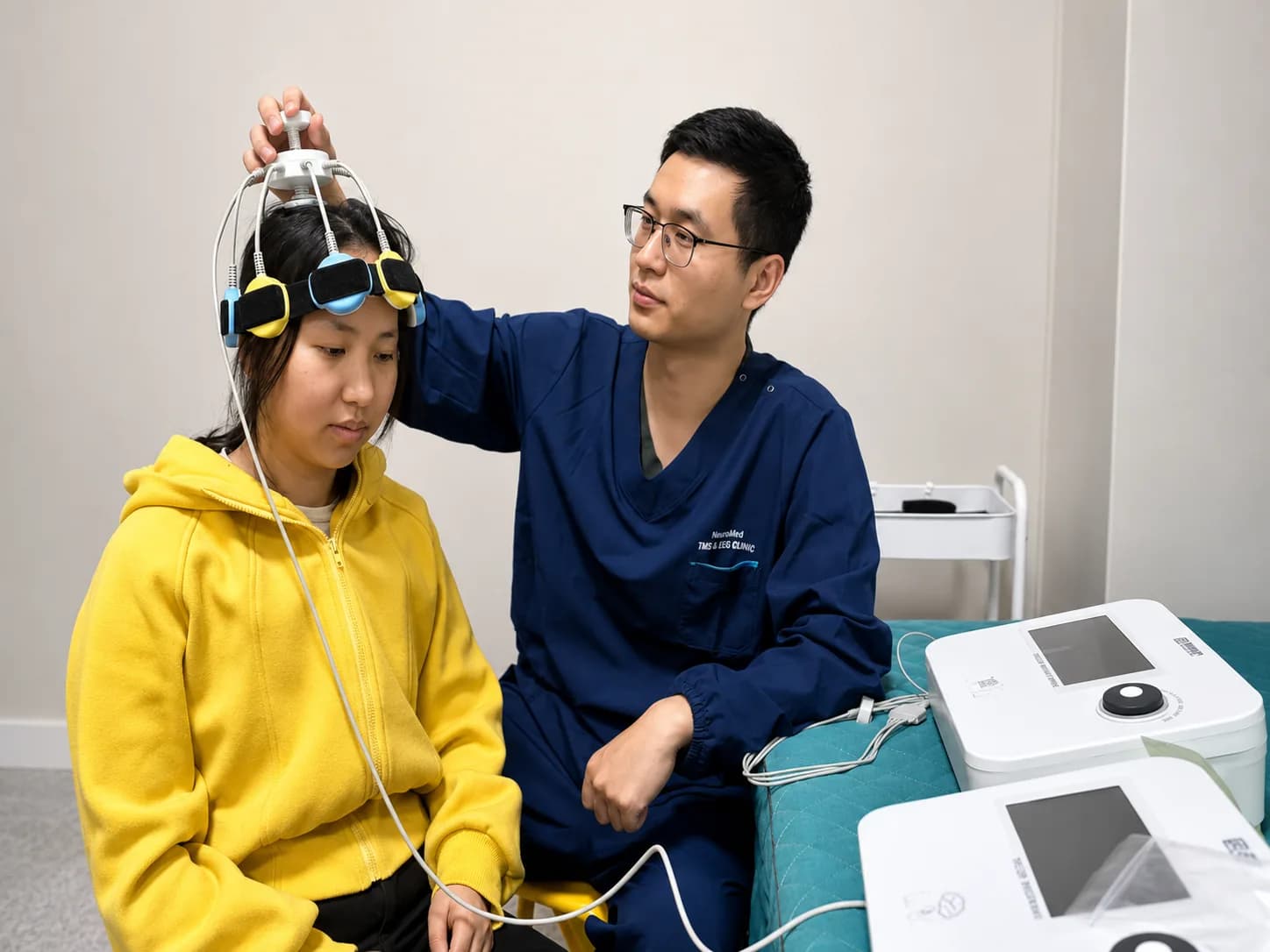
An H&B Neurolife specialist runs a transcranial magnetic stimulation (TMS) session with the coil placed on a child's head

Transcranial Magnetic Stimulation (TMS)

Non-invasive, painless modulation of cortical neuronal excitability — improvements in speech, cognition, attention, and emotional regulation in children.

20–30 minutes
1–3 courses
Learn more
FAQ

Frequently asked questions: Echolalia

Book a free consultation

Leave a short request — a coordinator will contact you within 24 hours, answer your questions and suggest the first steps.

Leave a request

We use cookies and analytics to improve the website experience. Privacy Policy