H&B Neurolife
Treatment in Shangrao

Post-Encephalopathic Period

CodeEncephalopathyICD-10G93.4

Also known as: Encephalopathy sequelae, Post-encephalopathic state, Recovery after encephalopathy

Rehabilitation program for the post-encephalopathic period for children aged 1–14 years at H&B Neurolife (Shangrao). Comprehensive recovery: biomedical core (stem cell therapy, neuroregulation), device-based physical therapy, TCM, rehabilitation courses.

1–3 months
course
Fill out the form
About the condition

What is Post-Encephalopathic Period?

The post-encephalopathic period is the rehabilitation stage following brain injury in a child, when the acute phase is behind but functional consequences remain: motor, speech, and cognitive delay; abnormalities of tone, emotional instability, sleep features. Causes can include perinatal hypoxic-ischemic injury, sequelae of intrauterine infection or severe neonatal jaundice, or post-infectious and metabolic conditions. Some children develop cerebral palsy; others develop varying degrees of global developmental delay or isolated functional deficits.

At H&B Neurolife International Rehabilitation Center (Shangrao), the post-encephalopathic program combines all key directions of the center. The biomedical core — neuroregulation (improving cerebral circulation, oxygenation, and neuronal metabolism) and, where indicated, active stem cell therapy (restoration of damaged neural networks, anti-inflammatory effect). Device-based physical therapy — TMS to regulate cortical neuron excitability; neuromuscular electrical stimulation for muscle activation; a swallowing stimulation device for oral-motor problems. TCM methods — pediatric acupuncture and Tui Na massage. Rehabilitation courses — PT, occupational therapy, sensory integration, speech and oral-motor therapy, cognitive training — are selected to target the affected functions.

What Parents Should Know

After the initial assessment (Gesell, GMFM, S-S, and ABC where indicated), specialists develop a detailed plan with staged goals. Recovery in the post-encephalopathic period is a lengthy process with possible transitions between stages of the GROW program. Regular reassessment reveals progress by function and allows the program to be adjusted. Home rehabilitation — at least 1 hour per day — is a required part of the course.

Causes

Develops as an aftermath of encephalopathy — perinatal hypoxic-ischemic injury, intrauterine infection, severe neonatal jaundice, or toxic-metabolic injury.

Symptoms

Motor and speech developmental delay, muscle tone abnormalities, cognitive delay, emotional instability and sleep disturbances; some children develop cerebral palsy.

Assessment

Assessment with professional scales (Gesell, GMFM, S-S, ABC for ASD) across each domain: motor function, speech, cognition, emotion, self-care.

Prognosis and Treatment Approach

Prognosis depends on injury severity and starting age. Early systematic intervention is critical — nervous-system plasticity is greatest in the first years of life.

Our approach

How we treat Post-Encephalopathic Period

01

Diagnostics

Comprehensive examination and patient assessment by an international team of specialists

02

Treatment plan

Development of an individual rehabilitation program considering diagnosis specifics

03

Therapy

Intensive course of procedures: physical therapy, massage, physiotherapy, acupuncture and other methods

04

Results

Progress evaluation, home recommendations and maintenance therapy plan

Treatment methods

Treatment procedures: Post-Encephalopathic Period
Au

Autism Behavior Checklist (ABC)

International screening scale assessing the severity of ASD features across multiple domains — the foundation for a targeted program and progress tracking.

30–60 minutes
single session
Learn more
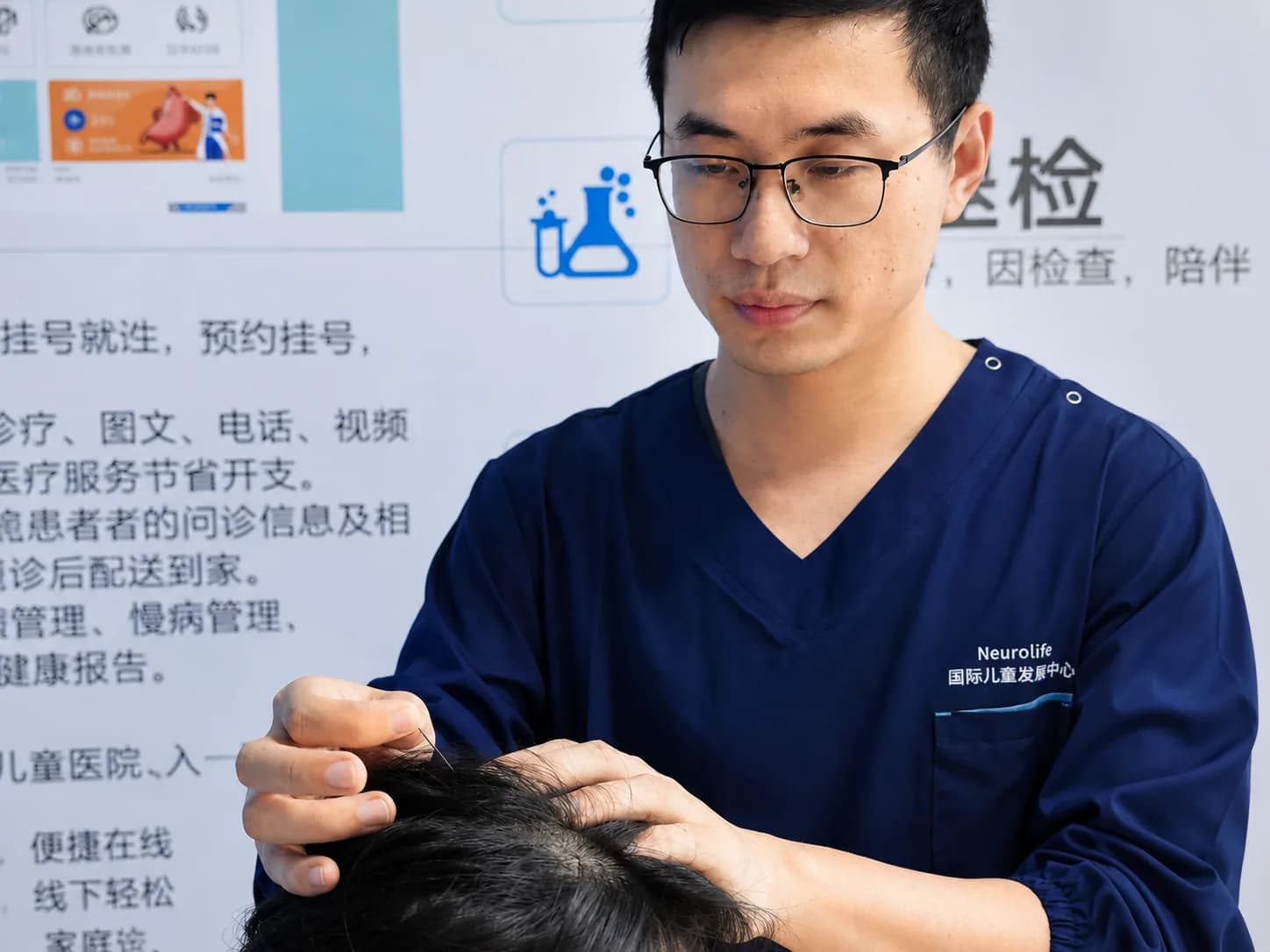
An H&B Neurolife practitioner performs scalp acupuncture using a TCM technique

Pediatric Acupuncture

Specialized external TCM method for children: ultra-fine needles, individualized point selection, safe and minimally painful.

20–30 minutes
1–3 courses
Learn more
Co

Cognitive training (认知理解)

A foundational course for the cognitive base: attention, observation, comprehension, logic, and core concepts — the bedrock for speech, socialization, and learning.

30–45 minutes
1–3 months
Learn more
Ge

Gesell Developmental Scale

Classic multidimensional assessment of early child development: motor function, adaptive skills, language, and personal-social domain.

30–60 minutes
single session
Learn more
GM

GMFM — Gross Motor Function Measure

International gold standard for quantitative assessment of gross motor function in CP: progress is visible in scores.

30–60 minutes
single session
Learn more
Ch

Chinese Herbal Medicine

Individualized Chinese herbal formulas as part of TCM support to harmonize organ function and strengthen the child's constitution.

30–45 minutes
1–3 courses
Learn more
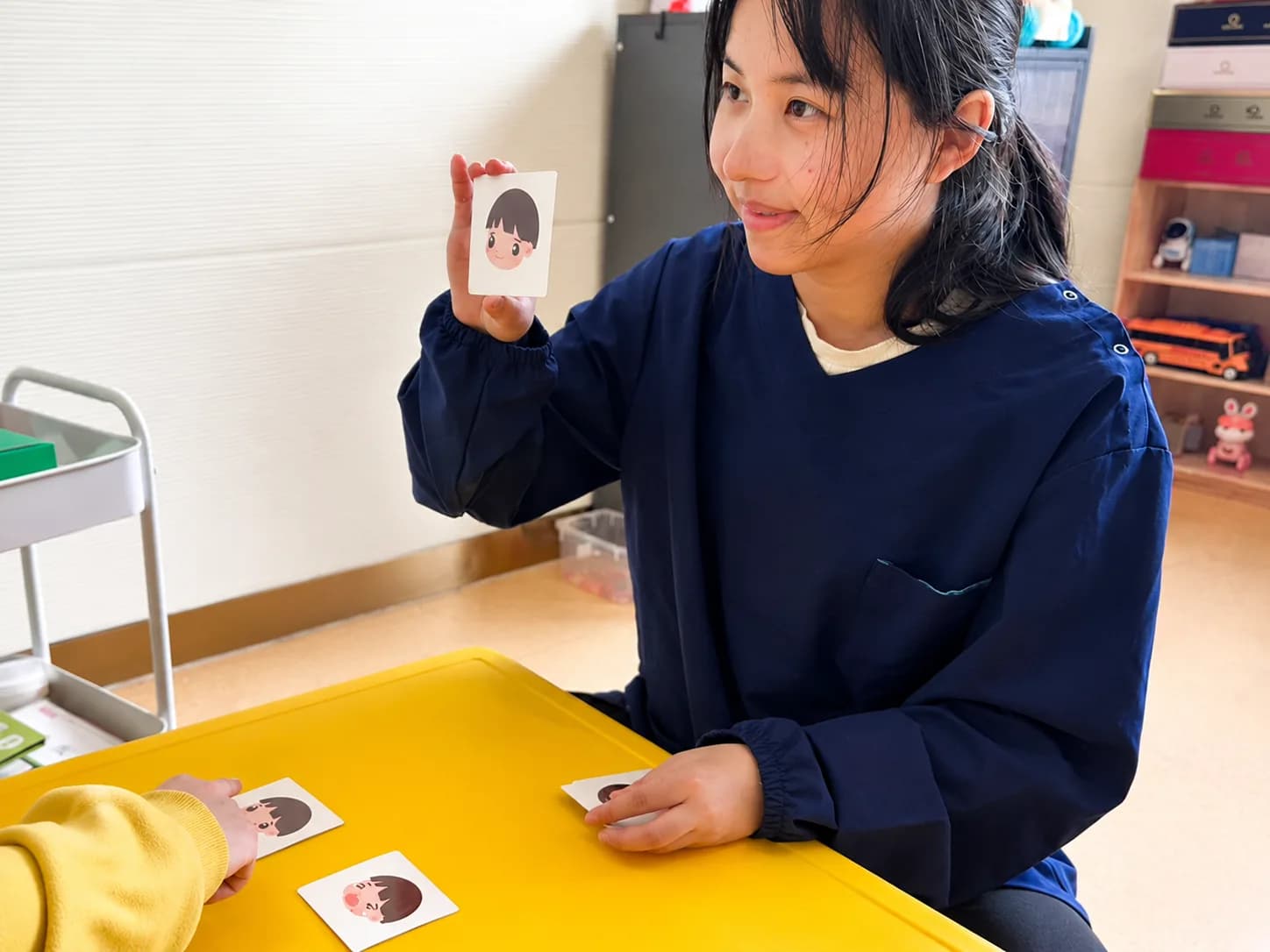
An H&B Neurolife specialist shows a flashcard to a child during a one-on-one session

Individual 1:1 sessions (个别化训练)

Foundational format for targeted work — 'one child, one program': an individually tailored integration of ABA, sensory integration, speech, and social work.

30–45 minutes
1–3 months
Learn more
Me

Medication Support

Symptomatic medication support, strictly as prescribed, to stabilize the child so that rehabilitation sessions become productive.

30–45 minutes
from 1 month
Learn more
Mo

Moxibustion (艾灸)

Thermal action of smoldering mugwort on acupuncture points — part of TCM support for warming, regulating qi, and strengthening the constitution.

20–30 minutes
1–3 courses
Learn more
Ne

Neuromuscular Electrical Stimulation

Low-frequency impulses to activate nerves and muscles: muscle strength gains, tone regulation, and faster progression through motor milestones.

15–30 minutes
10–20 sessions
Learn more
Bi

Biological Therapy and Neuroregulation

Biomedical work on the physiological foundation of brain development: neurotransmitters, cerebral circulation, neuronal metabolism, and cognitive and social motivation.

15–60 minutes
1–3 courses
Learn more
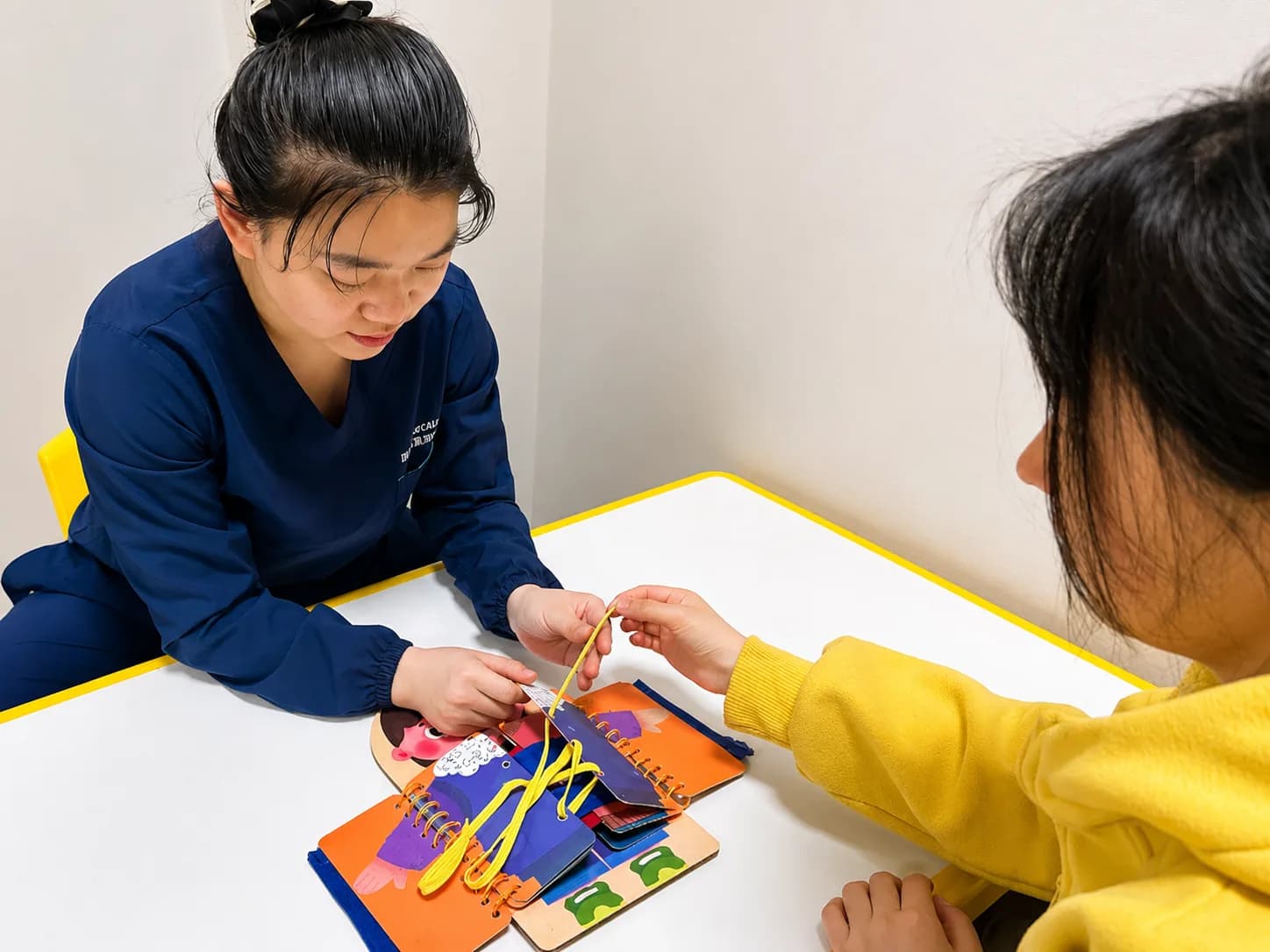
An H&B Neurolife specialist and a child train fine motor skills with a lacing board during occupational therapy

Occupational therapy (OT)

An international approach to functional development: fine motor skills, hand–eye coordination, self-care, daily self-reliance, and adaptation to the environment.

30–45 minutes
1–3 months
Learn more
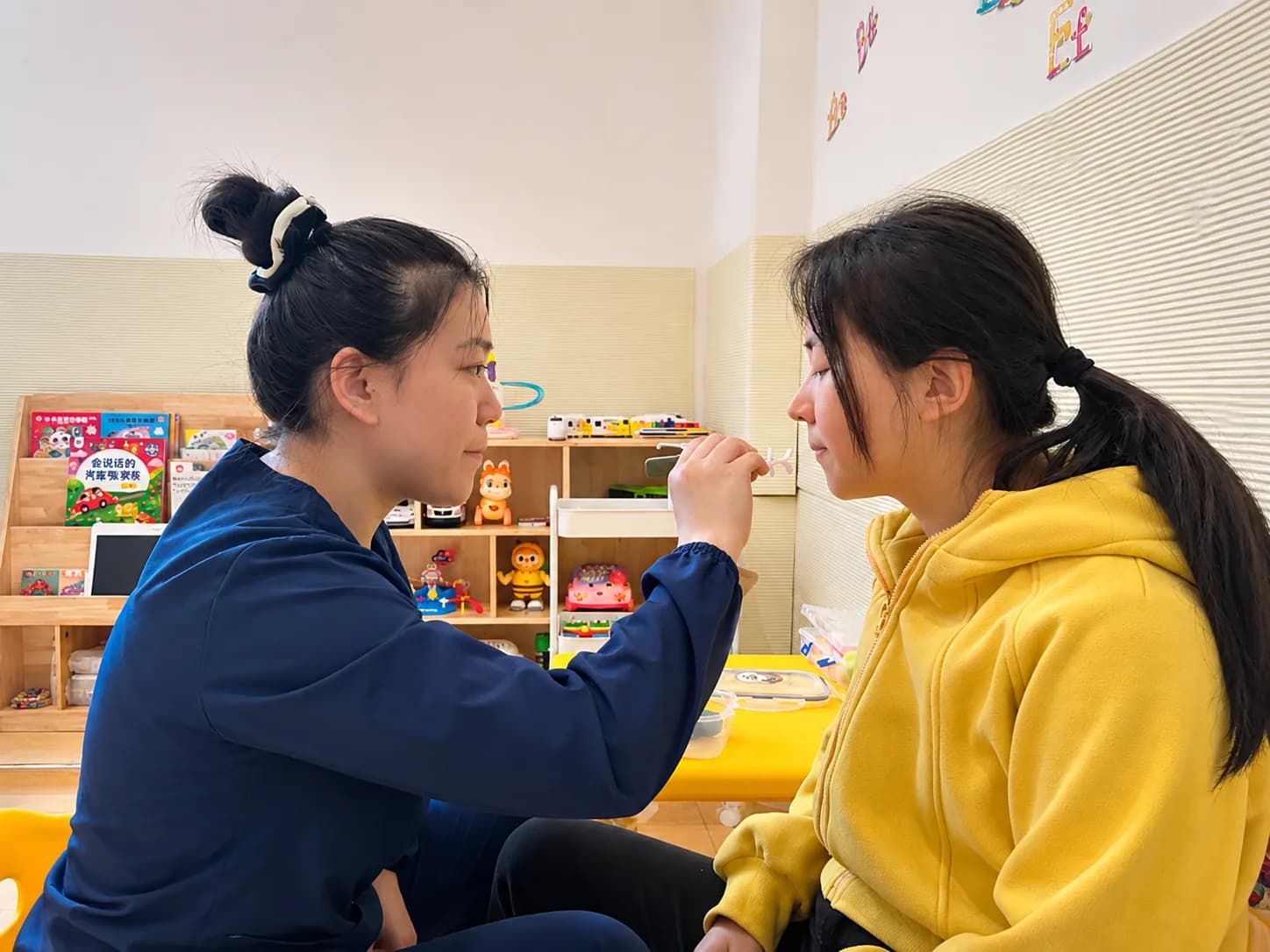
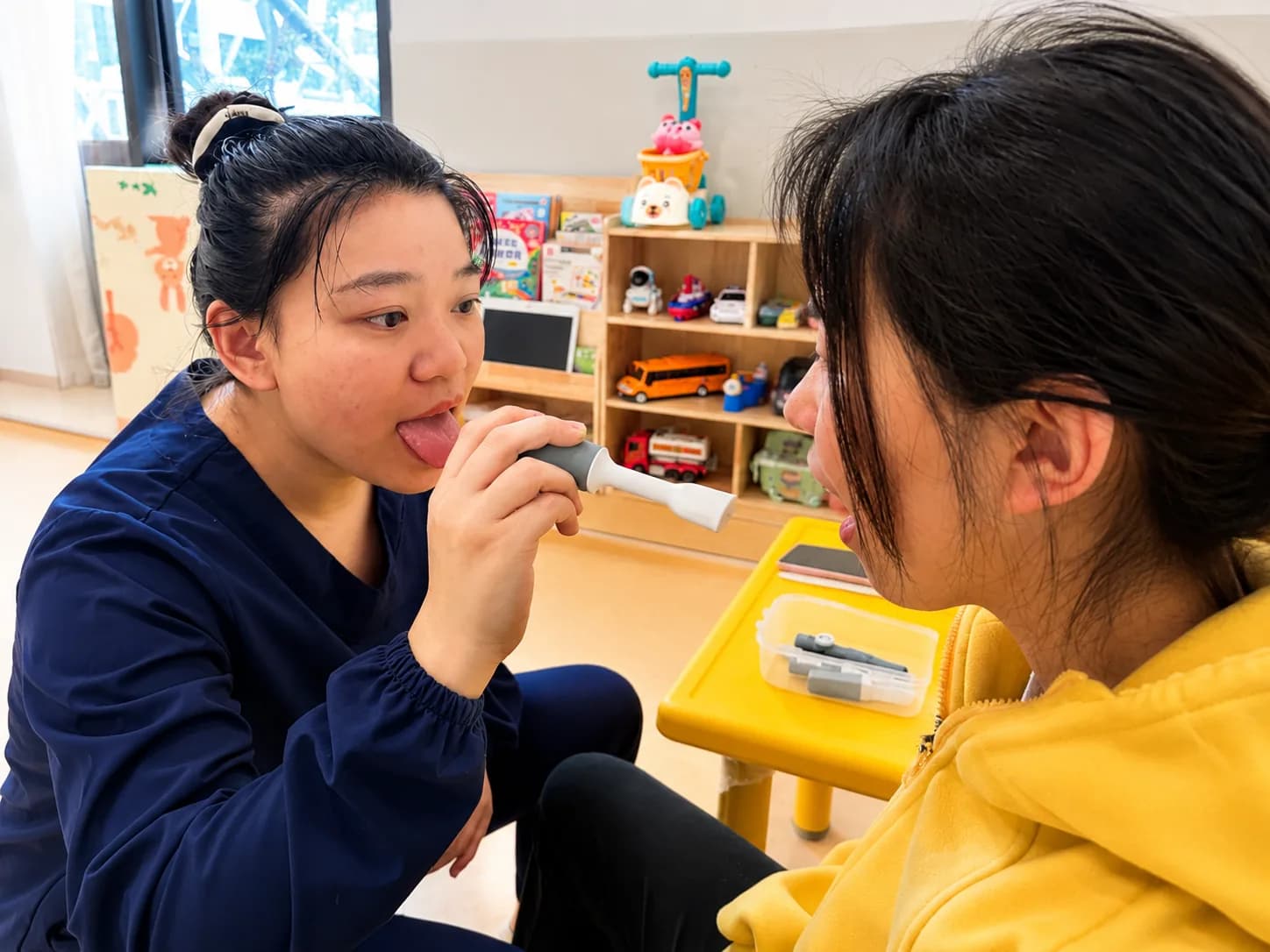
An H&B Neurolife specialist does oral-motor training with a child using an oral-motor tool

Oral-motor therapy (口肌训练)

Foundational speech-rehabilitation course: professional manual techniques and play tools to activate oral perception and build the strength of the oral muscles.

30–45 minutes
1–3 months
Learn more
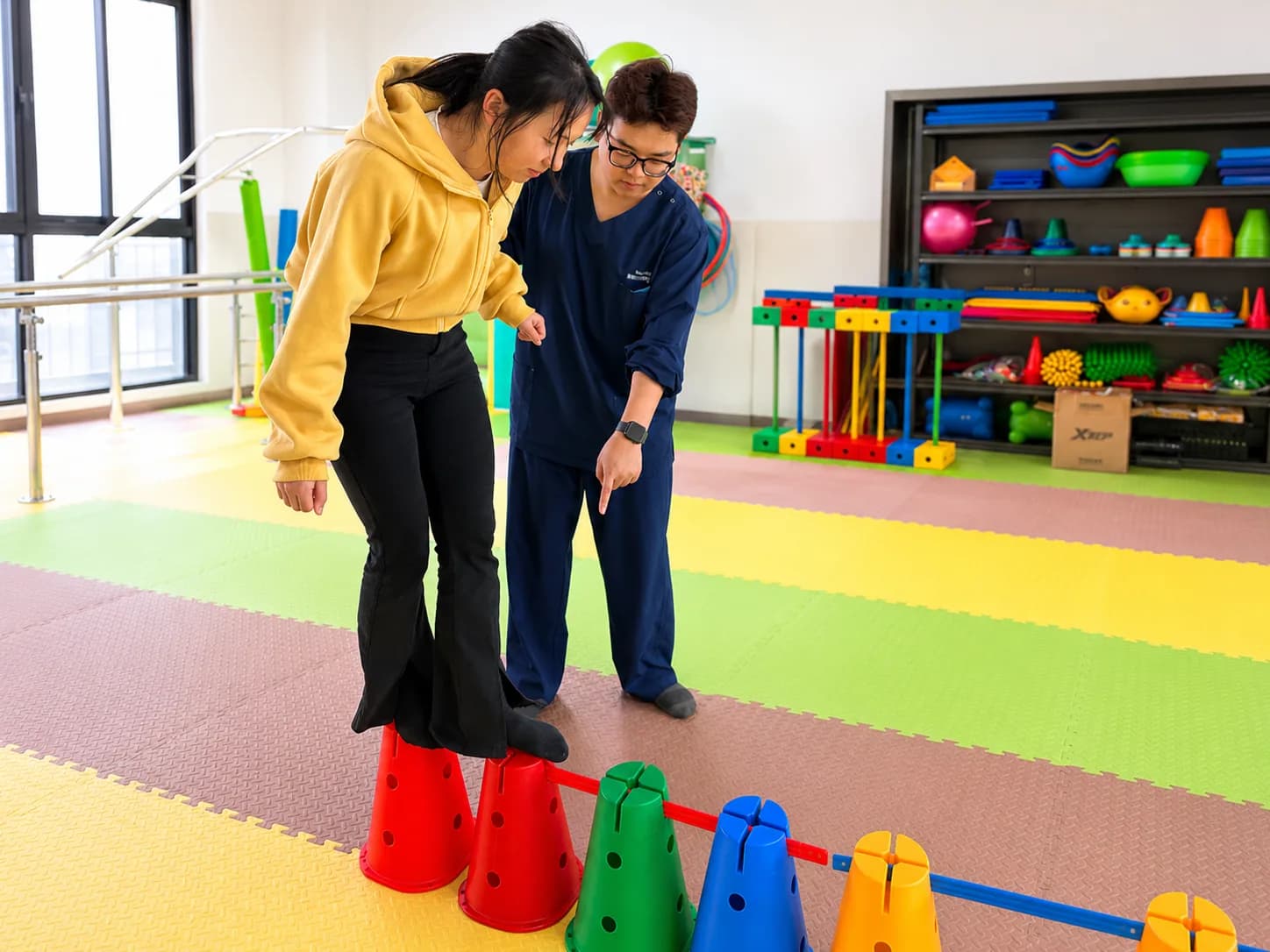
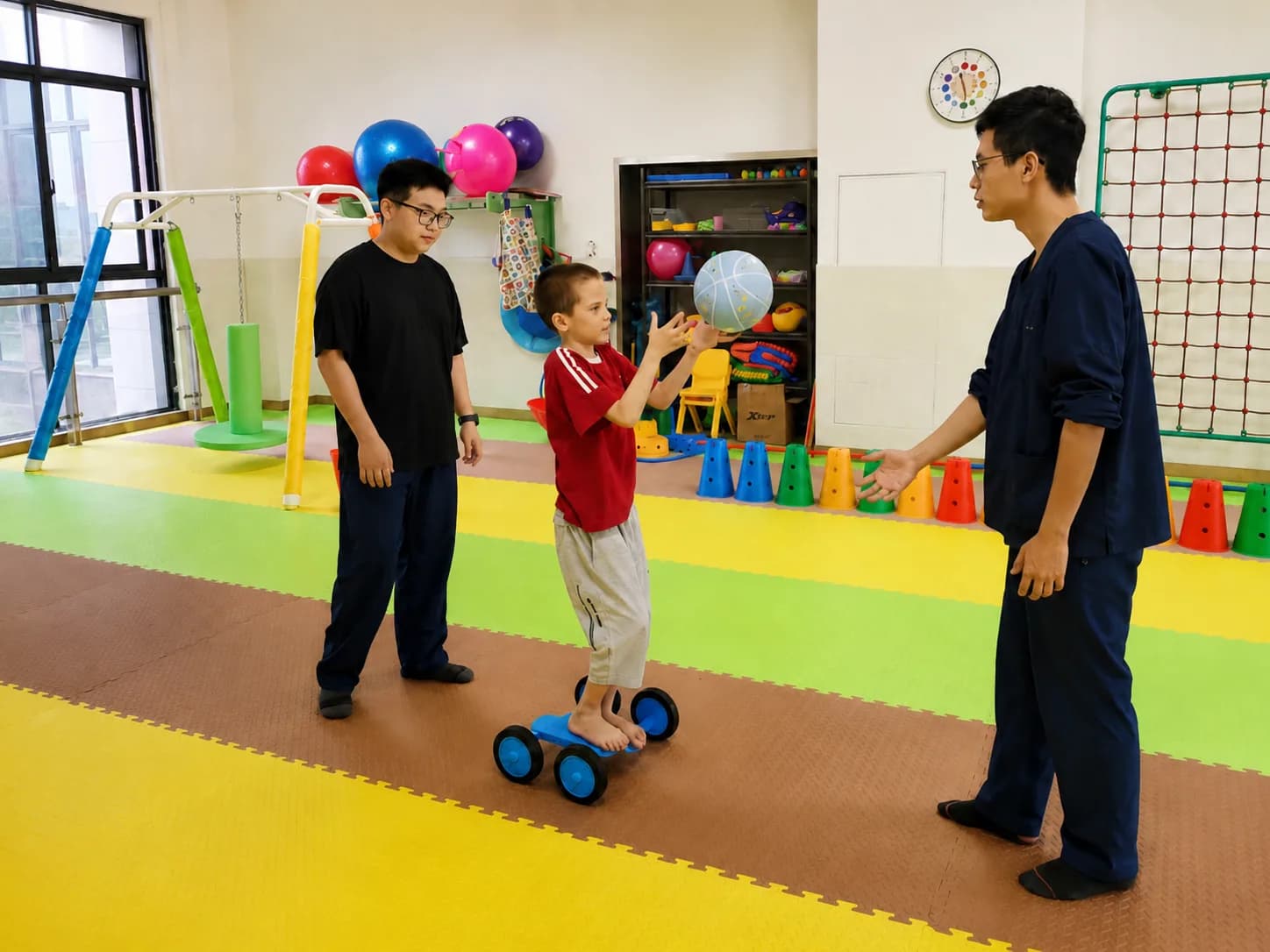
An H&B Neurolife specialist helps a child keep balance on training cones during physical therapy

Physical Therapy (PT)

Targeted training of gross motor skills, balance, and coordination — the foundation of motor development for children with cerebral palsy and motor impairments.

30–45 minutes
from 2–3 months
Learn more
S-

S-S Method for Language Assessment

A specialized instrument for assessing language development — determining the sign-significate relation level for targeted speech program selection.

30–60 minutes
single session
Learn more
A child exercises on a balance trainer guided by specialists during a sensory integration session

Sensory Integration (SI)

Professional game-based training of sensory processing on specialised equipment — the foundation for the development of attention, emotion, speech, and social skills.

30–45 minutes
1–3 months
Learn more
Sh

Shuangxi Scale (双溪)

Two-channel scale assessing development in children with ASD — profile detailing alongside international instruments.

30–60 minutes
single session
Learn more
An H&B Neurolife speech therapist works on articulation with a child during a speech session

Speech-Language Therapy

A central focus area in autism rehabilitation: building the chain 'comprehension → expression → application' via a tiered model — from the zero level to dialogue.

30–45 minutes
1–3 months
Learn more
Ac

Active Stem Cell Therapy

Part of the proprietary biomedical core: administration of active stem cells for neural network restoration, anti-inflammatory effect, and neuroregeneration.

1–2 days
several months
Learn more
Sw

Swallowing Stimulation Device

Instrument-based correction of swallowing disorders: low-frequency electrical stimulation and biofeedback to train the muscles of the mouth, pharynx, and swallowing reflex.

20–40 minutes
1–3 months
Learn more
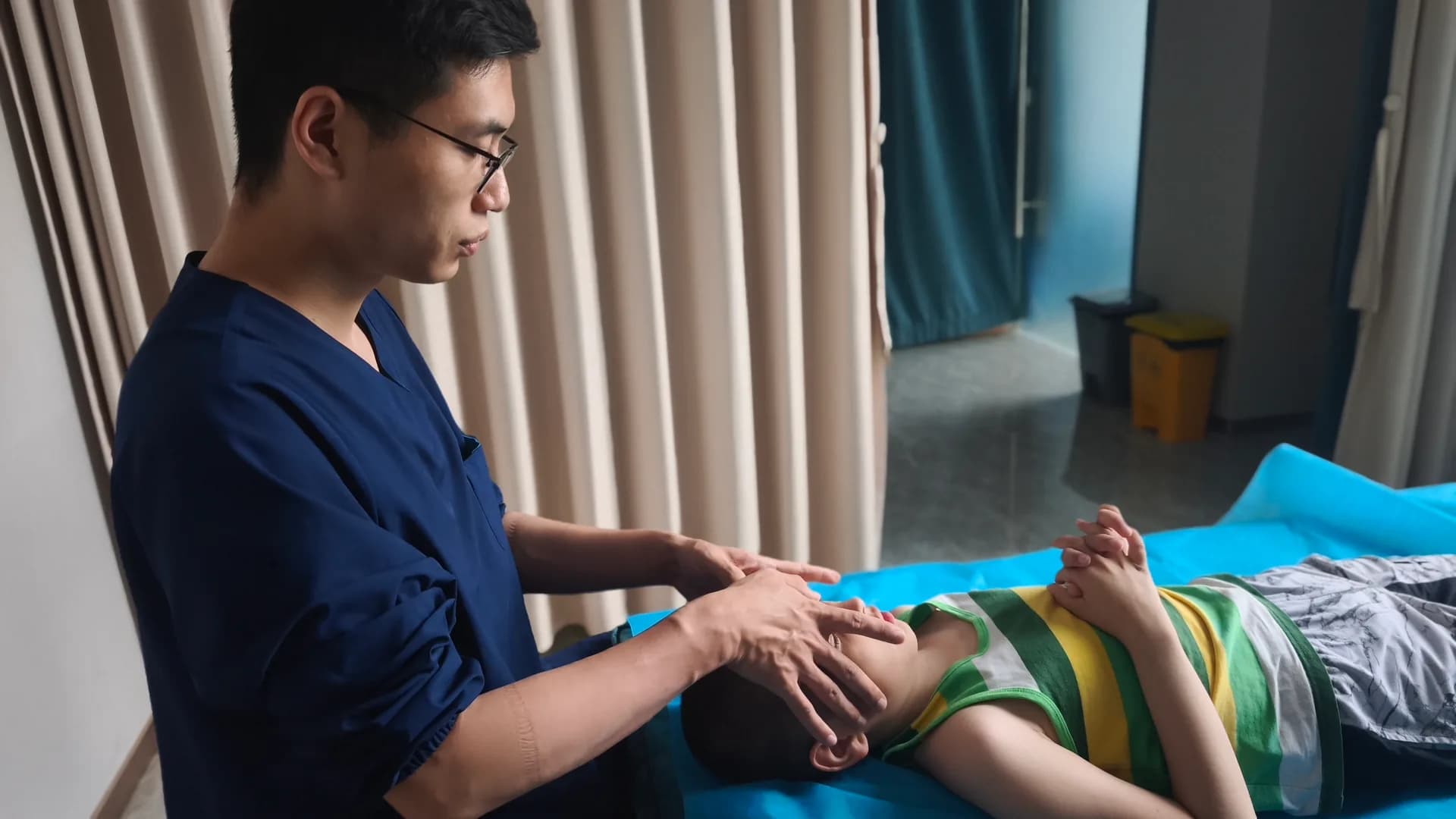
An H&B Neurolife practitioner gives a child a pediatric Tui Na massage

Pediatric Tui Na Massage (推拿)

Purely manual, non-pharmacological TCM method: professional techniques on specific body points to restore channel flow and harmonize qi and blood.

30–40 minutes
1–3 courses
Learn more
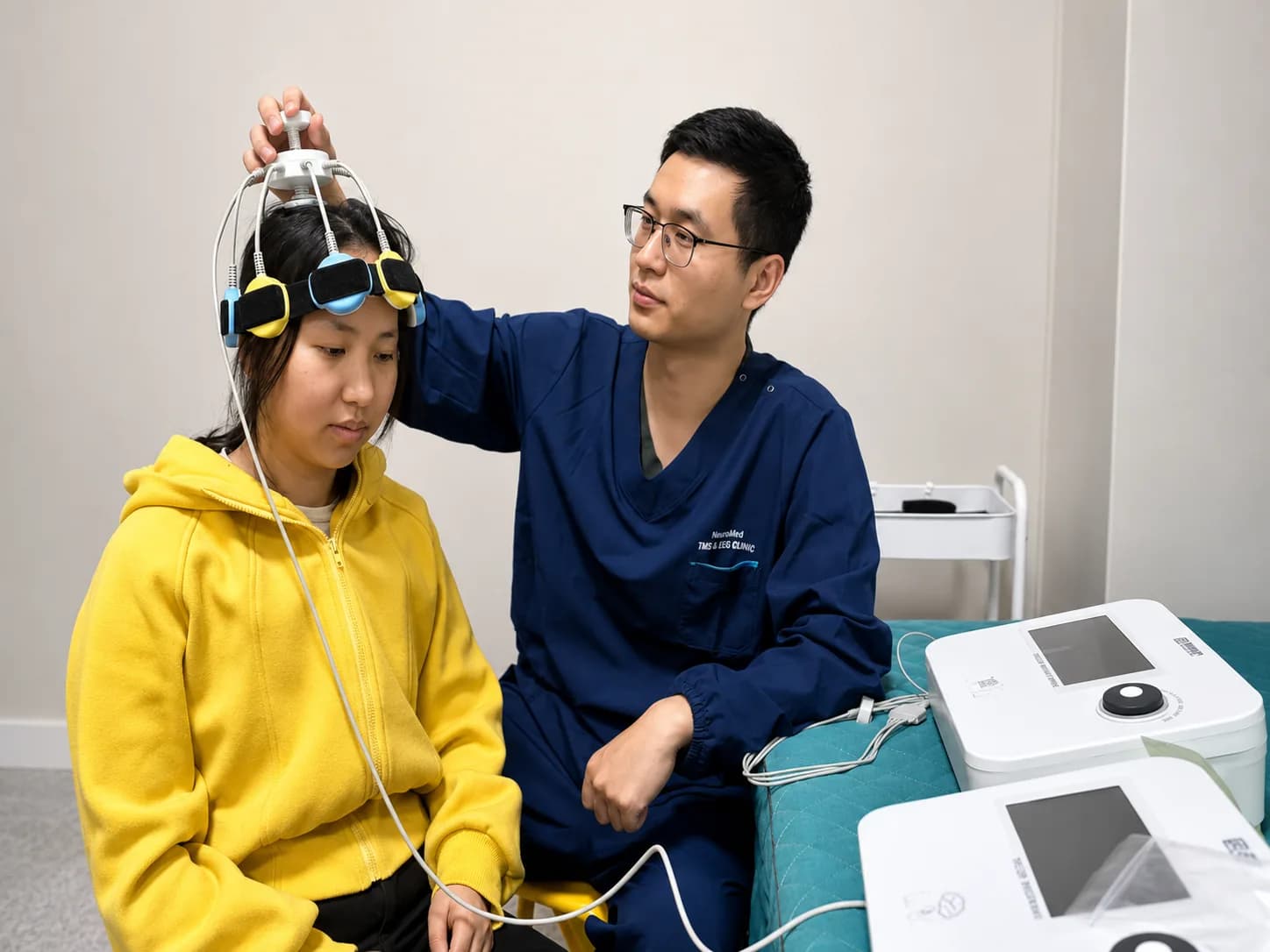
An H&B Neurolife specialist runs a transcranial magnetic stimulation (TMS) session with the coil placed on a child's head

Transcranial Magnetic Stimulation (TMS)

Non-invasive, painless modulation of cortical neuronal excitability — improvements in speech, cognition, attention, and emotional regulation in children.

20–30 minutes
1–3 courses
Learn more
FAQ

Frequently asked questions: Post-Encephalopathic Period

Book a free consultation

Leave a short request — a coordinator will contact you within 24 hours, answer your questions and suggest the first steps.

Leave a request

We use cookies and analytics to improve the website experience. Privacy Policy