H&B Neurolife
Treatment in Shangrao

Social Communication Deficit

CodeSocial communication

Also known as: Social-communicative deficit, Social interaction disorder, Communication difficulties

Program for children aged 1–14 years with social communication deficit at the H&B Neurolife center (Shangrao). The GROW program with Super Skills, PCI, Floortime, Theory of Mind at its core, plus biomedical support.

1–3 months
course
Fill out the form
About the condition

What is Social Communication Deficit?

Social communication deficit is a core impairment in which the child cannot effectively initiate social interaction, sustain it, read non-verbal signals, and understand others' intentions. It is a foundational feature of autism spectrum disorder, but it also appears in other developmental disorders. The picture is broad: poor eye contact, absence of non-verbal means of communication, inability to share, difficulty perceiving information from another person, difficulty maintaining dialogue, and a lack of understanding of situational social norms and etiquette. A key feature is weak social motivation: the child "does not want" to communicate rather than "cannot." For this reason, work on the deficit always begins with building the desire to interact.

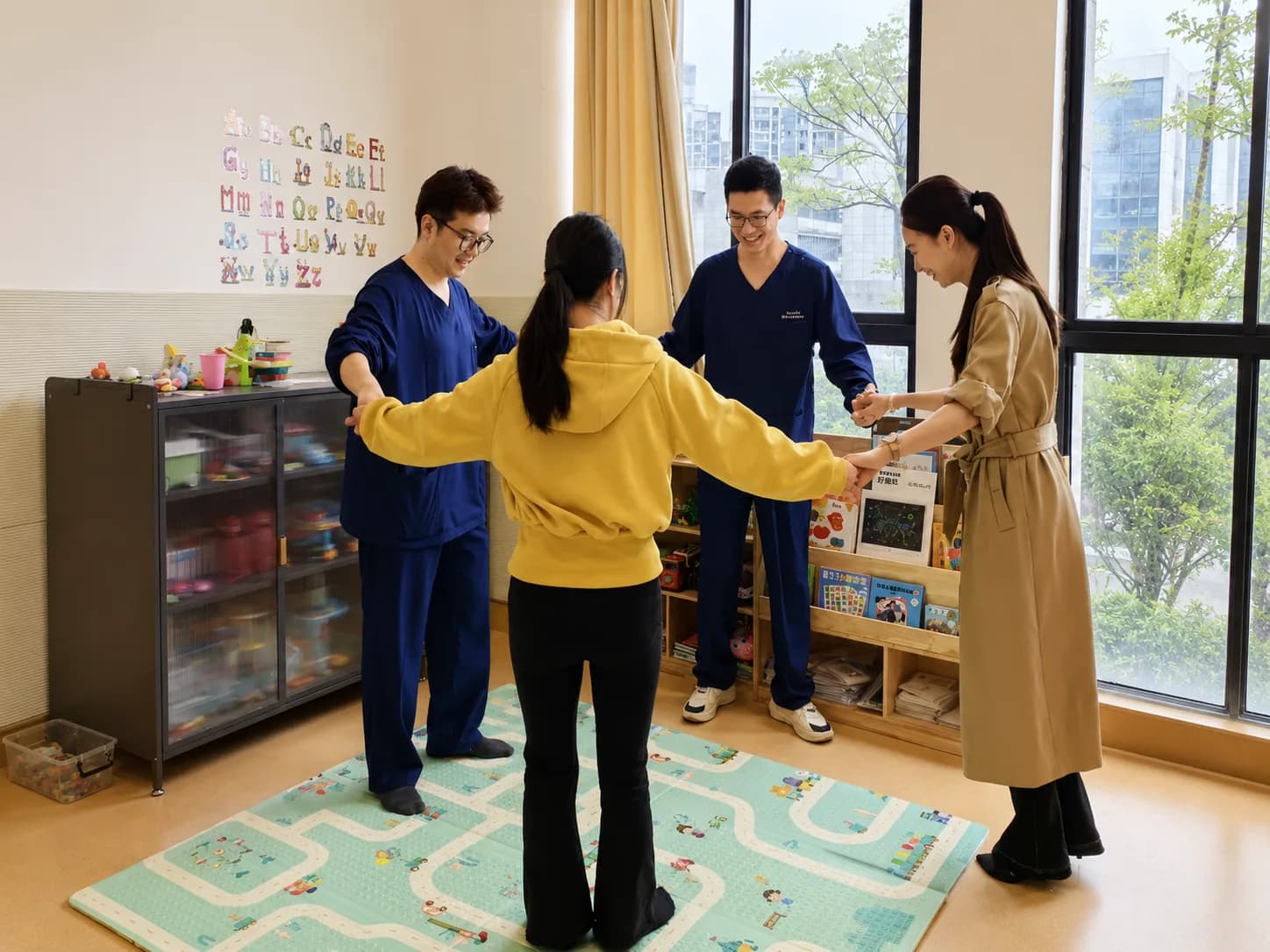
At H&B Neurolife International Rehabilitation Center (Shangrao), social communication deficit is the core of the rehabilitation program. The primary line is the GROW staged program for children aged 1–14 years, in which each stage works on a specific level of social skills. At stage O (Open Social, 4 years 6 months – 6 years), the international Super Skills course becomes the core — a standardized staged training of social skills based on real social scenarios. In parallel: PCI (child-centered, social interaction at the core, play as the vehicle), Floortime (relying on emotional connection and the child's interest), Theory of Mind at advanced stages (reading emotions, anticipating intentions, "through another's eyes"), and ABA (systematic skill-building with positive reinforcement). Additionally — developmental games, Orff music therapy, sandplay therapy. Biomedical support — neuroregulation; stem cells and microbiota regulation when indicated — works with the physiological basis of social motivation.

What matters for parents

The program's principle is "motivation first, then skills": the child first learns to want to interact, then to be able to communicate. Forced "teaching of communication" through instructions rarely produces lasting results — for this reason, the center prioritizes play-based and emotionally-oriented methods. Family follow-through is essential: specialists train parents in techniques for supporting social motivation in everyday situations.

Causes

Often linked to autism spectrum disorders, but can occur in isolation. They stem from nervous system development, with genetics and environment playing a role.

Symptoms

Children struggle to keep a dialogue going and read nonverbal cues — facial expressions, gestures, tone. Making friends and grasping social rules is hard.

Diagnostics

Assessment includes a speech therapist, neuropsychologist and psychiatrist, the ADOS test, and observation of behavior during communication.

Prognosis and treatment approach

With early intervention, most children improve communication markedly. Regular work with a speech therapist and in groups builds lasting social bonds.

Our approach

How we treat Social Communication Deficit

01

Diagnostics

Comprehensive examination and patient assessment by an international team of specialists

02

Treatment plan

Development of an individual rehabilitation program considering diagnosis specifics

03

Therapy

Intensive course of procedures: physical therapy, massage, physiotherapy, acupuncture and other methods

04

Results

Progress evaluation, home recommendations and maintenance therapy plan

Treatment methods

Treatment procedures: Social Communication Deficit
AB

ABA — Applied Behavior Analysis

Behavioral therapy built on positive reinforcement: individualized programs, small-step learning, data-tracked progress, and active family involvement.

30–45 minutes
1–3 months
Learn more
Au

Autism Behavior Checklist (ABC)

International screening scale assessing the severity of ASD features across multiple domains — the foundation for a targeted program and progress tracking.

30–60 minutes
single session
Learn more
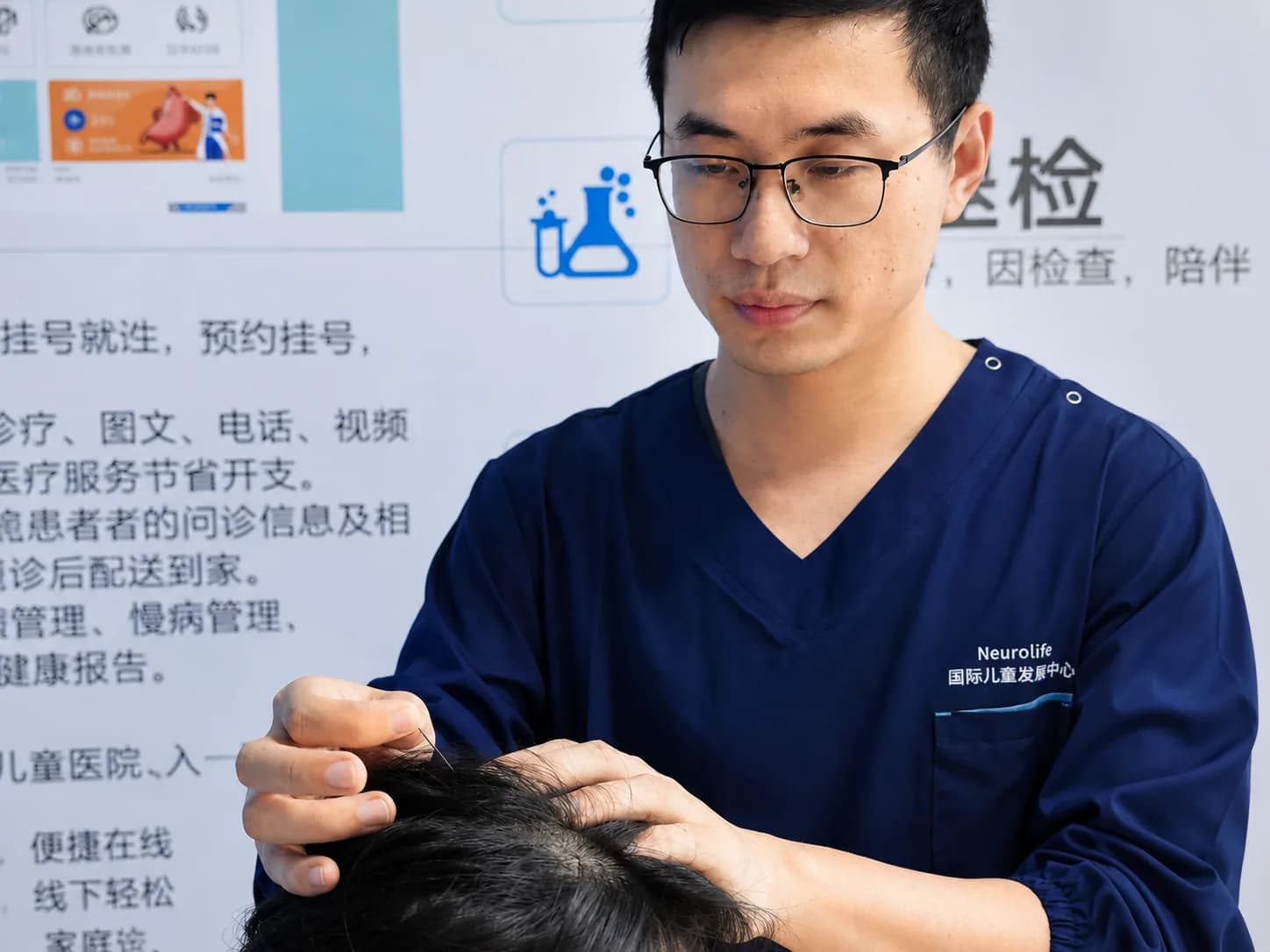
An H&B Neurolife practitioner performs scalp acupuncture using a TCM technique

Pediatric Acupuncture

Specialized external TCM method for children: ultra-fine needles, individualized point selection, safe and minimally painful.

20–30 minutes
1–3 courses
Learn more
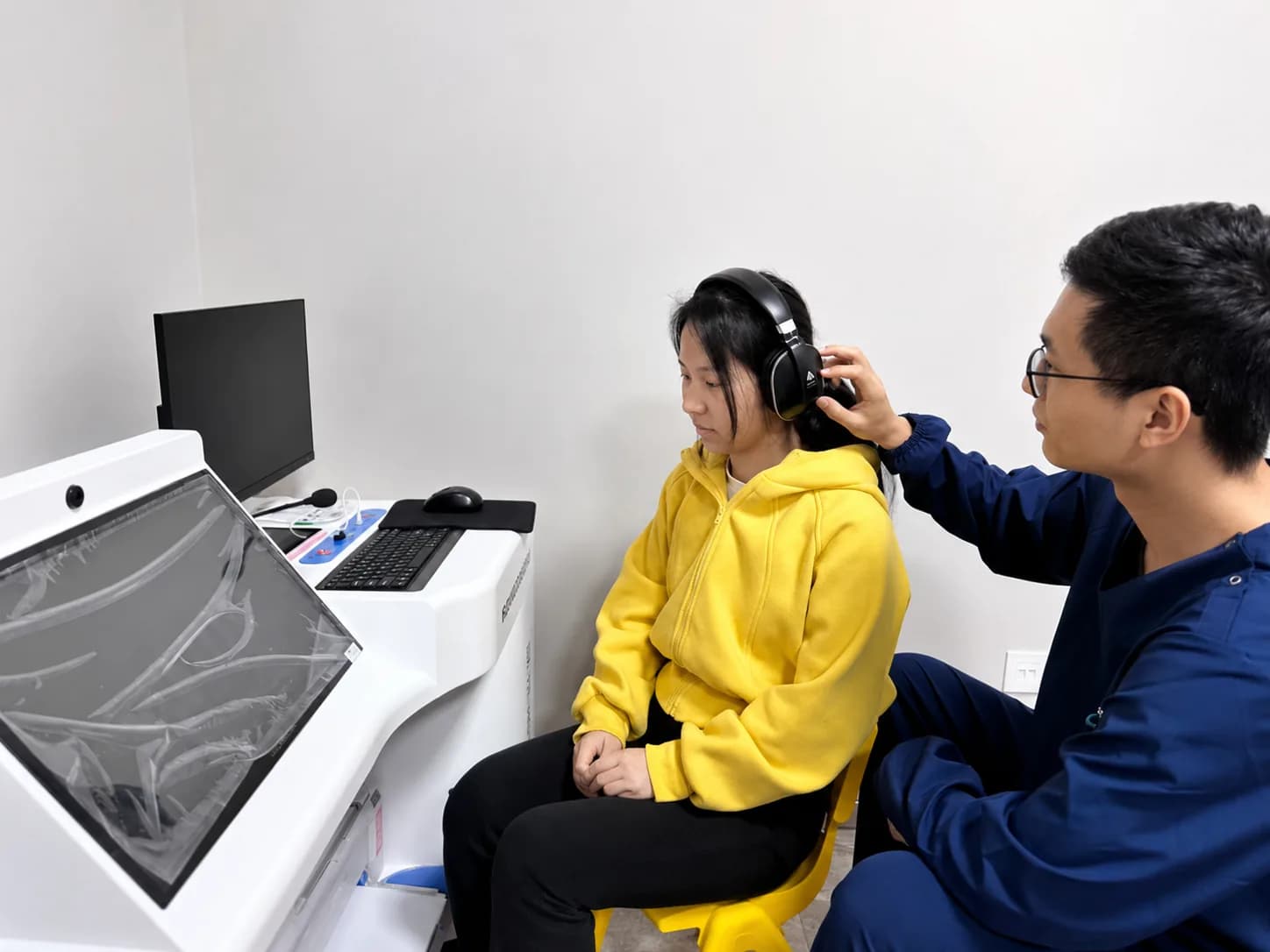
A child in headphones undergoes an auditory integration session (Tomatis / AIT) supervised by a specialist

Auditory Integration (Tomatis / AIT)

Digital audio-signal filtering to regulate the auditory system — passive, painless therapy for children with ASD, speech delay, and auditory hypersensitivity.

30 minutes
10–20 sessions
Learn more
Co

Cognitive training (认知理解)

A foundational course for the cognitive base: attention, observation, comprehension, logic, and core concepts — the bedrock for speech, socialization, and learning.

30–45 minutes
1–3 months
Learn more
De

Developmental games ('multi-element')

A comprehensive play-based course: play as the core, interaction as the connection, development as the goal. Situational, role-play, cooperative, musical, and creative formats.

30–45 minutes
1–3 months
Learn more
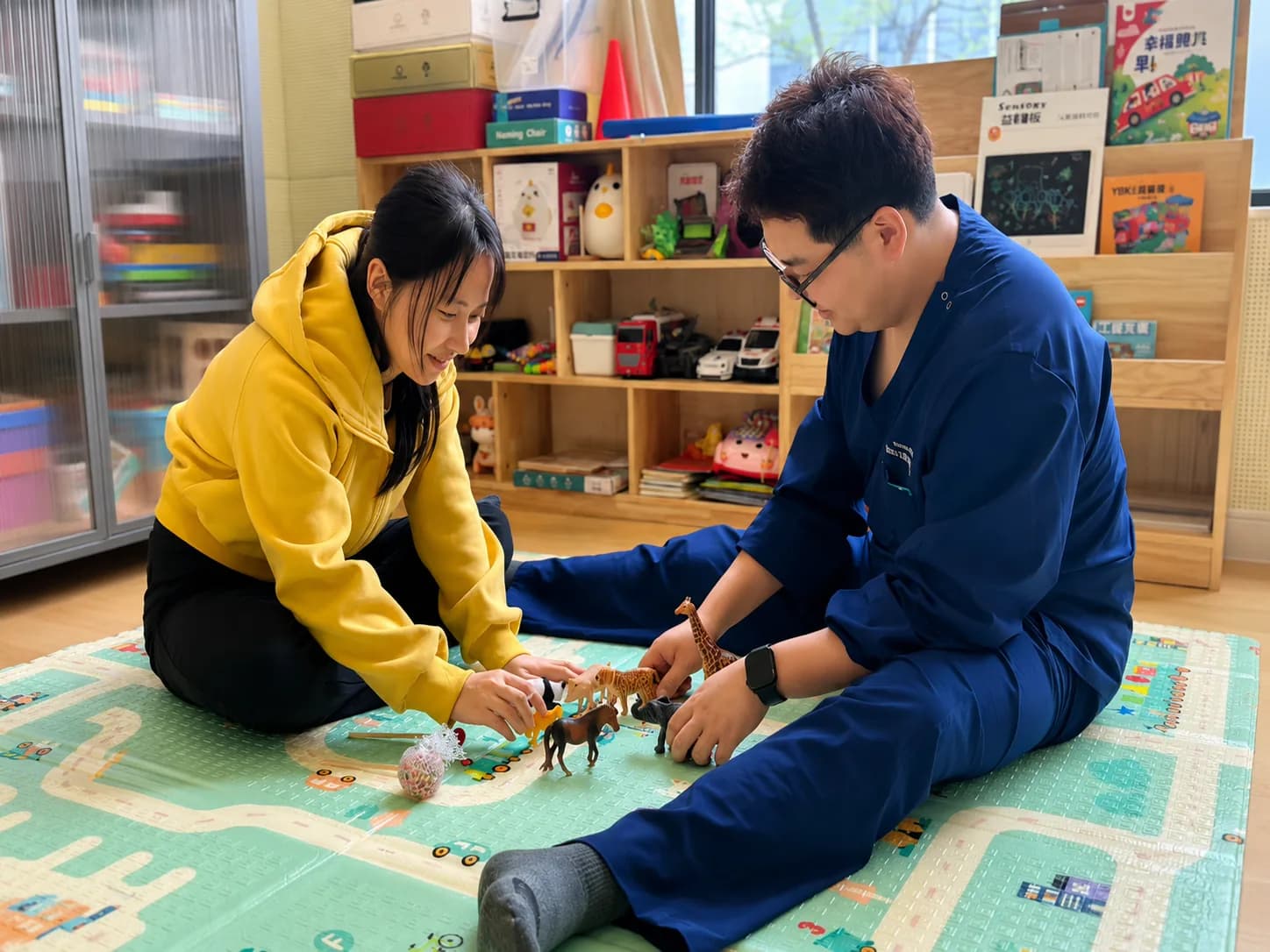
An H&B Neurolife specialist plays with a child using figurines on a floor mat during a DIR/Floortime session

DIR/Floortime

DIR/Floortime: child at the center, interest as the compass, emotional connection as the foundation. One-on-one format in a safe and joyful environment.

30–45 minutes
1–3 months
Learn more
Ge

Gesell Developmental Scale

Classic multidimensional assessment of early child development: motor function, adaptive skills, language, and personal-social domain.

30–60 minutes
single session
Learn more
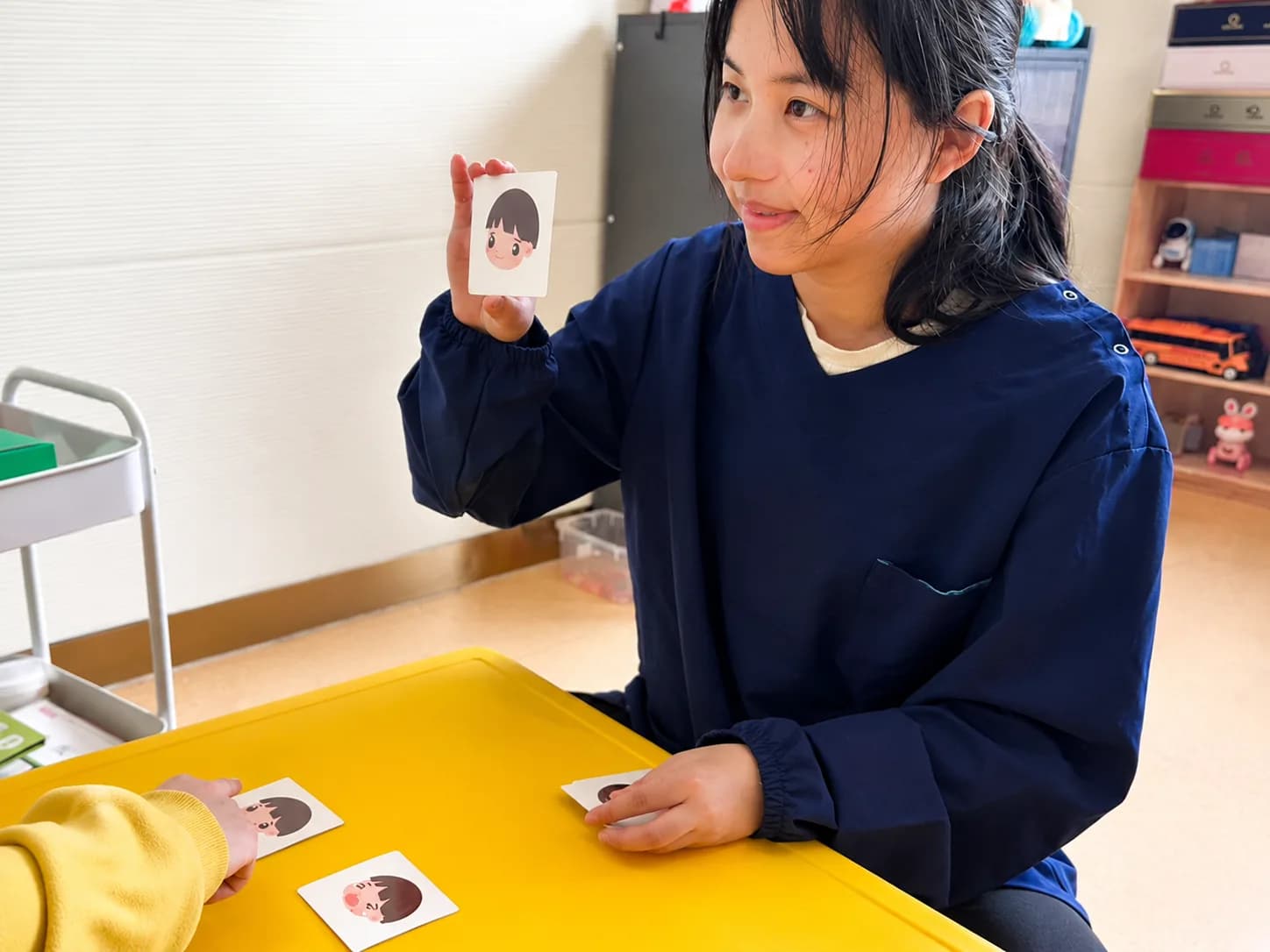
An H&B Neurolife specialist shows a flashcard to a child during a one-on-one session

Individual 1:1 sessions (个别化训练)

Foundational format for targeted work — 'one child, one program': an individually tailored integration of ABA, sensory integration, speech, and social work.

30–45 minutes
1–3 months
Learn more
Gu

Gut Microbiota Regulation

Precise microbiota analysis, personalized probiotics, and dietary therapy to restore the gut–brain axis — digestion, sleep, emotion, and behavior.

30–60 minutes
1–3 months
Learn more
Bi

Biological Therapy and Neuroregulation

Biomedical work on the physiological foundation of brain development: neurotransmitters, cerebral circulation, neuronal metabolism, and cognitive and social motivation.

15–60 minutes
1–3 courses
Learn more
Or

Orff music therapy

Rehabilitation course through music, rhythm, movement, singing, and playing instruments: multisensory stimulation in a low-stress environment of interaction.

30–45 minutes
1–3 months
Learn more
Pa

Parent–child sessions (亲子课)

Joint sessions of parent and child guided by a specialist — developing the child while training the parent in techniques to support them.

30–45 minutes
1–3 months
Learn more
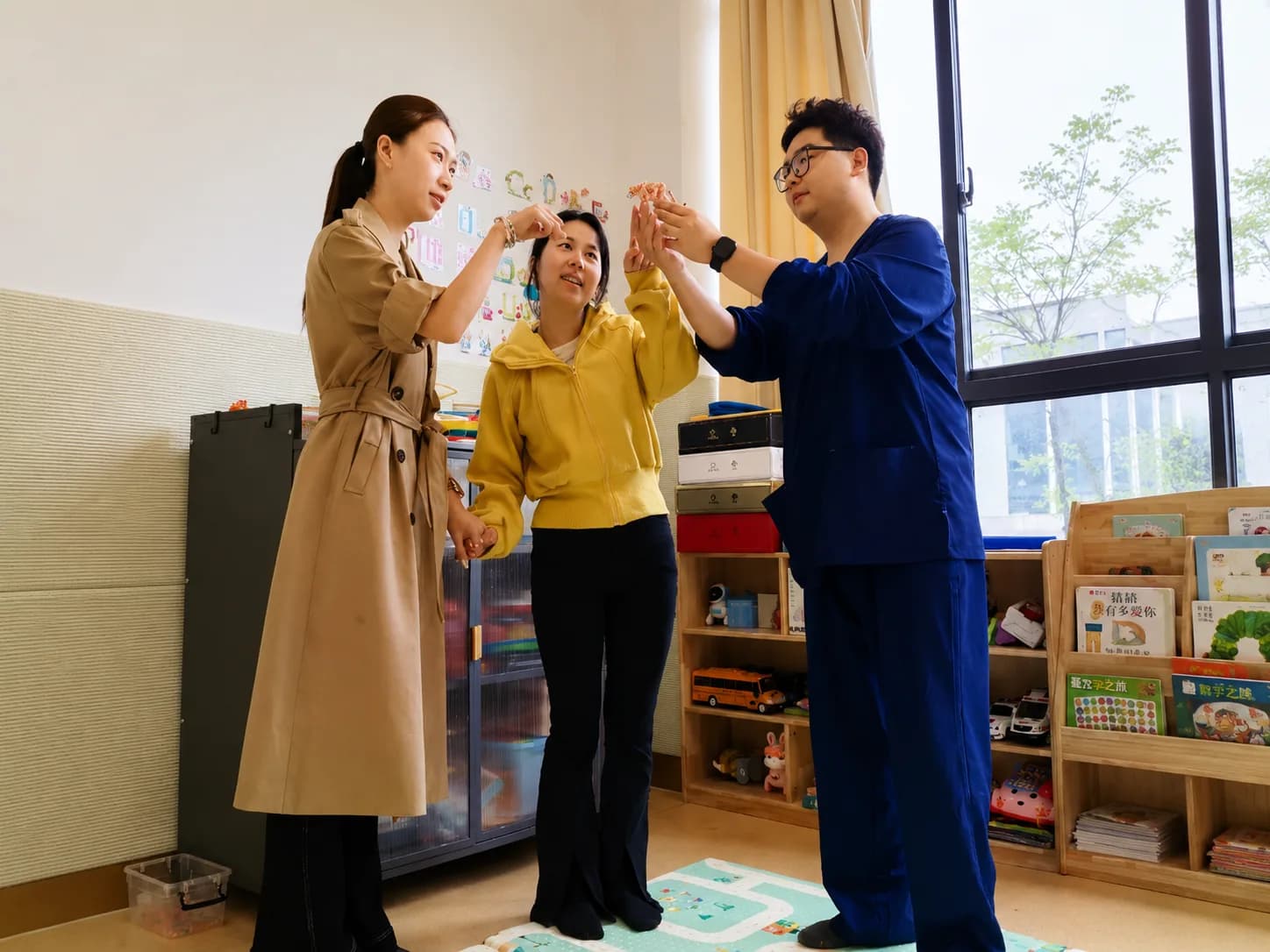
H&B Neurolife specialists engage a child in shared play during a PCI social-interaction session

PCI — Play & Culture Intervention

Play & Culture Intervention for ASD: social motivation and interaction skills through everyday situational interactive play on the 'from life to life' principle.

30–45 minutes
1–3 months
Learn more
PE

PEP — Psychoeducational Profile

Professional comprehensive developmental assessment for children with ASD: a map of capabilities and the foundation for an individualized rehabilitation plan.

30–60 minutes
single session
Learn more
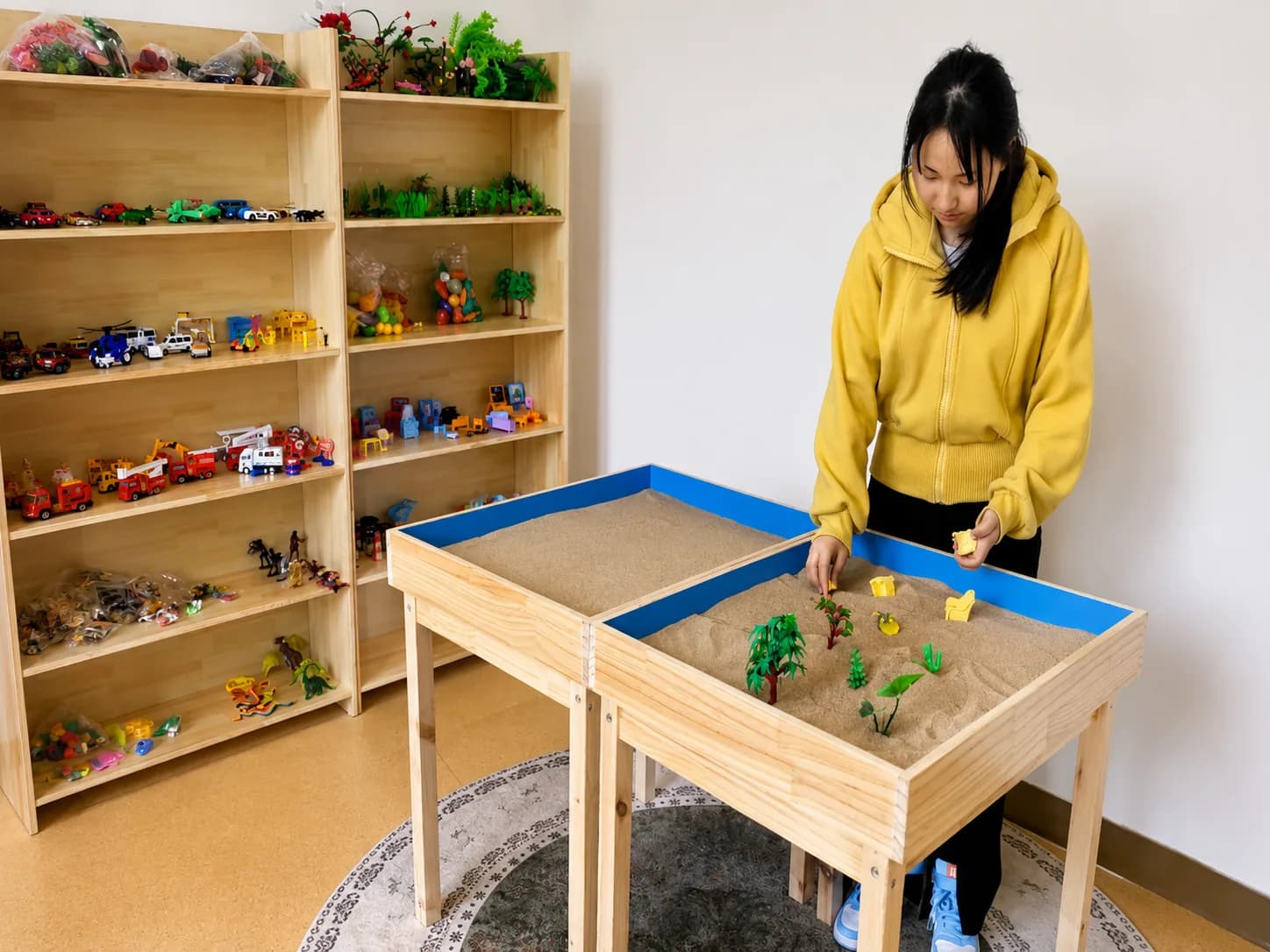
A child builds a scene in a sand tray with miniature figures during sandplay therapy

Sandplay Therapy (Psychological)

A non-verbal psychotherapy technique: a safe space for emotional regulation, symbolic expression, and trust, through work with sand and miniature figures.

30–45 minutes
1–3 months
Learn more
Sc

School Adaptation and Inclusion Training

Preparation of the child for attending kindergarten and school: modelling the school environment and training academic and social skills before inclusion.

30–45 minutes
1–3 months
Learn more
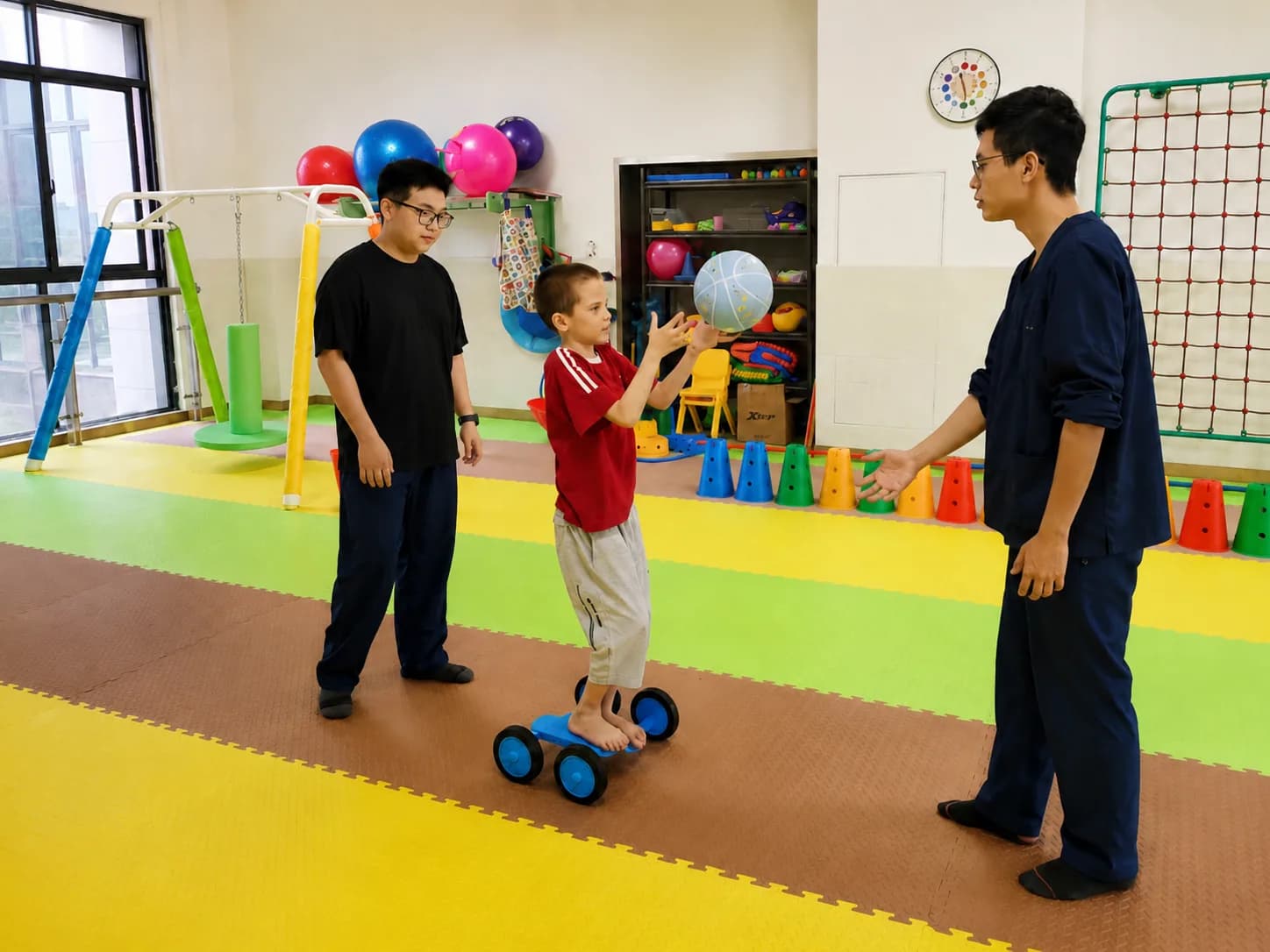
A child exercises on a balance trainer guided by specialists during a sensory integration session

Sensory Integration (SI)

Professional game-based training of sensory processing on specialised equipment — the foundation for the development of attention, emotion, speech, and social skills.

30–45 minutes
1–3 months
Learn more
Sh

Shuangxi Scale (双溪)

Two-channel scale assessing development in children with ASD — profile detailing alongside international instruments.

30–60 minutes
single session
Learn more
Sm

Small Group Sessions

Social practice in a small group of peers — a bridge from a 1:1 format to full group work in stage R of the GROW program.

30–45 minutes
1–3 months
Learn more
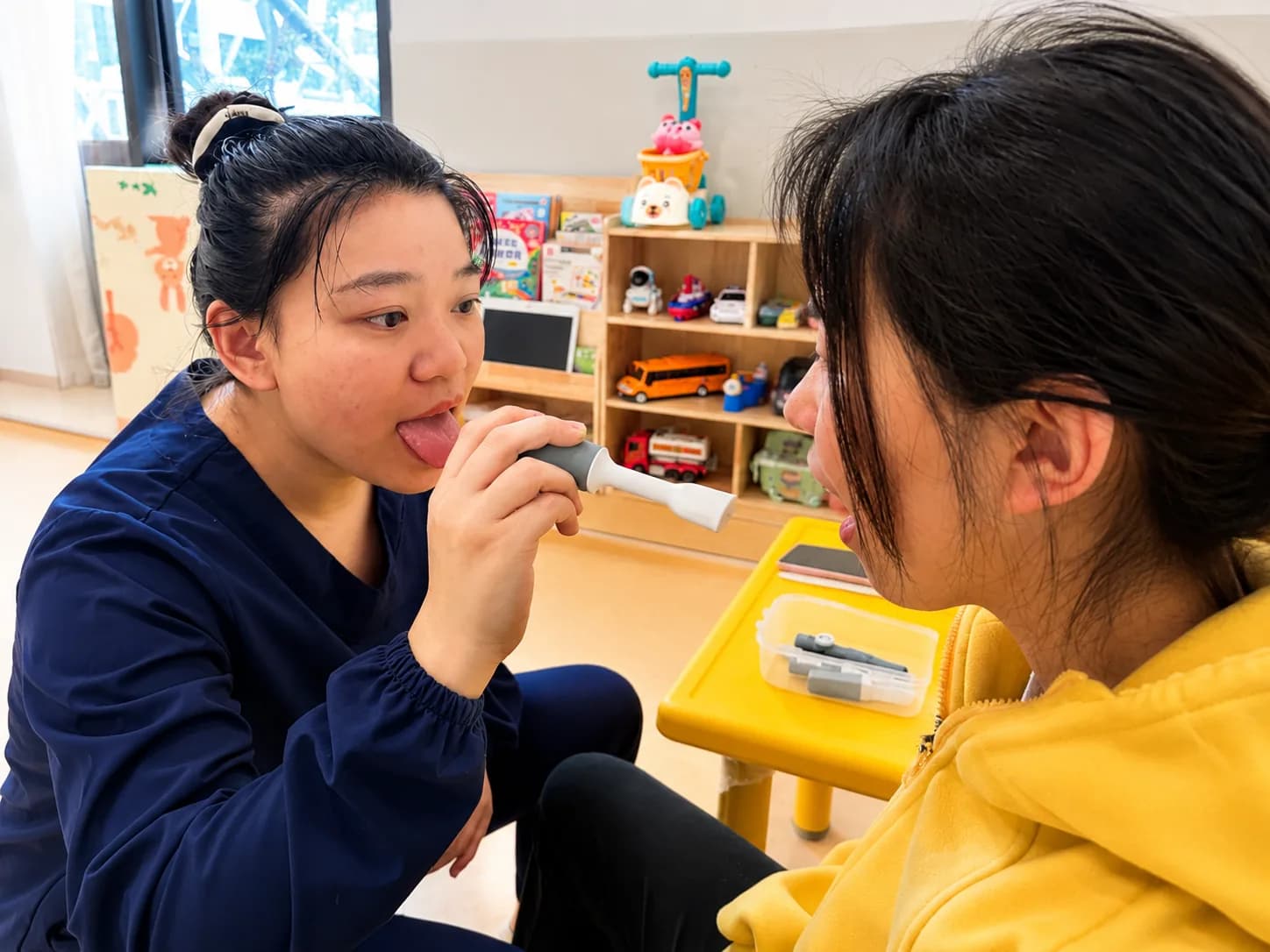
An H&B Neurolife speech therapist works on articulation with a child during a speech session

Speech-Language Therapy

A central focus area in autism rehabilitation: building the chain 'comprehension → expression → application' via a tiered model — from the zero level to dialogue.

30–45 minutes
1–3 months
Learn more
Ac

Active Stem Cell Therapy

Part of the proprietary biomedical core: administration of active stem cells for neural network restoration, anti-inflammatory effect, and neuroregeneration.

1–2 days
several months
Learn more
A Super Skills social-skills group session in the H&B Neurolife play room

Super Skills — Social Skills Training

An internationally standardised, step-by-step social skills training system for children with autism — applied socialisation in real-life scenarios.

30–45 minutes
1–3 months
Learn more
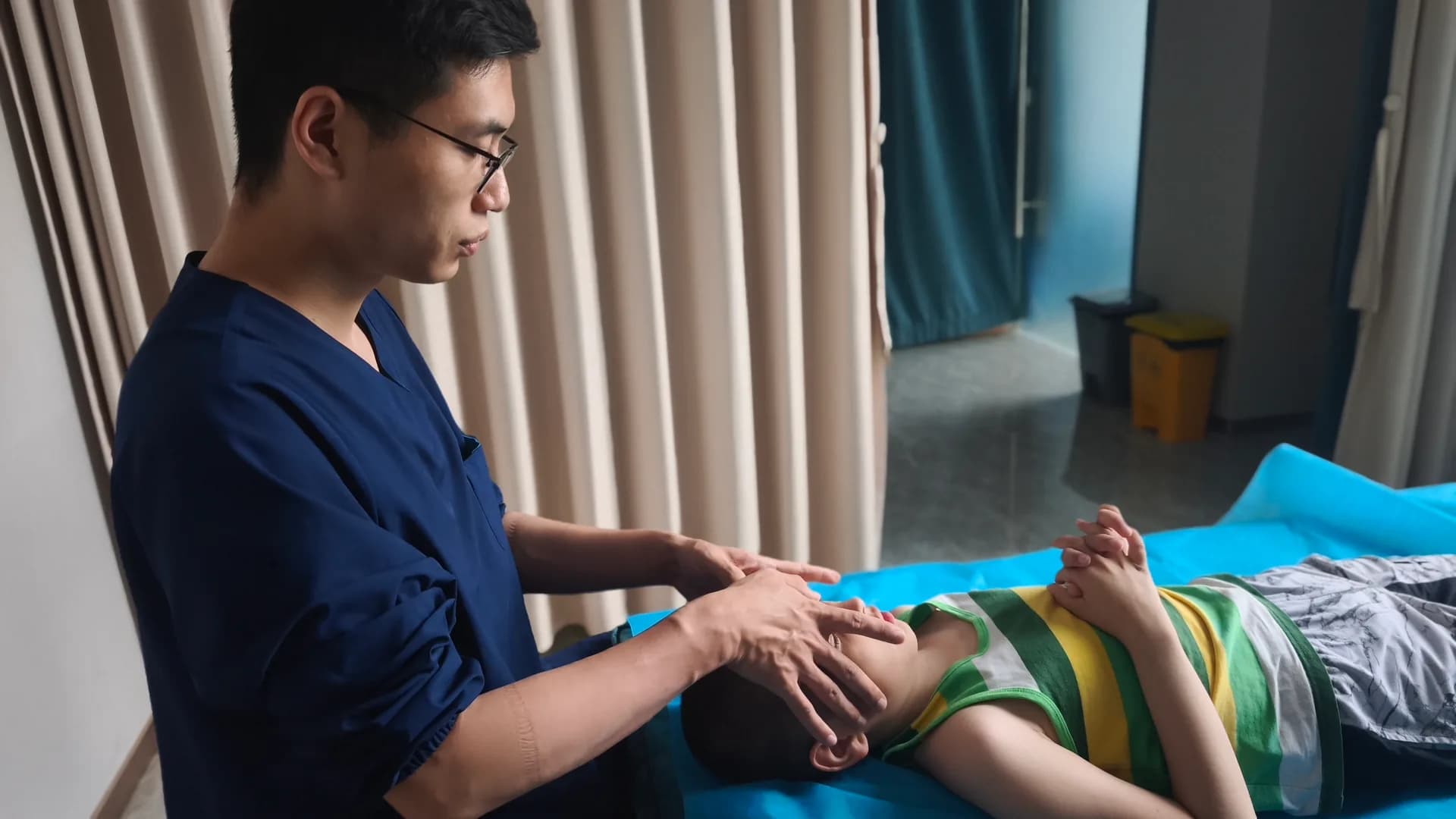
An H&B Neurolife practitioner gives a child a pediatric Tui Na massage

Pediatric Tui Na Massage (推拿)

Purely manual, non-pharmacological TCM method: professional techniques on specific body points to restore channel flow and harmonize qi and blood.

30–40 minutes
1–3 courses
Learn more
TE

TEACCH — Structured Teaching

An international teaching method for autism: a clear environment, defined routines, visual cues, and fixed procedures — predictability reduces anxiety.

30–45 minutes
1–3 months
Learn more
Th

Theory of Mind (ToM) — "Mind Reading" (心智解读)

An advanced socialisation course for autism: the ability to understand others, read emotions, infer intentions, and take another person's perspective.

30–45 minutes
1–3 months
Learn more
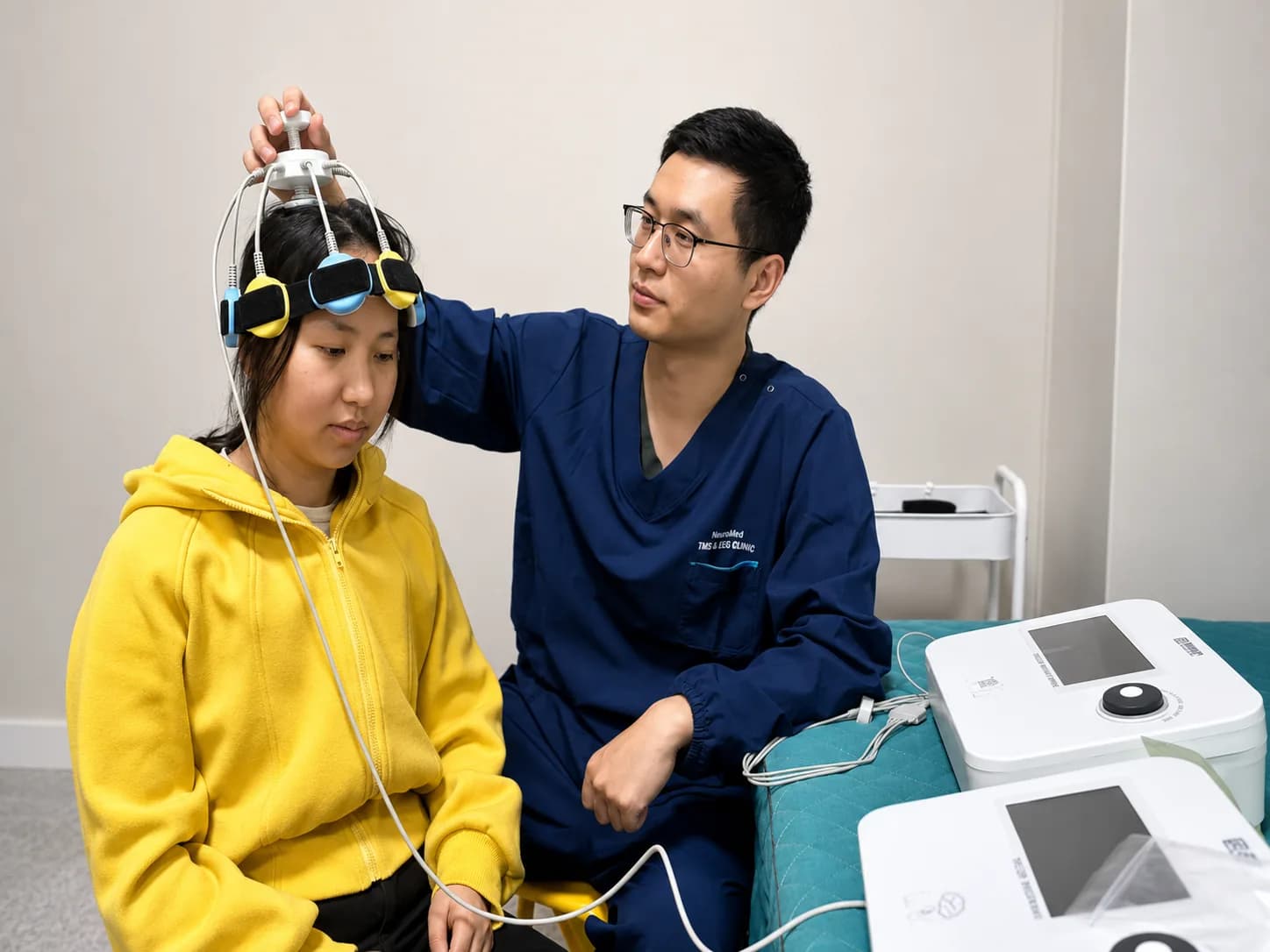
An H&B Neurolife specialist runs a transcranial magnetic stimulation (TMS) session with the coil placed on a child's head

Transcranial Magnetic Stimulation (TMS)

Non-invasive, painless modulation of cortical neuronal excitability — improvements in speech, cognition, attention, and emotional regulation in children.

20–30 minutes
1–3 courses
Learn more
FAQ

Frequently asked questions: Social Communication Deficit
Book a free consultation

Leave a short request — a coordinator will contact you within 24 hours, answer your questions and suggest the first steps.

Leave a request

We use cookies and analytics to improve the website experience. Privacy Policy