
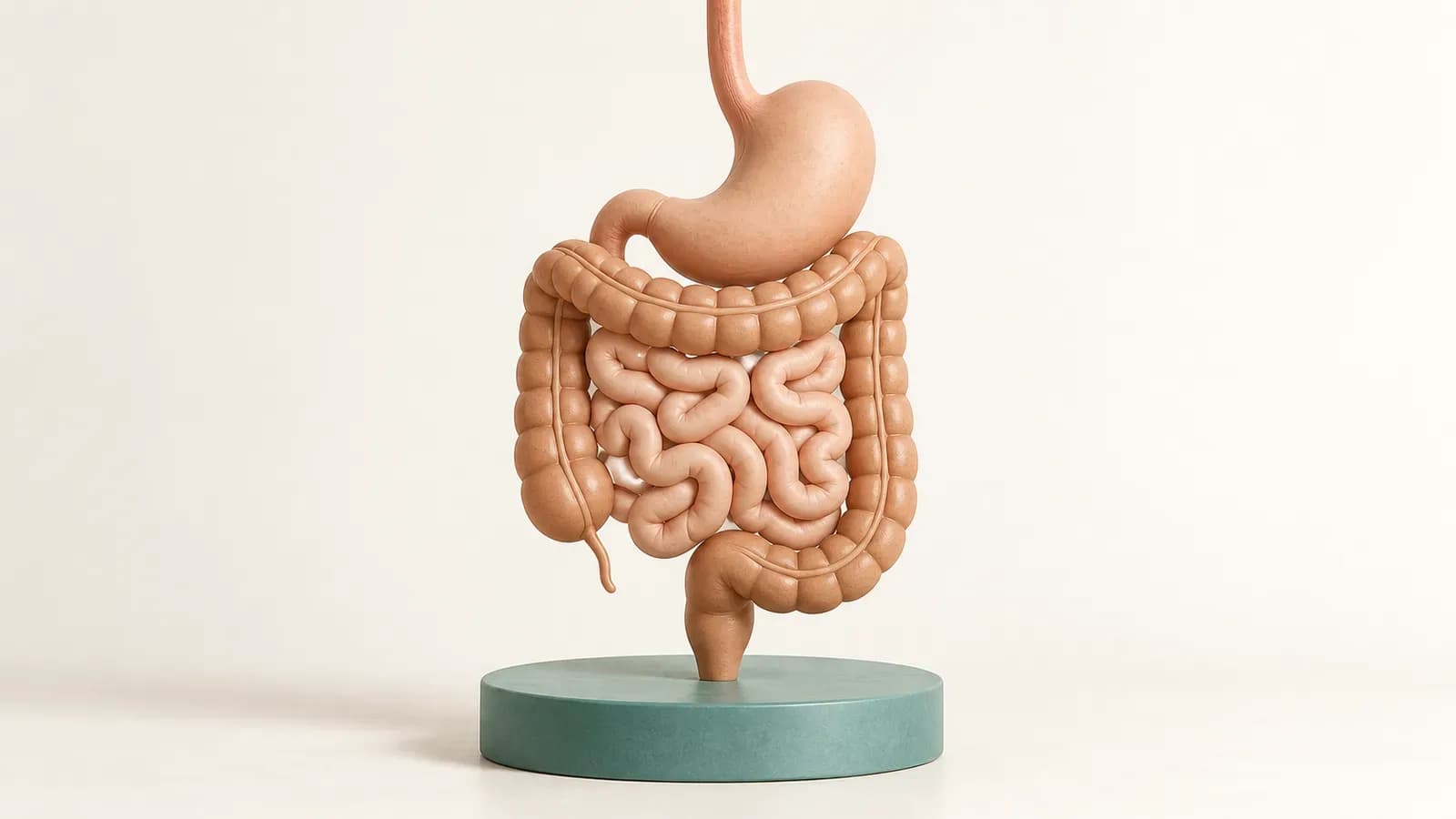
Abdominal pain, changes in bowel habits and feeding difficulties in an autistic child deserve a medical assessment in their own right. Helping a child eat and use the toilet comfortably is a worthwhile goal. A promise to “restore the microbiota and remove autism”, however, goes far beyond what research supports.
Start with a specific question: what has changed for your child, and which problem needs attention? The term “biomedical stage” does not answer this. It can cover different tests and interventions. Ask for an explanation of each part of the proposed plan.
A change in behaviour is a reason to check wellbeing
Not every change in behaviour comes from the gut. Pain and gastrointestinal disorders are nevertheless among the possible contributors to behaviour that creates difficulties, as NICE explains in its recommendations on assessing triggers. New distress or withdrawal from familiar activities should not automatically be attributed solely to autism.
Tell the clinician how your child usually communicates pain and what is different now. Describe observable signs separately: difficulty passing stool, changes in appetite or complaints about abdominal pain. “Cries before using the toilet” describes an event; “has bad gut bacteria” assumes its cause before assessment.
Constipation is not only about how often a child passes stool. NIDDK also lists hard stools, painful bowel movements and attempts to delay them. Constipation accompanied by blood in the stool, constant abdominal pain, vomiting, bloating or weight loss requires prompt medical assessment. Do not delay this while arranging a consultation about travel.
What to record before the appointment
Brief notes can help reconstruct the sequence of events. You do not need to experiment with food or stop prescribed care to obtain a “clean result”. Record your child's ordinary routine and note changes that have already happened.
Four categories may help:
- Food and drink: what your child usually accepts or refuses, and when their diet changed.
- Stool and discomfort: when bowel movements occurred, whether stools were hard or loose, and any pain or straining.
- Sleep and behaviour: exactly what changed, when and in which situation.
- Medicines and other changes: medicines, supplements, a new routine, travel or changes to sessions.
These notes support a conversation; they are not a diagnostic scale. There is no need to calculate a “dysbiosis score” or fit observations to a suspected food link. If you have no notes, start with a verbal account. The absence of a diary should not delay seeking help.
What microbiota research can actually tell us
The microbiota is a community of microorganisms, including those living in the gut. An association between its composition and behaviour does not establish that the microbiota caused autism or that changing it will remove autism. That conclusion requires testing a specific intervention and outcome against an appropriate comparison group.
For example, a 2024 study of faecal microbiota transplantation, or FMT, randomly assigned children to the intervention or placebo. The main outcome was the change in an overall rating of difficulties in social interaction, measured using the SRS-2 scale. FMT showed no significant advantage on this outcome. The authors did report improvement in a separate measure of socialisation in everyday life, a domain of the Vineland-3 scale. Reducing this to “FMT improves autism” leaves out an essential part of the findings. The publication establishes neither that the procedure is appropriate for an individual child nor that it is available at a particular clinic.
If a proposal cites a study, ask what was actually investigated. Do the intervention, ages and participant characteristics match? Did the researchers assess pain and bowel habits, daily skills or features of autism? These outcomes are not interchangeable.
How to discuss the clinic's proposal
On the Hanshi NeuroLife website for the centre in Shangrao, gut microbiota regulation is described as an approach involving assessment of complaints, investigations and selection of support measures. This is the clinic's description, not evidence that every component is effective for autism. There is also a separate page on digestive disorders.
Ask how each part of the proposed plan addresses a specific question:
| Part of the plan | What to ask |
|---|---|
| Investigation | Which possible cause is being checked, and how will the result change the decision? |
| Dietary change | What justifies the restriction, and what will replace the foods removed? |
| Medicine or supplement | Which symptom is it intended for, and who will check tolerability? |
| Follow-up | Which outcome will be assessed, and when will the plan be reviewed? |
A test name and a detailed list of bacteria do not yet explain what your child needs. Ask for a plain-language answer: “If the result looks like this, what would you change, and why?” This helps distinguish a test that informs a decision from a collection of investigations without a clear next step.
Food restrictions need a separate reason
NICE advises against exclusion diets, including gluten-free and casein-free diets, for the core features of autism. It also notes that restricted diets can lead to nutritional deficiencies and recommends assessment of nutrition and growth.
This does not mean every dietary change is unhelpful. For example, a gluten-free diet has a specific medical basis in confirmed coeliac disease. The question is which problem the restriction addresses. If your child already accepts few foods, discuss nutritional adequacy with a professional before introducing further exclusions.
Assess comfort and development separately
It helps to distinguish two goals in the plan. One is to address pain, bowel habits and feeding. The other is to continue support for communication, learning and daily skills. You do not need to wait for “perfect test results” before discussing suitable developmental support.
At follow-up, return to the initial observations: what has changed in bowel habits, how mealtimes are going and which difficulties remain. Discuss the goals of developmental sessions separately. If diet, medicines and support all changed at once, an improvement cannot confidently be attributed to just one of them.
To contact Hanshi NeuroLife, prepare existing medical reports and a brief description of the concerns. Include a food and wellbeing diary if you have one. Ask who would assess gastrointestinal symptoms and which information is needed before a consultation. Sharing documents helps arrange a discussion; it does not replace an examination or confirm a programme through correspondence.