
Epilepsy as a comorbid condition
Also known as: Epileptic seizures in children, Seizure syndrome, Symptomatic epilepsy
A rehabilitation program for children with ASD and comorbid epilepsy at Hanshi NeuroLife (Shangrao). Coordinated care with the treating neurologist, biomedical support, and rehabilitation courses - when seizures are in a stable form.
What is Epilepsy as a comorbid condition?
Epilepsy as a comorbid condition in children with autism spectrum disorder occurs significantly more often than the population average. Epileptic syndromes are also common alongside CP, sequelae of severe neuroinfections, and post-encephalopathic conditions. Specific forms and causes are determined by a specialist neurologist/epileptologist based on EEG, video-EEG monitoring, and MRI when indicated. Epilepsy substantially affects a child's overall development, learning, and behavior - so rehabilitation for comorbid epilepsy requires a coordinated approach: the program at the center runs in parallel with anticonvulsant therapy, under the supervision of the treating neurologist.
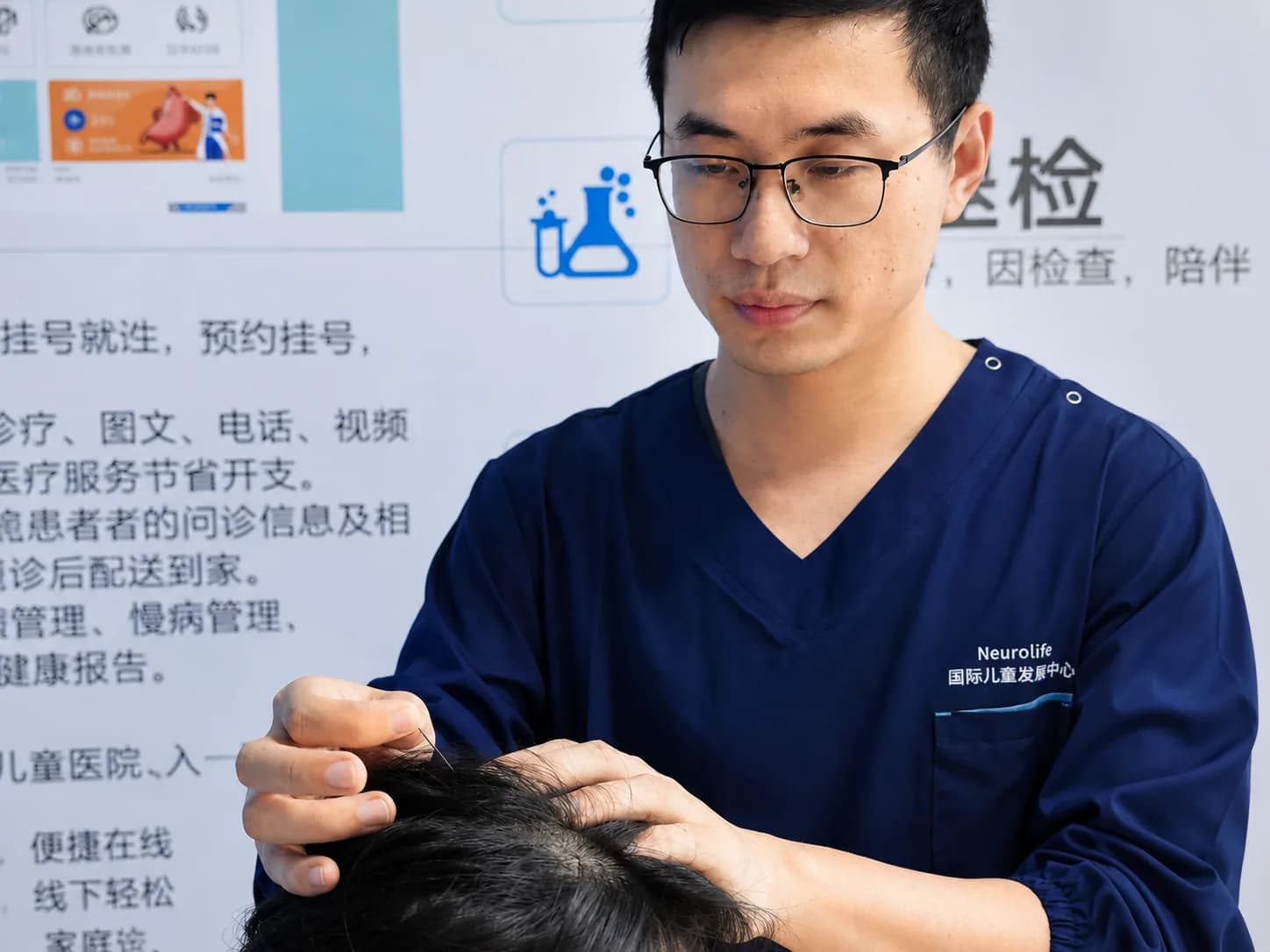
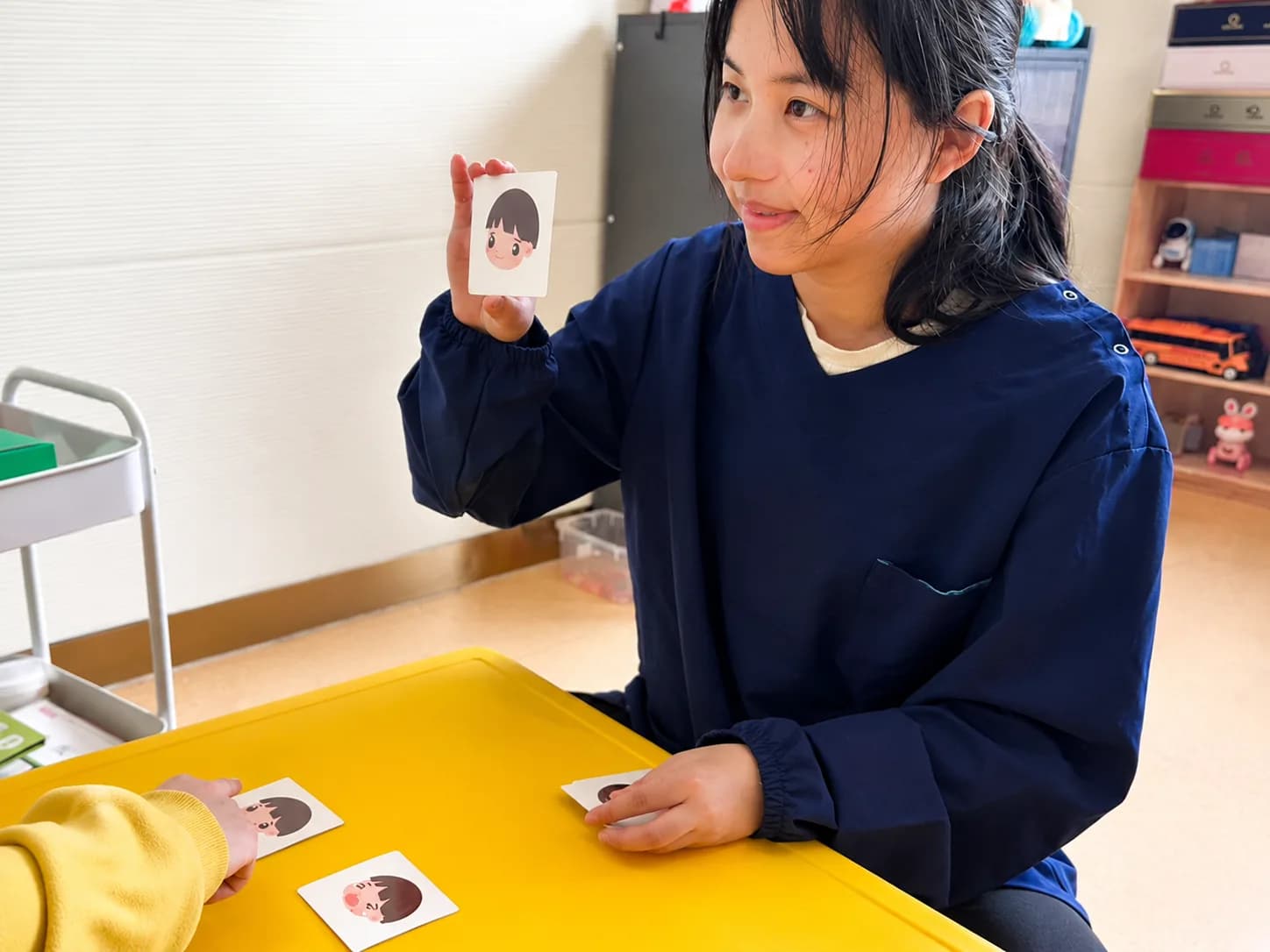
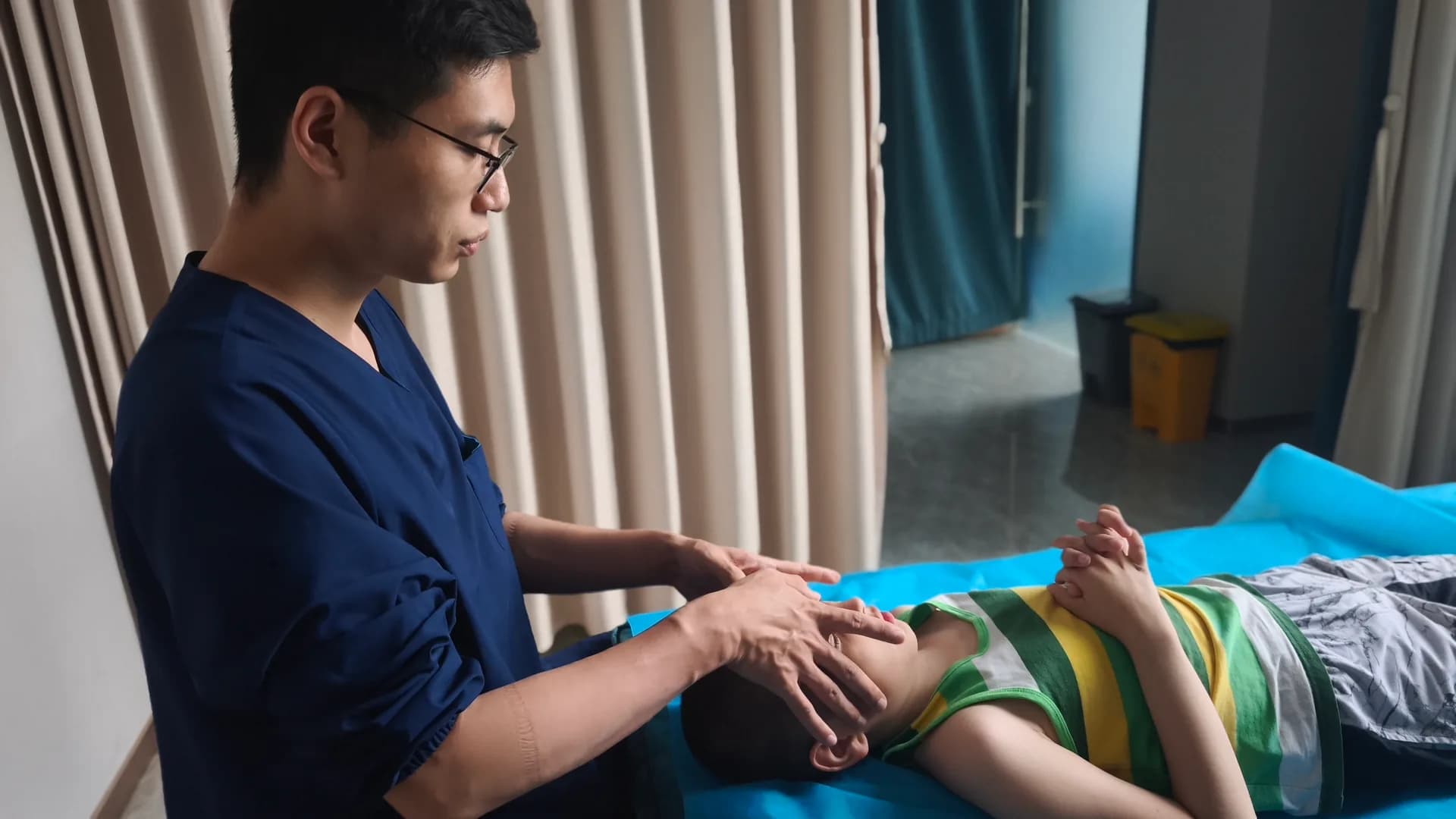
At Hanshi NeuroLife International Rehabilitation Center (Shangrao), the rehabilitation program for comorbid epilepsy is only available when seizures are in a stable form. Severe frequent seizures are on the contraindication list for the course - prior medical stabilization in a specialized clinic is required. Admission to the course is decided by the center's physician after evaluation. In stable forms, we use: biomedical support (neuroregulation and, where indicated, active stem cell therapy - anti-inflammatory effect, restoration of neural networks), TCM methods (pediatric acupuncture, Tui Na massage - in a gentle regimen), and rehabilitation courses (ABA, sensory integration, speech and oral-motor therapy, and others) when there are no contraindications for each specific method. Methods that could potentially trigger activation (for example, intense sensory stimulation in photosensitive epilepsy) are excluded or modified.
What parents should know
When enrolling in the program, it is important to provide our specialists with detailed information about epilepsy: seizure type, frequency, triggers, current medications, and the treating neurologist's report. This is critical for safety and for building a correct plan. Independently stopping or adjusting anticonvulsant medication is categorically not allowed. The rehabilitation program does not replace specific treatment for epilepsy - it works in parallel with it, coordinated with the treating neurologist.
Causes
In children with ASD epilepsy is markedly more common; the syndrome also accompanies CP and post-encephalopathic conditions. The form is determined by a neurologist/epileptologist.
Symptoms
Seizures of varying types — from generalized tonic-clonic to focal and absences. In children with ASD it is key to distinguish them from stereotypies (EEG/video-EEG needed).
Diagnostics
Specialized diagnostics (EEG, video-EEG, MRI if indicated) is the neurologist's role. The center assesses the impact on development, learning, and behavior using scales (PEP, ABC, GMFM).
Prognosis and treatment approach
Severe frequent seizures are a contraindication requiring stabilization in a specialized clinic. With a stable form, the program is coordinated with the neurologist and runs alongside anticonvulsant therapy.
How we treat Epilepsy as a comorbid condition
Diagnostics
Comprehensive examination and patient assessment by an international team of specialists
Treatment plan
Development of an individual rehabilitation program considering diagnosis specifics
Therapy
Intensive course of procedures: physical therapy, massage, physiotherapy, acupuncture and other methods
Results
Progress evaluation, home recommendations and maintenance therapy plan
Treatment procedures: Epilepsy as a comorbid condition
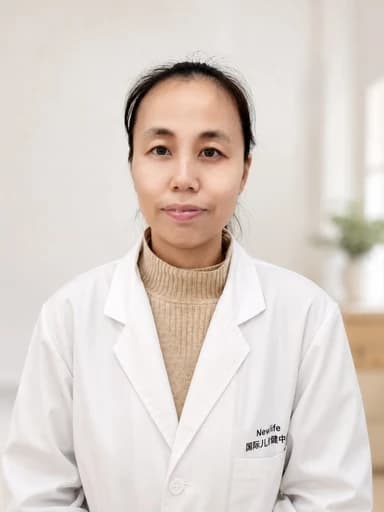
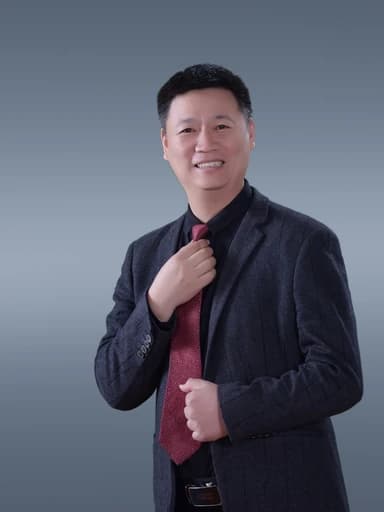
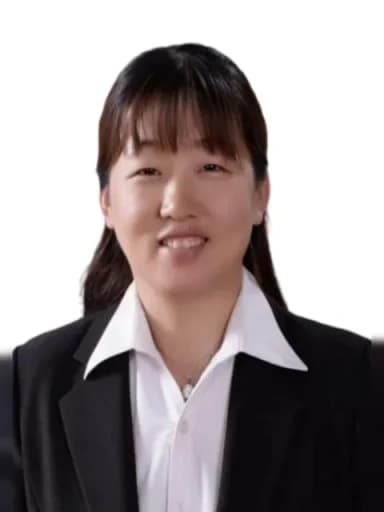
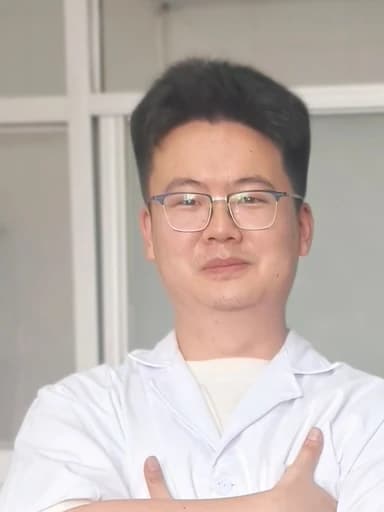
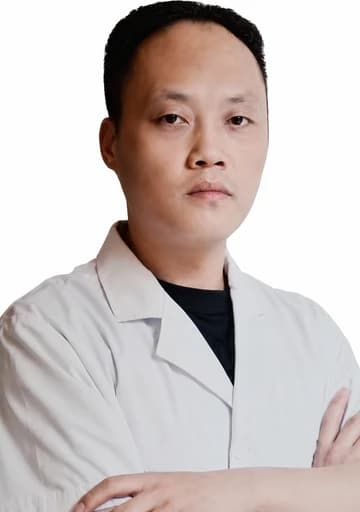
Doctors treating this condition


Frequently asked questions: Epilepsy as a comorbid condition
Book a free consultation
Leave a short request — a coordinator will contact you within 5 minutes, answer your questions and suggest the first steps.