
Growth Retardation and General Weakness
Also known as: Delayed physical development, Short stature, General weakness in children, Hyperhidrosis in children
A program for growth retardation, general weakness, and increased fatigue in children at Hanshi NeuroLife (Shangrao). Biomedical and TCM support to strengthen constitution.
What is Growth Retardation and General Weakness?
Growth retardation, general weakness, and excessive sweating are a group of conditions in which overall physical development is affected: short stature and/or low body mass relative to age norms, slow weight gain, poor appetite, increased fatigue, low exercise tolerance, and excessive sweating (especially at night). Low immunity and frequent colds are often part of the picture. Causes vary: nutritional factors (deficiencies of microelements, vitamins, essential fatty acids), gut microbiota dysbiosis, constitutional features (in TCM — spleen-and-stomach weakness, Qi deficiency), and endocrine disorders. If endocrine pathology is identified, rehabilitation work is coordinated with an endocrinologist and does not replace specific treatment.
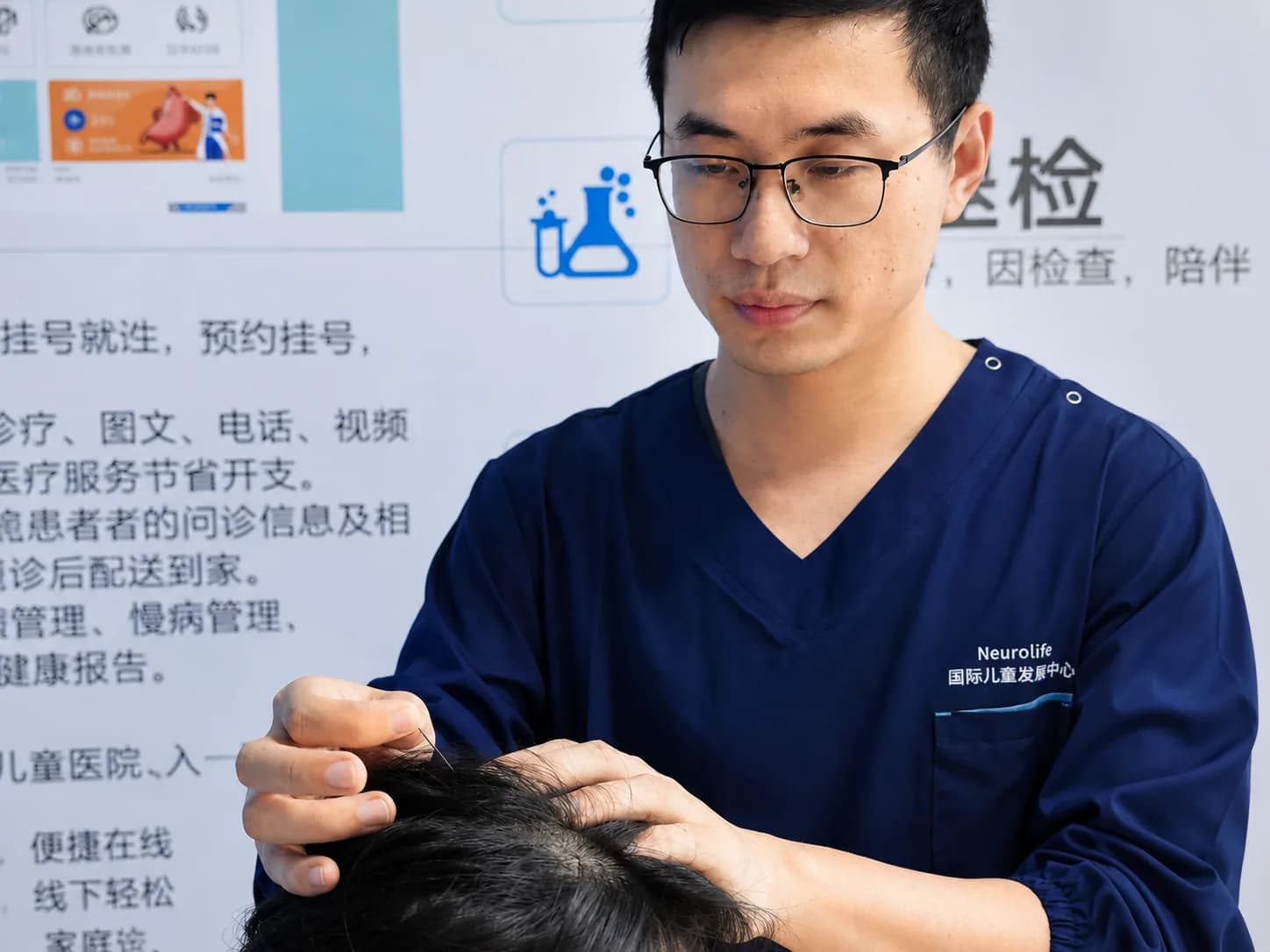
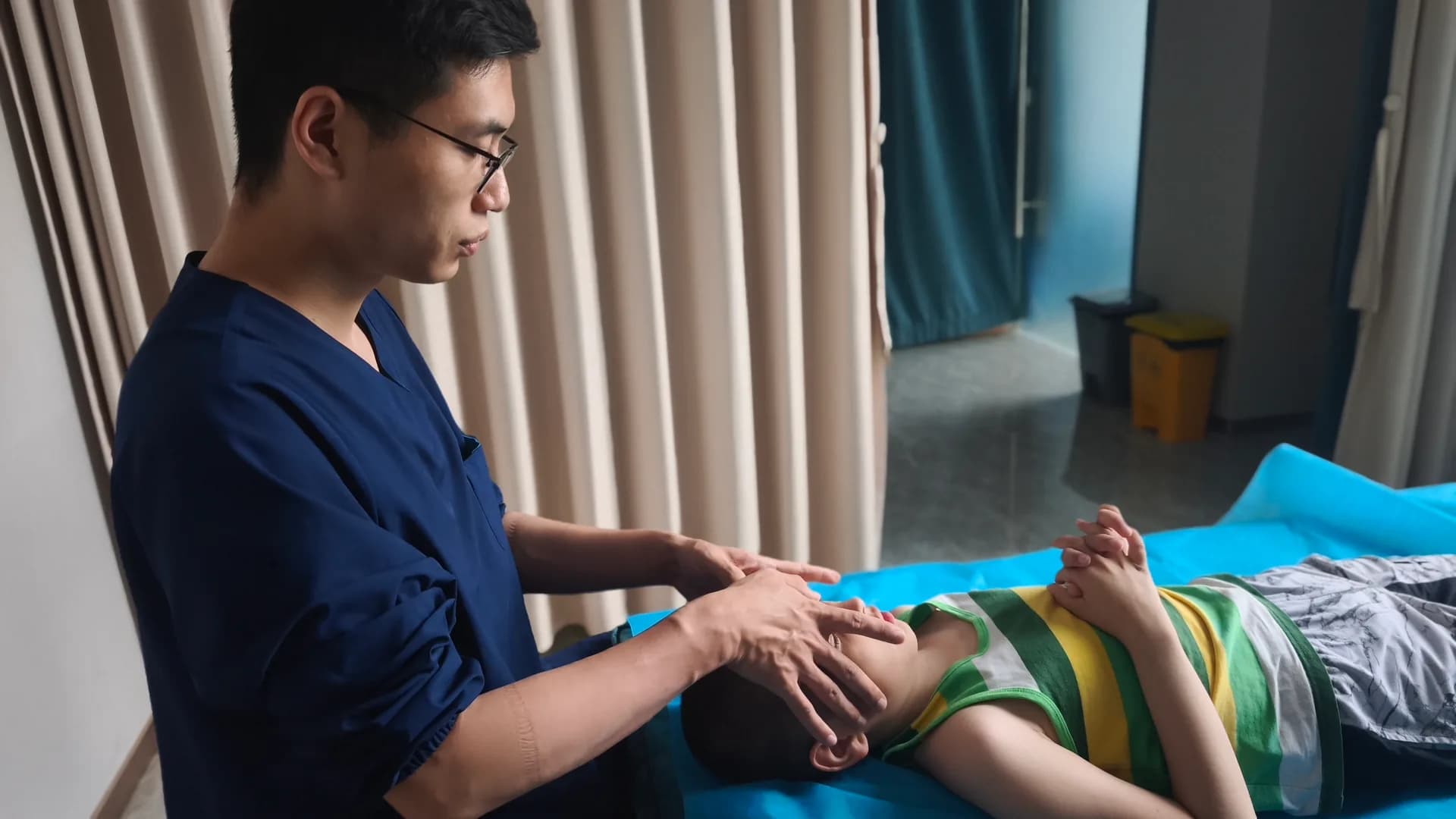
At Hanshi NeuroLife International Rehabilitation Center (Shangrao), when growth retardation is of functional origin, work is built on a combination of biomedical and TCM directions. Gut microbiota regulation improves nutrient absorption — often a child eats enough food but, due to dysbiosis, does not absorb the necessary nutrients. Nutritional support replenishes deficiencies of vitamins, microelements, and essential fatty acids. Pediatric Tui Na massage and acupuncture — in TCM logic — strengthen the spleen and stomach, improve appetite and digestion, and restore channel patency. Chinese herbal medicine (as part of TCM care) complements the program. Neuroregulation addresses overall metabolic processes in the CNS. When indicated — medication support.
What matters for parents
Growth retardation is always a reason to first rule out organic and endocrine causes with the relevant specialist. The rehabilitation program addresses the functional component and does not replace endocrinological treatment when indicated. Regular anthropometric reassessment shows progress.
Causes
Most often caused by growth hormone deficiency, genetic syndromes (Turner, Prader-Willi), chronic kidney or gastrointestinal disease, malnutrition, or thyroid disorders.
Symptoms
The main sign is growth delay of more than 2 standard deviations below the norm and a rate under 4 cm per year; delayed bone age and late puberty may also occur.
Diagnostics
Height is tracked on a growth curve, a hand X-ray assesses bone age, and tests check growth hormone and IGF-1; genetics and a pituitary MRI are added if needed.
Prognosis and Treatment Approach
With early hormone replacement therapy the outlook is favorable: most children reach near-normal height under endocrinologist supervision.
How we treat Growth Retardation and General Weakness
Diagnostics
Comprehensive examination and patient assessment by an international team of specialists
Treatment plan
Development of an individual rehabilitation program considering diagnosis specifics
Therapy
Intensive course of procedures: physical therapy, massage, physiotherapy, acupuncture and other methods
Results
Progress evaluation, home recommendations and maintenance therapy plan
Treatment procedures: Growth Retardation and General Weakness
Doctors treating this condition




Frequently asked questions: Growth Retardation and General Weakness
Book a free consultation
Leave a short request — a coordinator will contact you within 5 minutes, answer your questions and suggest the first steps.