Epilepsy
Also known as: Epileptic seizures, Seizure disorder, Epileptic disease
Epilepsy is a chronic disorder of the brain with recurrent unprovoked seizures. The center does not treat epilepsy itself — we restore function: movement, speech, and cognitive skills. Rehabilitation is possible when seizures are controlled, is always coordinated with the treating neurologist, and follows a gentle safety protocol.
What is Epilepsy?
Epilepsy is a chronic disorder of the brain that manifests as recurrent unprovoked seizures. Seizures arise from brief, excessive, and synchronous electrical activity in groups of neurons and can take various forms — from generalized tonic-clonic seizures to focal seizures and absence seizures. The specific form, causes, and treatment of epilepsy are determined by a specialist neurologist or epileptologist based on EEG, video EEG monitoring, and, where necessary, MRI.
When rehabilitation is possible
The center admits children with epilepsy when seizures are controlled. If seizures occur more than twice a month, rehabilitation cannot begin — this is a safety protocol: stimulating procedures increase the load on the nervous system and may provoke an increase in seizure frequency. In that case, treatment is first selected by a specialist neurologist, and as soon as the seizures are brought under control (remission or rare episodes), the center is ready to admit the child.
Severe active epilepsy with daily or weekly uncontrolled seizures is a contraindication to rehabilitation. Epileptiform activity on EEG without frequent seizures, however, is not a contraindication: it occurs in many children with neurological diagnoses — in this case the program is simply built more cautiously.
How a safe program is built
When there is epileptiform activity, procedures involving electrical current are completely excluded from the program — TMS (transcranial magnetic stimulation) and neuromuscular electrical stimulation — as well as stimulating medications. Other activating methods are introduced gradually, in small doses, and under physician supervision. The course begins with a gentle program and expands only when progress is stable.
Anticonvulsant therapy selected by the treating neurologist continues during the course: it must be reported to the center's physician, and where indicated, video EEG monitoring and blood tests for the medication's concentration are ordered.
Epilepsy as a comorbid diagnosis
Often epilepsy is not the only diagnosis: it accompanies cerebral palsy, the consequences of organic brain damage, and genetic syndromes. The specifics of rehabilitation in such cases are covered on a dedicated page — Epilepsy as a comorbid condition.
Causes
Causes vary: structural changes in the brain, genetic and metabolic factors, and the aftermath of previous injuries to the nervous system; in some cases the cause remains unidentified. The form of the disease is determined by a neurologist or epileptologist.
Symptoms
The main manifestation is recurrent seizures: from generalized convulsive seizures to focal seizures and absence seizures. In children, epilepsy is often accompanied by delays in motor, speech, and cognitive development — and it is precisely these that rehabilitation addresses.
Assessment
The center has its own diagnostic department: EEG and prolonged video EEG monitoring, MRI and CT, and a laboratory that returns test results within an hour. As prescribed by the physician, the concentration of antiepileptic medications in the blood is monitored.
Prognosis and Treatment Approach
The course is individual and depends on the form. The sequence is always the same: first, seizure control — provided by the treating neurologist — then rehabilitation of function. When the condition is stable, the program starts in a gentle format and expands as progress allows.
How we treat Epilepsy
Diagnostics
Comprehensive examination and patient assessment by an international team of specialists
Treatment plan
Development of an individual rehabilitation program considering diagnosis specifics
Therapy
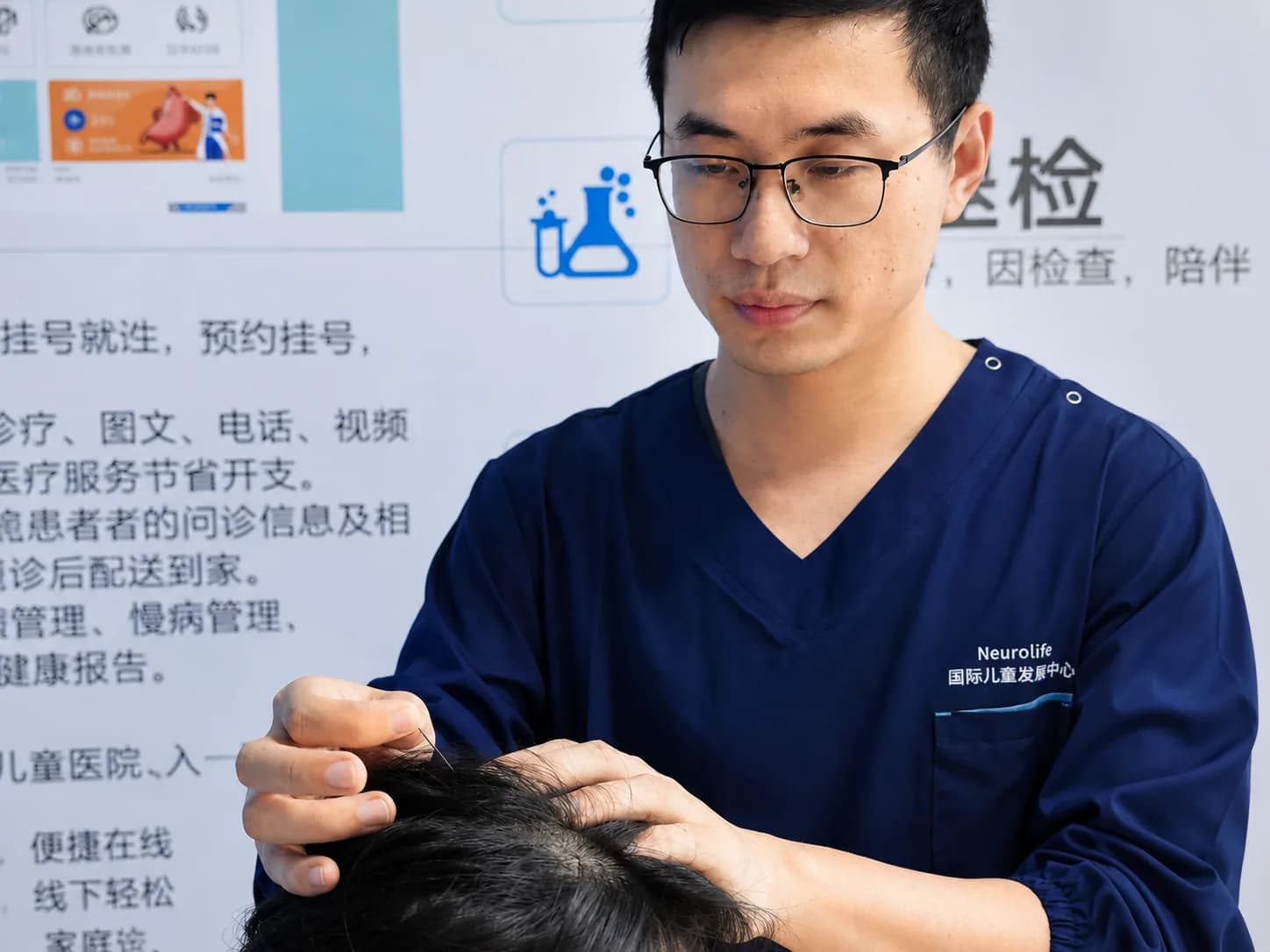
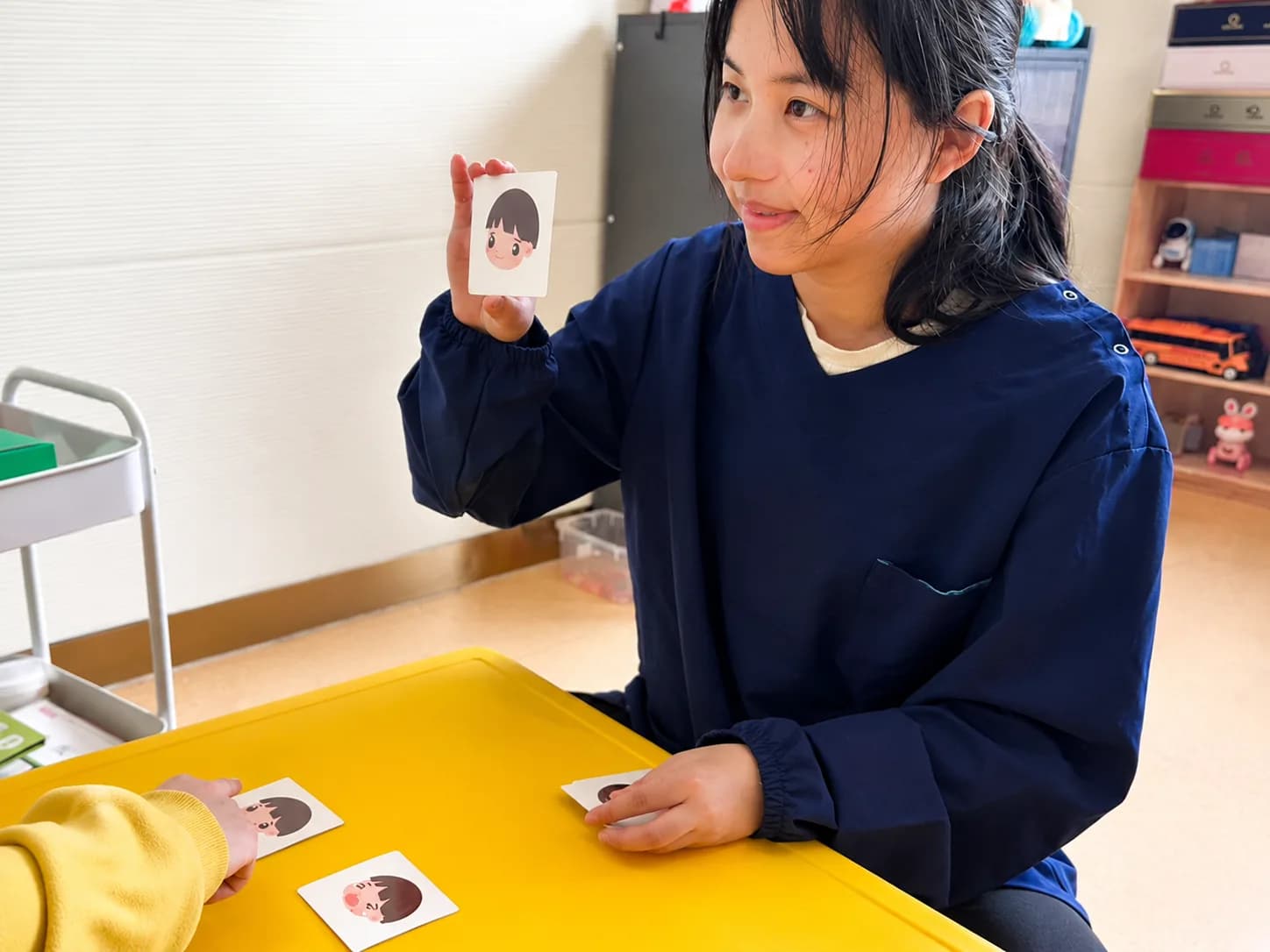
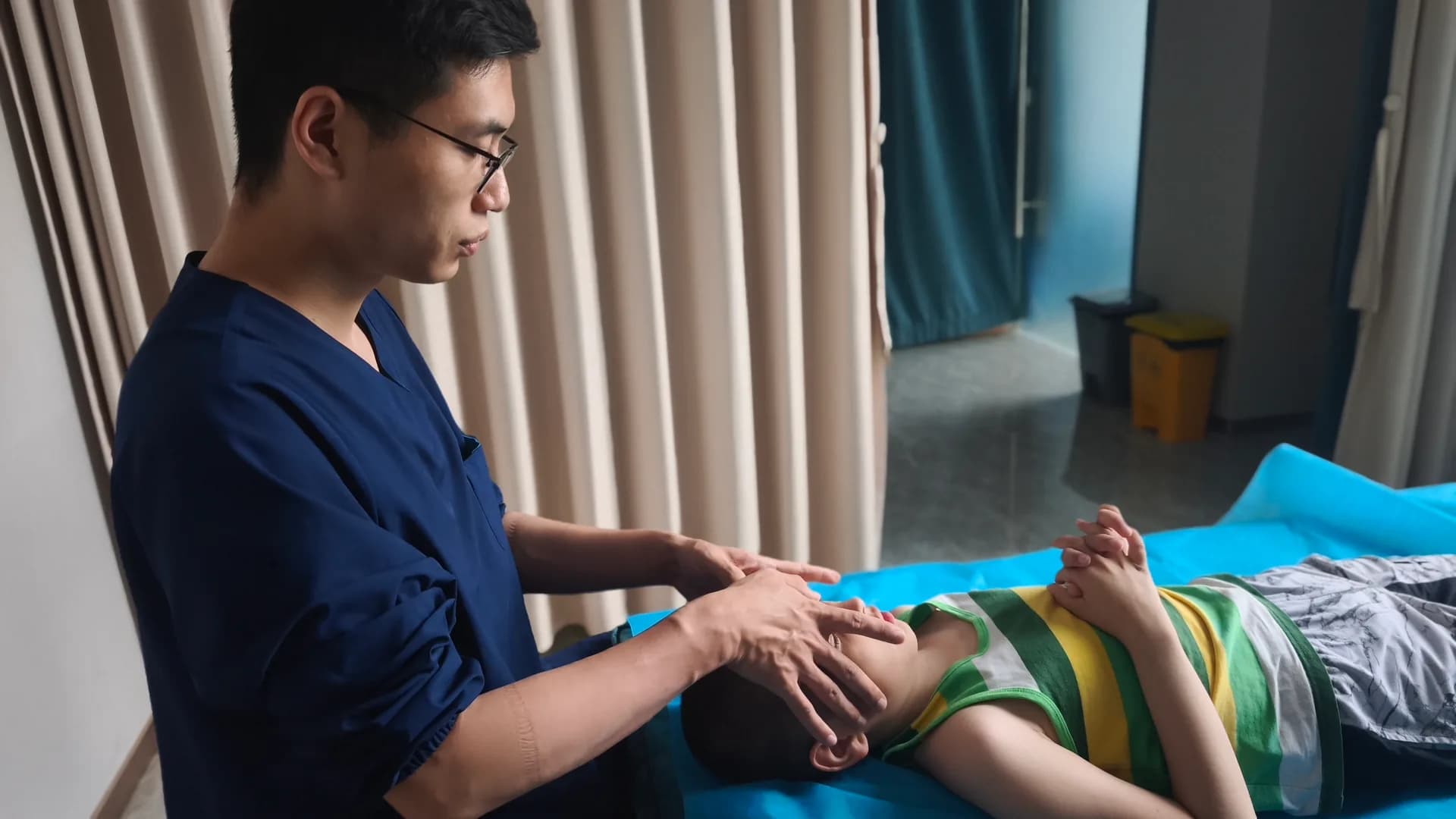
Intensive course of procedures: physical therapy, massage, physiotherapy, acupuncture and other methods
Results
Progress evaluation, home recommendations and maintenance therapy plan
Treatment procedures: Epilepsy
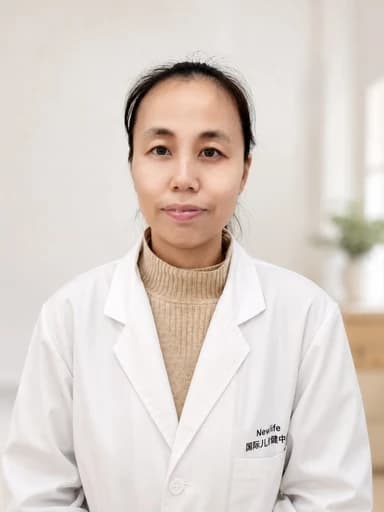
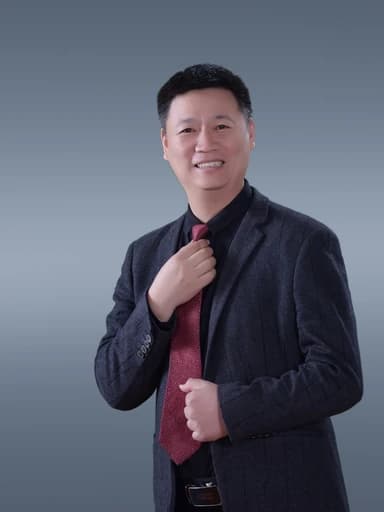
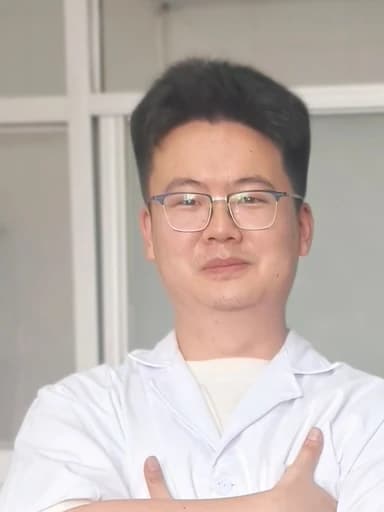
Doctors treating this condition

Frequently asked questions: Epilepsy
Book a free consultation
Leave a short request — a coordinator will contact you within 5 minutes, answer your questions and suggest the first steps.