
Food Intolerance and Food Allergy
Also known as: Food allergy, Food intolerance, Food reactions
A program for food intolerance and food allergy in children at Hanshi NeuroLife (Shangrao). Precision microbiota testing, nutritional intervention, gut barrier restoration, and TCM methods.
What is Food Intolerance and Food Allergy?
Food intolerance and food allergy are pathological responses of the body to specific foods. Allergy is an immune reaction (antibodies are produced) and often presents acutely. Intolerance is a non-immune reaction linked to digestion and microbiota features, more often presenting chronically and non-specifically — with skin manifestations, GI symptoms, respiratory manifestations, persistent irritability, and poor sleep. In children with ASD, food intolerance occurs significantly more often than average and sustains irritability, sleep disturbances, and behavioral issues through the gut-brain axis.
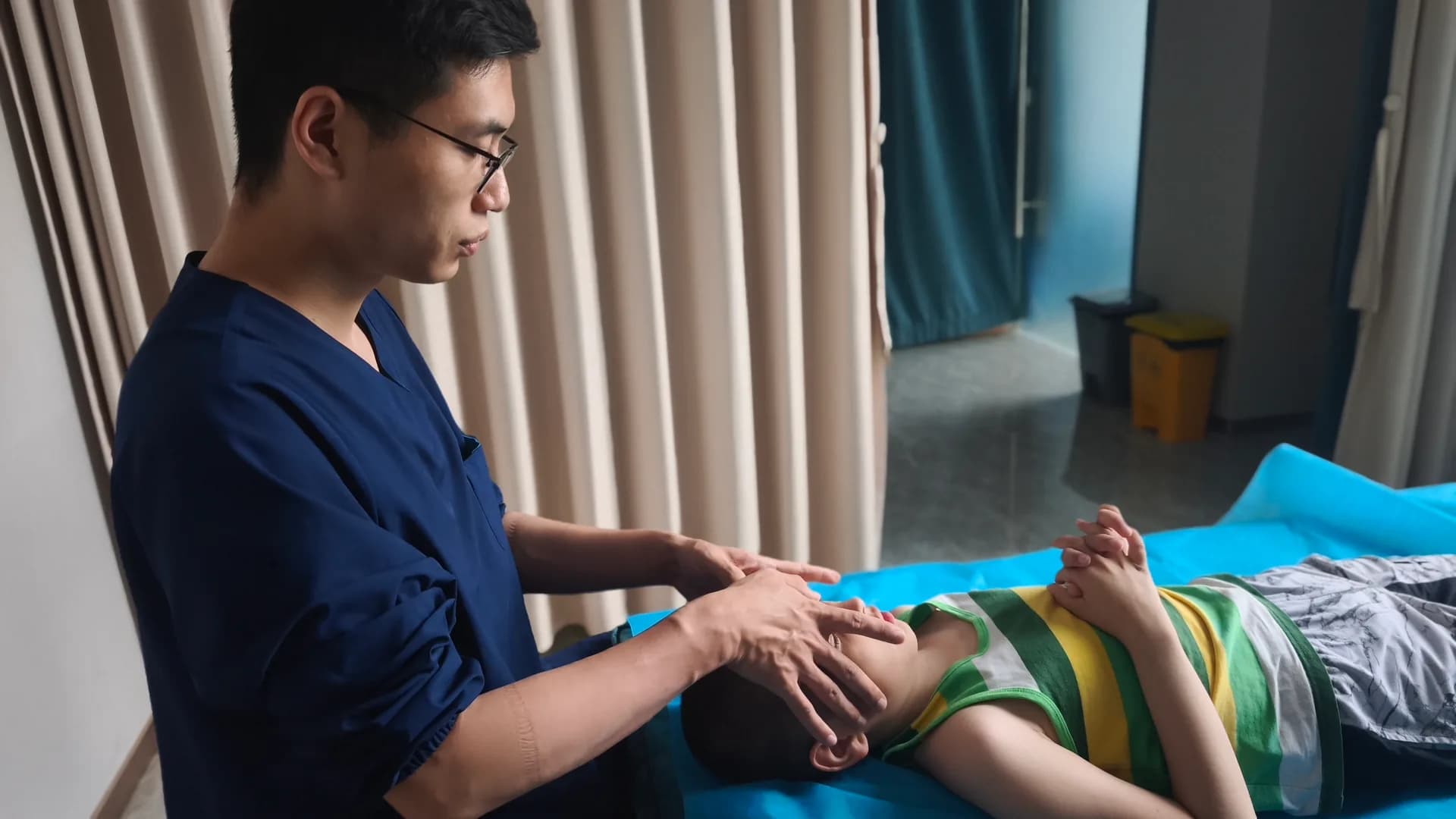
At Hanshi NeuroLife International Rehabilitation Center (Shangrao), the approach to food intolerance is comprehensive and grounded in the center's strong biomedical focus. Gut microbiota regulation is built on precision microbiota testing, after which personalized probiotics and individualized dietary therapy are selected — this is substantially more effective than "universal" elimination diets and over-the-counter probiotics. In parallel, nutritional support addresses deficiencies of vitamins, microelements, and essential fatty acids, and restores the gut barrier. TCM methods — pediatric Tui Na massage (which in TCM logic strengthens the spleen and stomach), acupuncture, and Chinese herbal medicine — complement the program. For pronounced allergy, the program is coordinated with an allergist.
What matters for parents
Often, when microbiota is balanced and food triggers are removed, the child improves not only in food reactions but also in overall state, sleep, emotions, behavior, and therapy-session tolerance. That is why working with food intolerance in children with ASD is not a "separate task" but a core part of the overall program. For adult patients with microbiota disorders, see our network partner site — microbiota-lab.com.
Causes
Often linked to gut microbiota dysbiosis, gut barrier disruption, and immune regulation features. In children with ASD it occurs significantly more often than average.
Symptoms
Skin signs (dermatitis, urticaria) and GI symptoms (pain, diarrhea, constipation), plus persistent irritability, poor sleep, and food selectivity.
Diagnostics
Pediatric and allergological assessment, precision gut microbiota testing, and gut barrier evaluation. When indicated — a work-up with an allergist.
Prognosis and Treatment Approach
With systematic work on microbiota, diet, and gut barrier, most cases improve significantly. The program combines microbiota regulation, barrier restoration, and TCM methods.
How we treat Food Intolerance and Food Allergy
Diagnostics
Comprehensive examination and patient assessment by an international team of specialists
Treatment plan
Development of an individual rehabilitation program considering diagnosis specifics
Therapy
Intensive course of procedures: physical therapy, massage, physiotherapy, acupuncture and other methods
Results
Progress evaluation, home recommendations and maintenance therapy plan
Treatment procedures: Food Intolerance and Food Allergy

Doctors treating this condition





Frequently asked questions: Food Intolerance and Food Allergy
Book a free consultation
Leave a short request — a coordinator will contact you within 5 minutes, answer your questions and suggest the first steps.