
High-Risk Infants
Also known as: At-risk infants, Developmental risk group, Early intervention, Perinatal risk group
Early intervention program for infants at high risk of developmental disorders at Hanshi NeuroLife (Shangrao). The goal is to act within the «golden window» — to prevent or substantially mitigate possible developmental delay through systematic early work.
What is High-Risk Infants?
High-risk infants are babies and very young children with factors that statistically increase the risk of developmental disorders: prematurity, low birth weight, perinatal CNS injury, sequelae of birth asphyxia or hypoxia, complicated pregnancy course. These children do not yet have a confirmed diagnosis of delay or another disorder, but for them an early intervention program is critical — systematic work within the «golden window» when the nervous system has the greatest plasticity.
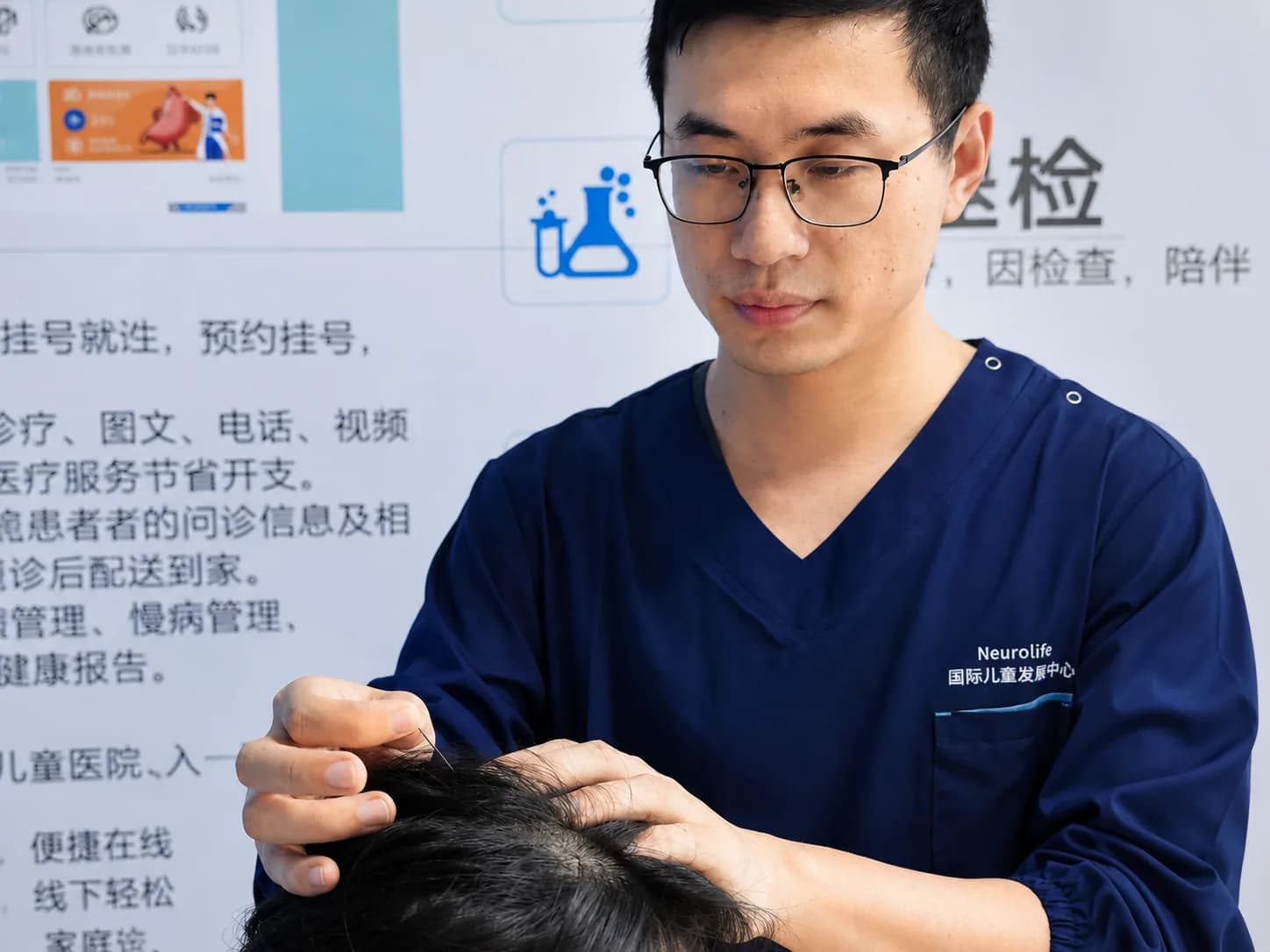
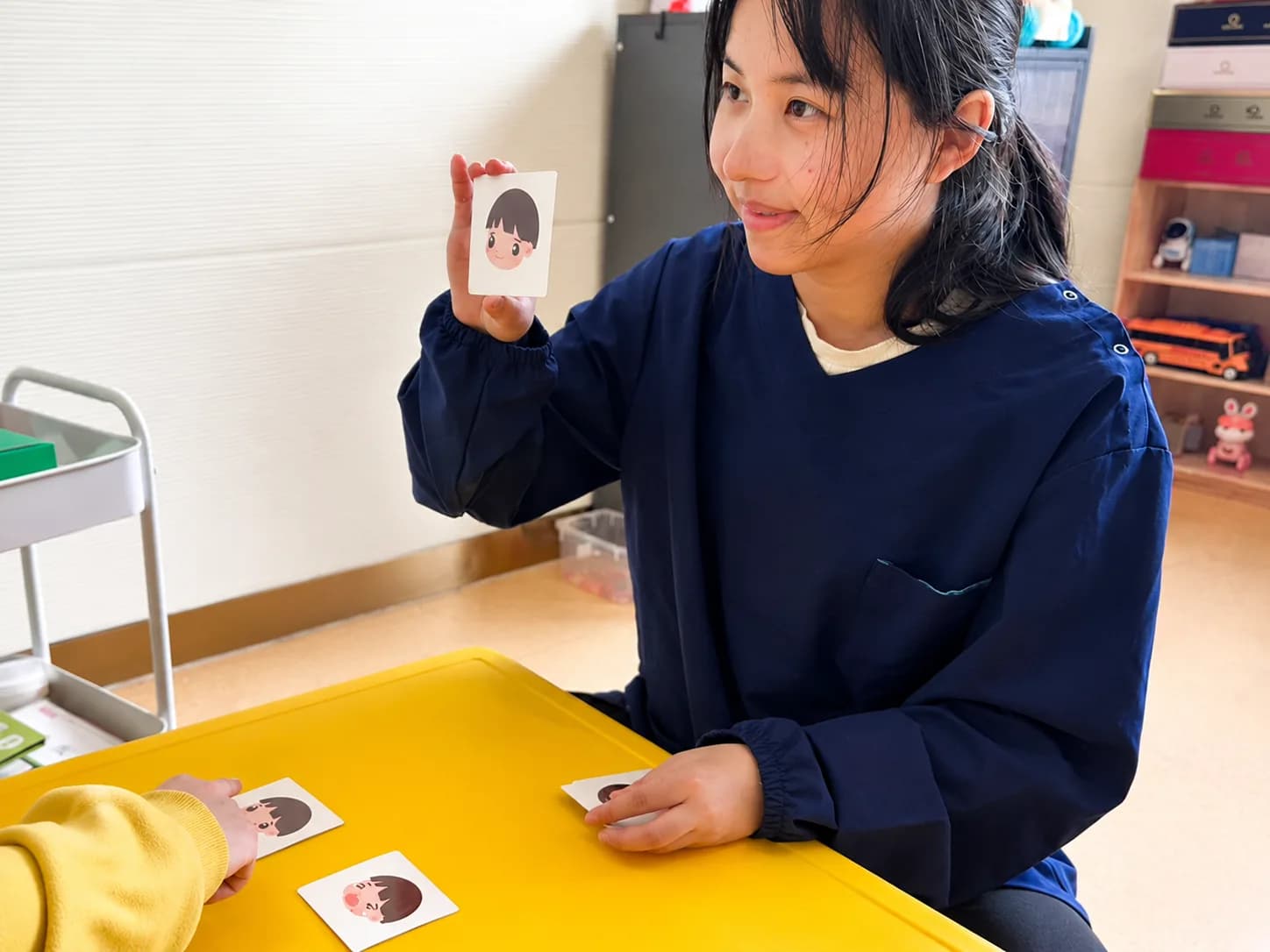
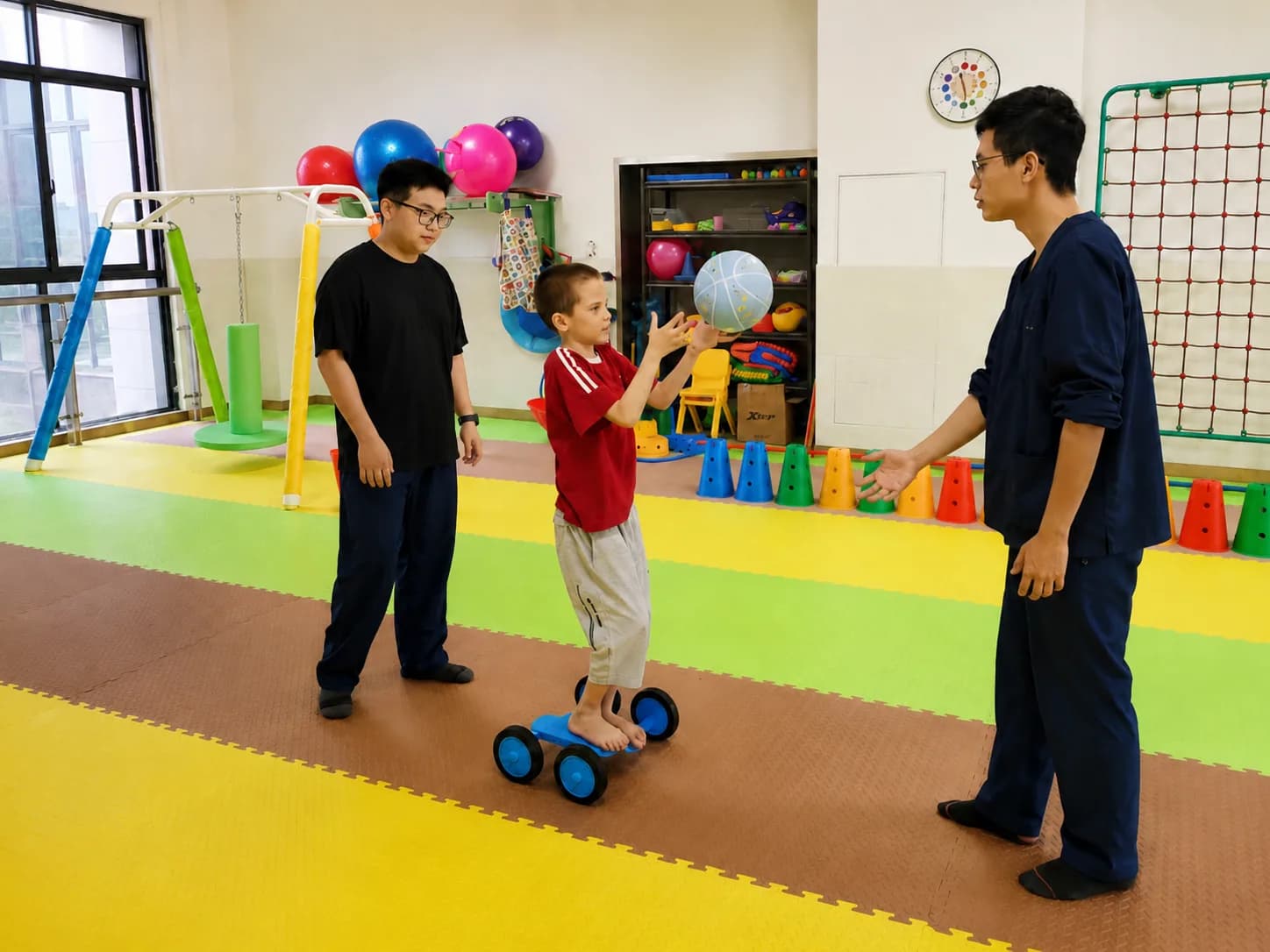
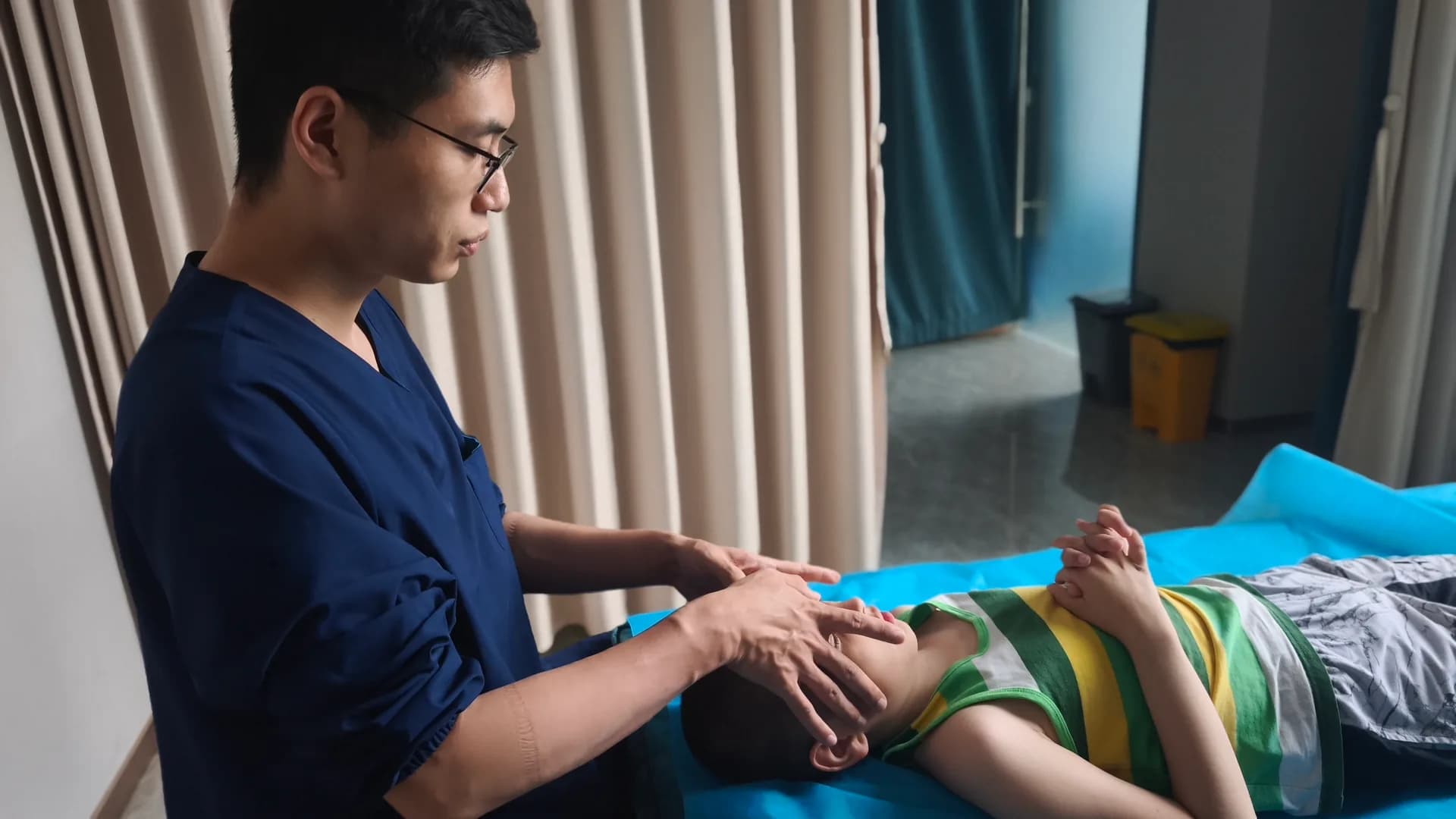
At Hanshi NeuroLife International Rehabilitation Center (Shangrao), the early intervention program combines biomedical and rehabilitation methods adapted to early age. The biomedical direction — neuroregulation; active stem cell therapy where indicated — addresses the physiological basis of brain development: circulation, neuronal metabolism, anti-inflammatory effect. Device-based physical therapy — neuromuscular electrical stimulation — activates muscles and regulates tone. TCM methods — pediatric Tui Na massage and acupuncture — support the body and regulate sleep and digestion; parents are taught simple Tui Na techniques for daily home work. Sensory integration and developmental games in a parent-and-child format — stage G (Guide Base) in the GROW program — build the foundation for further development.
What Parents Should Know
Regular assessment on the Gesell Developmental Scale and observation of early signs allow timely detection of deviations and prompt program adjustment. Parents are trained to recognize early warning signs (crying for no reason, lack of responsive smile and voice reaction at 3–4 months, no interest in toys at 6–7 months, avoidance of eye contact at 12–13 months) — this provides the greatest chance to act within the «golden window».
Who Belongs to the Risk Group
Infants with prematurity, low birth weight, perinatal CNS injury, birth asphyxia or hypoxia, severe jaundice. No diagnosis yet, but a statistically higher risk of developmental disorders.
Warning Signs
Early signs by age: at 3–4 months no responsive smile or reaction to voice, at 6–7 no interest in toys, by 12 months avoidance of eye contact and restless sleep.
Assessment
Assessment with the Gesell Developmental Scale and other tools. Regular checks detect deviations in time and let early intervention begin.
Prognosis and Approach
The earlier systematic work starts, the greater the chance of normative development. We combine neuroregulation, physical therapy, TCM, and rehabilitation for early age.
How we treat High-Risk Infants
Diagnostics
Comprehensive examination and patient assessment by an international team of specialists
Treatment plan
Development of an individual rehabilitation program considering diagnosis specifics
Therapy
Intensive course of procedures: physical therapy, massage, physiotherapy, acupuncture and other methods
Results
Progress evaluation, home recommendations and maintenance therapy plan
Treatment procedures: High-Risk Infants
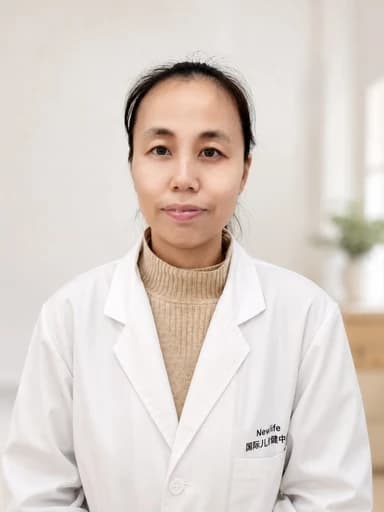
Doctors treating this condition









Frequently asked questions: High-Risk Infants
Book a free consultation
Leave a short request — a coordinator will contact you within 5 minutes, answer your questions and suggest the first steps.