
Microbiota dysbiosis and irritability
Also known as: Gut dysbiosis, Microbiota disturbance, Microbiota dysregulation, Irritability associated with GI problems
A program at Hanshi NeuroLife (Shangrao) for correcting gut microbiota dysbiosis as a background for irritability and behavioral problems in children. Precision microbiota testing is one of the center's strengths.
What is Microbiota dysbiosis and irritability?
Gut microbiota dysbiosis is a disturbance of the normal composition of the gut microbial flora. In itself this is "not a diagnosis in ICD-10" in the strict sense, but in practice dysbiosis is one of the key backgrounds against which children develop GI problems (constipation, diarrhea, bloating, food intolerance), emotional instability, and behavioral problems. In children with ASD, dysbiosis is significantly more frequent than the population average and through the gut-brain axis it sustains irritability, sleep disturbances, and behavioral problems: serotonin and dopamine (the key neurotransmitters of emotion and regulation) are synthesized predominantly in the gut, and the state of the microbiota directly affects the emotional picture.
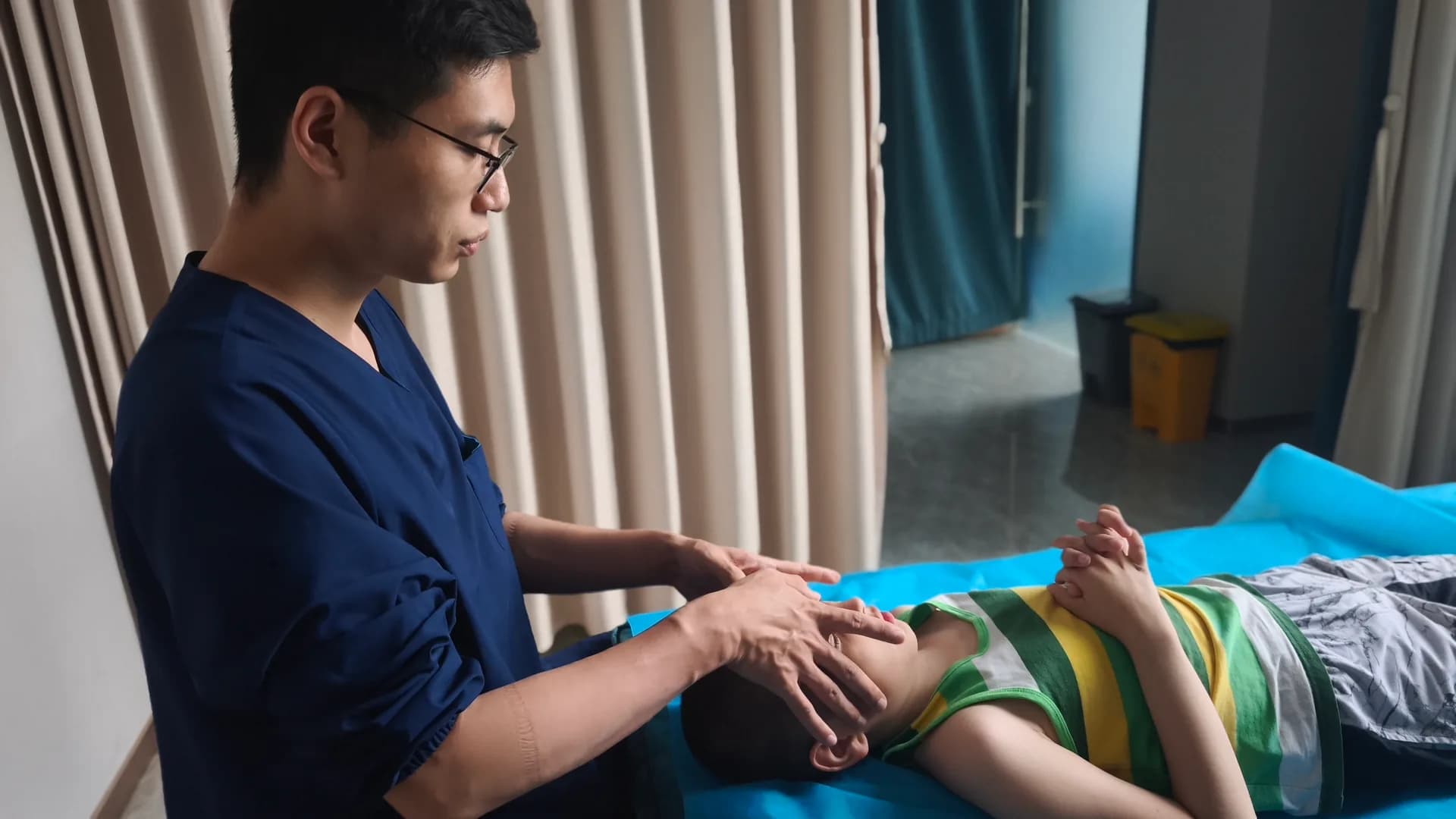
At Hanshi NeuroLife International Rehabilitation Center (Shangrao), work with the microbiota is one of the center's strengths and part of our proprietary ASD rehabilitation methodology. Precision microbiota testing is the key tool: the composition of the microbial flora is analyzed, key imbalances are identified, and on that basis personalized probiotics and an individual diet are prescribed. This is considerably more effective than "one-size-fits-all" pharmacy probiotics - some probiotics may not suit a child and can even make the picture worse, and without testing you simply cannot see this. In parallel we run dietary therapy and nutritional intervention, restoration of the intestinal barrier, and regulation of neurotransmitter secretion along the gut-brain axis. TCM methods - pediatric Tui Na, acupuncture, herbal medicine - complement the program.
What parents should know
With systematic work on the microbiota, not only does the GI picture often improve, but the emotional and behavioral background of the child improves as well - especially in children with ASD, emotional instability, irritability, or sleep disturbances. For this reason the center considers the microbiota track not a "supplement" to rehabilitation but part of its core. For adult patients with microbiota disorders, see our partner site - microbiota-lab.com.
Causes
Dysbiosis in children is often linked to early feeding, antibiotics, and mode of birth. In ASD it is more frequent and through the gut-brain axis sustains irritability and sleep problems.
Symptoms
On the GI side — constipation, diarrhea, bloating, food intolerance. On the emotional side — persistent irritability, excitability, and sleep disturbances.
Diagnostics
The key tool is precision microbiota testing: imbalances are identified, and personalized probiotics and diet are matched to them. From TCM — spleen and stomach assessment.
Prognosis and treatment approach
Systematic work on the microbiota substantially corrects dysbiosis and improves the child's emotional background. The program combines precision testing, personalized probiotics, diet, and TCM methods.
How we treat Microbiota dysbiosis and irritability
Diagnostics
Comprehensive examination and patient assessment by an international team of specialists
Treatment plan
Development of an individual rehabilitation program considering diagnosis specifics
Therapy
Intensive course of procedures: physical therapy, massage, physiotherapy, acupuncture and other methods
Results
Progress evaluation, home recommendations and maintenance therapy plan
Treatment procedures: Microbiota dysbiosis and irritability

Doctors treating this condition





Frequently asked questions: Microbiota dysbiosis and irritability
Book a free consultation
Leave a short request — a coordinator will contact you within 5 minutes, answer your questions and suggest the first steps.