
Weak Fine Motor Skills
Also known as: Fine Motor Impairment, Weak Grasp, Weak Hand Motor Skills
Program for weak fine motor skills for children aged 1–14 years at Hanshi NeuroLife Center (Shangrao). The core direction is occupational therapy (OT) combined with sensory integration, developmental games, and TCM methods.
What is Weak Fine Motor Skills?
Weak fine motor skills refers to impairments of fine hand and finger movements that affect grasping objects, using cutlery and tools, learning to draw and write, and independence in dressing and hygiene. In children, weak fine motor skills are most often part of delayed motor development, CP, consequences of encephalopathies, sensory integration disorders, global developmental delay, or ASD. Isolated forms — specific developmental disorder of motor function — are also possible.
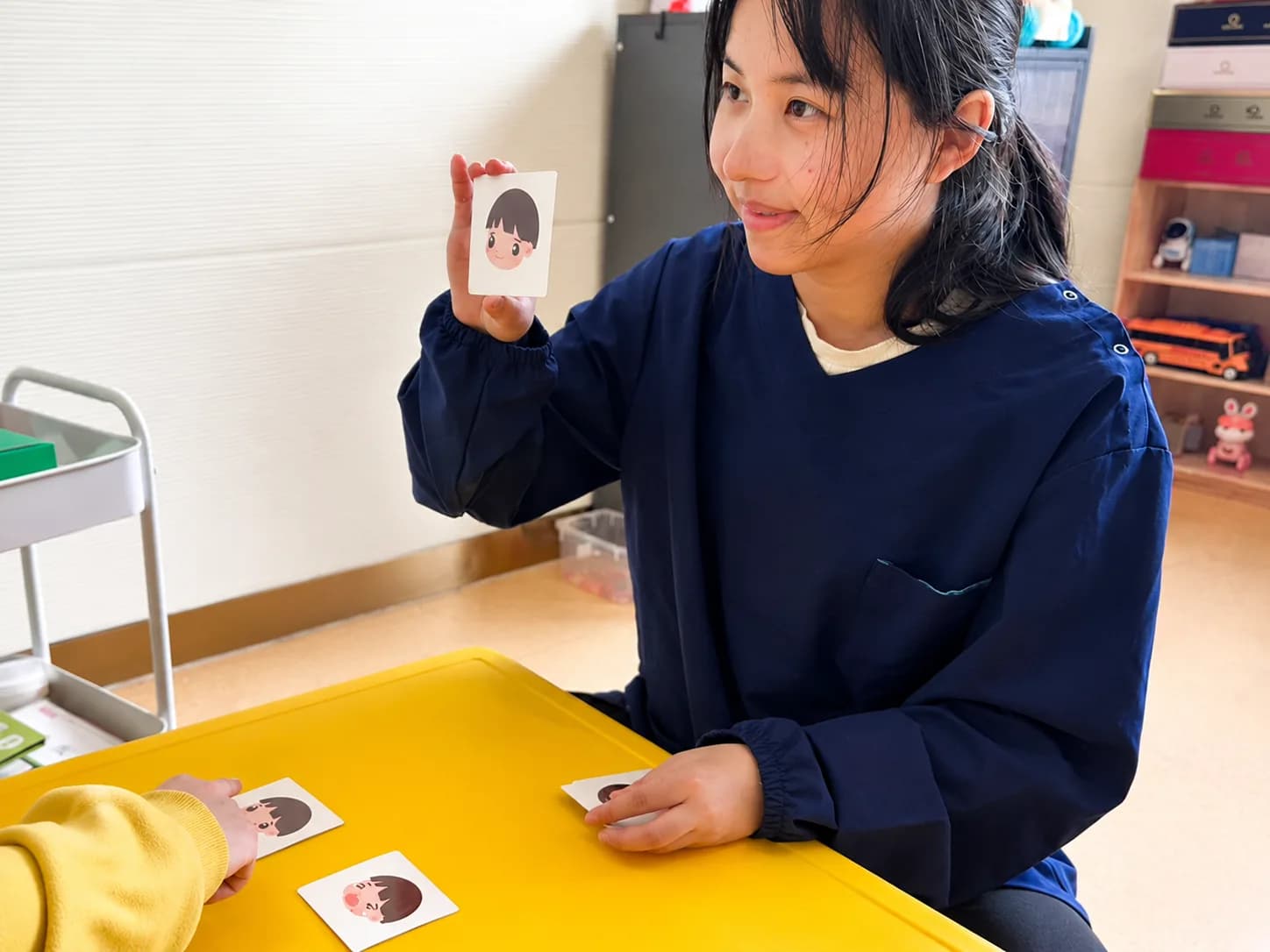
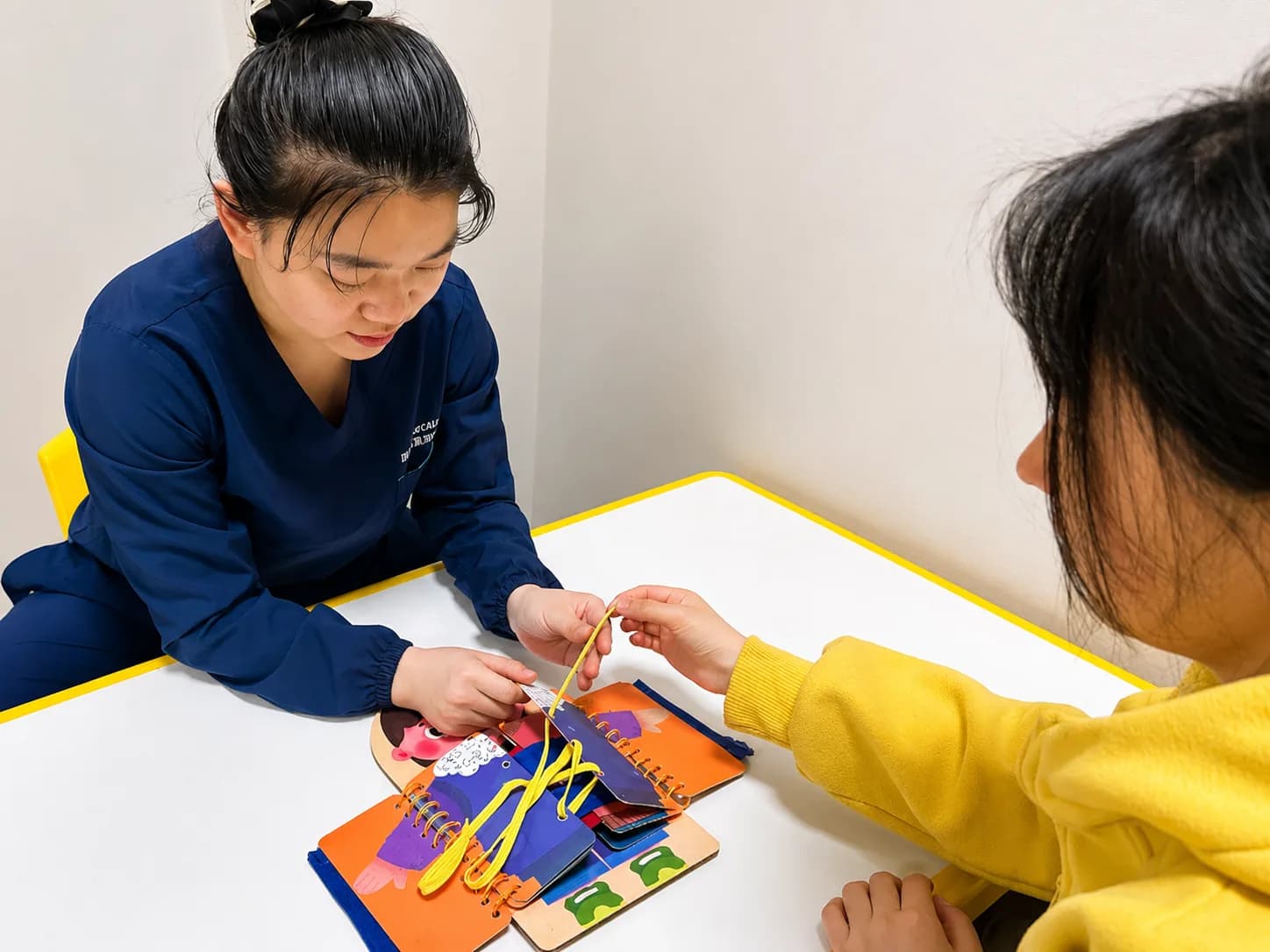
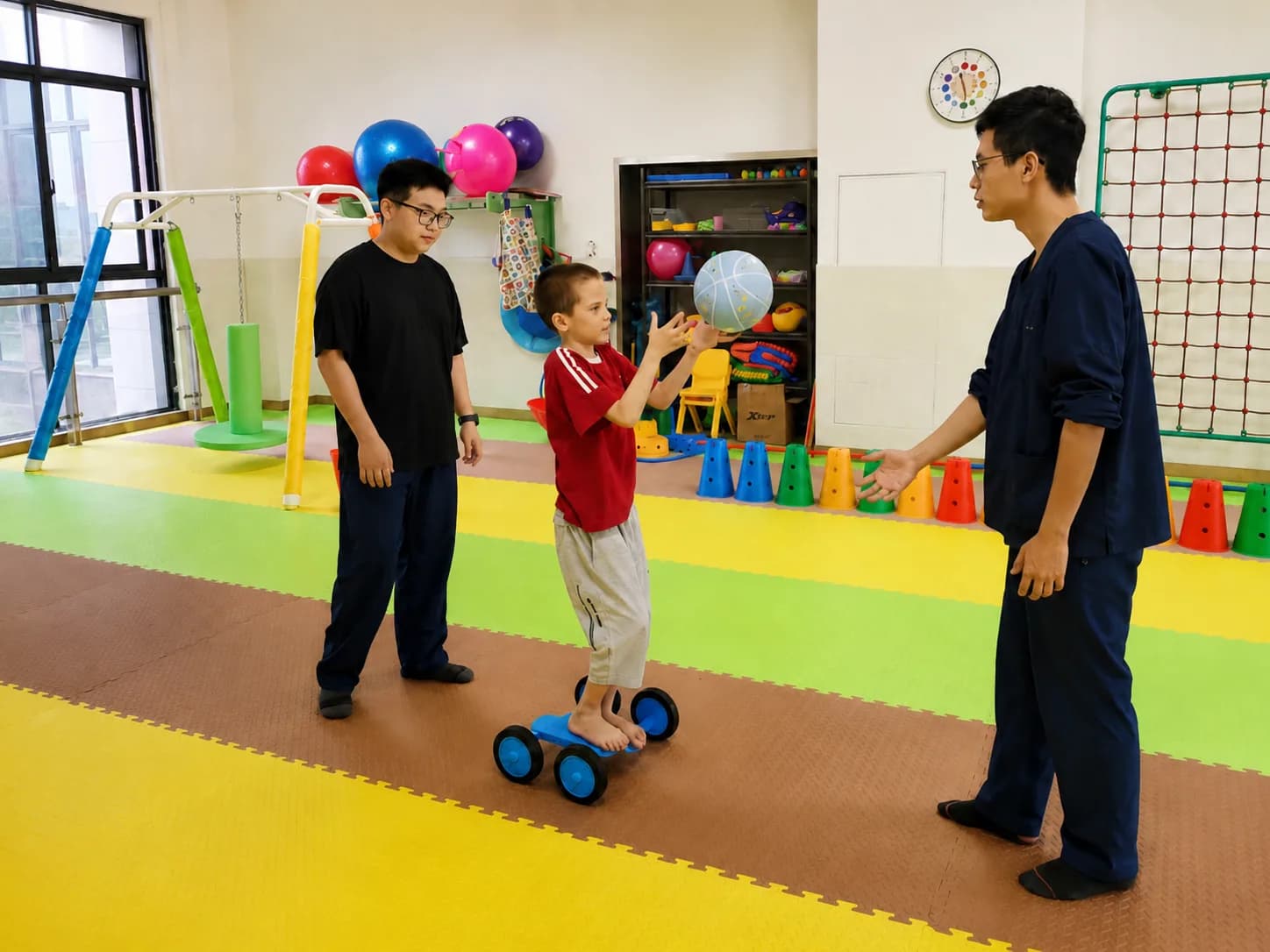
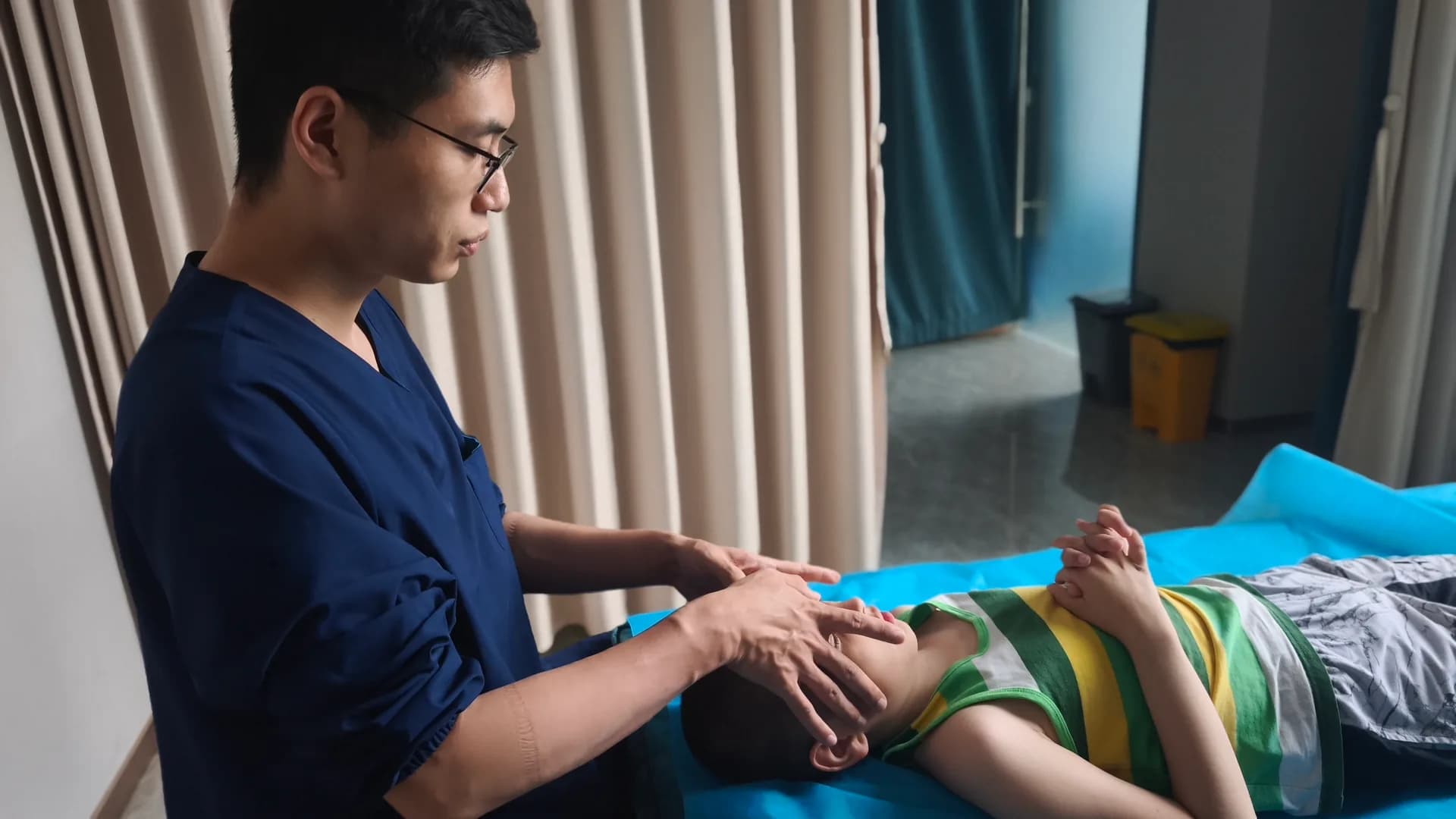
At Hanshi NeuroLife International Rehabilitation Center (Shangrao), the core direction for weak fine motor skills is occupational therapy (OT). OT operates within the logic of functional development: the child learns not just to "move their fingers," but to perform real tasks — holding a spoon, drawing, fastening buttons, using scissors. In parallel, sensory integration (tactile and proprioceptive foundation), developmental games (motivation and integration of skills into real-life scenarios), pediatric Tui Na massage of the hands and fingers are used; neuromuscular electrical stimulation is added when indicated.
What parents should know
Fine motor skills respond well to daily regular work. Parents are given specific home games — with modeling clay, small objects, drawing, lacing — and hand massage techniques. Regular reassessment shows progress and allows the program to be adjusted. When CP is a comorbidity, the minimum course is 2–3 months.
Causes
Most often linked to delayed motor development, CP, consequences of encephalopathies, sensory integration disorders, and ASD. An isolated form (F82) is also possible.
Symptoms
Weak or immature grasp, difficulty with a spoon, pen and tools, slow learning of writing and drawing, and poor hand-eye coordination.
Diagnostics
Assessment via occupational therapy protocols and sensory integration; with CP, the GMFM scale. Grasp, accuracy of movement and hand-eye coordination are evaluated.
Prognosis and Treatment Approach
Fine motor skills respond well to systematic work. The core is occupational therapy (OT) plus sensory integration, developmental games and Tui Na massage.
How we treat Weak Fine Motor Skills
Diagnostics
Comprehensive examination and patient assessment by an international team of specialists
Treatment plan
Development of an individual rehabilitation program considering diagnosis specifics
Therapy
Intensive course of procedures: physical therapy, massage, physiotherapy, acupuncture and other methods
Results
Progress evaluation, home recommendations and maintenance therapy plan
Treatment procedures: Weak Fine Motor Skills

Doctors treating this condition















Frequently asked questions: Weak Fine Motor Skills
Book a free consultation
Leave a short request — a coordinator will contact you within 5 minutes, answer your questions and suggest the first steps.