
Coordination and Balance Disorders
Also known as: Poor Balance, Coordination Disorders, Clumsiness in Children, Ataxia
Program for coordination and balance disorders for children aged 1–14 years at Hanshi NeuroLife Center (Shangrao). The core method is sensory integration; PT, occupational therapy, and rhythm-based work in the Orff music course complement it.
What is Coordination and Balance Disorders?
Coordination and balance disorders are a group of conditions in which control of the body in space is affected: vestibular balance, limb coordination, and hand-eye coordination. In children, this presents as clumsiness, awkwardness, frequent falls, poor balance on one leg and on uneven surfaces, difficulties with jumping and running, and fear of vestibular input — jumping, spinning, slides. Causes are varied: sensory dysintegration, consequences of encephalopathies, forms of CP (especially the ataxic form), and muscle tone disorders. In children with ASD, these features often accompany communication and sensory differences.
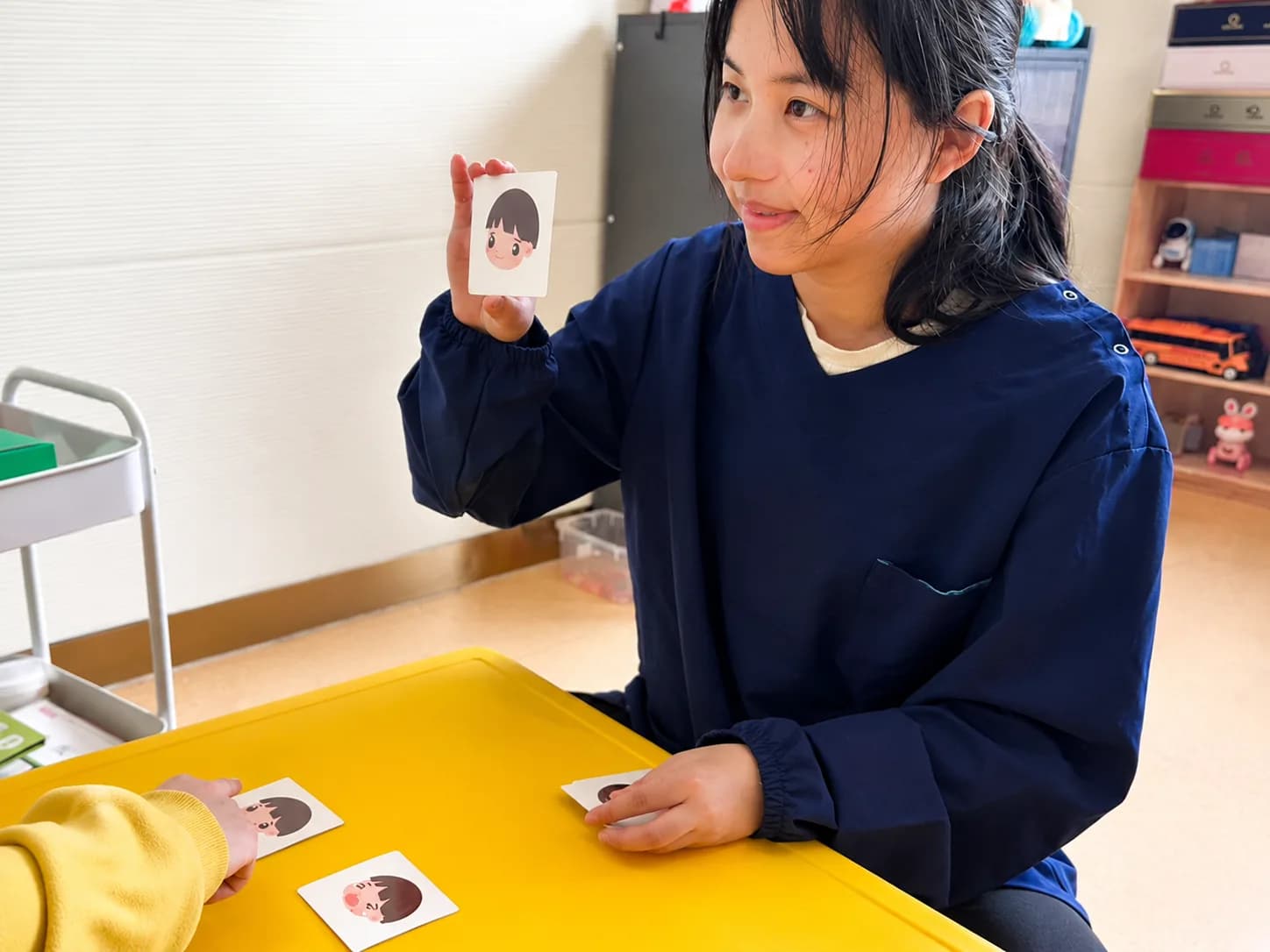
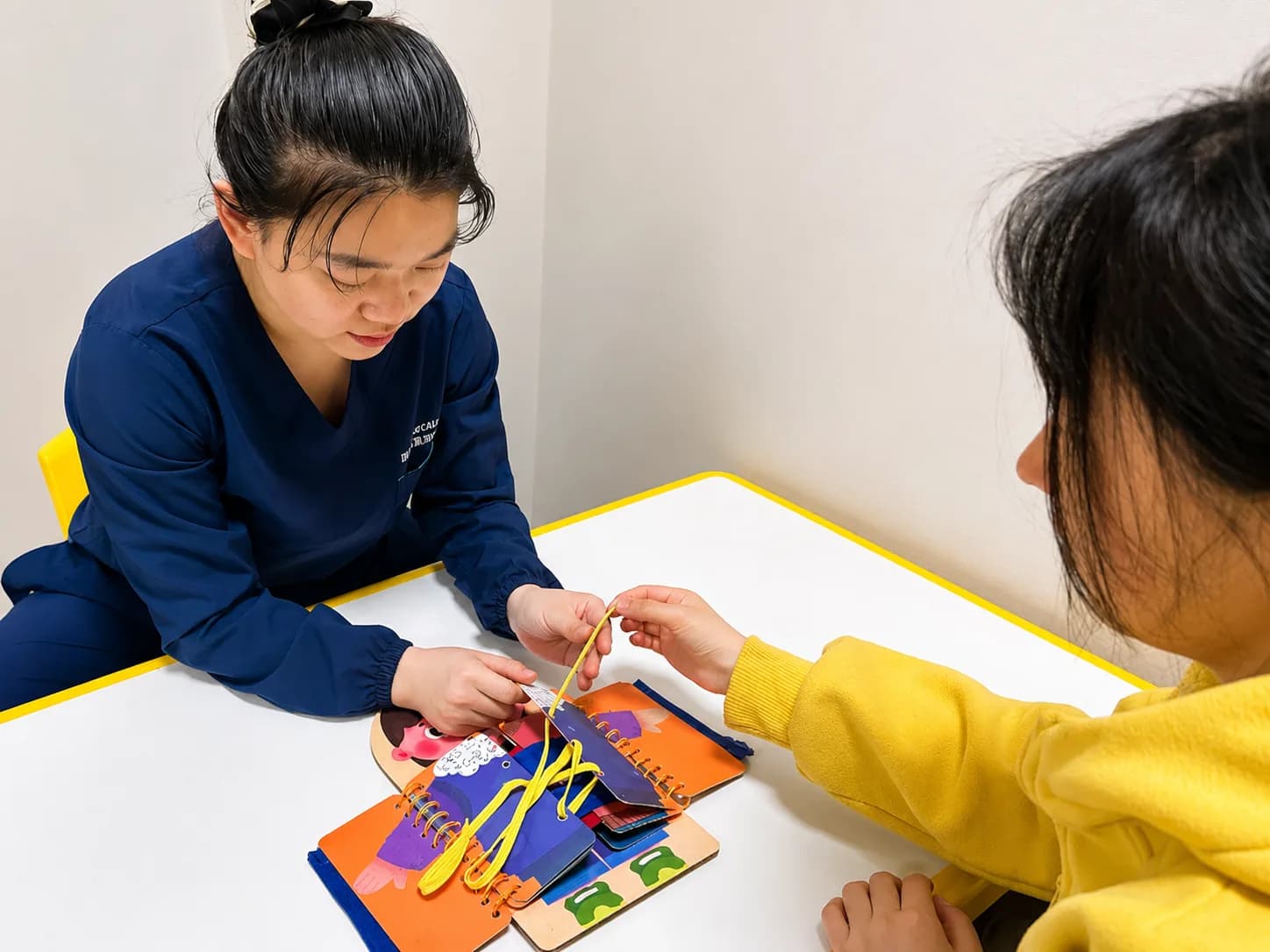
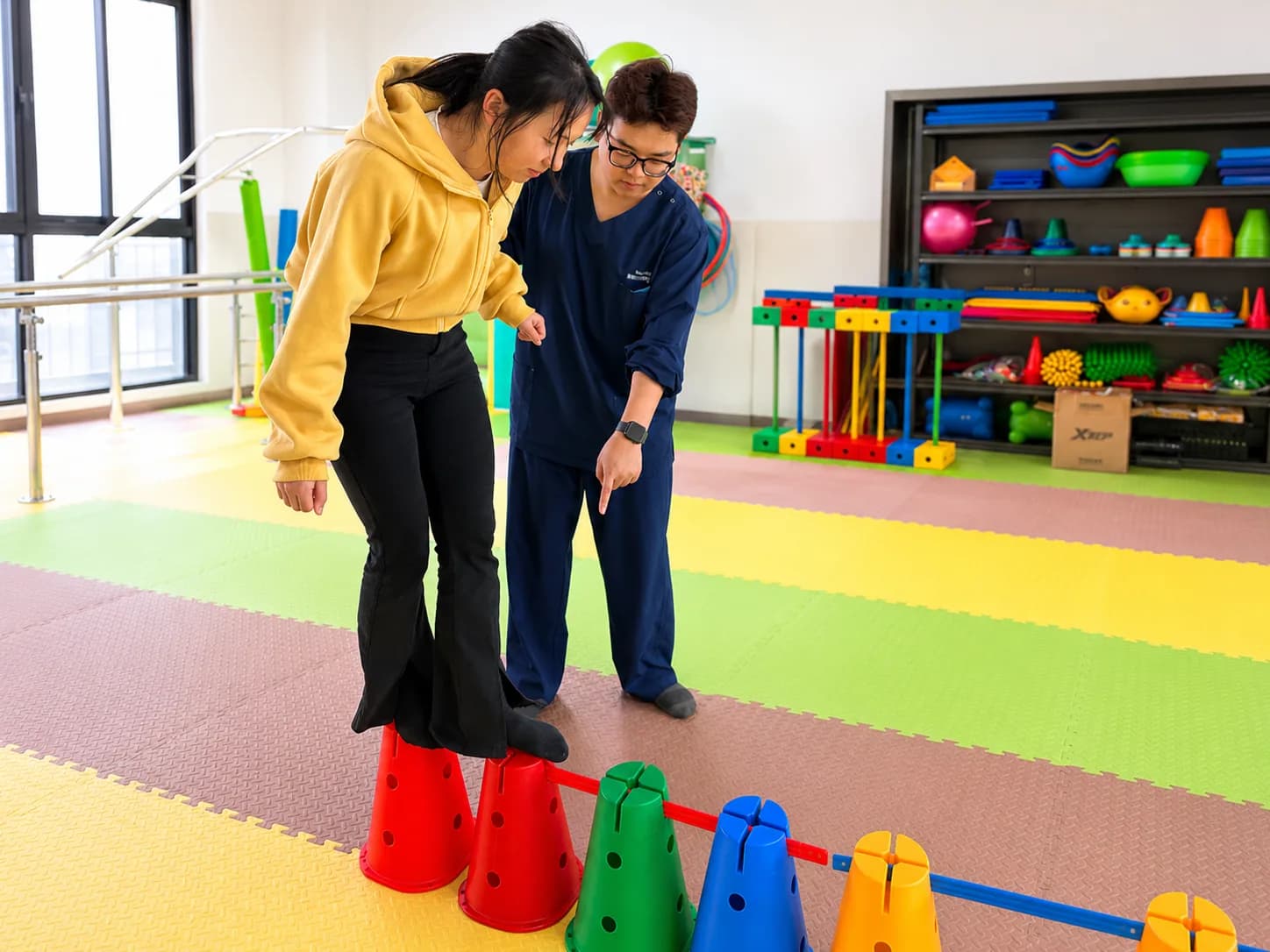
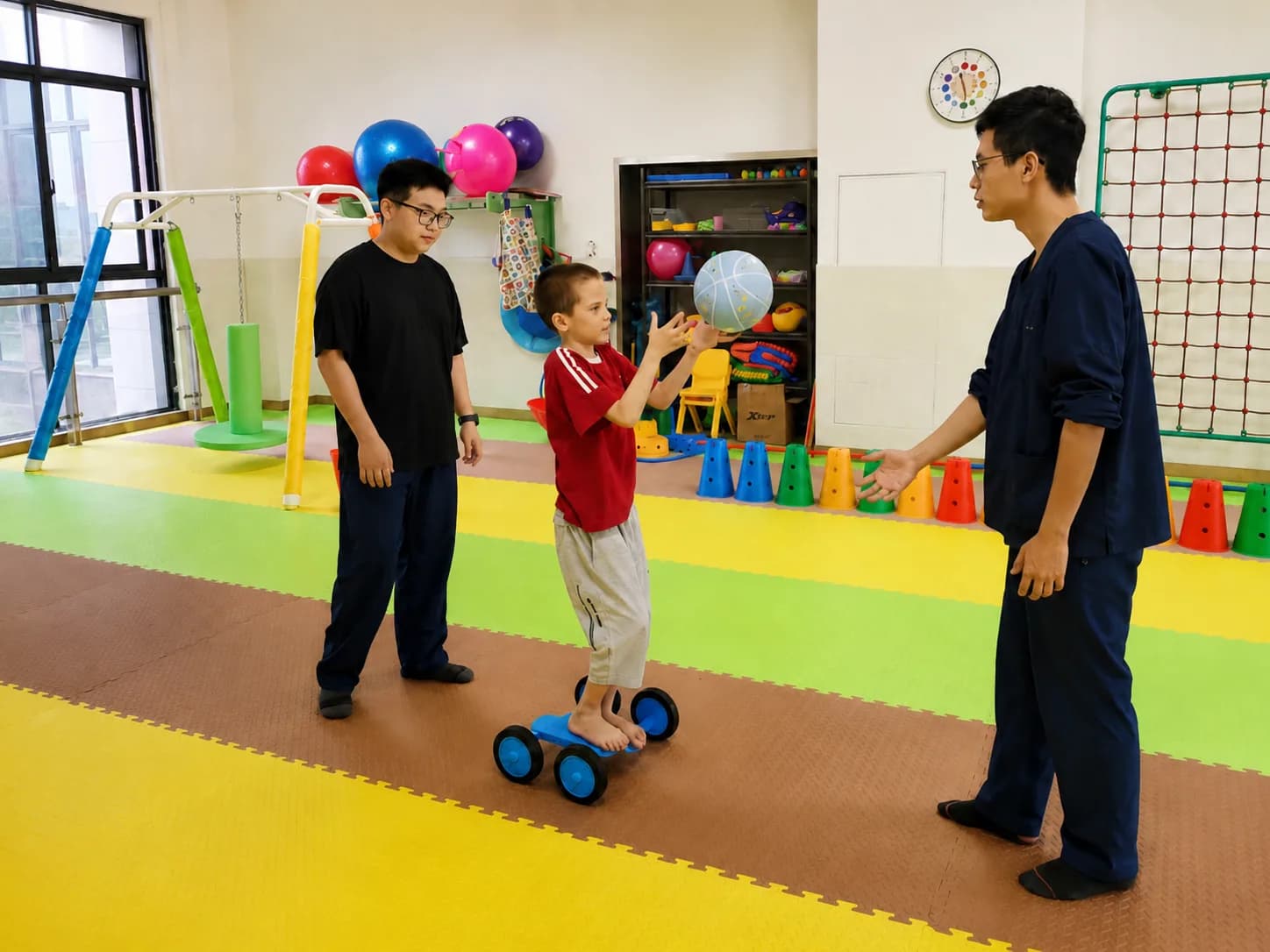
At Hanshi NeuroLife International Rehabilitation Center (Shangrao), the core method for coordination and balance disorders is sensory integration. Training is conducted on specialized equipment in a play-based format: swings, hammocks, tunnels, spinning discs, and balls. The child receives the required sensory input — vestibular, proprioceptive, tactile — and the brain learns to integrate it. In parallel, PT (gross motor function, balance), occupational therapy (fine motor skills, hand-eye coordination), Orff music therapy (rhythm and multisensory stimulation), and developmental games are used. When indicated, neuromuscular electrical stimulation and TCM methods are added.
What parents should know
Progress in sensory integration and balance is typically visible over a horizon of 4–8 weeks of regular work. Some exercises require specialized equipment and are only done at the center, but parents are given specific home games and exercises — mandatory home-based rehabilitation of at least 1 hour per day.
Causes
Most often sensory dysintegration (vestibular and proprioceptive systems), consequences of encephalopathies, forms of CP (especially ataxic), and muscle tone disorders. Common with ASD.
Symptoms
Clumsiness, frequent falls, poor balance on one leg and on uneven surfaces, trouble jumping and running, weak fine motor skills, and fear of spinning and slides.
Diagnostics
Sensory integration assessment and neurological exam; the GMFM scale when CP is present. Balance, proprioceptive control, and hand-eye coordination are evaluated.
Prognosis and Treatment Approach
In childhood the brain is highly plastic and responds well to systematic work. The core method is sensory integration; PT, occupational therapy, Orff music, and TCM complement it.
How we treat Coordination and Balance Disorders
Diagnostics
Comprehensive examination and patient assessment by an international team of specialists
Treatment plan
Development of an individual rehabilitation program considering diagnosis specifics
Therapy
Intensive course of procedures: physical therapy, massage, physiotherapy, acupuncture and other methods
Results
Progress evaluation, home recommendations and maintenance therapy plan
Treatment procedures: Coordination and Balance Disorders

Doctors treating this condition
















Frequently asked questions: Coordination and Balance Disorders
Book a free consultation
Leave a short request — a coordinator will contact you within 5 minutes, answer your questions and suggest the first steps.