
Enuresis and Urinary Frequency
Also known as: Nocturnal enuresis, Daytime enuresis, Urinary frequency, Urinary incontinence in children
A program for enuresis and urinary frequency in children at Hanshi NeuroLife (Shangrao). TCM methods — acupuncture, Tui Na massage, Chinese herbal medicine; when indicated — microbiota regulation and medication support.
What is Enuresis and Urinary Frequency?
Enuresis and urinary frequency are a group of conditions in which urinary control is disturbed. Enuresis is involuntary urination (more often at night) in a child older than 4–5 years, when most peers have already established nighttime control. Daytime urinary frequency means frequent small-volume voiding, sometimes with urgency. Causes vary: delayed maturation of regulatory systems, constitutional features (in TCM — kidney-and-spleen weakness), anxiety and stress, and — in some children — urological pathology. In children with ASD and developmental delay, it occurs comorbidly.
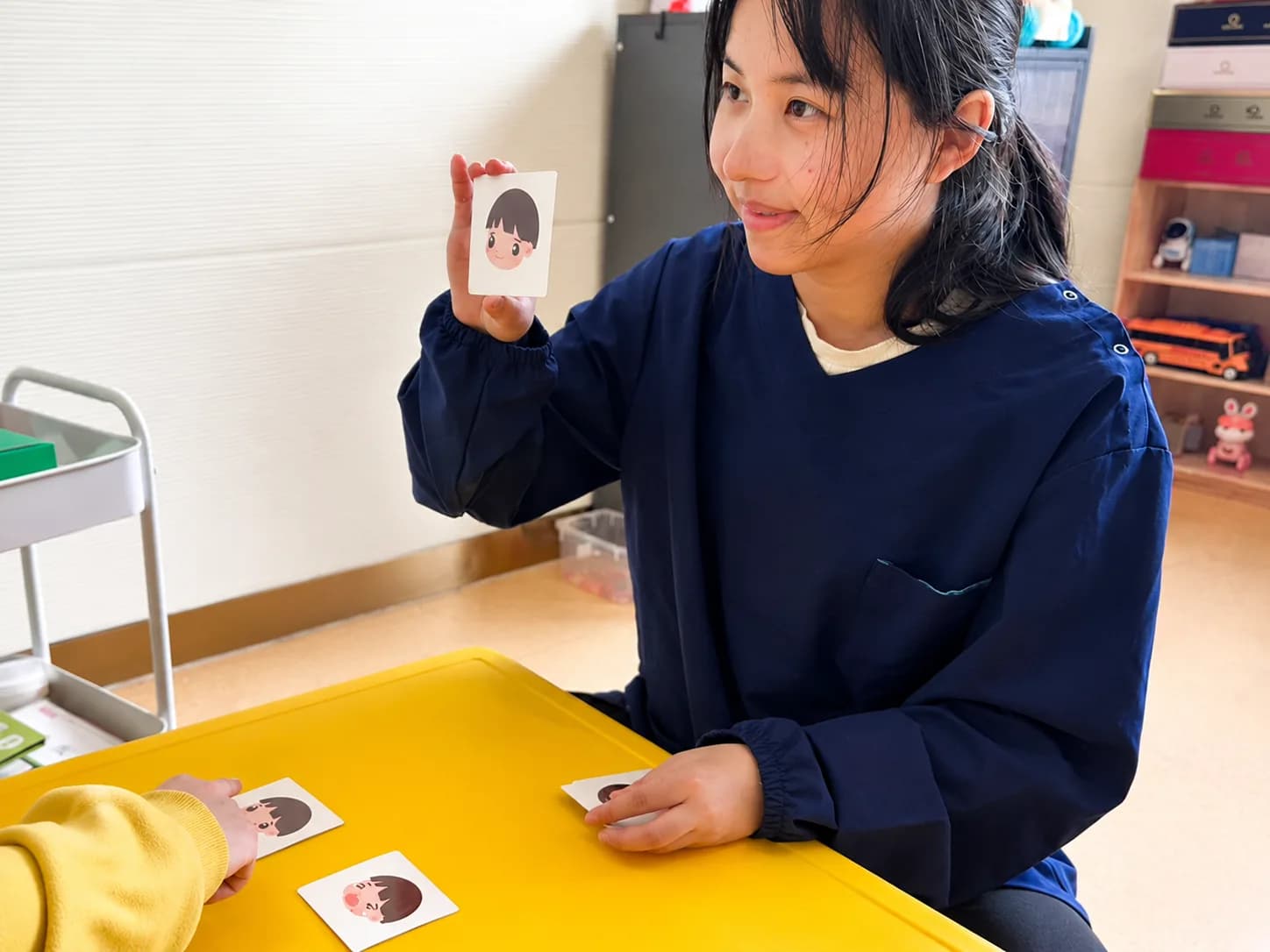
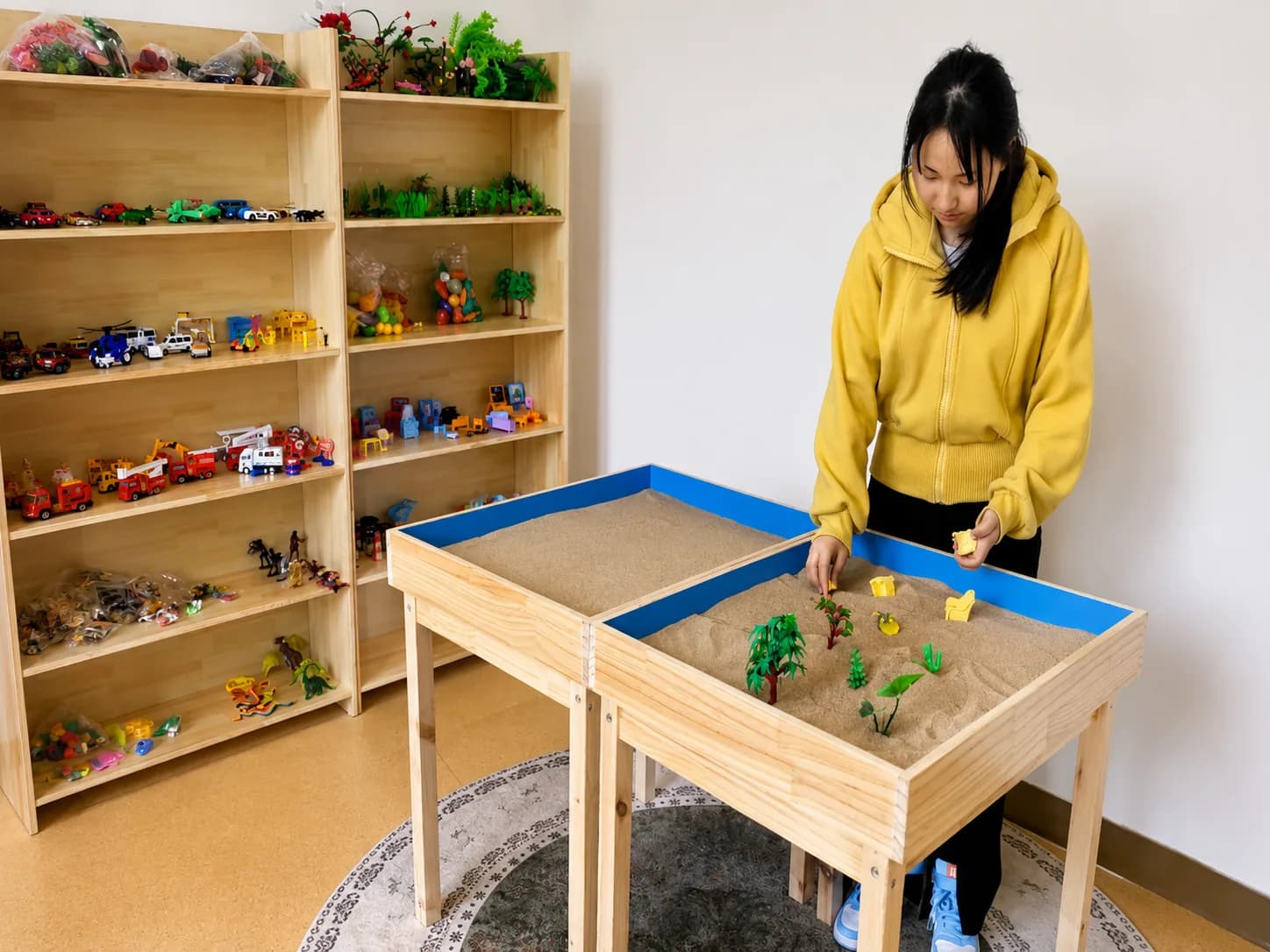
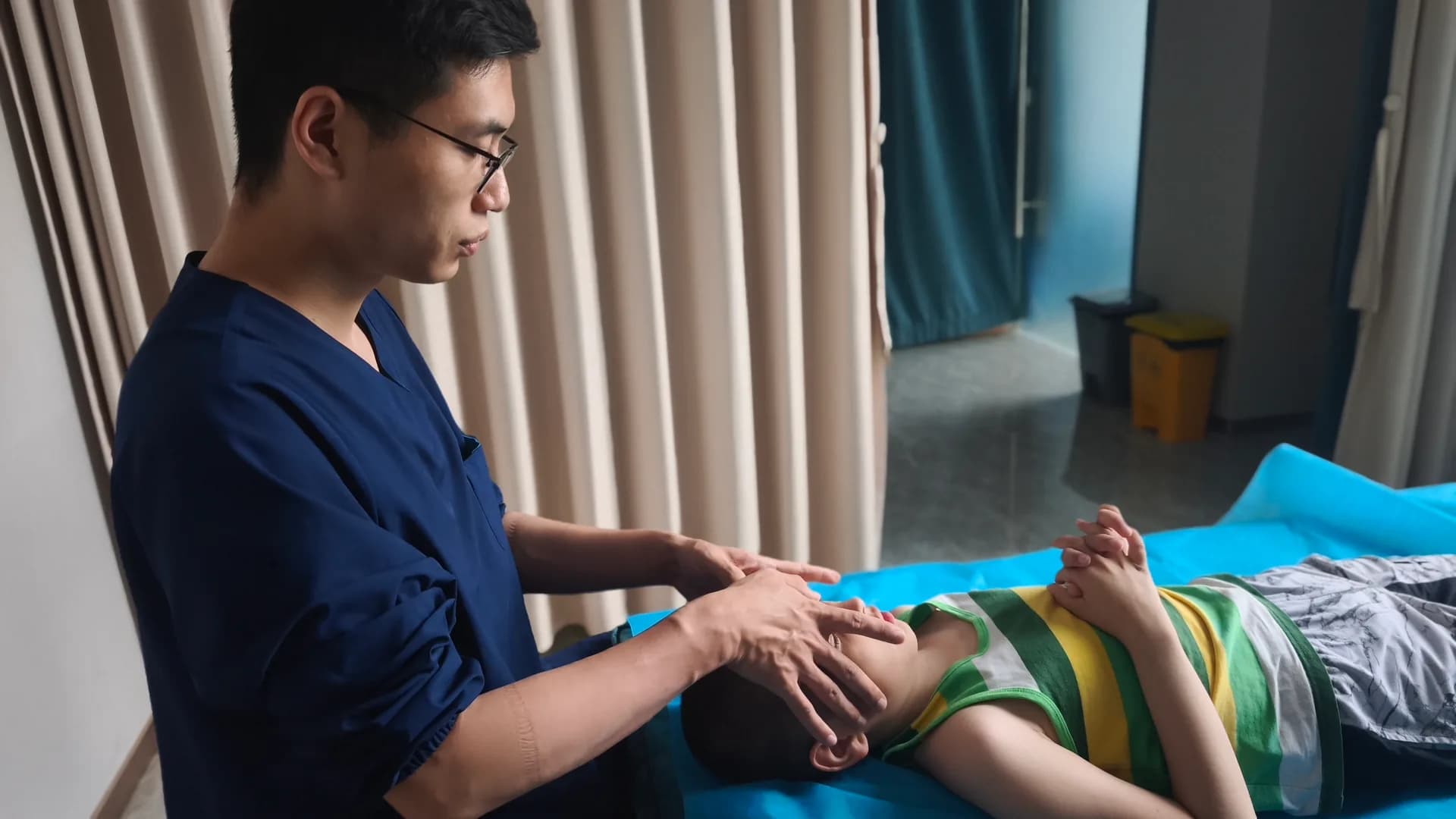
At Hanshi NeuroLife International Rehabilitation Center (Shangrao), the enuresis program combines TCM methods with — when needed — work on the emotional state. Pediatric acupuncture: enuresis is among the indications at the center, using specialized ultra-thin pediatric needles. Pediatric Tui Na massage addresses constitution — harmonizing Qi and strengthening the kidneys and spleen (per TCM logic). Chinese herbal medicine (as part of TCM care) complements the work. With comorbid GI issues, microbiota regulation is added — improved digestion often has a positive effect on nighttime control as well. When anxiety sustains enuresis, sandplay therapy and emotional-state work are included. When indicated — medication support per physician decision.
What matters for parents
Enuresis is not "laziness" or "naughtiness." Shaming and punishment increase anxiety and usually worsen the picture. The program respects the child and works systematically with the physiological and emotional foundation. Regular reassessment shows progress.
Causes
Linked to delayed maturation of regulatory systems, constitutional features (in TCM — kidney-and-spleen weakness), anxiety and stress, and less often urological pathology. May be comorbid with ASD and developmental delay.
Symptoms
Involuntary nighttime urination in a child older than 4–5 years and/or frequent small-volume daytime voiding, sometimes with urgency. Anxiety and disturbed sleep are possible.
Diagnostics
Pediatric and, when indicated, urological assessment to rule out organic pathology, plus evaluation of psychoemotional state and daily routine. In TCM — constitutional assessment.
Prognosis and Treatment Approach
With systematic work, most children achieve stable nighttime control. The program combines pediatric acupuncture, Tui Na massage, herbal medicine, and microbiota regulation for the GI component.
How we treat Enuresis and Urinary Frequency
Diagnostics
Comprehensive examination and patient assessment by an international team of specialists
Treatment plan
Development of an individual rehabilitation program considering diagnosis specifics
Therapy
Intensive course of procedures: physical therapy, massage, physiotherapy, acupuncture and other methods
Results
Progress evaluation, home recommendations and maintenance therapy plan
Treatment procedures: Enuresis and Urinary Frequency

Doctors treating this condition





Frequently asked questions: Enuresis and Urinary Frequency
Book a free consultation
Leave a short request — a coordinator will contact you within 5 minutes, answer your questions and suggest the first steps.