
Gait Disorders
Also known as: Atypical Gait, Walking Disorders, Toe-Walking, Spastic Gait
Program for gait disorders for children aged 1–14 years at Hanshi NeuroLife Center (Shangrao). Targeted work: PT, neuromuscular electrical stimulation, sensory integration, acupuncture, and Tui Na massage.
What is Gait Disorders?
Gait disorders are a group of conditions in which a child's walking pattern deviates from typical: spastic gait with "crossing" legs, paretic gait with one leg "dragging," ataxic gait with unsteadiness and a wide base, toe-walking, waddling gait, or marked asymmetry. Causes are varied: CP, consequences of encephalopathies, muscle tone disorders, weakness of lower limb muscles, balance and coordination problems, and sensory features. In children with ASD, toe-walking is often related to sensory-seeking behavior.
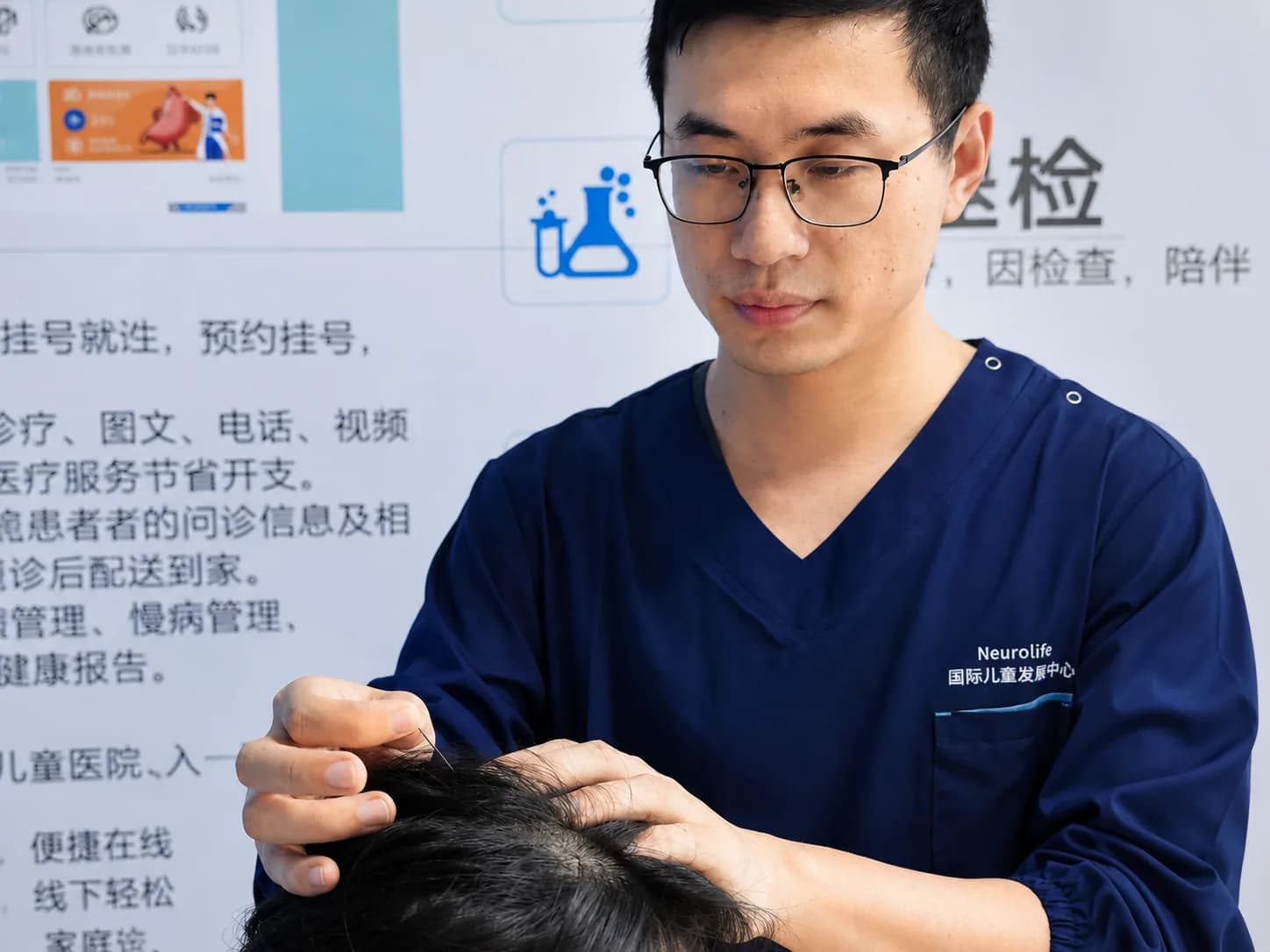
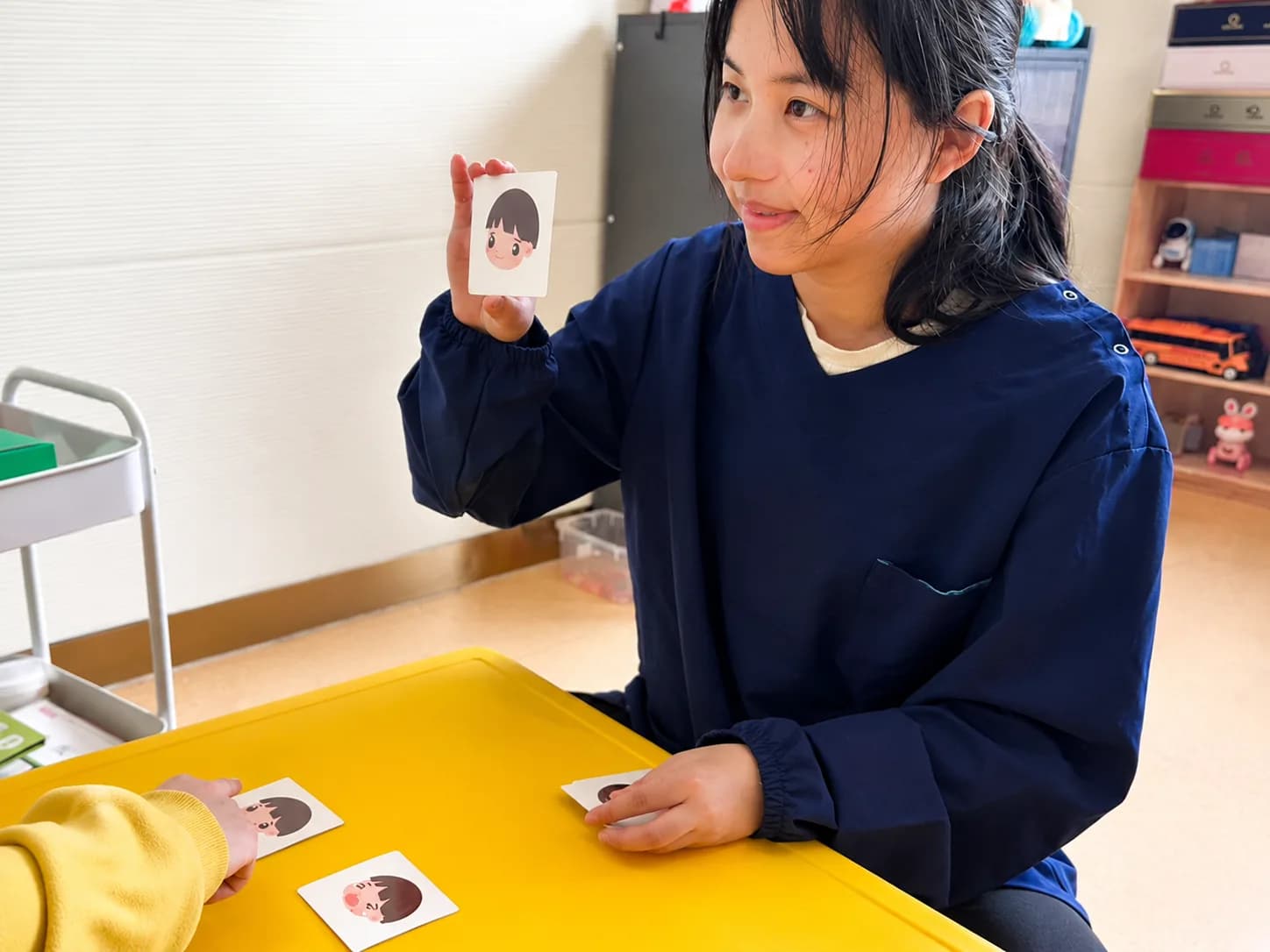
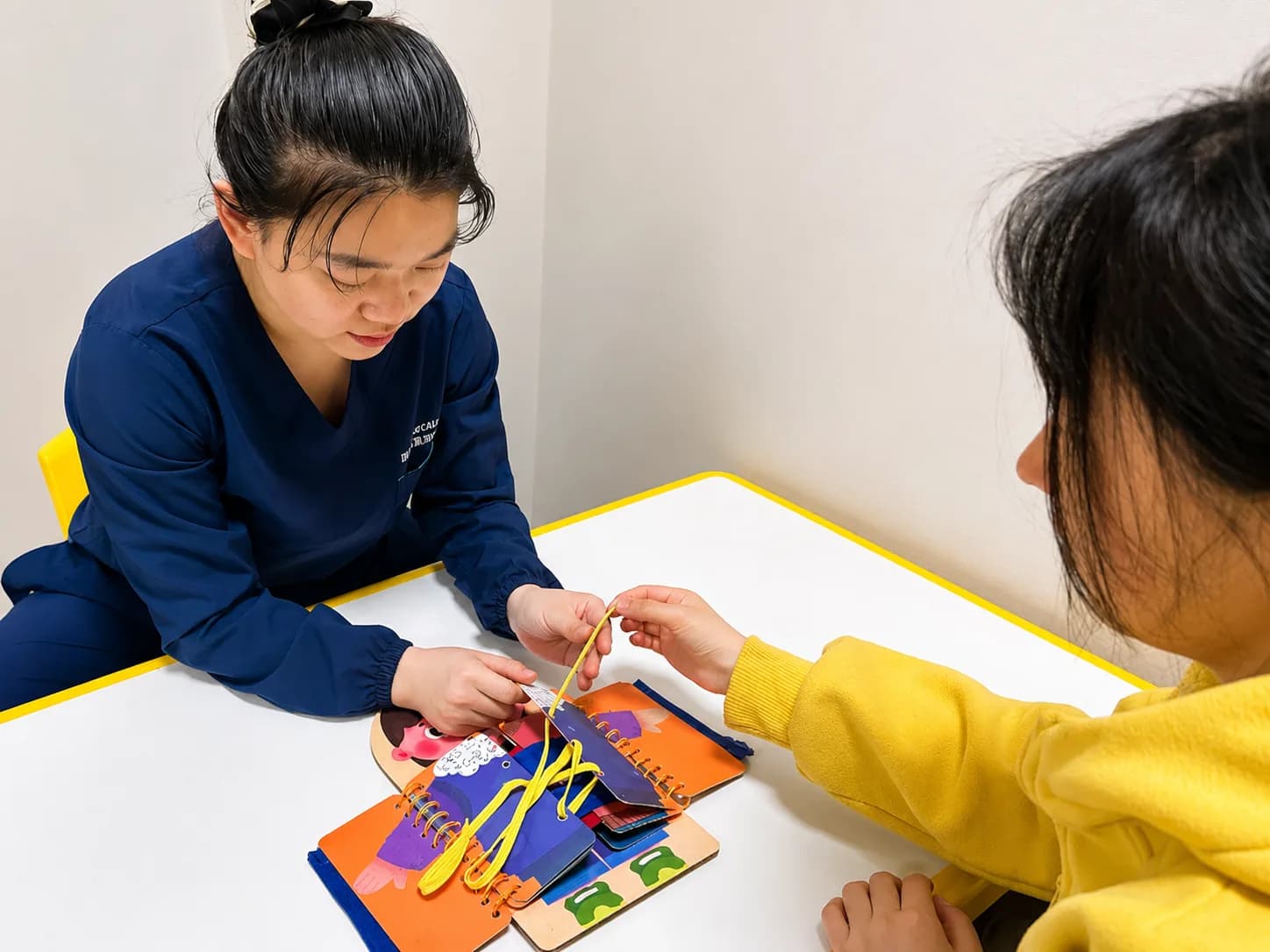
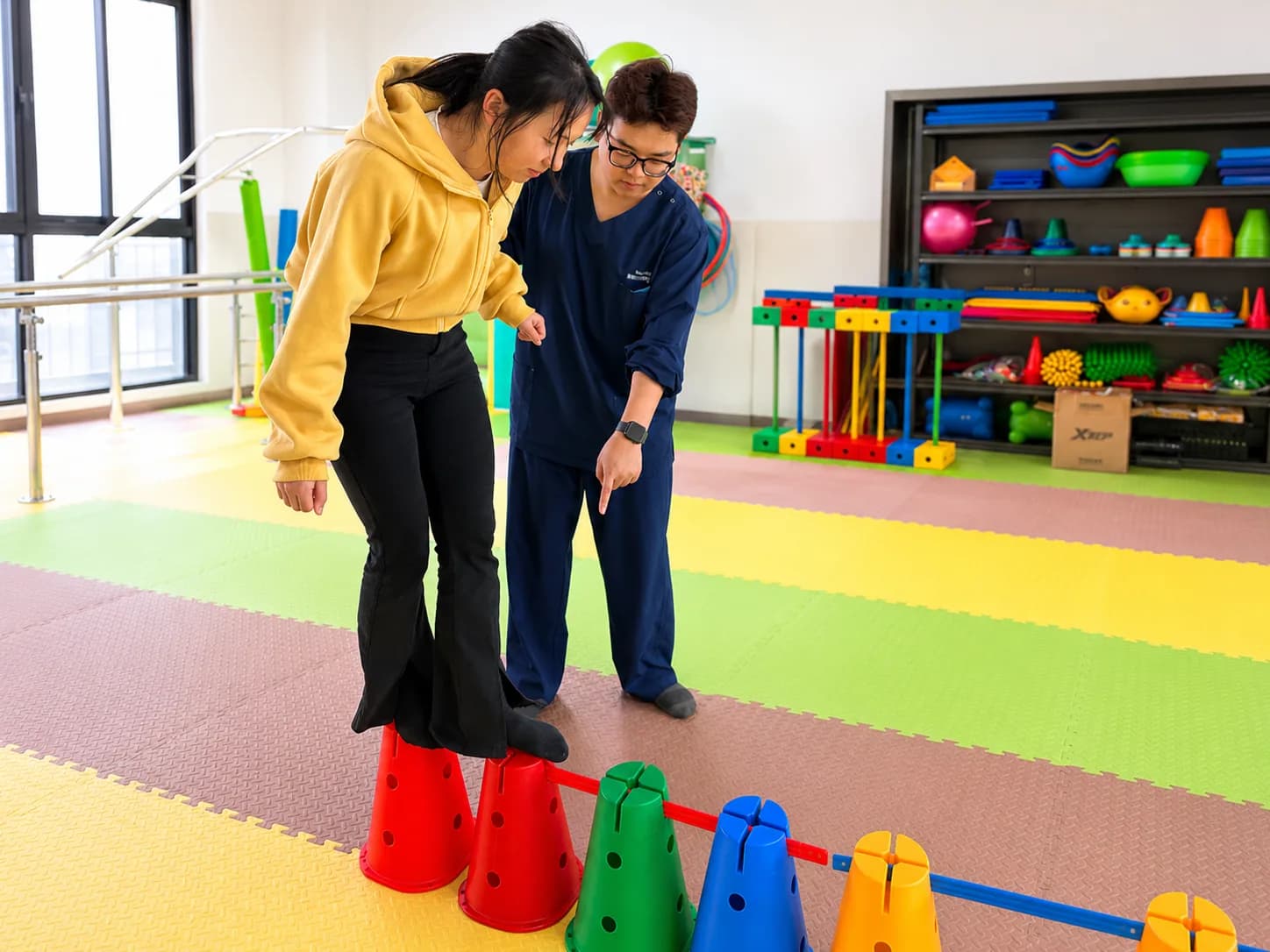
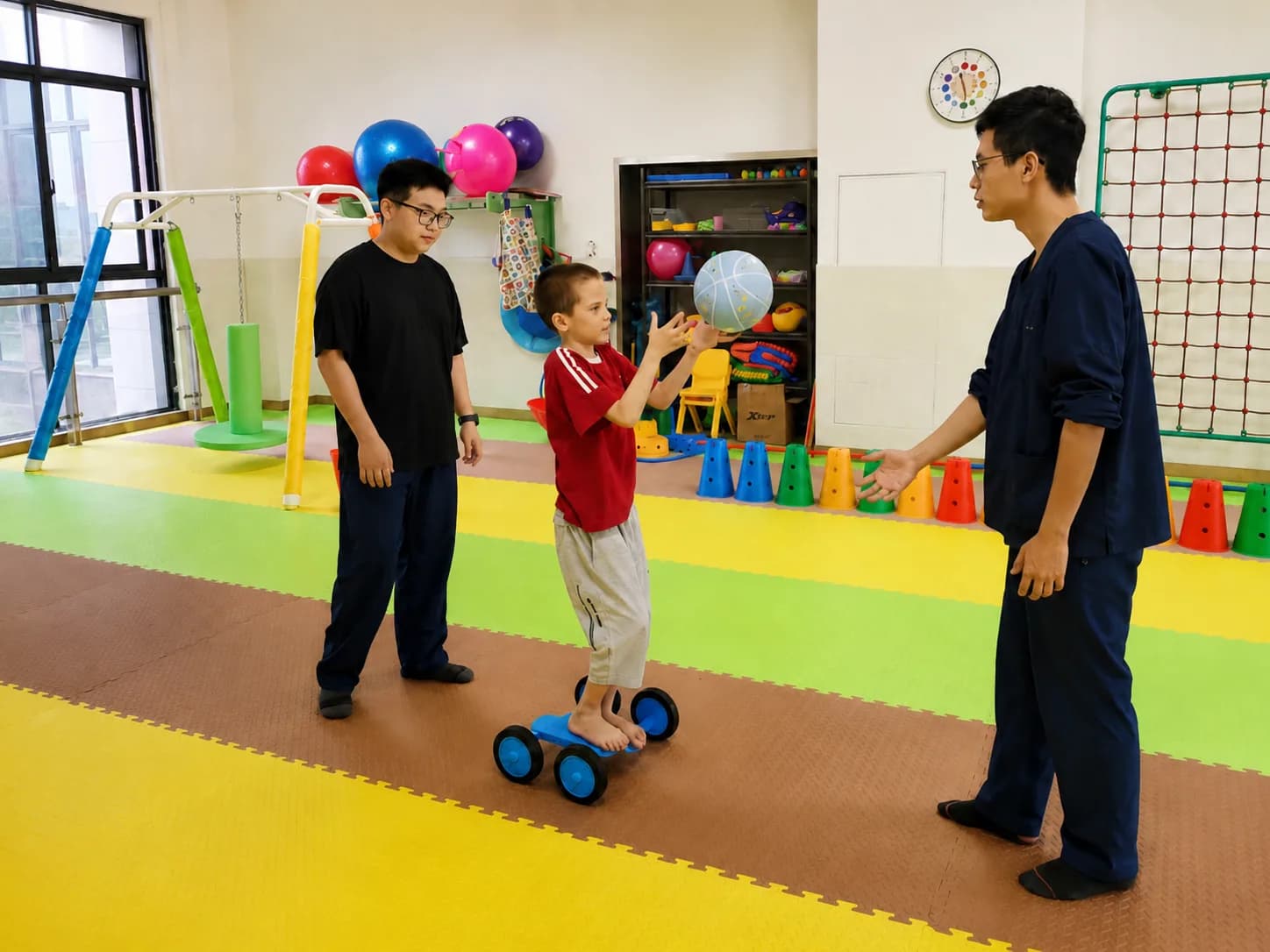
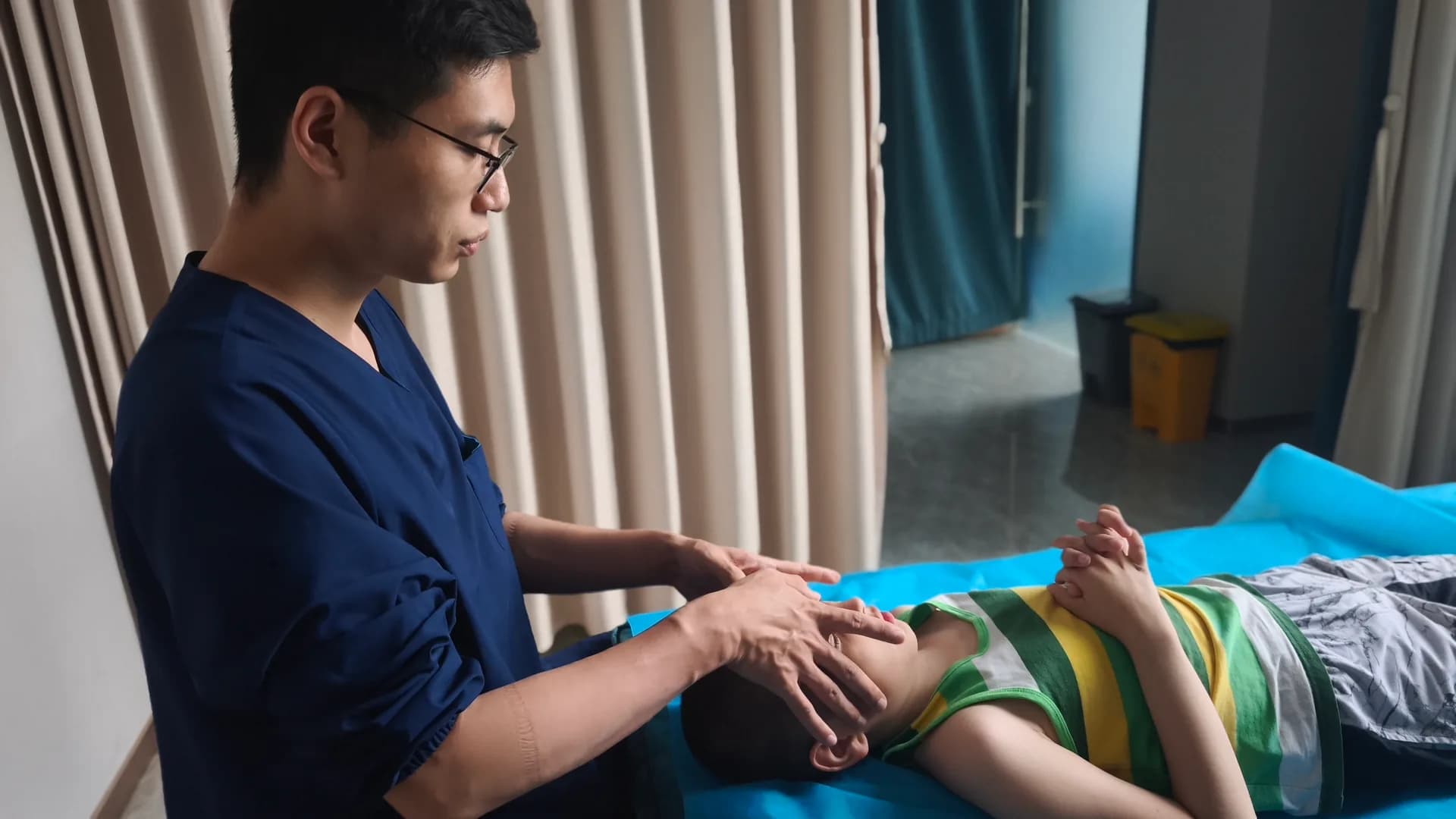
At Hanshi NeuroLife International Rehabilitation Center (Shangrao), the program for gait disorders is built around the nature of the disorder. PT addresses walking pattern, balance, and coordination. Neuromuscular electrical stimulation activates weakened muscles or regulates spastic ones. Sensory integration on specialized equipment (swings, hammocks, tunnels, spinning discs) strengthens the vestibular and proprioceptive foundation — critical for stability. Occupational therapy addresses general body control. Pediatric Tui Na massage and acupuncture regulate muscle tone and meridian flow.
What parents should know
During the initial assessment, it is important to inform specialists about the origin of the disorder (if a diagnosis has been established) and any accompanying problems. When CP is a comorbidity, the minimum course is 2–3 months. Regular reassessment shows progress and allows the program to be adjusted. Home-based rehabilitation of at least 1 hour per day is a mandatory part of the course.
Causes
Most often linked to CP, encephalopathy after-effects, muscle tone disorders, and weak leg muscles. In ASD, toe-walking can occur as sensory-seeking behavior.
Symptoms
Spastic gait (stiffness, crossing legs), paretic (leg dragging), ataxic (unsteadiness), and toe-walking. Often poor balance on uneven surfaces.
Diagnostics
Neurological exam and gait assessment; the GMFM scale when CP is present; assessment of tone, strength, and balance. Sensory integration assessment if sensory features are present.
Prognosis and Treatment Approach
The prognosis depends on the cause; with systematic work most children improve walking pattern and balance. Combines PT, neuromuscular stimulation, sensory integration, Tui Na, and acupuncture.
How we treat Gait Disorders
Diagnostics
Comprehensive examination and patient assessment by an international team of specialists
Treatment plan
Development of an individual rehabilitation program considering diagnosis specifics
Therapy
Intensive course of procedures: physical therapy, massage, physiotherapy, acupuncture and other methods
Results
Progress evaluation, home recommendations and maintenance therapy plan
Treatment procedures: Gait Disorders
Doctors treating this condition













Frequently asked questions: Gait Disorders
Book a free consultation
Leave a short request — a coordinator will contact you within 5 minutes, answer your questions and suggest the first steps.