
Limb Muscle Weakness
Also known as: Muscle Weakness, Limb Weakness, Reduced Muscle Strength
Program for limb muscle weakness in children aged 1–14 years at Hanshi NeuroLife Center (Shangrao). A combination of neuromuscular electrical stimulation, PT, occupational therapy, and TCM methods to build strength and restore motor function.
What is Limb Muscle Weakness?
Limb muscle weakness is a reduction in muscle strength in the upper or lower limbs that affects the acquisition of gross motor milestones, posture maintenance, and self-care skills. In children, such weakness is most often associated with central disorders (CP, consequences of encephalopathies) or peripheral nerve injuries — including brachial plexus injury. Primary neuromuscular diseases that require specialized monitoring are also possible.
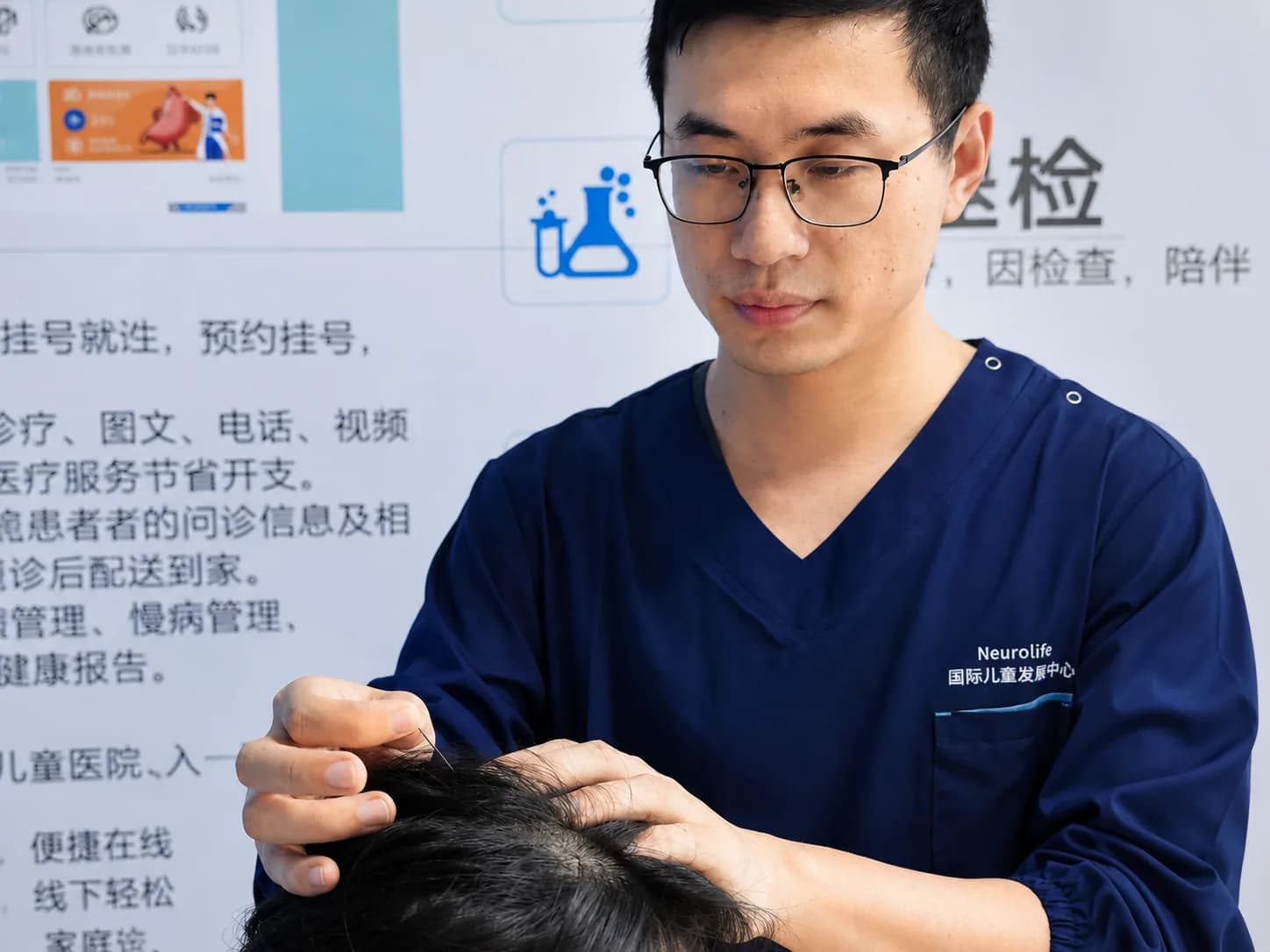
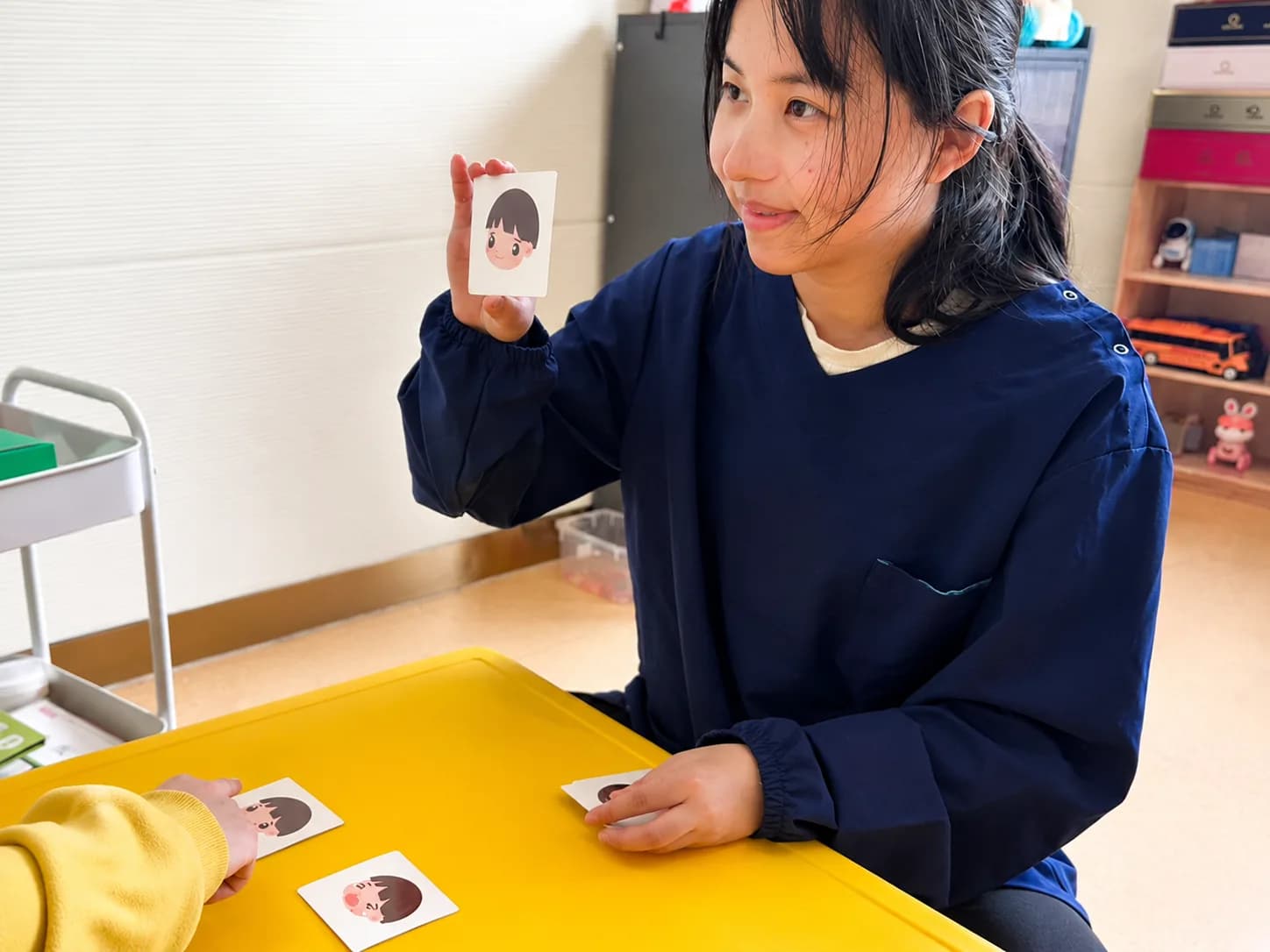
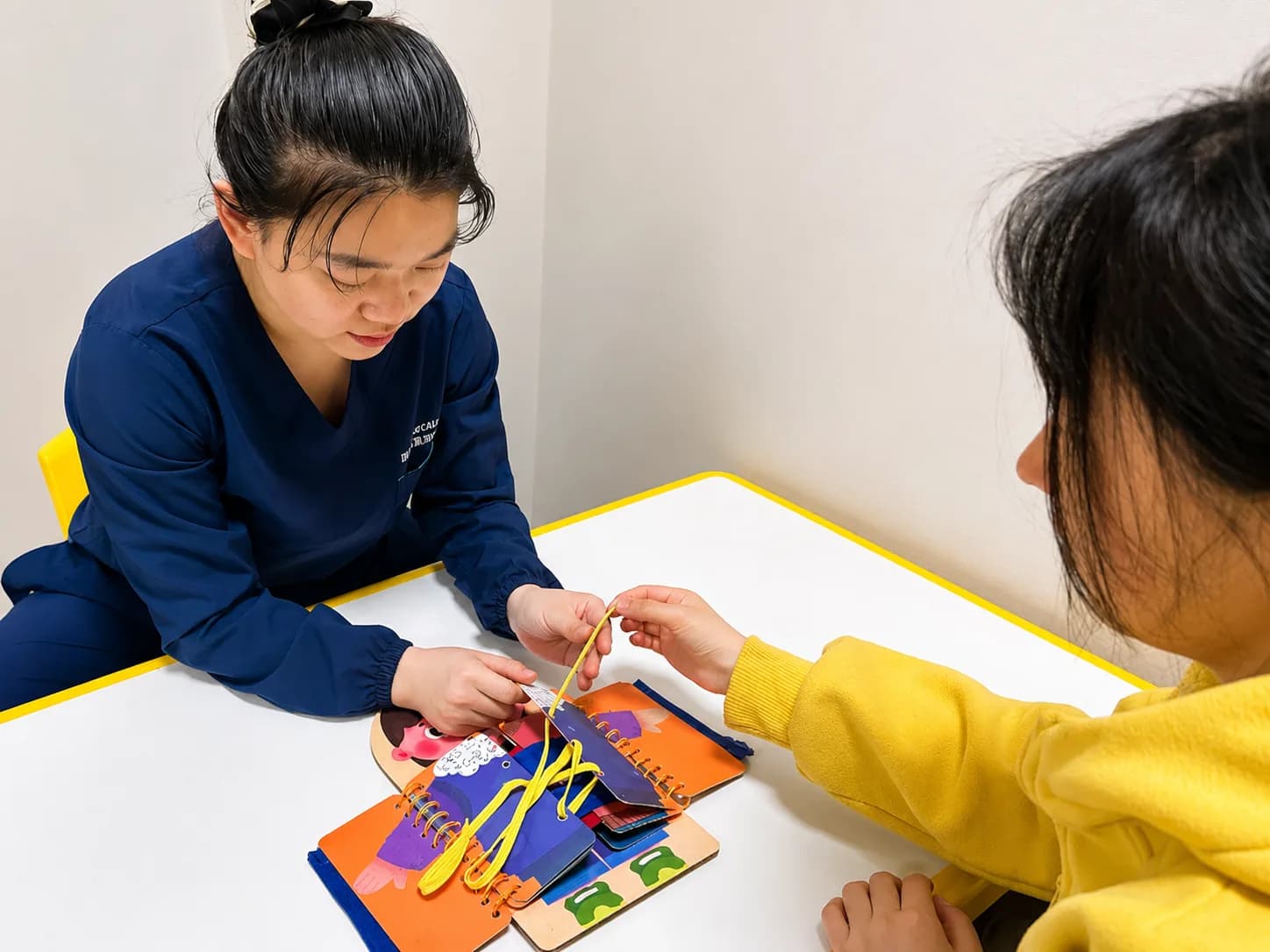
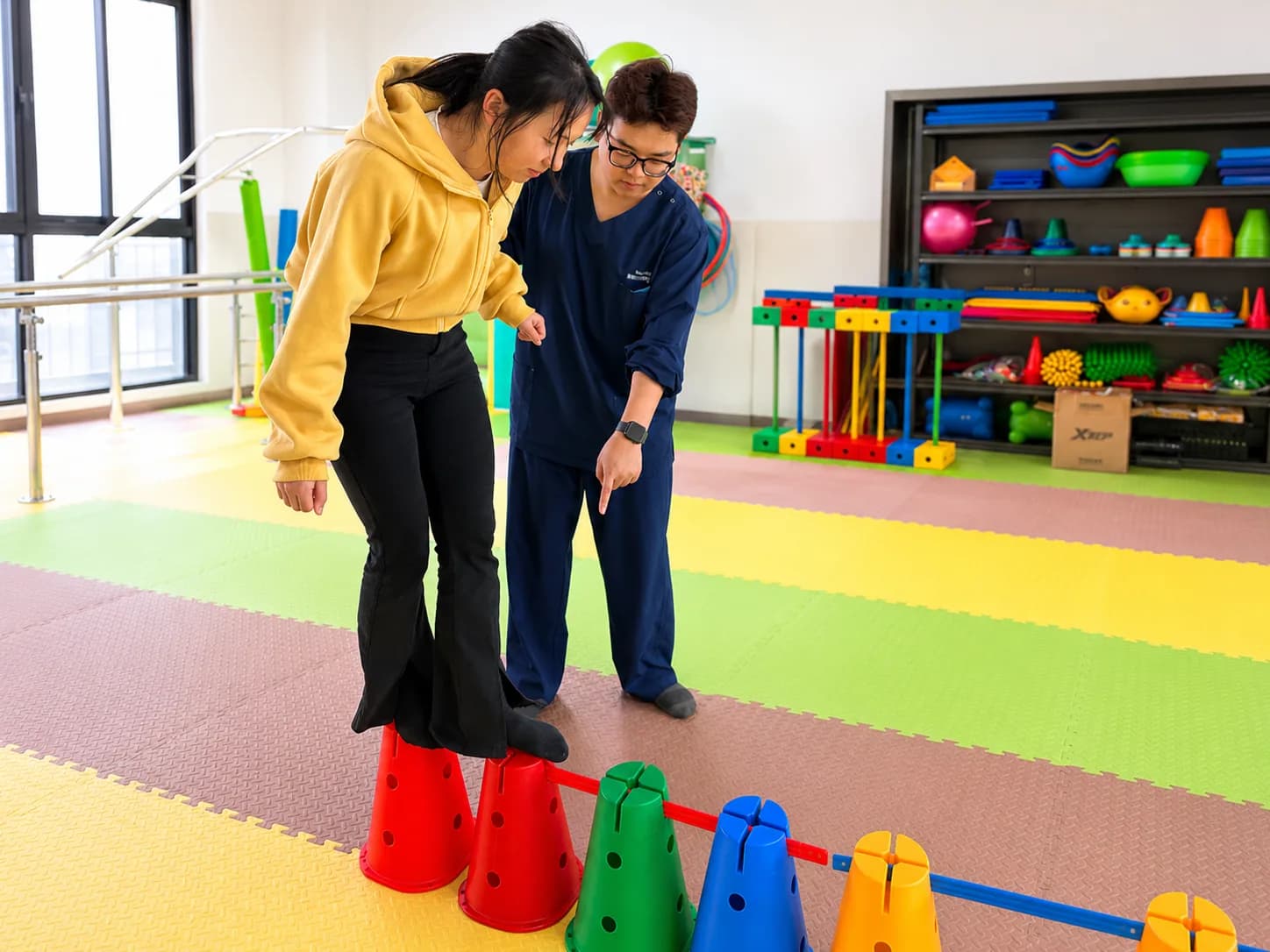
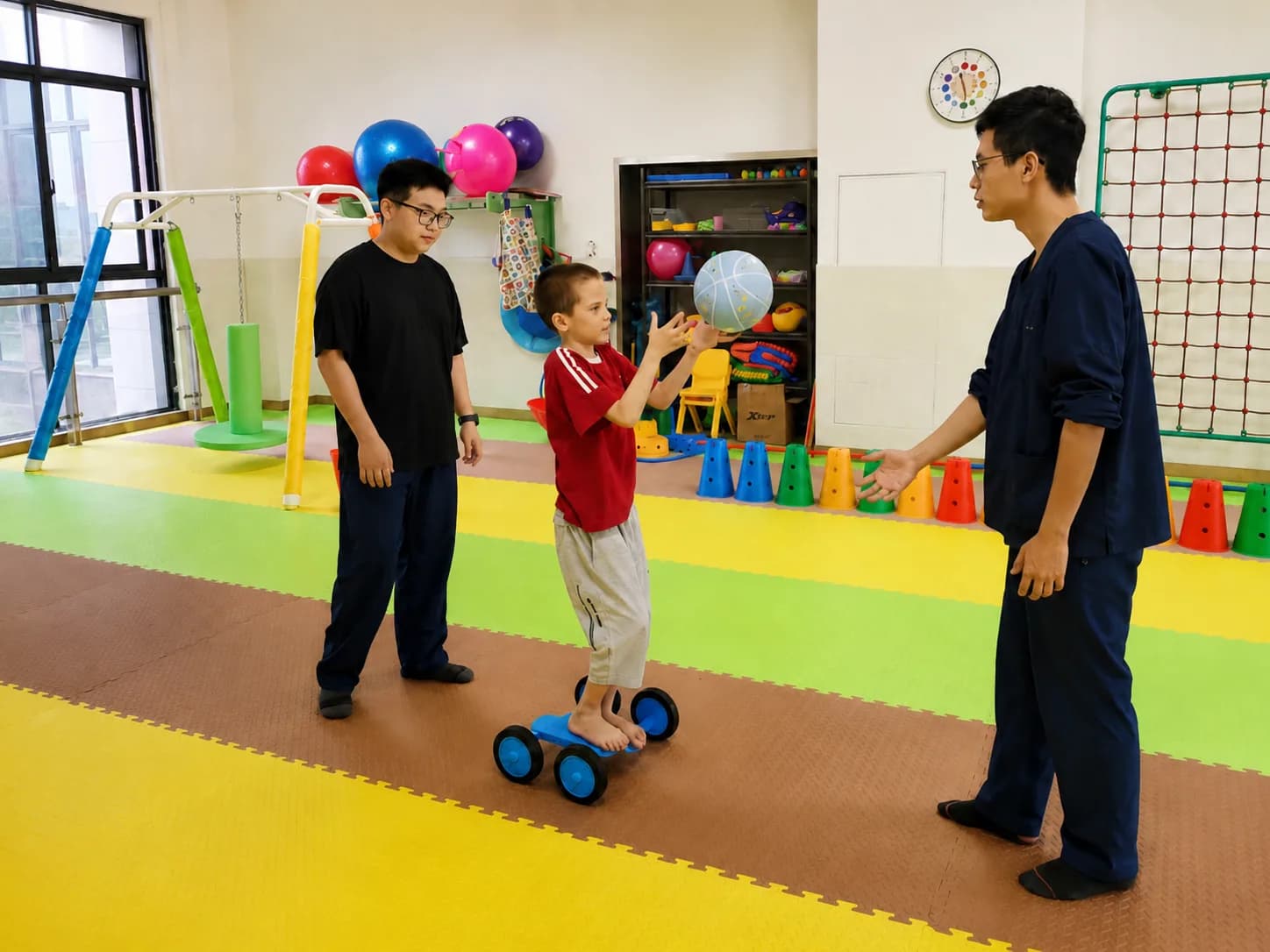
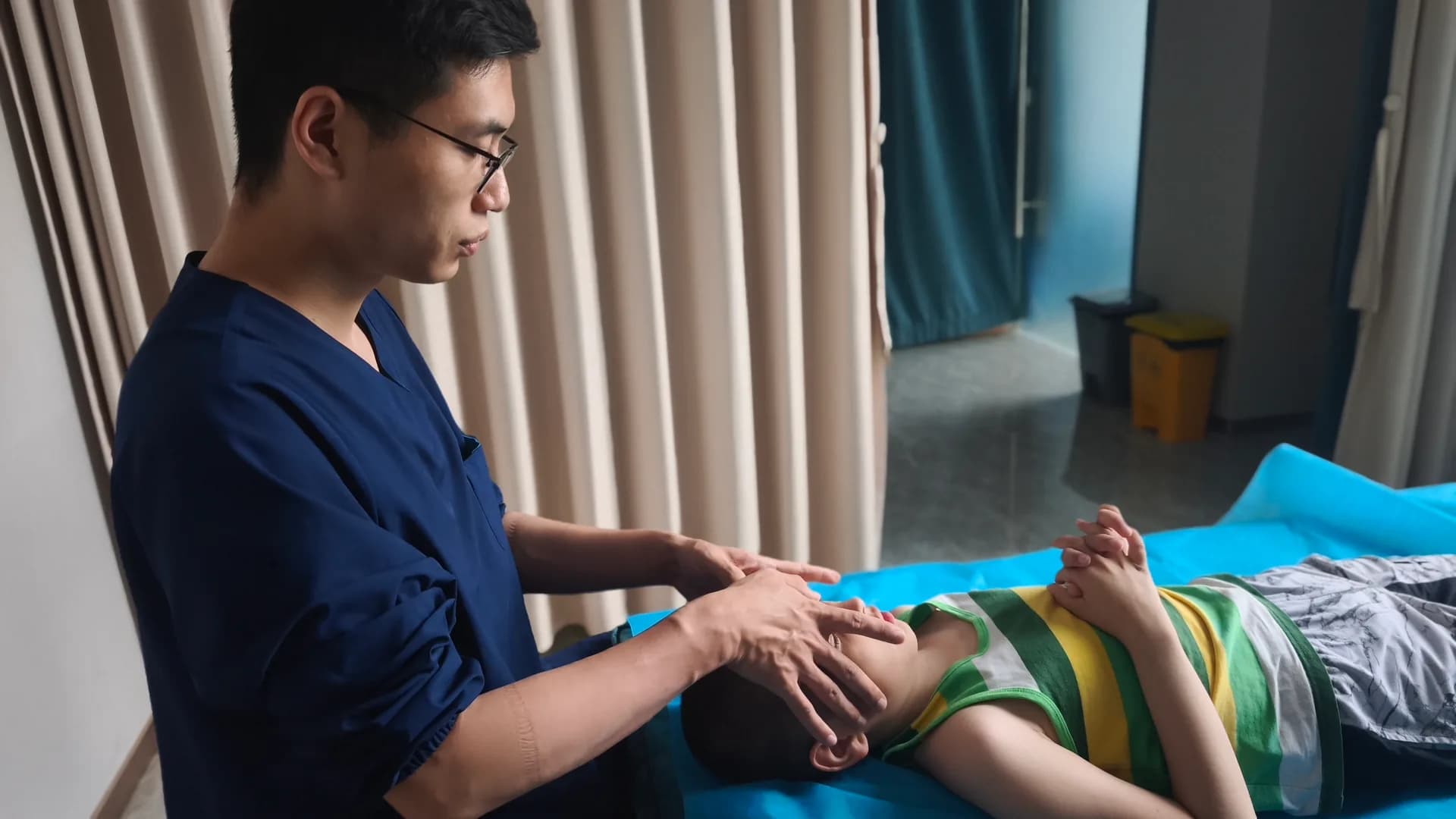
At Hanshi NeuroLife International Rehabilitation Center (Shangrao), the program for muscle weakness combines instrument-based and training methods. Neuromuscular electrical stimulation — low-frequency impulses activate nerves and muscle contractions, build strength, regulate tone, and accelerate motor milestone acquisition. PT provides targeted motor training — for gross motor function, balance, and strength control. Occupational therapy addresses fine motor skills, hand-eye coordination, and self-care skills. Sensory integration on specialized equipment strengthens the proprioceptive foundation. Pediatric Tui Na massage and acupuncture complement the program — supporting tone and restoring meridian flow.
What parents should know
During the initial assessment, it is important to inform specialists about the origin of the weakness (central or peripheral), any primary diagnoses, and current medications. This allows for more precise tuning of neuromuscular electrical stimulation and the targeting of training. Home-based rehabilitation of at least 1 hour per day is a mandatory part of the course; parents are taught specific exercises and massage techniques.
Causes
Develops when the nervous system or the muscles themselves are affected. Common causes include cerebral palsy, spinal muscular atrophy, myopathies and muscular dystrophies.
Symptoms
Reduced strength, rapid fatigue, trouble walking and holding posture. The child lags in motor development and falls often.
Diagnostics
Neurologist examination, electroneuromyography and creatine kinase testing; if needed, genetic testing and muscle biopsy.
Prognosis and Treatment Approach
Depends on the cause and severity. Regular rehabilitation builds muscle strength, slows progression and improves motor abilities.
How we treat Limb Muscle Weakness
Diagnostics
Comprehensive examination and patient assessment by an international team of specialists
Treatment plan
Development of an individual rehabilitation program considering diagnosis specifics
Therapy
Intensive course of procedures: physical therapy, massage, physiotherapy, acupuncture and other methods
Results
Progress evaluation, home recommendations and maintenance therapy plan
Treatment procedures: Limb Muscle Weakness
Doctors treating this condition
















Frequently asked questions: Limb Muscle Weakness
Book a free consultation
Leave a short request — a coordinator will contact you within 5 minutes, answer your questions and suggest the first steps.