
Motor Developmental Delay
Also known as: Motor delay, Delayed motor milestones, Gross motor delay
Motor developmental delay program for children aged 1–14 years at Hanshi NeuroLife (Shangrao). Comprehensive work on gross and fine motor function: PT, sensory integration, neuromuscular electrical stimulation, occupational therapy, Tui Na massage, and acupuncture.
What is Motor Developmental Delay?
Motor developmental delay is a delay in the child's mastery of key motor milestones: rolling, sitting, crawling, standing, walking. In some children the delay occurs in isolation (motor domain only); in others — as part of global developmental delay or together with autism spectrum disorder, cerebral palsy, or sequelae of encephalopathy. Movement quality in early childhood is foundational: it determines further development of sensory integration, fine motor skills, coordination, and even speech.
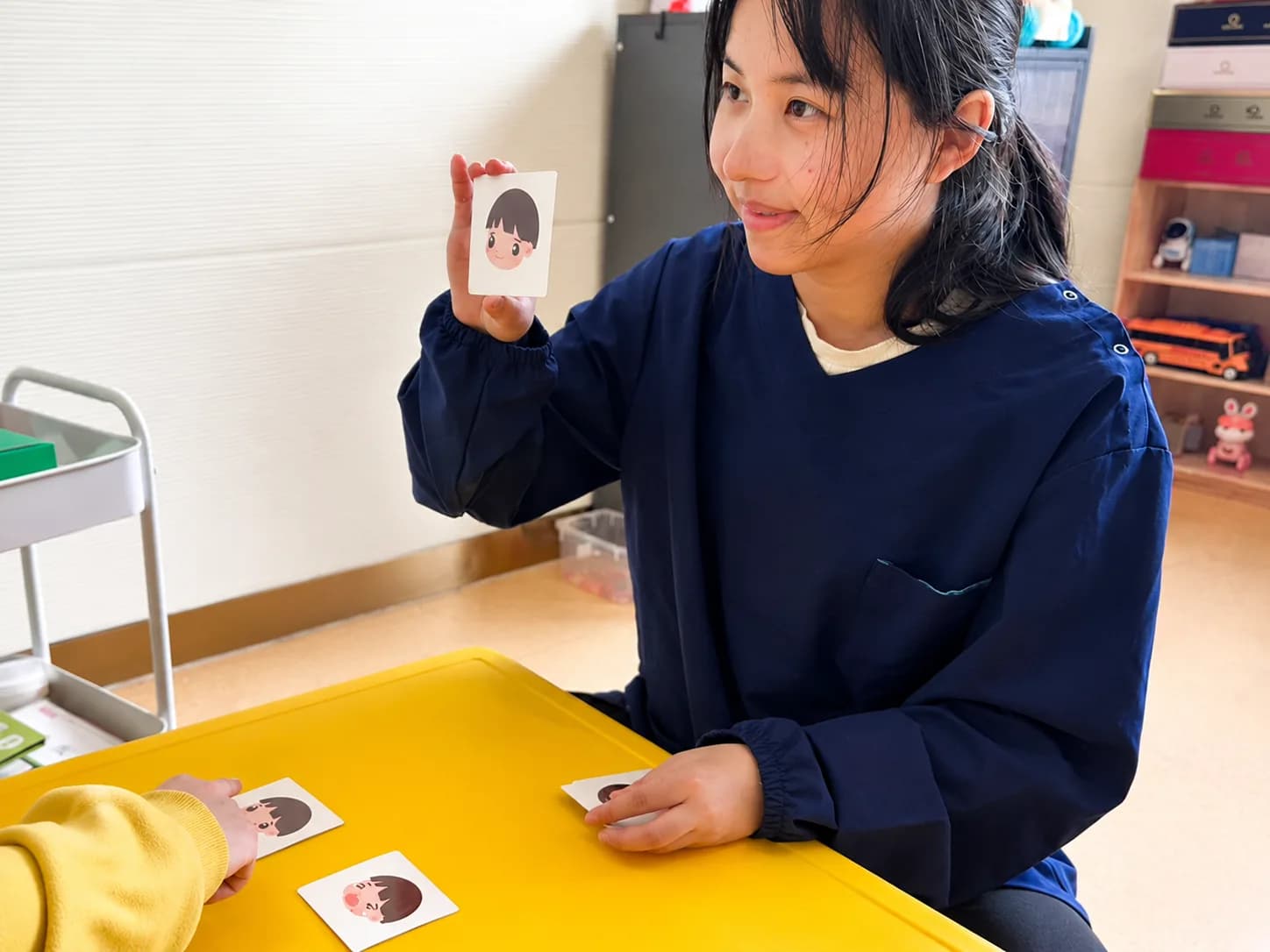
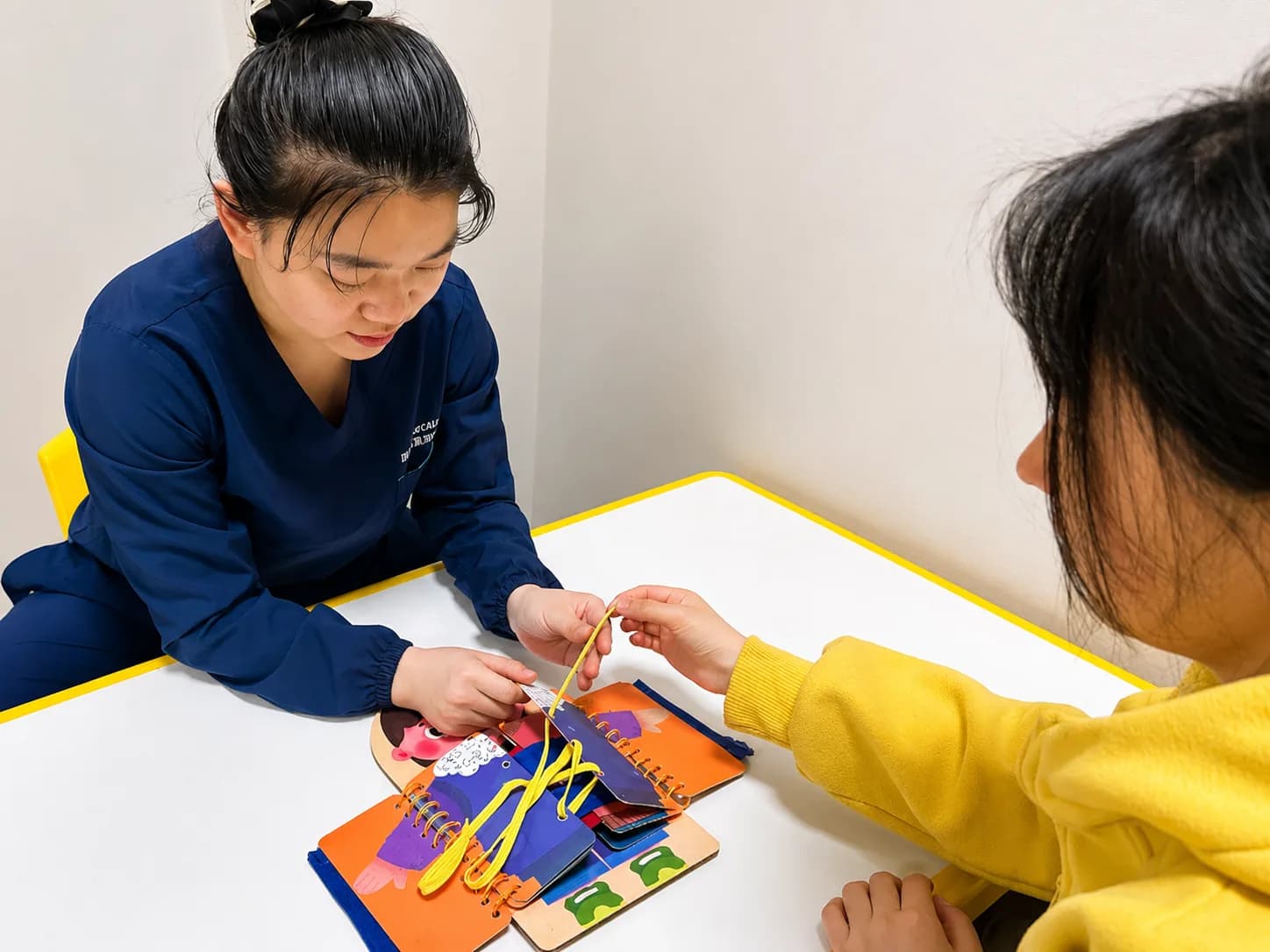
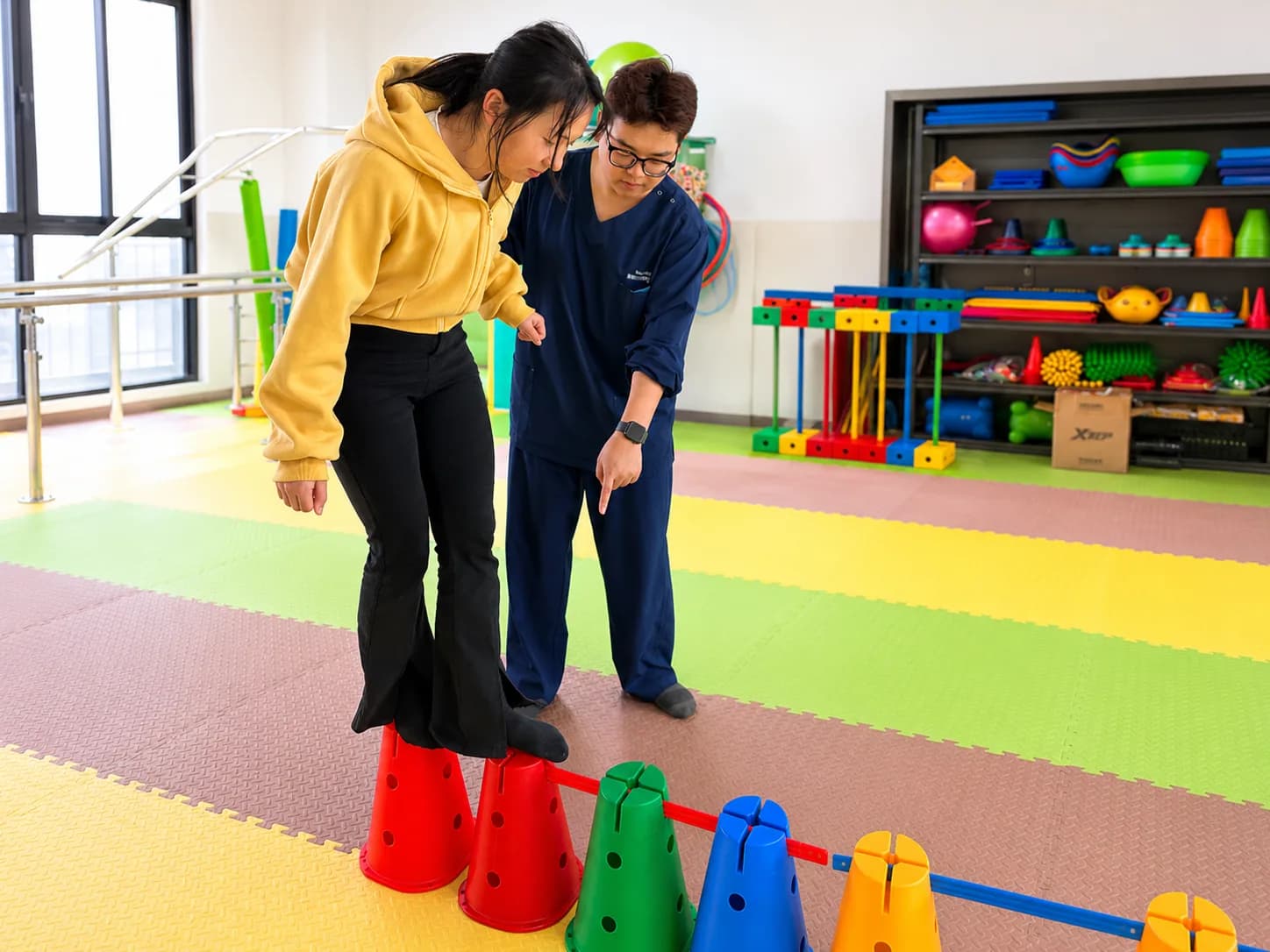
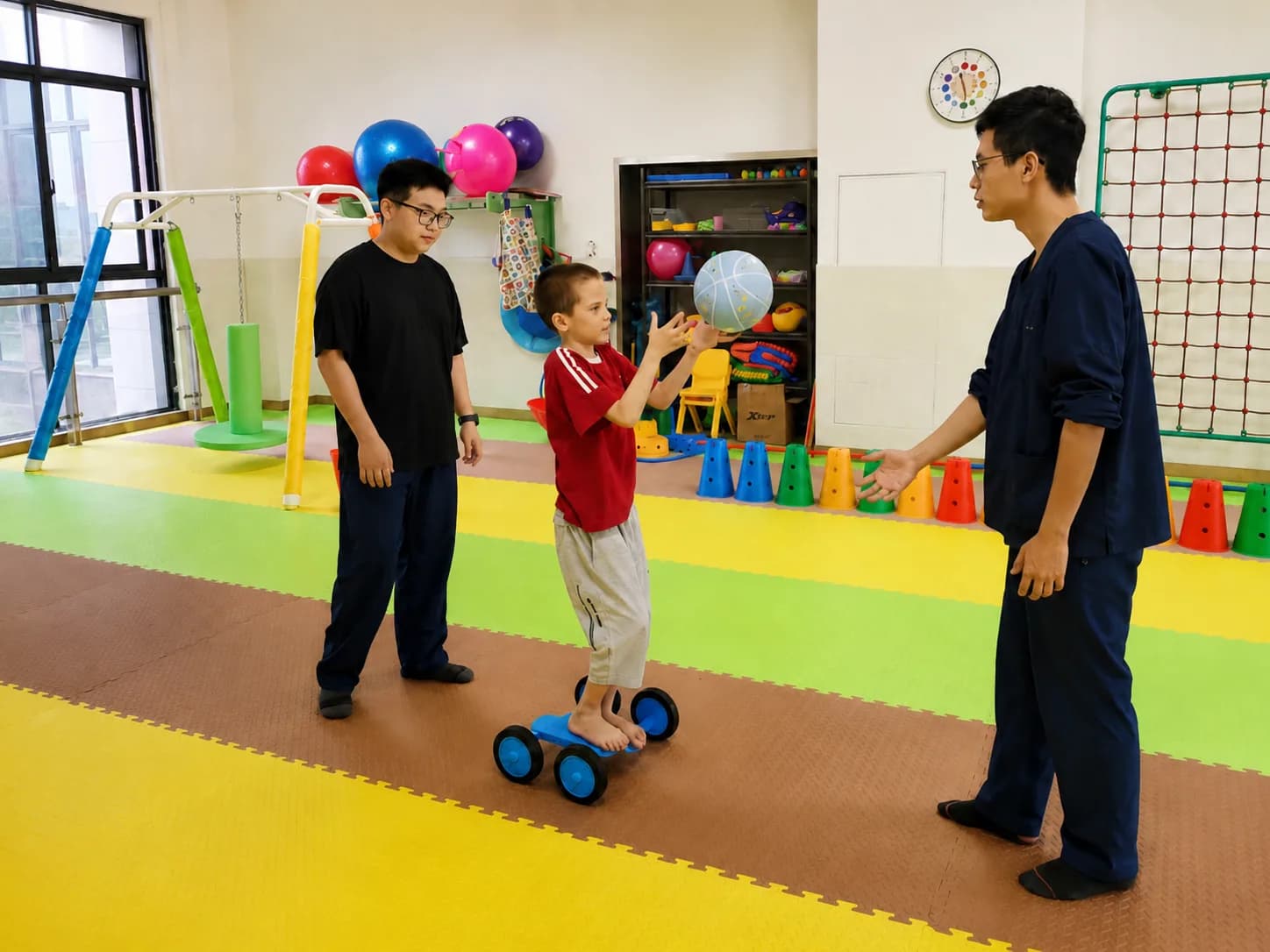
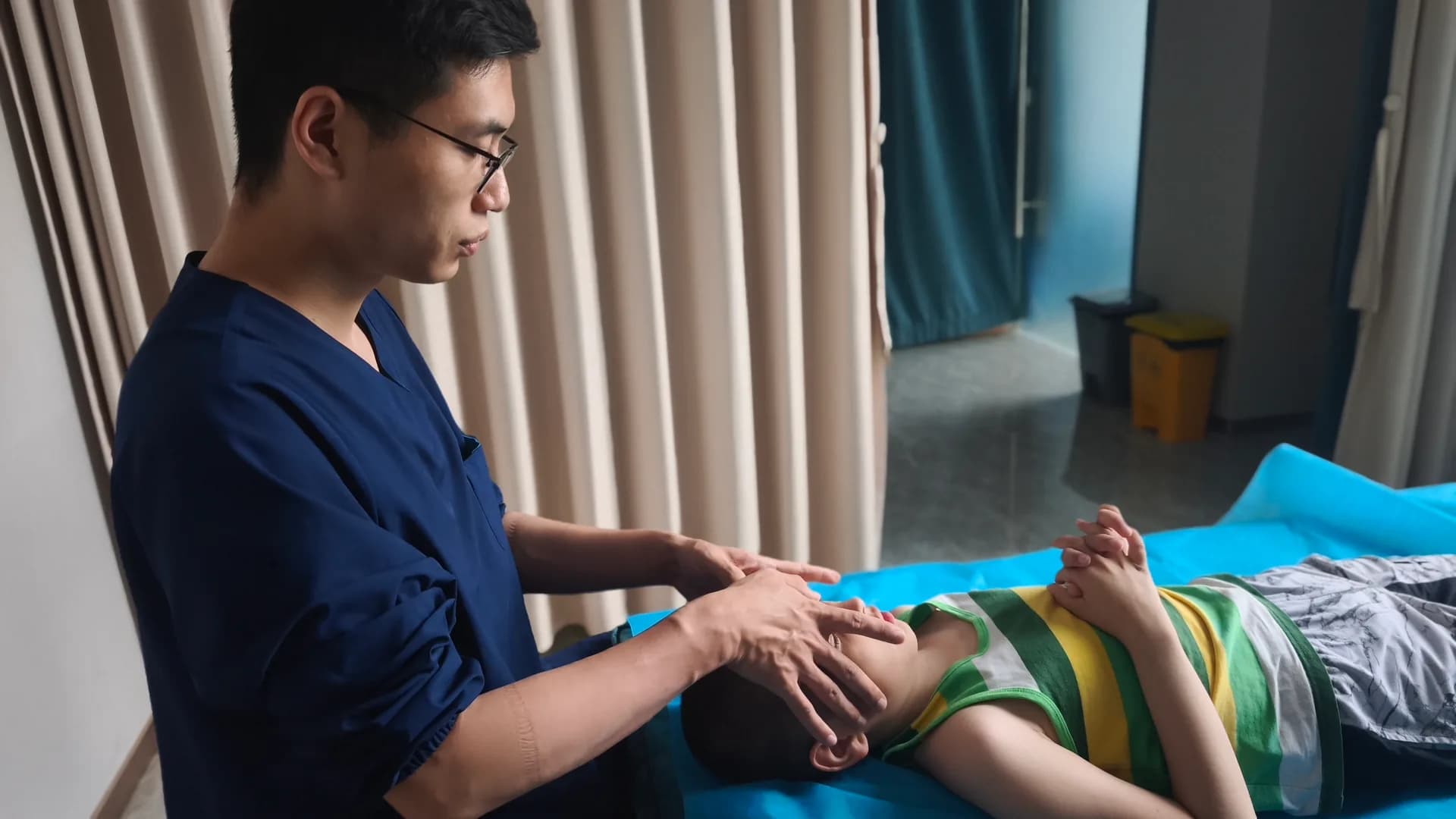
At Hanshi NeuroLife International Rehabilitation Center (Shangrao), motor work is built on a combination of methods. PT (physical therapy) addresses gross motor function, balance, and coordination. Sensory integration on specialized equipment (swings, hammocks, tunnels, spinning disks, balls) provides the child with the vestibular and proprioceptive stimulation they need. Occupational therapy specifically addresses fine motor skills, hand-eye coordination, and self-care. Neuromuscular electrical stimulation activates nerves and muscle contractions, builds strength, regulates tone, and accelerates progression through motor milestones. Pediatric acupuncture and Tui Na massage complement the program: restoring channel patency, harmonizing qi and blood, and regulating tone.
What Parents Should Know
After the initial assessment (GMFM, Gesell Developmental Scale, neurological examination), specialists compile an individualized plan with specific stages and goals. Parents are trained in simple Tui Na massage techniques and exercises that can be performed at home: this is critical because motor progress requires daily practice. Regular reassessment makes progress on scale scores visible and allows the program to be adjusted.
Causes
Most often it stems from perinatal CNS injury, muscle tone abnormalities (hypertonia or hypotonia), prematurity, or genetic factors. The delay may be isolated or part of global developmental delay.
Symptoms
The child masters rolling, sitting, crawling, standing, and walking later than peers. Muscle weakness, stiffness, gait problems, poor balance, and weak fine motor skills may appear.
Assessment
Gross motor function is assessed with the GMFM and the Gesell scale, plus a neurological exam if needed. Muscle tone, range of motion, balance, and coordination are evaluated.
Prognosis and Treatment Approach
Early systematic motor work gives a good prognosis, especially combined with physical therapy and TCM. The program blends PT, sensory integration, neuromuscular stimulation, Tui Na massage, and acupuncture.
How we treat Motor Developmental Delay
Diagnostics
Comprehensive examination and patient assessment by an international team of specialists
Treatment plan
Development of an individual rehabilitation program considering diagnosis specifics
Therapy
Intensive course of procedures: physical therapy, massage, physiotherapy, acupuncture and other methods
Results
Progress evaluation, home recommendations and maintenance therapy plan
Treatment procedures: Motor Developmental Delay

Doctors treating this condition

















Frequently asked questions: Motor Developmental Delay
Book a free consultation
Leave a short request — a coordinator will contact you within 5 minutes, answer your questions and suggest the first steps.