
Obsessive-Compulsive Symptoms
Also known as: OCD, Obsessions, Ritualistic behavior
Program for obsessive-compulsive symptoms in children aged 1–14 years at the Hanshi NeuroLife center (Shangrao). Gentle systematic work: ABA, sandplay therapy, sensory integration, and medication support when indicated.
What is Obsessive-Compulsive Symptoms?
Obsessive-compulsive symptoms in children are intrusive thoughts (obsessions) or repetitive rituals and actions (compulsions) that the child feels compelled to perform; inability to deviate from a habitual sequence without marked anxiety. In some children — a compulsive striving for symmetry, order, and repeated checking. These symptoms affect sleep, eating, learning, and social adaptation. They appear in ASD (rituals and stereotyped behavior are often close in form to compulsions), in anxiety states, as part of a standalone obsessive-compulsive disorder, against the background of chronic stress, or after past neuroinfections. It is important to distinguish obsessive-compulsive symptoms from ASD stereotypies: they are close in form but differ in function — stereotypies more often serve as self-regulation, while compulsions serve to reduce anxiety from intrusive thoughts or a sense of incompleteness.
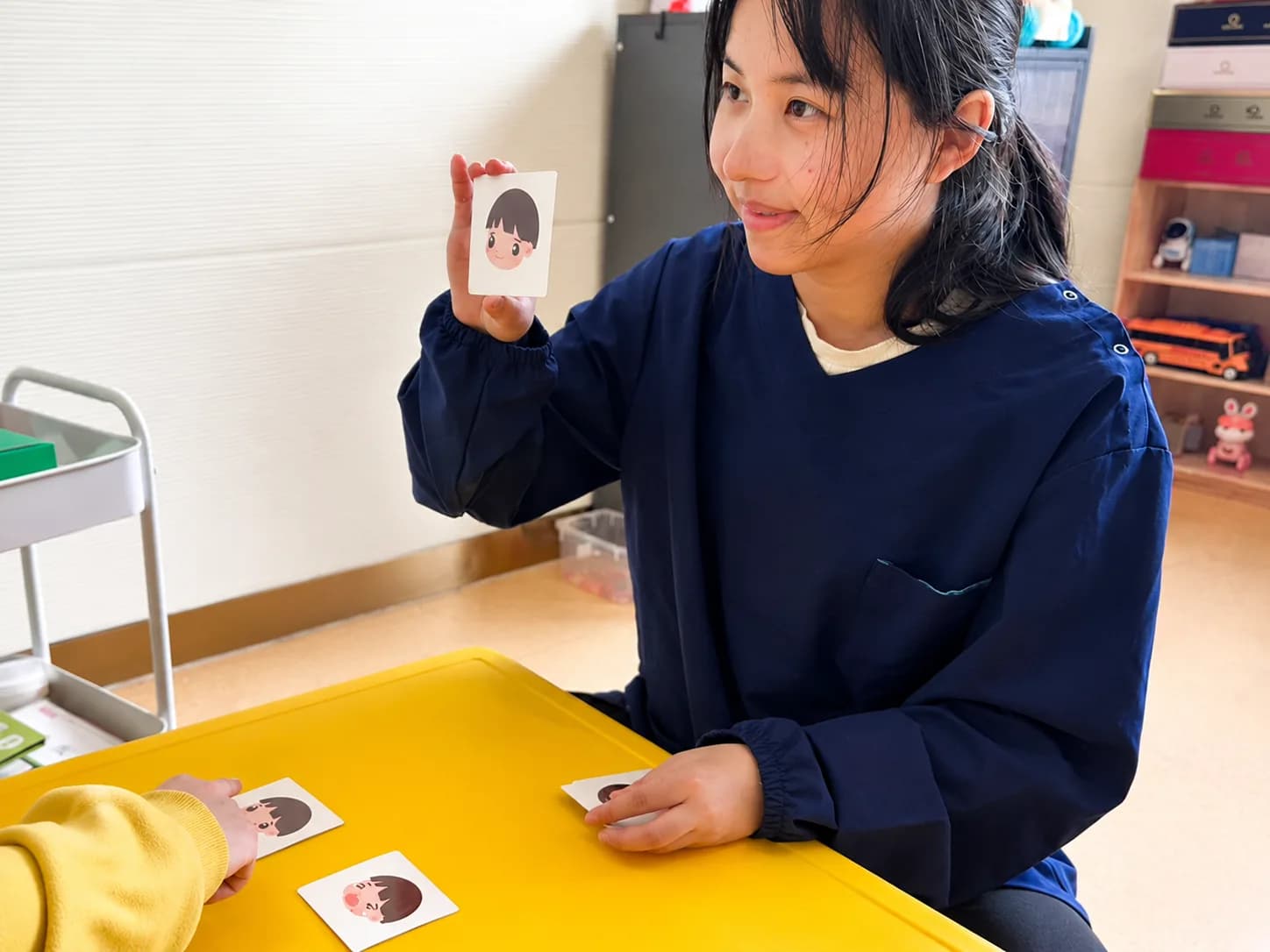
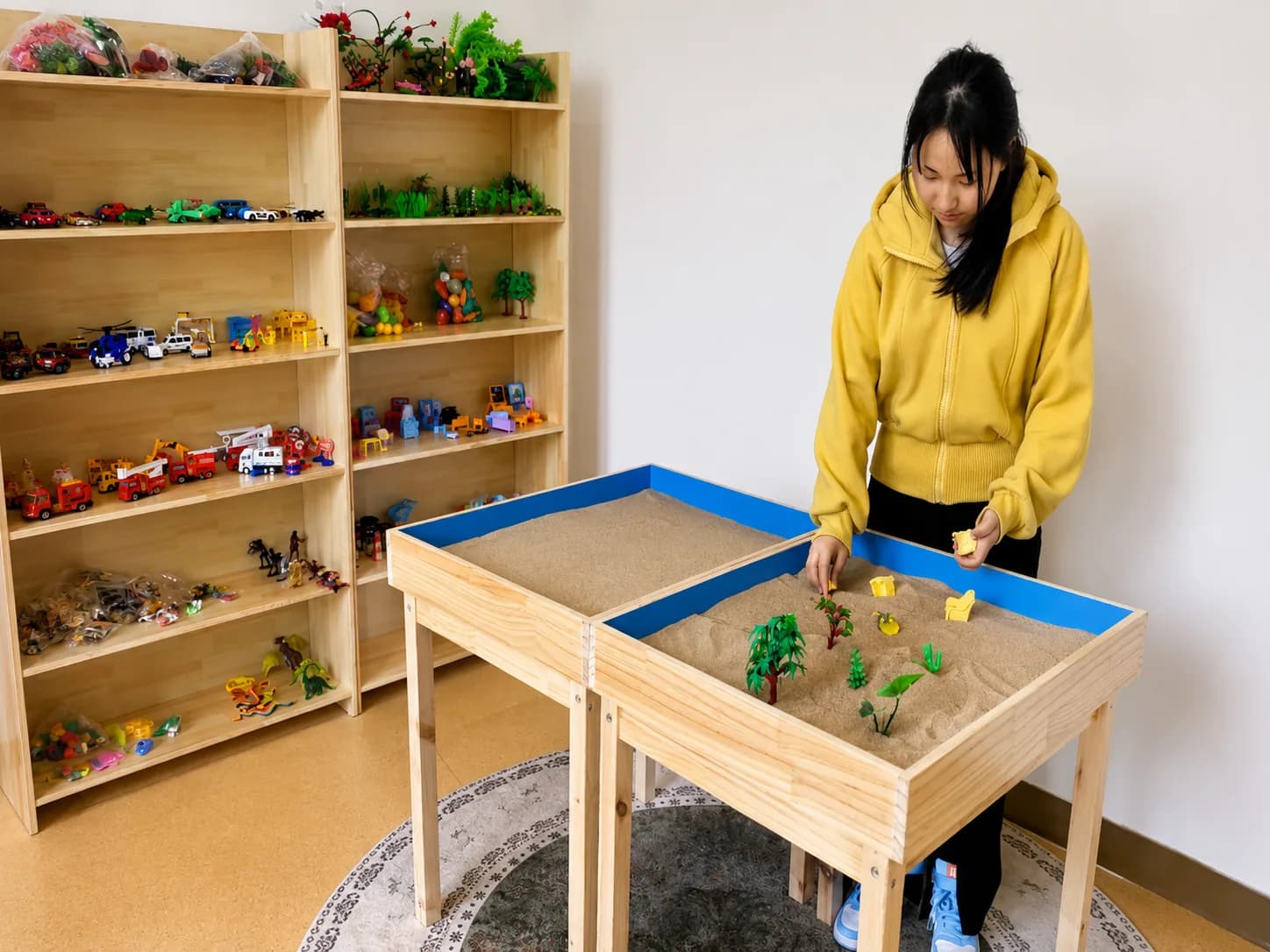
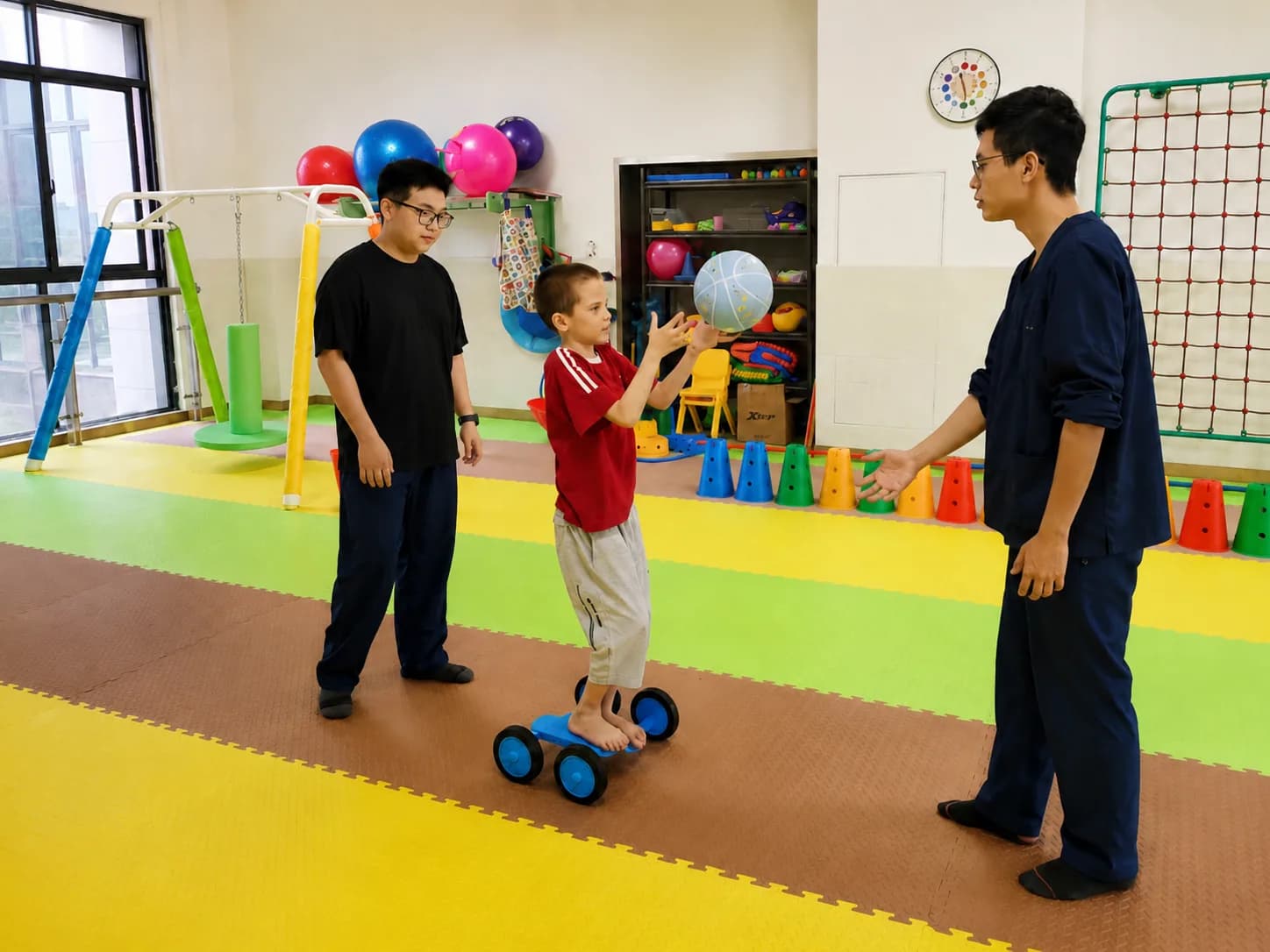
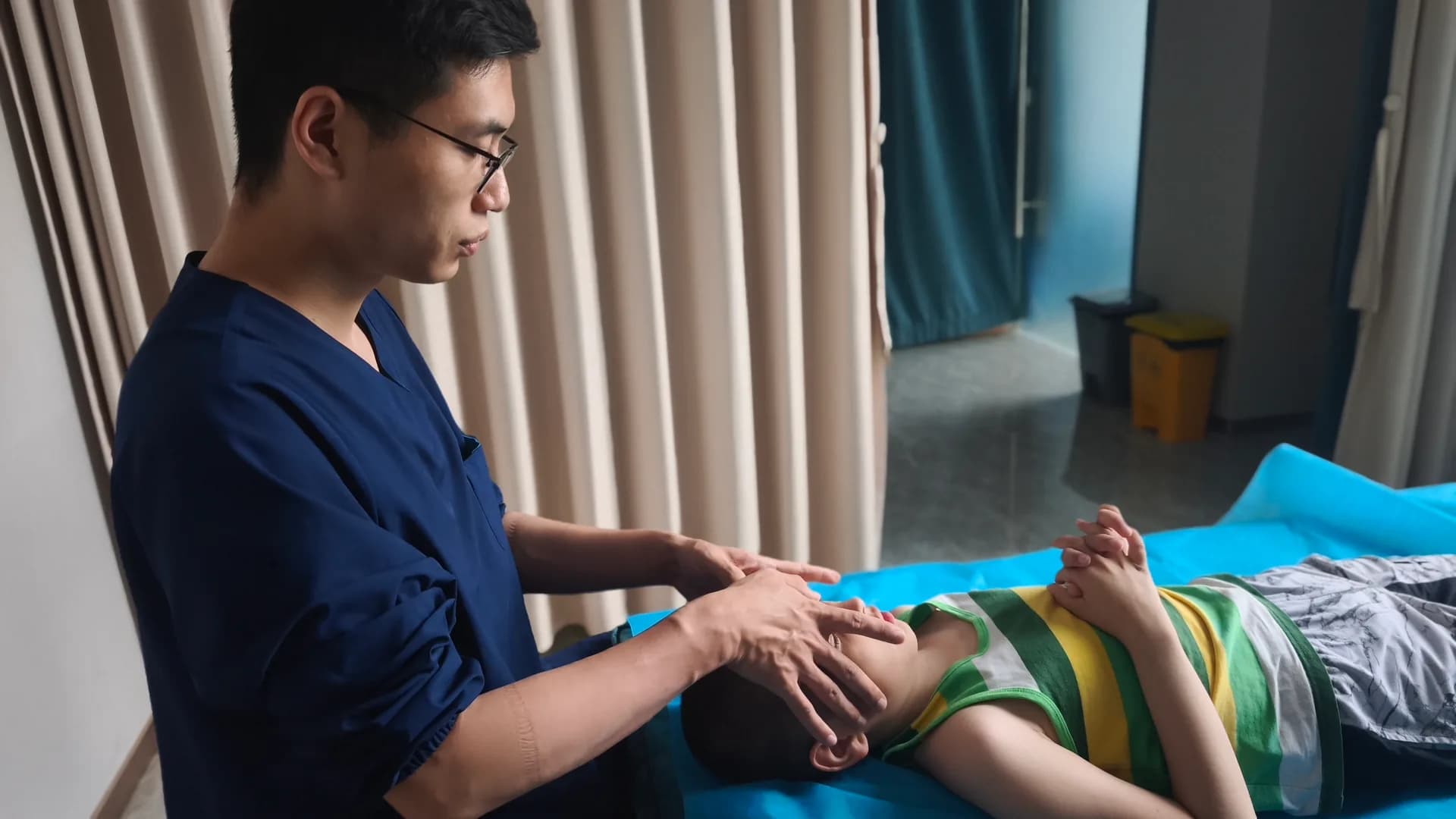
At Hanshi NeuroLife International Rehabilitation Center (Shangrao), the program for obsessive-compulsive symptoms works gently and systematically. ABA systematically shapes alternative adaptive behavior through positive reinforcement and gradual expansion of the behavioral repertoire. Sandplay therapy offers a non-verbal channel for regulation and work with anxiety. Sensory integration and TEACCH address the sensory and environmental foundation — reducing the overall anxiety level that often feeds compulsions. Pediatric acupuncture and Tui Na massage complement the program. In severe presentations, medication support (anti-obsessive agents) is considered — strictly by physician's decision.
What matters for parents
Forcibly "forbidding" rituals usually increases anxiety — the program proceeds from understanding the function of the compulsion and gradually building adaptive alternatives. Specialists train parents in techniques of support in everyday situations. Regular reassessment shows progress and allows the program to be adjusted.
Causes
Seen in ASD, anxiety states, and standalone OCD; sometimes against chronic stress or after past neuroinfections.
Symptoms
Intrusive thoughts (obsessions) and repetitive rituals (compulsions): striving for symmetry, order, checking; deviation causes anxiety. Affects sleep, eating, learning.
Diagnostics
Comprehensive assessment: scales (PEP; in ASD — ABC and Shuangxi), psychological and neurological exam. It is key to distinguish symptoms from ASD stereotypies.
Prognosis and treatment approach
With systematic work most children reduce intensity. We combine ABA, sandplay therapy, sensory integration, and TCM; medication by physician when indicated.
How we treat Obsessive-Compulsive Symptoms
Diagnostics
Comprehensive examination and patient assessment by an international team of specialists
Treatment plan
Development of an individual rehabilitation program considering diagnosis specifics
Therapy
Intensive course of procedures: physical therapy, massage, physiotherapy, acupuncture and other methods
Results
Progress evaluation, home recommendations and maintenance therapy plan
Treatment procedures: Obsessive-Compulsive Symptoms

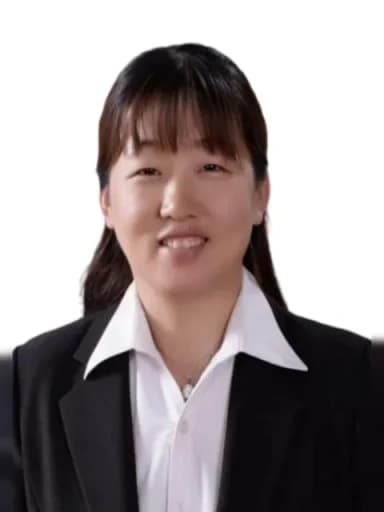
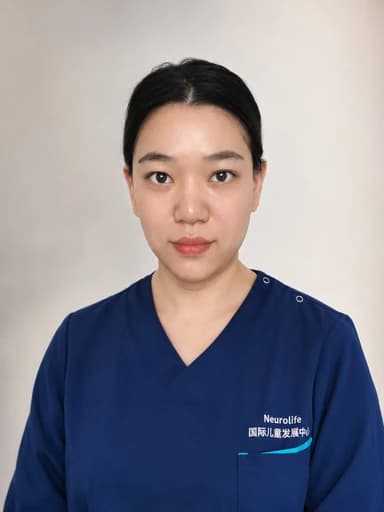
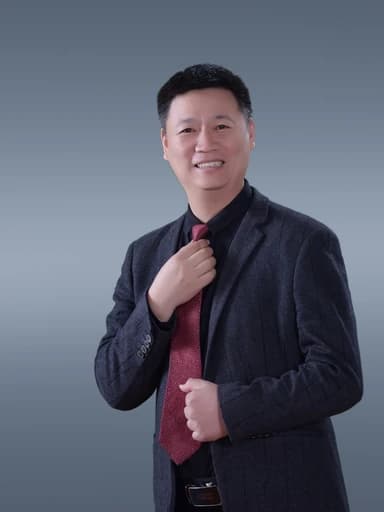
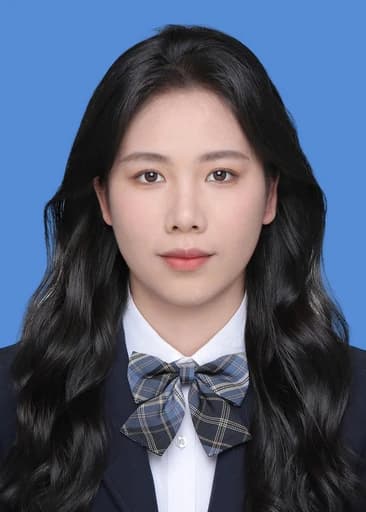
Doctors treating this condition









Frequently asked questions: Obsessive-Compulsive Symptoms
Book a free consultation
Leave a short request — a coordinator will contact you within 5 minutes, answer your questions and suggest the first steps.