
Tactile hyper- and hyposensitivity
Also known as: Tactile hypersensitivity, Tactile hyposensitivity, Tactile defensiveness, Sensory-seeking behavior
Program for the correction of tactile hyper- and hyposensitivity in children aged 1–14 years at the Hanshi NeuroLife center (Shangrao). Gentle work through sensory integration, occupational therapy, and TCM methods.
What is Tactile hyper- and hyposensitivity?
Tactile hyper- and hyposensitivity are disorders of tactile processing in which the child's brain perceives touch differently from most people. Hypersensitivity manifests as avoidance of touch: the child dislikes clothing tags, certain fabrics, hugs, hair washing, teeth brushing — typical touch is experienced as excessive or painful. Hyposensitivity manifests as sensory-seeking behavior: the child touches everything, presses, hugs tightly, seeks intense tactile sensations, and may have a reduced pain response. These forms are often combined in one child in different body areas. Tactile sensitivity is part of sensory dysregulation and is most often seen in ASD, in sensory integration disorders without ASD, and in post-encephalopathic states.
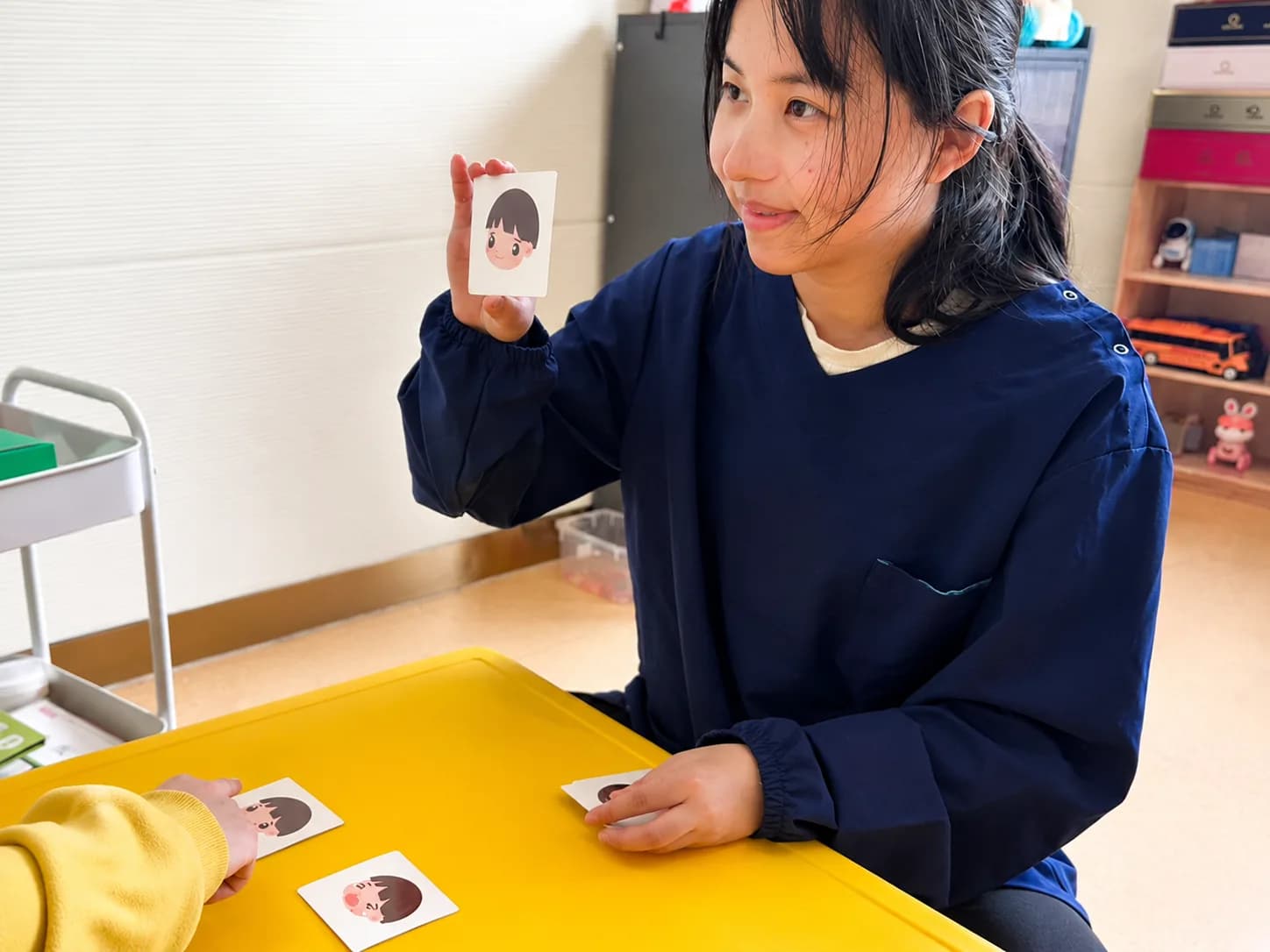
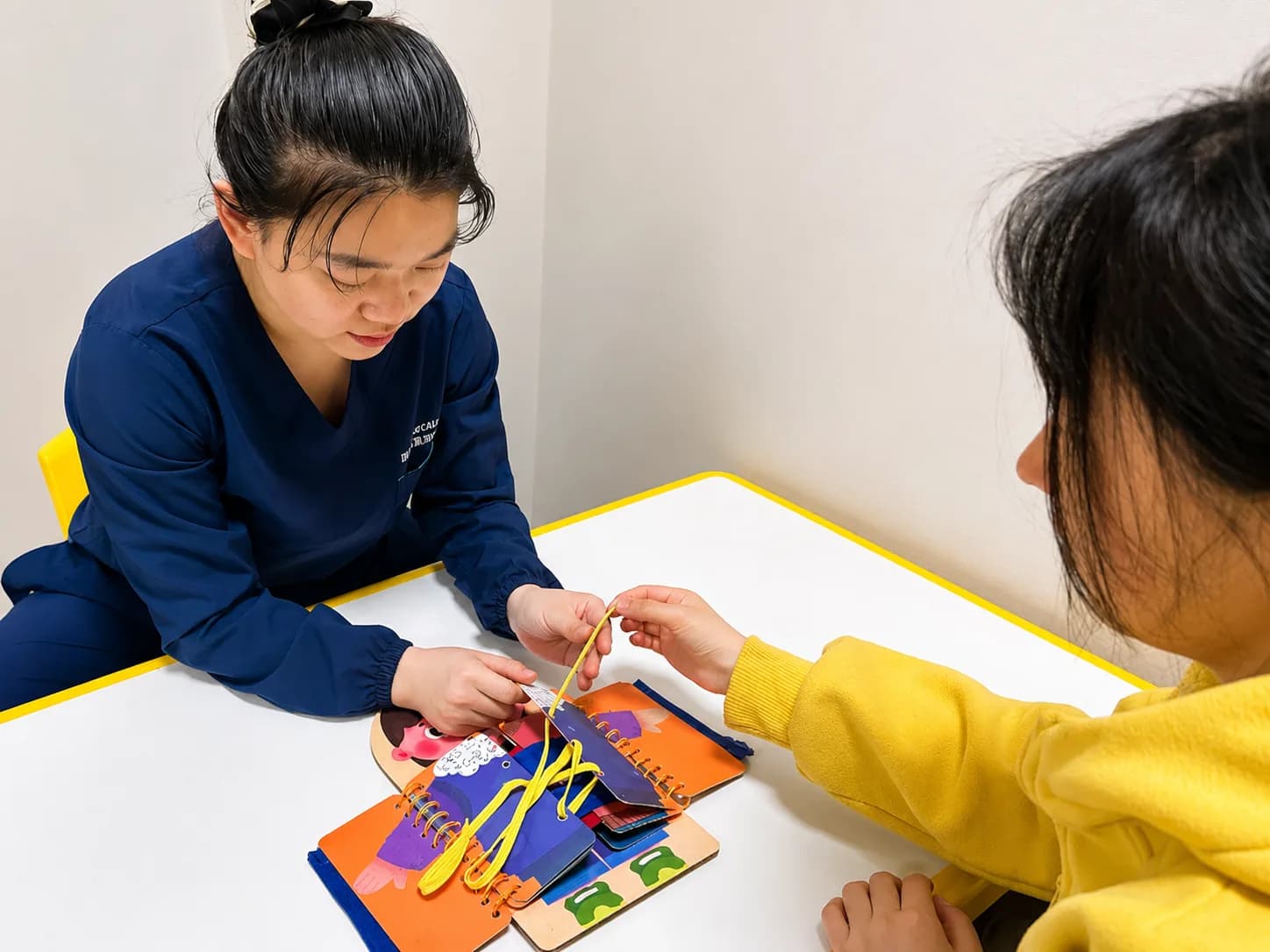
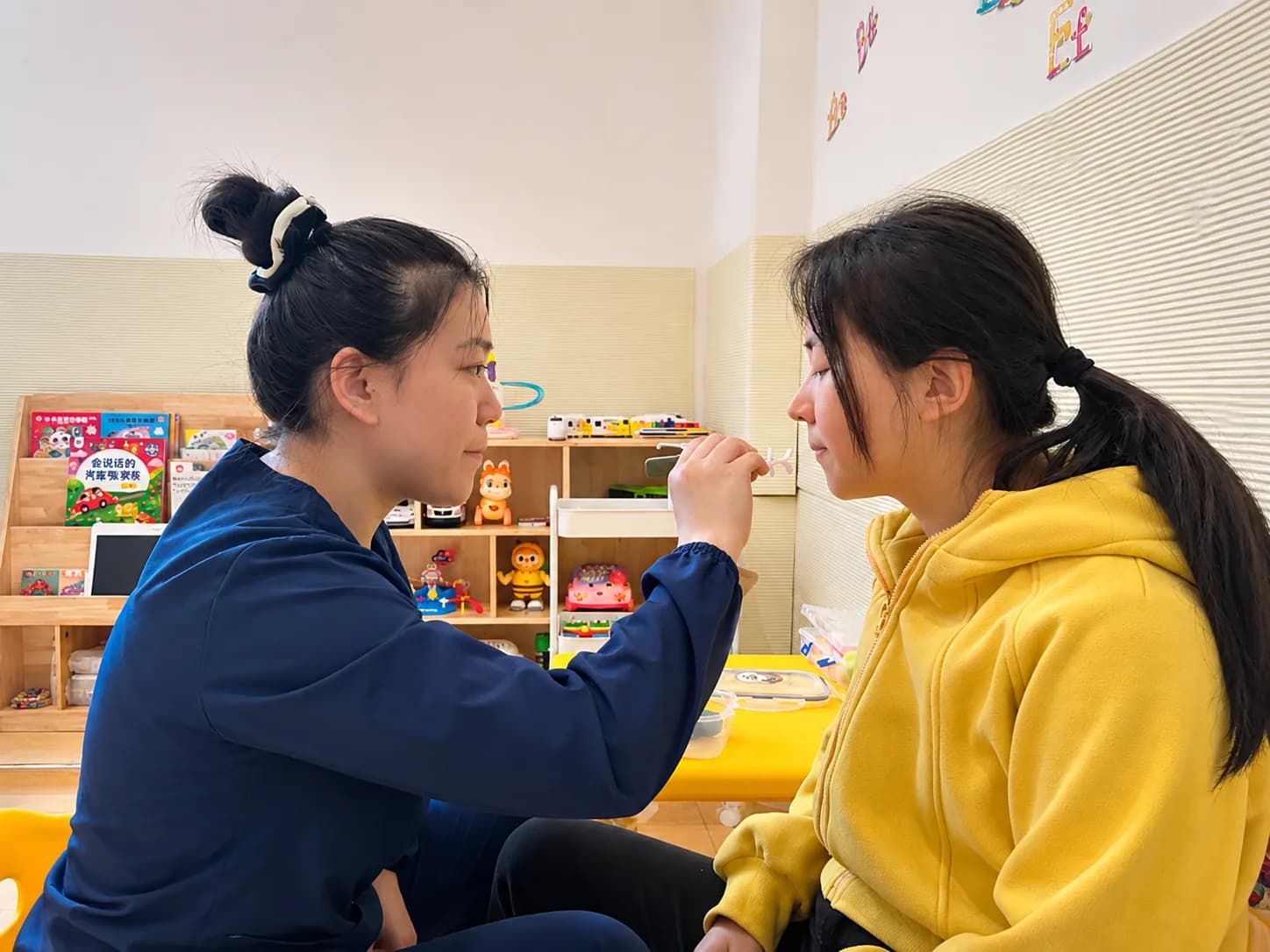
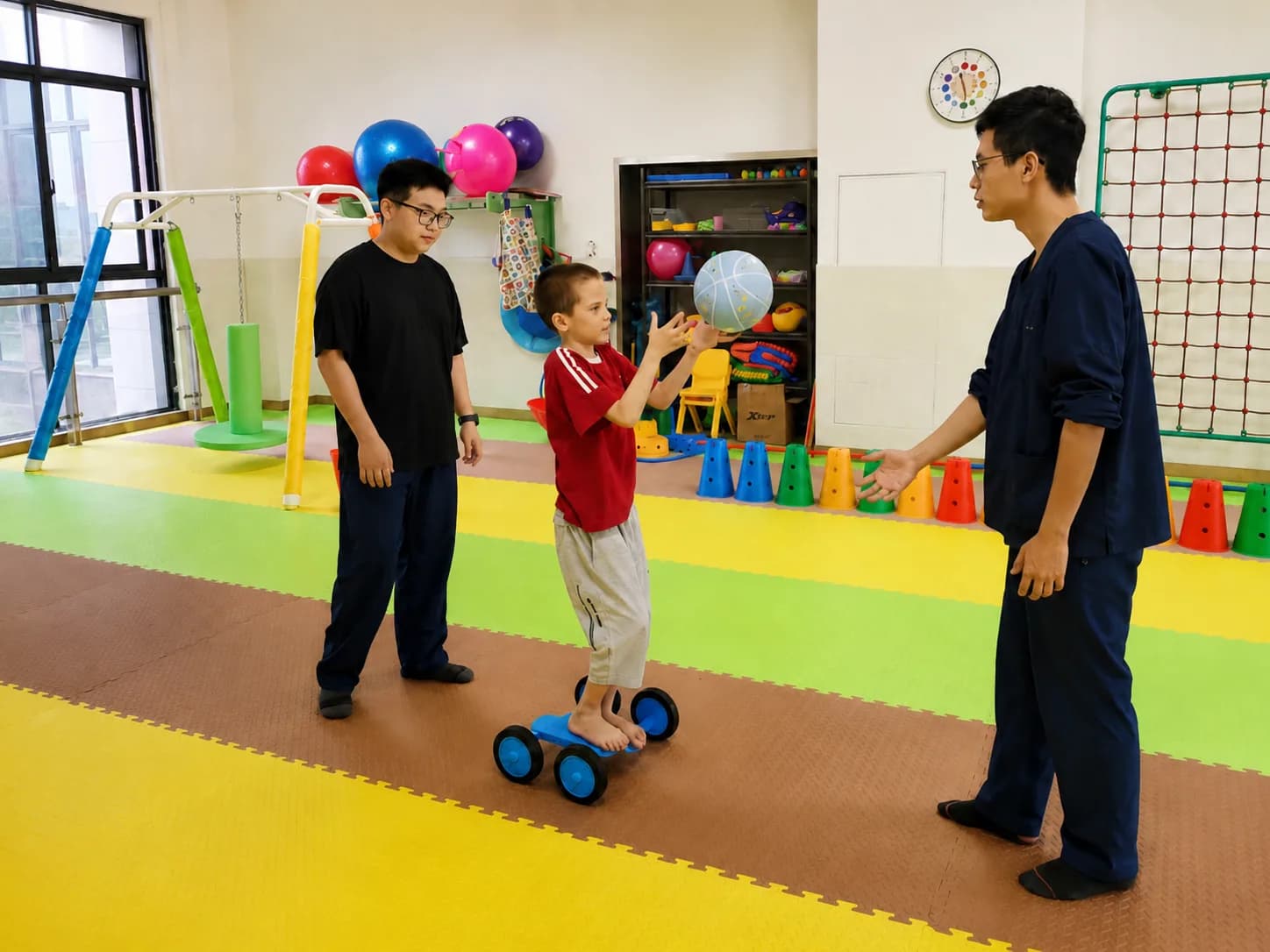
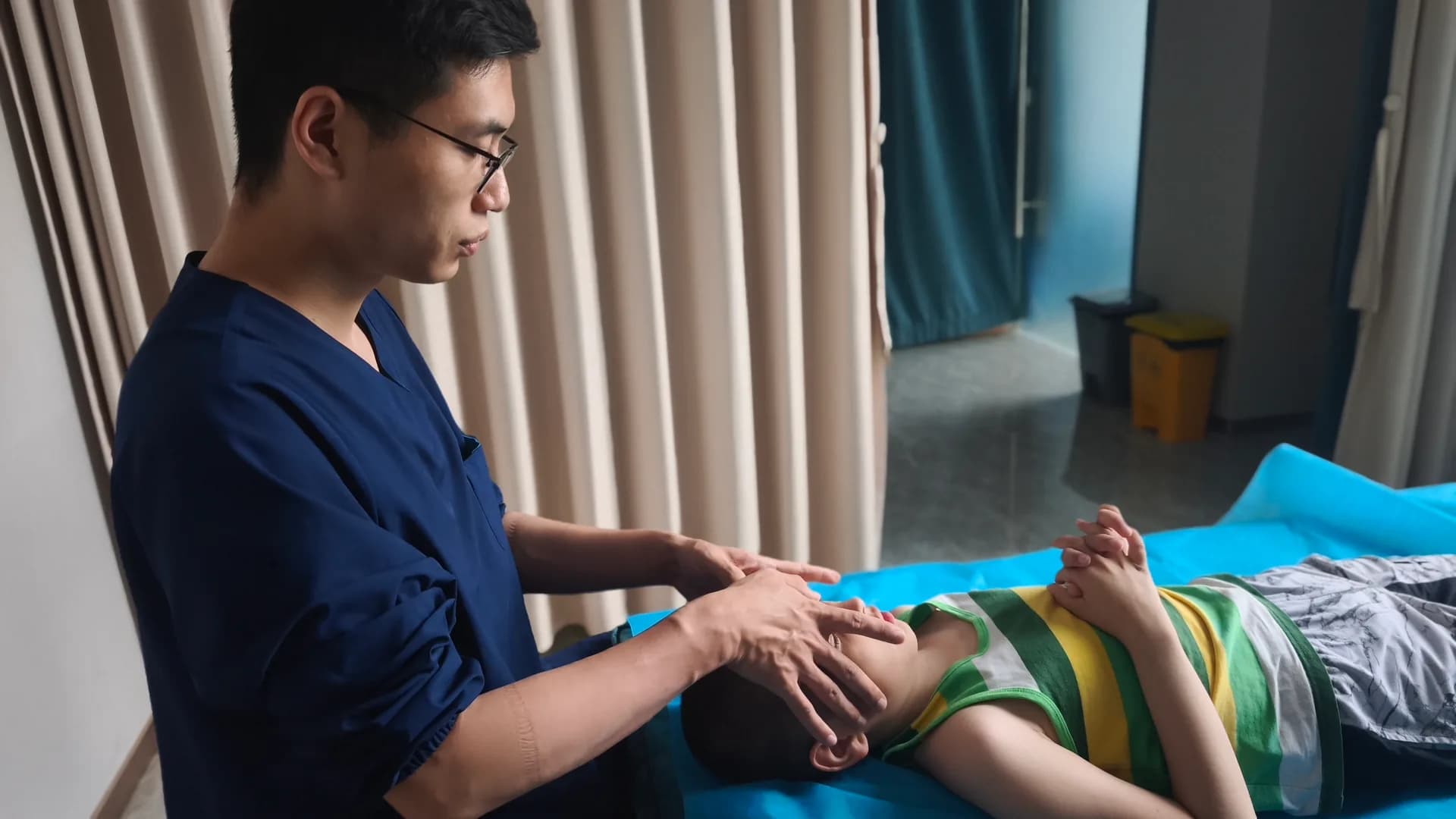
At the Hanshi NeuroLife International Rehabilitation Center (Shangrao), the program for tactile sensitivity proceeds gradually and without pressure. The core method is sensory integration with focus on the tactile domain: the child receives different types of tactile input (light, deep, surface touch, various textures) in a safe play-based form. Occupational therapy works on touch tolerance in real-life everyday scenarios — dressing, hygiene, tool use. ABA for marked defensiveness systematically expands tolerance through positive reinforcement. For oral localization, oral-motor therapy is added; for comorbid auditory hypersensitivity — AIT/Tomatis auditory integration. From TCM methods — gentle Tui Na massage techniques.
What parents should know
Forced "habituation" to touch usually intensifies defensiveness. The program respects the child's pace. Specialists teach parents gentle techniques in everyday situations — how to do hygiene, dress the child, and maintain tactile contact without pressure. Regular reassessment shows expanded tolerance and allows the program to be adjusted.
Causes
Part of sensory dysregulation. Most often seen in ASD, sensory integration disorders and post-encephalopathic states; sometimes in isolation. Hyper- and hyposensitivity often coexist.
Symptoms
Hypersensitivity — avoidance of touch, reactions to tags, fabrics, hugs, hair washing. Hyposensitivity — sensory-seeking behavior and reduced pain response. The two forms often combine.
Diagnostics
A professional sensory integration assessment focused on the tactile domain: response to different touch and textures, tolerance of clothing and hygiene.
Prognosis and treatment approach
Responds well to systematic work. The core is sensory integration with a tactile focus, plus occupational therapy and ABA to expand tolerance through reinforcement.
How we treat Tactile hyper- and hyposensitivity
Diagnostics
Comprehensive examination and patient assessment by an international team of specialists
Treatment plan
Development of an individual rehabilitation program considering diagnosis specifics
Therapy
Intensive course of procedures: physical therapy, massage, physiotherapy, acupuncture and other methods
Results
Progress evaluation, home recommendations and maintenance therapy plan
Treatment procedures: Tactile hyper- and hyposensitivity

Doctors treating this condition



















Frequently asked questions: Tactile hyper- and hyposensitivity
Book a free consultation
Leave a short request — a coordinator will contact you within 5 minutes, answer your questions and suggest the first steps.