
Tics (Tic Disorder)
Also known as: Tic disorder, Motor tics, Vocal tics, Tourette syndrome (as a severe form)
A program for the correction of tics and tic disorder in children aged 1–14 years at Hanshi NeuroLife (Shangrao). A combination of TCM methods (acupuncture, Tui Na massage, Chinese herbal medicine), sensory integration, and medication support.
What is Tics (Tic Disorder)?
Tics and tic disorder are involuntary repetitive rapid movements (motor tics) or vocalizations (vocal tics) that are poorly controlled by voluntary effort. Motor tics in children include blinking, twitches of the face, shoulders, and grimacing; vocal tics include throat clearing, grunts, and outbursts. Tics can be temporarily suppressed by voluntary effort, but this causes mounting tension. They worsen under stress, excitement, and fatigue and lessen during focused engagement in an interesting activity. The biological basis is dysfunction of the brain's dopaminergic systems, often with a genetic predisposition. In children with ASD and ADHD, tics occur comorbidly. Tics are not stereotypies in ASD: tics are abrupt and fast; stereotypies are slow, rhythmic, and self-stimulating.
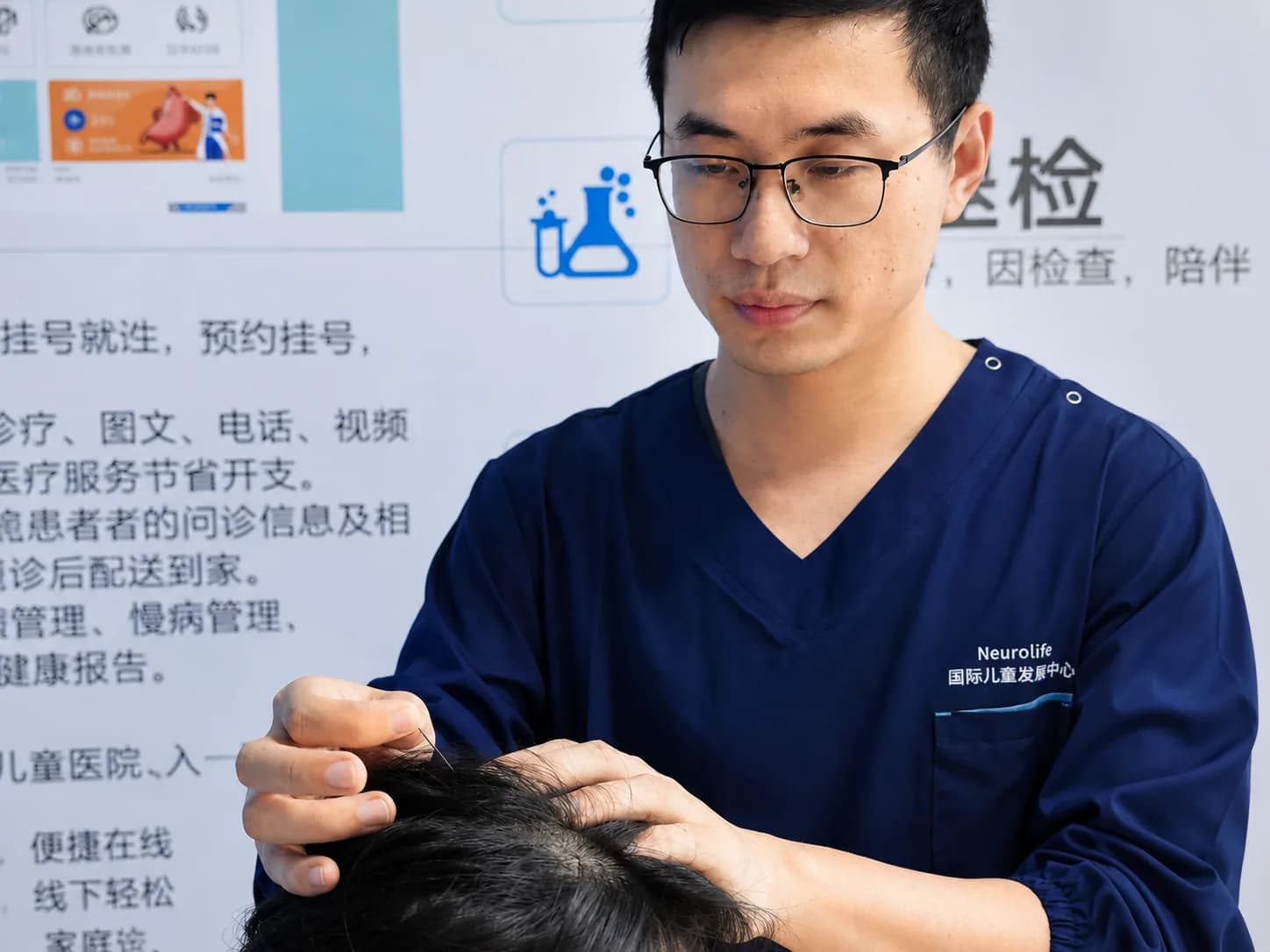
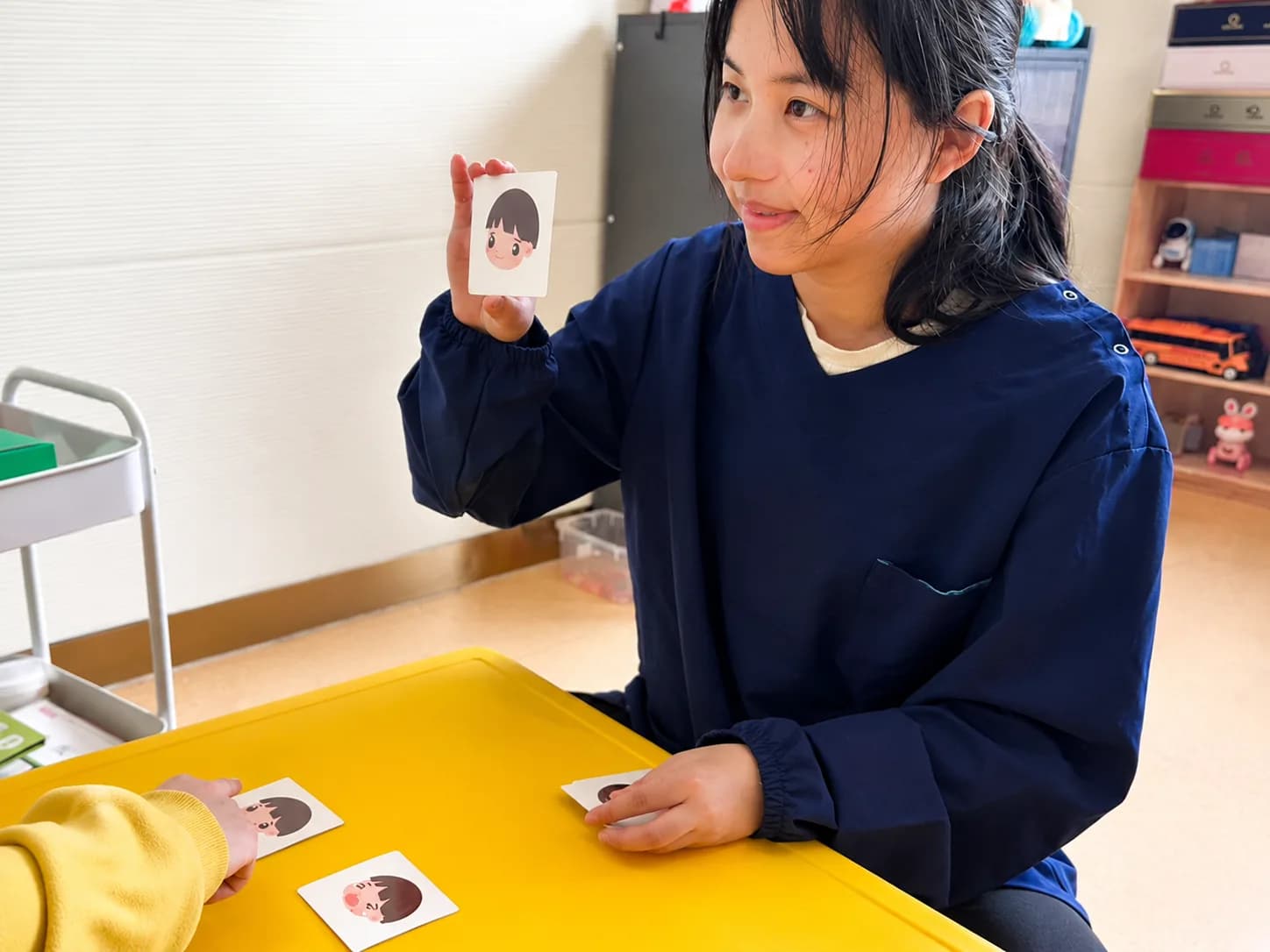
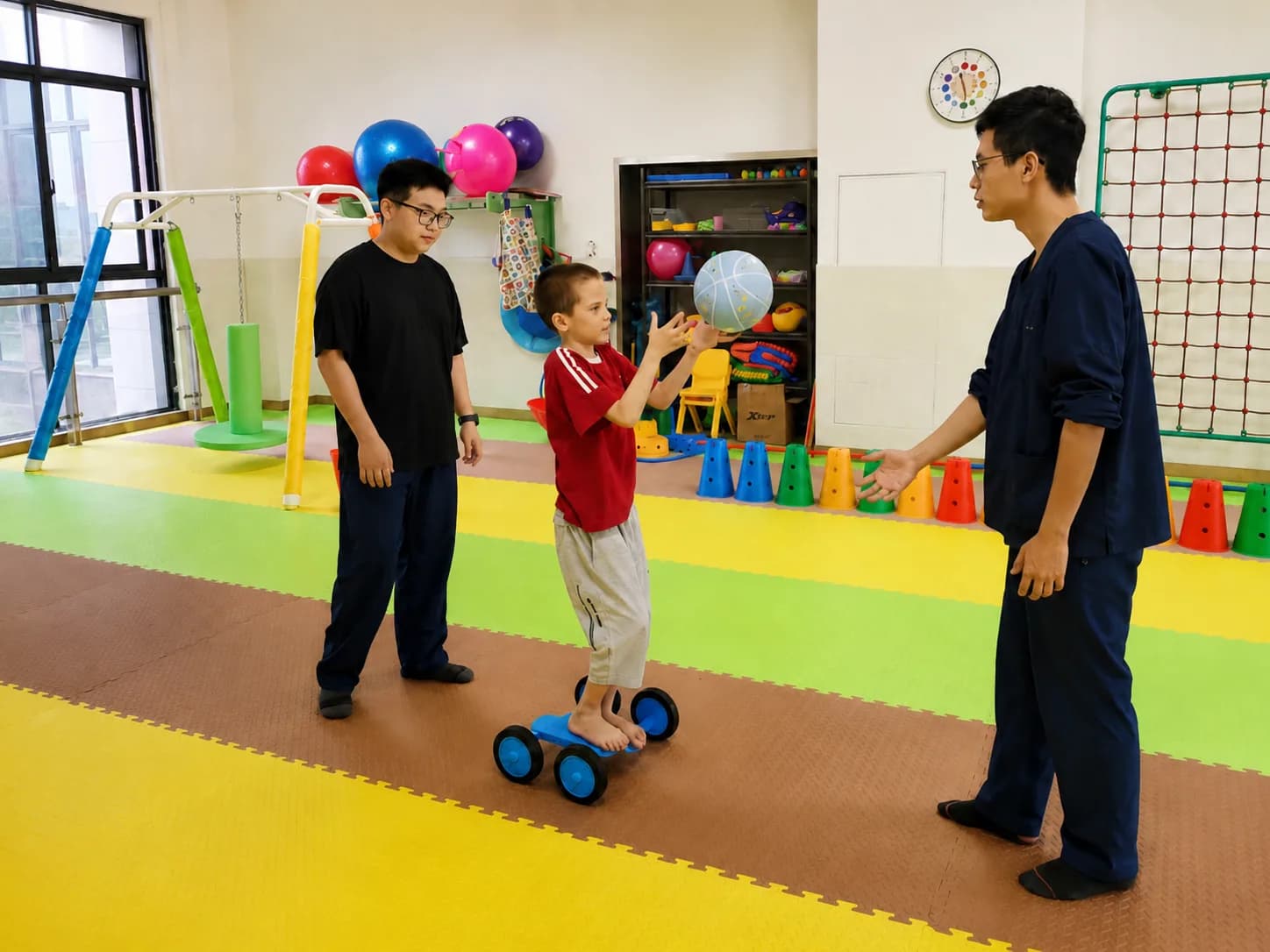
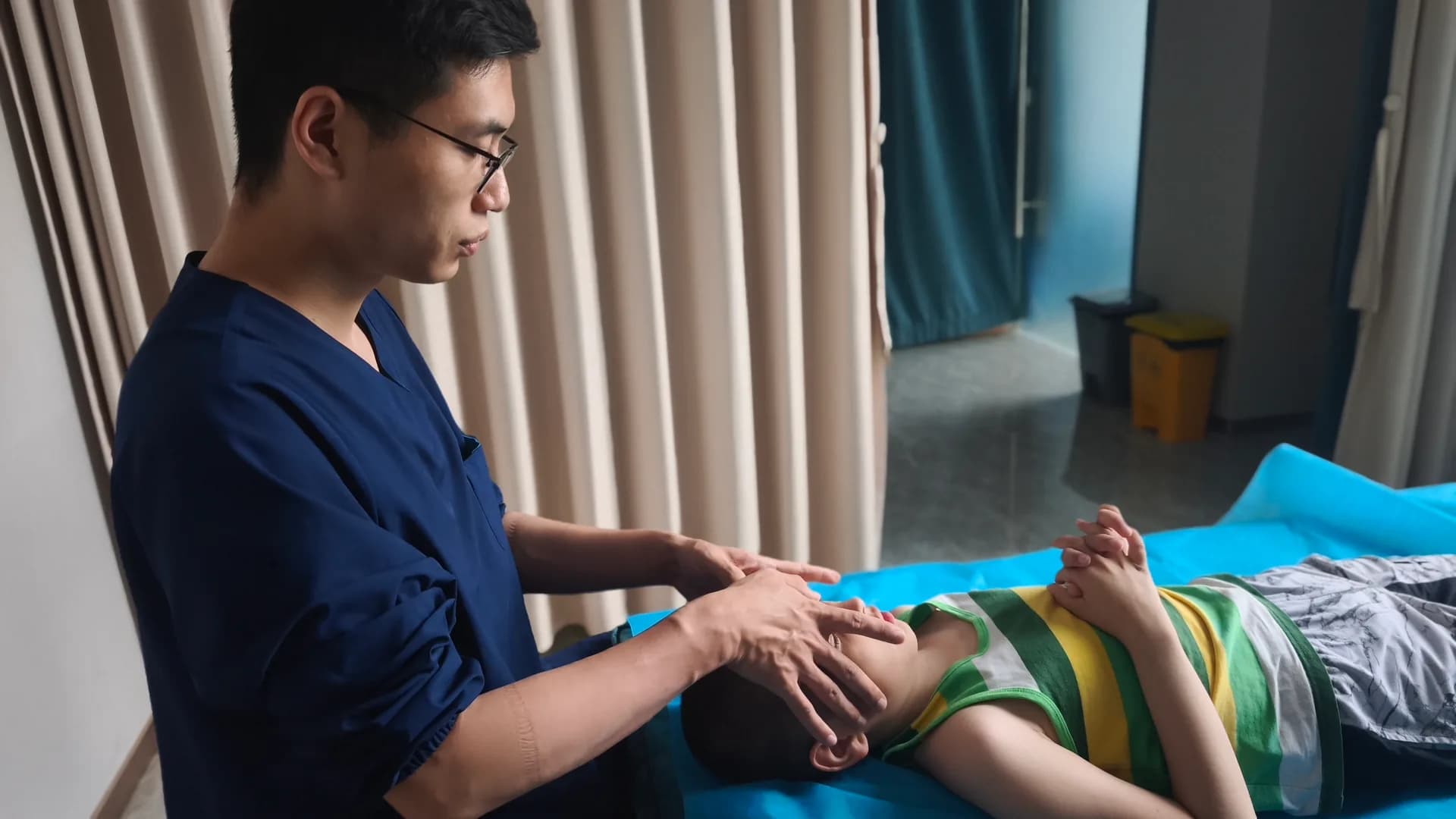
At Hanshi NeuroLife International Rehabilitation Center (Shangrao), the program for tics combines TCM methods with work on the emotional state — this is especially important because forceful suppression of tics does not work. Pediatric acupuncture: tics are among the indications at the center, using specialized ultra-thin pediatric needles. Pediatric Tui Na massage and Chinese herbal medicine (as part of TCM care) harmonize Qi and blood and regulate organ function. Sensory integration addresses the sensory foundation of regulation. For comorbid anxiety, which often fuels tics, sandplay therapy and Orff music therapy are added. For pronounced manifestations, medication support is considered per physician decision — medications for stereotypies and overexcitation.
What matters for parents
Tics often have a wave-like course, and a stressful environment intensifies them. That is why family work is not only home exercises but also support for a calm, predictable environment. Forceful suppression of tics usually intensifies tension and leads to their resurgence in another setting. Regular reassessment shows the dynamics of tic frequency and intensity.
Causes
Tics stem from dysfunction in the brain's subcortical movement-control structures. A genetic predisposition is the main factor; stress, fatigue, and infections can trigger them.
Symptoms
Sudden repetitive movements (blinking, grimacing) or sounds (coughing, outbursts) that intensify with excitement. In Tourette syndrome, motor and vocal tics occur together.
Diagnostics
A neurologist diagnoses tics from observation and the child's developmental history, using EEG, psychologist and psychiatrist consultations, and ruling out other conditions.
Prognosis and Treatment Approach
In most children, tics decrease by adolescence. Timely comprehensive therapy reduces their frequency and improves concentration and social adaptation.
How we treat Tics (Tic Disorder)
Diagnostics
Comprehensive examination and patient assessment by an international team of specialists
Treatment plan
Development of an individual rehabilitation program considering diagnosis specifics
Therapy
Intensive course of procedures: physical therapy, massage, physiotherapy, acupuncture and other methods
Results
Progress evaluation, home recommendations and maintenance therapy plan
Treatment procedures: Tics (Tic Disorder)

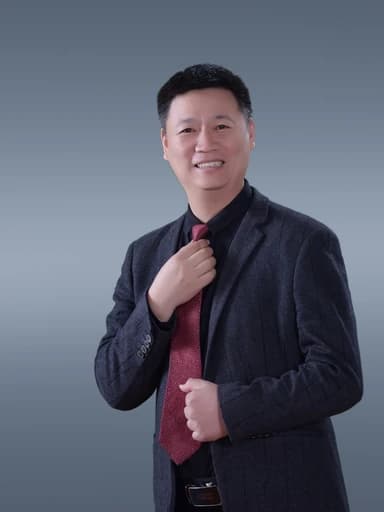
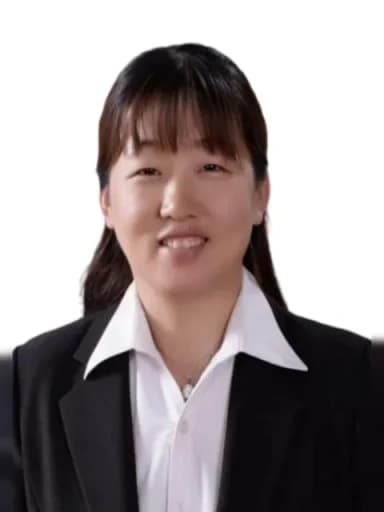
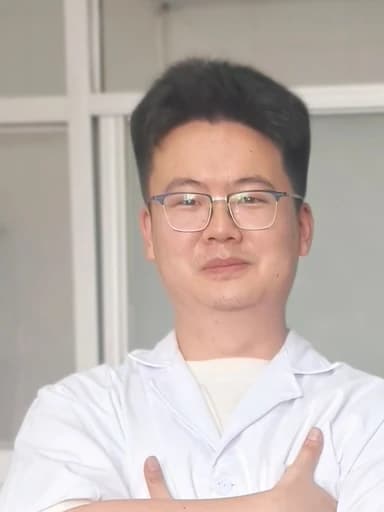
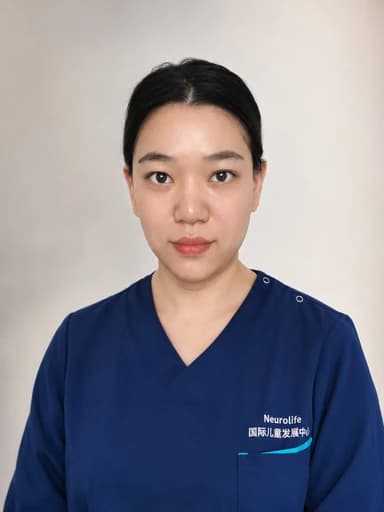
Doctors treating this condition










Frequently asked questions: Tics (Tic Disorder)
Book a free consultation
Leave a short request — a coordinator will contact you within 5 minutes, answer your questions and suggest the first steps.