
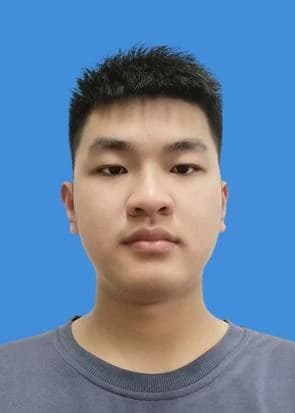
«Training happens in the session and continues at home»
Liu Xin刘鑫
Rehabilitation Therapist: Pediatric Physical Therapy (PT)
Focus
- All forms of cerebral palsy, global developmental delay, ASD and sensory dysfunction, high-risk newborns, spinal muscular atrophy, sequelae of TBI and encephalitis, orthopedic disorders (clubfoot, hip dysplasia, scoliosis, flat feet)
- Bobath, Brunnstrom, PNF, sensory integration, neurodevelopmental therapy (NDT), motor relearning program (MRP), core-stability training
Education
- Jiangxi College of Traditional Chinese Medicine, Rehabilitation Therapy Technology, 2024
About
A pediatric physical therapist (PT) with about 2 years of experience in pediatric rehabilitation. Independently performs functional assessment for children with cerebral palsy, developmental delay and motor disorders, and designs individualized, staged physical-therapy programs. Calm and thorough by nature; follows an evidence-based approach and communicates well with the child's family and the multidisciplinary team. Provides full assessment and guidance for parents on home programs.
Professional areas: physical therapy (PT) for cerebral palsy, developmental delay and orthopedic disorders in children; sensory integration for ASD; early intervention for high-risk newborns.
Cerebral palsy (all forms)
Forms: spastic, ataxic, hypotonic, mixed. Typical presentation: abnormal muscle tone, delayed gross motor skills, toe-walking, scissoring (crossed) gait, difficulty sitting, standing and walking, joint contractures, drooling, poor fine-motor skills.
Methods:
- Bobath — inhibiting abnormal postures and reducing muscle tone; Brunnstrom — establishing normal movement patterns; PNF — training along diagonal patterns.
- Passive/active stretching: gastrocnemius (calf), hip adductors, hamstrings — preventing hip adduction and equinus foot.
- Stepwise gross-motor training: head control → rolling → independent sitting → four-point crawling → kneeling → independent walking → stair climbing.
- Fine-motor training: grasping, hand-to-hand transfer, pincer grasp, independent feeding.
- Weight-supported gait training, gait correction in parallel bars; standing-frame weight-bearing to prevent osteoporosis.
- Swallowing work: oral-motor stimulation, drool-control training.
- Parent education: at-home stretching and correct daily positioning.
Global developmental delay
Overall delay in motor, cognitive, language and social development with no clear focal brain lesion. Stepwise motor training combined with sensory stimulation and play-based sessions, alongside parent coaching for home practice.
ASD and sensory dysfunction
Presentation: poor balance, uncoordinated limb movement, fear of touch, frequent falls while walking, stereotyped movements. Sensory-integration sessions using equipment — balance beam, scooter board, therapy ball, trampoline; proprioceptive compression; postural-stability training.
High-risk newborns
Prematurity, low birth weight, jaundice, asphyxia. Early intervention: prone head-lifting, visual and auditory tracking, passive limb movement, full-body tactile massage, suppression of primitive reflexes (Moro reflex, asymmetric tonic neck reflex).
Spinal muscular atrophy (SMA)
Extremely low muscle strength, floppy limbs, unable to sit or stand independently. Treatment: passive joint movement to prevent contractures, breathing exercises to prevent pneumonia, fitting of assistive devices (orthoses, standing frame), gentle strength activation.
TBI and encephalitis sequelae
Ataxia, uncoordinated limb movement, poor balance. Finger-to-nose and heel-to-shin tests, coordination training through throwing and catching a ball, static and dynamic balance training.
Orthopedic disorders
- Congenital clubfoot — Ponseti casting, stretching, orthopedic footwear, ankle mobility training.
- Developmental hip dysplasia (DDH) — early frog-leg positioning, gluteal strengthening, maintaining hip range of motion.
- Scoliosis — Schroth therapy, three-dimensional postural correction, core and back strengthening, brace-wear guidance.
- Flat feet, valgus foot, X/O-shaped legs — strengthening the arch, ankle inversion/eversion training, gait correction, orthotic-insole fitting.
- Post-fracture and sports-injury states (ankle sprain, patellar dislocation) — early swelling reduction, adjacent-joint mobilization, strength restoration, proprioceptive-balance training.
Other common conditions
- Hypotonia — whole-body weight-bearing training, proprioceptive stimulation, resisted strength activation.
- Torticollis (muscular) — sternocleidomastoid stretching, passive head-turning, postural correction, heat therapy.
- Delayed motor development, late walking — stepwise crawling, standing and walking training.
Experience
- 2023–2024 — Ruijin TCM Hospital, rehabilitation therapist: post-surgical orthopedic rehabilitation (joint range-of-motion training, strength building, gait training, prevention of post-surgical complications); TCM physical therapy and manual techniques — medium-frequency electrotherapy, ultrasound, tuina, cupping — for neck, shoulder and lower-back pain and muscle strain; participated in ward rounds and case discussions with attending physicians.
- About 2 years — Kangping Hospital, PT rehabilitation therapist: independent functional assessment and individualized, staged physical-therapy programs for children with cerebral palsy, developmental delay and motor disorders; neurodevelopmental therapy (NDT), motor relearning program (MRP) and core-stability training to correct muscle tone, postural control and gross motor function.
Certificates
- Rehabilitation Technician qualification
Procedures performed
Book a free consultation
Leave a short request — a coordinator will contact you within 5 minutes, answer your questions and suggest the first steps.