
Sensory dysregulation
Also known as: Sensory integration disorder, Sensory-integrative deficit, Sensory processing disorder
Program for sensory dysregulation in children aged 1–14 years at the Hanshi NeuroLife center (Shangrao). Core method — sensory integration on specialized equipment; combined with occupational therapy, Orff music therapy, and TCM.
What is Sensory dysregulation?
Sensory dysregulation is a state in which the brain inefficiently processes and integrates signals from different sensory systems: visual, auditory, tactile, vestibular, proprioceptive. In some children this manifests as hypersensitivity (typical stimuli are experienced as excessive — the child avoids touch, noise, new environments); in others — as hyposensitivity (the child "seeks" additional input — rocking, jumping, pressing). It is often combined with weak balance and coordination, attention deficit, emotional instability, and stereotypies. Sensory dysregulation is one of the core manifestations of ASD, but it also occurs in isolation — in children with learning difficulties, clumsiness, and emotional instability without other ASD features.
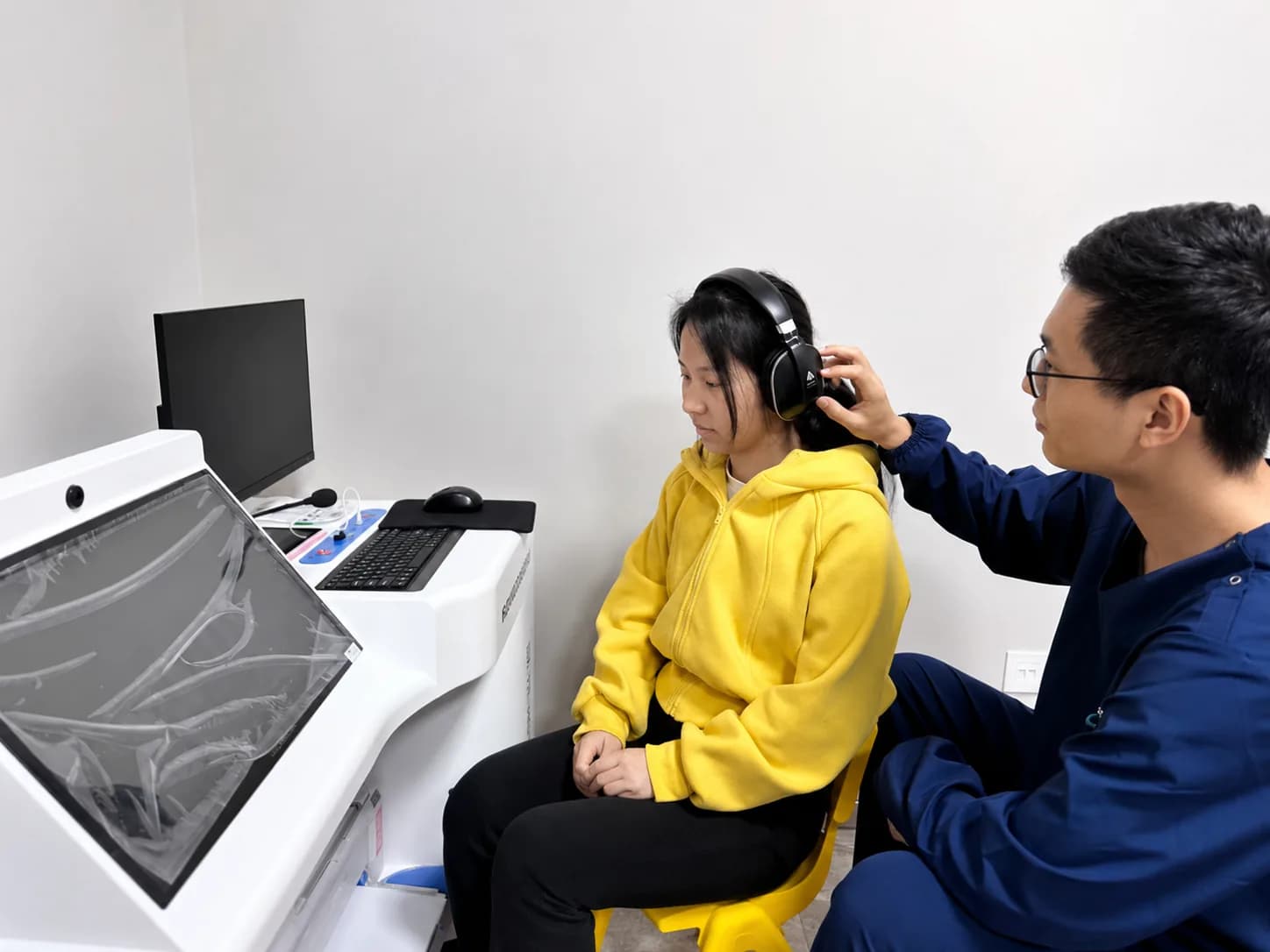
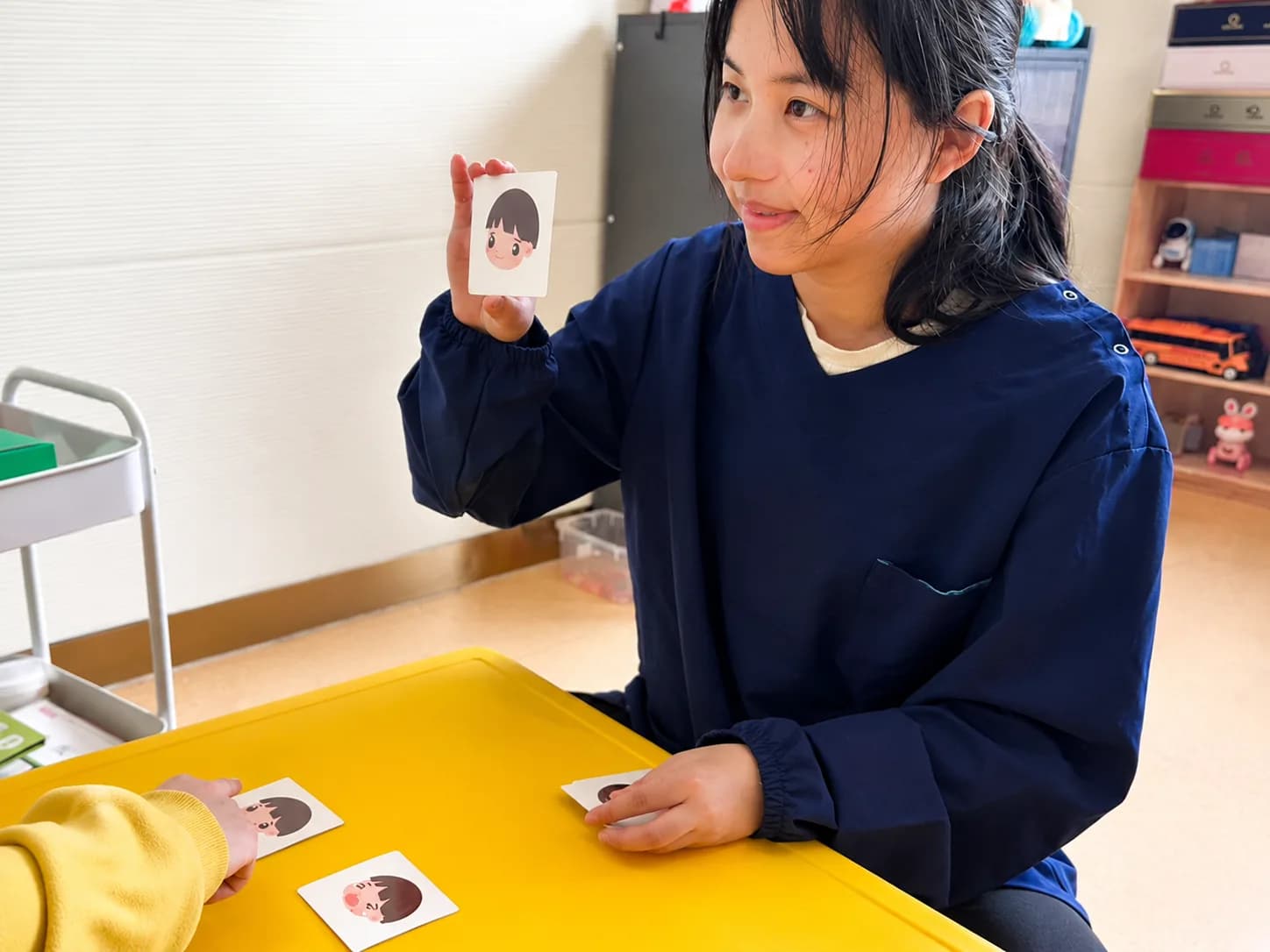
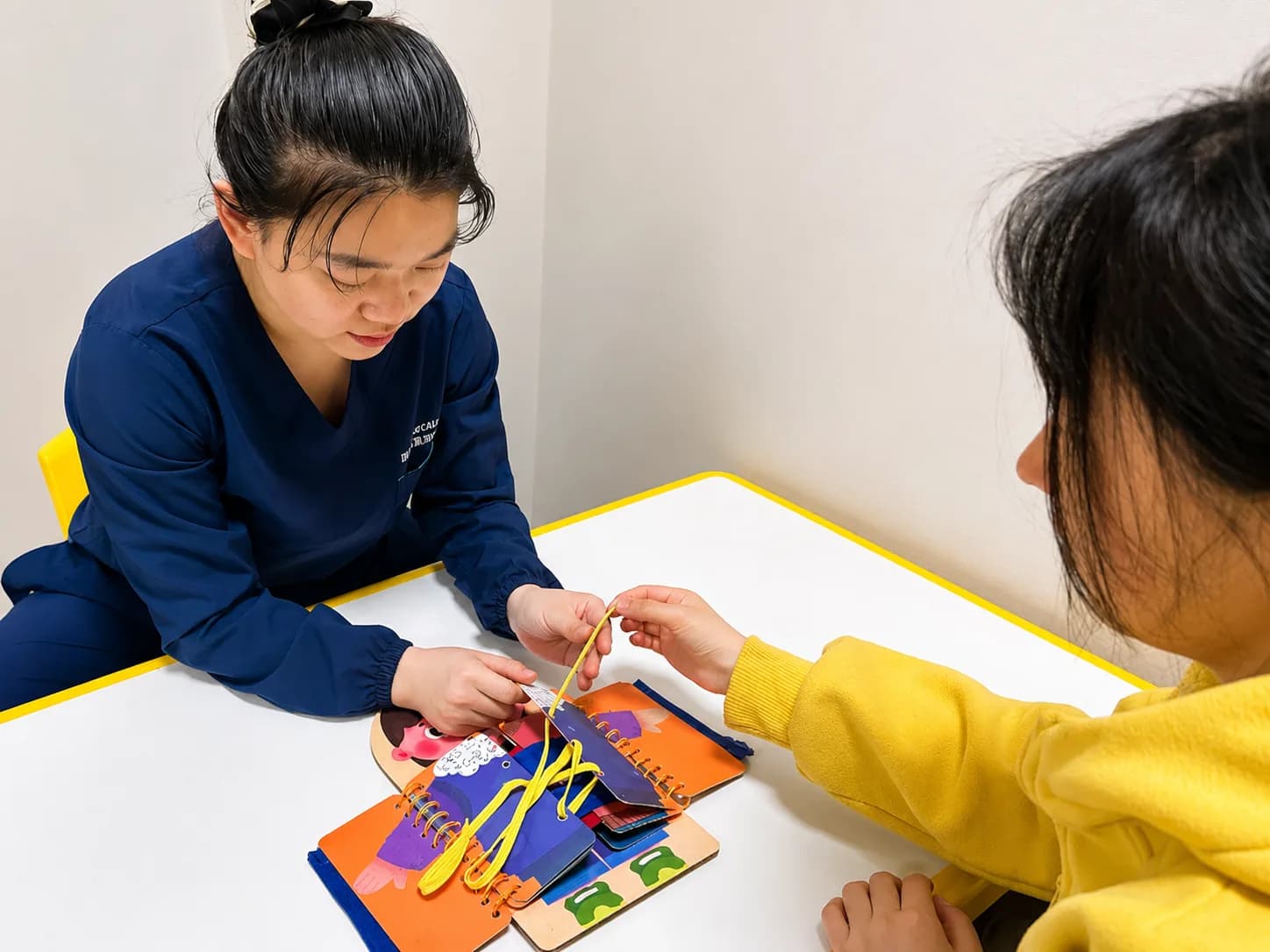
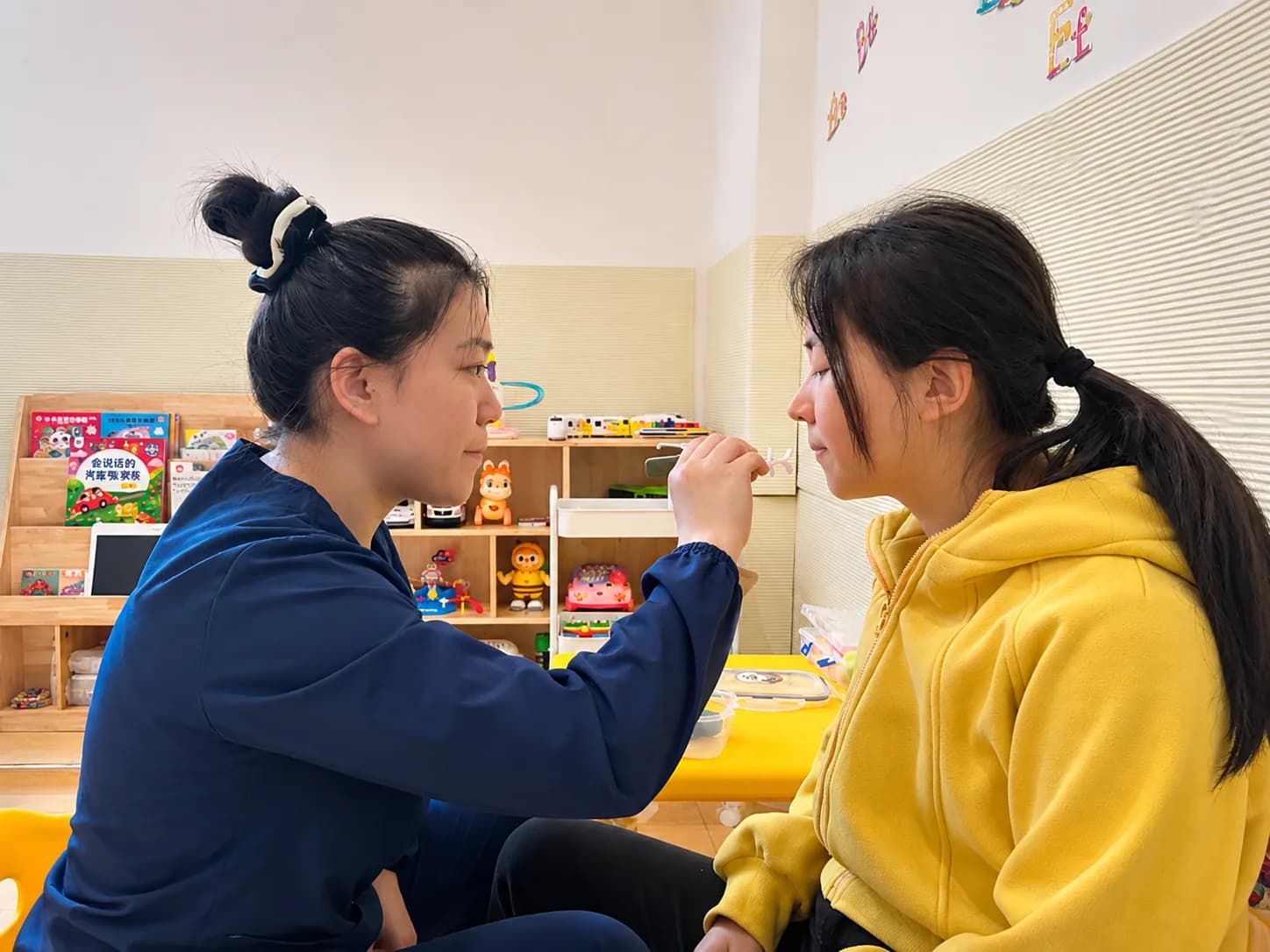
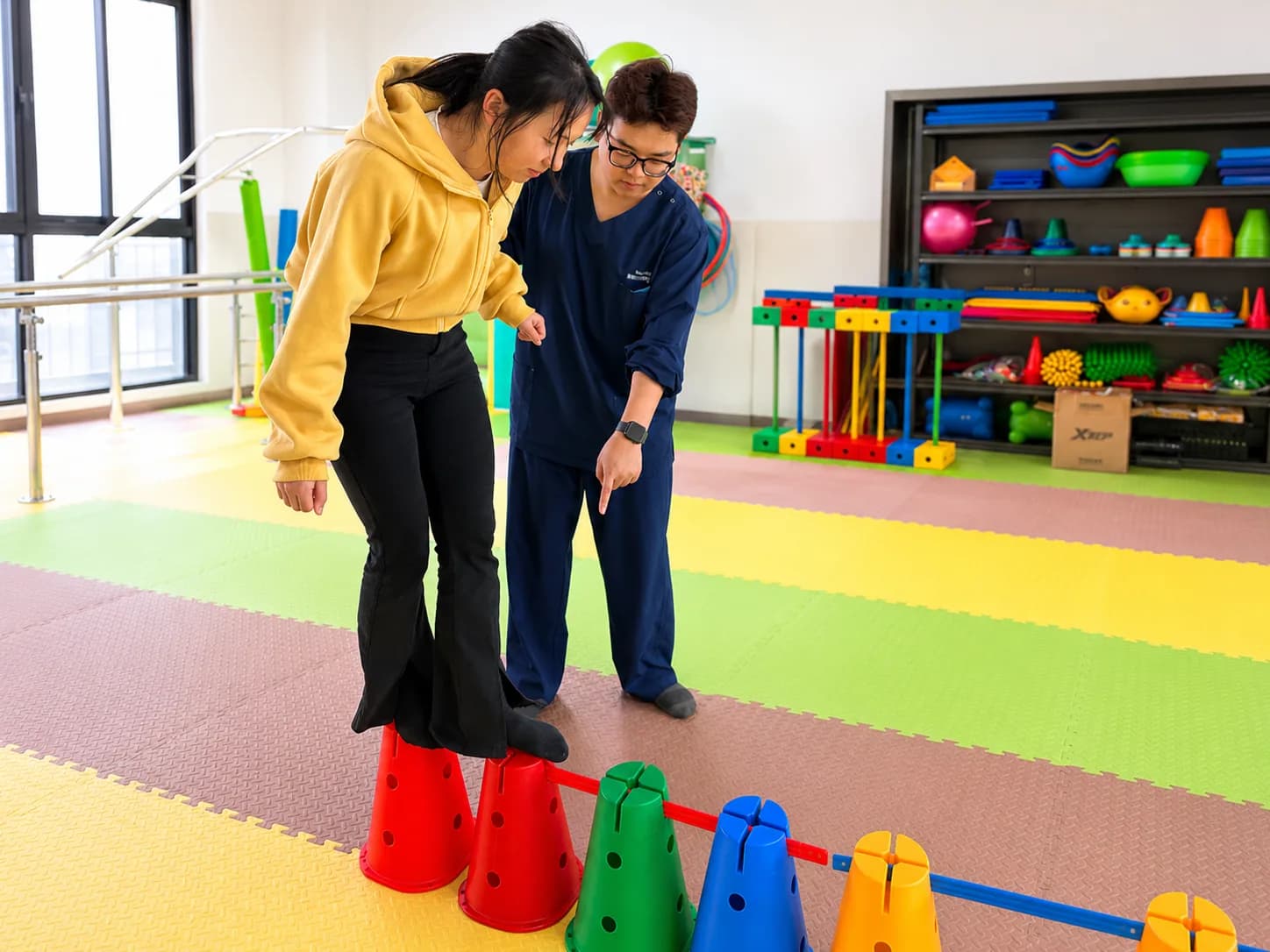
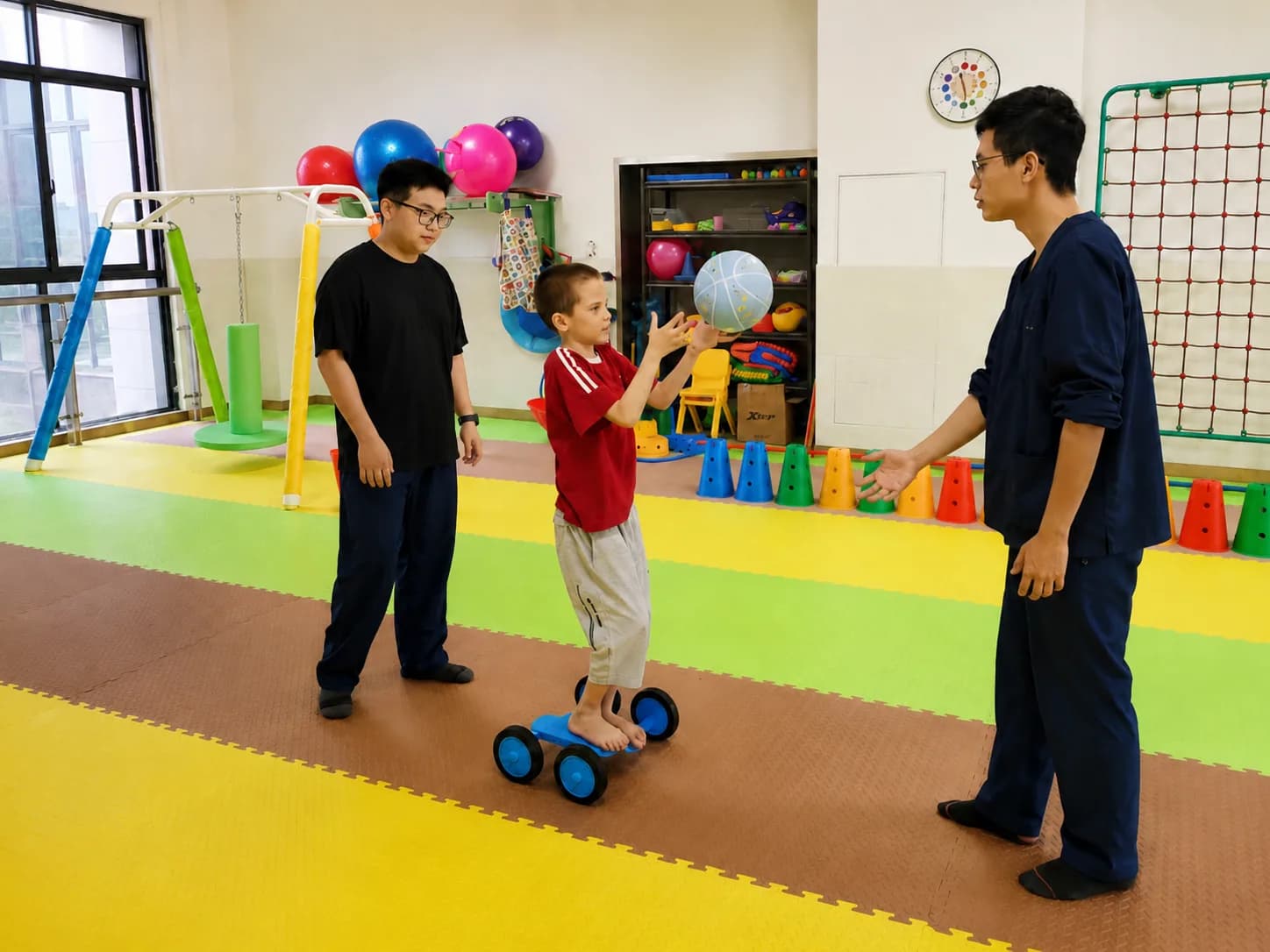
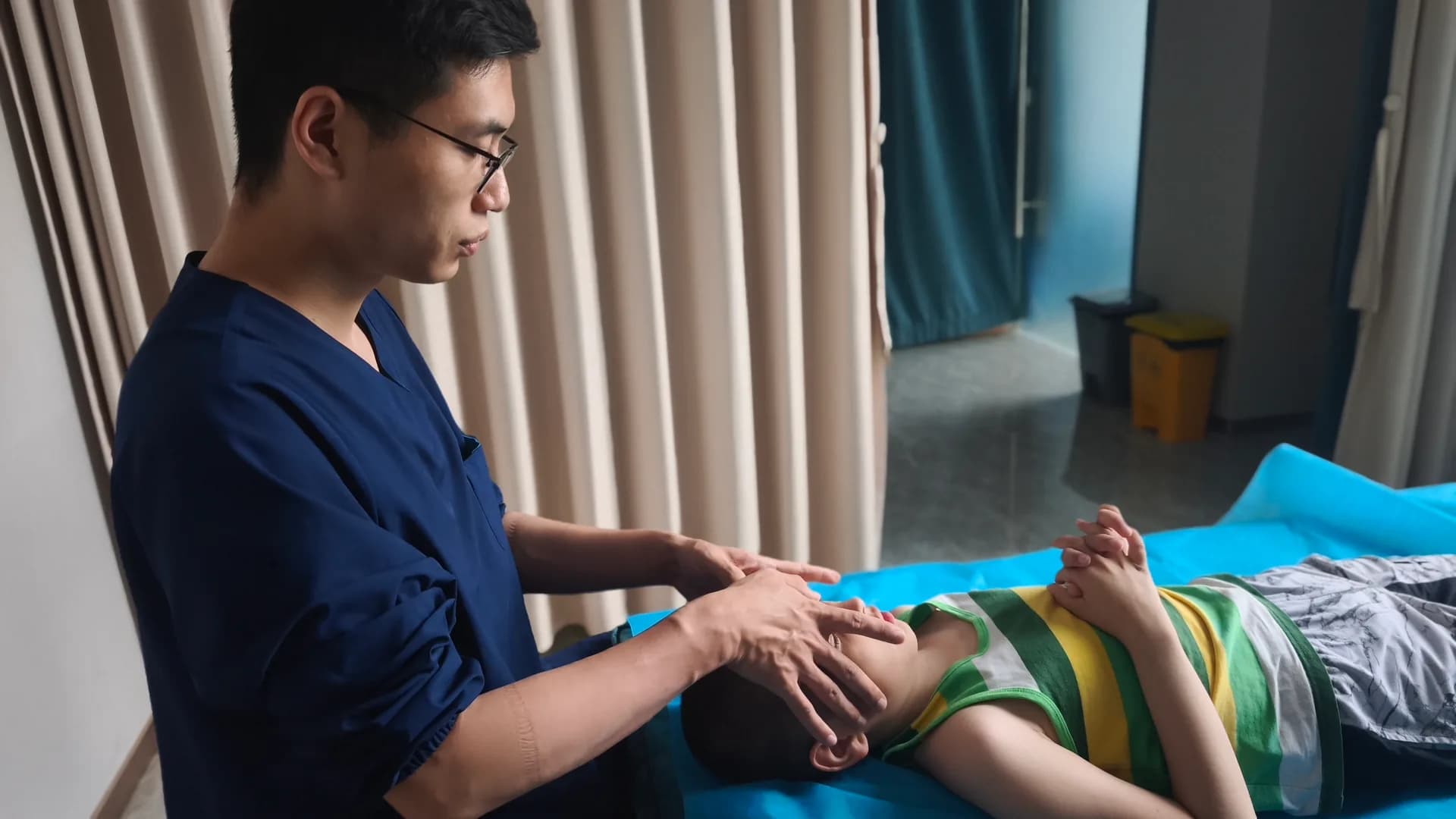
At the Hanshi NeuroLife International Rehabilitation Center (Shangrao), the core method for sensory dysregulation is sensory integration. Sessions are conducted on specialized equipment in a play-based format: swings, hammocks, tunnels, spinning discs, balls. The child receives the needed sensory input — vestibular, proprioceptive, tactile — and the brain learns to integrate it. In parallel — occupational therapy (targeted training of sensory integration, fine motor skills, self-care), Orff music therapy (multisensory stimulation through hearing, movement, rhythm), and developmental games (multisensory story-based sessions). For comorbid auditory hypersensitivity, AIT/Tomatis auditory integration is added. Pediatric acupuncture and Tui Na massage complement the program.
What parents should know
Sensory integration is the foundation on which the development of attention, emotions, speech, cognition, and social skills is built. Work on sensory dysregulation therefore often brings improvements not only in the sensory sphere but across the entire spectrum of functions. Some exercises require specialized equipment and are conducted only at the center, but parents are given specific home games — mandatory home-based rehabilitation of at least 1 hour per day.
Causes
The central nervous system processes signals from the senses incorrectly. Risk factors include prematurity, complications during pregnancy and birth, genetics, and autism spectrum disorders.
Symptoms
With hypersensitivity a child avoids touch, loud sounds, and bright light; with hyposensitivity the child seeks intense sensations and barely reacts to pain. Clumsiness and poor focus are common.
Diagnostics
Behaviour observation, specialised tests, and parent questionnaires, plus assessment of motor skills and coordination. Differential diagnosis is important to rule out other neurological conditions.
Prognosis and treatment approach
With timely correction the prognosis is favourable: most children process sensory information much better. Early intervention significantly boosts the effectiveness of therapy.
How we treat Sensory dysregulation
Diagnostics
Comprehensive examination and patient assessment by an international team of specialists
Treatment plan
Development of an individual rehabilitation program considering diagnosis specifics
Therapy
Intensive course of procedures: physical therapy, massage, physiotherapy, acupuncture and other methods
Results
Progress evaluation, home recommendations and maintenance therapy plan
Treatment procedures: Sensory dysregulation

Doctors treating this condition





















Frequently asked questions: Sensory dysregulation
Book a free consultation
Leave a short request — a coordinator will contact you within 5 minutes, answer your questions and suggest the first steps.