Down Syndrome
Also known as: Trisomy 21, Down's syndrome
Down syndrome is a genetic condition caused by an extra 21st chromosome. Genetics cannot be changed — but a child can be developed systematically: movement, speech, cognition, and independence. The center works with children with Down syndrome following an individual program built from the results of a functional assessment — starting from the child's real skills rather than a diagnosis on paper.
What is Down Syndrome?
Down syndrome is a genetic condition caused by the presence of an extra, third copy of the 21st chromosome (trisomy 21). It is accompanied by characteristic features of appearance, reduced muscle tone, and delays in psychomotor, speech, and cognitive development of varying severity. Down syndrome is a congenital feature, not a disease in the usual sense, and it is not the result of parenting.
Support for children with Down syndrome is comprehensive and covers motor, speech, cognitive, and social development; the specific set of sessions is tailored individually based on a consultation and assessment. An early start to sessions generally supports more confident acquisition of skills.
Does the center admit children with Down syndrome
Yes. The center works with complex diagnoses — including Down syndrome. The approach is built not from a diagnosis on paper but from the actual symptoms: first a functional assessment of movement, speech, and cognitive skills, then an individual program.
If a child has epileptic activity — which is not uncommon in children with genetic syndromes — a recent EEG report will be needed. If seizures occur more than twice a month, rehabilitation is not started until stabilization, and with epileptiform activity without frequent seizures the program is built in a gentle mode.
How the program is built
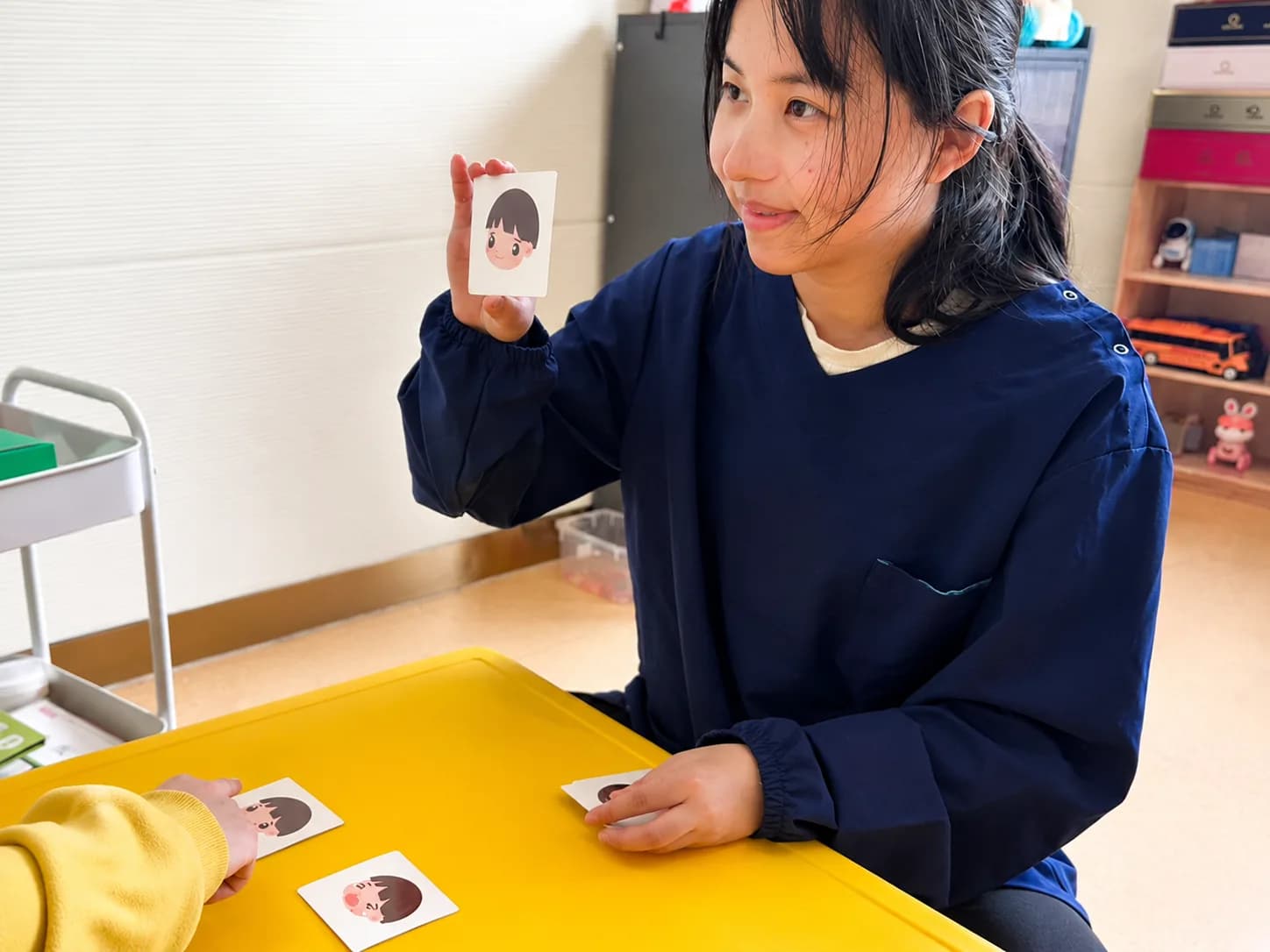
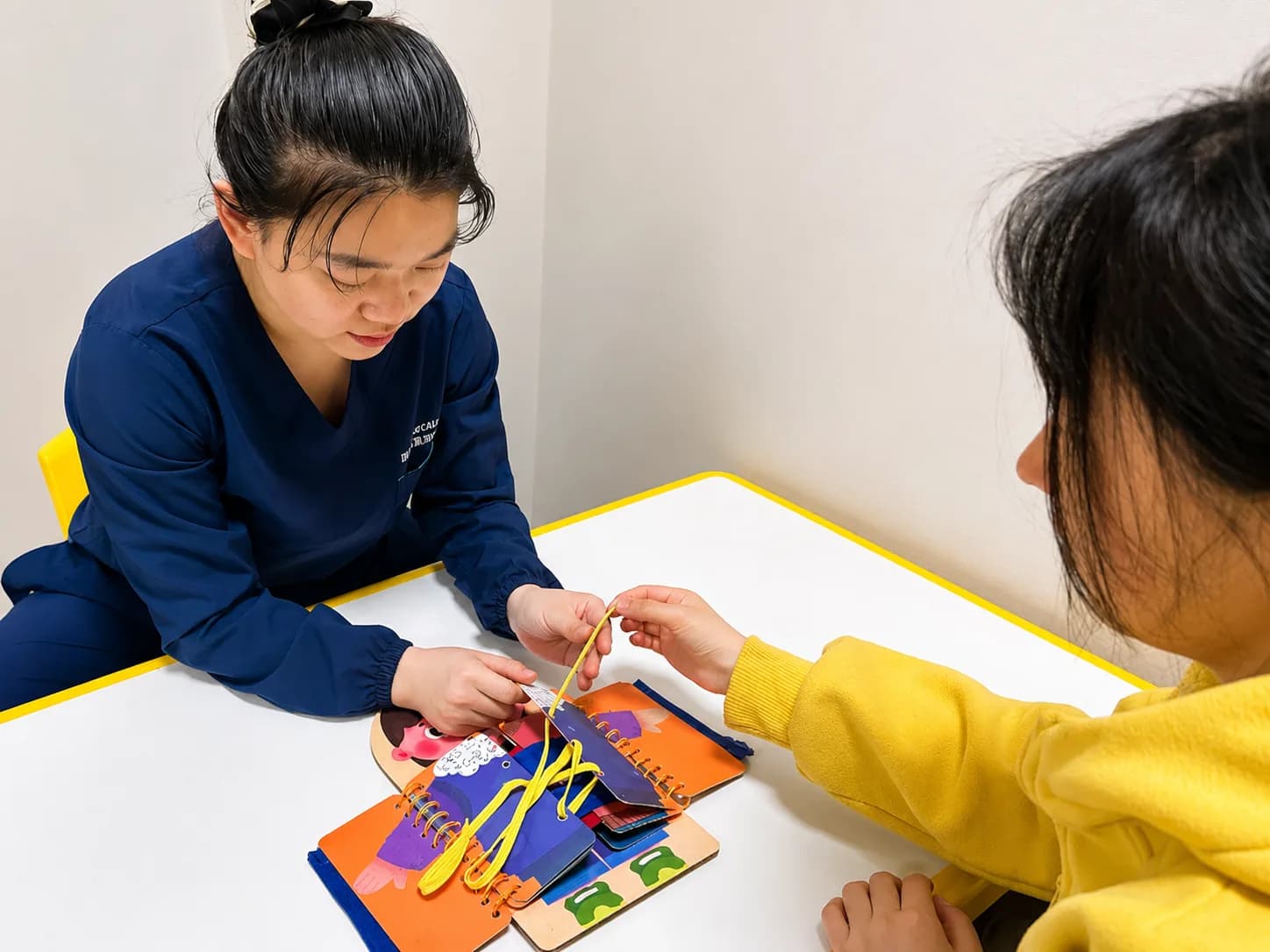
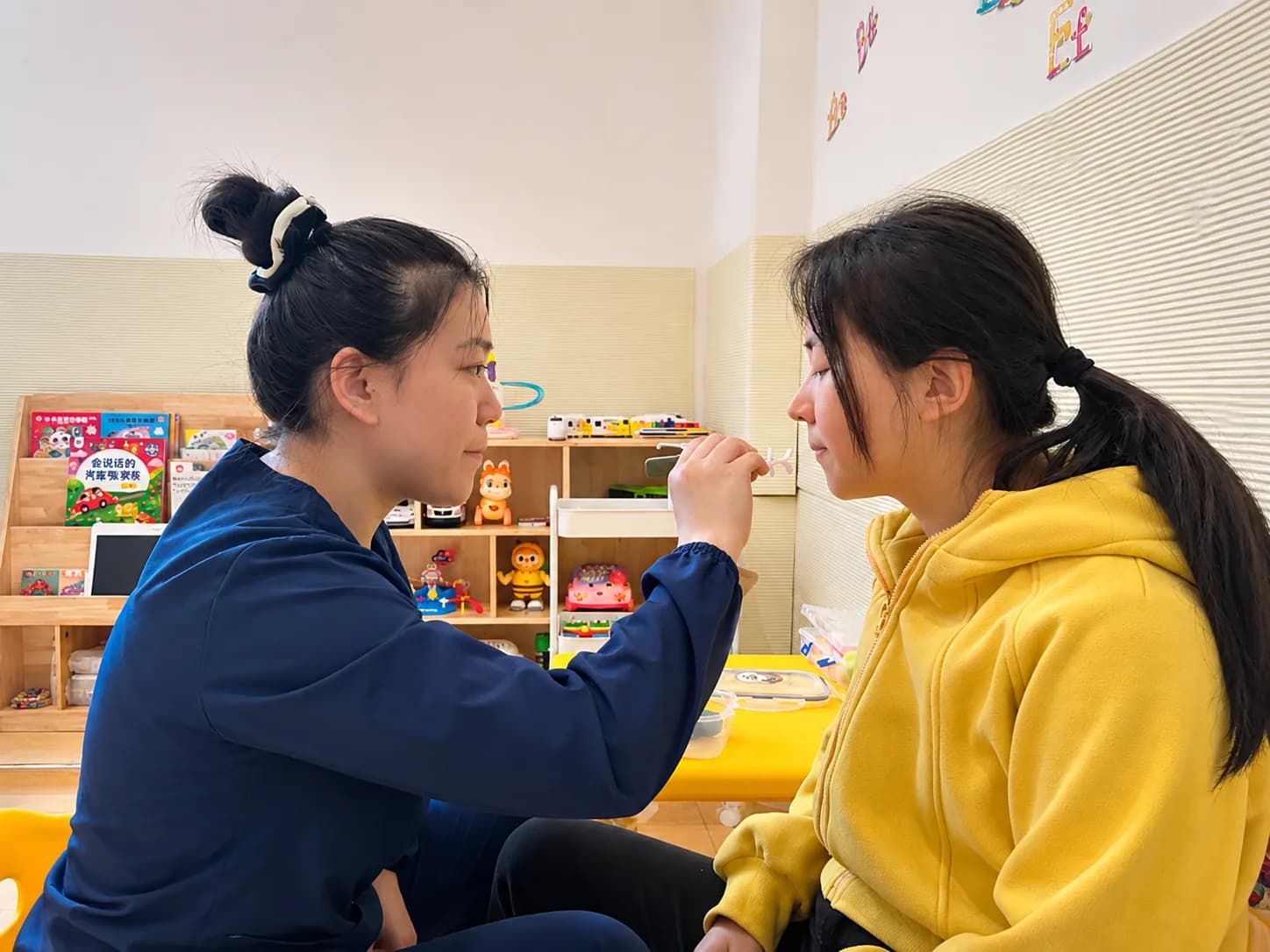
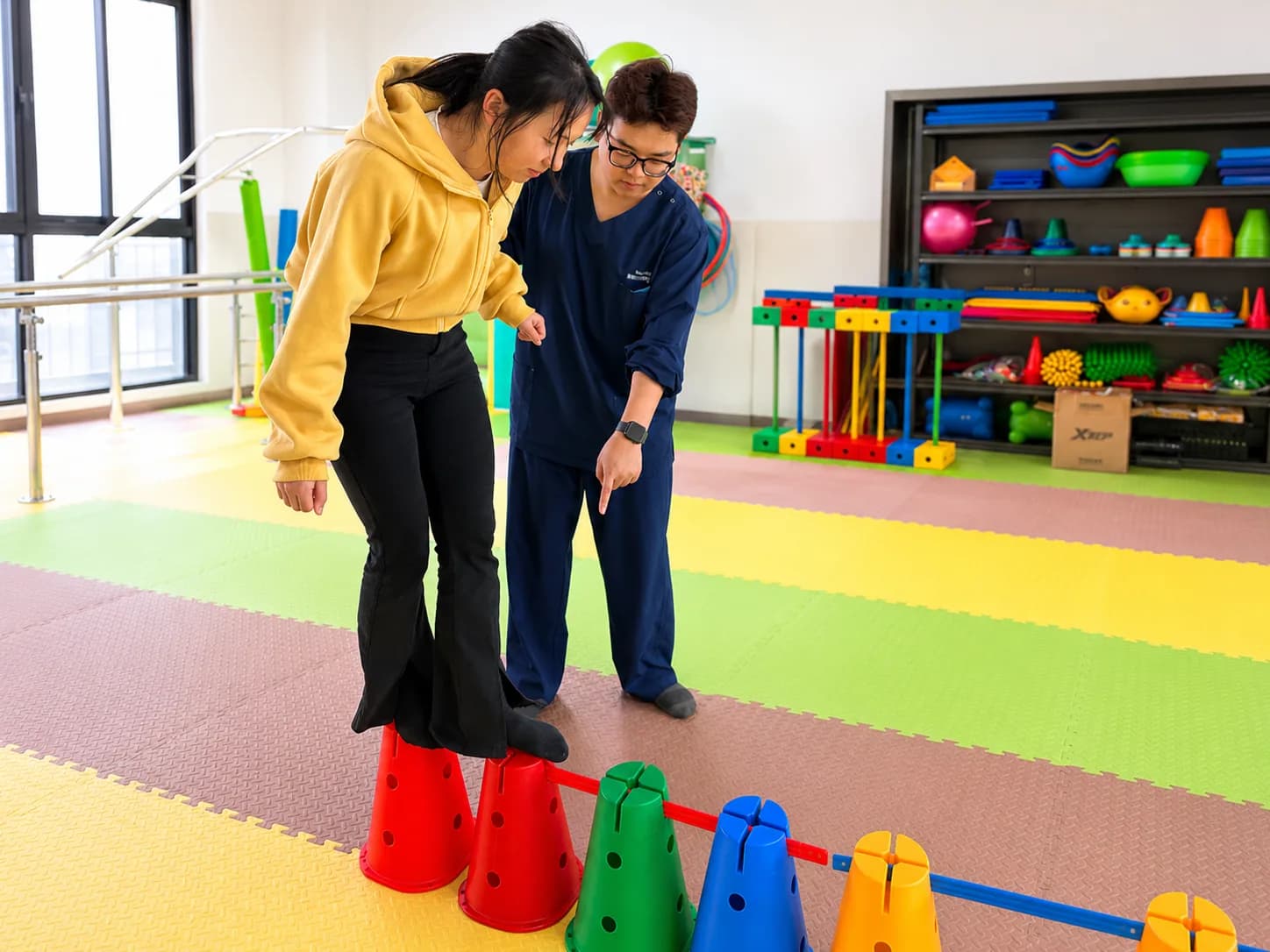
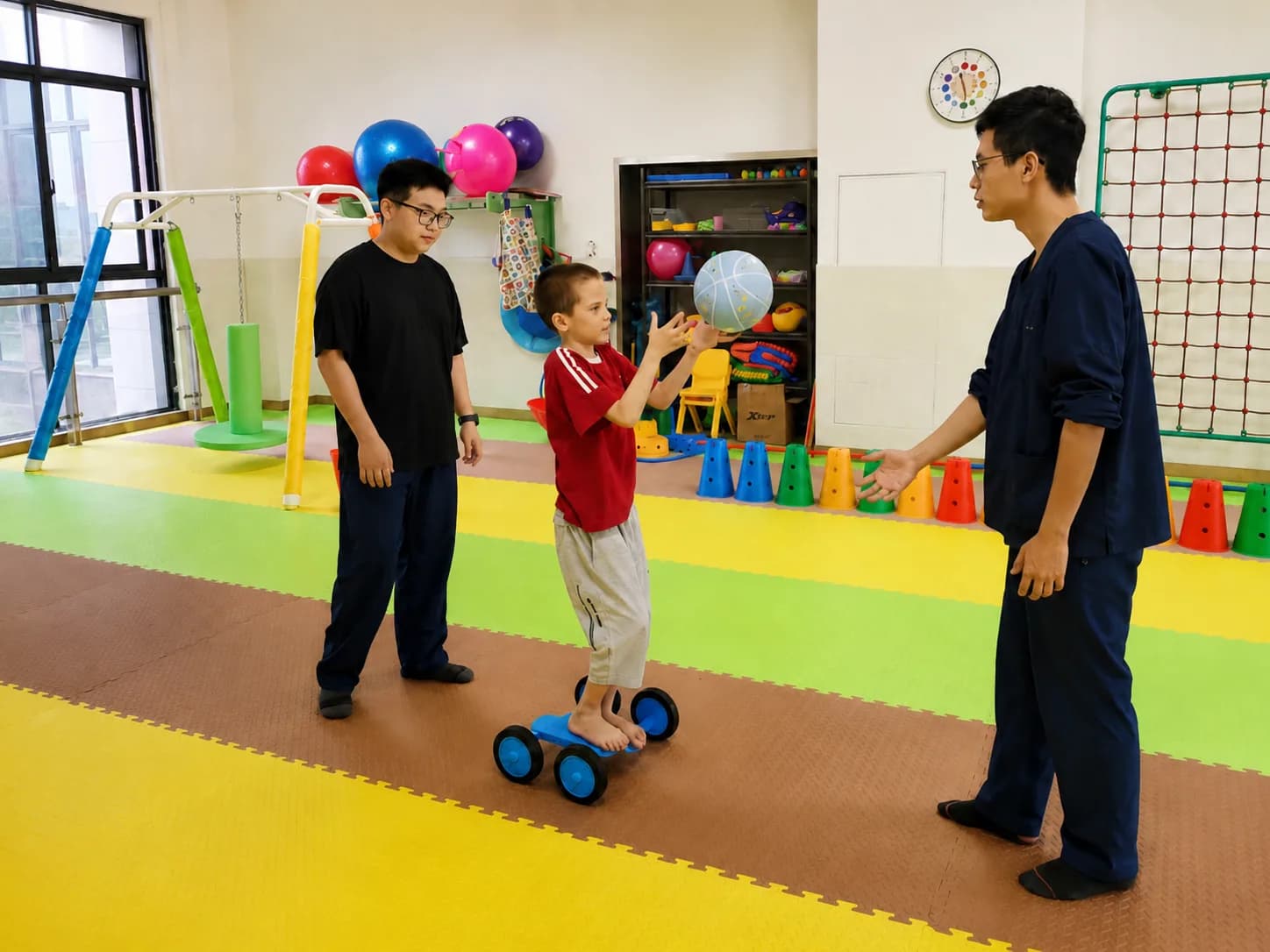
The core of the program in Down syndrome is working with muscle hypotonia and the steady development of skills:
- gross motor skills — exercise therapy and movement therapy: balance, sitting, standing, walking;
- fine motor skills and independence — occupational therapy: hand coordination, grip, self-care;
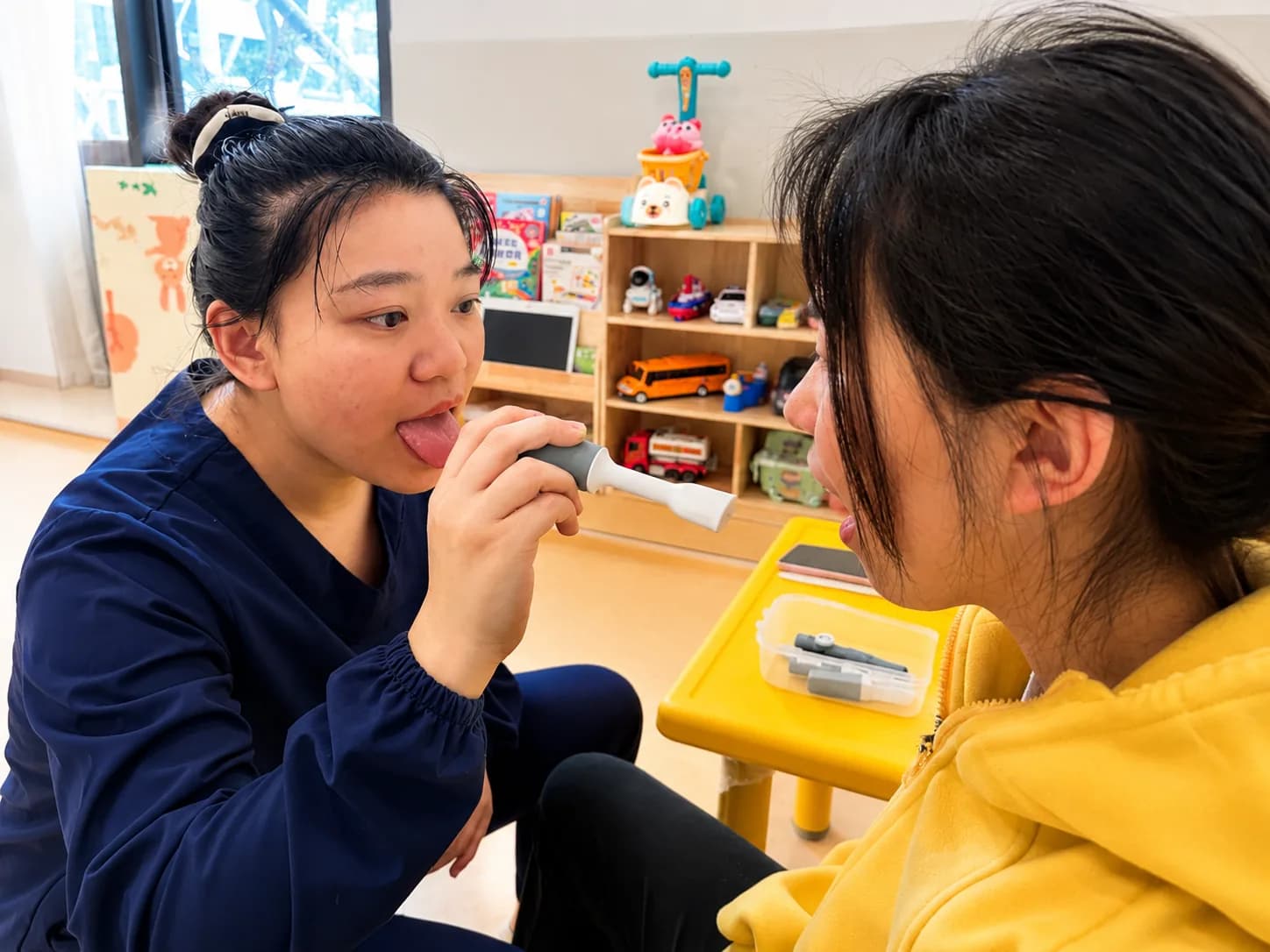
- speech — speech therapy, including work with the chewing and swallowing muscles;
- sensory integration — vestibular and tactile sensitivity, coordination;
- cognitive development — cognitive training and developmental activities in a playful form;
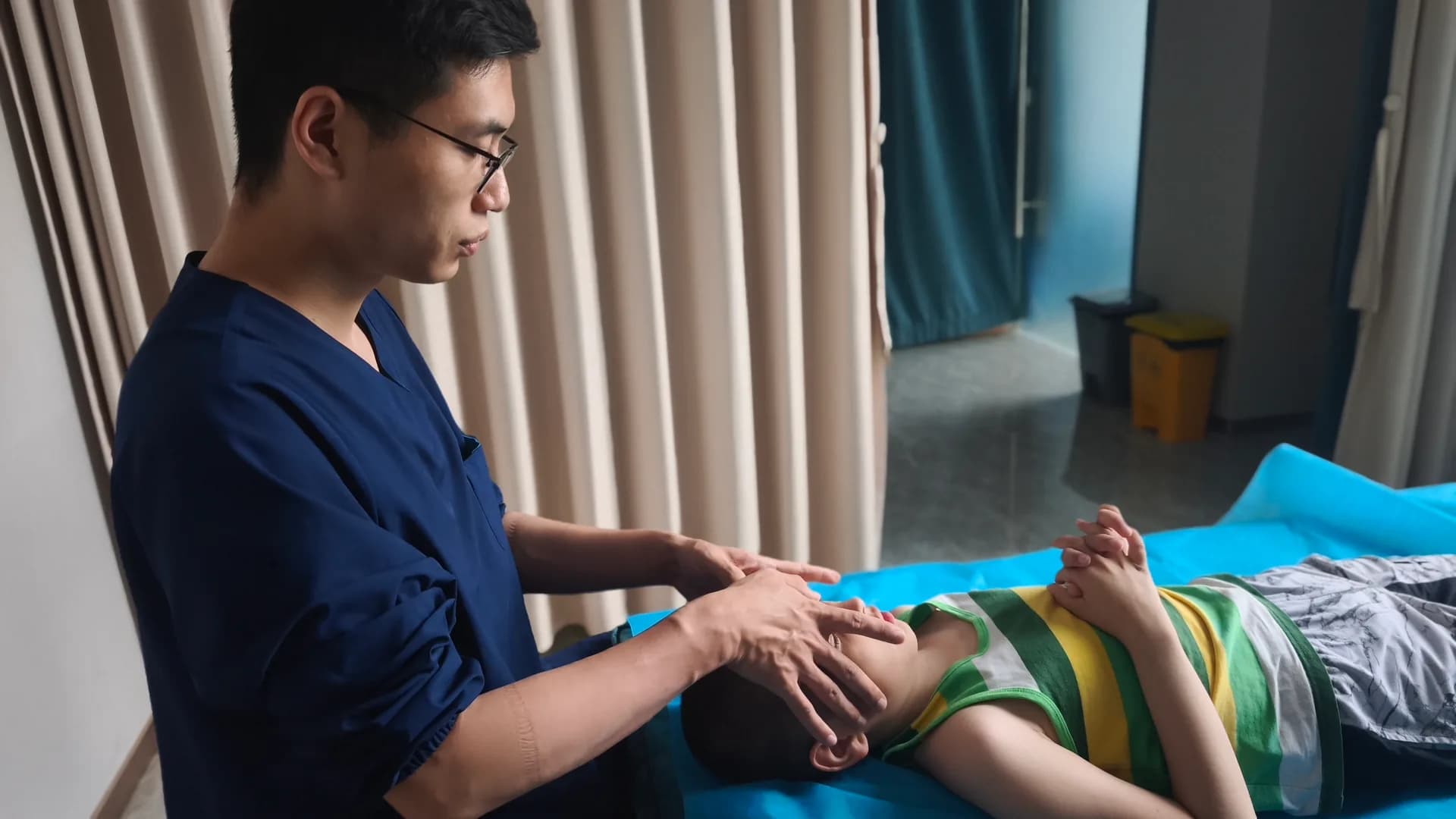
- methods of Chinese medicine — tuina massage and acupuncture to regulate muscle tone and improve circulation.
The set and intensity are chosen by the physician; sessions are grouped by the child's developmental level rather than by calendar age.
Honest goals
No clinic can "remove" the extra chromosome — promises to cure Down syndrome are dishonest. The goal of rehabilitation is different: to help the brain form skills that work around its weak spots, so the child moves, communicates, and copes with everyday tasks more confidently. Goals are set individually based on the assessment and are discussed with the family before the course begins.
Causes
The cause is the presence of an extra copy of the 21st chromosome (trisomy 21). It is a congenital genetic feature, not a consequence of upbringing or external factors.
Symptoms
Characteristic features include reduced muscle tone (muscle hypotonia), features of appearance, and varying degrees of motor, speech, and cognitive developmental delay; associated somatic conditions are possible — involving the heart, thyroid gland, vision, and hearing.
Assessment
The diagnosis is confirmed by genetic testing (karyotyping) — usually already at the place of residence. At the center, a functional assessment of development is carried out — from sensory processing and motor skills to speech and self-care; where needed, on-site examinations are available: EEG, cardiological examination, and a laboratory thyroid panel.
Prognosis and Treatment Approach
The genetic cause cannot be removed, but a child's brain is trainable: the goal of the program is skills that provide independence — movement, speech, and everyday and social abilities. With early and systematic support, children master them confidently, at their own pace.
How we treat Down Syndrome
Diagnostics
Comprehensive examination and patient assessment by an international team of specialists
Treatment plan
Development of an individual rehabilitation program considering diagnosis specifics
Therapy
Intensive course of procedures: physical therapy, massage, physiotherapy, acupuncture and other methods
Results
Progress evaluation, home recommendations and maintenance therapy plan
Treatment procedures: Down Syndrome
Doctors treating this condition




Frequently asked questions: Down Syndrome
Book a free consultation
Leave a short request — a coordinator will contact you within 5 minutes, answer your questions and suggest the first steps.