
Emotional Instability and Self-Stimulation
Also known as: Emotional dysregulation, Anger outbursts, Self-stimulation
Program for emotional instability, frequent outbursts, and self-stimulation in children aged 1–14 years at the Hanshi NeuroLife center (Shangrao). Sandplay therapy, Orff music therapy, Floortime, sensory integration, and TCM methods.
What is Emotional Instability and Self-Stimulation?
Emotional instability is a state in which the child poorly maintains emotional balance: prone to crying, frequent and sharp outbursts of anger, intense reactions to minimal triggers; difficulty returning to a calm state. Often alongside is self-stimulation — repetitive self-stimulating actions (rocking, hand-flapping, vocalizations, manipulating objects) that serve a self-regulatory function. Emotional instability is most often seen in ASD (as part of the core impairment), in sensory integration disorder, in post-encephalopathy states, and in communication difficulties when the child cannot express a need in words.
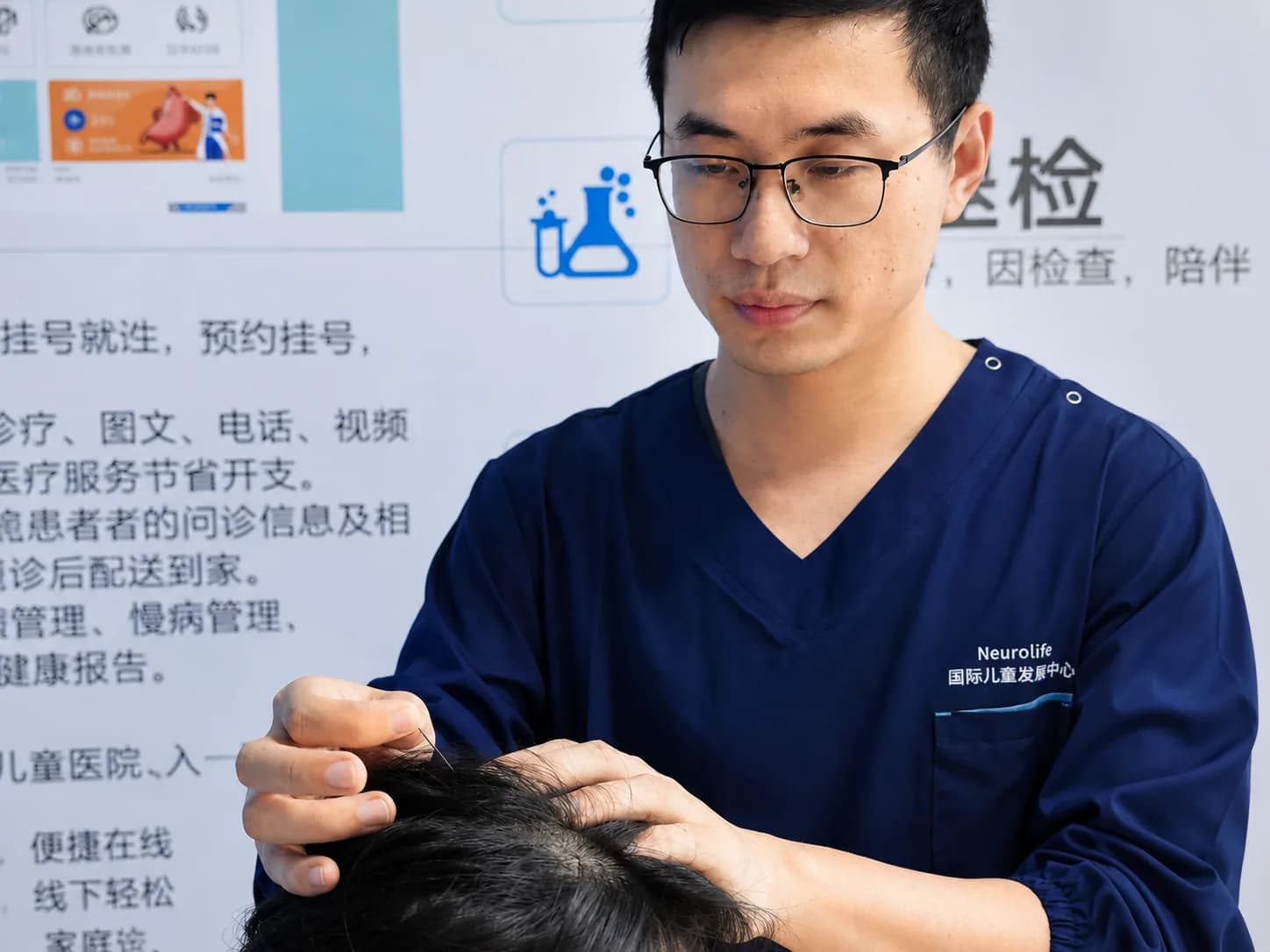
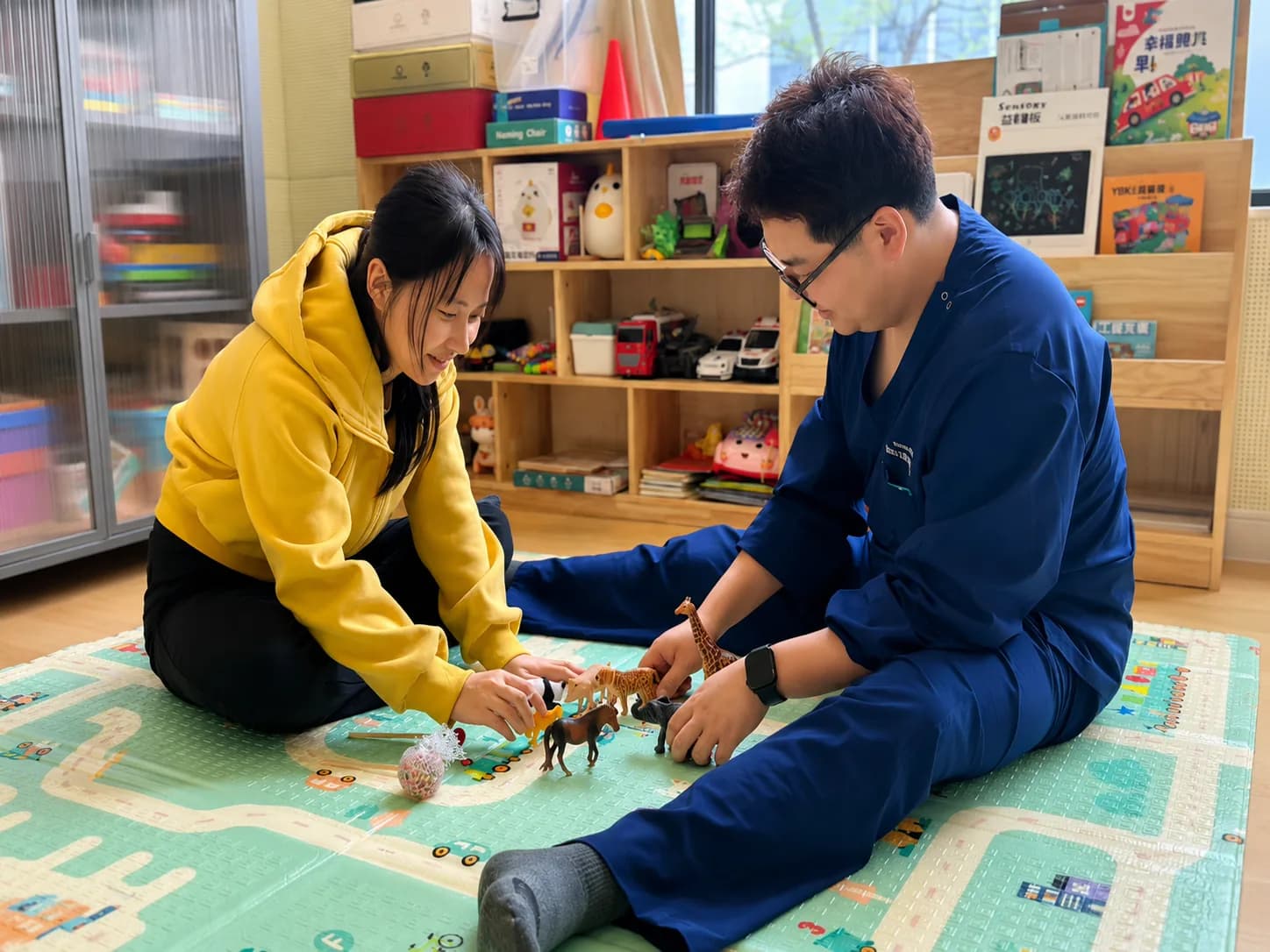
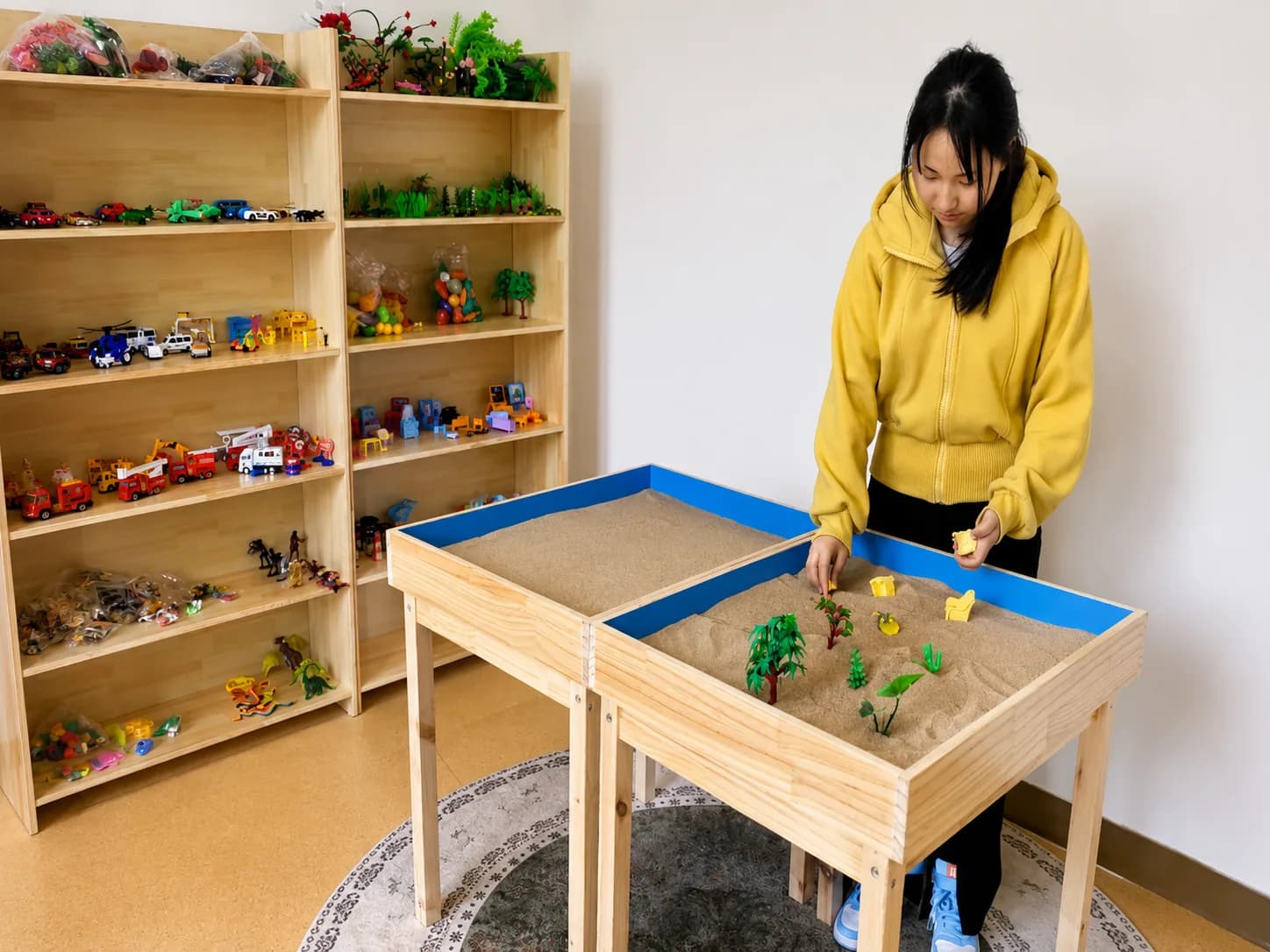
At Hanshi NeuroLife International Rehabilitation Center (Shangrao), the program for emotional instability and self-stimulation works with the causes and builds alternative adaptive strategies of regulation. Sandplay therapy (psychological) gives the child a non-verbal channel for expressing inner states — reducing crying, outbursts of anger, and self-stimulation. Orff music therapy, through rhythm, movement, singing, and instrumental play, creates a light, joyful, stress-free environment and multisensory stimulation — a powerful tool for emotional healing. Floortime relies on emotional connection and trust. Sensory integration addresses the sensory foundation of regulation. Pediatric acupuncture and Tui Na massage complement the program — harmonizing Qi and blood and regulating sleep and emotions. In severe presentations, medication support is considered — strictly by physician's decision.
What matters for parents
Forcibly suppressing self-stimulation usually increases anxiety — the program proceeds from understanding the function and building adaptive alternatives. Regular reassessment shows progress. Specialists train parents in techniques for supporting emotional regulation in everyday situations — this is critical because emotional stability is built on steady, trusting relationships within the family.
Causes
Most often linked to ASD (emotional dysregulation as part of the core impairment), sensory integration disorder, and inability to express needs in words. Self-stimulation helps cope with overload.
Symptoms
Tendency to cry, frequent sharp anger outbursts, intense reactions to minimal triggers, difficulty calming down. Self-stimulation (rocking, vocalizations) appears at moments of overload.
Diagnostics
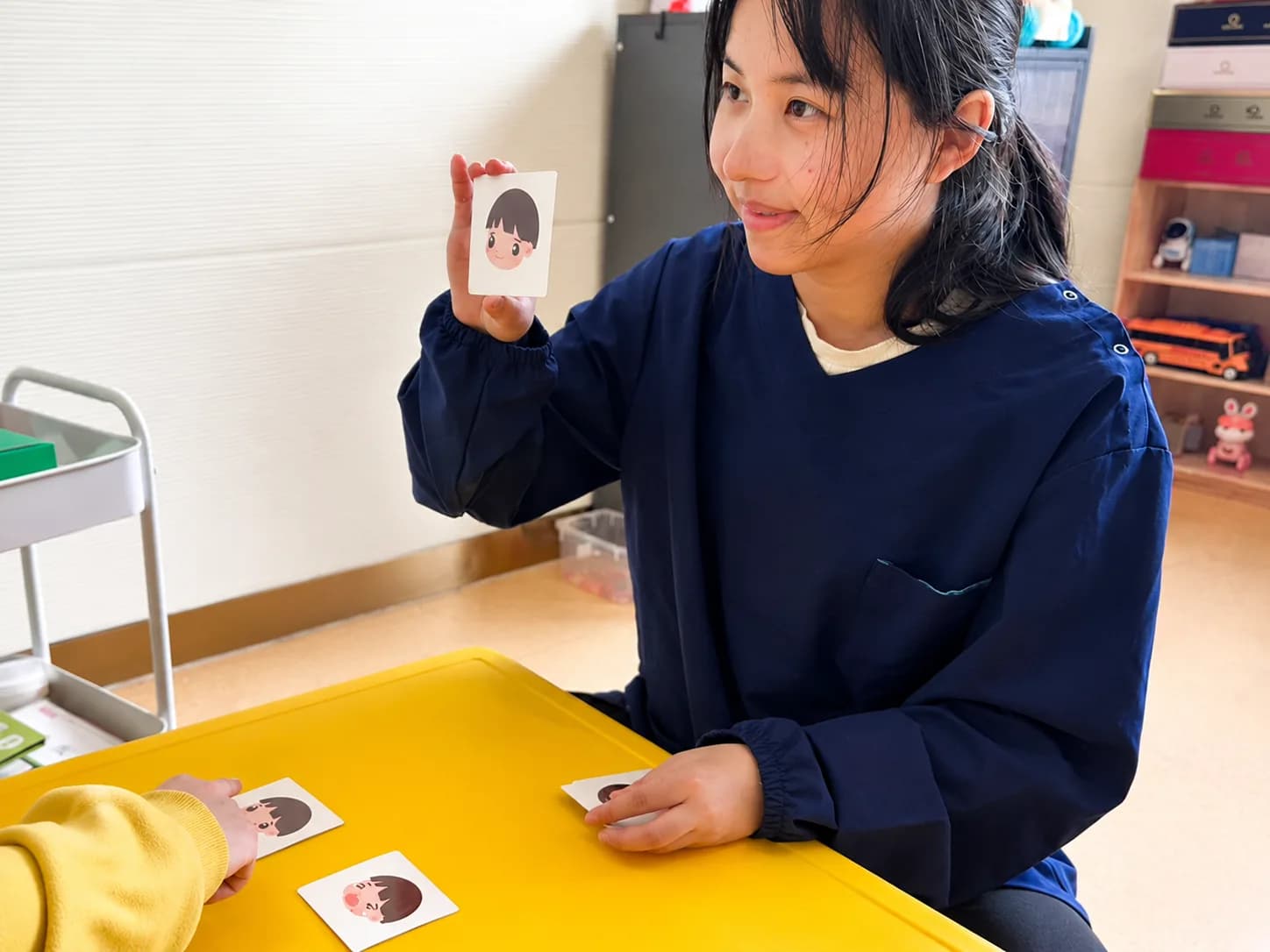
Professional scales (PEP; in ASD — ABC and Shuangxi), assessment of sensory integration and emotions, trigger analysis. It is key to understand the function of the presentation in each child.
Prognosis and treatment approach
Systematic work improves emotional resilience. We combine sandplay therapy, Orff music, Floortime, sensory integration and TCM; in severe cases — medication by physician's decision.
How we treat Emotional Instability and Self-Stimulation
Diagnostics
Comprehensive examination and patient assessment by an international team of specialists
Treatment plan
Development of an individual rehabilitation program considering diagnosis specifics
Therapy
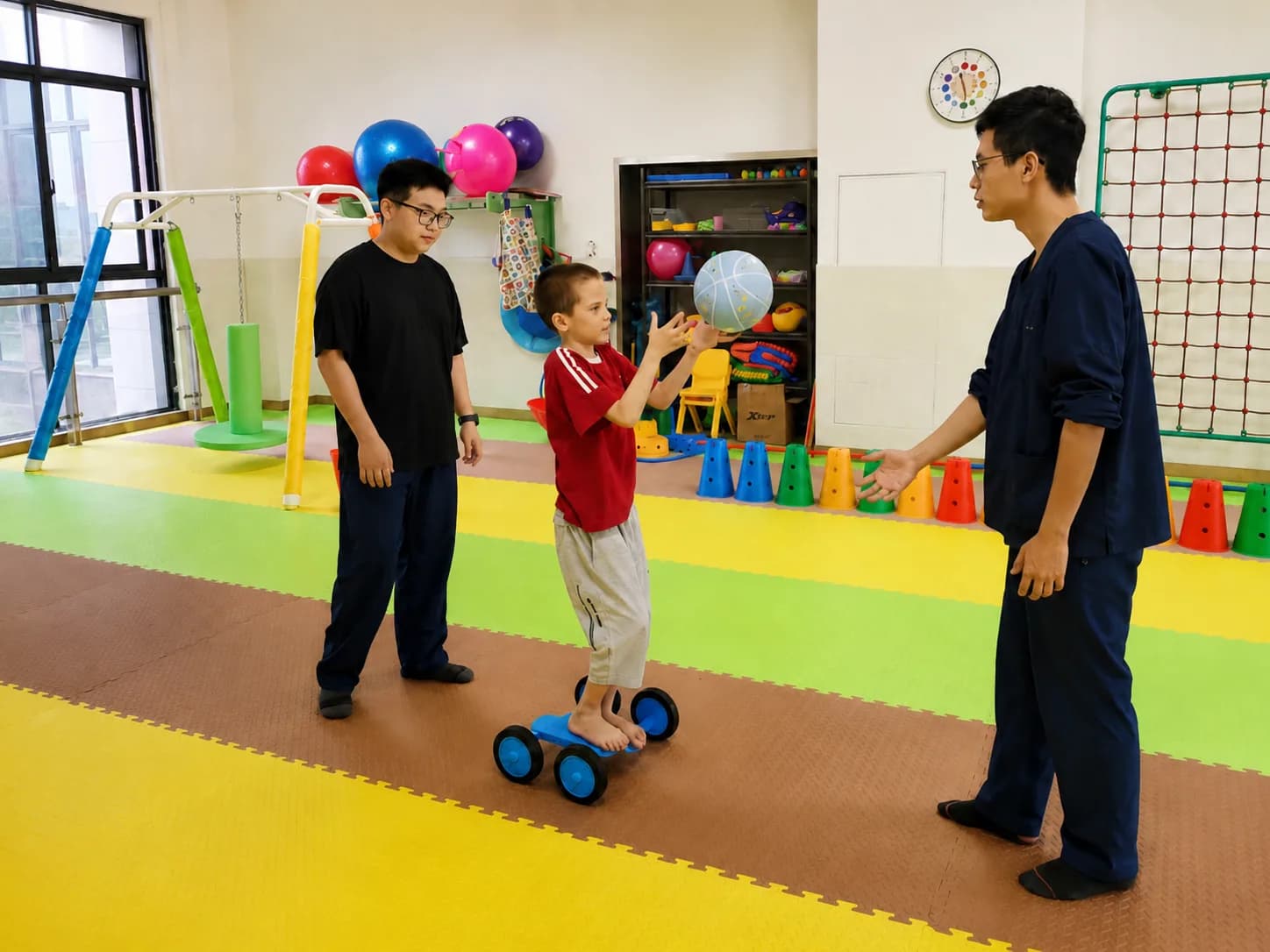
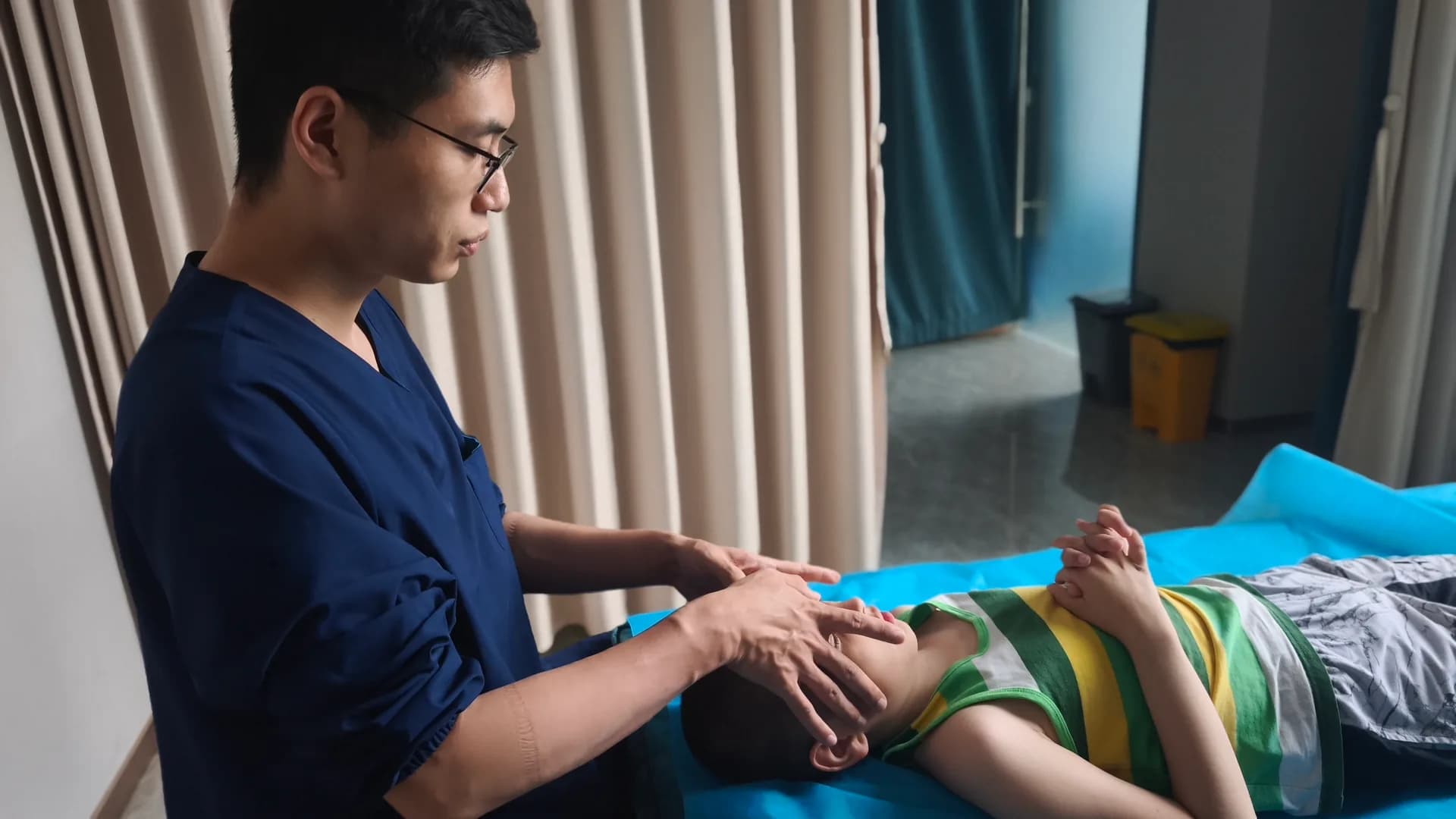
Intensive course of procedures: physical therapy, massage, physiotherapy, acupuncture and other methods
Results
Progress evaluation, home recommendations and maintenance therapy plan
Treatment procedures: Emotional Instability and Self-Stimulation
Doctors treating this condition












Frequently asked questions: Emotional Instability and Self-Stimulation
Book a free consultation
Leave a short request — a coordinator will contact you within 5 minutes, answer your questions and suggest the first steps.