
Oral hypersensitivity and food selectivity
Also known as: Tactile oral hypersensitivity, Sensory food selectivity, Refusal of facial touch
Pediatric oral hypersensitivity and food selectivity program at Hanshi NeuroLife (Shangrao) for children aged 1-14. A combination of oral-motor therapy, sensory integration, and behavioral methods.
What is Oral hypersensitivity and food selectivity?
Oral hypersensitivity and food selectivity are linked manifestations in which the mouth and face area is experienced as overly sensitive. Typical signs: refusal of tooth brushing and facial touch, pronounced food selectivity (accepting only a narrow range of foods or consistencies), gag reflex when attempting to expand the diet, fear of dental procedures. These manifestations are most often seen in children with ASD, sensory disintegration, and post-encephalopathy states — they reflect a feature of tactile processing in the mouth area where typical touch is experienced as unpleasant or painful.
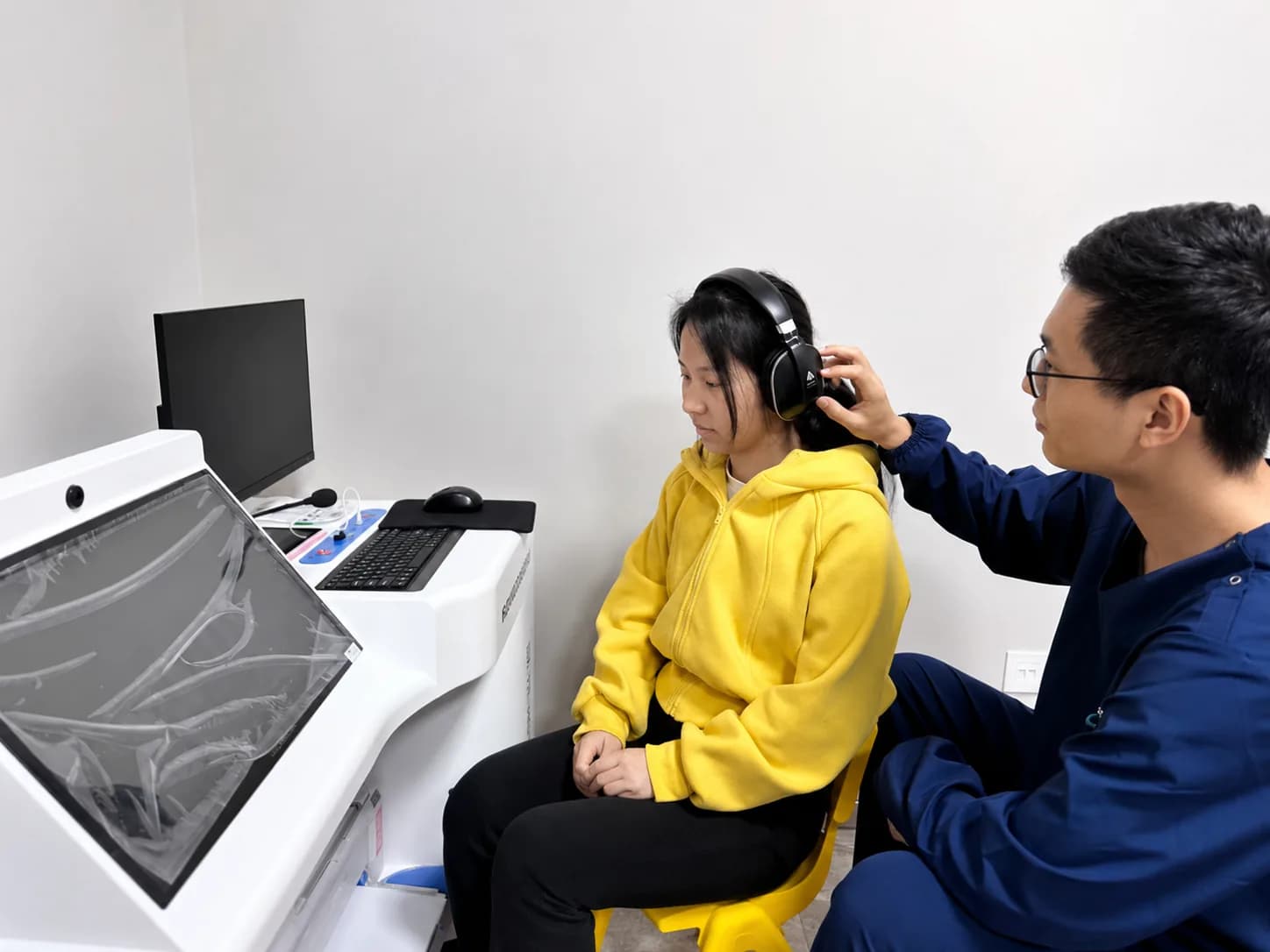
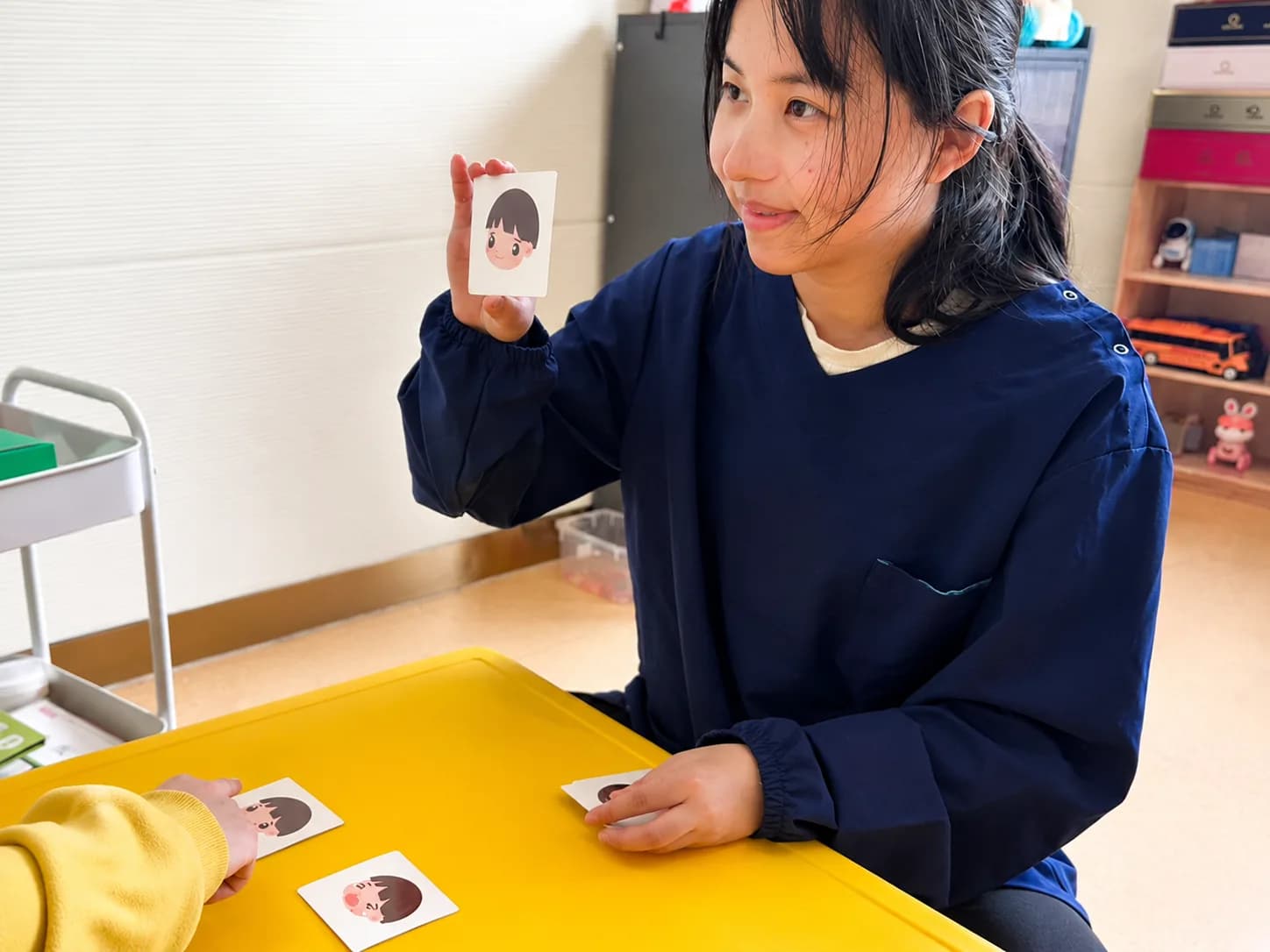
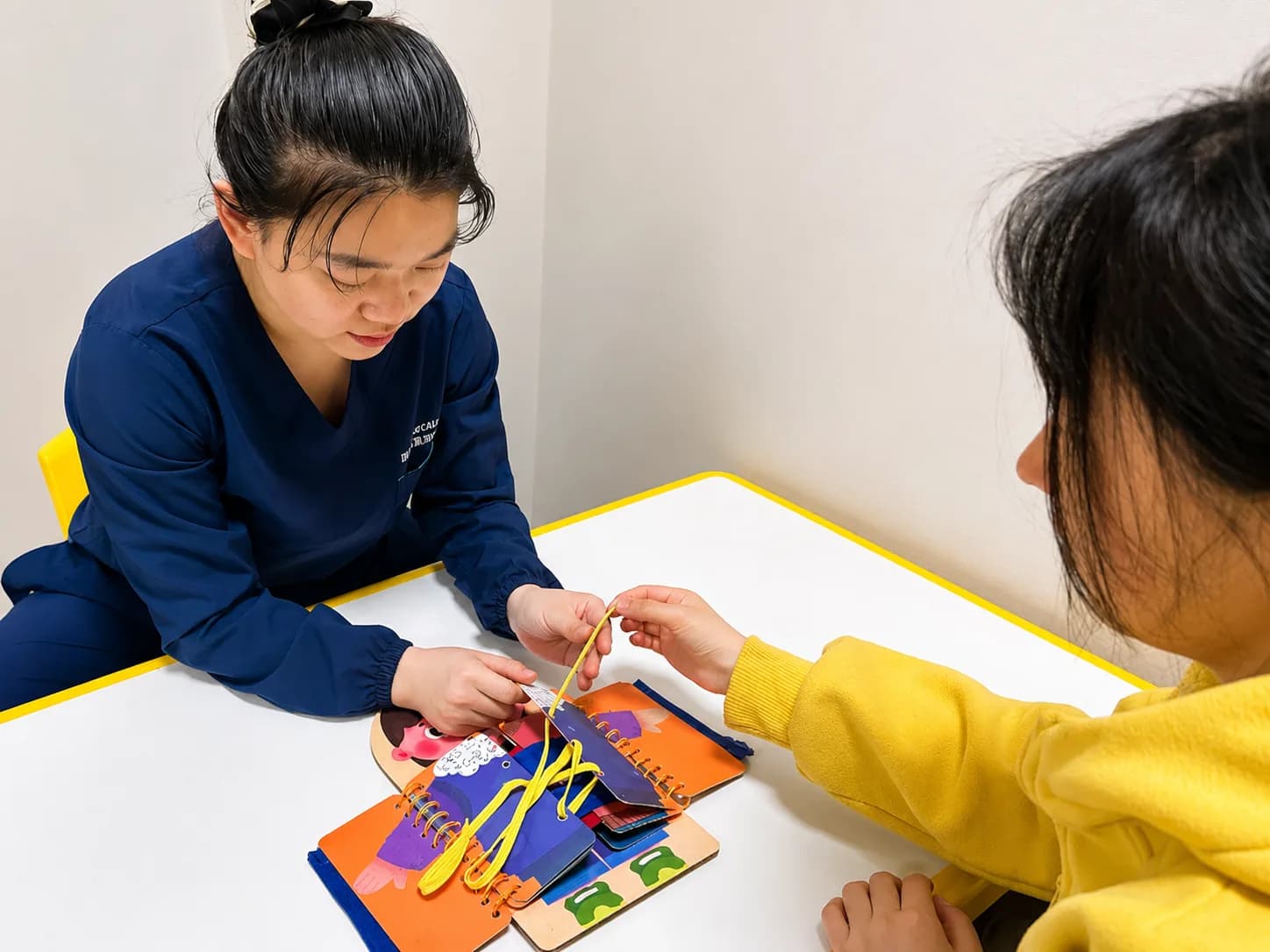
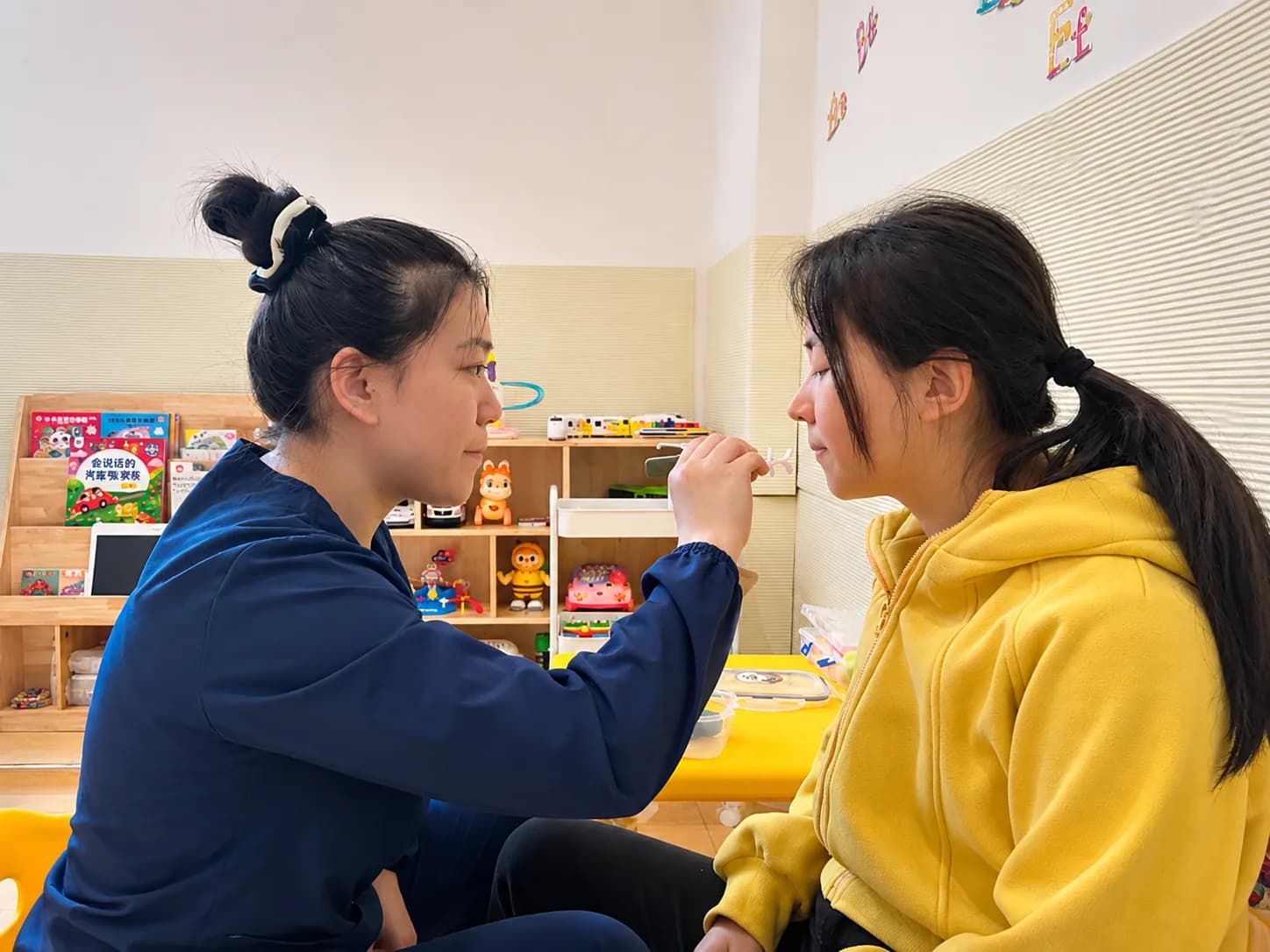
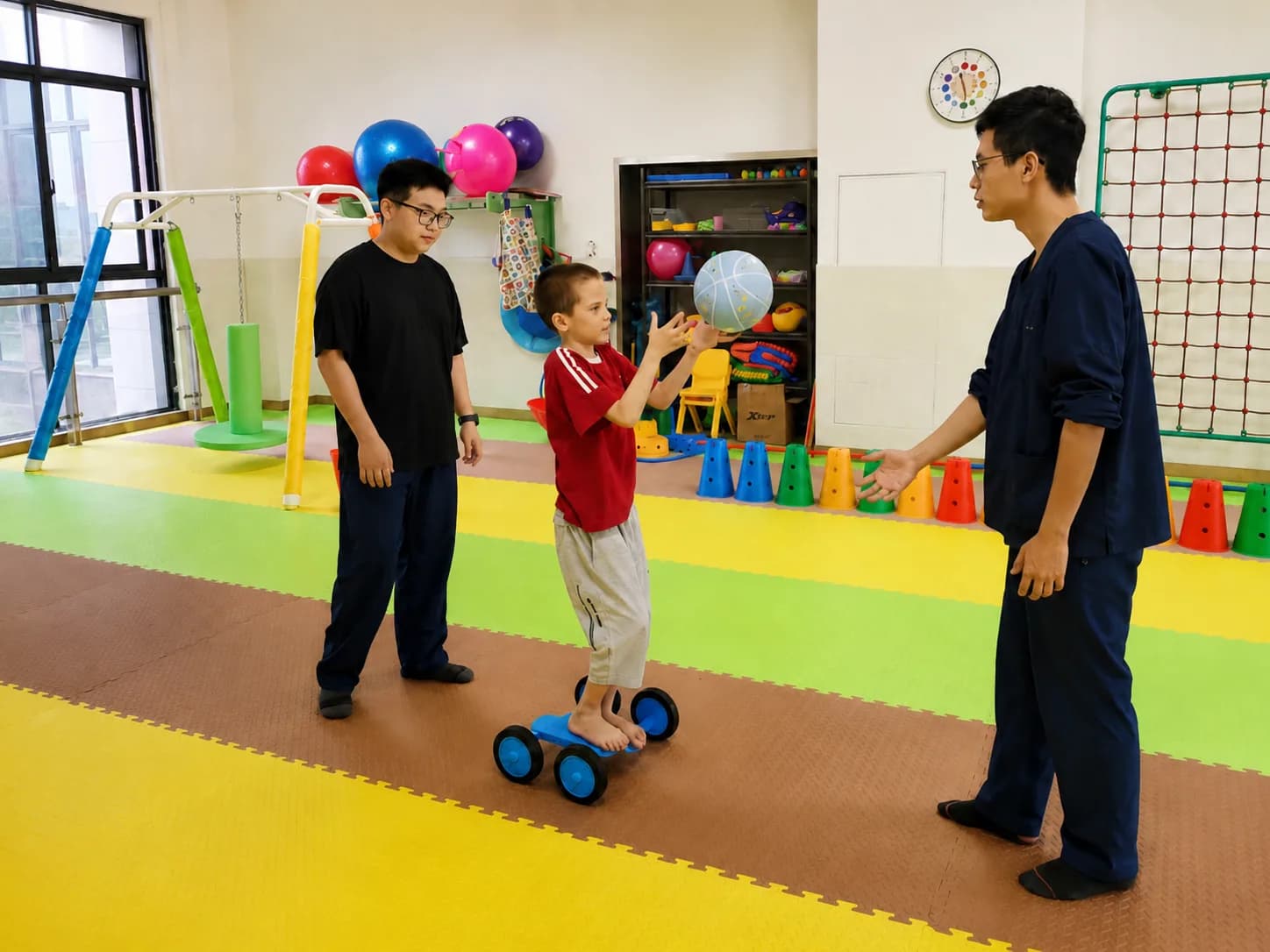
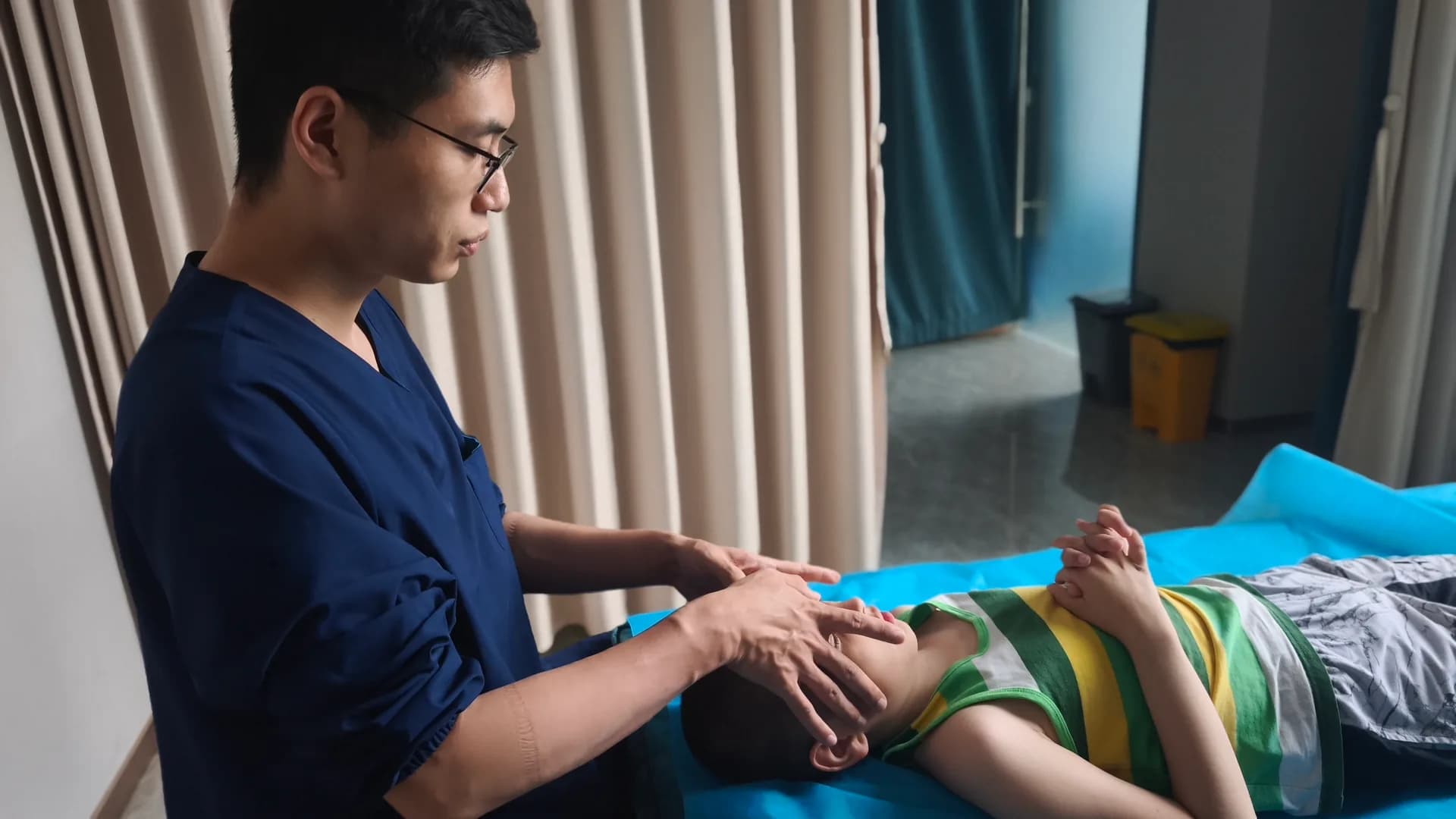
At Hanshi NeuroLife International Rehabilitation Center (Shangrao), the oral hypersensitivity program proceeds gradually — without pressure or forced expansion of the diet. The principle of oral-motor therapy: "first perception, then gradual reduction of sensitivity". In parallel, sensory integration works as the overall sensory base, ABA systematically expands the diet in small steps with positive reinforcement, and occupational therapy supports overall sensory regulation. With comorbid auditory hypersensitivity — auditory integration. From TCM — gentle Tui Na massage techniques in the face area.
What parents should know
Forced expansion of the diet with oral hypersensitivity usually produces the opposite result — it intensifies resistance and reinforces the problem. The program requires patience but produces lasting results. Parents are taught how to work with the child in everyday situations (tooth brushing, feeding) so that progress at the center carries over to family life.
Causes
Develops from impaired sensory integration due to CNS damage (cerebral palsy, prematurity, autism): the brain perceives ordinary touch and food textures as painful.
Symptoms
The child refuses solid food and certain textures, gags and regurgitates while feeding, and avoids touch to the mouth; a gag reflex and drooling are typical.
Assessment
Assessed by a speech and occupational therapist with a neurologist using sensory profile scales, feeding observation, and oral-motor evaluation. Reflux and dysphagia must be ruled out.
Prognosis and treatment approach
With early sensory integration and speech therapy, most children expand their diet and improve chewing, swallowing, and speech. The earlier therapy begins, the better the outcome.
How we treat Oral hypersensitivity and food selectivity
Diagnostics
Comprehensive examination and patient assessment by an international team of specialists
Treatment plan
Development of an individual rehabilitation program considering diagnosis specifics
Therapy
Intensive course of procedures: physical therapy, massage, physiotherapy, acupuncture and other methods
Results
Progress evaluation, home recommendations and maintenance therapy plan
Treatment procedures: Oral hypersensitivity and food selectivity

Doctors treating this condition



















Frequently asked questions: Oral hypersensitivity and food selectivity
Book a free consultation
Leave a short request — a coordinator will contact you within 5 minutes, answer your questions and suggest the first steps.