
Alalia
Also known as: Motor alalia, Sensory alalia, Expressive language disorder, Receptive language disorder
Alalia is a severe underdevelopment or absence of speech with intact hearing: the child does not speak or speaks significantly worse than peers. Speech development is one of the center's key focuses — speech therapy, oral-motor therapy, cognitive sessions, and traditional Chinese medicine methods combine into an individual program for non-verbal children.
What is Alalia?
Alalia is the absence or marked underdevelopment of speech in a child with normal physical hearing and primarily intact intelligence. It stems from a disruption in the speech areas of the cerebral cortex. A distinction is made between motor (expressive) alalia, in which the child understands addressed speech but has severe difficulty producing their own, and sensory (receptive) alalia, in which comprehension of speech is affected first. Alalia must be distinguished from a temporary speech delay and from hearing impairment.
Alalia is about "the non-verbal child"
Parents rarely arrive with the word "alalia" — more often with the phrase "my child is three and doesn't talk." Alalia is the medical term for a persistent underdevelopment of expressive speech that is not explained by hearing loss or a tempo delay. Unlike a simple speech delay, with alalia speech does not "catch up on its own" — systematic, long-term work is needed.
How the center works
Speech development is one of the center's strongest areas. A program for a non-verbal child is assembled from several blocks:
- speech therapy sessions — comprehension, naming, phrases, dialogue, functional communication;
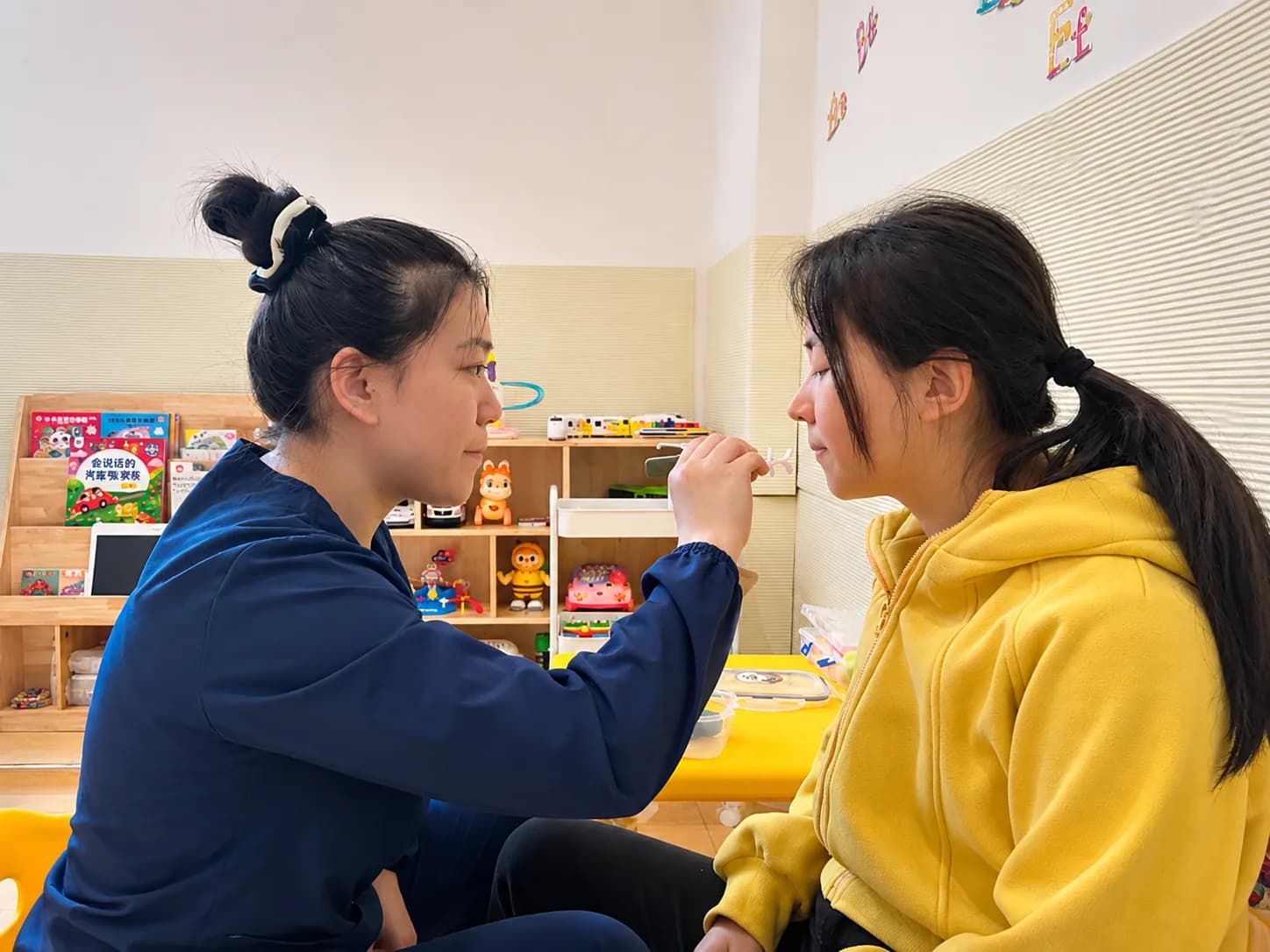
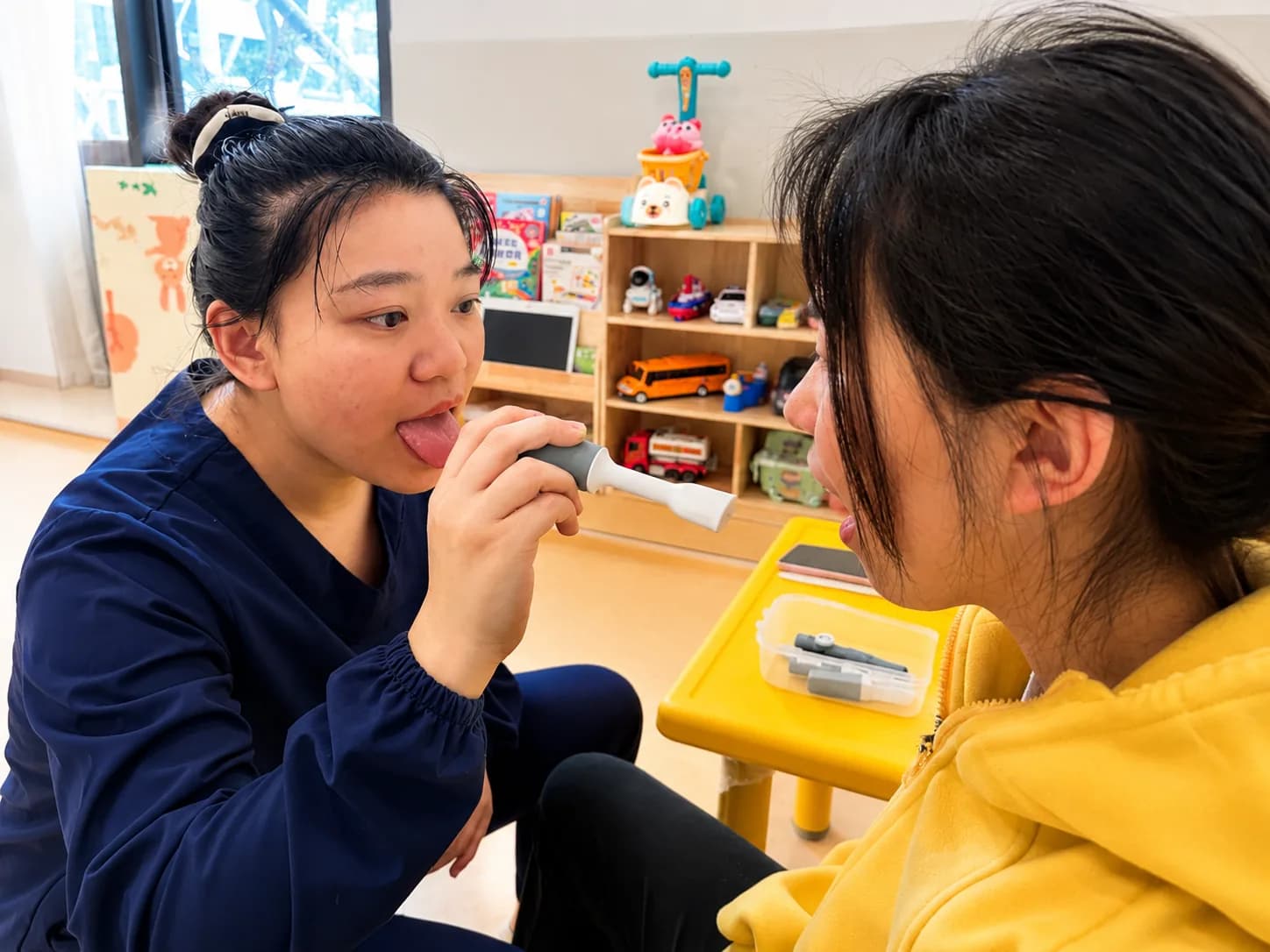
- oral-motor therapy — massage and training of the mouth muscles: articulation, chewing, swallowing;
- cognitive sessions — attention, thinking, understanding instructions;
- sensory integration and auditory therapy — the foundation for perception and attention to speech;
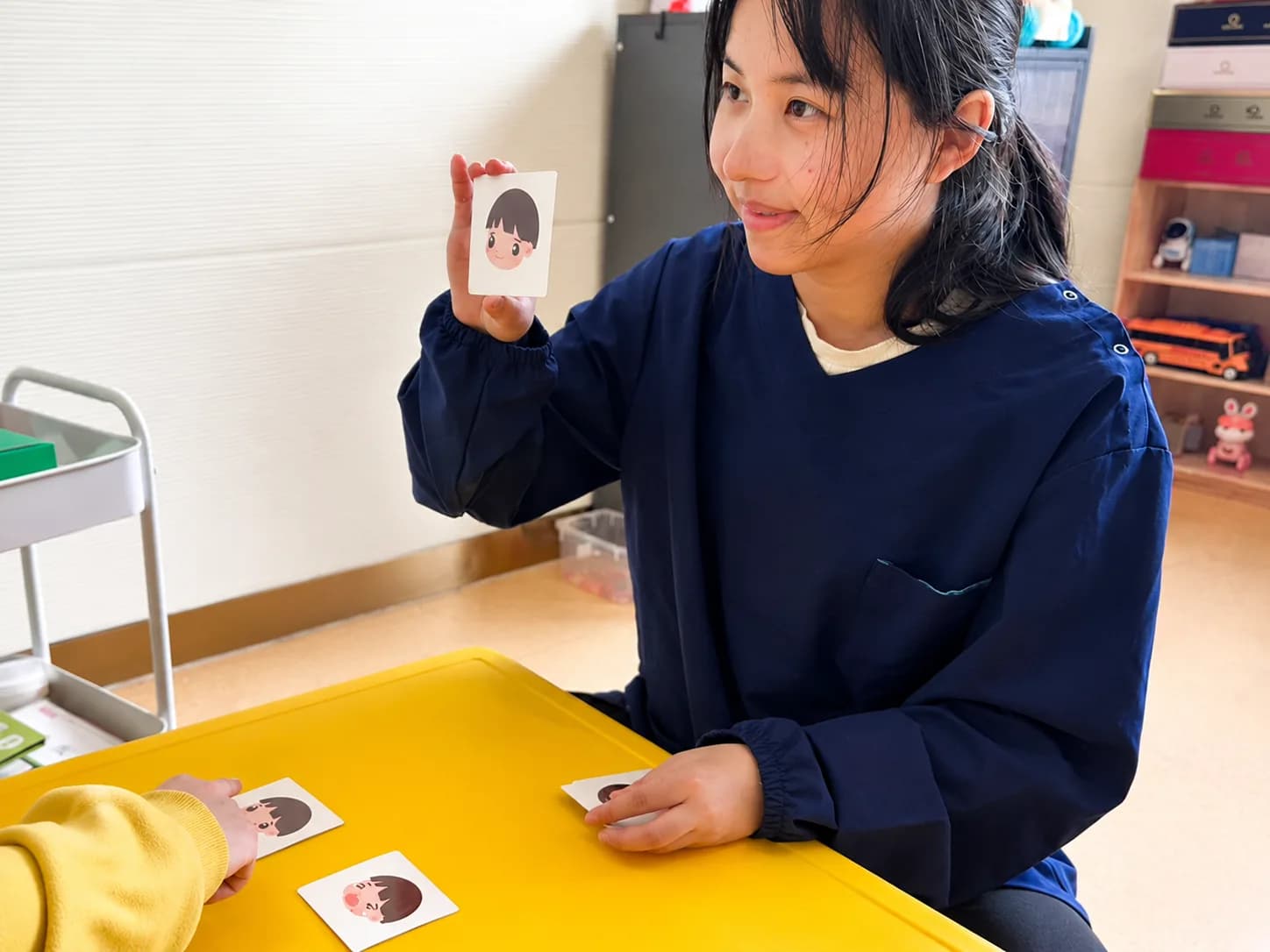
- alternative communication — PECS cards and elements of ABA when communication is difficult;
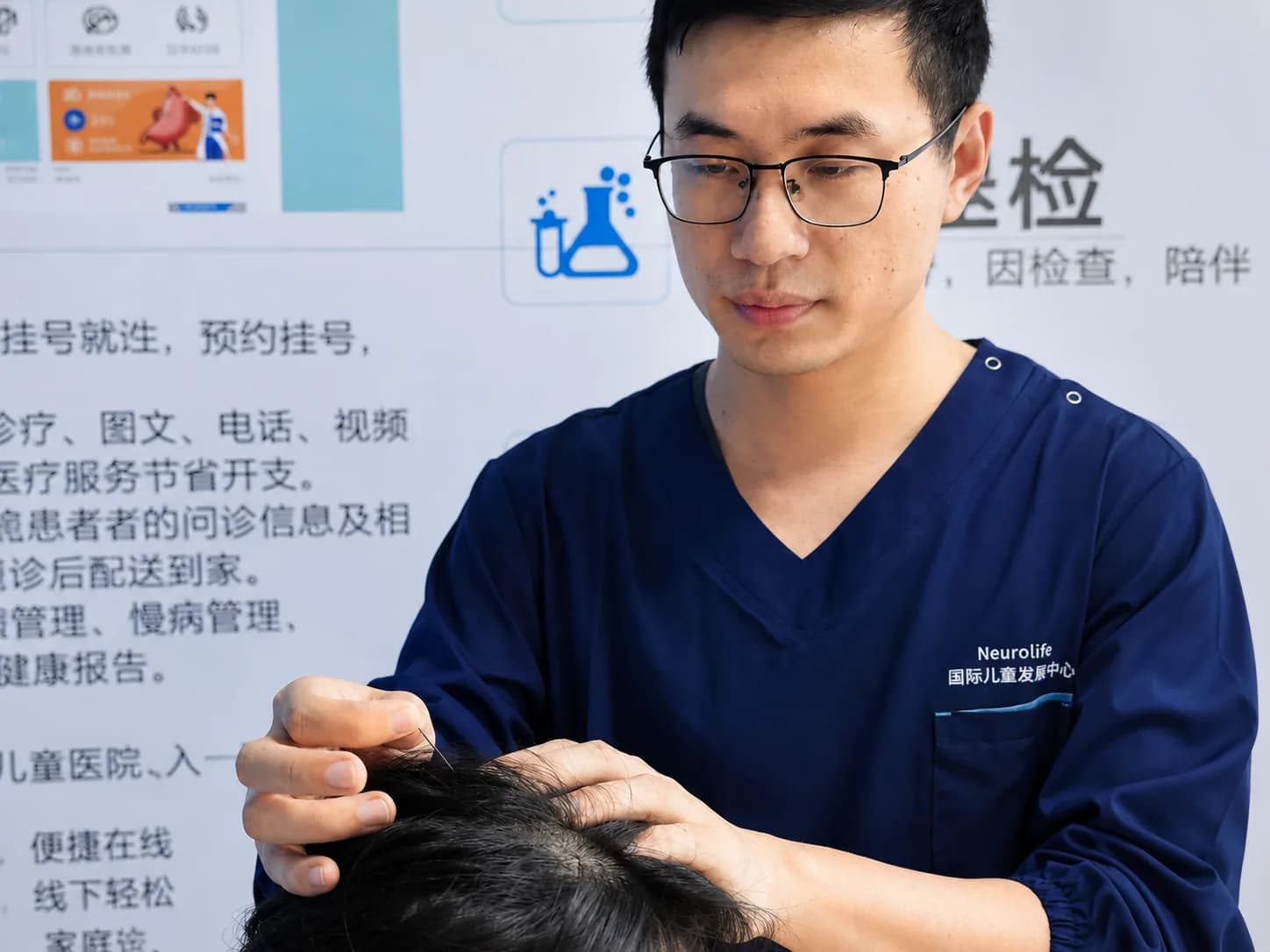
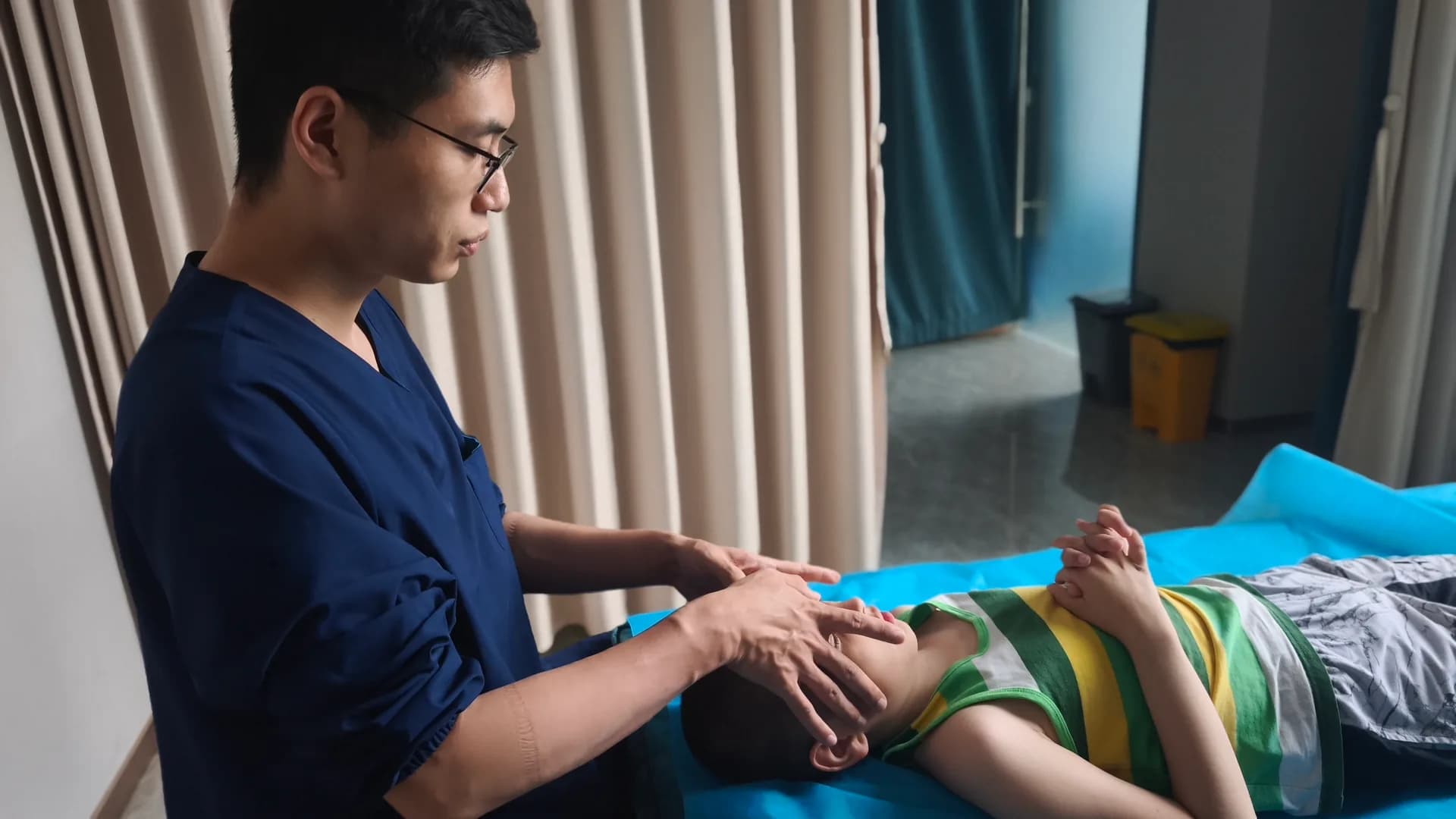
- traditional Chinese medicine methods — scalp acupuncture and children's tuina massage;
- hardware-based methods when indicated — TMS and EEG biofeedback.
Sessions take place daily, several times a day; children are grouped by developmental level rather than by age. The team includes speech therapists specialized in oral-motor therapy and in eliciting first speech in non-verbal children.
Honest expectations
No conscientious center will promise that a child "will start speaking in a month." Progress in alalia is individual and depends on the form, age, and accompanying features. Whether the program is right for your particular child is determined by the physician after reviewing the documents and video; the goals of the course are set and discussed with the family before arrival.
Causes
Alalia is associated with damage to, or immaturity of, the brain's speech areas in early development — during the prenatal period, at birth, or in the first years of life. Hearing is intact: the child hears, but their own speech does not form or forms with a severe delay.
Symptoms
In motor alalia the child understands addressed speech but barely speaks: vocabulary is poor and phrases are not built. In sensory alalia, comprehension of speech is affected too. Difficulties with attention, behavior, and communication are often present as well.
Assessment
It is important to rule out hearing loss (an audiology assessment — usually at the place of residence) and to evaluate the overall level of development. At the center, speech is assessed with specialized scales, including the S-S method, and development as a whole through a comprehensive functional assessment; EEG and other examinations are available on site when indicated.
Prognosis and Treatment Approach
Alalia does not resolve 'on its own,' but speech is developable: systematic sessions initiate and build communication — from first sounds and words to phrases. The earlier work begins, the more confident the progress; the program is built from the child's level and adjusted over the course.
How we treat Alalia
Diagnostics
Comprehensive examination and patient assessment by an international team of specialists
Treatment plan
Development of an individual rehabilitation program considering diagnosis specifics
Therapy
Intensive course of procedures: physical therapy, massage, physiotherapy, acupuncture and other methods
Results
Progress evaluation, home recommendations and maintenance therapy plan
Treatment procedures: Alalia
Doctors treating this condition












Frequently asked questions: Alalia
Book a free consultation
Leave a short request — a coordinator will contact you within 5 minutes, answer your questions and suggest the first steps.