
Depressive Symptoms
Also known as: Low mood, Childhood depression, Emotional withdrawal
Program for depressive symptoms in children and adolescents aged 1–14 years at the Hanshi NeuroLife center (Shangrao). Gentle psychological support, medication support when indicated, TCM methods.
What is Depressive Symptoms?
Depressive symptoms in children are a group of emotional presentations in which the child has persistently low mood, loss of interest in previously meaningful activities (anhedonia), emotional withdrawal, apathy, and slowed reactions. Depression in children is often masked by irritability and by sleep and appetite disturbances. Depressive symptoms may appear in severe forms of ASD, in prolonged frustration from communication difficulties, in chronic stress, against the background of post-encephalopathy states, or in severe somatic conditions. In adolescents, they often appear as part of a broader spectrum of emotional disorders.
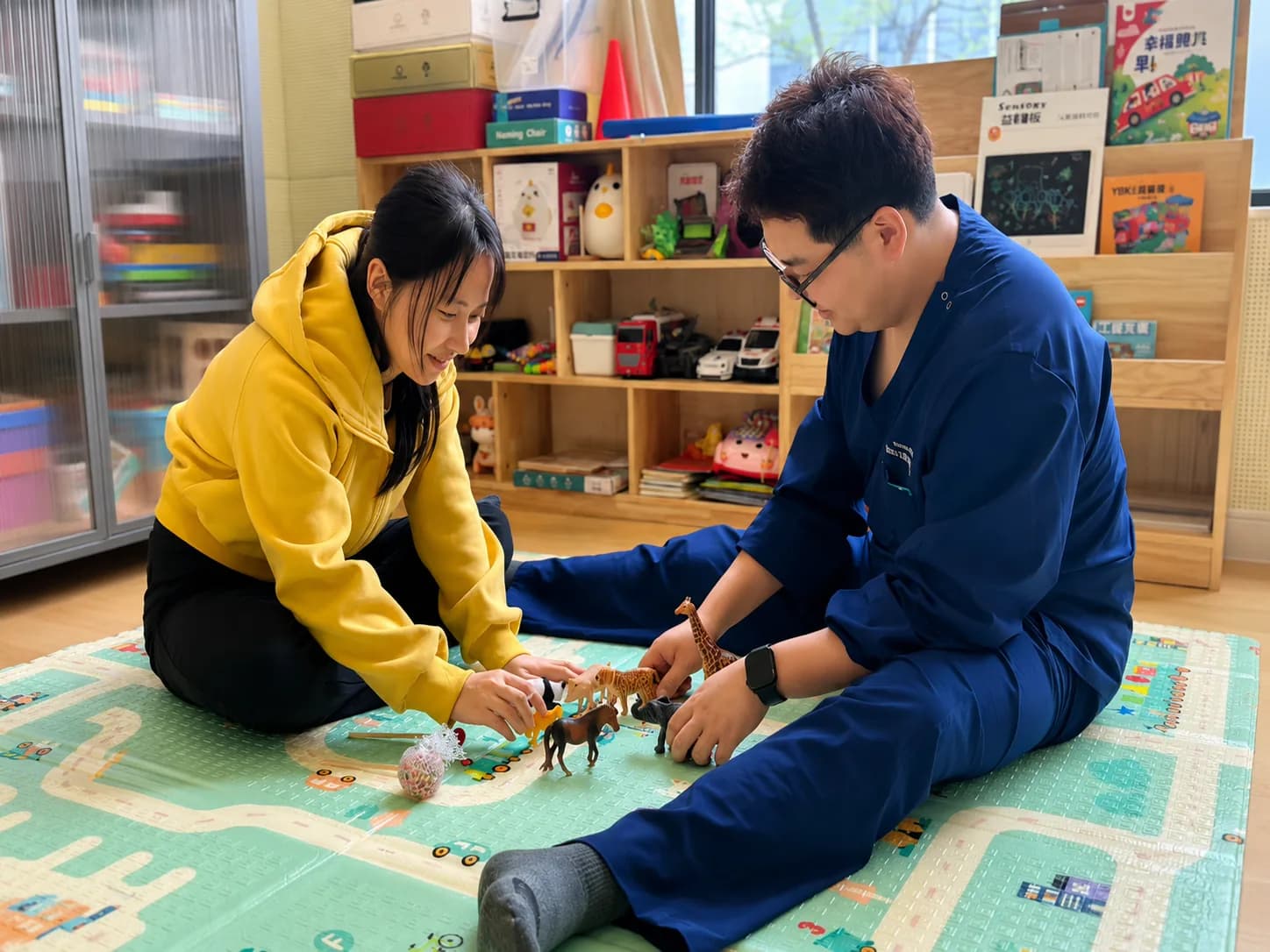
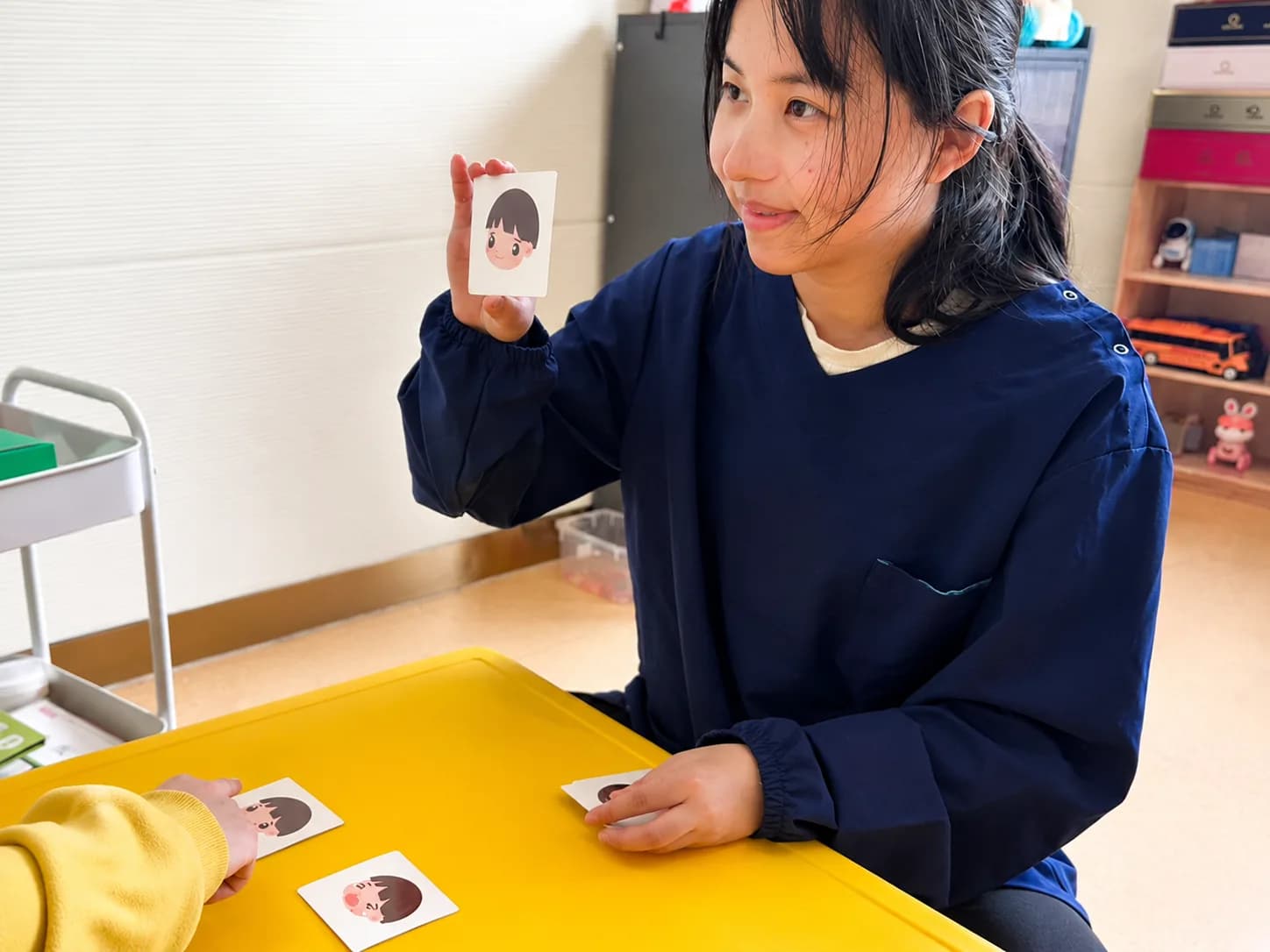
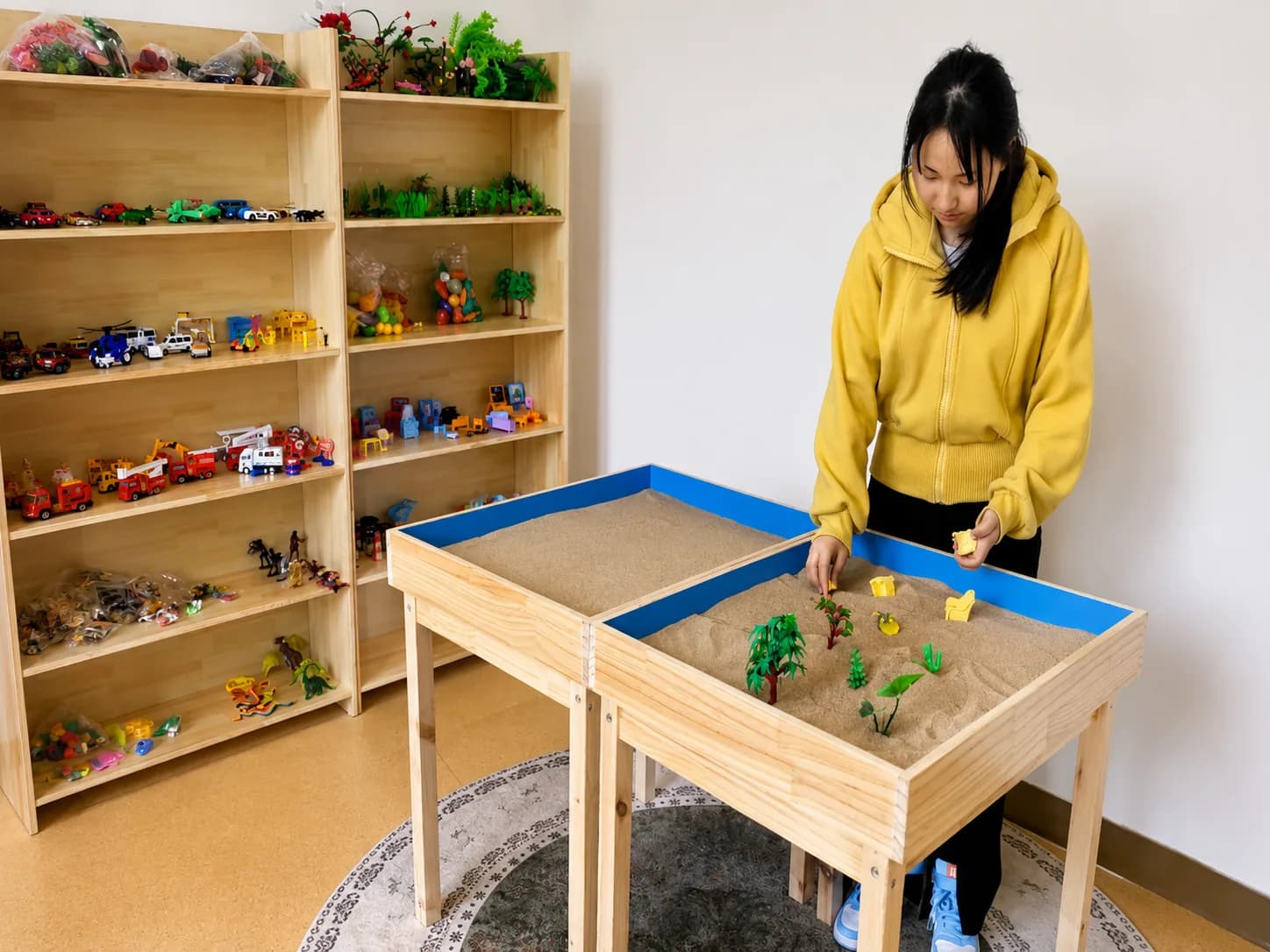
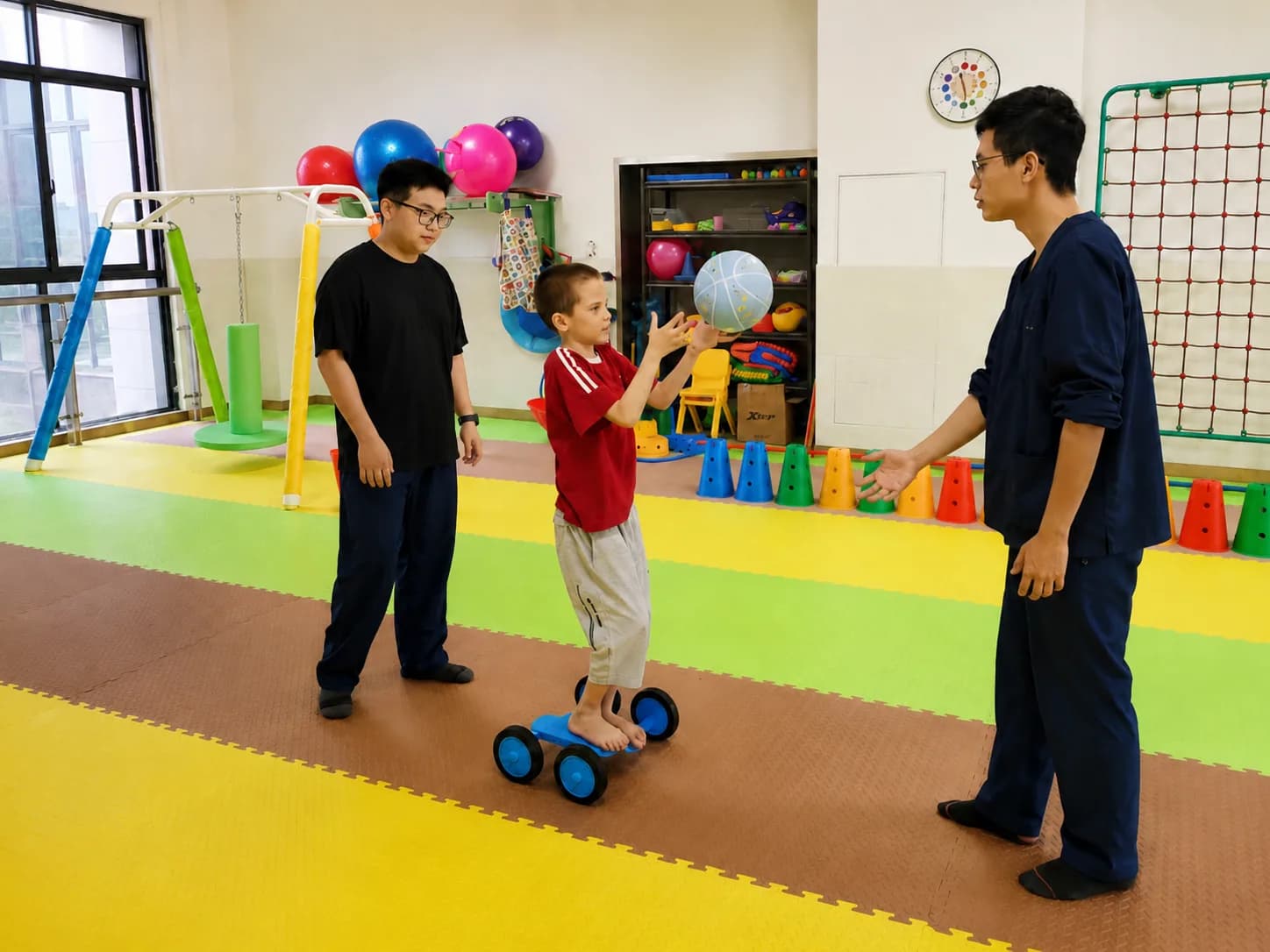
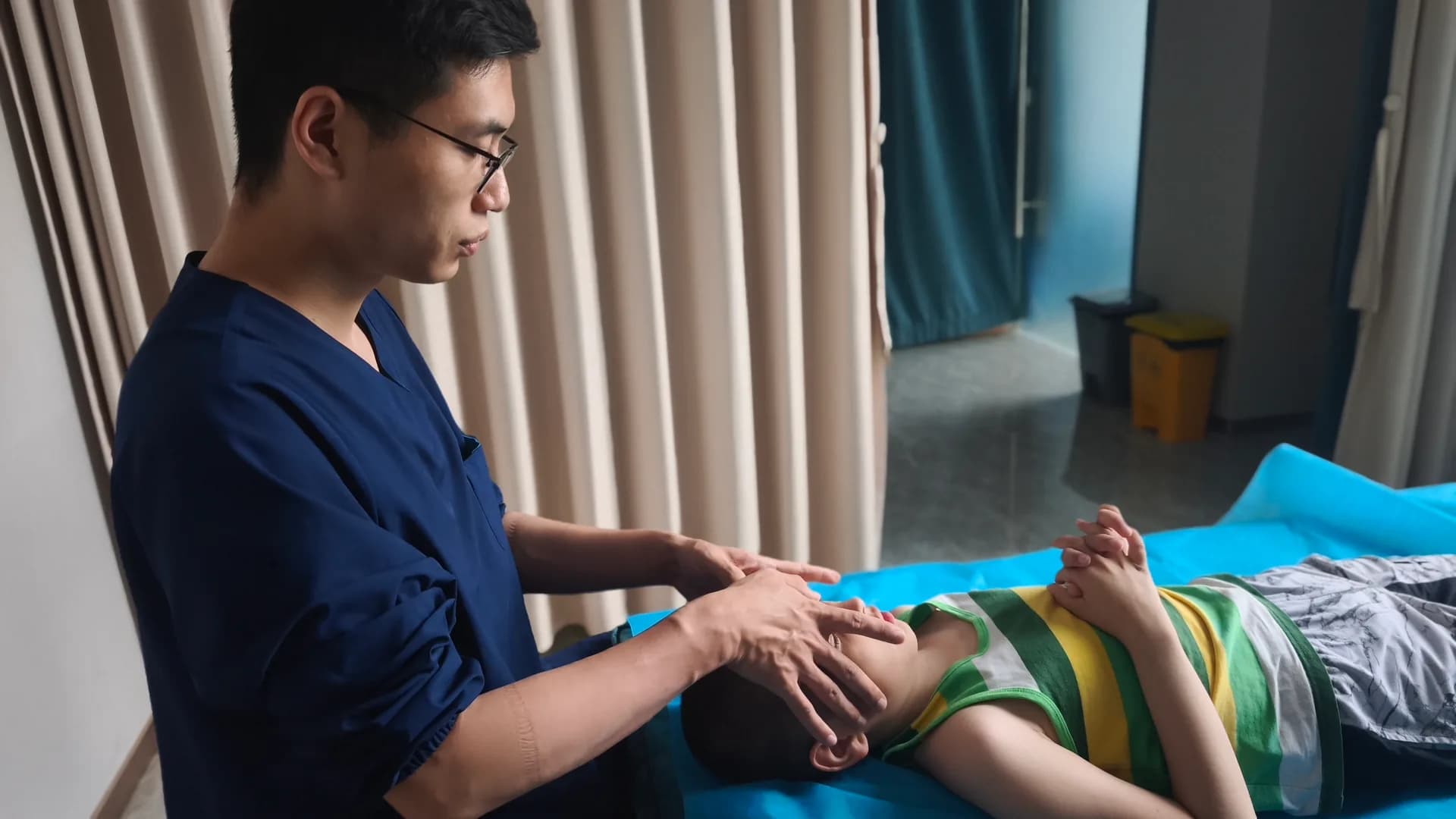
At Hanshi NeuroLife International Rehabilitation Center (Shangrao), the program for depressive symptoms proceeds gently and systematically. Sandplay therapy offers the child a gentle non-verbal channel for expressing inner states — without pressure or questioning, through symbolic play with sand and figures; this activates self-healing resources and helps integrate complex emotions. Orff music therapy, through rhythm, movement, singing, and instrumental play, creates a light, joyful environment — a powerful tool for emotional healing. Floortime relies on emotional connection and trust. Neuroregulation addresses the physiological basis of mood and motivation. Pediatric acupuncture and Tui Na massage complement the program. In severe presentations, medication support (antidepressants) is considered — strictly by physician's decision and within the broader rehabilitation program.
What matters for parents
At initial assessment, it is important to check somatic factors that may produce a similar picture: thyroid disorders, micronutrient deficiencies, and chronic inflammatory processes. This is part of the center's approach — the biomedical core helps to identify and remove somatic triggers. The program respects the child's pace and does not force "activation"; specialists train parents in gentle techniques of support.
Causes
Childhood depression develops from genetic predisposition, disrupted neurotransmitters (serotonin, dopamine), chronic stress, and trauma at home or school.
Symptoms
Persistently low mood, loss of interest in play, irritability, sleep and appetite disturbances, declining school performance; in severe cases, thoughts of not wanting to live.
Diagnostics
A clinical interview with the child and parents, standardized psychological questionnaires and scales, and when needed referrals to a neurologist and endocrinologist to rule out somatic causes.
Prognosis and treatment approach
The prognosis is favorable: most children achieve lasting improvement. A comprehensive approach — psychotherapy, family support, and medication if needed — restores a full life.
How we treat Depressive Symptoms
Diagnostics
Comprehensive examination and patient assessment by an international team of specialists
Treatment plan
Development of an individual rehabilitation program considering diagnosis specifics
Therapy
Intensive course of procedures: physical therapy, massage, physiotherapy, acupuncture and other methods
Results
Progress evaluation, home recommendations and maintenance therapy plan
Treatment procedures: Depressive Symptoms

Doctors treating this condition












Frequently asked questions: Depressive Symptoms
Book a free consultation
Leave a short request — a coordinator will contact you within 5 minutes, answer your questions and suggest the first steps.