H&B Neurolife
Treatment in Shangrao

Self-injurious behavior

CodeSelf-injury

Also known as: Auto-aggression, Self-harm, Self-injury in children

Program for the correction of self-injurious behavior in children aged 1–14 years at the H&B Neurolife center (Shangrao). Safe comprehensive approach: ABA, sensory integration, psychological support, and medication support per the physician's decision.

1–3 months
course
Fill out the form
About the condition

What is Self-injurious behavior?

Self-injurious behavior is intentional actions by the child that cause physical harm: hitting head and body with hands or objects, biting oneself, scratching, head-banging, pulling out hair. It is most often seen in ASD, intellectual disability, and severe forms of sensory dysregulation. Causes vary: inability to express discomfort or a need due to absent speech, a way to cope with sensory overload, a response to intense anxiety, sometimes physical pain (for example, due to GI issues) that the child cannot otherwise communicate. Understanding the function of self-injury for the specific child is an essential part of the work.

At the H&B Neurolife International Rehabilitation Center (Shangrao), the program for self-injurious behavior is built holistically. ABA systematically shapes alternative ways to express and regulate through positive reinforcement and data tracking. Sensory integration addresses sensory overload — providing the child with the needed sensory input in an adaptive form. Sandplay and play therapy open nonverbal channels for expressing inner states. DIR/Floortime builds on interest and emotional connection. Pediatric acupuncture and Tui Na massage complement the program. In severe cases, medication support may be considered — strictly per the physician's decision, with regular reassessment and no self-medication. For comorbid GI issues, the biomedical track (microbiota regulation) is engaged — this can remove the somatic component of the trigger.

What parents should know

Self-injury is a serious condition, and working with it requires professional support. Severe forms posing a threat to the child's safety are listed among the center's contraindications — in such cases, medical stabilization at a specialized clinic is required first. After stabilization, transition to the rehabilitation program is possible, with systematic work on causes and behavior.

Causes

Most often seen in ASD, intellectual disability and severe sensory dysregulation. Causes vary: inability to express a need due to absent speech, sensory overload, anxiety, sometimes hidden physical pain.

Symptoms

Intentional actions causing physical harm: hitting the head and body, biting oneself, head-banging, pulling out hair. Often accompanied by marked emotional instability.

Diagnostics

A comprehensive assessment: scales (PEP, ABC, Shuangxi), sensory integration, and a somatic exam to rule out pain. The key task is to identify the function of the self-injury.

Prognosis and treatment approach

Systematic work substantially reduces frequency and intensity. The program combines ABA, sensory integration, sandplay and play therapy, and DIR/Floortime; in severe cases, medication support per the physician's decision.

Our approach

How we treat Self-injurious behavior

01

Diagnostics

Comprehensive examination and patient assessment by an international team of specialists

02

Treatment plan

Development of an individual rehabilitation program considering diagnosis specifics

03

Therapy

Intensive course of procedures: physical therapy, massage, physiotherapy, acupuncture and other methods

04

Results

Progress evaluation, home recommendations and maintenance therapy plan

Treatment methods

Treatment procedures: Self-injurious behavior
AB

ABA — Applied Behavior Analysis

Behavioral therapy built on positive reinforcement: individualized programs, small-step learning, data-tracked progress, and active family involvement.

30–45 minutes
1–3 months
Learn more
Au

Autism Behavior Checklist (ABC)

International screening scale assessing the severity of ASD features across multiple domains — the foundation for a targeted program and progress tracking.

30–60 minutes
single session
Learn more
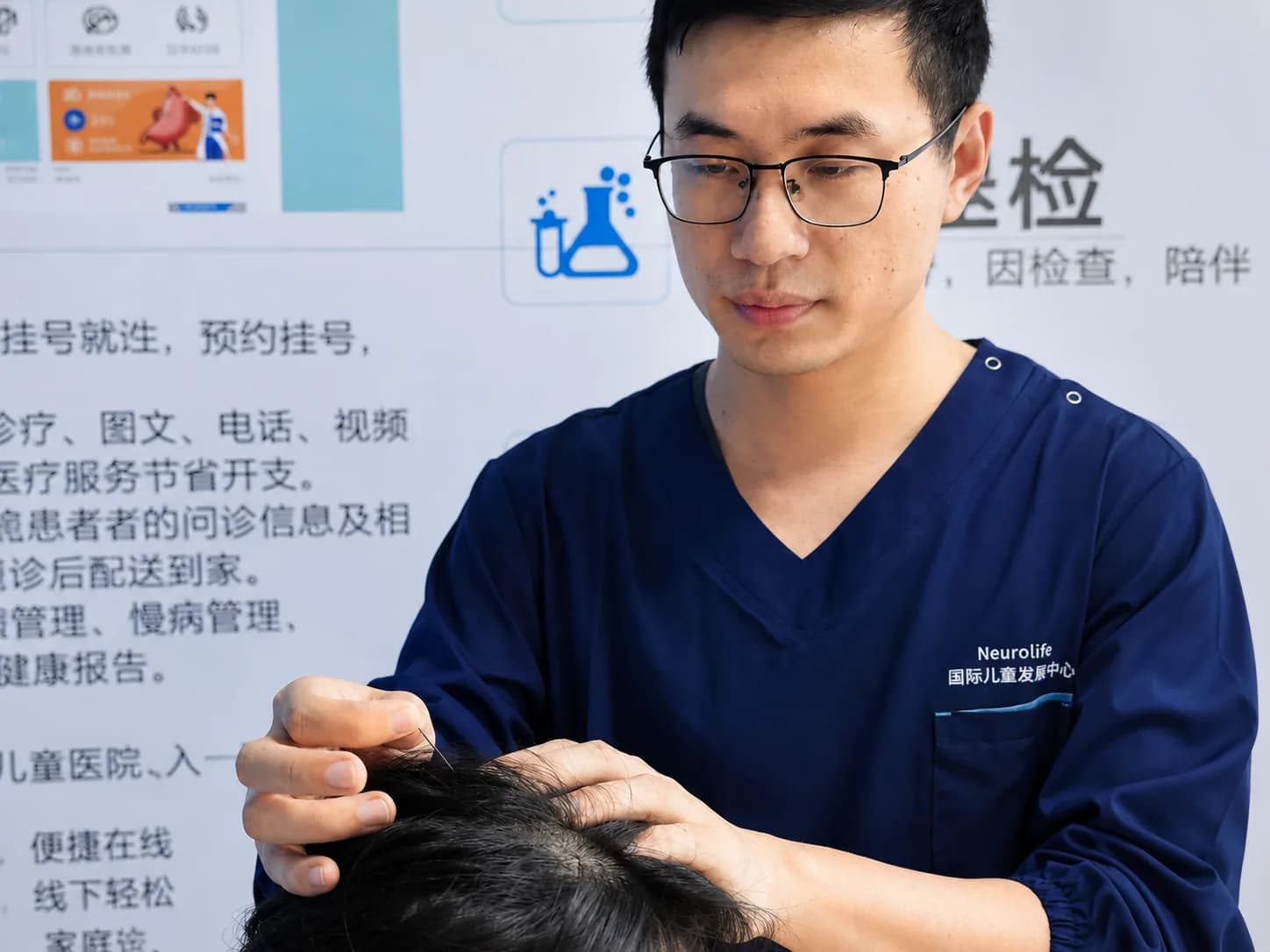
An H&B Neurolife practitioner performs scalp acupuncture using a TCM technique

Pediatric Acupuncture

Specialized external TCM method for children: ultra-fine needles, individualized point selection, safe and minimally painful.

20–30 minutes
1–3 courses
Learn more
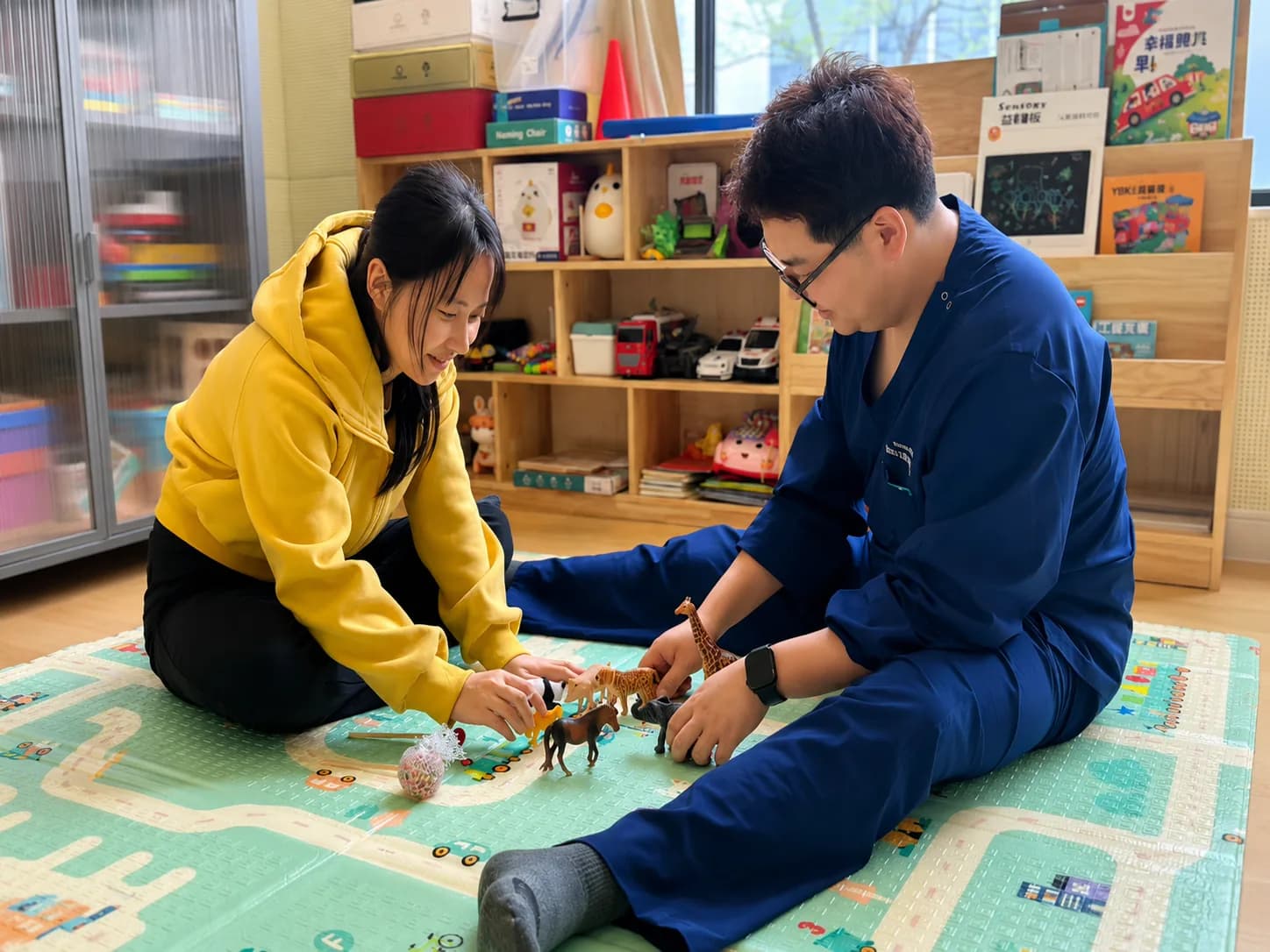
An H&B Neurolife specialist plays with a child using figurines on a floor mat during a DIR/Floortime session

DIR/Floortime

DIR/Floortime: child at the center, interest as the compass, emotional connection as the foundation. One-on-one format in a safe and joyful environment.

30–45 minutes
1–3 months
Learn more
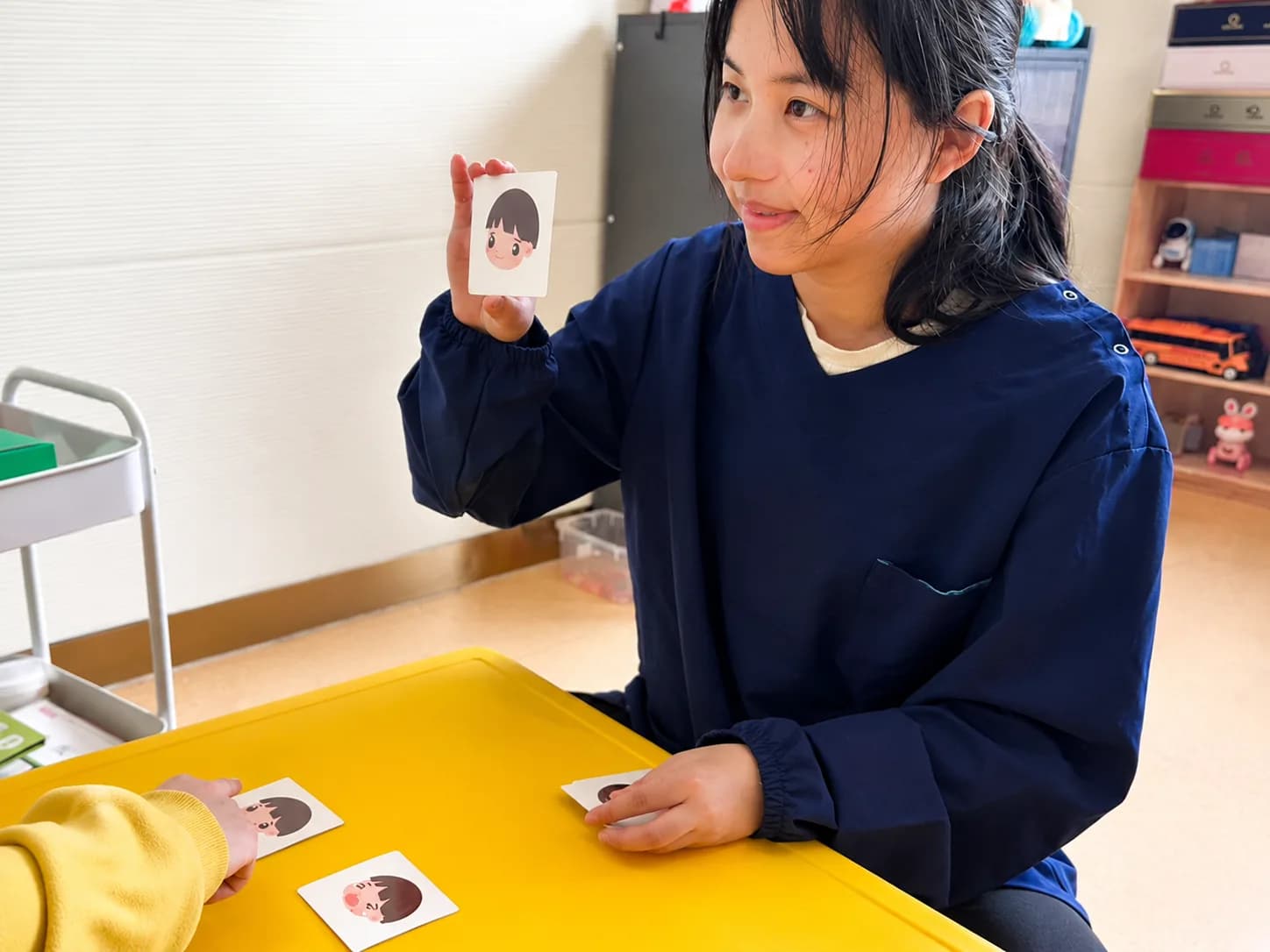
An H&B Neurolife specialist shows a flashcard to a child during a one-on-one session

Individual 1:1 sessions (个别化训练)

Foundational format for targeted work — 'one child, one program': an individually tailored integration of ABA, sensory integration, speech, and social work.

30–45 minutes
1–3 months
Learn more
Me

Medication Support

Symptomatic medication support, strictly as prescribed, to stabilize the child so that rehabilitation sessions become productive.

30–45 minutes
from 1 month
Learn more
Bi

Biological Therapy and Neuroregulation

Biomedical work on the physiological foundation of brain development: neurotransmitters, cerebral circulation, neuronal metabolism, and cognitive and social motivation.

15–60 minutes
1–3 courses
Learn more
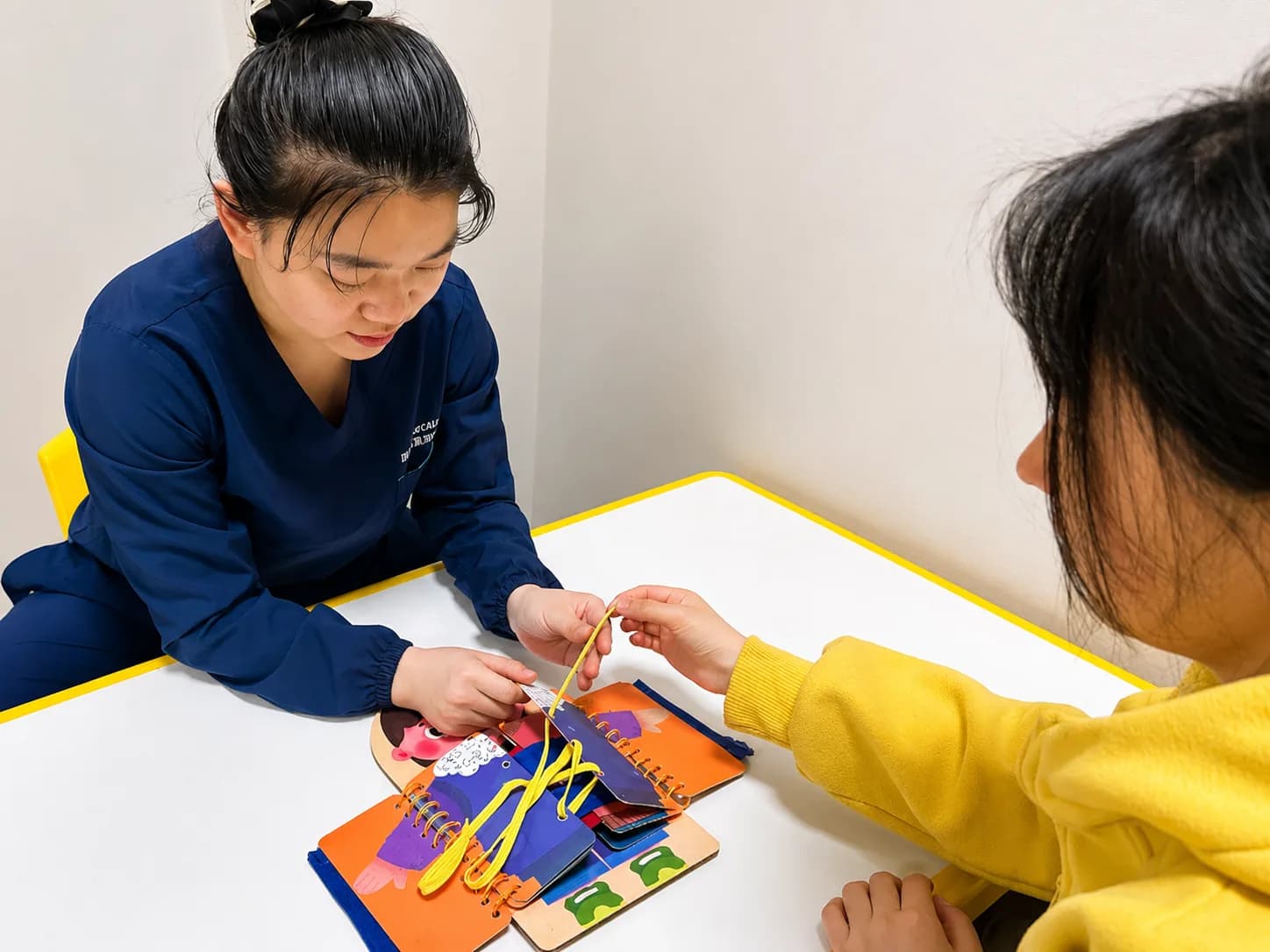
An H&B Neurolife specialist and a child train fine motor skills with a lacing board during occupational therapy

Occupational therapy (OT)

An international approach to functional development: fine motor skills, hand–eye coordination, self-care, daily self-reliance, and adaptation to the environment.

30–45 minutes
1–3 months
Learn more
Pa

Parent–child sessions (亲子课)

Joint sessions of parent and child guided by a specialist — developing the child while training the parent in techniques to support them.

30–45 minutes
1–3 months
Learn more
PE

PEP — Psychoeducational Profile

Professional comprehensive developmental assessment for children with ASD: a map of capabilities and the foundation for an individualized rehabilitation plan.

30–60 minutes
single session
Learn more
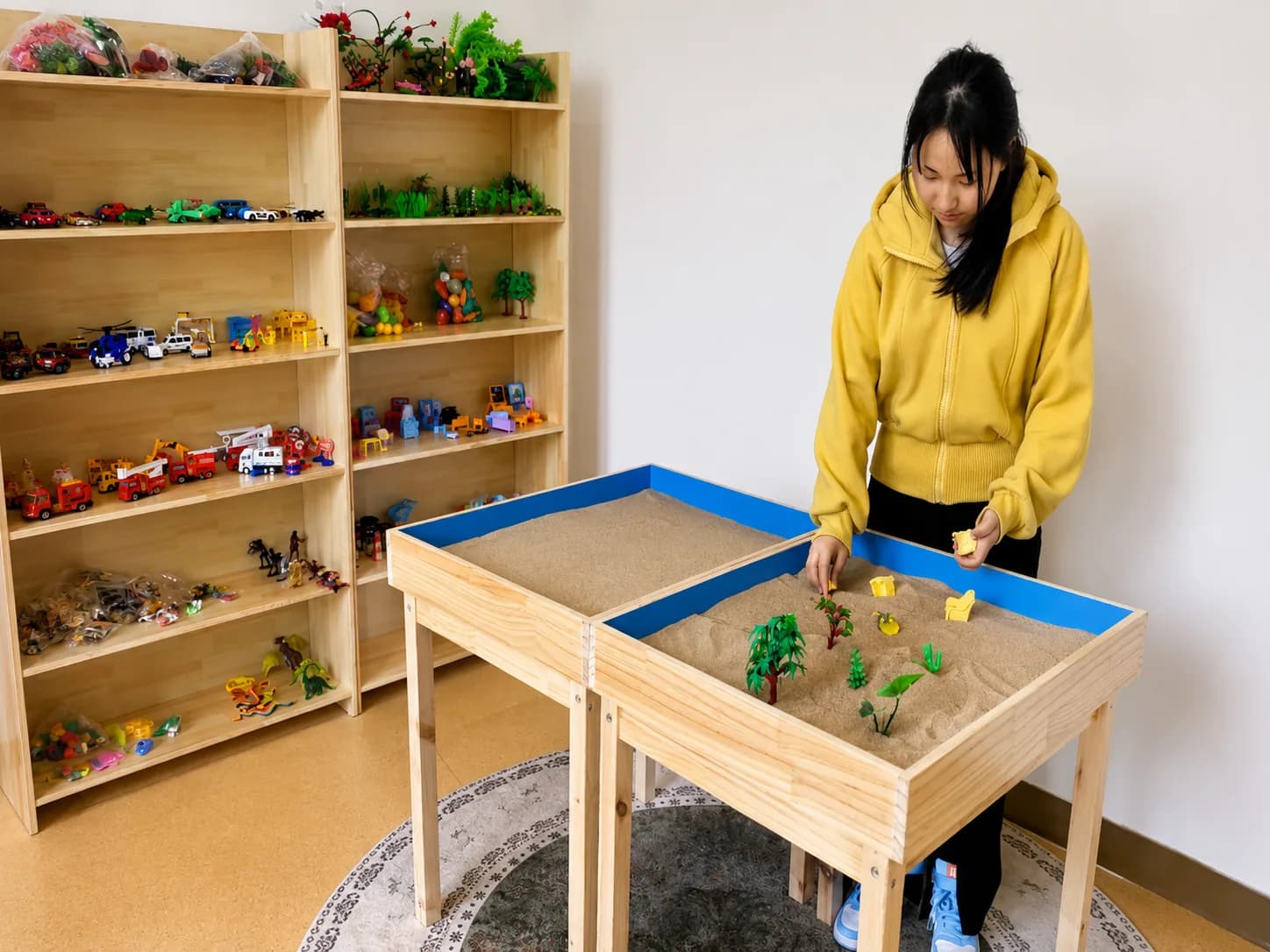
A child builds a scene in a sand tray with miniature figures during sandplay therapy

Sandplay Therapy (Psychological)

A non-verbal psychotherapy technique: a safe space for emotional regulation, symbolic expression, and trust, through work with sand and miniature figures.

30–45 minutes
1–3 months
Learn more
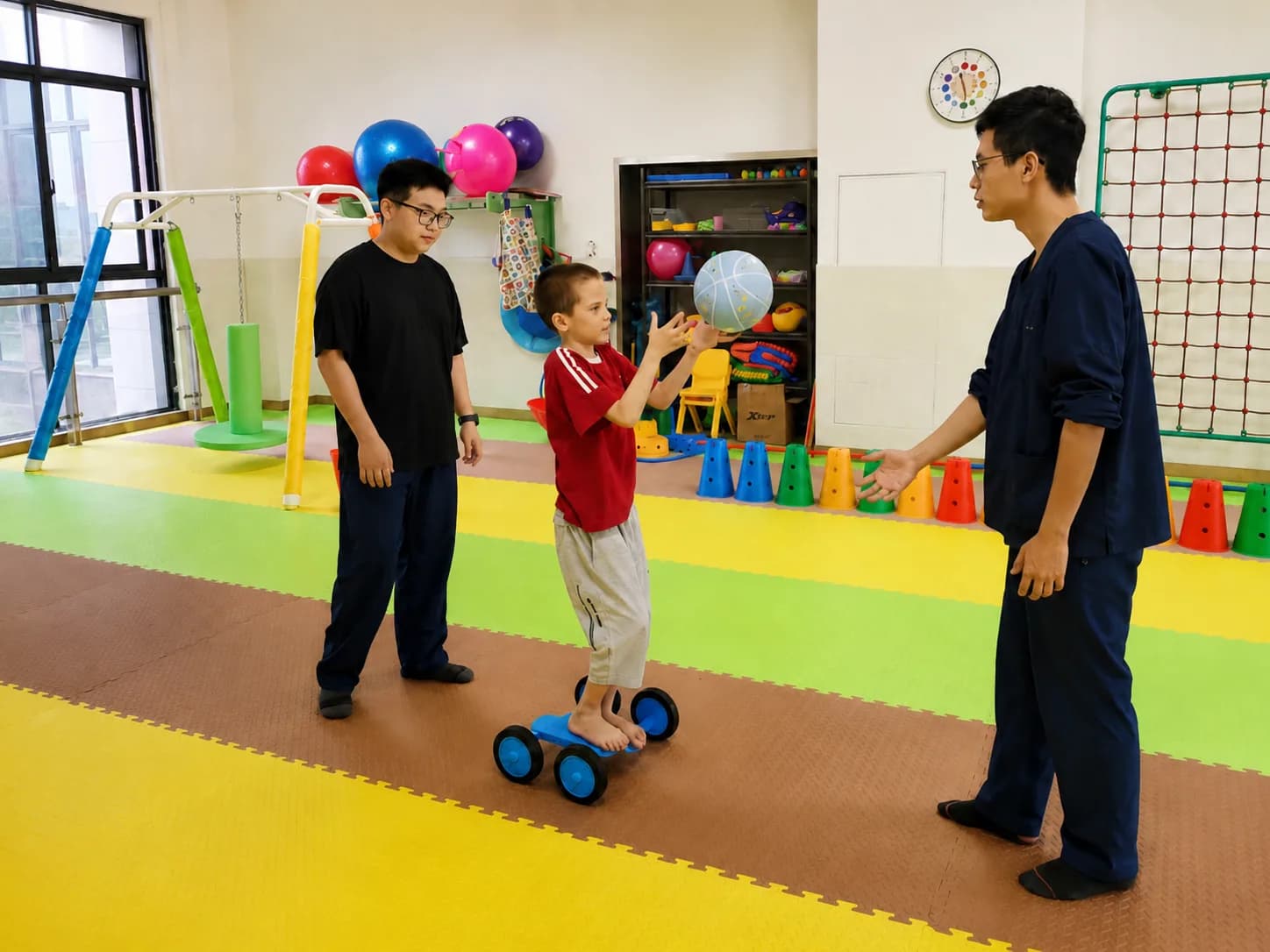
A child exercises on a balance trainer guided by specialists during a sensory integration session

Sensory Integration (SI)

Professional game-based training of sensory processing on specialised equipment — the foundation for the development of attention, emotion, speech, and social skills.

30–45 minutes
1–3 months
Learn more
Sh

Shuangxi Scale (双溪)

Two-channel scale assessing development in children with ASD — profile detailing alongside international instruments.

30–60 minutes
single session
Learn more
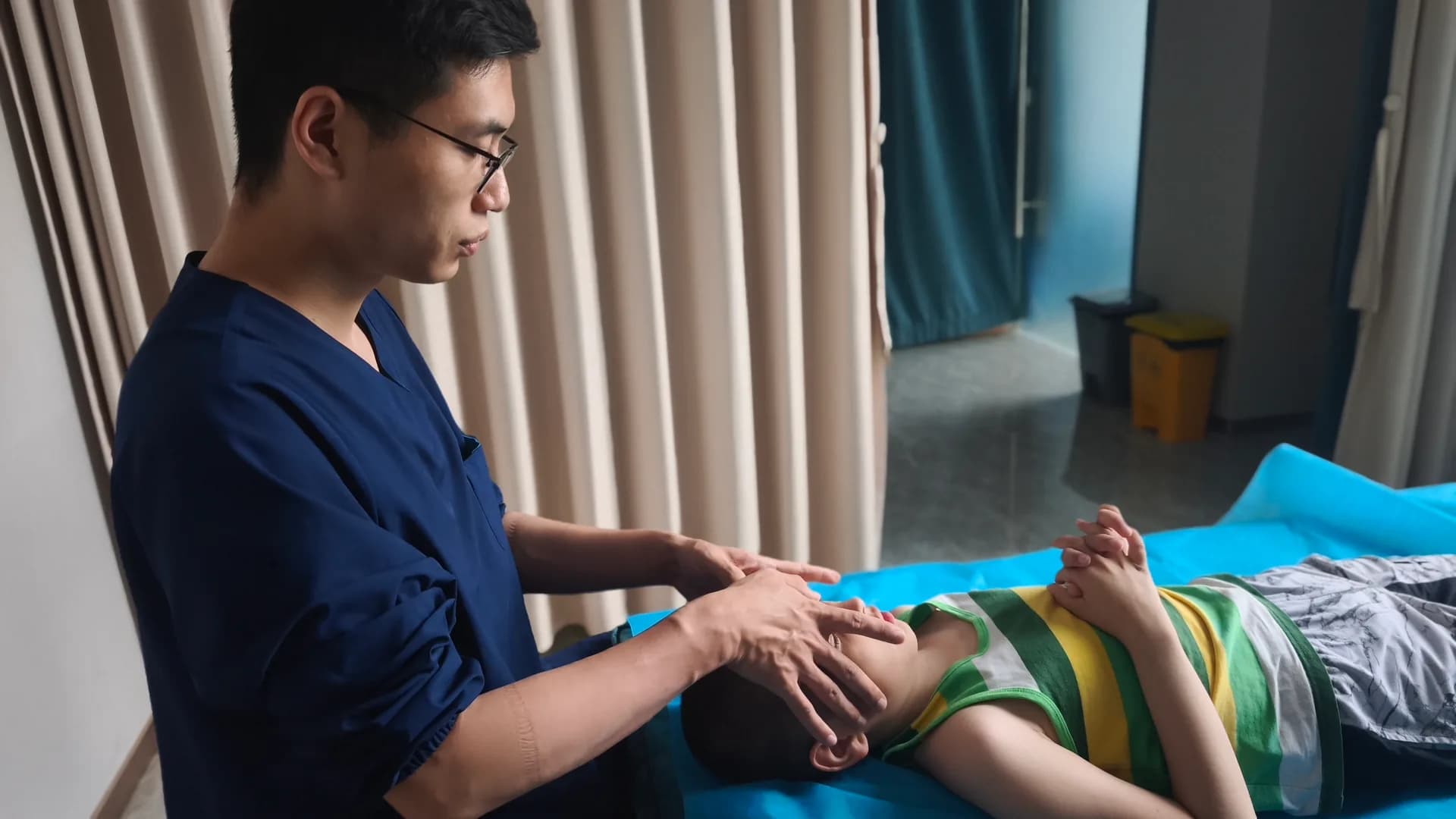
An H&B Neurolife practitioner gives a child a pediatric Tui Na massage

Pediatric Tui Na Massage (推拿)

Purely manual, non-pharmacological TCM method: professional techniques on specific body points to restore channel flow and harmonize qi and blood.

30–40 minutes
1–3 courses
Learn more
FAQ

Frequently asked questions: Self-injurious behavior

Book a free consultation

Leave a short request — a coordinator will contact you within 24 hours, answer your questions and suggest the first steps.

Leave a request

We use cookies and analytics to improve the website experience. Privacy Policy