
Speech Developmental Delay
Also known as: SDD, Speech delay, Late talker, Minimal speech
Speech developmental delay program for children aged 1–14 years at Hanshi NeuroLife (Shangrao). A tiered model «comprehension → expression → application»: from zero to functional communication and dialogue, anchored in oral-motor foundations and biomedical support.
What is Speech Developmental Delay?
Speech developmental delay (SDD) is a delay in the child's development of receptive and expressive language relative to age norms. The range of manifestations is broad: from complete absence of speech and minimal vocabulary to echolalia, unclear articulation, weak comprehension of instructions, and inability to sustain dialogue. In some children, speech delay occurs in isolation; in others — as part of global developmental delay or together with ASD, cerebral palsy, sequelae of encephalopathy, or oral-motor impairments.
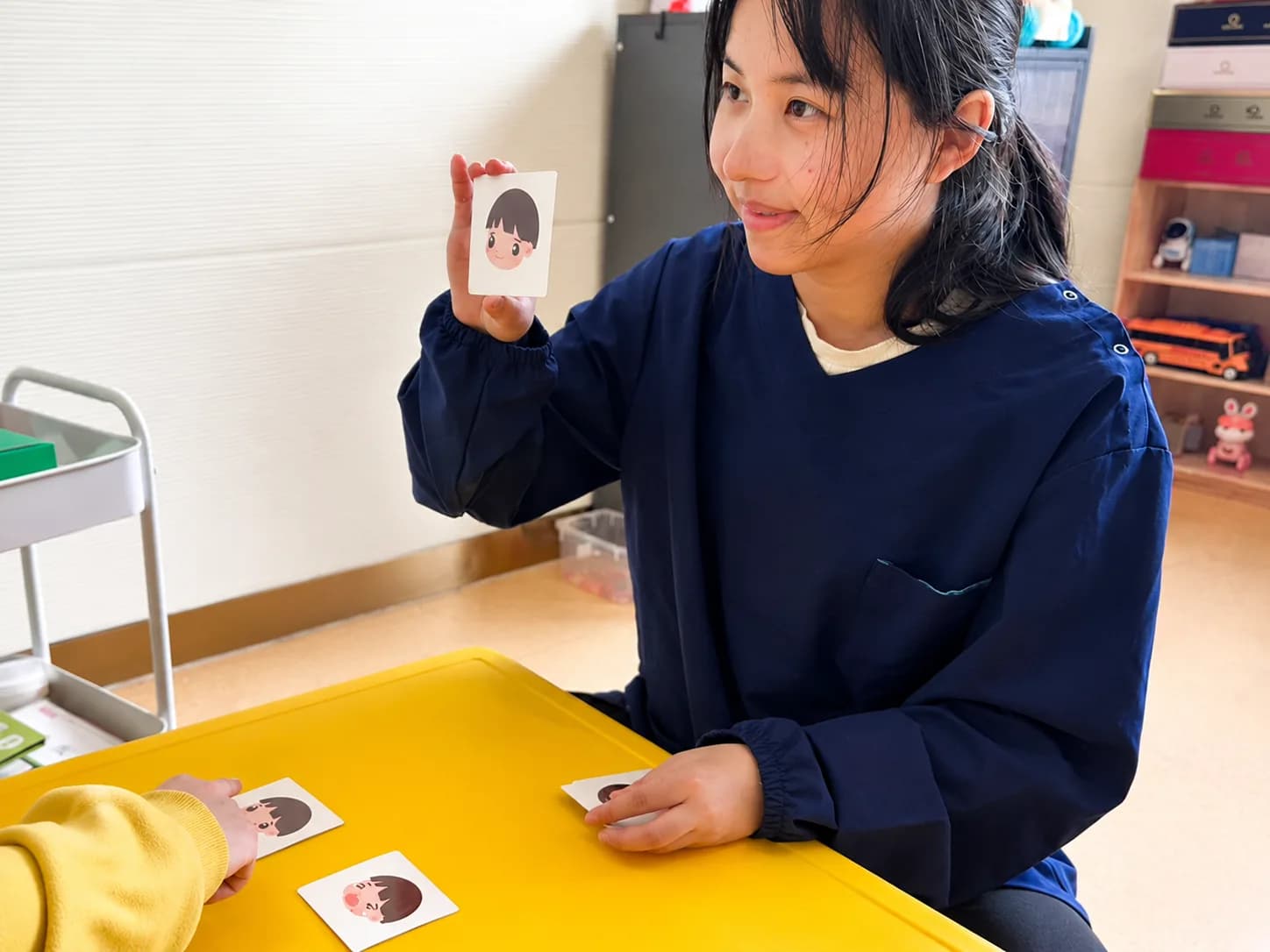
At Hanshi NeuroLife International Rehabilitation Center (Shangrao), the SDD program is built on a tiered model: the child progresses along the chain «comprehension → expression → application». At the basic level — building motivation for communication, understanding simple instructions, expressing needs through gestures, sounds, and pictures (including the PECS system for non-verbal children), first imitations and naming. At the intermediate level — assembling words into sentences, basic grammar, correcting inversions and poor vocabulary. At the advanced level — dialogue skills, narrative, and social speech.
Anchored in Oral-Motor and Biomedical Foundations
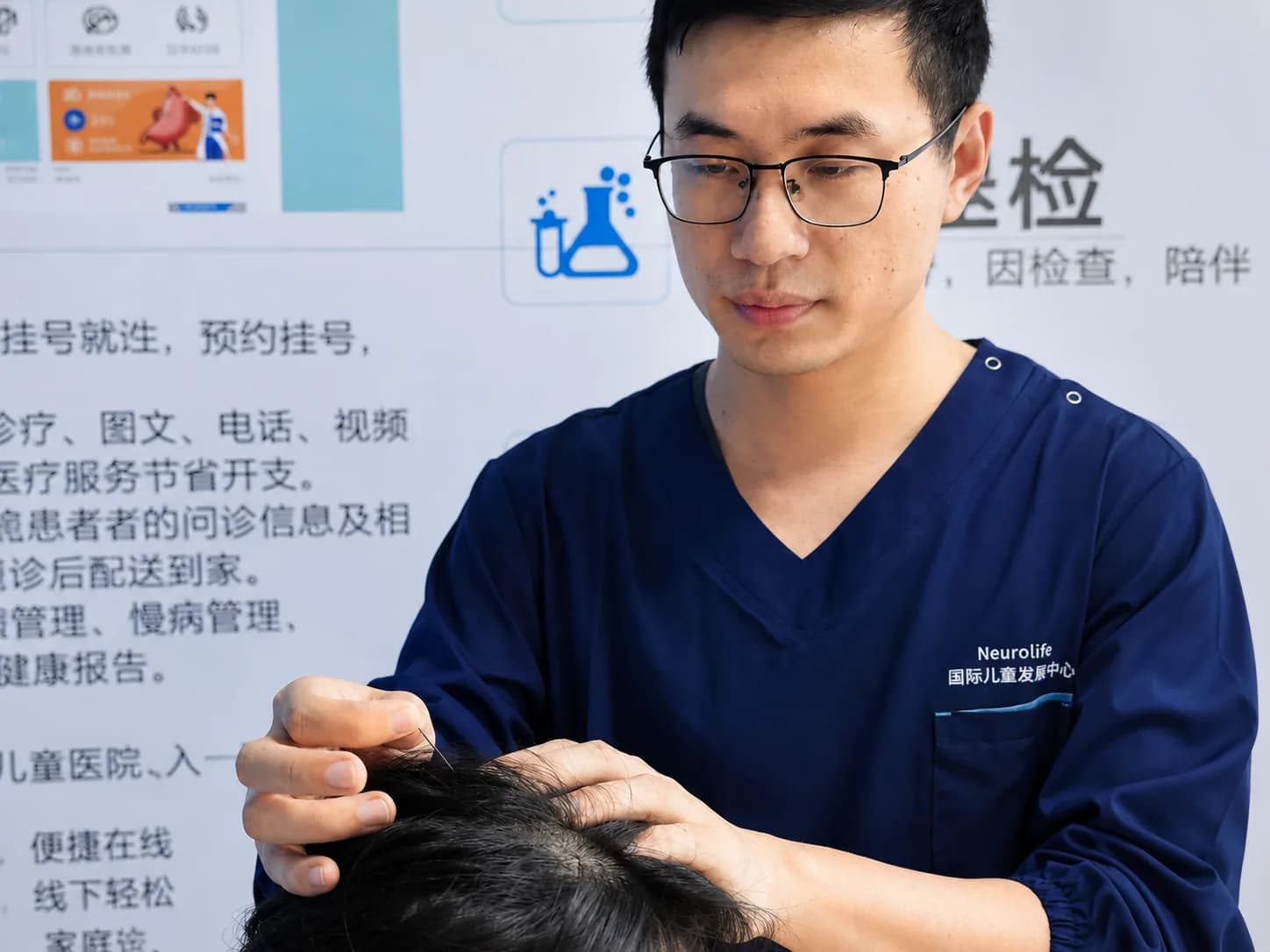
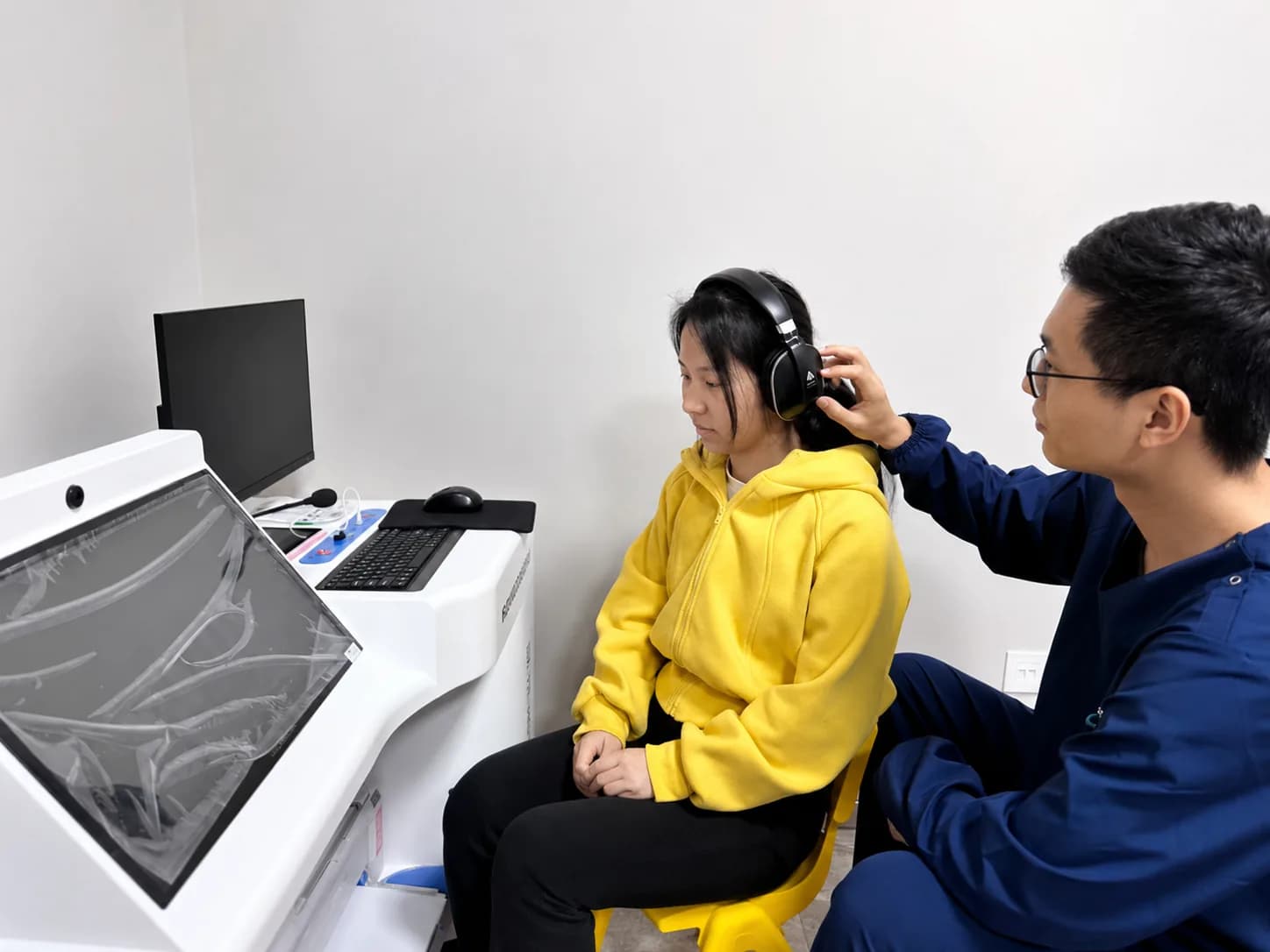
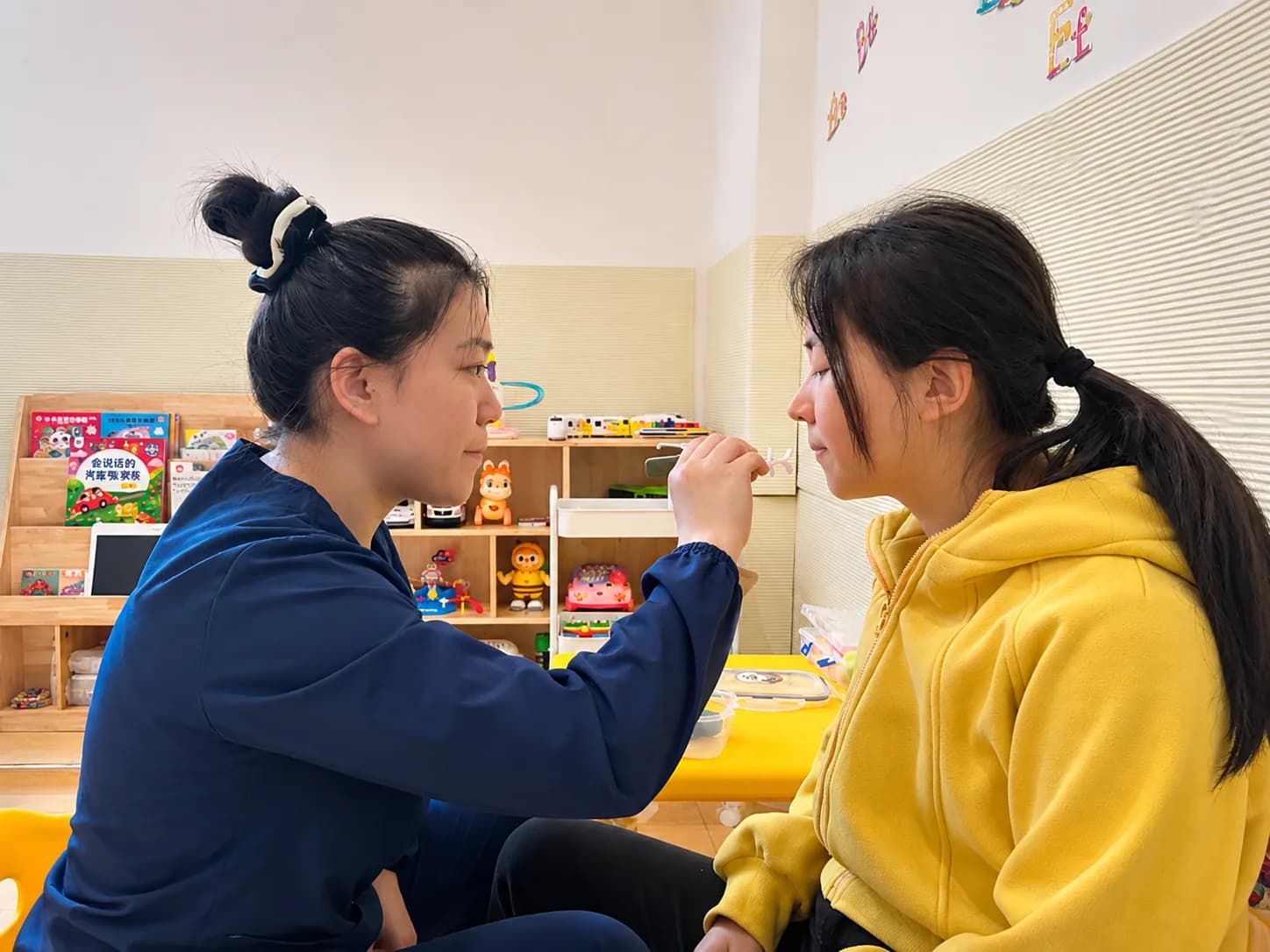
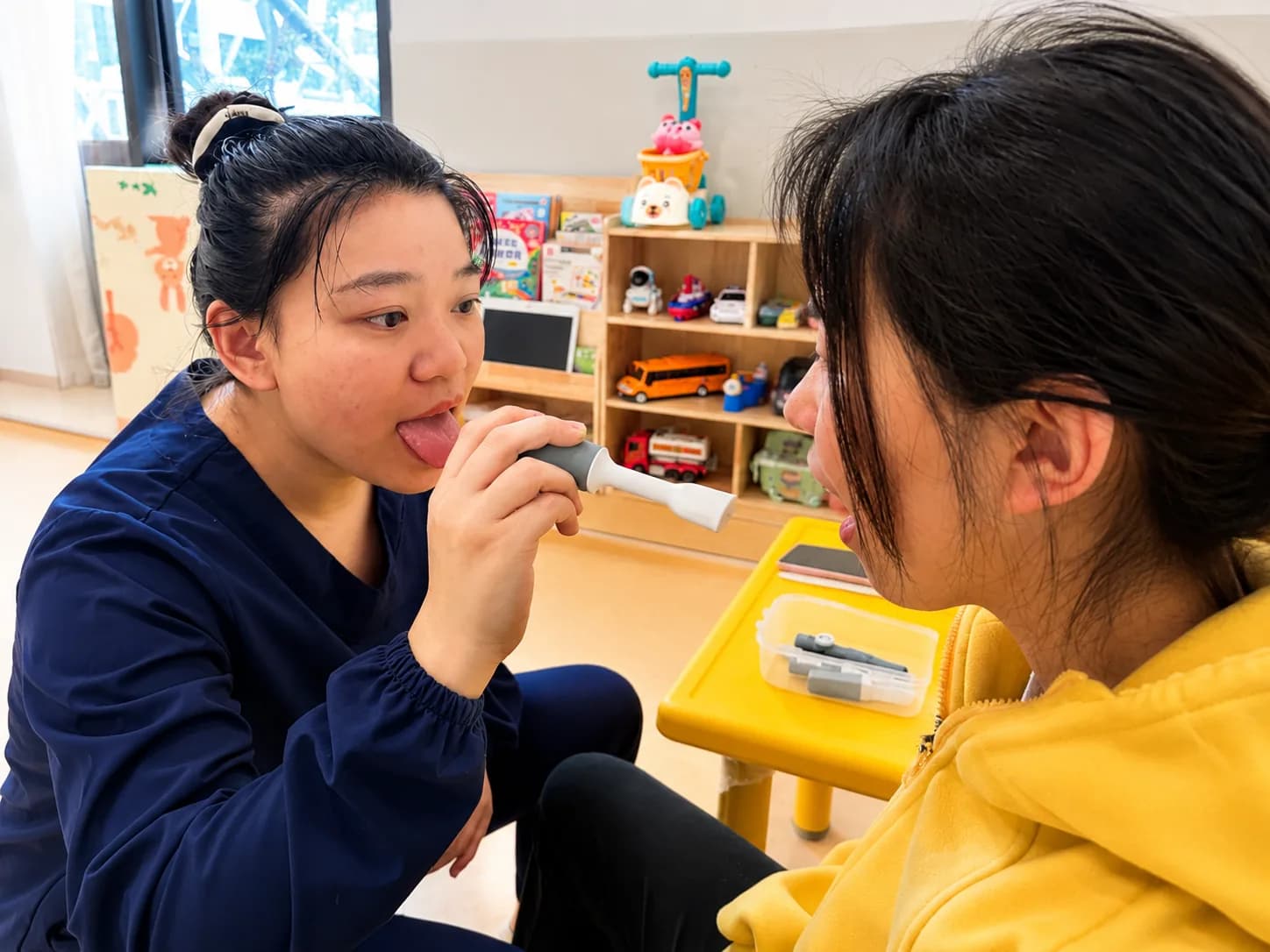
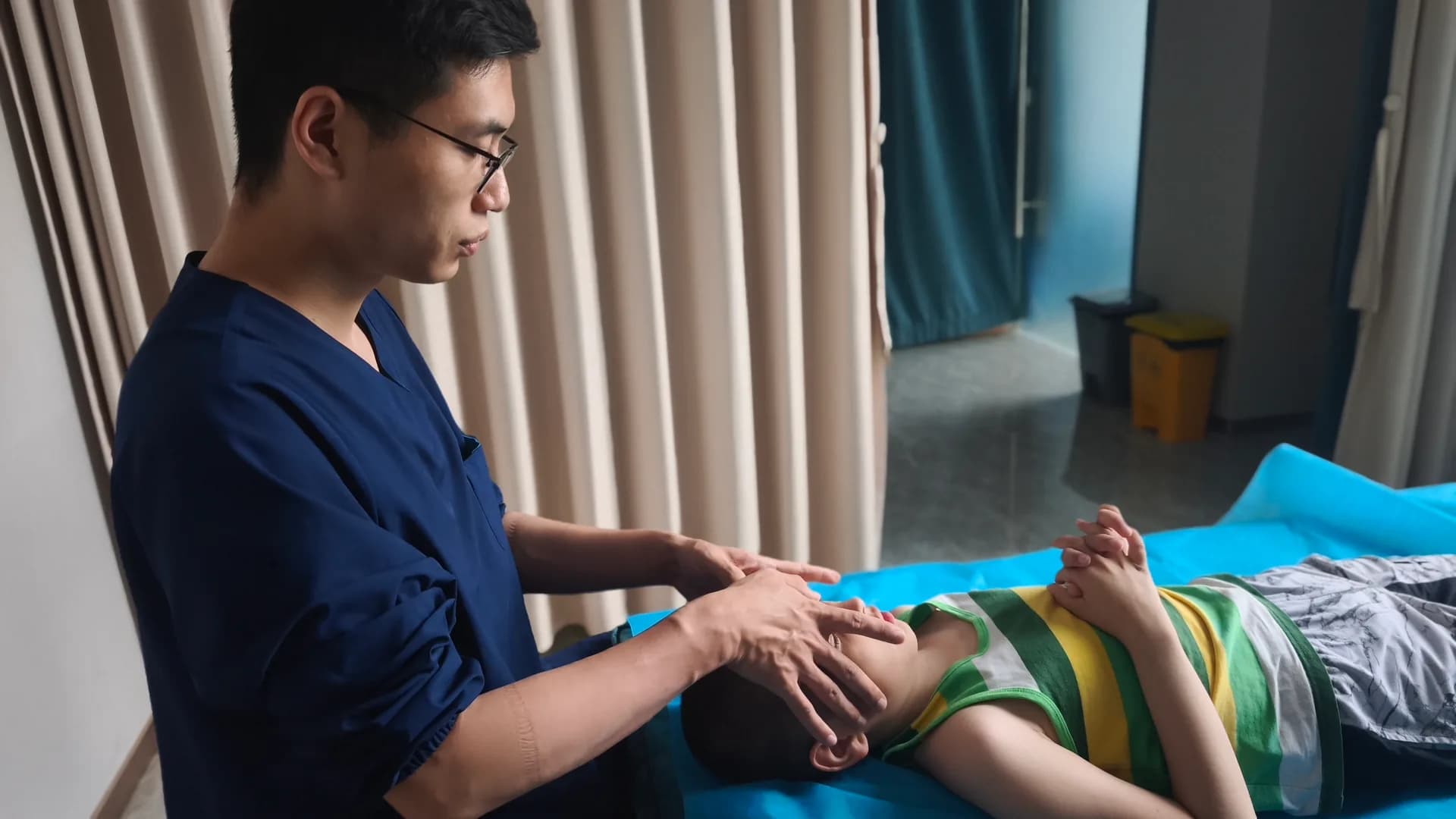
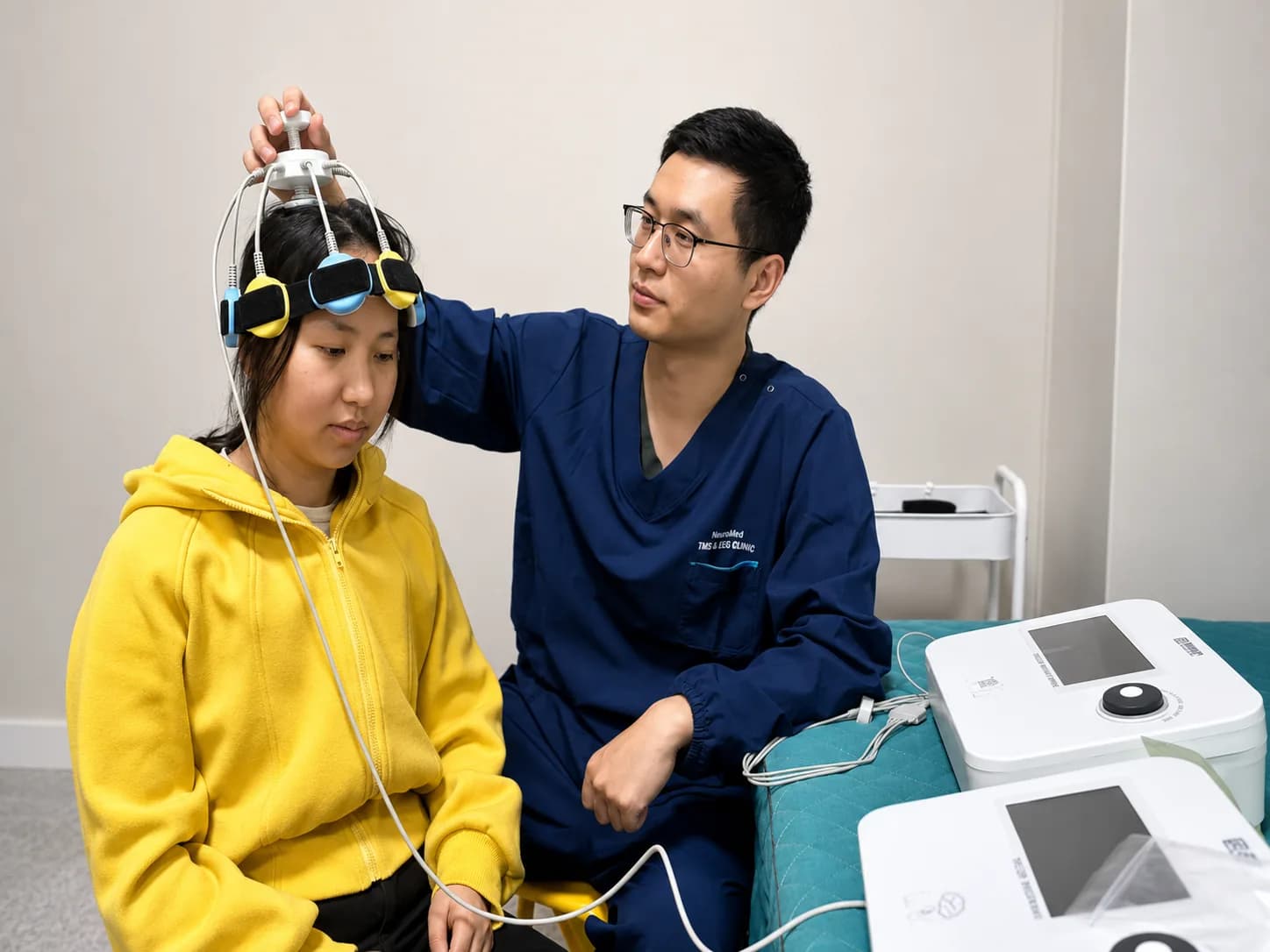
Speech does not arise «in the head» — it has a physiological basis: the strength and coordination of the muscles of the mouth, lips, tongue, and soft palate. That is why oral-motor therapy runs in parallel with speech therapy: professional manual techniques and play-based tools (puppets, whistles, oral-motor sticks) activate oral perception and build muscle strength. Where indicated, the program adds TMS (enhancing cortical speech areas), Tomatis auditory integration (for children with auditory processing difficulties), pediatric acupuncture, and Tui Na massage. Biomedical support is determined by the attending physician.
When to Seek Help
If at 16 months the child does not say a single word, at 18 months does not use a pointing gesture, or does not respond to their own name despite intact hearing — this is reason to consult a specialist promptly. Early intervention is critical: the sooner work on speech begins, the greater the child's chance of reaching functional communication and dialogue.
Causes
Linked to perinatal CNS injury, auditory processing features, weak oral-motor foundations, and sensory integration disorders. In children with ASD it is part of the core communication impairment.
Symptoms
Absent or minimal speech, echolalia, poor vocabulary, unclear articulation, and weak comprehension of instructions. Drooling and chewing or swallowing difficulties often co-occur.
Assessment
Uses the S-S Method of speech assessment, the Gesell Scale, PEP, and oral-motor evaluation. The child's level determines the program level.
Prognosis and Treatment Approach
The course builds a chain of «comprehension → expression → application». Alongside it runs oral-motor therapy, with TMS, Tomatis, acupuncture, and Tui Na where indicated.
How we treat Speech Developmental Delay
Diagnostics
Comprehensive examination and patient assessment by an international team of specialists
Treatment plan
Development of an individual rehabilitation program considering diagnosis specifics
Therapy
Intensive course of procedures: physical therapy, massage, physiotherapy, acupuncture and other methods
Results
Progress evaluation, home recommendations and maintenance therapy plan
Treatment procedures: Speech Developmental Delay
Doctors treating this condition












Frequently asked questions: Speech Developmental Delay
Book a free consultation
Leave a short request — a coordinator will contact you within 5 minutes, answer your questions and suggest the first steps.