
Stereotypies and repetitive behavior
Also known as: Stereotypies, Repetitive behavior, Self-stimulation, Stims
Program for the correction of stereotyped and repetitive behavior in children aged 1–14 years at the Hanshi NeuroLife center (Shangrao). Sensory integration, ABA, DIR/Floortime, TMS, and TCM methods — addressing causes, not only manifestations.
What is Stereotypies and repetitive behavior?
Stereotyped and repetitive behavior consists of monotonous movements, actions, or rituals that the child performs regularly: rocking, hand-flapping, toe-walking, tapping, vocalizations, lining up toys, spinning wheels, ritualistic actions. Stereotyped behavior is most characteristic of ASD — one of the core features of the disorder. It also occurs in sensory dysregulation (especially hyposensitivity, when the child "seeks" sensory input), in anxiety states, and in post-encephalopathic conditions. It is important to understand: stereotypies often serve the child a self-regulation function — a way to cope with sensory overload, anxiety, or sensory hunger.
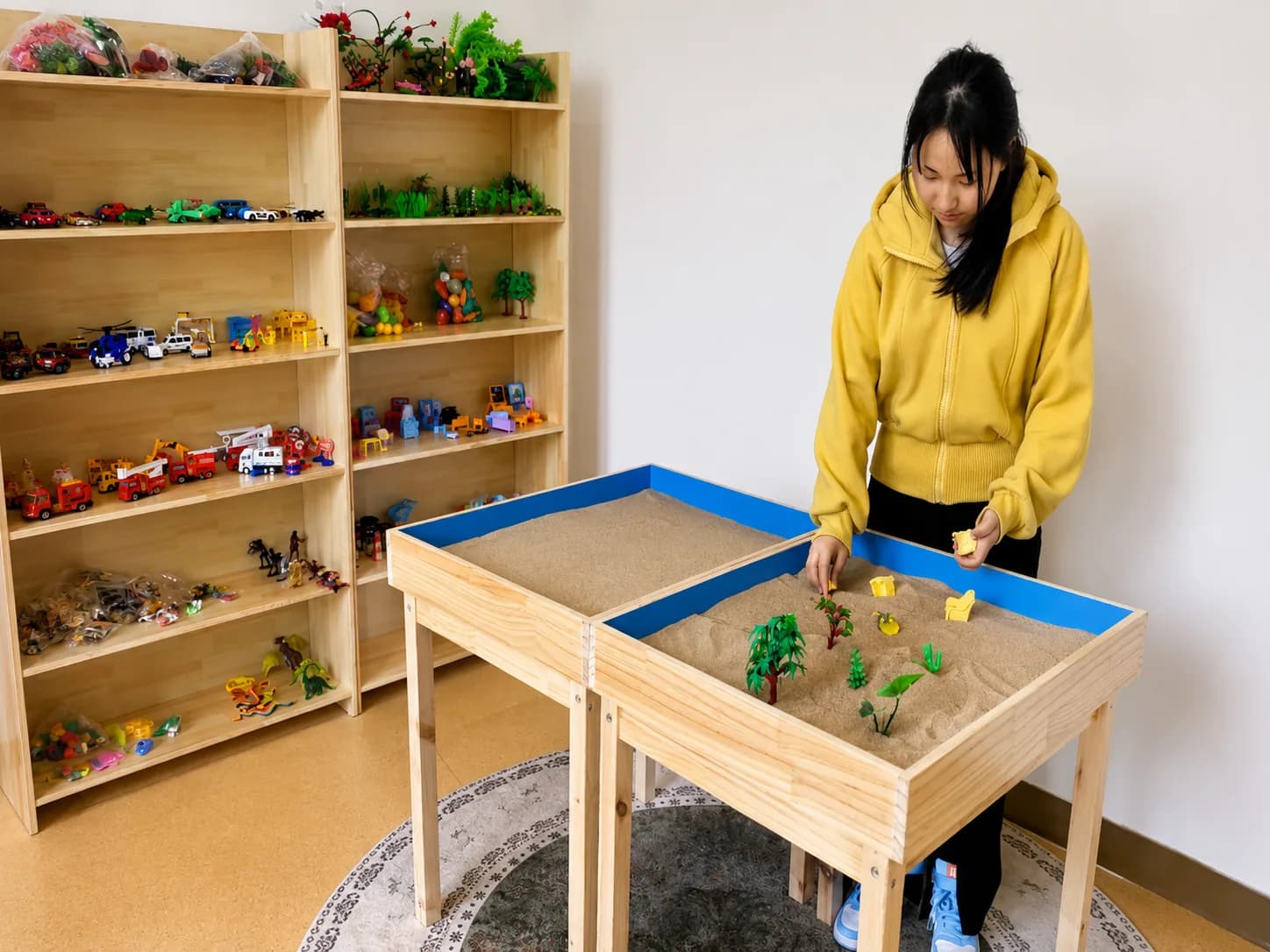
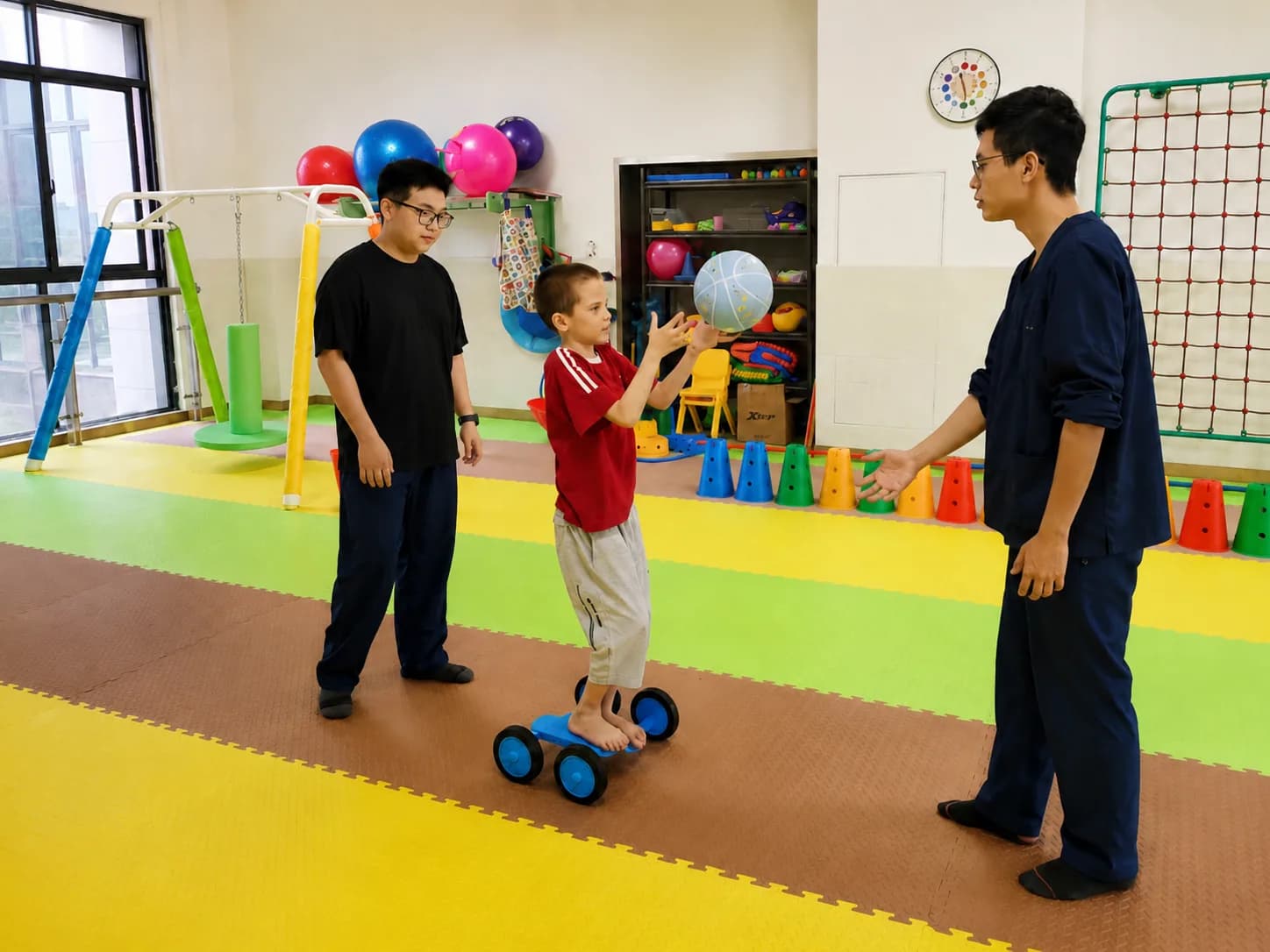
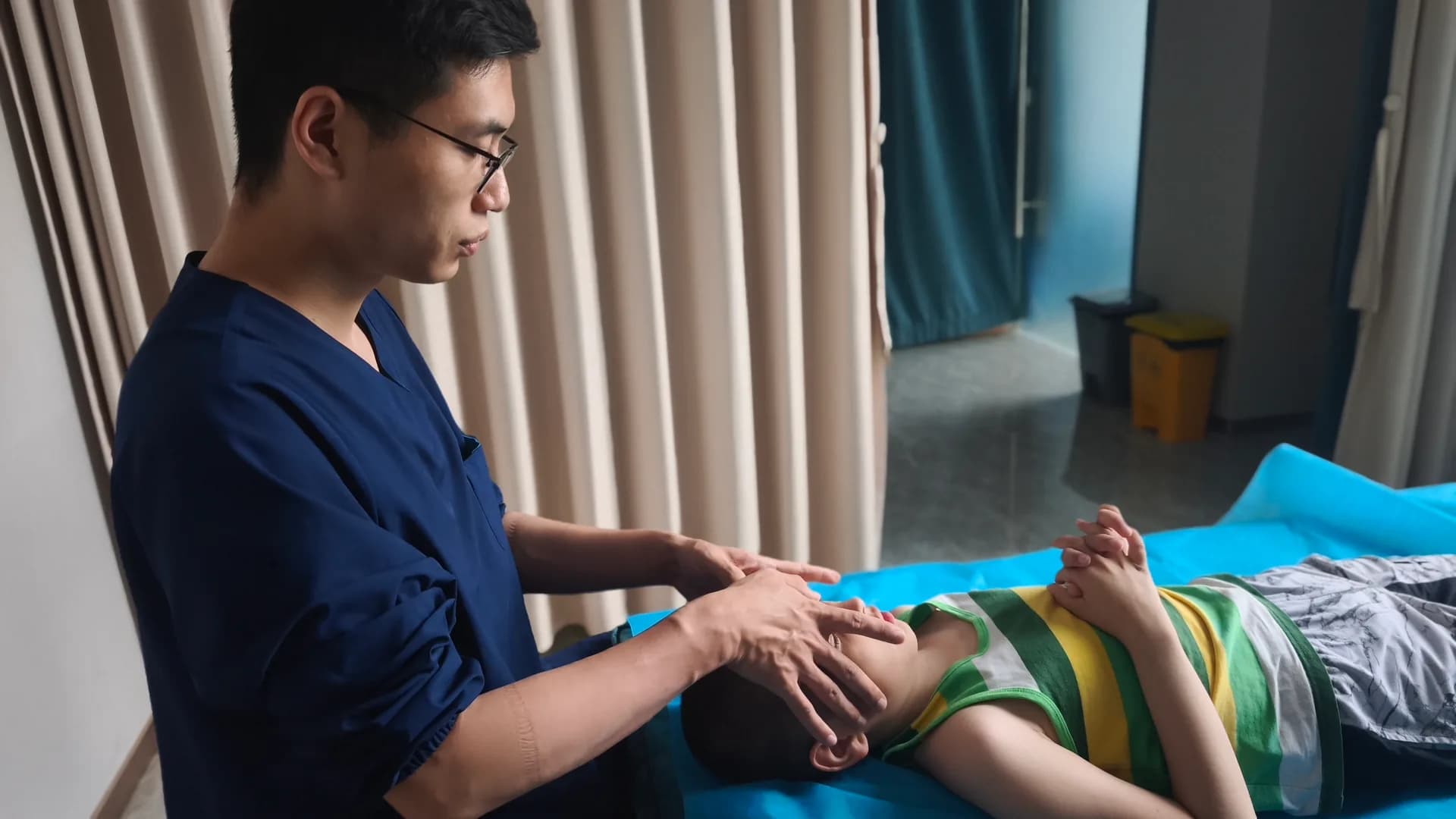
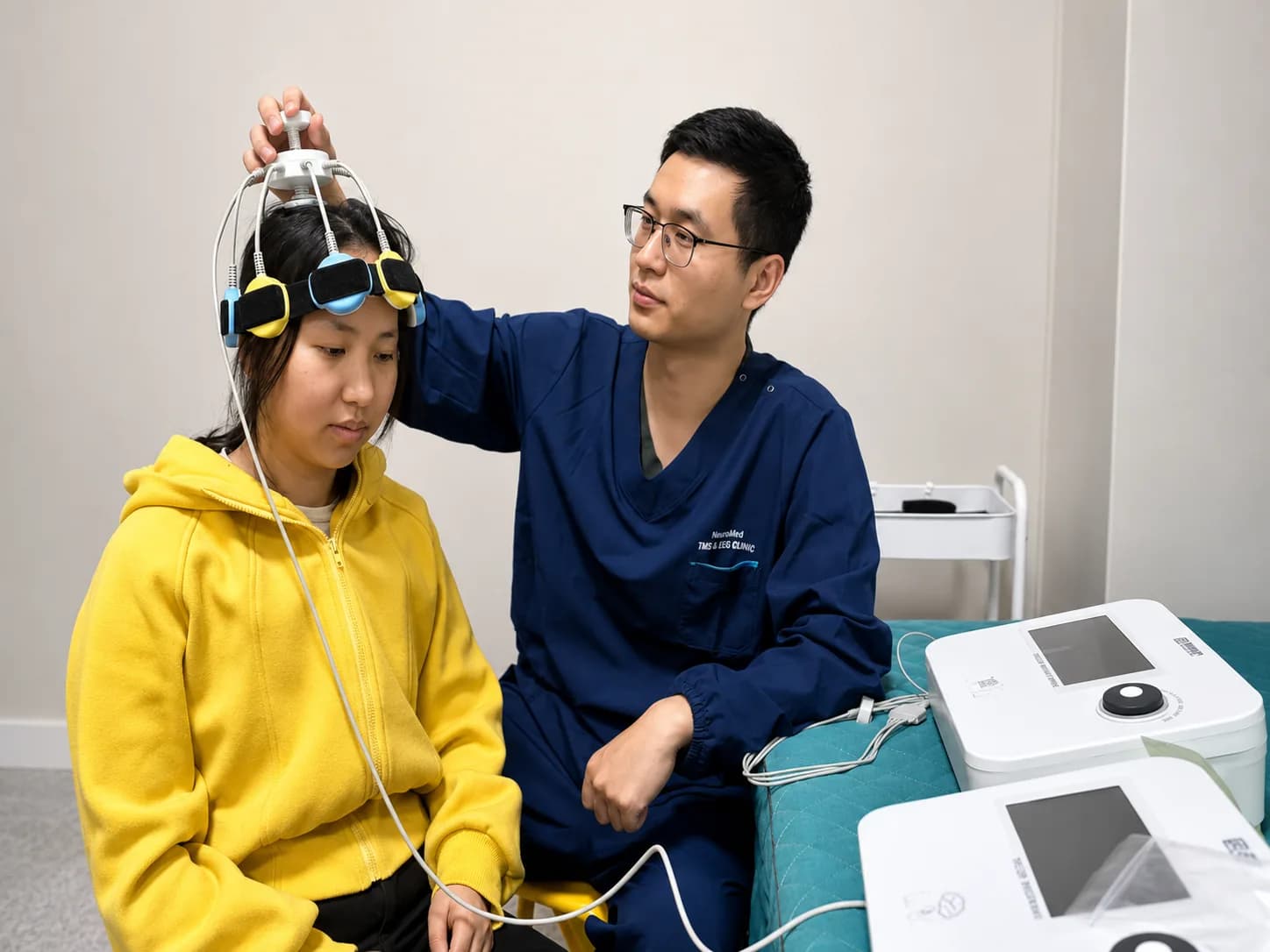
At the Hanshi NeuroLife International Rehabilitation Center (Shangrao), the program for stereotyped behavior is built not on forced suppression but on understanding the function of the stereotypy and shaping alternative adaptive behavior that responds to the same need. The core direction is sensory integration: through adequate sensory input (vestibular, proprioceptive, tactile), the child receives the needed sensations in an adaptive form, and the need for stims gradually decreases. ABA systematically shapes alternative behavior through positive reinforcement. DIR/Floortime builds on interest and emotional connection. TMS addresses cortical regulation. Pediatric acupuncture and Tui Na massage complement the program. For pronounced stereotypies affecting adaptation, medication support may be considered per the physician's decision.
What parents should know
Forced suppression of stereotypies usually leads to increased anxiety and transition to more complex manifestations. The program requires patience and consistency. Specialists teach parents how to recognize the function of a stereotypy in their specific child and how to support alternative strategies in everyday situations.
Causes
Most often a core feature of ASD. Also occurs in sensory dysregulation, anxiety, and post-encephalopathic states. It frequently serves the child as self-regulation.
Symptoms
Monotonous movements (rocking, hand-flapping, toe-walking, vocalizations), unusual play (lining up, spinning wheels), rituals, narrow interests, resistance to change.
Diagnostics
Professional scales (PEP; for ASD — ABC, Gesell) plus sensory integration assessment. The key is identifying the function of the stereotypy for the child — this shapes the approach.
Prognosis and treatment approach
The goal is not to suppress the stereotypy but to give the child alternative adaptive strategies. The core is sensory integration, alongside ABA, DIR/Floortime, TMS, and TCM methods.
How we treat Stereotypies and repetitive behavior
Diagnostics
Comprehensive examination and patient assessment by an international team of specialists
Treatment plan
Development of an individual rehabilitation program considering diagnosis specifics
Therapy
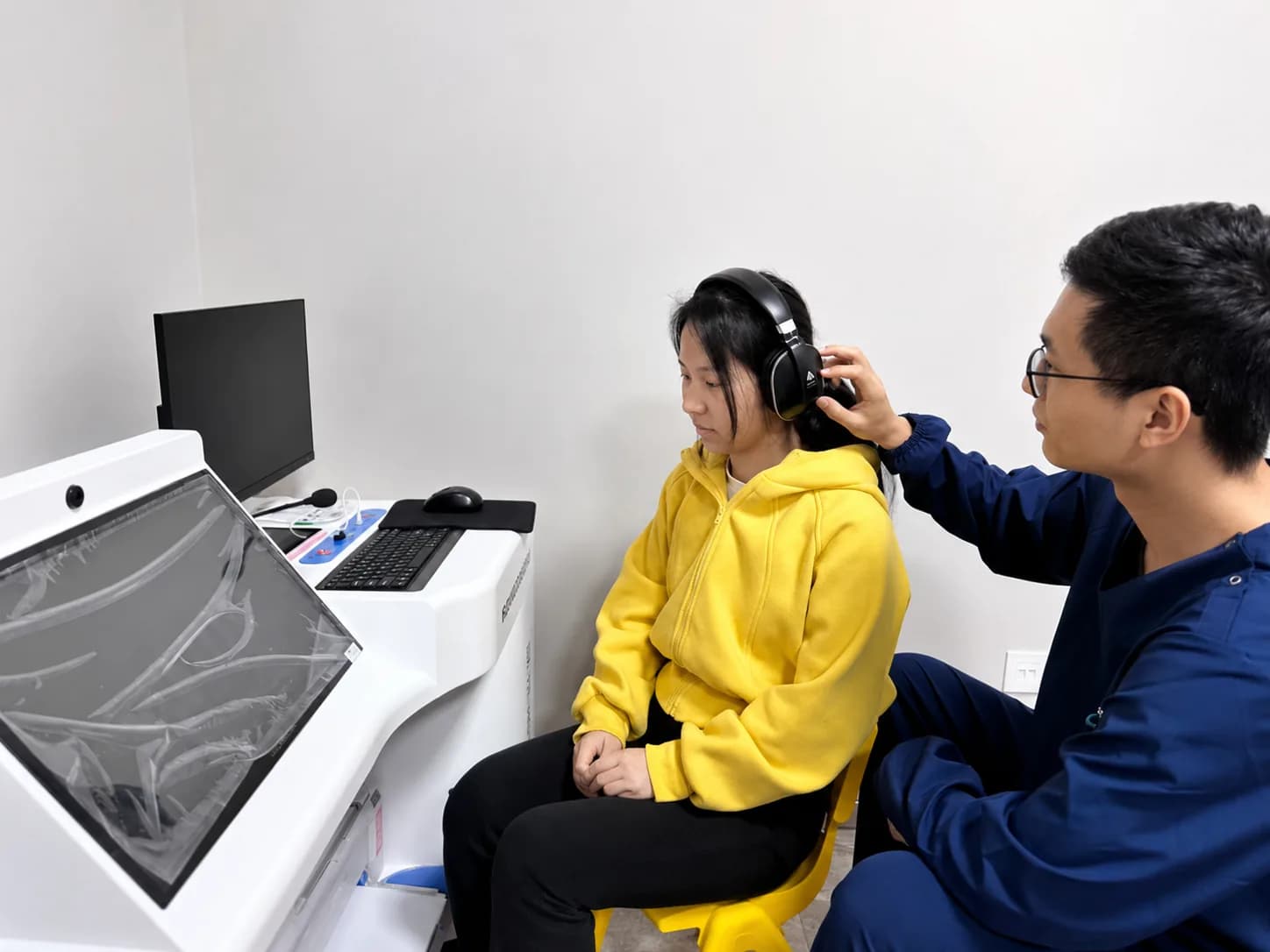
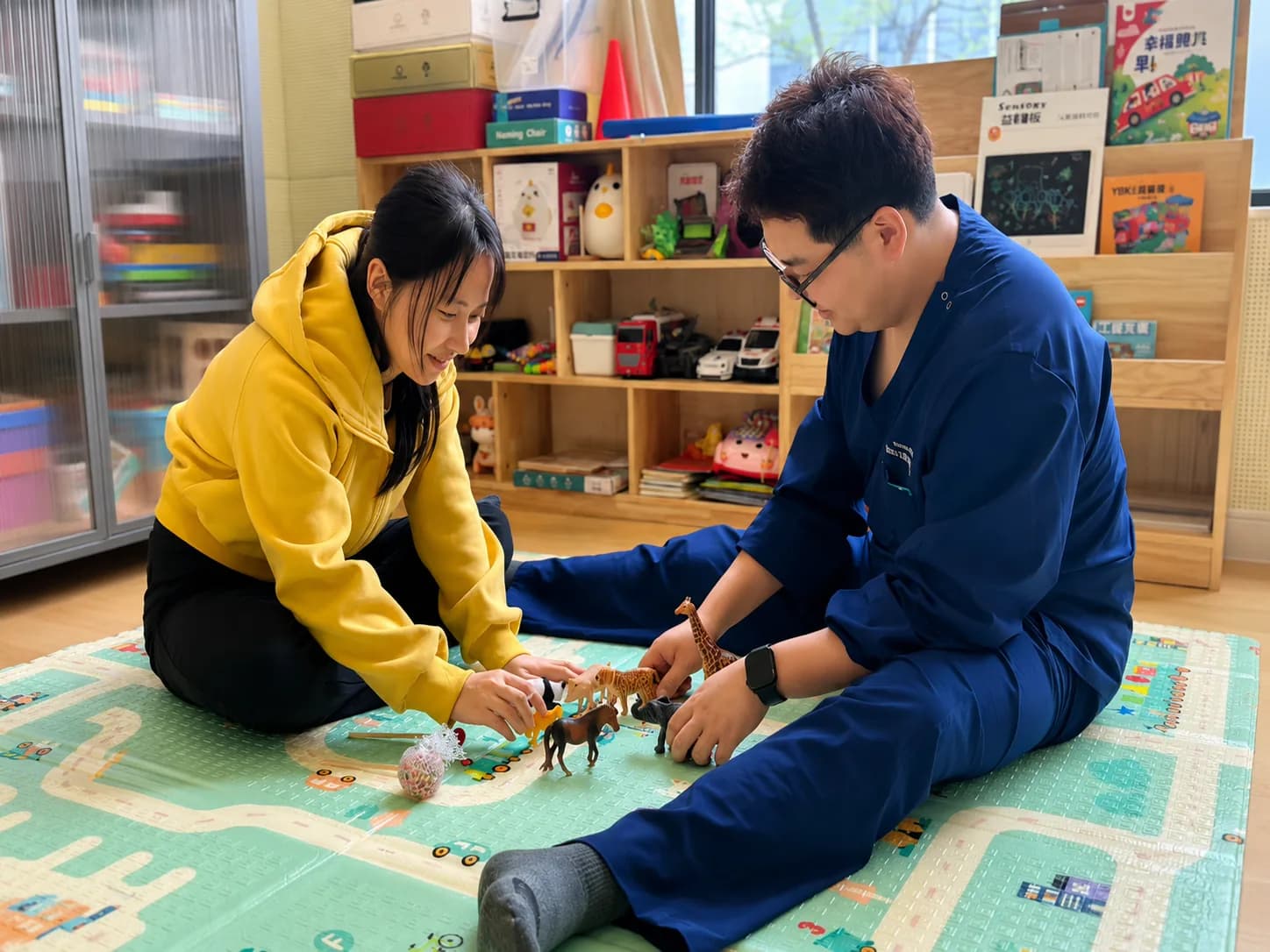
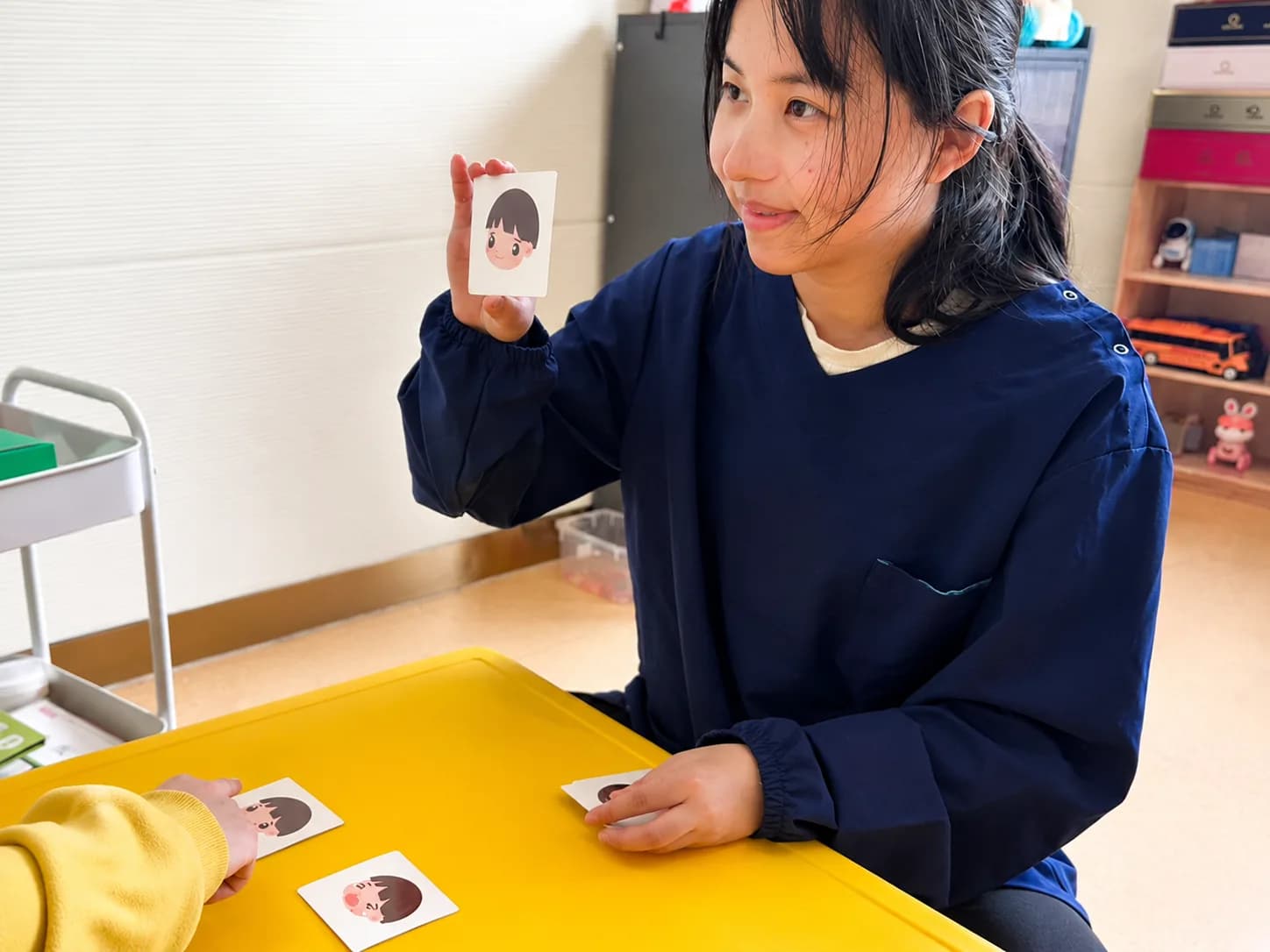
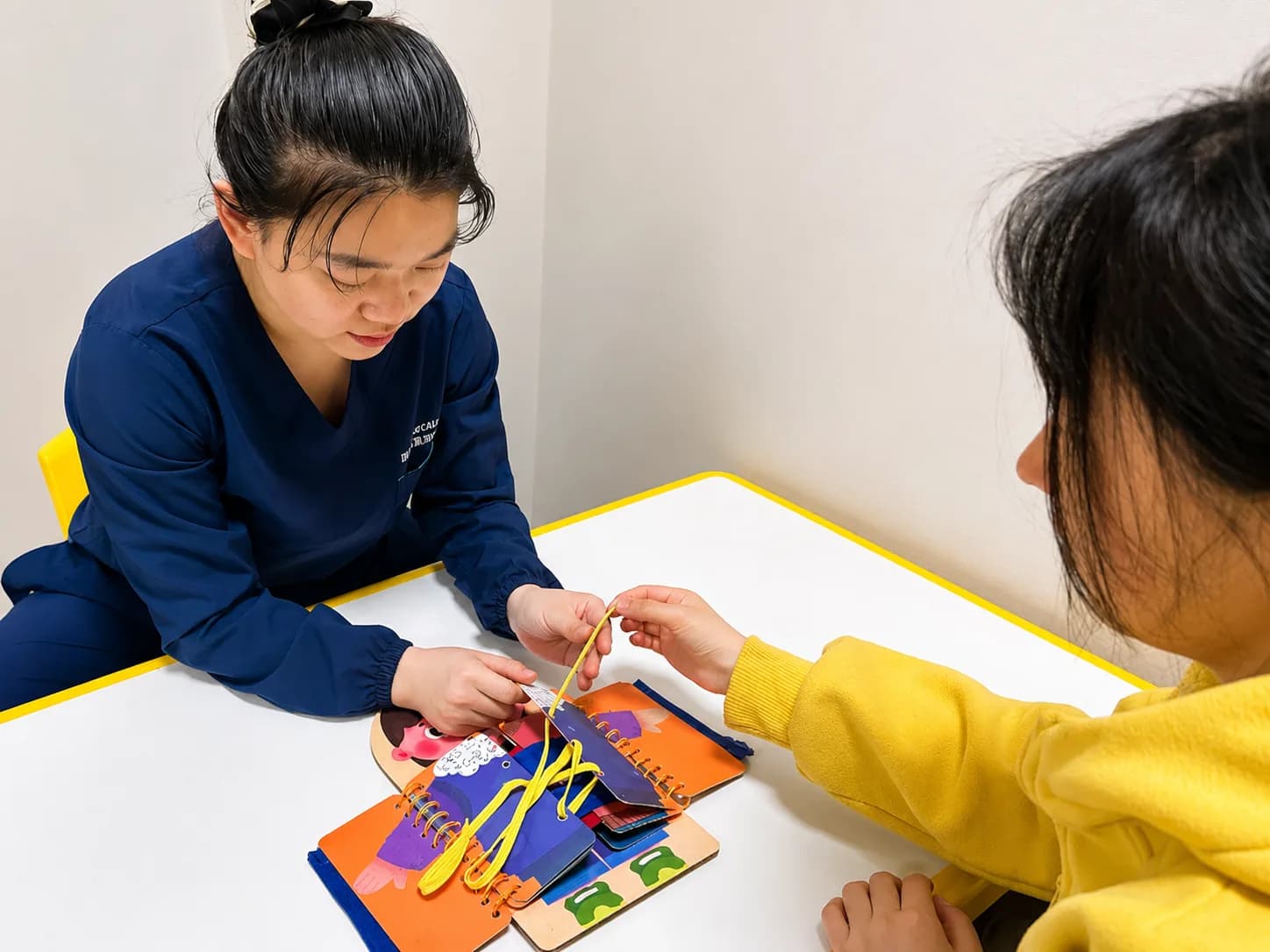
Intensive course of procedures: physical therapy, massage, physiotherapy, acupuncture and other methods
Results
Progress evaluation, home recommendations and maintenance therapy plan
Treatment procedures: Stereotypies and repetitive behavior

Doctors treating this condition


















Frequently asked questions: Stereotypies and repetitive behavior
Book a free consultation
Leave a short request — a coordinator will contact you within 5 minutes, answer your questions and suggest the first steps.