
Social Withdrawal and Lack of Interest in Interaction
Also known as: Social isolation, Being absorbed in oneself, Weak social motivation, Difficulty reading others' emotions and intentions
Program for social withdrawal and weak social motivation in children aged 1–14 years at the Hanshi NeuroLife center (Shangrao). Gentle play-based work: Floortime, PCI, Super Skills, Theory of Mind, sandplay therapy.
What is Social Withdrawal and Lack of Interest in Interaction?
Social withdrawal and lack of interest in interaction is a group of presentations in which the child is absorbed in themselves, does not seek out company, and is afraid of strangers. Frequently alongside are pronounced shyness and lack of confidence, difficulty reading facial expressions, gaze, and tone of voice, inability to take another's perspective, and literalness in communication. Withdrawal appears in ASD (weak social motivation is a characteristic feature of the disorder), in pronounced social anxiety, in sensory integration disorder (social situations cause sensory overload), and in depressive symptoms. It is important to distinguish primary withdrawal in ASD (no motivation) from social anxiety (motivation is present but fear interferes) — this determines program priorities.
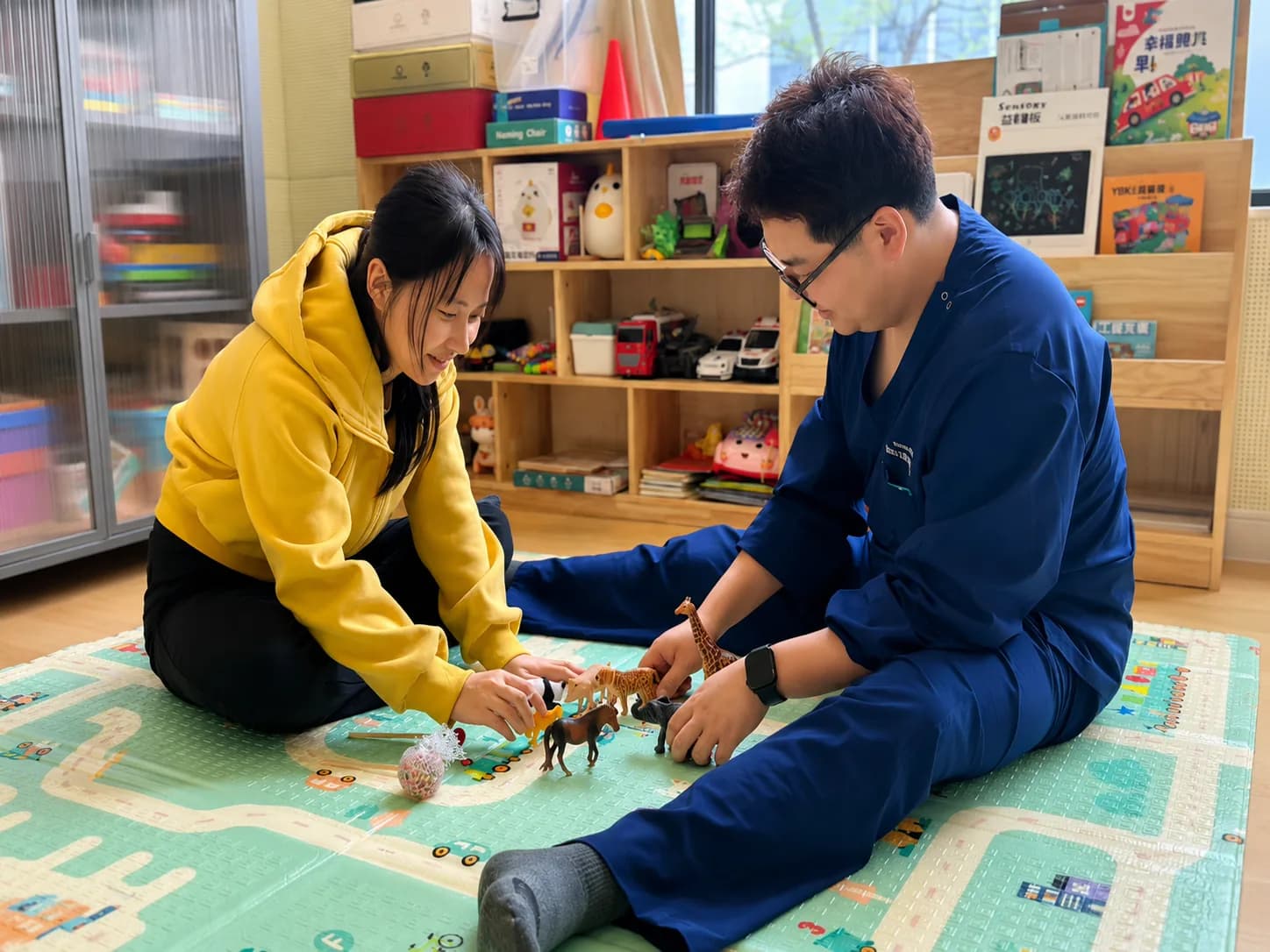
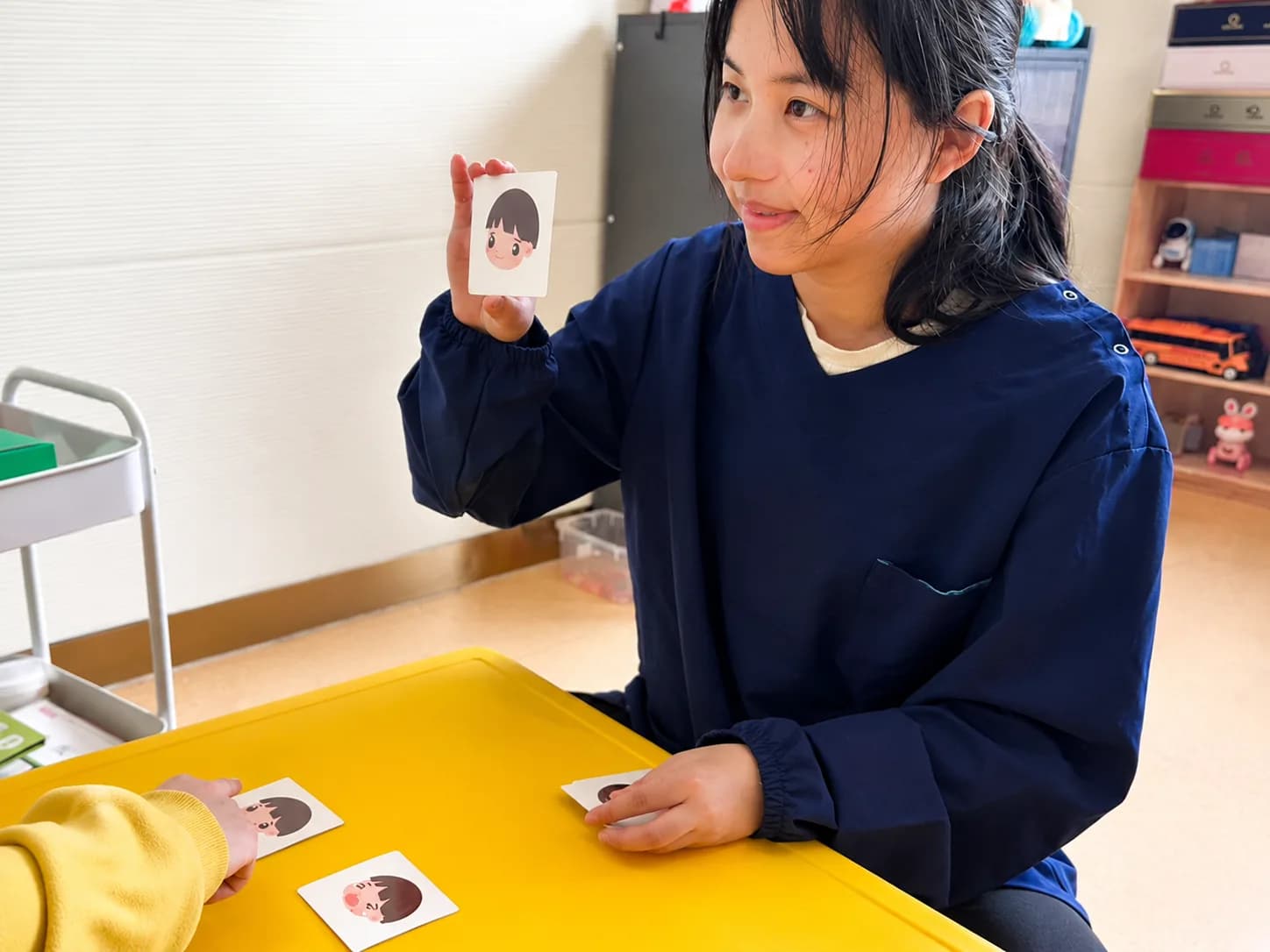
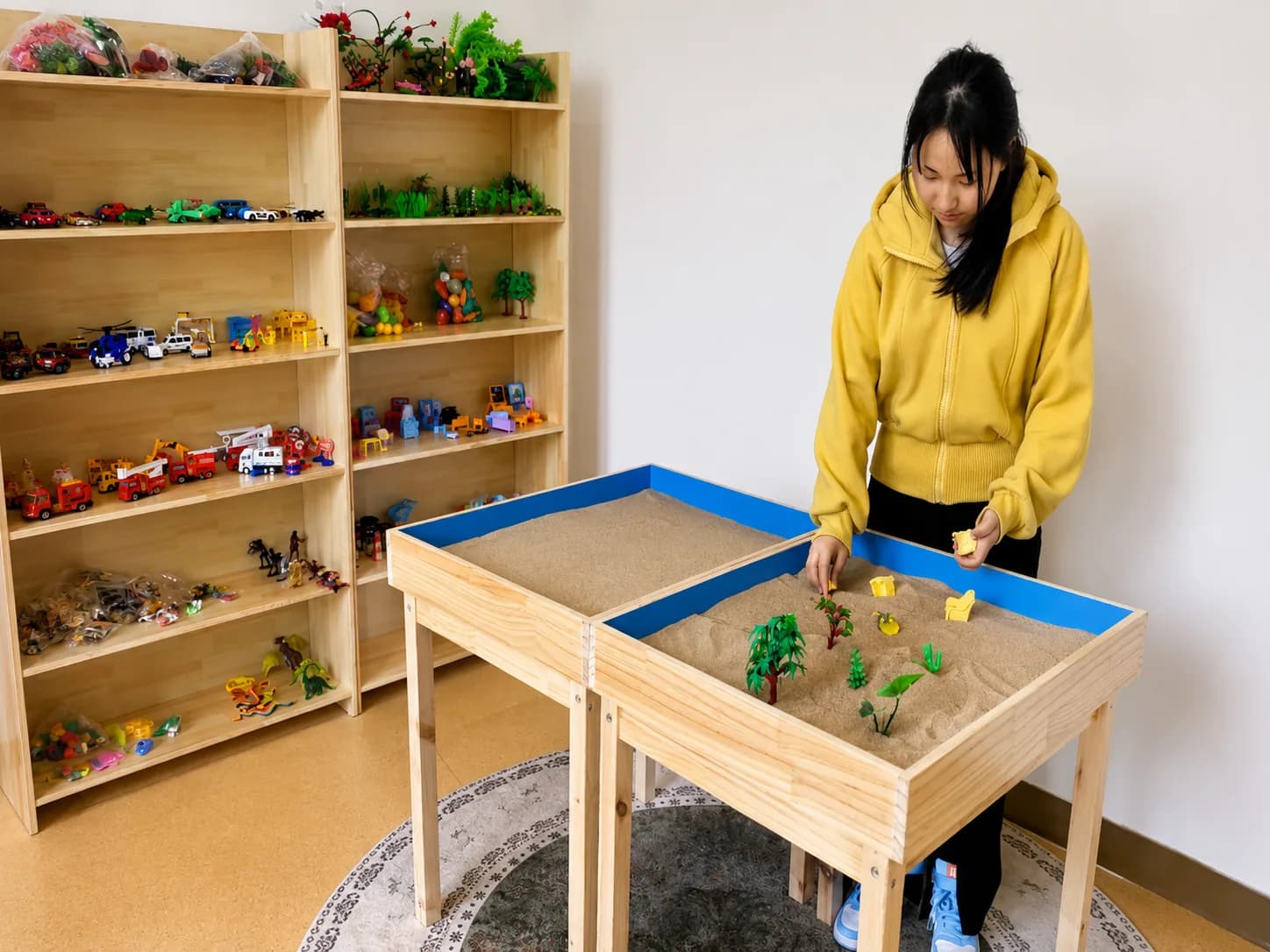
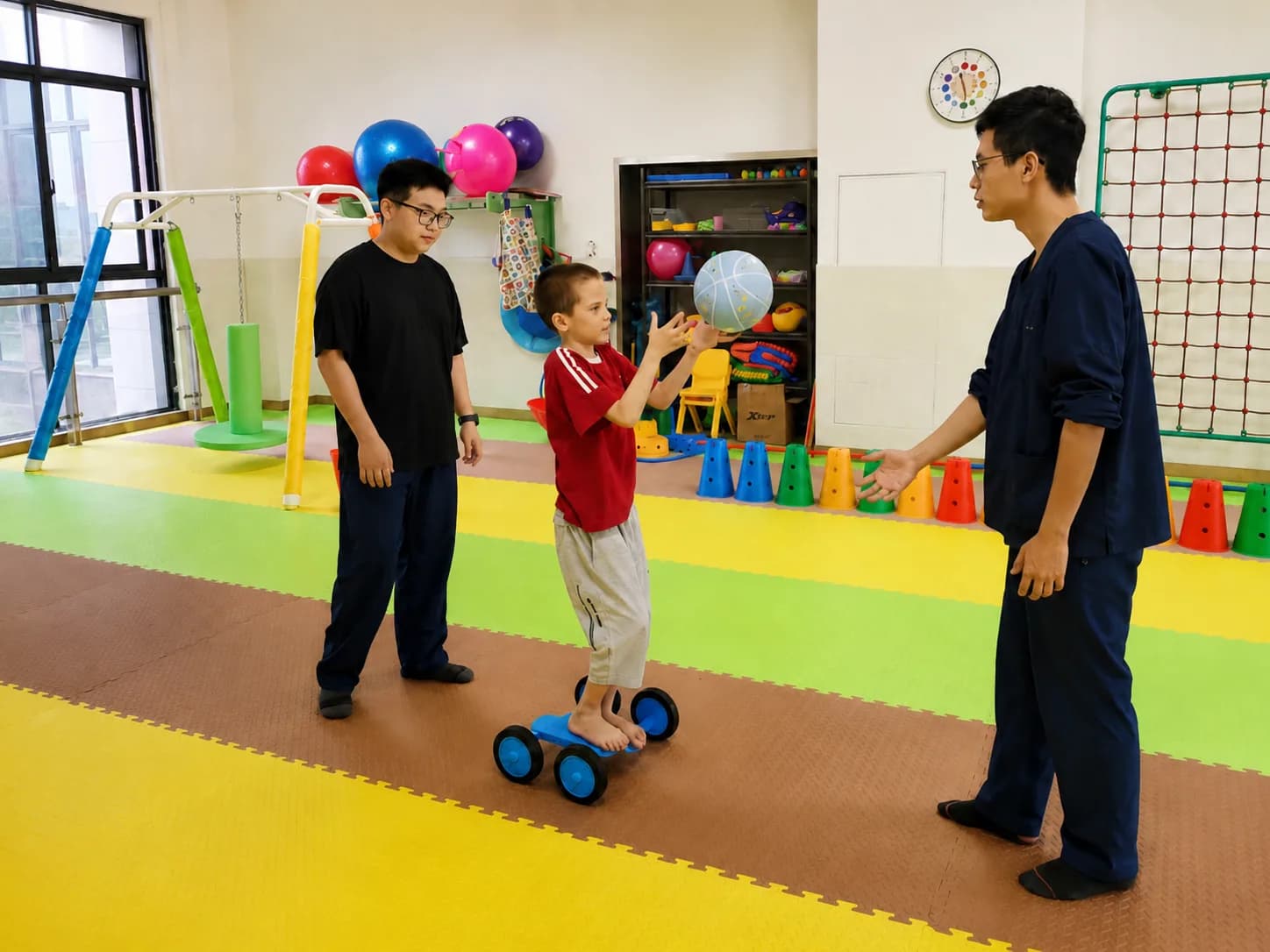
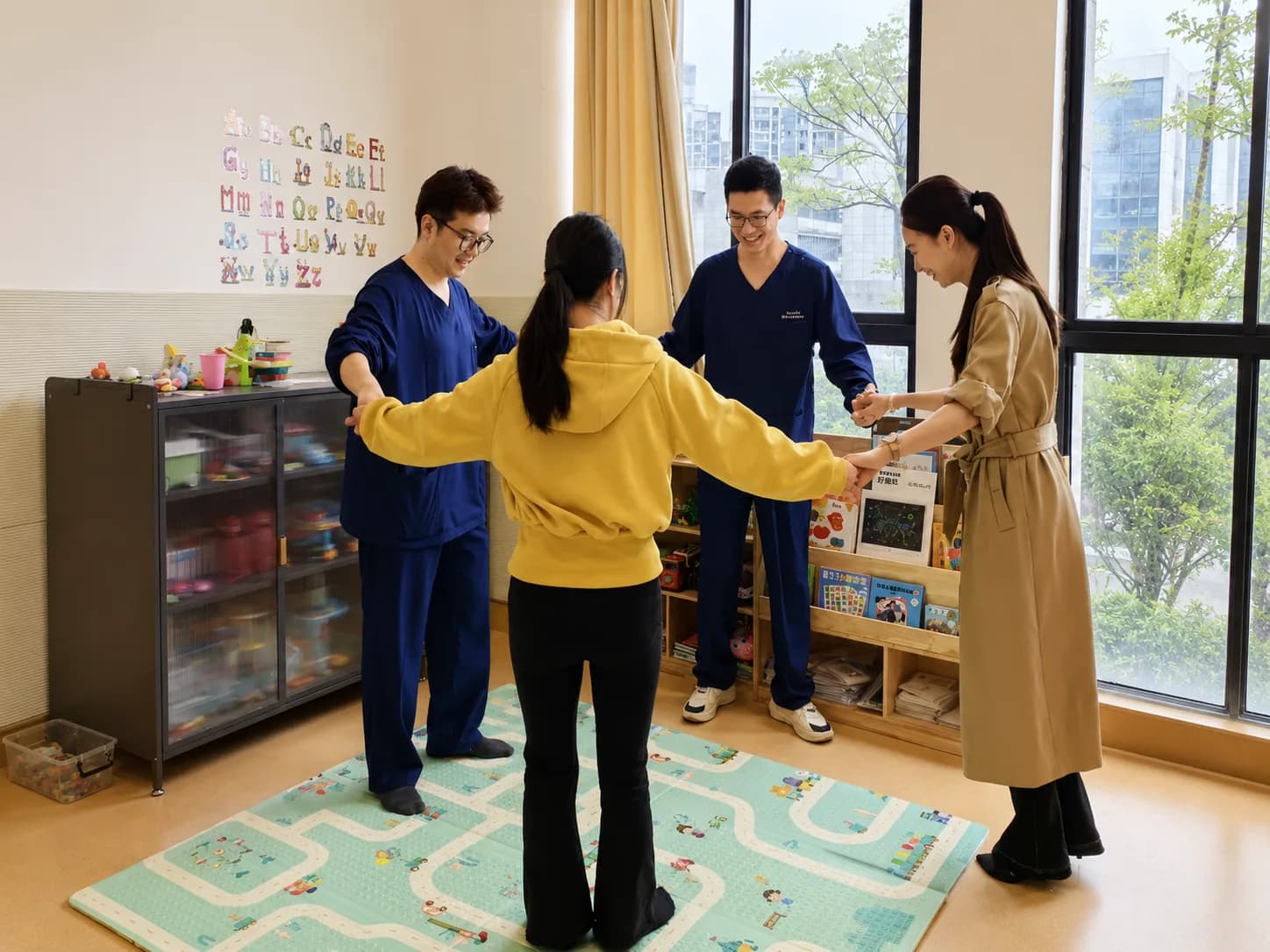
At Hanshi NeuroLife International Rehabilitation Center (Shangrao), the program for social withdrawal works gently, through building motivation for interaction rather than forced socialization. Floortime follows the child's interest and emotional connection — building trust as the foundation for gradual entry into social situations. PCI provides play interactions in real everyday scenarios. Super Skills offers staged training of social skills at stage O of the GROW program. Theory of Mind at advanced stages teaches children to read others' emotions and intentions — this lifts the "weight" of social situations. Sandplay therapy provides a non-verbal channel for working with emotional background. TEACCH (predictable environment) and sensory integration address comorbid anxiety and sensory integration disorder. In severe anxiety, medication support is considered by physician's decision.
What matters for parents
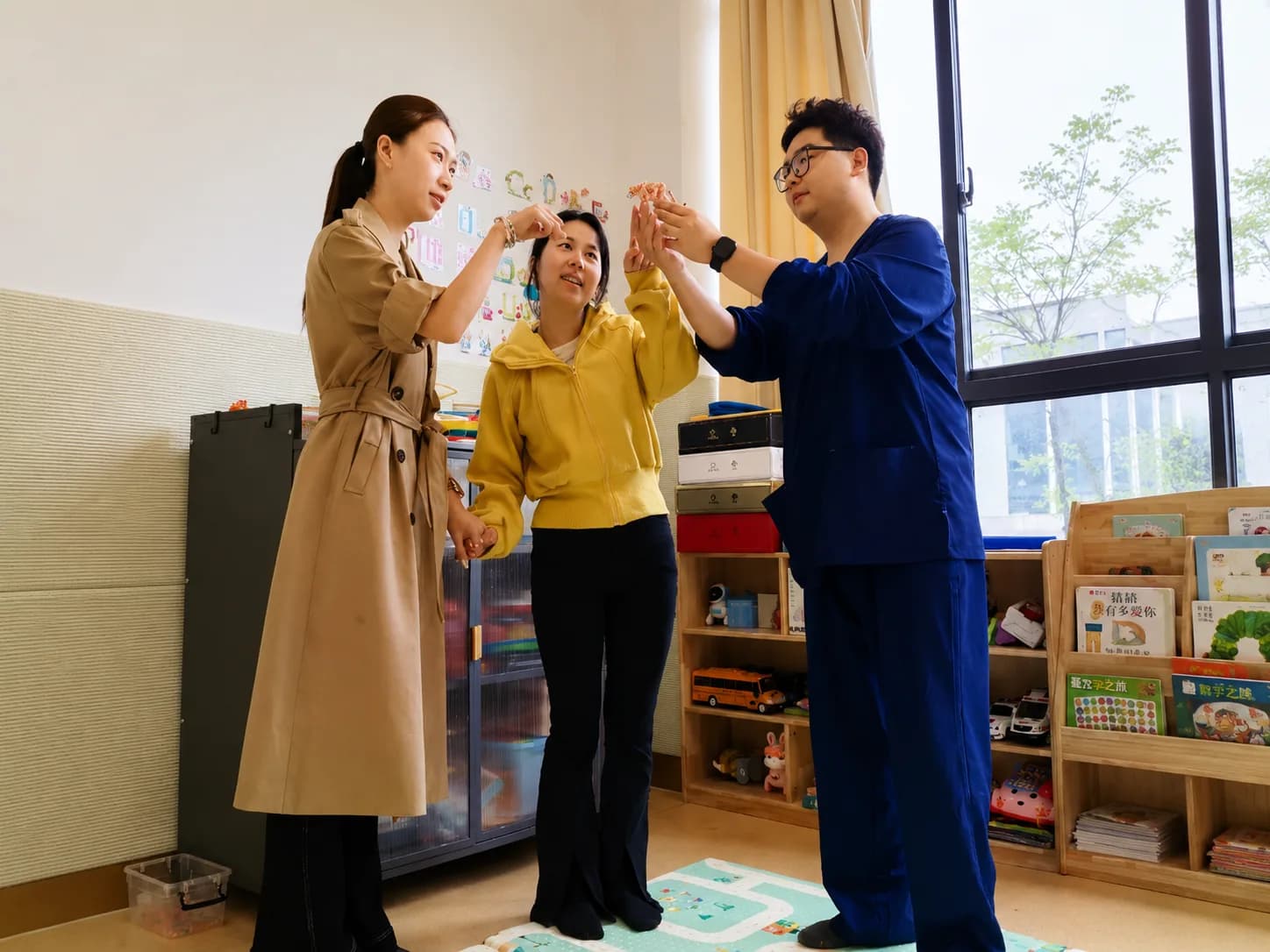
Social withdrawal requires a gentle, gradual approach. Forced socialization creates stress and reinforces avoidance. The program respects the child's pace. Family follow-through is essential: specialists train parents in techniques for supporting social motivation in everyday situations and for gradually expanding the circle of social contacts in a safe way.
Causes
Develops against autism spectrum disorders, anxiety, past trauma, or attachment issues; sometimes linked to speech delay or sensory features that hinder processing communication.
Symptoms
The child avoids eye contact, prefers solitude, may not respond when addressed, and shows anxiety when drawn into contact. Facial expressions and gestures are often poor.
Diagnostics
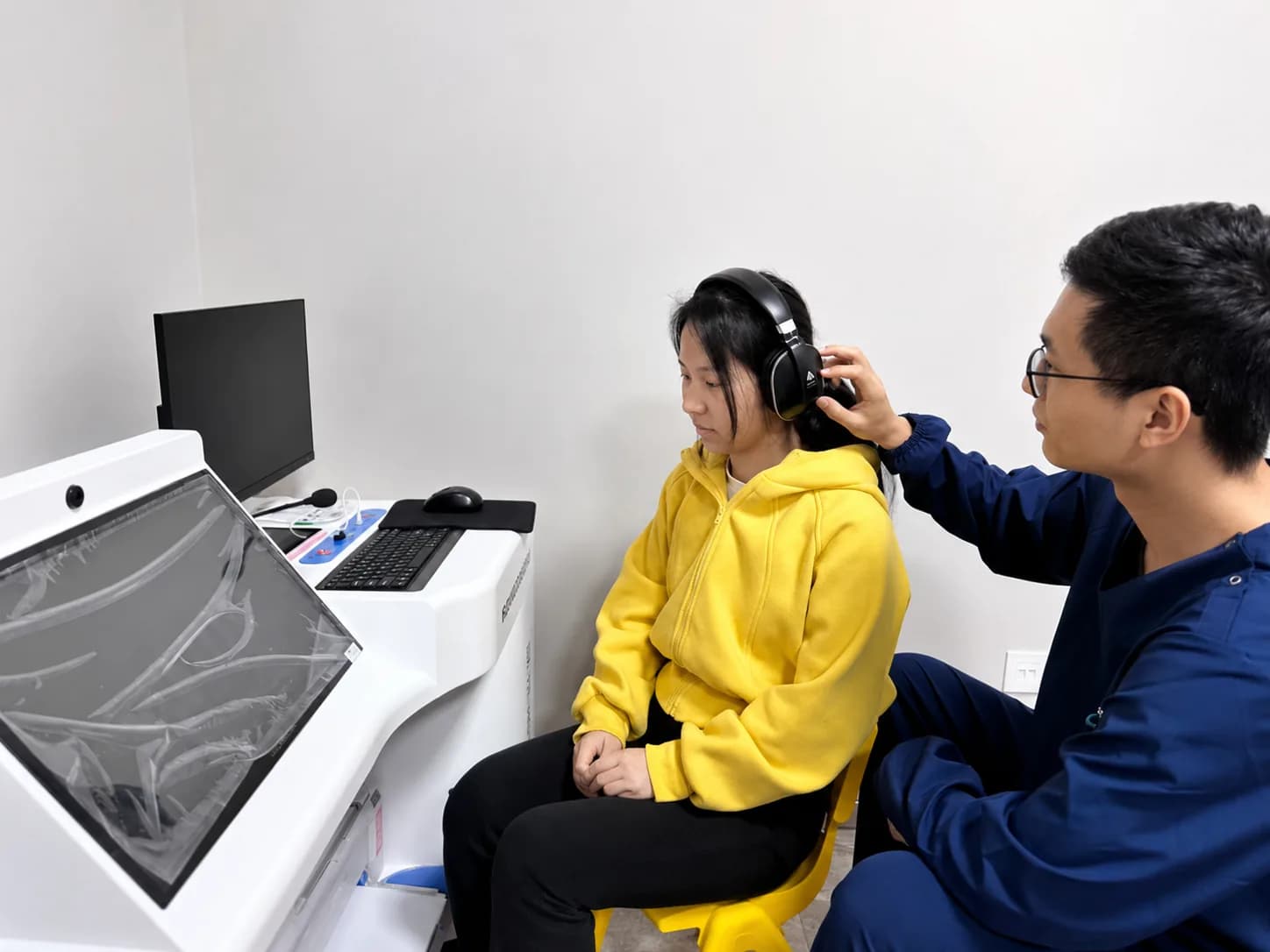
A pediatric neuropsychiatrist, psychologist, and speech therapist assess via observation, parent questionnaires, and communication tests. Distinguishing it from autism and hearing loss matters.
Prognosis and treatment approach
With early correction, most children markedly improve their communication. The sooner work begins and the more the family is involved, the better the adaptation.
How we treat Social Withdrawal and Lack of Interest in Interaction
Diagnostics
Comprehensive examination and patient assessment by an international team of specialists
Treatment plan
Development of an individual rehabilitation program considering diagnosis specifics
Therapy
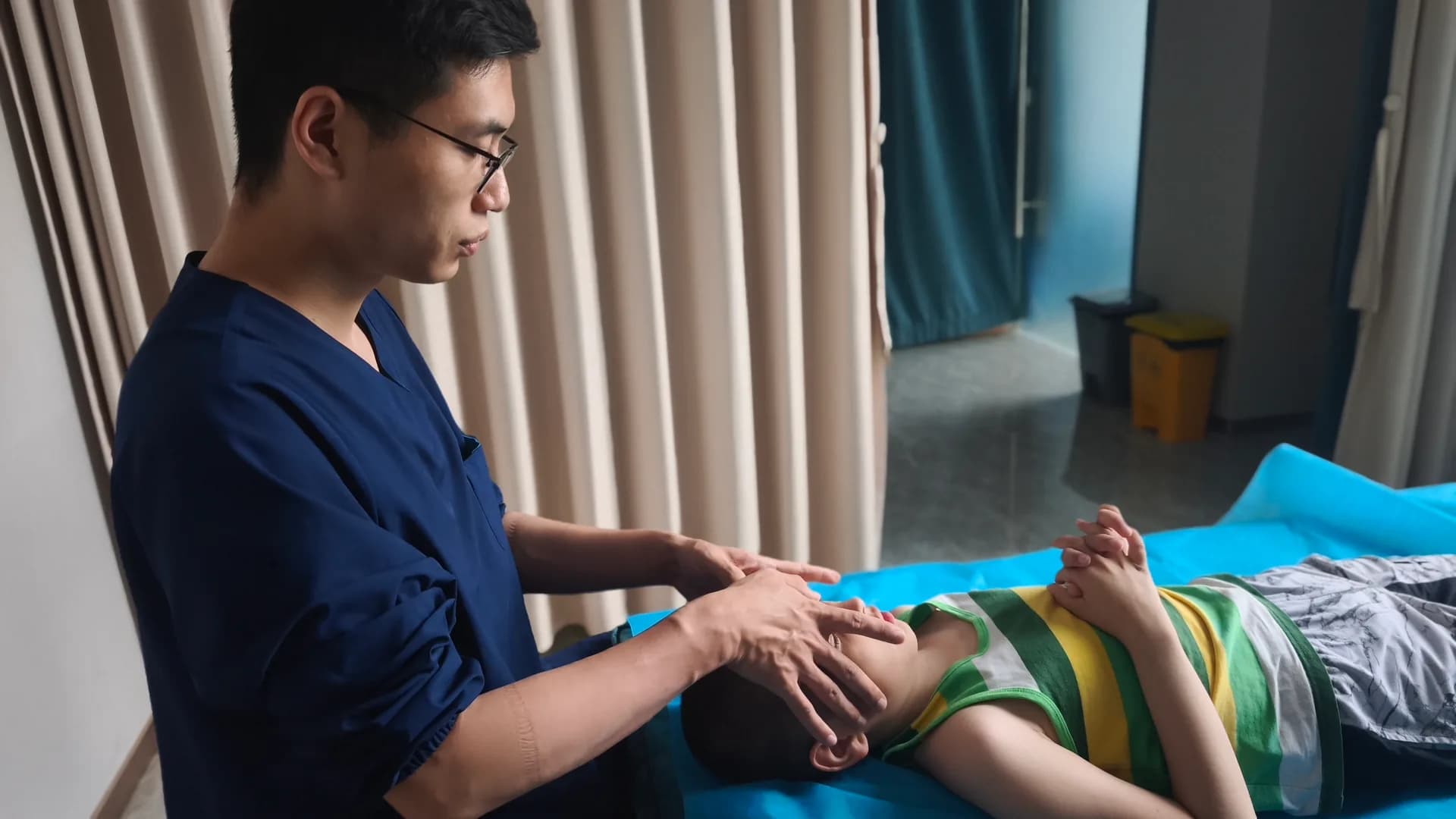
Intensive course of procedures: physical therapy, massage, physiotherapy, acupuncture and other methods
Results
Progress evaluation, home recommendations and maintenance therapy plan
Treatment procedures: Social Withdrawal and Lack of Interest in Interaction

Doctors treating this condition















Frequently asked questions: Social Withdrawal and Lack of Interest in Interaction
Book a free consultation
Leave a short request — a coordinator will contact you within 5 minutes, answer your questions and suggest the first steps.